15 Must-Try Bulgarian Desserts
Bulgaria sits at a culinary crossroads, and its dessert tradition reflects centuries of Balkan, Ottoman, and Eastern European influence. The results range from Easter sweet breads to flourless chocolate cakes invented in early 20th-century patisseries. You'll find these treats in bakeries before 08:00 and on restaurant menus well into the evening. This guide covers the 15 most iconic Bulgarian desserts for 2026, with notes on taste, price, and where to find them.
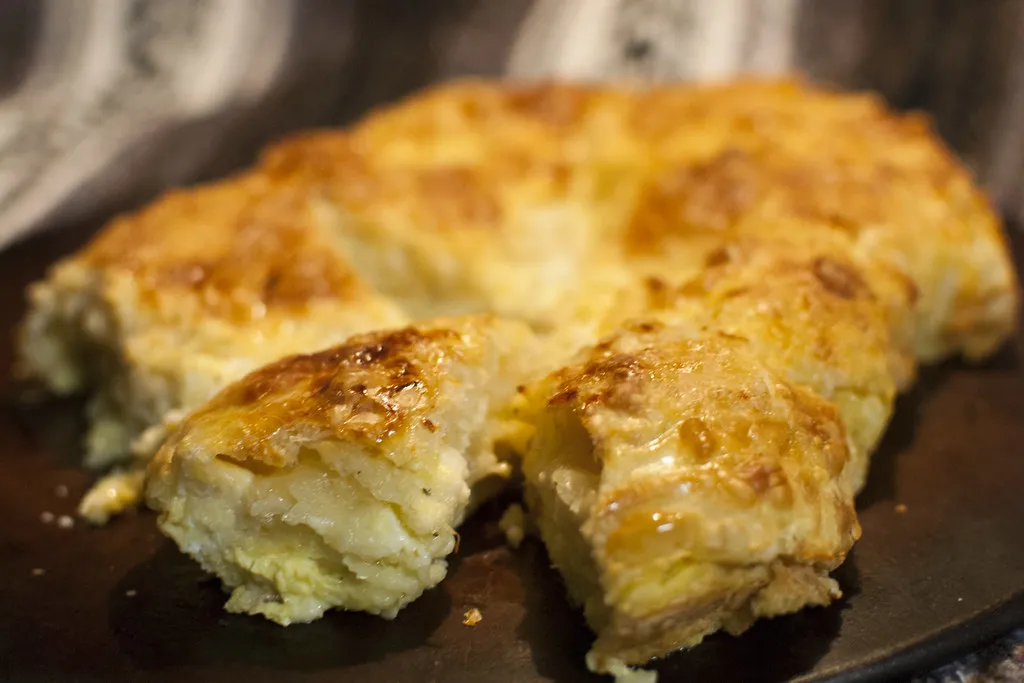
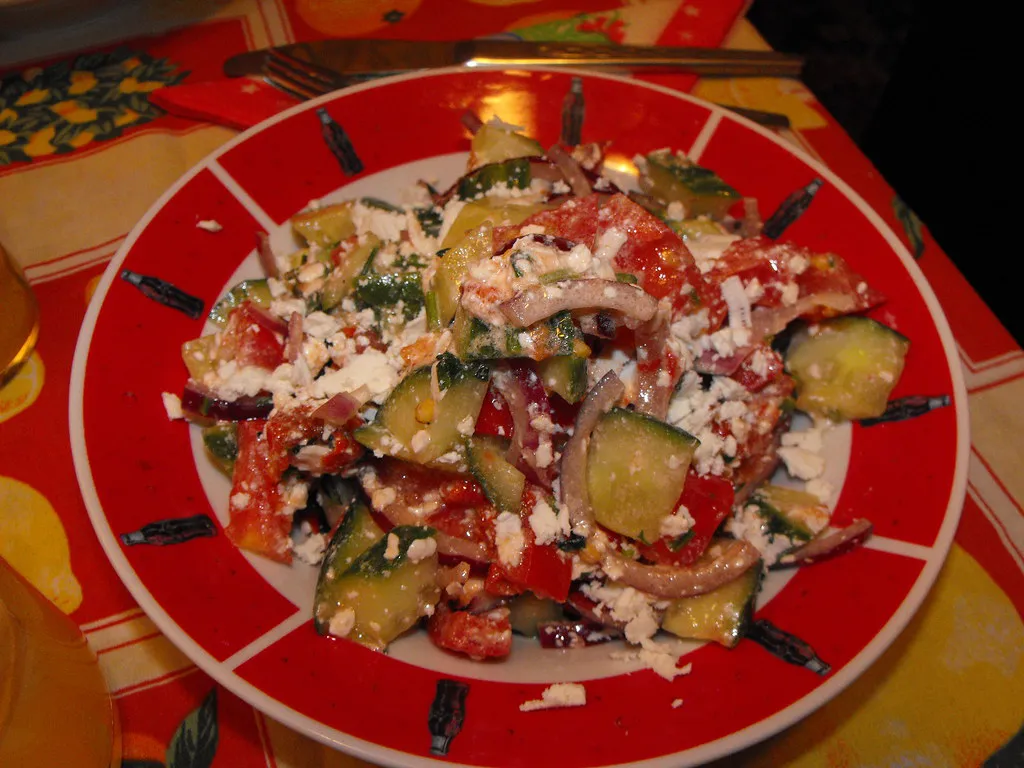
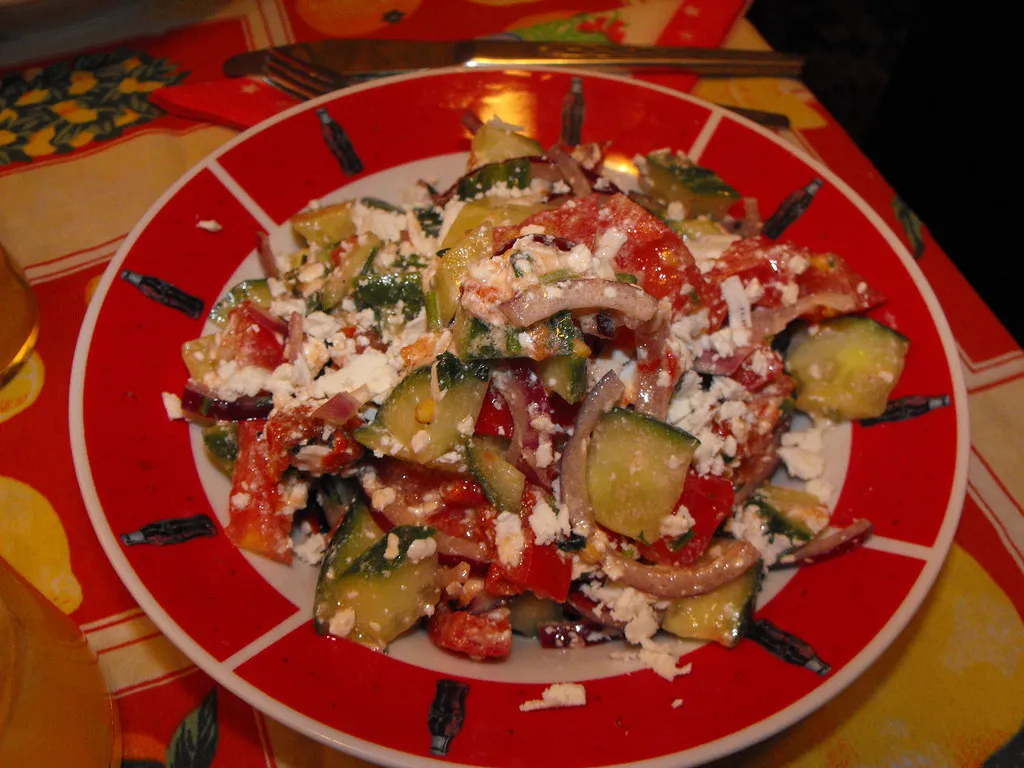
Many visitors focus on savory dishes like Shopska salad dish or banitsa pastry, but the dessert menu rewards exploration equally. Bulgarian sweets are rarely cloyingly sweet — pumpkin, walnuts, semolina, and thick yogurt give most of them a grounded, natural flavor. Portions tend to be generous. Knowing the Bulgarian name helps when menus have no English translation.
For a visual introduction to the craft and history of Bulgaria's most celebrated cake, watch this short film:
1. Kozunak (Sweet Braided Bread)
Kozunak is Bulgaria's most searched traditional dessert, and for good reason. It is a rich, egg-enriched braided bread — closer to brioche than to regular bread — flavored with lemon zest, vanilla, or rum and studded with raisins, walnuts, or chunks of chocolate. The crust is glossy from an egg wash; the interior tears into soft, pull-apart strands.
Easter is when Kozunak is everywhere. Every bakery in the country sells it from late March through the Orthodox Easter weekend. Prices range from 8–20 BGN per loaf depending on size and filling. Outside the holiday season, a handful of specialist bakeries in Sofia and Plovdiv make it year-round. Look for it in the glass cases next to the celebration cakes.
Regional recipes diverge in small but noticeable ways. Sofia versions lean buttery and raisin-heavy. Along the Black Sea coast — in Varna and Burgas — bakers sometimes add a touch of rose water to the glaze, which gives the crust a floral note no inland version matches. It is the kind of detail that surprises even Bulgarian food enthusiasts when they first encounter it.
2. Garash Cake (Гараш)
Garash cake is Bulgaria's most famous chocolate cake, and it has a precise origin story: a pastry chef named Kosta Garash created it in the Danube city of Ruse in 1912. The original recipe — still considered the authentic version — contains no wheat flour. The layers are made entirely from ground walnuts and egg whites whipped into thin, baked meringues. A dark chocolate mousse binds those layers, and a chocolate ganache covers the outside.
The texture is unlike any layer cake made with flour. Each walnut meringue sheet is slightly chewy and intensely nutty. The mousse is dense and not over-sweet. The overall effect is rich but surprisingly light. Some modern patisseries add liqueur to the mousse; purists skip it. A slice typically costs 6–12 BGN. Look for it in dedicated cake shops (sladkarnitsi) in Sofia and Plovdiv rather than in general restaurants, where quality varies.
Garash cake has since crossed Bulgaria's borders and appears in patisseries across Central Europe. If you try only one Bulgarian cake, make it this one — and check that the bakery uses the walnut-meringue layers rather than a sponge shortcut.
3. Tikvenik (Pumpkin Strudel)
Tikvenik is the autumn and winter dessert that Bulgarians associate most strongly with the season. Thin phyllo pastry is filled with grated pumpkin, walnuts, sugar, and cinnamon, then rolled and baked until the pastry is golden and shatters at a touch. Powdered sugar goes on top after baking. The filling stays moist and warmly spiced while the exterior stays crisp — the contrast is what makes it memorable.
Pumpkin season drives availability. From late September through February, tikvenik appears in almost every bakery in the country. Outside that window, supply is patchy. A slice costs 2–5 BGN. It pairs well with a small Turkish coffee in the morning. Bakeries in Veliko Tarnovo and Sofia's central market hall tend to produce reliable versions; the Old Town bakeries in Plovdiv are also worth seeking out.
4. Biscuit Cake (Бисквитена торта)
Biscuit cake — biskvitena torta — is Bulgaria's universal nostalgic dessert. No oven required: layers of plain biscuits soaked in milk alternate with a rich chocolate or vanilla butter cream. The assembled cake chills in the fridge for several hours, during which the biscuits soften into a texture that resembles tiramisu. Most Bulgarians remember eating this at home as children.
Cafes, pastry shops, and supermarkets all sell it year-round. A slice runs 4–8 BGN. Some places finish it with a cocoa dusting; others top it with fruit or chocolate shavings. The homemade versions using a scratch-made cream from eggs, butter, and milk tend to outperform the shortcut versions made with starch-thickened cream. If a cafe has a brisk lunchtime trade, their biscuit cake is likely made fresh daily.
5. Rice Pudding (Мляко с ориз)
Mlyako s oriz — literally "milk with rice" — is one of the most enduring Bulgarian comfort desserts. The recipe is minimal: rice and milk simmer together until thick, sugar is stirred in, and cinnamon goes on top just before serving. Unlike the Turkish version, which incorporates egg yolks for richness, the Bulgarian take is cleaner and lighter. It is served chilled in small bowls.
You will find it in traditional mehanas, school canteens, and home-style restaurants across the country. Prices are 3–6 BGN. It does not look impressive, but a well-made version — where the rice is genuinely creamy and the milk has reduced properly — tastes better than it has any right to. Versions topped with fruit jam or a drizzle of honey offer a small upgrade.
6. Yoghurt with Honey and Walnuts (Кисело мляко с орехи и мед)
This is three ingredients assembled rather than cooked, yet it consistently ranks among the most recommended Bulgarian desserts. The foundation is thick Bulgarian yogurt — kiselo mlyako — which carries a natural tartness from the Lactobacillus bulgaricus bacteria unique to Bulgaria. Local wildflower honey goes over the top, followed by crushed walnuts. The combination of tangy, sweet, and crunchy works across every meal of the day.
You'll find it in almost every restaurant and cafe in the country. Price is typically 5–9 BGN. Bulgarian yogurt is also available in supermarkets; picking up a pot with local honey from a village market makes for a simple self-catering breakfast that rivals anything on a menu. The Bulgarian yogurt (kiselo mlyako) itself is a protected designation of origin product — the bacteria strain cannot be replicated outside the country.
7. Revane (Реване)
Revane is a semolina cake soaked in syrup after baking — the same family of dessert as Middle Eastern basbousa. Bulgaria absorbed it during the Ottoman period, kept the name, and made the syrup heavier. The cake is cut into squares or diamond shapes while still warm and the syrup poured over immediately so each piece drinks it in fully. The result is dense, very sweet, and fragrant.
Traditional restaurants serve it after meals; some families make it at home from recipes passed down through generations. A slice costs 4–7 BGN. It is genuinely sweet, so sharing a portion is reasonable if you are already full from a main course. Strong black coffee or mint tea cuts through the sweetness well. Lemon zest in the syrup — a common Bulgarian addition — lifts the whole thing considerably.
8. Creme Caramel (Крем карамел)
Krem karamel is a smooth baked custard with a caramel top that flows into a sauce when the ramekin is inverted. It is a communism-era staple that never lost its foothold — you will find it in restaurants serving traditional Bulgarian food, in school canteens, and on menus that have not changed in decades. That consistency is part of its appeal. Bulgarians treat it as comfort food in the same way the French treat crème brûlée.
Served chilled, a portion costs 4–8 BGN. The quality indicator is the caramel: a properly made version has a slightly bitter, amber caramel that balances the sweet custard beneath it. An under-caramelized version tastes flat. Hotel restaurants and traditional mehanas generally make more reliable versions than tourist-facing cafes.
9. Funiiki s Krem (Cream-Filled Pastry Horns)
Funiiki s krem are cone-shaped pastries made by wrapping dough strips around metal funnels and baking until golden. Once cooled, the metal forms are removed and the hollow cones are piped full of vanilla cream or custard. They are a bakery staple that has been made the same way for generations, and most Bulgarians have a specific bakery they consider the best for these.
Price is 2–4 BGN per piece. They taste best within an hour of filling, so a bakery with steady customer traffic is your best indicator of freshness. Some bakers top them with chopped walnuts or a chocolate drizzle. If you see a queue at 09:00 outside a small sladkarnitsa, there is a good chance funiiki are being filled fresh behind the counter.
10. Mekitsa (Мекица)
Mekitsa is fried yeasted dough — flatter and more irregular than a doughnut, and airier inside than you expect from something fried. The dough puffs in the oil and cools quickly, so eating one fresh off the fryer is a different experience from eating one that has been sitting for thirty minutes. Most Bulgarians eat mekitsa at breakfast, and it is one of the few Bulgarian foods with genuine street-food credentials.
Standard toppings include powdered sugar, jam, honey, or white cheese (sirene). The combination of a mekitsa with a smear of cold sirene is the savory-sweet pairing that regulars favor. Street vendors near markets and small breakfast-only spots charge 1–3 BGN per piece. The best ones are made to order; avoid any that look pale or greasy, which indicates under-heated oil.
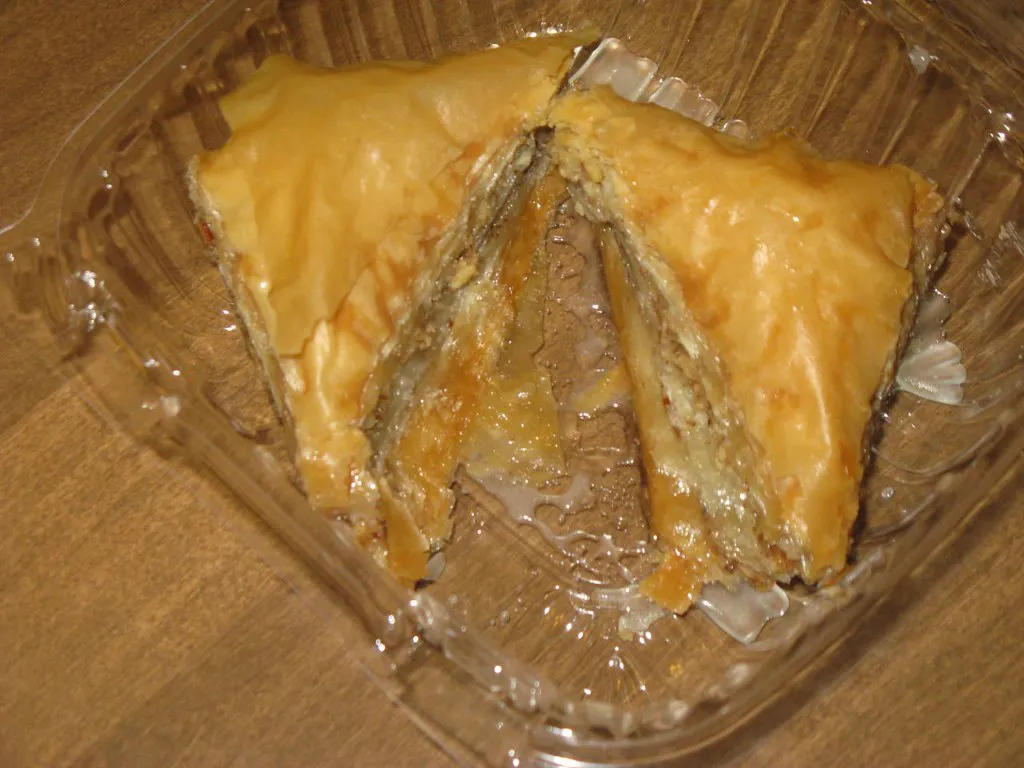
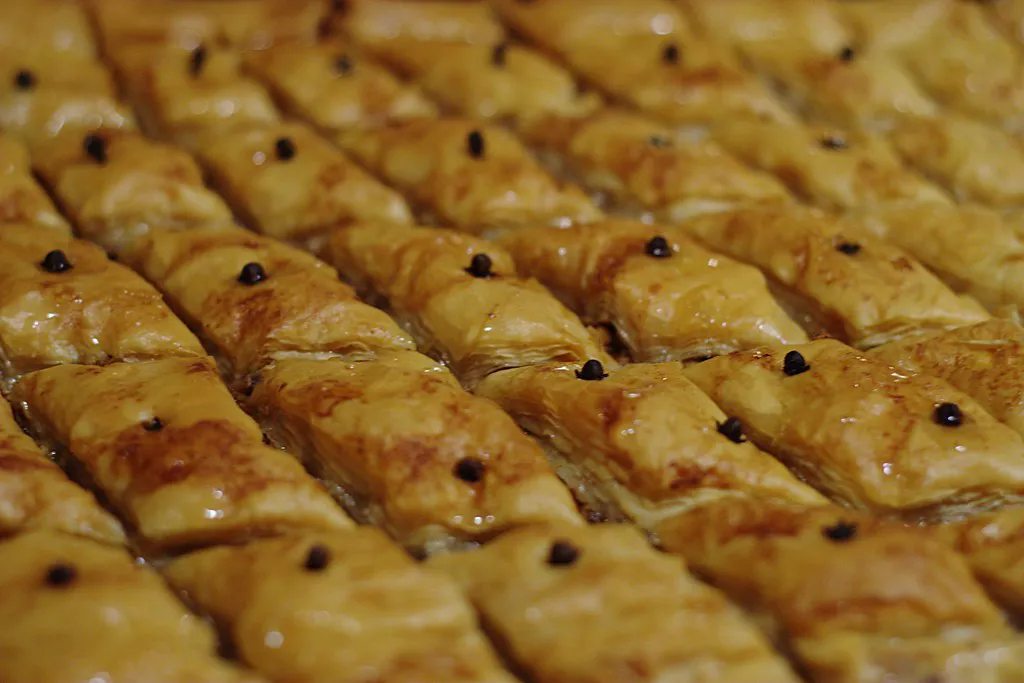
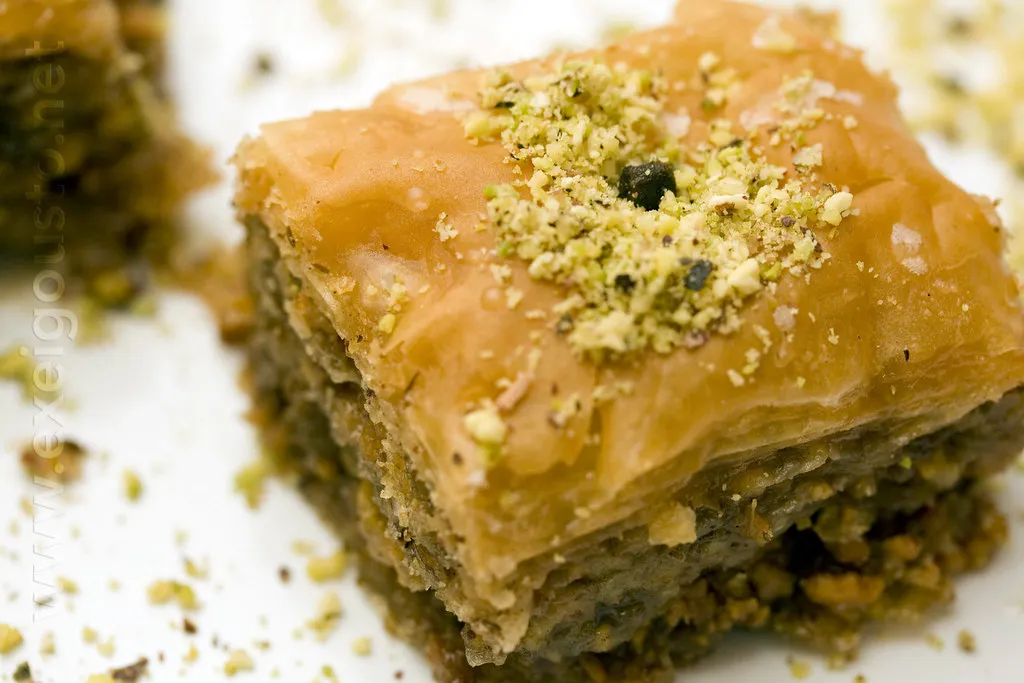
11. Baklava (Баклава)
Baklava entered Bulgarian cuisine during the Ottoman period and stayed. The Bulgarian version uses thin phyllo layers filled with chopped walnuts — occasionally pistachios — and soaked in a sugar syrup rather than a honey syrup. It is cut into diamond shapes and served at room temperature. Bulgarians traditionally serve baklava on New Year's Eve, though patisseries stock it year-round.
Imported Turkish versions are sold in supermarkets, but the homemade or freshly made patisserie versions are noticeably better: the pastry stays flaky rather than turning soggy, and the nut filling is more generously portioned. Price is 3–8 BGN per portion. In cities like Plovdiv with a longer Ottoman-influenced food culture, the baklava at Old Town eateries tends to be a level above the Sofia patisserie standard.
12. Tulumba (Тулумба)
Tulumba are fried choux pastry fingers — ridged from the piping nozzle, deep-fried until golden, then immediately dropped into cold sugar syrup. The contrast of the hot, crisp exterior and the cool, saturated sweetness of the syrup is the whole point. They are the Bulgarian equivalent of churros with extra syrup and less cinnamon.
Street food stalls in major cities and Turkish-influenced bakeries in Plovdiv sell them throughout the day. A portion of four or five pieces costs 3–6 BGN. They are best eaten standing up, warm from the fryer, with a paper napkin. Waiting until you get home defeats the purpose entirely.
13. Peach Cookies (Прасковки)
Praskovki are shaped to look like small peaches — two rounded cookie halves sandwiched together with cream or jam, then colored with orange and red food dye and rolled in crystal sugar to mimic a peach's fuzzy skin. They are entirely decorative in concept and entirely satisfying in practice. The cookie is soft and cake-like; the filling is usually a sweet cream spiked with walnut.
Bulgarian yogurt goes into the dough, giving it a slight tang that offsets the sweetness. They appear in bakeries year-round but peak around celebrations and holidays. Price is 1–2 BGN per piece. They are a popular gift box item — a tray of praskovki travels well and looks impressive.
14. Kurabiiki (Курабийки)
Kurabiiki are Bulgarian shortbread cookies — small, round, and generously dusted with powdered sugar. The dough is straightforward: flour, butter, powdered sugar, sometimes a splash of rakia or vanilla. After baking, they are soft enough to crumble at a press but firm enough to pick up whole. They are associated with Easter but sold in supermarkets, cafes, and bakeries throughout the year.
They go by the name qurabiya in neighboring countries, reflecting the shared Ottoman heritage of the region's baking traditions. Price is under 1 BGN per cookie at most bakeries. They are the kind of thing you buy a bag of at a village market without intending to and finish before getting back to the car.
15. Sweet Salami (Сладък салам)
Sweet salami is a no-bake dessert shaped to resemble a log of cured meat — complete with a cross-section showing the "marbling" of crushed biscuit pieces in a cocoa-butter matrix. The ingredients are biscuits, cocoa, sugar, butter, and sometimes walnuts or rum. The mixture is rolled tightly in cling film, chilled until firm, then sliced. The visual joke is part of the appeal.
It is primarily a home-made treat, though small bakeries and delis sell it by the slice for 3–7 BGN. The texture is firm and chewy with bursts of crunchy biscuit. It requires no oven and keeps in the fridge for several days, which makes it a practical option for self-catering travelers who want something sweet in the accommodation without visiting a bakery every morning.
Where to Find the Best Bulgarian Desserts
Local bakeries — pekarna or sladkarnitsa — open between 06:30 and 08:00 and are the first stop for fresh tikvenik, funiiki, and mekitsa. A queue of locals before 09:00 is the most reliable quality signal you will find. Markets halls in Sofia (the Central Market Hall near Serdika metro) and Plovdiv's Old Town carry a concentrated selection. In Varna, beach-adjacent pastry shops stock desserts alongside savory items from early morning.
Traditional mehanas serve the restaurant-format desserts — mlyako s oriz, krem karamel, revane, and yoghurt with honey and walnuts — typically after a full meal. For garash cake and elaborate celebration tortes, a dedicated patisserie (sladkarnitsa) in Sofia or Plovdiv will outperform anything offered as an afterthought in a restaurant. The Grand Hotel Sofia café and several patisseries around Vitosha Boulevard Visitor Guide are reliable options for garash in the capital.
Street food stalls in city centers carry tulumba and mekitsa through the day. For a structured introduction to the full landscape of Bulgarian cuisine — desserts and savory — a food tour in Sofia covers the most ground in the least time. A cooking class gets you hands-on with kozunak and biscuit cake dough, which is the fastest way to understand what makes each dessert work.
One practical note: some desserts are genuinely seasonal. Tikvenik runs September through February. Kozunak peaks in the two weeks before Orthodox Easter (April or May, depending on the year). Kurabiiki and praskovki are abundant during holiday periods but available in reduced supply outside them. Checking a local bakery's window rather than relying on a menu is always more reliable.
FAQ About Bulgarian Desserts
Continue planning: Use 15 Must-Try Bulgarian Foods: A Culinary Travel Guide and The Best Banitsa Recipe: Authentic Bulgarian Cheese Pie Guide to connect this guide with the rest of your Bulgaria itinerary.
Frequently Asked Questions
Are Bulgarian desserts very sweet?
Many Bulgarian desserts strike a balance between sweetness and natural flavors, often incorporating nuts, fruit, or yogurt. While some, like Revane, are syrup-soaked, others, like Kiselo Mlyako s Orehi i Med, offer a lighter, more refreshing taste. Generally, they are less intensely sweet than some Western European or Middle Eastern counterparts.
Can I find gluten-free options among Bulgarian desserts?
Finding dedicated gluten-free Bulgarian desserts can be challenging in traditional bakeries. However, options like Kiselo Mlyako s Orehi i Med (yogurt with honey and walnuts) are naturally gluten-free. Always inquire about ingredients, especially for cakes and pastries, as cross-contamination is a concern in smaller establishments. Some modern cafes in larger cities might offer more dietary-friendly choices.
What are typical serving times for Bulgarian desserts?
Bulgarian desserts are enjoyed throughout the day. Mekitsa and Boza are popular breakfast items. Cakes and pastries like Tikvenik or Funiiki s Krem are common for coffee breaks or afternoon treats. Heavier desserts like Garash Cake or Krem Karamel are often served after lunch or dinner in restaurants. Yogurt with honey and walnuts is a versatile option for any time.
What should travelers avoid when planning to try Bulgarian desserts?
Avoid expecting overly familiar flavors; embrace the unique taste profiles. Don't limit yourself to just one type of dessert; try a variety to experience the full range of Bulgarian sweets. Also, avoid only seeking out desserts in tourist-heavy areas, as the best and most authentic treats are often found in local neighborhoods and smaller, family-run establishments. Be open to trying new things!
Bulgaria's dessert tradition is deeper than most visitors expect. From the flourless walnut-meringue layers of a proper garash cake to the spiced pumpkin filling of tikvenik in autumn, each sweet carries a specific cultural and seasonal context. The best approach is to treat bakeries as a morning priority rather than an afterthought — the freshest versions of nearly everything on this list appear before 10:00 and sell out by early afternoon.
Start with kozunak if you visit around Easter, garash cake if you want to understand Bulgarian pastry craft, and yoghurt with honey and walnuts if you want something that requires no menu navigation at all. The full picture of Bulgarian cuisine extends well beyond desserts — the Bulgarian cuisine guide covers the savory side in equal depth. For something to drink alongside these sweets, rakia brandy and tarator soup represent the country's culinary character just as clearly.
For connected planning, compare practical Bulgaria travel guide with Bulgaria seasonal planning guide before finalizing your route.