The Best Time To Visit Bulgaria For Every Traveler
The best time to visit Bulgaria is from mid-May to mid-June, when the weather is mild and Sofia's parks are fresh with spring greenery. This guide covers every seasonal nuance you need. Choosing the right month helps you avoid heavy crowds while enjoying the best outdoor activities.
Bulgaria offers a diverse climate that changes significantly between high mountain peaks and the sunny coastline. You should check the Bulgaria Weather By Month: A Complete Seasonal Travel Guide to understand these regional differences before booking. Late spring and early autumn are the ultimate sweet spots for most international travelers. These periods offer warm days, cool nights, and much lower prices than the peak summer months.
Whether you want to ski in Bansko or lounge in Sunny Beach, timing is everything for your budget. Late-May mountain weather can include multi-day rain, so keep a lower-elevation city such as Plovdiv as a backup. Bulgaria remains one of Europe's most affordable destinations if you plan around the seasonal shifts correctly. Read on to discover which months offer the best balance of sunshine, festivals, and local culture.
Key Takeaways
- Visit from mid-May to mid-June for the best balance of weather and price.
- Book Bansko ski trips for February to ensure the best snow conditions.
- Avoid the Black Sea coast from November to April as most resorts are closed.
Bulgaria Travel Quick Facts: The Best Months at a Glance
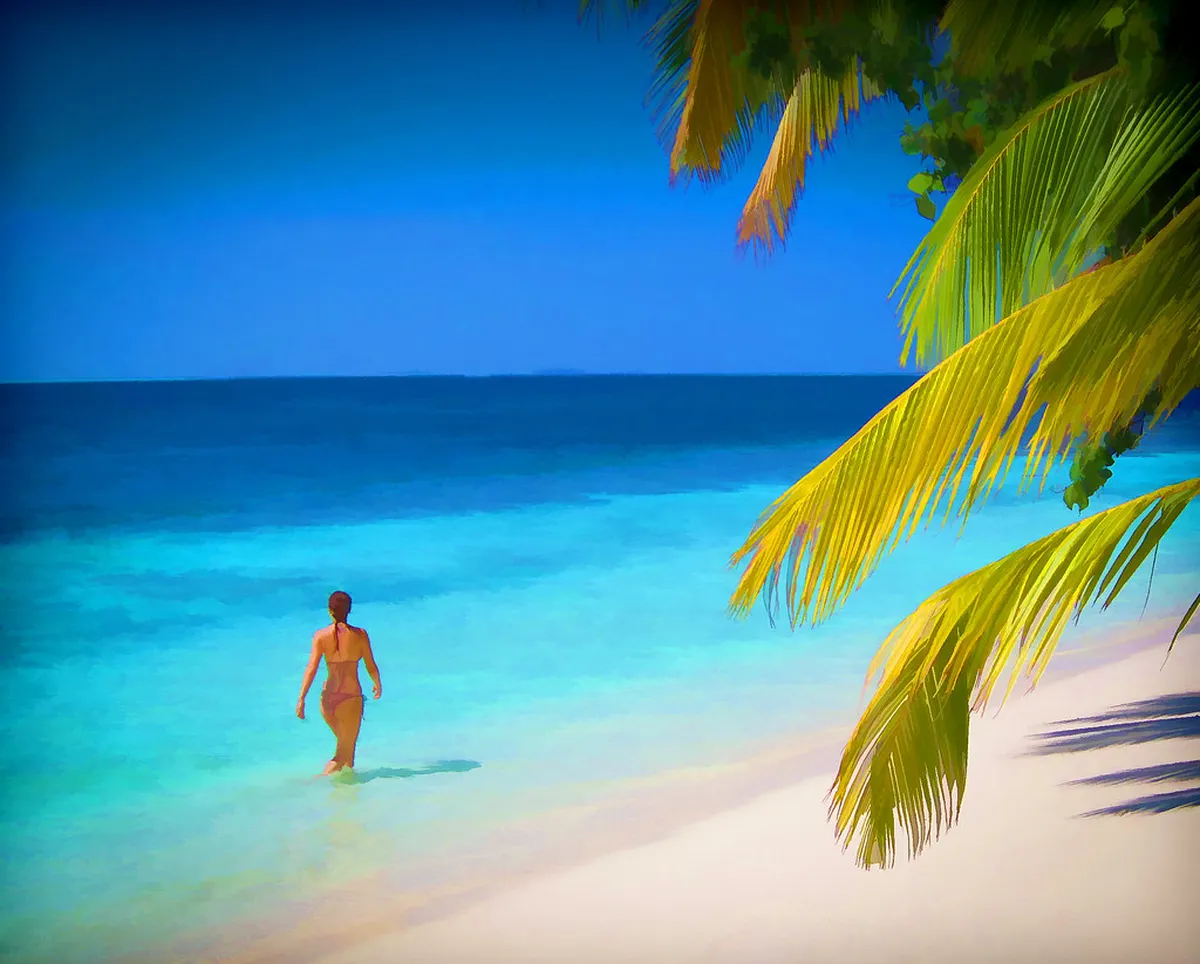
The peak summer season runs from July to August and draws thousands to the Black Sea coast. Temperatures during this time often reach 28–32°C / 82–90°F, making the water very pleasant for swimming. Expect higher hotel rates and crowded beaches in popular spots like Varna and Nesebar, so seek out the 10 Best Beaches Near Varna (2026) to escape the busiest stretches. Hikers also flock to the Rila Mountains during these months for the clearest trail conditions.
For the Black Sea coast specifically, our Best Time to Visit Nessebar: 10 Seasonal Tips & Insights guide breaks the season down month by month.
Winter sports enthusiasts should aim for the window between late December and early March. The Bansko Ski Season highlights February as the most reliable month for deep snow. Daytime temperatures in the mountains usually hover between -5–2°C / 23–36°F during the peak ski weeks. Outside of the ski resorts, winter in the cities can be grey and somewhat damp.
Shoulder seasons in May, June, and September offer the best value for general sightseeing and cultural tours. You will find temperatures ranging from 18–24°C / 64–75°F, which is ideal for walking through historic sites. Many local festivals take place during these months, offering a deep look into Bulgarian traditions. Crowds are significantly thinner, allowing for a more authentic experience in the ancient cobblestone streets.
Season Comparison
Understanding the seasonal shifts helps you pack correctly and manage your daily travel expectations. The transition between seasons can be rapid, especially in the high-altitude Balkan and Pirin mountain ranges. Coastal weather is influenced by the Black Sea, which keeps the air cooler in spring and warmer in autumn — the country sits in a transitional zone described in detail in the overview of the climate of Bulgaria. The following table breaks down what you can expect during each major travel window throughout the year.
| Season | Weather | Crowds | Prices | Events | Best for |
|---|---|---|---|---|---|
| Mid-March to May | 10–20°C / 50–68°F | Low | Low | Easter | Wildflowers |
| June to August | 25–32°C / 77–90°F | High | High | Rose Fest | Beaches |
| September to October | 15–25°C / 59–77°F | Medium | Medium | Wine Harvest | Hiking |
| November to Mid-March | -5–5°C / 23–41°F | Low (Ski High) | Low | Kukeri | Skiing |
Spring in Bulgaria (March–May): Wildflowers and Waterfalls
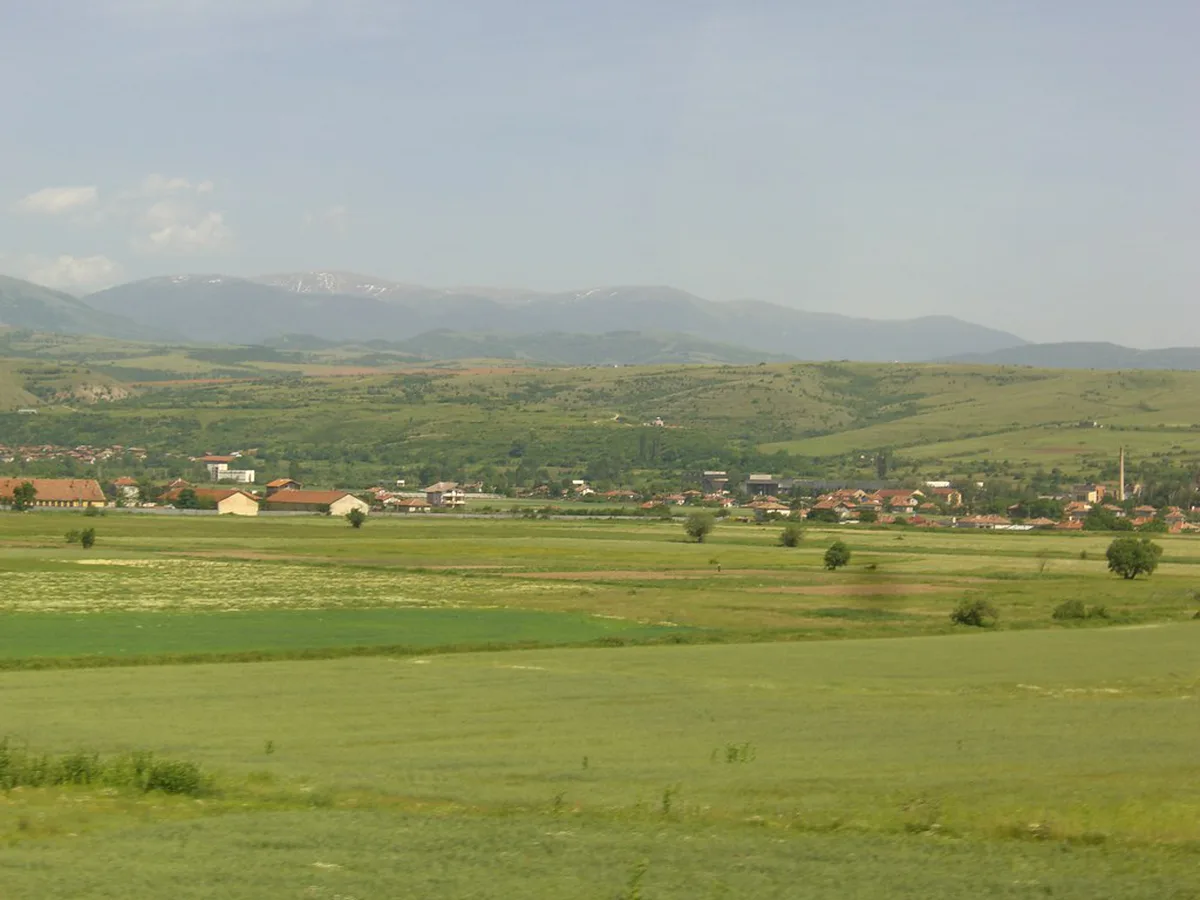
Spring is a time of renewal and is arguably the most beautiful season for nature lovers. You can explore the 7 Best Reasons and Things to Do in Bulgaria in Spring guide for detailed trail recommendations and floral maps. The valleys become a sea of green, and the waterfalls in the Balkan Mountains are at full power. Daytime highs start at 10°C / 50°F in March and reach 21°C / 70°F by late May.
The famous Rose Festival in Kazanlak typically peaks during the first week of June each year. I recommend visiting in late May to see the rose fields before the main harvest begins. The air in the Rose Valley and Kazanlak Rose Festival area is incredibly fragrant during this specific two-week window. Make sure to book your accommodation in Kazanlak months in advance for this popular event.
Lower elevation hiking trails are accessible, but high peaks remain covered in snow until June. The 'Fohn' wind can cause rapid snow melt, leading to muddy conditions on many mountain paths. Cities like Sofia and Plovdiv come alive with outdoor cafes and vibrant street performances in April. Spring is also a fantastic time for birdwatching in the wetlands near the coastal city of Burgas.
Summer in Bulgaria (June–August): Peak Beach and Hiking Season
Summer is the time for sun-soaked adventures and long days at the Black Sea resorts. Our Bulgaria in Summer: 10 Essential Tips and Destinations guide details the best hidden coves away from the crowds. Expect temperatures to stay around 28°C / 82°F, though heatwaves can push them much higher. The sea water temperature reaches a comfortable 24–26°C / 75–79°F by late July.
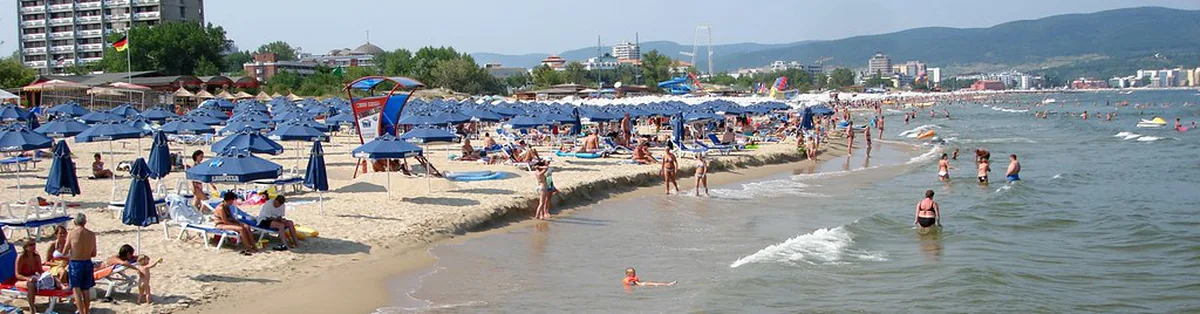
💡 Good to know: For a Black Sea trip in July or August, book seafront hotels in Sunny Beach or Nesebar at least 2–3 months ahead — peak-week rates roughly double and the best-value rooms sell out first.
High-altitude trekking in Rila and Pirin National Parks is best done from July through mid-September. The Seven Rila Lakes Visitor Guide are a must-see, but they get very busy on August weekends. Mountain temperatures are much cooler, often staying around 15–20°C / 59–68°F during the day. Always carry a rain jacket as afternoon thunderstorms are common in the high mountains.
The coastal nightlife is at its peak in August with music festivals and beach parties, while inland there are plenty of Top Things To Do in Sofia for those who prefer the city. If you prefer quiet, head to the southern coast near the border with Turkey. Places like Sinemorets offer a more relaxed atmosphere compared to the bustling Sunny Beach. Summer is also the season for the International Jazz Festival held in the mountain town of Bansko.
Autumn in Bulgaria (September–November): Harvest and Sightseeing
Autumn brings a golden hue to the landscape and is the best time for wine enthusiasts. Check out the Bulgaria in Autumn: 7 Best Things to Do and See guide for the best vineyard tour routes. September remains warm with averages of 23°C / 73°F, while November drops to 10°C / 50°F. The harvest season means local markets are overflowing with fresh grapes, peppers, and pumpkins.
Hiking remains excellent through October, with stable weather and crisp, clear mountain views. The autumn foliage in the Rhodope Mountains is spectacular and peaks in mid-October. By late September, the forest around the Rila Monastery Visitor Guide begins turning gold. This is also the perfect time for a city break in Plovdiv or Sofia, and our guide to the best time to visit Plovdiv breaks down each month in detail.
Prices for accommodation drop significantly once the school year begins in mid-September. You can enjoy the same historical sites without the summer heat or the large tour groups. The Black Sea coast stays warm enough for walking, though the swimming season ends in late September. November is the start of the 'grey months' when rain and fog become more frequent.
Winter in Bulgaria (December–February): Skiing and Spa Retreats
Winter transforms the Bulgarian mountains into a playground for skiers and snowboarders. Our Bulgaria in Winter: Complete Travel Guide guide covers the best resorts for every skill level. Bansko, Borovets, and Pamporovo are the three main hubs for winter sports in the country. Snowfall is usually heaviest in January and February, providing excellent conditions on the slopes.
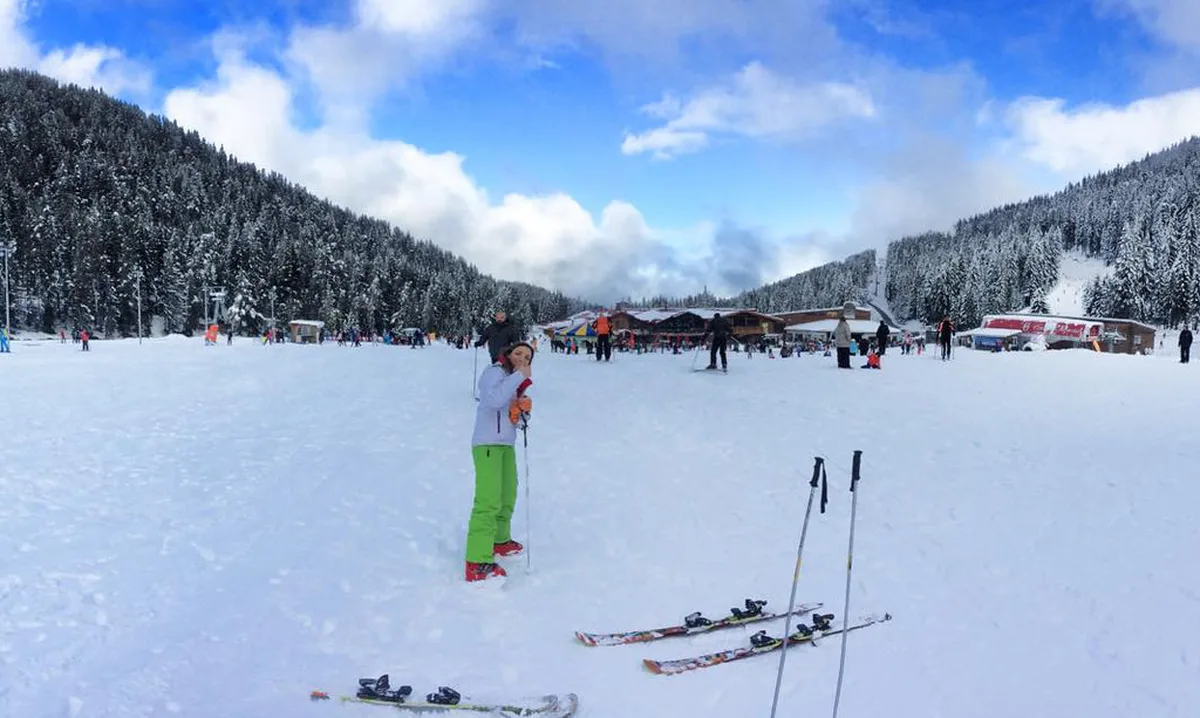
💡 Good to know: If you are driving in the mountains between November and March, winter tyres are legally required in snowy conditions and many rental cars do not include them by default — confirm with your hire company and pack tyre chains for high passes.
If you don't ski, Bulgaria's thermal spas offer a warm escape from the freezing air. Velingrad and Sapareva Banya are famous for their mineral springs and luxury spa hotels. Outdoor thermal pools are a unique experience when the surrounding ground is covered in snow. Winter temperatures in the lowlands often hover around 0°C / 32°F with occasional cold snaps.
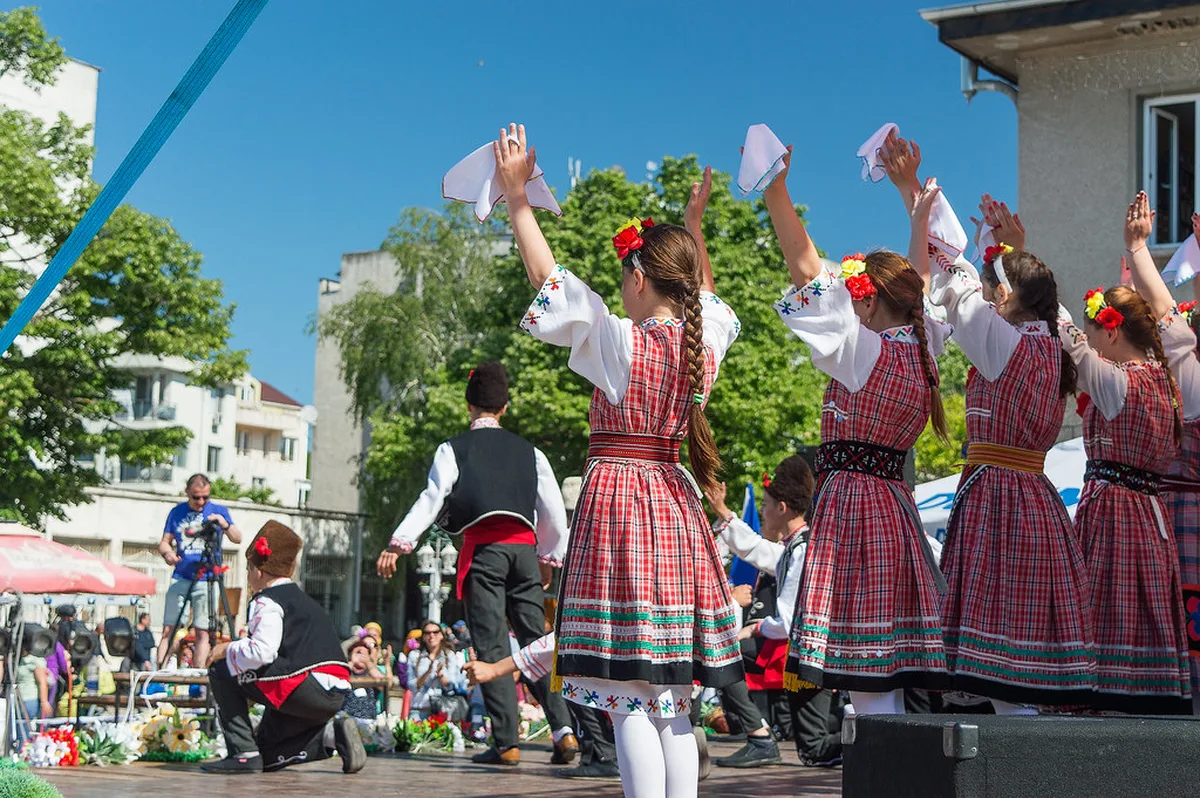
January features the Surva Festival in Pernik, where kukeri masked rituals chase away evil spirits. This traditional event is a highlight of the Bulgarian cultural calendar and attracts many visitors. Winter is also a great time to enjoy heavy Bulgarian stews and local red wines. Be aware that mountain roads can be dangerous and require winter tires or chains.
Pick X If
Choosing the right time depends on your personal interests and your travel budget. Bulgaria offers something different in every season, from snowy peaks to golden sands. Consider what activities are your top priority before you lock in your flight dates. The following recommendations will help you match your travel style to the best month.
- Pick mid-summer if you want
- Hot beach days and nightlife
- Pick late winter if you want
- Reliable snow for mountain skiing
- Pick the shoulder months if you want
- Lower prices and fewer crowds
- Pick early June if you want
- The peak of rose blooming
What's Closed in Low Season
Traveling in the off-season requires careful planning as many tourist facilities shut down. Most Black Sea resorts like Sunny Beach effectively close from mid-October until late May. During this time, hotels, restaurants, and seasonal shops along the coast are boarded up. If you visit the coast in winter, stick to major cities like Varna or Burgas, and review the Varna Weather By Month: 10-Point Seasonal Guide before you go.
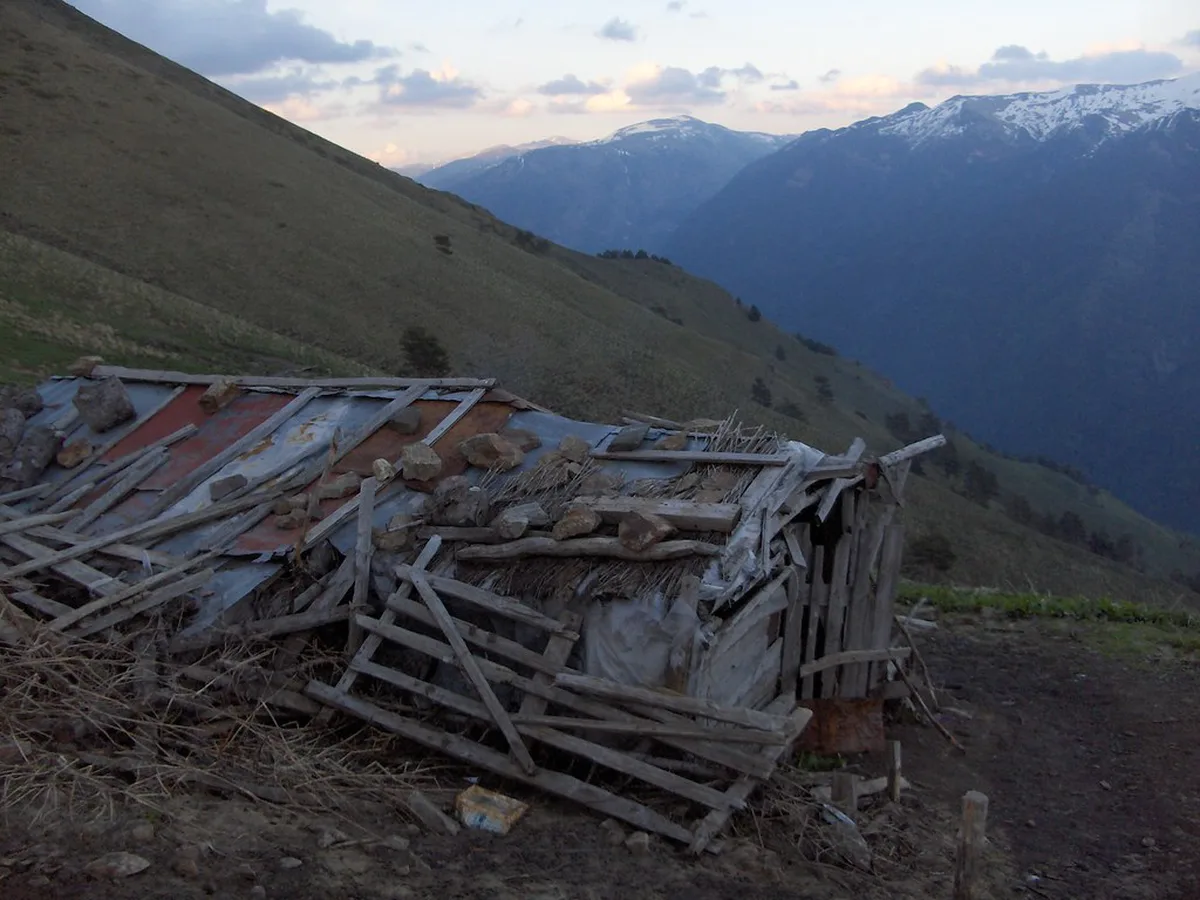
High-altitude mountain huts often close their doors by early November for the winter. The Troyan Pass (Road II-35) typically closes due to snow from November until late May. Small museums in remote villages may have significantly reduced hours or require an appointment. Always check the Official Tourism Portal of Bulgaria for current attraction status.
Ferry services on the Danube or to small islands may stop running during the winter months. Public transport to mountain trailheads is often less frequent outside of the peak summer season. Some thermal spas undergo maintenance in the late autumn before the winter rush begins. Planning for these closures ensures you don't arrive at a locked gate after a long drive.
What to Pack
Packing for Bulgaria requires versatility because the weather can change in an instant. Even in summer, the mountain air is cool, and you will need a sweater at night. Bulgarians generally dress casually, but comfortable walking shoes are essential for the cobblestone streets. The following items are recommended based on the season of your planned visit.
- Pack for summer trips
- Sunscreen and lightweight cotton clothing
- Pack for winter trips
- Thermal layers and waterproof boots
- Pack for mountain hiking
- Sturdy boots and rain gear
- Pack for spring or autumn
- Light jackets and layering pieces
How Many Days Do You Need in Bulgaria?
For a first visit that captures the essentials, plan on 7 to 10 days in Bulgaria. A short 3–4 day city break to Sofia and Plovdiv works well if your time is limited, letting you tour ancient ruins, Orthodox cathedrals, and the buzzing Kapana craft district without rushing. Add the nearby Rila Monastery as a day trip and you have a satisfying long weekend.
To pair the cities with either the Black Sea coast or the mountains, give yourself a full week. A week lets you split time between Sofia, Plovdiv, and a coastal base in Varna or a hiking base in Bansko, accounting for the 4–5 hour drives between regions. If you want both the coast and the high mountains, or you are travelling in summer to combine beaches with the Seven Rila Lakes, stretch the trip to 10–14 days. The season shapes the ideal length too: ski-only winter trips can be as short as a long weekend in Bansko, while summer road trips reward the extra days needed to reach quieter southern beaches like Sinemorets.
Explore more: Best Time To Visit Bulgaria: Seasonal Weather & Travel Guide
Use these focused guides to plan the details, compare options, and build an itinerary that fits your trip.
- Bansko Ski Season: 9 Essential Insights for Your Trip
- 10 Best Bulgaria Festivals: A Guide to Traditions & Events
- Bulgaria in Autumn: 7 Best Things to Do and See
- 7 Best Reasons and Things to Do in Bulgaria in Spring
- Bulgaria in Summer: 10 Essential Tips and Destinations
- Bulgaria in Winter: Complete Travel Guide
- Bulgaria Weather By Month: A Complete Seasonal Travel Guide
Frequently Asked Questions
What is the cheapest month to visit Bulgaria?
November and March are the cheapest months to visit Bulgaria. Flight prices and hotel rates drop significantly during these grey months. You can find great deals in cities like Sofia and Plovdiv.
When does the ski season start in Bulgaria?
The ski season usually starts in mid-December and lasts until late March. Bansko often has the longest season in the country. February provides the most reliable snow for all mountain resorts.
Is Bulgaria worth visiting in winter?
Yes, Bulgaria is excellent for winter sports and thermal spa retreats. You can enjoy affordable skiing in Borovets or relax in Velingrad. The Surva Festival in January is also a major cultural highlight.
Bulgaria is a year-round destination that offers a unique experience in every single season. Whether you prefer the blooming roses of June or the snowy peaks of February, timing is key. Check our travel blog for more detailed itineraries and local tips. By choosing the right month, you will see the best of what this Balkan gem offers.
Remember to pack for the specific region you plan to explore, from the coast to the mountains. Enjoy the incredible food, rich history, and stunning landscapes of Bulgaria on your next adventure.