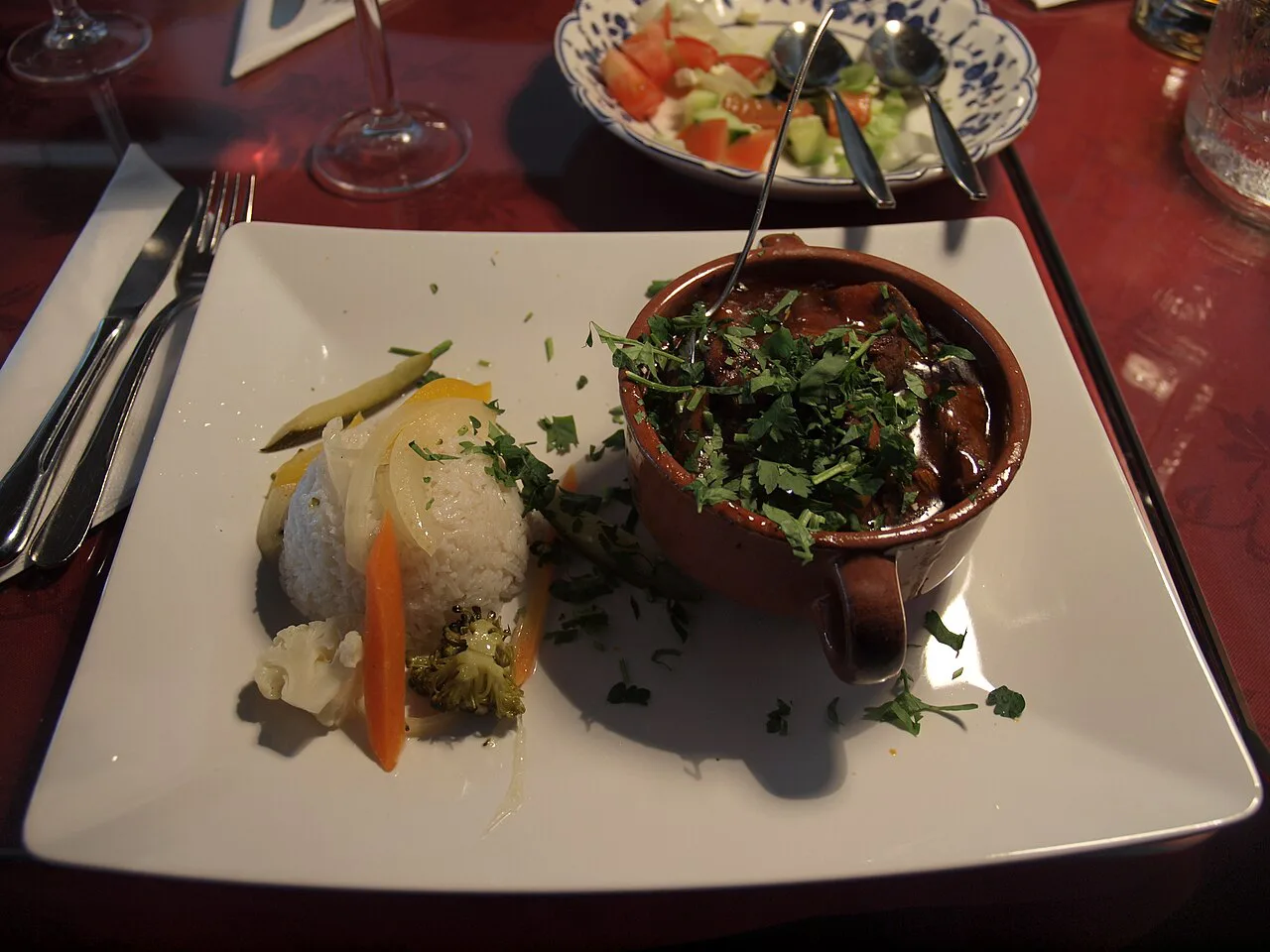
Gyuvech: Bulgaria's Slow-Cooked Clay Pot Stew Explained
Last updated July 2026. Gyuvech is Bulgaria's slow-cooked clay pot stew, built from layered meat, seasonal vegetables, and the herb chubritsa in an earthenware dish that shapes the final flavor. Order one at a mehana outside the capital and you will typically meet two versions: the large communal gyuvech built for a shared table, and the single-serve gyuveche topped with a fried egg and sirene cheese. This guide sits inside our wider Bulgarian food traditions coverage and walks through the ingredients, the clay pot itself, and where to order an authentic version.
The Essence of Gyuvech: More Than Just a Stew
The name gyuvech refers first to the pot, not the food. Balkan kitchens use related names for the same round earthenware vessel: güveç in Turkish, ghiveci in Romanian, and đuveč in Serbian, all descended from a shared Ottoman-era pottery tradition. In Bulgaria, gyuvech means both the dish and the vessel it's cooked in, a slow-baked combination of meat and vegetables assembled directly in the clay and served at the table in the same pot it was baked in. Do not confuse it with sirene po shopski, another Bulgarian clay-baked dish, but one built around baked sirene cheese and egg rather than layered meat and vegetables; gyuvech is a full stew course, sirene po shopski is closer to a starter. Across the wider Balkan Peninsula, the vegetable-forward relative of this dish, known in English as ghivetch, is most closely associated with Moldova, where it holds status as a national dish and can include dozens of vegetable varieties layered without meat at all. Bulgaria's mehana version leans the opposite direction: meat-heavy, seasoned with chubritsa, and built to feed a table rather than stretch a vegetable surplus. The wider ghivetch family has drawn outside attention too, with the Washington Post once grouping it alongside ratatouille and moussaka as one of the world's defining vegetable stews, a reputation Bulgaria's version keeps earning one mehana table at a time.

Gyuvech vs. Gyuveche: Which Should You Order?
Bulgarian menus use gyuvech and gyuveche to describe two different plates, and the distinction matters when you are ordering for one person versus a full table. Gyuvech is the large-format, communal pot: meat-heavy, built to share, and closer to a stew than a personal meal. Gyuveche is the individual-sized pot, generally vegetable-forward with ground meat mixed in, and finished under the broiler with a cracked egg and a layer of sirene cheese on top. Use the table below to decide which one fits the meal you're planning.
| Feature | Gyuvech (large) | Gyuveche (individual) |
|---|---|---|
| Serving style | Communal, family-style pot | Single-serve pot per diner |
| Typical protein | Beef, pork, or lamb, meat-heavy | Vegetable-forward, often with ground meat |
| Common topping | None; just vegetables and meat | Fried egg and sirene cheese on top |
| Approx. cook time | 3+ hours for a full communal bake | About 40 minutes: 30 min covered, 10 min with egg |
| Best for | Family meals, festive mehana orders | A quick single-portion mehana lunch |

Anatomy of a Classic Bulgarian Gyuvech
A classic Bulgarian gyuvech is built in layers, not stirred together. Cooks brown the meat separately, then alternate vegetable layers with meat in the pot before adding liquid and sealing with the lid for the bake. A typical build includes:
- Meat: ground or diced beef, pork, or lamb, browned before layering
- Root vegetables: sliced potatoes form the base layer
- Aromatics: carrot, celery, onion, and red bell pepper, chopped and layered
- Tomato: fresh chopped tomato added for moisture and acidity
- Chubritsa: dried summer savory, the defining spice of Bulgarian gyuvech
- Paprika, salt, and black pepper, seasoned into each layer
- Water and a splash of olive oil, added just before the lid goes on
The Art of the Clay Pot: Why Bulgarian Pottery Matters
Bulgarian earthenware is not just a serving vessel. Unglazed or lead-free glazed clay heats slowly and holds that heat evenly, so the meat and vegetables cook in their own moisture instead of drying out under direct heat. That same slow heat transfer is why the pot needs careful handling before it reaches the oven at all. The rule recipes agree on: never set a clay pot into a preheated oven. Place it in a cold oven first, then set the temperature to 450°F (230°C) and start timing only once the oven reaches that mark; heating the clay gradually with the oven prevents the thermal shock that cracks it. Once you own one, hand-wash it and let it dry fully before storing, since trapped moisture and dishwasher cycles both shorten a clay pot's life. If you want to bring a pot home, look for Troyan-pattern pottery, the drop-glaze style associated with the town of Troyan, sold in souvenir shops across Bulgaria alongside trays, mugs, and casserole dishes made the same way.
Where to Find Authentic Gyuvech in Bulgaria
Order gyuvech at a mehana, a traditional Bulgarian tavern, rather than a modern restaurant menu; mehanas are more likely to bake it the slow way instead of reheating a pre-made batch. Regions worth targeting include:
Clay heats slowly and evenly, which is why traditional mehanas with wood-fired ovens excel at this dish. The critical rule: place the cold pot into a cold oven, then heat to 450°F. Preheating causes thermal shock that cracks the vessel—a mistake many home cooks make.
- Bansko: mountain-town mehanas serving gyuvech alongside grilled meats
- Plovdiv: Old Town taverns with wood-fired ovens suited to clay pot cooking
- The Rhodope Mountains: mehanas pairing gyuvech with other regional mountain dishes
Common Mistakes to Avoid
A few habits ruin gyuvech before it reaches the table, whether you're cooking it or ordering it at a mehana:
Communal gyuvech requires 3+ hours while individual gyuveche finishes in 40 minutes. Always ask the mehana how long the dish will take before ordering, especially for the communal version—rushing the kitchen prevents the slow cooking that builds the defining layered flavors.
- Placing the pot in a preheated oven, which risks cracking the clay from thermal shock
- Jumping straight to high heat instead of ramping up with the oven from cold
- Removing the lid too early, which lets moisture and flavor escape mid-bake
- Using glazed pottery not rated for direct oven heat, or with unverified lead-free glaze
- Ordering gyuvech at a mehana without asking about wait time, then rushing the kitchen
Beyond the Pot: Pairing Your Meal
Gyuvech is a main course, so keep the sides simple. A shopska salad, chopped tomato, cucumber, pepper, and onion topped with grated sirene cheese, is the standard starter across Bulgarian mehanas and cuts through the richness of the stew. To drink, rakia, Bulgaria's fruit brandy, is the traditional pairing, usually served chilled in a small glass before the meal rather than alongside it. If your gyuveche arrives with a fried egg and sirene already on top, skip ordering extra cheese on the side; the portion is built in.
Other Bulgarian Classics to Try
Gyuvech is one entry point into Bulgaria's wider clay-pot and slow-cooked cooking tradition. Round out a culinary stop with a few more regional dishes worth ordering on the same trip:
- Shkembe Chorba Guide: Bulgaria's Famous Tripe Soup & Hangover Cure, a slow-simmered soup often eaten as a hangover cure
- Bulgarian lukanka sausage, a flattened, air-dried cured sausage sold in most markets
- oven-baked moussaka, another layered comfort dish built the same way as gyuvech
Further reading: Bulgaria on Wikivoyage · Bulgaria on Wikipedia
Continue planning: Use 15 Must-Try Bulgarian Foods: A Culinary Travel Guide and The Best Banitsa Recipe: Authentic Bulgarian Cheese Pie Guide to connect this guide with the rest of your Bulgaria itinerary.
Frequently Asked Questions
What is the difference between gyuvech and gyuveche?
Gyuvech is the large, communal clay pot version built with meat and vegetables for a shared table. Gyuveche is the individual-sized pot, usually vegetable-forward with ground meat, finished with a fried egg and sirene cheese on top.
What spice gives Bulgarian gyuvech its flavor?
Chubritsa, dried summer savory, is the defining spice in Bulgarian gyuvech. It is layered in with paprika, salt, and black pepper between the meat and vegetable layers.
Can you make gyuvech without a clay pot?
A Dutch oven or another heavy oven-safe pot can substitute if a clay pot is not available, though the flavor and moisture retention will differ from the earthenware original.
How long should I plan for gyuvech at a Bulgarian mehana?
Budget 45 to 60 minutes if the kitchen has not pre-made it that day, since a full layered bake takes longer than a quick reheat. Ask the mehana when you sit down whether that day's batch is already baking.
Is gyuvech always made with meat?
No. Bulgarian mehanas typically serve a meat-heavy version with beef, pork, or lamb, but vegetarian versions exist too, closer to the wider Balkan ghivetch tradition, built from layered vegetables without meat.
For connected planning, compare practical Bulgaria travel guide with Bulgaria seasonal planning guide before finalizing your route.