Bulgarian Spices: A Guide to the Flavors of the Balkans
Last updated July 2026, this guide catalogs the Bulgarian spices that define home cooking across the country, from the dried herb chubritsa to the layered blend sharena sol. You'll find flavor profiles, dish pairings, and practical buying and storage notes drawn from how Bulgarian kitchens actually use these seasonings. Jump to the pairing table for a quick match between a spice and a dish, or skip to the beginner's kit at the end.
The Bulgarian Spice Palette: Climate and Geography Behind the Flavor
Bulgaria sits at the eastern edge of the Balkan Peninsula, with a Mediterranean-leaning south and colder, continental winters in the north. That range lets warm-climate plants like paprika peppers thrive alongside cooler-climate herbs such as savory and fenugreek. Home cooks build flavor from a short, repeated list of dried herbs and one blended seasoning rather than a large spice rack. Regional style matters more than sheer variety: the same handful of herbs shows up across the country, but the exact ratio in a seasoning blend can shift from one town to the next, as with the Panagyurska style of sharena sol. For the wider culinary picture, see the Bulgarian food culture guide, which covers staple dishes beyond seasoning.
The Essential Bulgarian Spices Every Kitchen Keeps: Chubritsa, Djodjen, and Sminduh
Three ingredients show up more often than any others in Bulgarian recipes. Each has a distinct role, and none substitutes well for another, so it's worth learning them by name before you shop.
- Chubritsa (summer savory, Satureja hortensis): earthy and slightly peppery. It is almost always used dried rather than fresh, since drying is what produces its signature Balkan aroma. Sprinkled on grilled meats, roasted vegetables, and bread.
- Djodjen (spearmint, Mentha spicata): more herbal and less sweet than mint sold for tea. Essential in bean soups such as bob chorba bean soup, usually added near the end of cooking so the flavor stays bright.
- Sminduh (fenugreek, ground): warm and slightly bitter. Used in small amounts in cured meats like lukanka and in some breads; too much turns a dish bitter fast, so cooks measure it carefully.
Spice Intensity at a Glance: Savory, Sweet, and Pungent
Before you buy, it helps to know which flavor lane each spice sits in. This is a qualitative guide, not a lab measurement, but it maps roughly onto how Bulgarian cooks group their seasonings.
- Savory and earthy: chubritsa and samardala, both used to season meat and stews.
- Sweet and mild: sweet paprika and the roasted corn sometimes added to sharena sol.
- Pungent and hot: hot paprika and black pepper, both common on grilled meat.
- Warm and slightly bitter: sminduh (fenugreek), best used sparingly rather than as a base note.
Sharena Sol: Bulgaria's Signature Table Seasoning
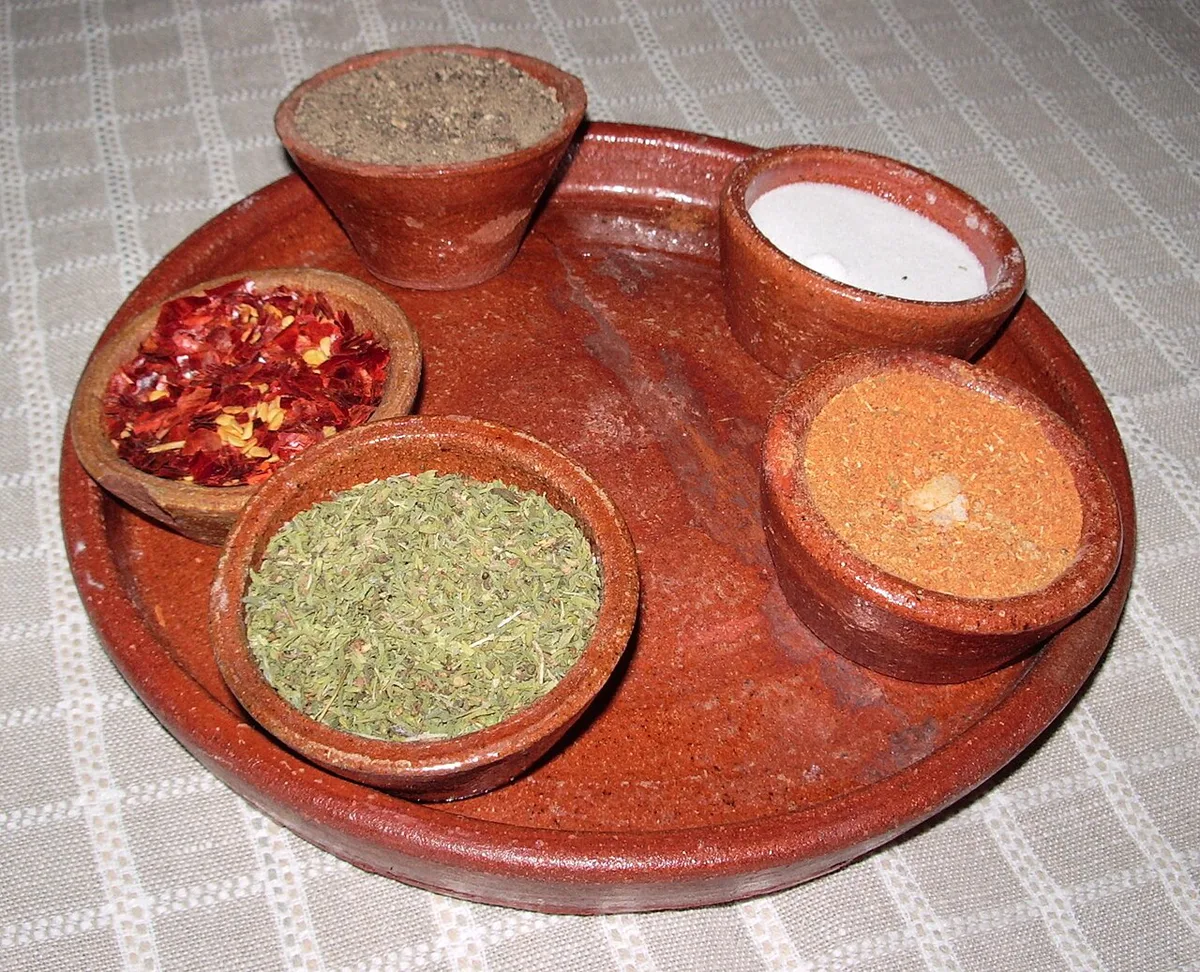
Sharena sol means colorful salt, and it is the blend most associated with Bulgarian tables. A standard jar combines salt, sweet or hot paprika, and dried savory, often with a touch of fenugreek or other dried herbs, and some recipes add roasted ground corn for texture and color. Bulgarian food writers sometimes call it the queen of the spice rack, since a single jar can season an entire plate. Panagyurska style, named for the town of Panagyurishte, is one specific regional recipe within that broader category, and it differs from the generic Balkan blends sold as souvenirs. Panagyurishte holds a dedicated Festival of Sharena Sol celebrating the blend's local roots, which is worth knowing if you come across regional variations while shopping.
- DIY starting ratio: roughly four parts salt to one part sweet paprika to one part dried savory, plus a small pinch of ground fenugreek, adjusted to taste.
- This ratio is a starting point, not a fixed rule; Bulgarian households vary it by region and by dish.
Pure Herbs vs. Ready-Made Seasoning Blends
A single herb like chubritsa gives direct, one-note flavor and works best once you already know the dish you're cooking. A blend like sharena sol saves time and rounds out a plate at the table, the way ground pepper or table salt might elsewhere. Texture matters as much as the ingredient list. Bulgarian cooks distinguish ronena, a coarsely rubbed or chopped texture, from finely ground versions of the same herb. Ronena chubritsa releases aroma more slowly and suits slow-cooked stews, while finely ground versions work better for quick sprinkling at the table. If a jar doesn't specify texture, assume it's finely ground, since that's the more common export format.
Traditional Pairings: Matching Spices to Iconic Bulgarian Dishes
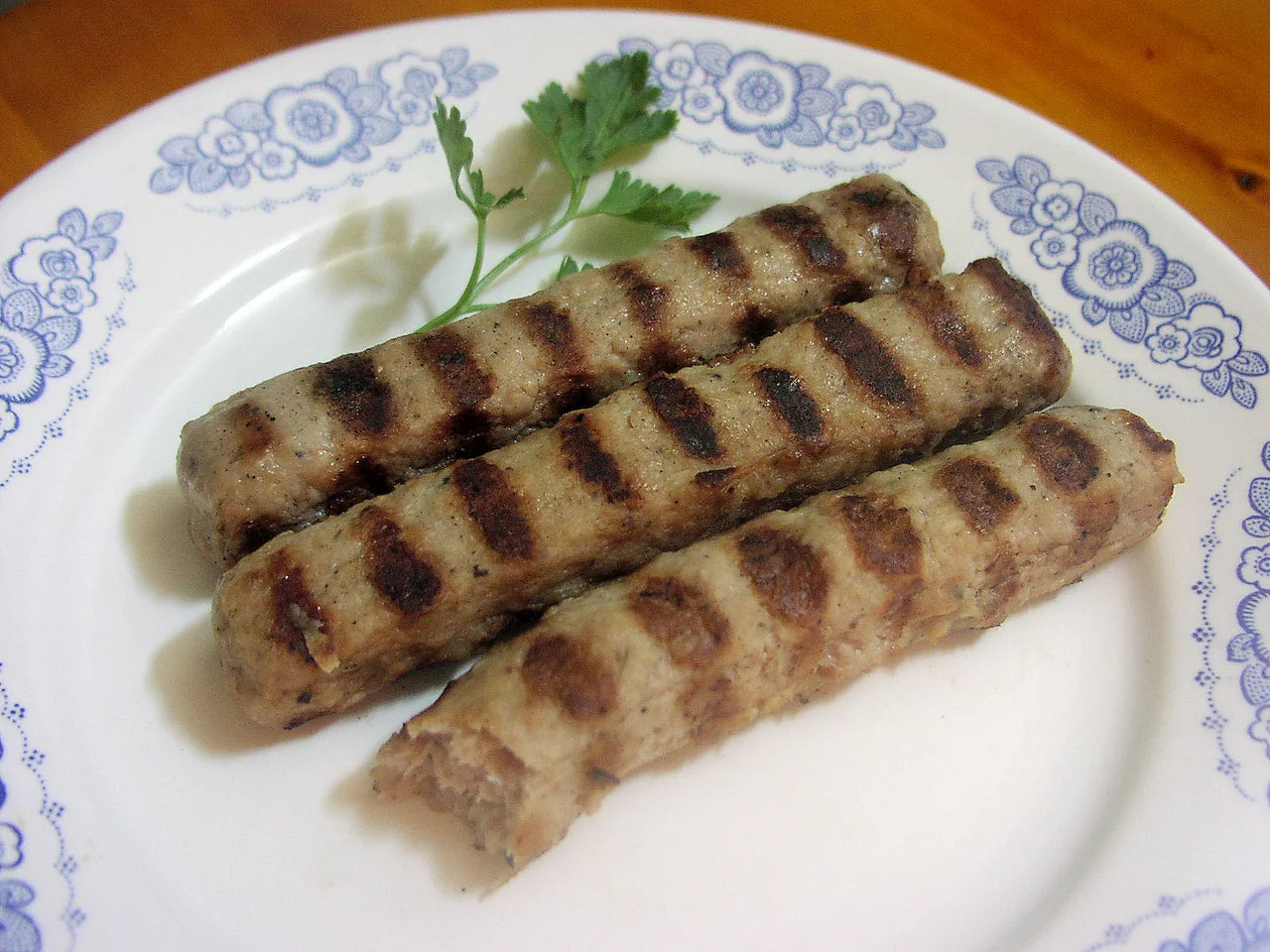
Bulgarian cooking pairs specific spices with specific dishes rather than mixing freely. Grilled meats such as kyufte and kebapche, common at street food vendors, lean on chubritsa and black pepper, sometimes finished with a pinch of sharena sol at the table. Winter stews and the ritual breads served for Christmas food traditions use warmer spices such as cinnamon and cloves alongside the everyday herbs. The table below maps the main pairings so you know what to reach for.
| Dish | Key Spice(s) | Notes |
|---|---|---|
| Bob chorba (bean soup) | Djodjen (spearmint), summer savory | Spearmint added near the end of cooking |
| Kyufte / kebapche (grilled meats) | Chubritsa, black pepper, sharena sol | Herbs rubbed in before grilling |
| Christmas stews and ritual breads | Cinnamon, cloves, warming spices | Used alongside the everyday savory herbs |
| Roasted vegetables and bread | Chubritsa, paprika | Sprinkled on after roasting for aroma |
Samardala: A Rare Balkan Herb Worth Seeking Out
Samardala (Nectaroscordum siculum), sometimes called Bulgarian wild garlic, rarely appears in English-language spice guides. It has a salty, garlicky flavor unlike common garlic powder, and it grows wild in parts of Bulgaria before being dried for kitchen use. Cooks add it to bean dishes and stews in small amounts, similar to how chubritsa is used, but with a sharper, more pungent edge. Look for it labeled specifically as samardala rather than under a generic wild herb description, since it's easy to overlook on a crowded spice shelf next to more familiar names.
Buying Guide: What to Look for in Quality Bulgarian Spices
Quality varies a lot between specialty producers and generic supermarket jars. A few checks before buying can save you from a dull, stale batch.
- Color: sweet and hot paprika should show a deep, saturated red, not a dull brownish tone that signals age.
- Aroma: dried chubritsa and samardala should smell strong the moment the jar opens; a faint smell usually means the batch is old.
- Packaging: opaque containers or tightly sealed jars protect flavor better than clear plastic bags left on open shelves.
- Jar size: souvenir-style sharena sol is commonly sold in small jars around 60 g, useful for testing a blend before buying a larger bag.
- Shipping: specialist Bulgarian spice retailers commonly offer worldwide shipping, so buying from home is realistic if you skip the trip entirely.
How to Store Bulgarian Herbs and Spices for Maximum Shelf Life
Light, heat, and moisture are the main threats to dried Balkan herbs. Store chubritsa, samardala, and paprika in airtight glass jars rather than the paper or thin plastic packaging some come in.
Fresh herbs show vibrant color and strong aroma when purchased; preserve these qualities with airtight glass storage away from heat and light. Buy quantities you'll use reasonably fast, since dried herbs release their peak aroma only in the first stretch after opening.
- Keep jars in a dark cupboard away from the stove or any direct sunlight.
- Whole or coarsely rubbed (ronena) herbs generally hold aroma longer than pre-ground versions.
- Label jars with a purchase date so older stock gets used first.
- Paprika loses color quickly in heat; some cooks keep a backup jar in the freezer to slow that fade.
Bringing Spices Home: Packing and Customs Tips
Dried herbs and spice blends travel well when packed correctly, but a few practical steps prevent problems at customs or inside a suitcase.
- Keep spices in their original sealed retail packaging; resealed bags tend to draw more attention during customs checks.
- Double-bag ground paprika or sharena sol in a resealable bag inside checked luggage to stop powder or scent leaking onto clothing.
- Check your destination country's rules on bringing in dried plant products before you pack, since limits vary by country.
- Cushion spice jars in the middle of a suitcase, wrapped in clothing, since glass jars can crack in checked baggage.
Common Mistakes to Avoid With Bulgarian Spices
A few mix-ups trip up first-time buyers and cooks working with these ingredients for the first time.
- Confusing djodjen (Bulgarian spearmint) with standard peppermint; the flavor and intensity differ, and swapping them changes a dish's character.
- Overusing sminduh (fenugreek); a little goes a long way, and too much turns a dish bitter instead of warm.
- Buying pre-ground paprika that has sat too long on a shelf; faded color and weak aroma both signal it's past its best.
- Treating all sharena sol as identical; Panagyurska style and generic Balkan blends use different ratios and ingredients.
Building a Beginner's Bulgarian Spice Kit
A short list covers most Bulgarian home cooking without overbuying. Match the starting kit to how you actually cook.
The three essentials—chubritsa, djodjen, and sminduh—appear in every Bulgarian kitchen and shouldn't be skipped for rarer herbs like samardala. Master these core seasonings first, then explore specialty finds, or choose sharena sol as a single-jar alternative for simplified cooking.
- Cook a lot of grilled meat: start with chubritsa and a jar of sharena sol.
- Cook soups and stews often: prioritize djodjen (spearmint) and dried summer savory.
- Like heat: add hot paprika alongside a standard sweet paprika.
- Want one blend that does most of the work: sharena sol alone covers salt, paprika, and savory in a single jar.
Reading Bulgarian Spice Labels in Bulgarian Shops
When shopping in Bulgaria, learn the Cyrillic labels so you can spot the right jars quickly. Sharena sol is usually written as шарена сол, chubritsa as чубрица, djodjen as джоджен, sminduh as сминдух, and samardala as самардала. These names appear on supermarket packets, market-stall bags, and souvenir spice jars.
For everyday cooking spices, check regular grocery chains and open markets rather than only gift shops. Sofia’s Zhenski Pazar, Plovdiv’s market streets, and Varna’s Kolhozen Pazar often have loose dried herbs beside nuts, beans, and paprika. Gift shops are useful for decorative sharena sol jars, but food markets usually give you more choice in texture and freshness.
If you cannot read the ingredient list, choose sealed packets with clear production details, not faded bags exposed to sun. Ask for ronena chubritsa if you want a rubbed, coarser savory for stews.
Further reading: Bulgaria on Wikivoyage · Bulgaria on Wikipedia
Continue planning: Use 15 Must-Try Bulgarian Foods: A Culinary Travel Guide and The Best Banitsa Recipe: Authentic Bulgarian Cheese Pie Guide to connect this guide with the rest of your Bulgaria itinerary.
Frequently Asked Questions
What is the most essential Bulgarian spice?
Chubritsa, or dried summer savory, is the herb most Bulgarian kitchens keep on hand. It appears on grilled meats, roasted vegetables, and bread, and inside seasoning blends like sharena sol.
What is sharena sol made of?
A standard jar combines salt, sweet or hot paprika, and dried savory, often with a touch of fenugreek or other herbs. Some recipes add roasted ground corn for texture. Panagyurska style is one specific regional recipe within that broader category.
Is Bulgarian spearmint (djodjen) the same as regular mint?
No. Djodjen is more herbal and less sweet than the mint typically sold for tea, and Bulgarian cooks use it in savory dishes like bean soup rather than in drinks or desserts.
Can you bring Bulgarian spices home in checked luggage?
Yes, in most cases. Keep them in original sealed packaging, double-bag ground spices to stop leaks, and check your destination country's rules on bringing in dried plant products before you pack.
How long do dried Bulgarian herbs like chubritsa stay fresh?
Dried herbs keep their aroma best in the stretch soon after opening, so buy in quantities you'll use up reasonably fast. Airtight glass storage away from light and heat extends freshness longer than paper or thin plastic packaging.
For connected planning, compare practical Bulgaria travel guide with Bulgaria seasonal planning guide before finalizing your route.