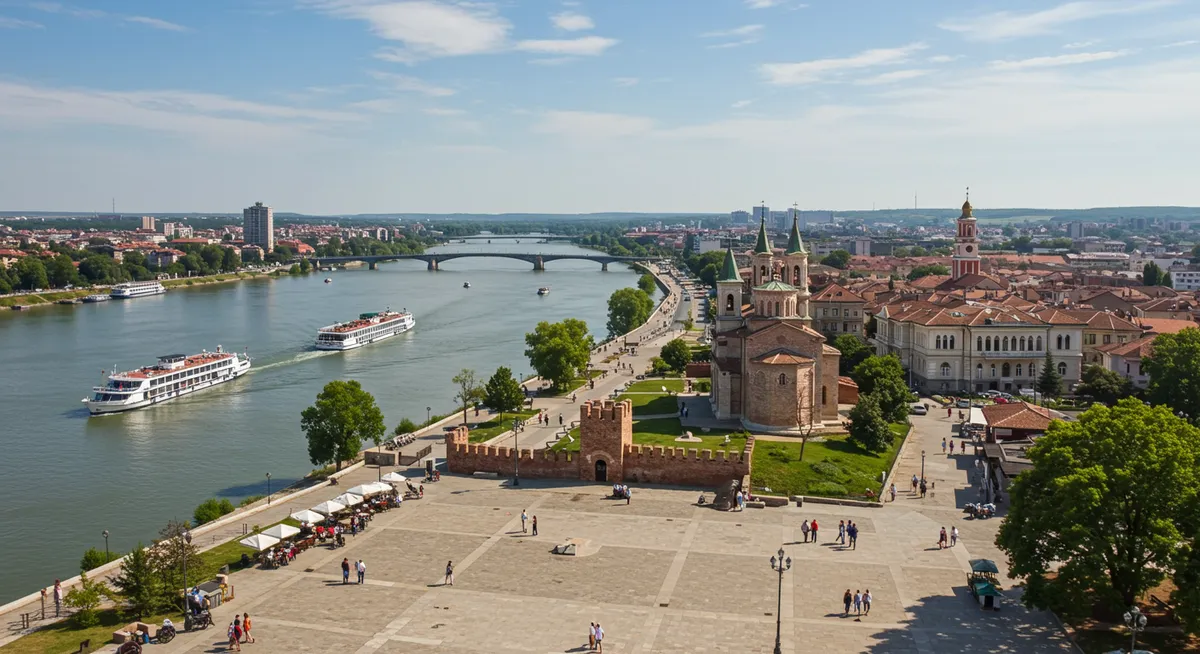
Best Time to Visit Ruse in 2026: Weather, Events and Crowds
The best time to visit Ruse for most travellers is late April through early June or mid-September through early October. These shoulder-season windows are warm enough for long architectural walks and Danube evenings, yet usually more comfortable than the hottest part of summer. Spring suits day trips and festivals; early autumn adds softer light, warm afternoons and a calmer city rhythm.
There is no universally bad month, but the experience changes sharply by season. July and August can be very hot, while winter brings cold wind, occasional fog and shorter sightseeing days. This guide helps you choose by interest rather than chasing one perfect date. Once you know your season, use our best things to do in Ruse and three-day Ruse itinerary to build the trip.
For a visual preview of Ruse's top attractions and seasonal character, this guide walks you through the city's key sights:
| Travel priority | Best time | Why |
|---|---|---|
| Best overall | Late April–early June | Comfortable walks, green parks and spring culture |
| Warm weather with fewer crowds | Mid-September–early October | Good light and pleasant Danube evenings |
| Festivals and nightlife | March and June–September | Classical music and outdoor cultural programmes |
| Lowest visitor pressure | November–February | Quiet museums, cafés and central streets |
| Day trips and hiking | April–May, September–October | Milder conditions outside the city |
Ruse Weather: What Makes the Seasons Feel Different
Ruse lies on the Danube rather than the Black Sea, so its climate feels more continental than coastal Bulgaria. Summers are hot, winters are cold, and the river can add humidity, wind or morning fog. The broad central streets offer architectural drama but limited shade at midday; the riverside and parks feel more comfortable when temperatures rise.
Weather averages are useful for choosing a month, not predicting a particular week. Heatwaves, cold snaps and thunderstorms can upset a neat seasonal picture. Check the forecast near departure and use the official Ruse Tourist Information Centre listing for local help. The centre can also advise on current cultural events, transport and regional attractions.
Spring in Ruse: The Best All-Round Season
March starts cool and changeable, but it carries one of the city's cultural highlights: the International March Music Days festival. If classical music matters to you, the festival can justify choosing March despite the need for a warmer coat. Baba Marta on March 1 also brings red-and-white martenitsa decorations to markets, shops and public spaces.
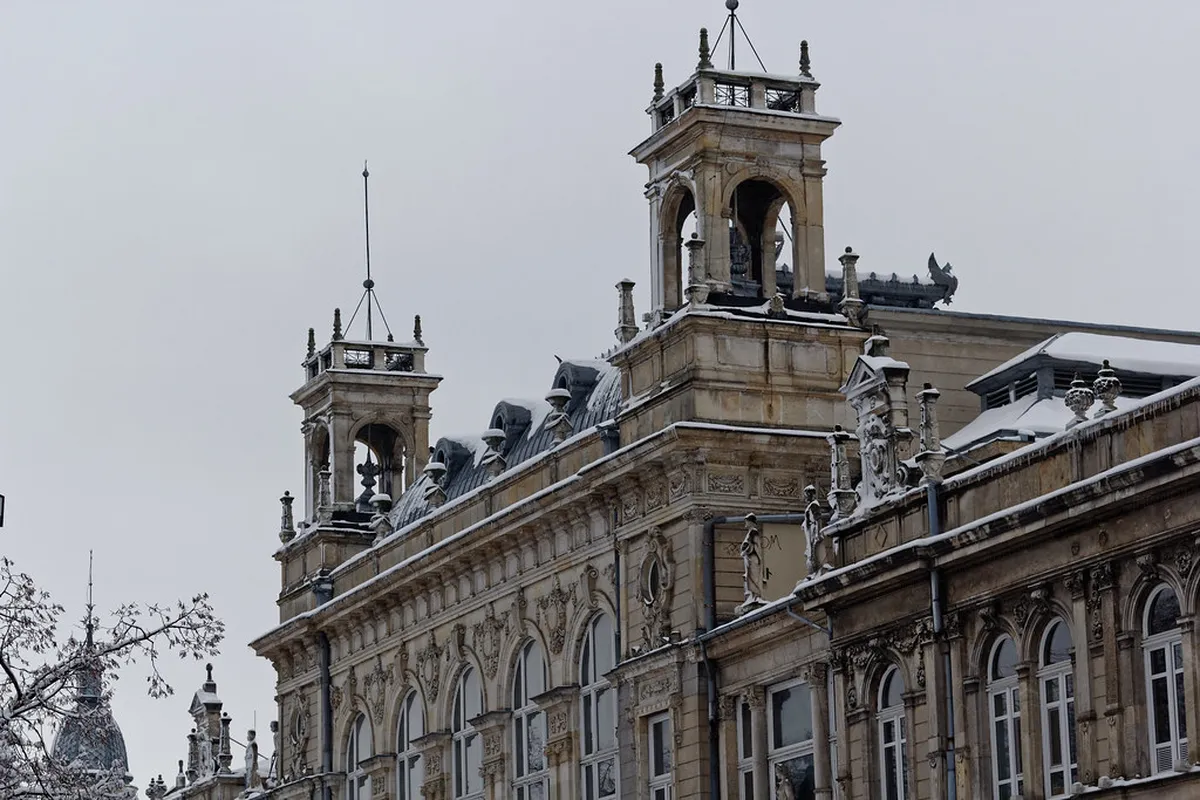
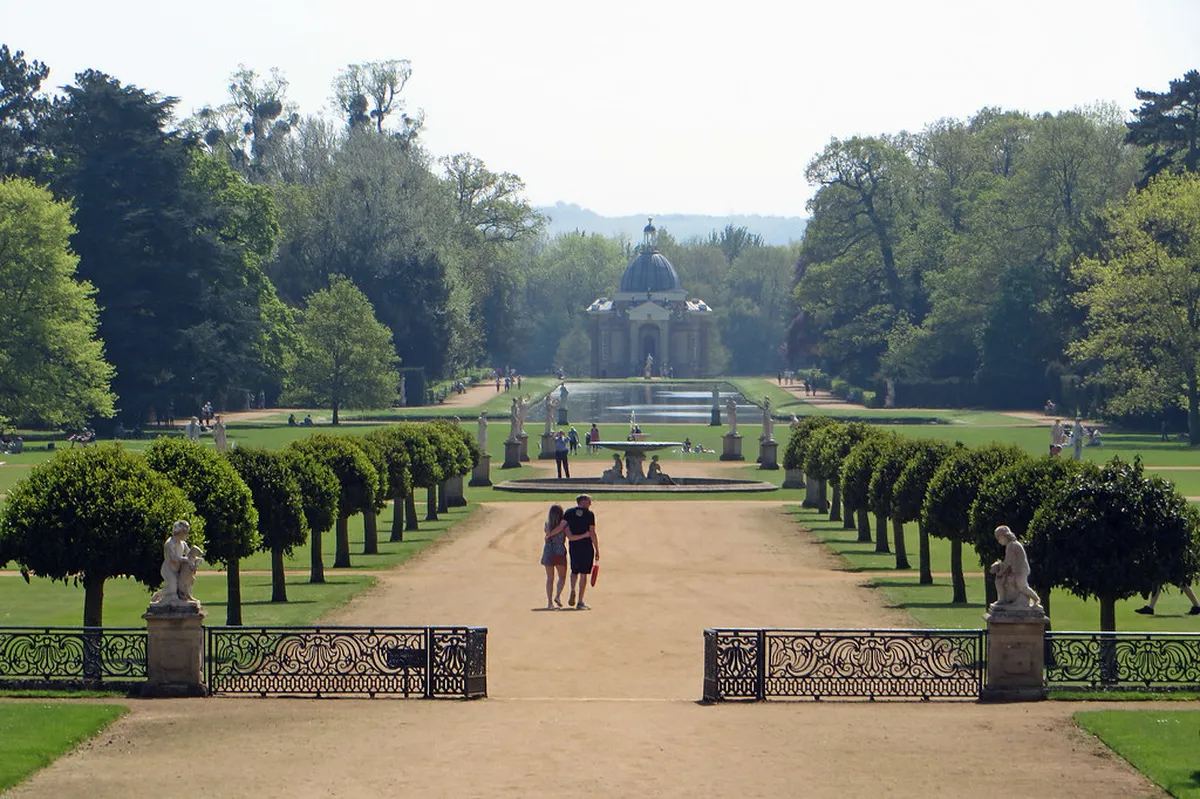
April is when Ruse becomes easier to explore on foot. Trees leaf out, café terraces return and daylight expands, though showers remain possible. By May, days are generally warm enough for the long route from Freedom Square through the historic centre and down toward the Danube without summer's midday strain. The city's ornate façades reward slow walking, so mild weather materially improves the visit.
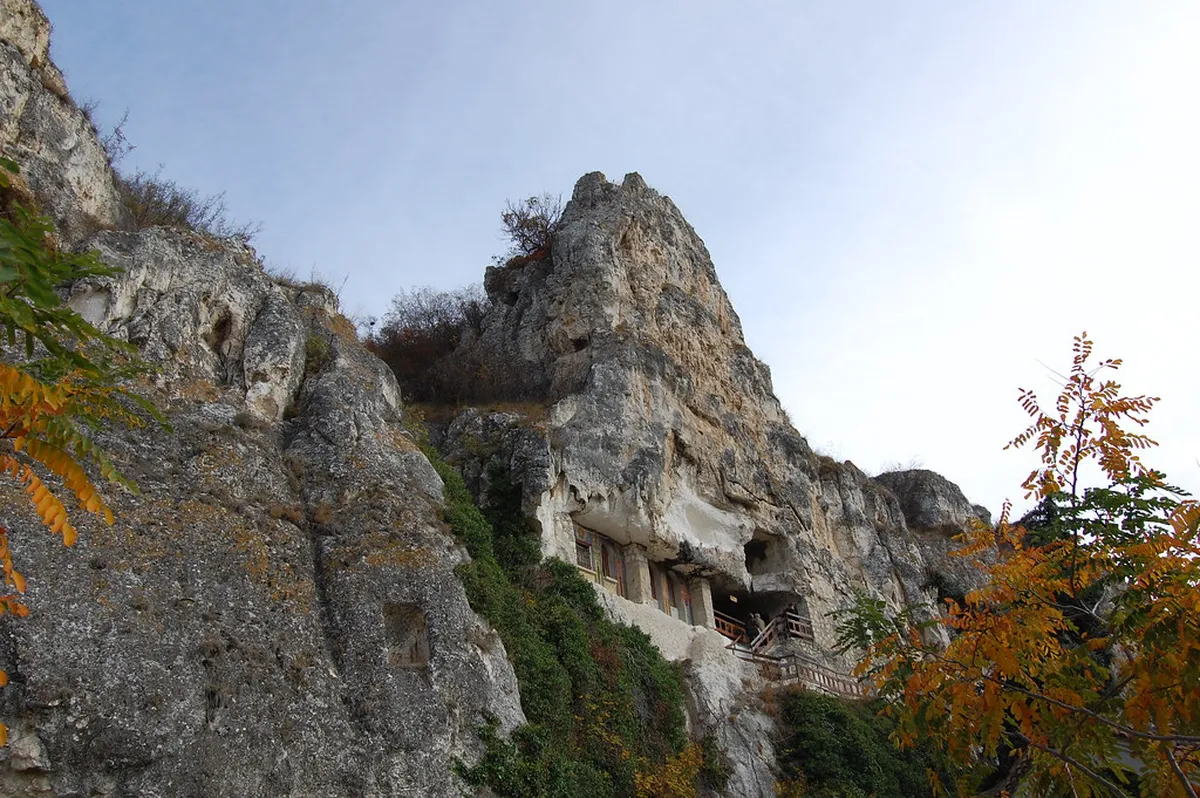
Spring also suits trips beyond Ruse. The rock-hewn churches, monasteries and limestone valleys are more enjoyable before high summer, especially if your route includes exposed paths. Compare the best day trips from Ruse and the Ivanovo Rock-Hewn Churches guide. After heavy rain, wear shoes with grip and allow extra time on rural roads.
Choose late April or May for your first visit. You get long sightseeing days, green parks and comfortable regional excursions without relying on peak-summer transport or late-night energy.
Summer in Ruse: Events, Long Evenings and Real Heat
June is often the most agreeable summer month, especially during its first half. Outdoor events gather pace, the riverside stays lively after sunset and daylight supports ambitious itineraries. It is a strong choice for travellers who want to combine city culture with dinner and an evening walk rather than retreat indoors early.
July and August are hotter and demand a different rhythm. Start major walks in the morning, reserve museums or lunch for the hottest hours, and return outdoors in late afternoon. Carry water and sun protection even if a river breeze makes the air feel manageable. A hotel with reliable air-conditioning is more important than being a few minutes closer to the square.
Summer brings the broadest range of open-air performances and community activities, but dates change. Browse the city's official Visit Ruse cultural programme and our guide to summer activities in Ruse before fixing your trip around a show. If you prefer bars and illuminated architecture after the heat fades, see the practical guide to Ruse nightlife guide.
Summer is not automatically the busiest tourist season in the same way as Bulgaria's coast, but weekends, events and cross-border traffic can affect rooms and roads. Visitors arriving through Romania should leave buffer time for the Danube crossing. Current traffic conditions matter more than a typical estimate, so do not schedule a non-refundable performance immediately after an international road arrival.
Autumn in Ruse: Warm Light and Easier Sightseeing
September is a superb alternative to spring. The strongest heat usually eases, evenings remain sociable, and the warm-toned architecture looks especially good in lower light. Photographers can work earlier in the evening without waiting until late, while diners still have a fair chance of comfortable outdoor seating.
Early October can remain pleasant, but conditions become less predictable as the month progresses. Pack layers rather than one heavy coat: a cool morning, warm afternoon and breezy riverfront evening can all happen on the same day. Autumn rain makes a flexible itinerary valuable. Keep the Regional Historical Museum, the Eco Museum and city cafés as indoor alternatives.
For nature trips, September and early October balance decent daylight with more comfortable hiking temperatures. Rusenski Lom's trails and cultural sites can still require planning, so check opening arrangements and road access rather than assuming every site follows summer hours. Our Rusenski Lom guide helps match the park to your available time.
Winter in Ruse: Quiet, Atmospheric and Cold
Winter reveals a more local Ruse. Central streets are quiet, museums have space, and cafés feel like part of the itinerary rather than a pause from it. December adds lights, seasonal markets and holiday performances. It can be a rewarding city break if you value architecture, food and culture more than long outdoor days.
The trade-off is weather. Cold river wind can make a modest temperature feel severe, fog may reduce views, and ice can make steps or sloping paths awkward. Build shorter walking loops with indoor stops, wear footwear with dependable grip and avoid placing a remote day trip at the centre of a rigid winter schedule.
January and February are best for travellers who actively prefer quiet places and flexible plans. Some attractions outside the centre may use limited hours, so confirm before setting out. The Ruse winter guide focuses on what works in cold weather, while Ruse food and drink gives you a satisfying indoor counterweight.
How to Choose Your Month
For a first trip built around architecture and a regional excursion, choose May or late September. For classical music, look at March and confirm the festival programme first. For outdoor evenings and the fullest cultural calendar, choose June; accept that July and August require heat-aware scheduling. For a low-key cultural break with minimal visitor pressure, December has more atmosphere than January or February.
Trip length changes the calculation too. On a one-day stop, mild weather matters because almost everything must work on schedule. In a two- or three-night stay, you can absorb a wet afternoon or a hot midday by moving activities around. See our one-day Ruse itinerary if you are passing through, or choose a central base from the best areas to stay in Ruse guide for a slower visit.
Book refundable accommodation when travelling for a weather-dependent event or cross-border road trip. Ruse itself is walkable, so central location often adds more value than a rental car. A car becomes useful for monasteries, nature parks and villages, but parking and border traffic can erase the time saved if you only plan to see the city centre.
Continue planning: Use 20 Best Things To Do in Ruse 2026 (Bulgaria's Little Vienna) and Basarbovo Rock Monastery 2026: Visitor Guide & Transport Tips to connect this guide with the rest of your Bulgaria itinerary.
Frequently Asked Questions About When to Visit Ruse
What is the best month to visit Ruse?
May is the strongest all-round choice for mild walking weather, green parks and regional day trips. Late September is an excellent alternative for warm afternoons, softer light and fewer hot-weather concerns.
Is Ruse too hot in summer?
July and August can be very hot, but a good schedule makes them manageable. Sightsee early, use museums and lunch for midday, then return to the Danube and central streets later.
Is Ruse worth visiting in winter?
Yes for architecture, museums, cafés and seasonal culture. Expect cold wind, shorter days and possible fog, and keep rural excursions flexible when weather or opening hours change.
When is the best time for day trips from Ruse?
April through May and September through early October are generally best for monasteries, rock churches and nature areas because temperatures are milder and daylight is useful.