Authentic Lyutenitsa Recipe: Homemade Bulgarian Red Pepper Spread
Lyutenitsa (лютеница) is Bulgaria's most beloved condiment — a thick, slow-cooked relish of roasted red peppers and tomatoes that appears on nearly every Bulgarian breakfast table. You will find it spread on bread beside a slab of white cheese, stirred into eggs, or served alongside grilled meat. It is at once a recipe, a ritual, and a jar in every grandmother's pantry. Understanding what lyutenitsa is and how it is made opens a window into Bulgarian food culture that few other dishes can match.
To see the traditional method in action, this video captures the full preparation process from roasted peppers to the finished preserve:
What is Lyutenitsa? History and Cultural Significance
Lyutenitsa is a vegetable relish made primarily from roasted red peppers and tomatoes, cooked down into a thick, spreadable preserve. The name comes from the Bulgarian word lyut (лют), meaning "hot" or "fierce" — though the vast majority of recipes today are mild, with a rich, smoky-sweet flavour rather than any real heat. Variants of the spread appear across the Balkans, but Bulgaria claims it as a national staple: you will see it on restaurant menus, in supermarket aisles under a dozen labels, and in home kitchens every autumn without exception.
Its modern form solidified in Bulgaria after World War II, as households in the southern growing regions began mass-producing it to preserve the late-summer pepper harvest through winter. The Plovdiv valley, where the prized Kapia pepper thrives, became the heartland of lyutenitsa production. Today the spread is so embedded in Bulgarian identity that it regularly appears in cultural debates about which regional recipe is "the real one" — a conversation that has no conclusion and no sign of stopping.
Lyutenitsa should not be confused with its Balkan cousins. Serbian and Macedonian ajvar is made purely from roasted red peppers and eggplant, with no tomatoes. Romanian zacuscă leans heavily on eggplant and onion. Bulgarian lyutenitsa is defined by the tomato component, which gives it a brighter, slightly acidic backbone and a deeper red colour than ajvar.
Authentic Lyutenitsa Ingredients
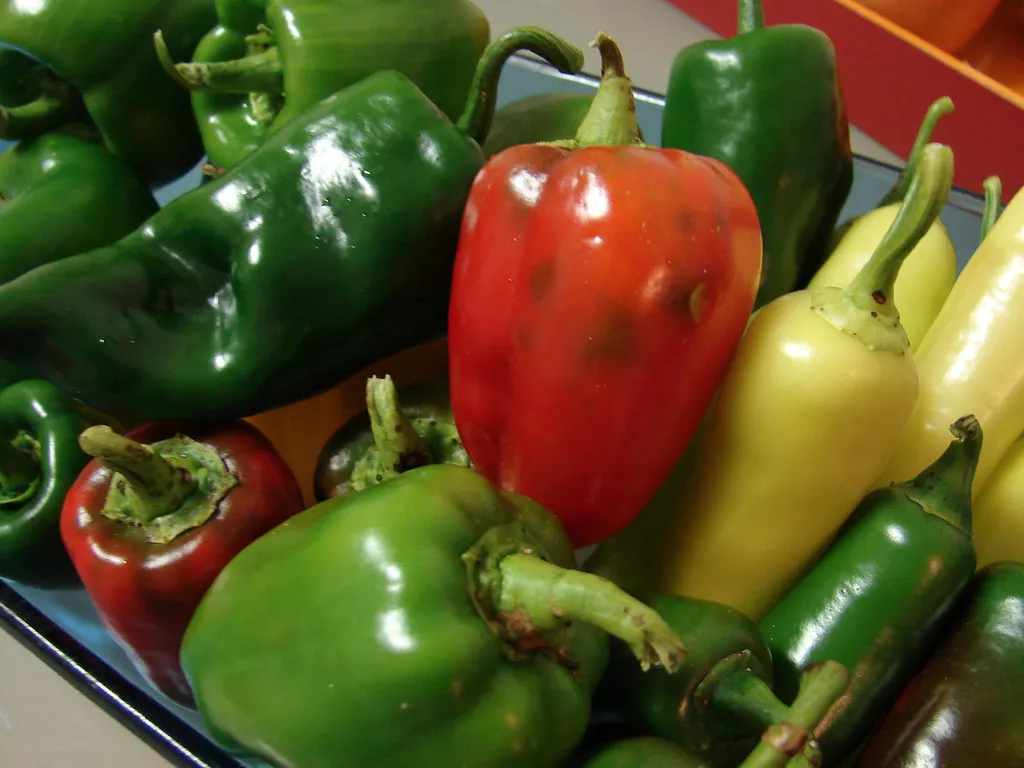
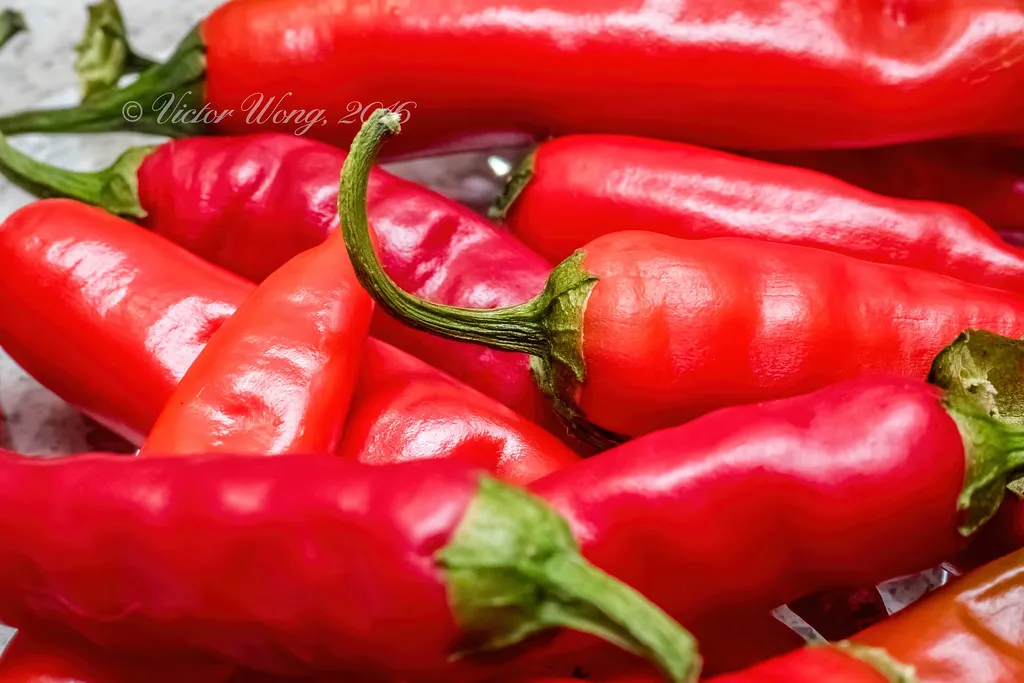
Quality starts with the pepper. Authentic Bulgarian lyutenitsa calls for Kapia peppers — a thick-fleshed, elongated red variety grown widely in the Plovdiv and Pazardzhik regions. Kapia peppers are sweet and fleshy, with very little water, which means they reduce beautifully without producing a watery spread. Outside Bulgaria, red Romano peppers or ripe red bell peppers are the best substitute. Avoid thin-skinned peppers: they char unevenly and produce less flavour after roasting.
Tomatoes are the second essential ingredient and should be very ripe — ideally late-summer field tomatoes, not greenhouse fruit. The natural sweetness and acidity of ripe tomatoes balance the pepper and eliminate the need for much added sugar. Eggplant and carrots are optional additions that appear in many family recipes: eggplant adds a creamy texture; carrots add sweetness and body. The fat is traditionally sunflower oil, not olive oil, which gives the finished spread its characteristic mouthfeel.
- About 5 kg (11 lbs) ripe red Kapia or bell peppers
- Around 2.5 kg (5.5 lbs) very ripe tomatoes
- 1–2 medium eggplants (optional, for creaminess)
- 2–3 carrots (optional, for sweetness)
- 200 ml (¾ cup) sunflower oil
- 2–3 tablespoons salt, adjusted to taste
- 1 tablespoon sugar (optional — taste first)
- Black pepper and a small hot pepper if you want mild heat
Essential Equipment for Making Lyutenitsa
The chushkopek (чушкопек) is a Bulgarian countertop pepper roaster — a cylindrical electric appliance that chars peppers one by one over a ceramic heating element. Many Bulgarian households own one, and they are genuinely superior to oven-broiling for producing an even, deep char without steaming the pepper prematurely. If you are in Bulgaria, they are sold in most home goods stores for around 30–60 BGN (15–30 EUR). Outside Bulgaria, an oven broiler on maximum heat or an outdoor gas grill is a perfectly workable substitute.
Beyond the roaster, you need a large heavy-bottomed pot — at least 8 litres — for the long simmer. A thin pot will scorch the bottom before the mixture thickens. A meat grinder (or food processor set to pulse) handles the grinding step. For preserving, you need proper glass jars with new lids; old lids with worn seals are not safe for canning. Sterilise jars in boiling water for ten minutes before filling.
Step-by-Step Lyutenitsa Recipe
The full process takes 4–6 hours on a weekend. Work in a well-ventilated space — the roasting phase produces a lot of smoke. This recipe yields approximately 2–3 kg (4–6 lbs) of finished lyutenitsa, enough to fill six to eight 400 ml jars.
- Roast the peppers (and eggplant if using). Roast whole peppers at 220°C (425°F) under the broiler or over a gas flame, turning every 8–10 minutes, until all sides are charred and the skin blisters. Transfer immediately to a sealed bowl or plastic bag and leave to steam for 20 minutes — this loosens the skin. If using eggplant, roast whole at 200°C (400°F) for 45 minutes until fully collapsed.
- Peel and deseed. Peel the steamed peppers by hand; the skin should slide off cleanly. Remove all seeds. This step takes 30–45 minutes for a large batch and cannot be rushed. Peel the eggplant and discard the skin.
- Prepare the tomatoes. Score the base of each tomato with an X, blanch in boiling water for 90 seconds, then peel and roughly chop. Blend or process into a smooth purée. If using carrots, boil until very soft and mash or blend separately.
- Grind the roasted vegetables. Pass peeled peppers and eggplant through a meat grinder (medium disc) or pulse in a food processor until you reach a coarse, chunky consistency — not a fine paste. Some texture is traditional and desirable.
- Simmer the mixture. Combine the tomato purée, ground peppers, eggplant, and carrot (if using) in the heavy-bottomed pot. Add oil and salt. Bring to a gentle boil over medium heat, then reduce to the lowest setting and simmer uncovered, stirring every 10–15 minutes, for 2–3 hours. The lyutenitsa is ready when a wooden spoon dragged across the bottom leaves a clear trail that does not fill back immediately.
- Adjust seasoning and jar. Taste and add salt, a pinch of sugar, or black pepper as needed. Ladle into hot sterilised jars, seal immediately, and process in a boiling water bath for 15 minutes for long-term shelf stability. Store sealed jars in a cool, dark place for up to 12 months.
Variations and Substitutions
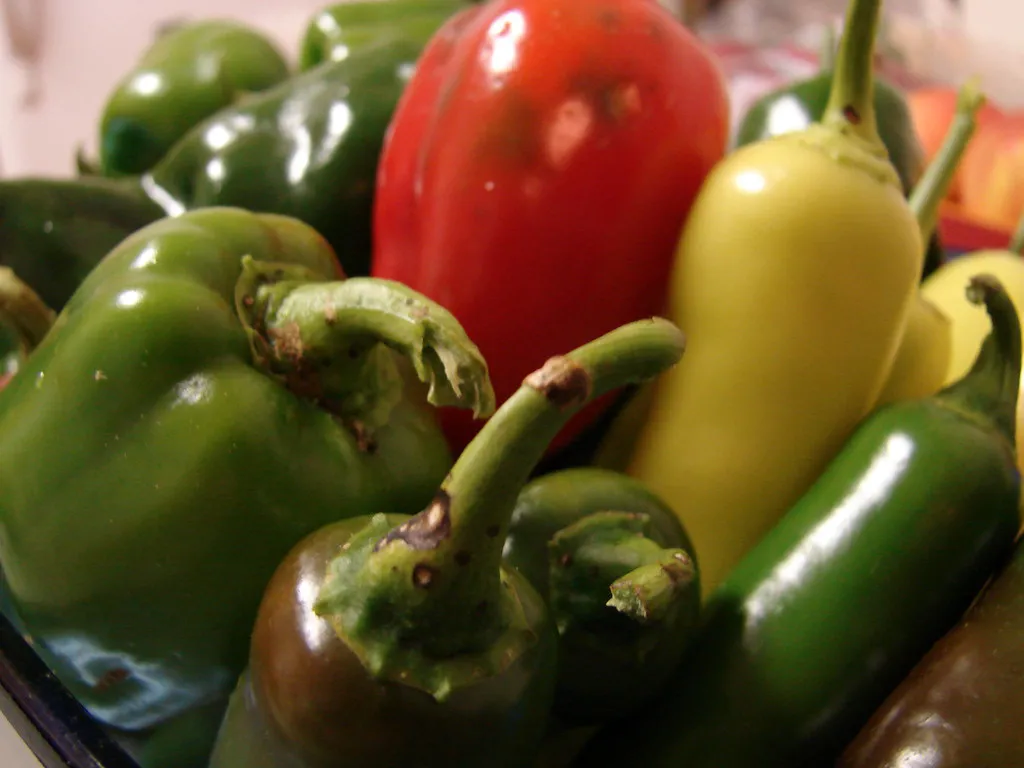
Every Bulgarian family has its own recipe, and no two are identical. The most common variation is heat level: a single roasted hot chili pepper — or a Hungarian wax pepper, the traditional choice — blended into the mix adds a background warmth without making the spread unpleasantly spicy. Two jalapeños work if Hungarian wax peppers are unavailable. At the other end of the spectrum, some recipes add an extra carrot or two to push the flavour toward sweet rather than savoury.
Garlic is a contested ingredient. Purists leave it out entirely; others add two or three raw cloves in the last 30 minutes of simmering for an aromatic undercurrent. A pinch of smoked paprika can deepen the smokiness if you are using an oven rather than a chushkopek or open flame. Herbal additions — fresh parsley or dill stirred in at the very end — are a minority preference but worth trying if you enjoy a greener flavour profile.
- Spicy version: Add 1–2 roasted hot peppers (Hungarian wax, jalapeño, or a small amount of fresh chili) during grinding.
- Eggplant-forward: Double the eggplant quantity for a creamier, more baba-ganoush-like texture.
- Tomato-free (ajvar style): Omit tomatoes entirely and increase pepper volume. The result is closer to Serbian ajvar than to traditional Bulgarian lyutenitsa.
- Quick fridge version: Skip the canning step entirely and refrigerate immediately. Good for 2–3 weeks — fine if you are not making a large batch for winter storage.
How to Eat Lyutenitsa
The default is bread. A thick slice of Bulgarian white bread — or toasted baguette rounds — spread generously with lyutenitsa and topped with a slice of Bulgarian white cheese is a complete breakfast in much of the country. The sharpness of the cheese cuts the sweetness of the pepper; it is one of those pairings that seems obvious once you try it. In villages, this combination appears on the table alongside a glass of buttermilk and nothing else is needed.
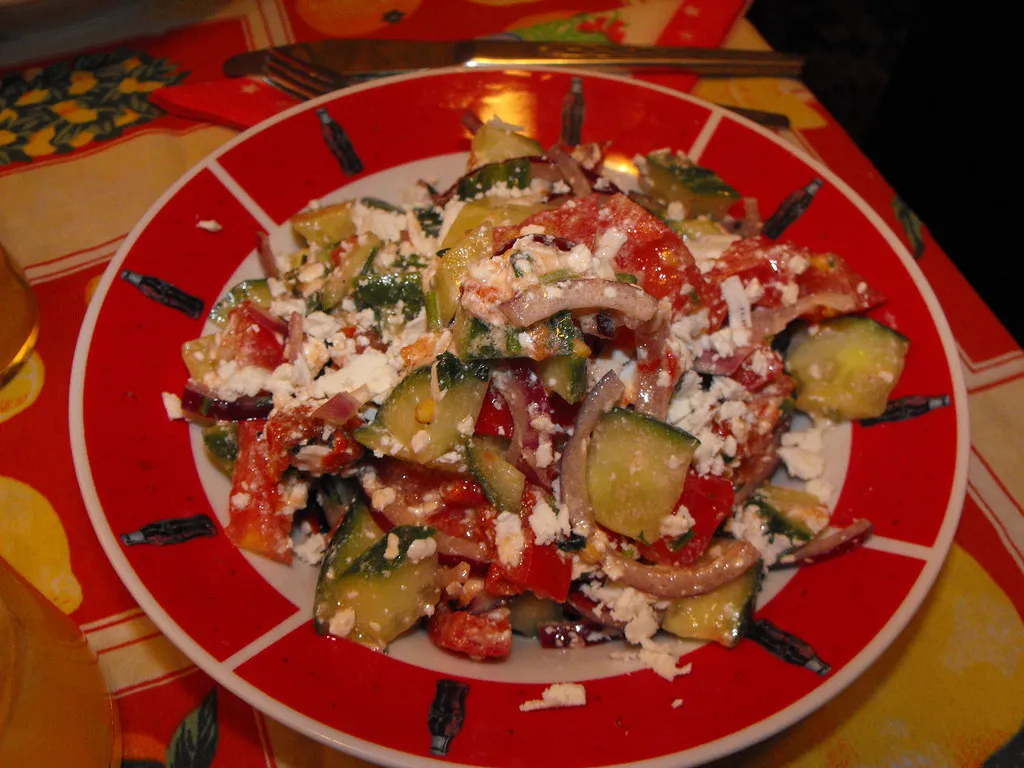
As a condiment for grilled meat, lyutenitsa has no equal in Bulgarian cooking. It is the standard accompaniment to kebapche and kyufte dishes at every mehana grill house. Spoon a generous amount alongside the meat rather than on top of it — the flavours are better kept separate until each bite. For a classic Bulgarian appetiser spread, serve lyutenitsa alongside Shopska salad dish and a small glass of rakia: this combination is practically a national greeting.
Beyond the traditional uses, lyutenitsa works well as a pasta sauce base (thin it slightly with a splash of pasta water), a pizza spread, or a condiment stirred into scrambled eggs. A fried egg on toast with a spoonful of lyutenitsa is a practical weekday breakfast that Bulgarians make without thinking about it — and one worth adopting.
Buying Lyutenitsa in Bulgaria: Supermarkets, Brands, and What to Look For
If you are visiting Bulgaria and want to skip the six-hour cooking process, every major supermarket stocks lyutenitsa year-round. The main chains — Billa, Kaufland, and Fantastico — all carry four to eight brands on the shelf, typically in 400 ml and 700 ml glass jars. Prices run from about 1.50 BGN (0.75 EUR) for an economy jar up to 4–5 BGN (2–2.50 EUR) for premium small-batch versions. Homemade lyutenitsa sold at weekly markets (pazari) in Plovdiv and Sofia costs slightly more but is noticeably fresher in flavour.
When reading Bulgarian labels, look for the word лютеница or лютеница домашна (homemade style). The ingredient list should lead with red peppers and tomatoes — if the first ingredient is water, move on. Some commercial versions use sunflower or vegetable oil; both are fine. Avoid jars labelled "pindjur" unless you specifically want the tomato-and-eggplant Serbian-style variant rather than the classic Bulgarian pepper-tomato spread.
Lyutenitsa travels well in checked luggage and makes an excellent food souvenir. A 700 ml jar fits easily inside a padded bag or sock, and it is shelf-stable for 12 months unopened. Bulgarian customs and EU import rules permit commercially sealed vegetable preserves in your luggage without restriction. If you are flying from Sofia to an EU destination, buying two or three jars of different brands for a comparative tasting at home is completely practical.
Storing Homemade Lyutenitsa
Canning is the traditional preservation method for lyutenitsa and produces shelf-stable jars that last up to 12 months in a cool pantry. The process requires sterilised jars and lids, a boiling water bath for 15 minutes after sealing, and a proper lid that pops concave as it cools — this vacuum seal indicates safety. Never use lids that have been previously sealed; the sealing compound is single-use.
For smaller batches, the refrigerator is simpler. An airtight container keeps lyutenitsa fresh for 2–3 weeks. Freezing is the least fuss: pour cooled lyutenitsa into freezer-safe containers or zip bags (flatten them to save space), and it will keep its flavour for up to 6 months. Thaw overnight in the fridge — the texture softens slightly but the taste is unaffected.
- Too watery: Simmer longer over low heat, stirring frequently; do not add thickeners.
- Too bland: Add salt in small increments; a pinch more sugar can also lift the flavour.
- Too spicy: Stir in more roasted sweet pepper and continue simmering for 20 minutes.
- Jars not sealing: Re-process with new lids or refrigerate immediately for short-term use.
Continue planning: Use 15 Must-Try Bulgarian Foods: A Culinary Travel Guide and The Best Banitsa Recipe: Authentic Bulgarian Cheese Pie Guide to connect this guide with the rest of your Bulgaria itinerary.
Frequently Asked Questions
What is the main difference between lyutenitsa and ajvar?
Lyutenitsa typically contains tomatoes, giving it a sweeter and brighter flavor profile. Ajvar, a similar Balkan spread, is primarily made from roasted red peppers and eggplant, often without tomatoes. Lyutenitsa usually has a smoother texture compared to ajvar.
Can I make lyutenitsa without eggplant?
Yes, you can absolutely make lyutenitsa without eggplant. Many traditional recipes focus solely on red peppers and tomatoes. Omitting eggplant will result in a slightly less creamy texture, but the flavor will still be delicious and authentic.
What type of peppers are best for lyutenitsa?
Kapia peppers are considered the best for authentic lyutenitsa due to their thick flesh and sweet flavor. If Kapia peppers are unavailable, red bell peppers or Romano peppers are excellent, widely accessible substitutes. Always choose ripe, firm peppers for the best results.
Is lyutenitsa usually spicy?
Traditional lyutenitsa is generally mild, with a rich, savory, and slightly sweet flavor. The name 'lyutenitsa' historically referred to its 'hot' origin. However, modern versions are rarely very spicy, though you can add chili peppers for a spicier kick.
Lyutenitsa is one of those foods that encapsulates an entire food culture in a single jar. Whether you roast and simmer a batch from scratch using Kapia peppers from a summer market, or pick up a jar of the real thing from a Bulgarian supermarket, the experience of tasting it — on bread, alongside white cheese, with a cold glass of something local — is worth seeking out. It is a food that rewards curiosity in 2026 just as it did a generation ago.
For connected planning, compare practical Bulgaria travel guide with Bulgaria seasonal planning guide before finalizing your route.