Bulgarian Street Food: A Guide to the Best Local Bites
Last updated July 2026, this guide breaks down Bulgarian street food into two distinct worlds: the pekarna bakery counter and the skara grill stand. Expect flaky banitsa, grilled kebapche, and fried mekitsa, most of it priced in whole leva rather than fractions. Use the sections below to find the right stall, know what to pay, and eat like a local.
The Essence of Bulgarian Street Food
Bulgarian street food splits into two clear categories. The pekarna bakery counter serves pastries and fried dough each morning. The skara grill stand takes over by midday, serving grilled meat rolls and open-faced sandwiches. Both sit inside the wider Bulgarian food scene, which also covers market stalls and sit-down mehana restaurants.
Bulgarian street food follows a daily rhythm driven by vendor types and hours: pekarna bakeries open at 6 AM serving warm banitsa with ayran, while afternoon skara stands dominate with grilled meat enhanced by lutenitsa, creating distinct morning and afternoon food cultures.
- Banitsa: flaky filo pastry filled with sirene cheese, spinach, or pumpkin, sold from a pekarna.
- Mekitsa: fried dough dusted with powdered sugar or topped with honey and jam, a breakfast item.
- Kebapche: a grilled cylindrical roll of minced pork or beef, seasoned with cumin.
- Kyufte: the same seasoned mince, flattened into a patty and grilled.
- Princeza: a toasted open-faced sandwich topped with minced meat, cheese, and egg.
- Langosh: fried flatbread, often topped with cheese or garlic sauce at market stalls.
The Pekarna Culture: Bulgaria's Bakery Staples
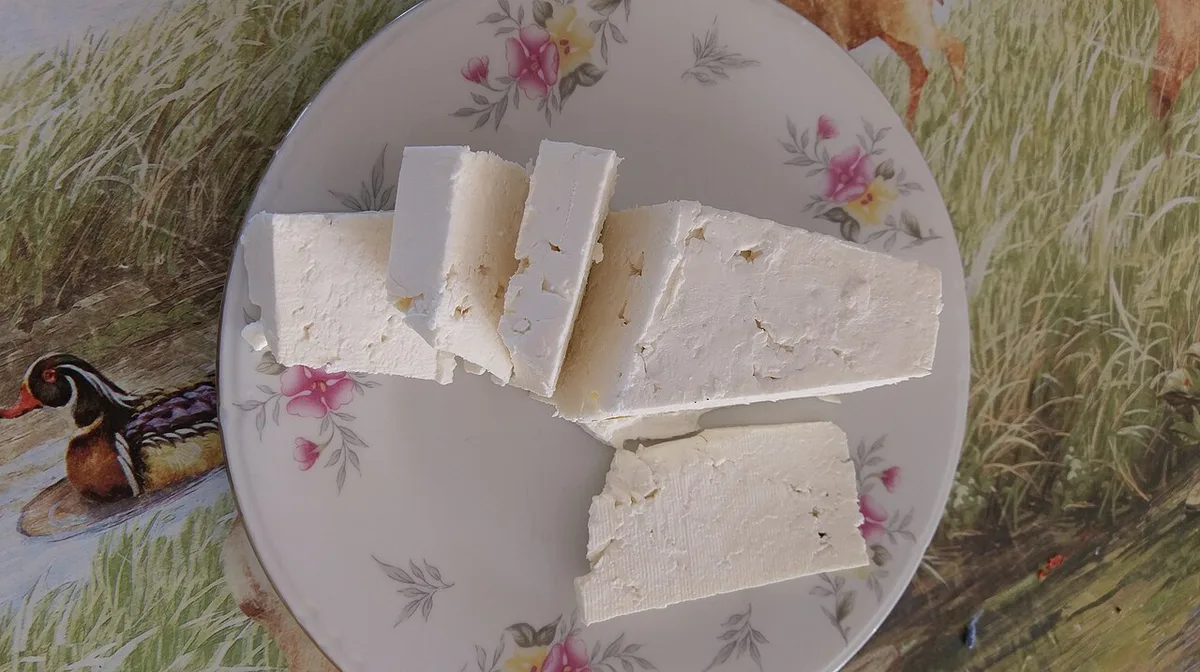
Every Bulgarian town runs on pekarna bakeries. Most open around 6:00 AM and sell banitsa still warm from the oven. Banitsa is filo pastry rolled or layered around a filling, most often sirene cheese, spinach, or pumpkin. A single portion usually costs under 3 BGN. Locals pair it with ayran, a salty yogurt drink sold at the same counter. Mekitsa is the other pekarna staple: squares of fried dough dusted with sugar or topped with honey and jam. It is a breakfast dish, and stands often sell out by midmorning.
- Sirene cheese banitsa: the most common filling, salty and dense.
- Spinach banitsa: a lighter, vegetable-forward version.
- Pumpkin banitsa: a sweeter variation, common in colder months.
- Leek banitsa: milder and less salty than the cheese version.
The Skara Grill Stand: Meat-Heavy Street Bites
By afternoon, pekarna counters give way to skara grill stands. Kebapche is a cylindrical roll of minced pork or beef, grilled over open flame. Kyufte is the same mix flattened into a patty. Both lean on cumin as the dominant spice, often finished with a shake of sharena sol, a sharena sol spice blend of salt, savory, and paprika. Princeza is a toasted open-faced sandwich topped with minced meat, cheese, and egg, built for eating standing up. Grill stands with a steady line of locals tend to sell fresher meat than empty ones, since turnover keeps the grill stocked.
Regional and Seasonal Street Snacks
Street food changes with the season. Grilled corn, known as tsarevitsa, shows up at market stalls through summer. Roasted chestnuts appear on street corners once the weather turns cold. Winter markets also sell festive versions of banitsa around the holidays, tied to broader seasonal Christmas food traditions. Gevrek, a ring of sesame-crusted bread, is sold year-round from small stands and works as a quick handheld snack.
- Tsarevitsa (grilled corn): summer market stalls.
- Roasted chestnuts: winter street corners.
- Festive banitsa: holiday markets around Christmas and New Year.
- Gevrek: sesame bread ring, sold year-round.
The Communist Legacy: Why Bulgarian Menus Are Standardized
Bulgaria's Communist government once regulated 12 official dishes, each with an exact weight printed on restaurant menus. Kebapche, banitsa, and shopska salad were part of that standardized list. The rule kept portions and pricing consistent across the country, and much of that consistency survives today. Menus in different cities still list nearly identical items at nearly identical weights. In recent years, some pekarna and skara operators have started diverging from the standard list, offering artisanal fillings and higher-grade meat versions of the same classics.
Bulgarian Street Food Costs, Hours, and Where to Find the Best Spots
Prices stay fairly predictable across Bulgaria. Most street snacks run 2 to 6 BGN, and food is frequently sold by weight in grams rather than by the piece, a habit that dates back to Communist-era standardization. Pekarna bakeries open early, often by 6:00 AM, while skara grill stands stay open into the evening. Sofia's Zhenski Pazar, the city's open-air Women's Market, is a reliable stop for bakery items, spices, and produce. In Plovdiv, the Kapana district concentrates grill stands and cafes into one walkable area. Small klek-shops, walk-up windows selling snacks and drinks, are common near transit stops in both cities.
| Item | Typical price (2026) | Where to buy |
|---|---|---|
| Banitsa | Under 3 BGN | Pekarna bakery |
| Mekitsa | Under 3 BGN | Pekarna bakery |
| Kebapche / Kyufte | 2-6 BGN | Skara grill stand |
| Princeza | 2-6 BGN | Skara grill stand or klek-shop |
| Gevrek | 2-6 BGN | Street stand or klek-shop |
Street Food Etiquette: How to Eat Like a Local
Standing tables are the norm at grill stands in Sofia and Plovdiv, so do not expect table service or seating. Food is commonly weighed rather than counted, so a portion of kebapche or kyufte may be priced by the gram. Carry cash: most street vendors and klek-shops do not accept cards. Small denominations of leva move transactions along faster, since vendors do not always have change for larger notes.
Banitsa and mekitsa are incomplete without their traditional pairings—ayran for a salty complement or boza for an acquired fermented taste—while skara's grilled items like kebapche and kyufte shine with lutenitsa's roasted pepper spread. These combinations define the complete local eating experience.
- Expect standing tables at grill stands, not seated service.
- Food is often weighed by the gram, not sold per piece.
- Most vendors are cash-only.
- Carry small leva notes and coins.
Mistakes to Avoid When Eating Street Food in Bulgaria
A few habits separate a good street-food stop from a disappointing one. Keep these in mind before ordering.
- Buying banitsa from a supermarket chiller instead of a dedicated pekarna; the texture is drier and the filling thinner.
- Expecting boza to taste sweet; it is a fermented malt drink, sour-sweet, and an acquired taste worth trying in a small serving first.
- Assuming card payment works everywhere; most stands and klek-shops are cash-only.
- Skipping the ayran or boza pairing that usually accompanies banitsa and mekitsa.
Decision Criteria: Street Food vs. Traditional Mehanas
Street food works best for a fast breakfast, a quick lunch, or a snack between sights. A mehana, Bulgaria's traditional tavern, is the better choice for a sit-down meal with several courses. For a quick traditional lunch that still feels substantial, a bowl of bob chorba bean soup from a small kitchen counter splits the difference between street and mehana dining. Choose street food when time is short or the budget is tight. Choose a mehana when the plan includes a full seated meal with side dishes and dessert.
Lutenitsa: The Sauce Locals Add to Grilled Street Food
Lutenitsa is the condiment missing from many quick orders. It is a thick red spread made from roasted peppers, tomatoes, sunflower oil, and spices. At skara stands, locals add it to kebapche, kyufte, fries, or a piece of plain bread. It brings sweetness, smoke, and acidity to grilled meat without making the snack messy.
You will see lutenitsa at grill counters in Sofia neighborhoods such as Shishman Street and around Zhenski Pazar. In Plovdiv, look for it near Kapana’s small grill windows and market-adjacent snack shops. Some stands keep it behind the counter, so ask before assuming it is self-serve.
- Best with: kebapche, kyufte, princeza, fries, and bread.
- Where to buy jars: markets, supermarkets, and produce stalls.
- How to order: ask for “lutenitsa” as a side or spread.
Further reading: Bulgaria on Wikivoyage · Bulgaria on Wikipedia
Continue planning: Use 15 Must-Try Bulgarian Foods: A Culinary Travel Guide and The Best Banitsa Recipe: Authentic Bulgarian Cheese Pie Guide to connect this guide with the rest of your Bulgaria itinerary.
Frequently Asked Questions
What is the most popular Bulgarian street food?
Banitsa and kebapche are the two most ordered items: banitsa from a pekarna bakery in the morning, and kebapche from a skara grill stand later in the day.
How much does Bulgarian street food cost in 2026?
Most items fall between 2 and 6 BGN. Banitsa and mekitsa usually stay under 3 BGN at a typical pekarna.
Can you pay by card for Bulgarian street food?
Rarely. Most stands and klek-shops are cash-only, so carry leva in small denominations.
What is boza, and is it worth trying?
Boza is a fermented malt drink with a sour-sweet taste that takes some getting used to. Try a small serving before committing to a full bottle.
Where is the best place to find Bulgarian street food?
Sofia's Zhenski Pazar (Women's Market) and Plovdiv's Kapana district are reliable starting points for bakery and grill stalls.
For connected planning, compare practical Bulgaria travel guide with Bulgaria seasonal planning guide before finalizing your route.