10 Bulgarian Drinks You Must Try: A Local's Guide (2026)
Bulgarian drinking culture runs deeper than a shot of rakia before dinner. It spans fermented grain drinks made since Ottoman times, yogurt-based refreshers that date back centuries, natural mineral springs that locals fill bottles from by hand, and a wine tradition that predates Greece. This guide covers every major drink you will encounter — alcoholic and non-alcoholic — with practical notes on what to order, where to find it, and how much to pay.
To see Bulgarian beer culture in action and understand why local brews anchor the dining experience, this video captures the essence of the country's brewing heritage:
This roundup sits alongside the broader Bulgarian cuisine guide. For deeper dives, dedicated guides cover rakia brandy and boza drink in full detail. Bulgarian wine gets its own separate pillar — we cover it briefly here with enough context to make smart ordering decisions.
Introduction to Bulgarian Drinking Culture
Drinking in Bulgaria is rarely a solo act. Meals stretch for hours, glasses are refilled without ceremony, and turning down a welcome drink at someone's home is genuinely rude. The toast — Nazdrave! — is said every time glasses are raised, and it means "to your health." You will hear it constantly.
The country's geography shapes what people drink. Wine has been made in the Thracian Valley for at least 3,000 years. Mineral springs bubble up in the Rhodope mountains, around Sofia, and across the Balkan range — many are open to the public year-round. Fruit orchards in the northwest and around Troyan supply the raw material for homemade rakia. Even the yogurt culture that produces ayran is specific to Bulgarian strains of Lactobacillus bulgaricus, first isolated here in 1905.
Seasons matter too. Summer calls for cold ayran and chilled beer alongside grilled meat. Winter is rakia weather — sometimes served warm with honey and herbs. Spring brings elderflower syrup and fresh boza. Understanding these rhythms helps you order confidently at any restaurant or mehana (traditional tavern).
Rakia: The Spirit of Bulgaria
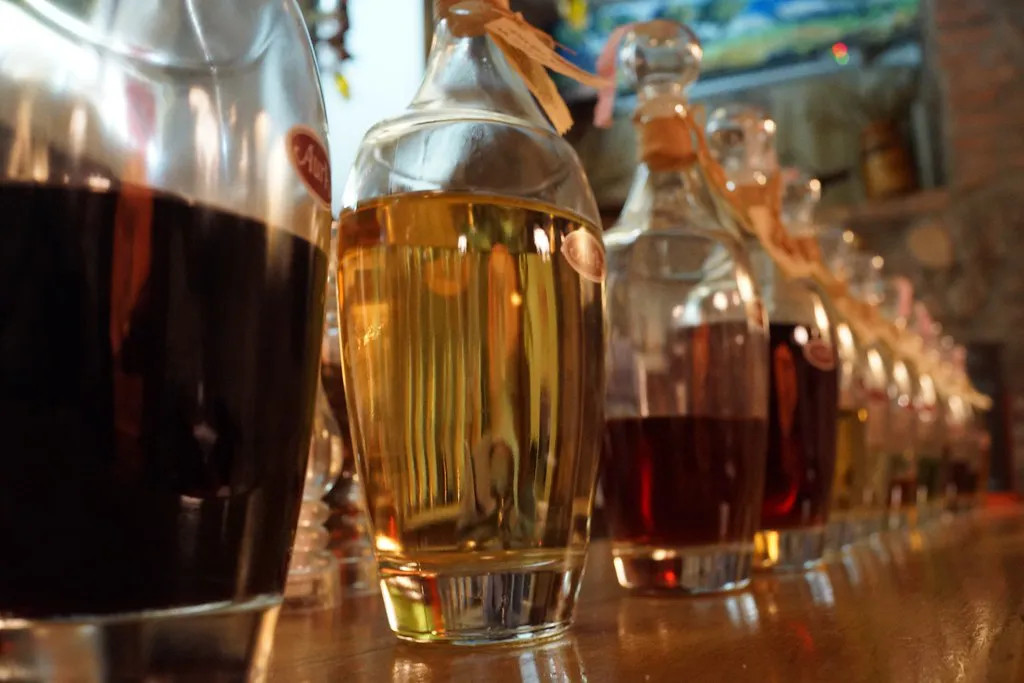
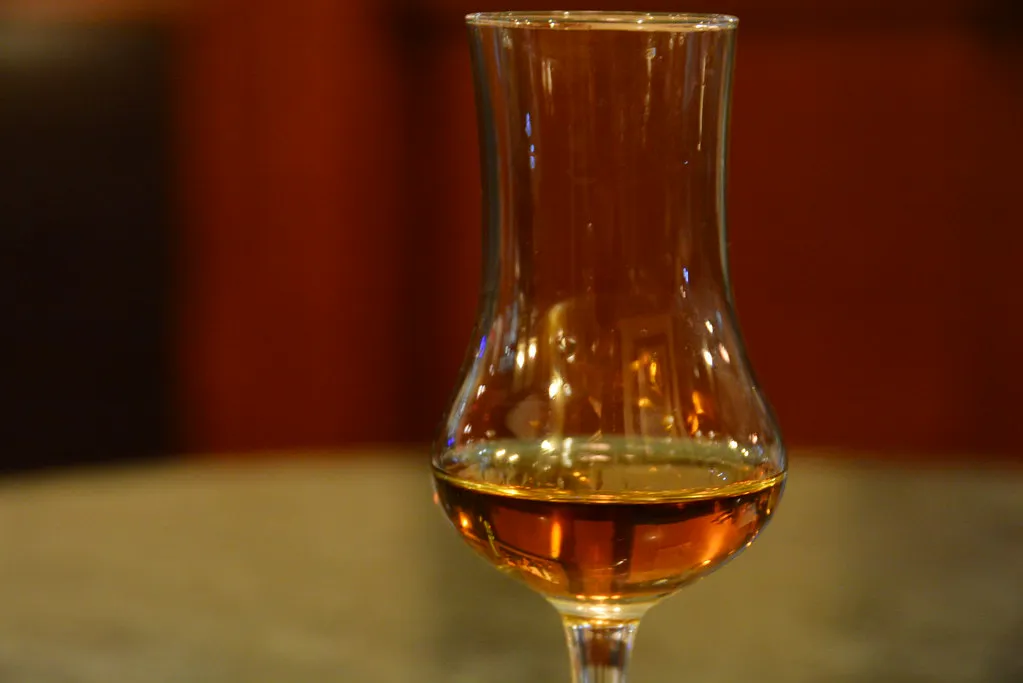
Rakia is Bulgaria's national drink by every measure that counts. It is a fruit brandy distilled from fermented fruit — grape, plum, apricot, cherry, quince, pear, or whatever ripens in the local orchards. The most common commercial version is grape rakia at 40% ABV. Home-distilled versions often reach 55–70% ABV, and some go even higher. Approach an unfamiliar homemade bottle with respect.
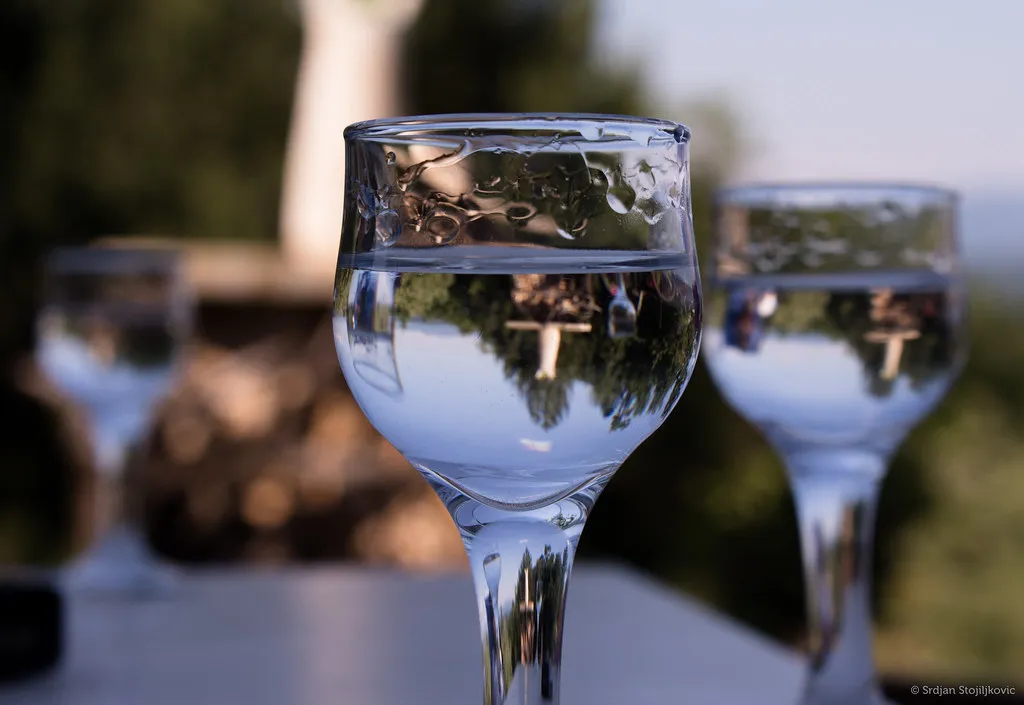
Regional identity runs through rakia. Troyan and the western Balkan range are known for their plum rakia. The Kazanlak area, famous for rose oil production, makes a rose-infused rakia called rozova rakiya that is floral and slightly sweet. Grape rakia from the Thracian Valley can taste cleaner and drier. When someone offers you "homemade," ask what fruit was used — you will get a proud story with your pour.
Rakia is served in small glasses: 50ml is the standard "small" and 100ml is a "large." It almost always arrives alongside a Shopska salad dish or a small plate of meze — the fat and acidity cut through the spirit cleanly. In winter you may be offered gryanka, rakia heated with honey, sugar, and walnut, similar to a hot toddy. A 50ml shot in a restaurant costs 3–8 BGN; bottles of mid-range commercial rakia start at 15–25 BGN in supermarkets. Our full Bulgarian rakia guide covers distilleries to visit and the best regional bottles to bring home.
Bulgarian Wine: A Rich Tradition
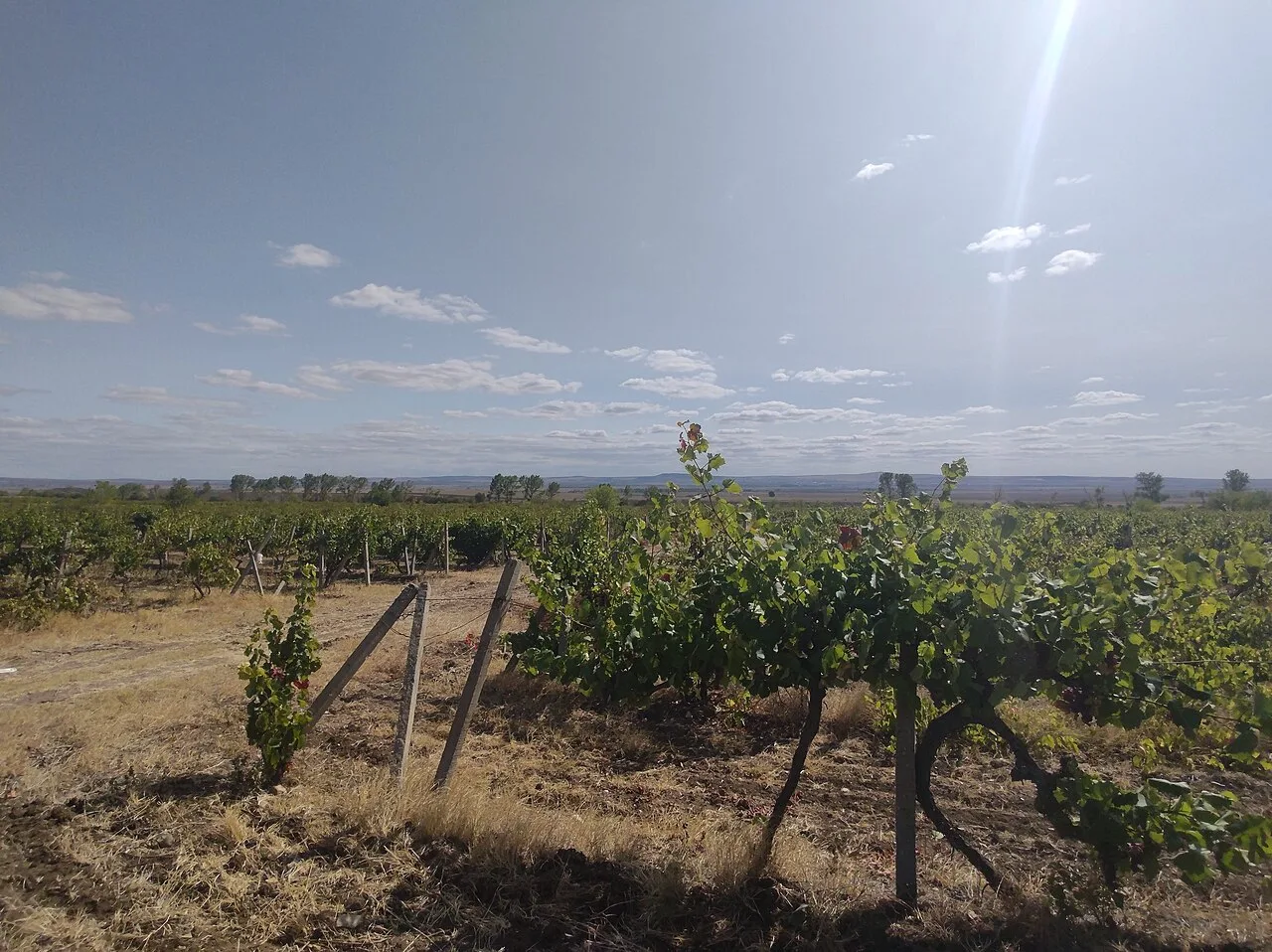
Bulgaria has been producing wine since the age of the ancient Thracians. The country sits at the same latitude as northern Italy and southern France, with five distinct wine regions. It is consistently ranked among the world's top wine exporters — largely because the price-to-quality ratio here is among the best in Europe.
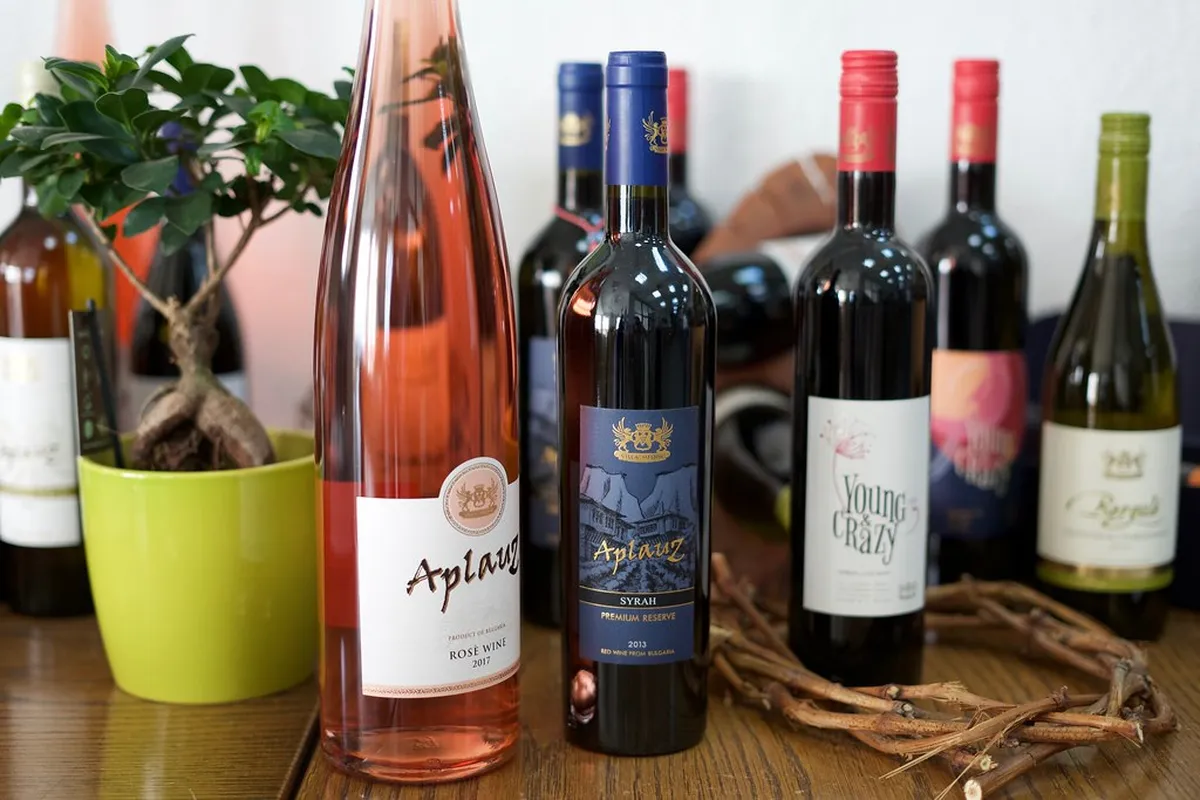
The indigenous red grape varieties are the main reason to seek out Bulgarian wine. Mavrud, grown primarily around Asenovgrad near Plovdiv, produces deep, tannic reds with berry and spice notes. Gamza (known as Kadarka in Hungary) thrives in the northwest around Vidin and Pleven — lighter, earthier, and more food-friendly. Rubin is a modern cross of Nebbiolo and Syrah developed in Bulgaria in the 1940s, with big fruit and firm tannins. For whites, Dimyat from the Black Sea coast makes fresh, aromatic wines. A glass of local wine in a restaurant costs 5–10 BGN; bottles in shops start from 8–15 BGN for reliable producers.
Wine is covered in full in the separate Bulgarian wine pillar. If you are visiting the Thracian Valley or the Plovdiv region, winery tours and tastings are easy to arrange and worth a half-day. Many wineries allow walk-in visits.
Local Beers: Craft and Commercial
Beer — bira — is the everyday drink in Bulgaria, especially in summer. Three national brands dominate every restaurant menu and supermarket shelf: Zagorka (a clean lager brewed in Stara Zagora since 1902), Kamenitza (slightly fuller-bodied, from Plovdiv), and Ariana (Sofia's own, with a slightly hoppier finish). All three are reliable, cold, and cheap — a 0.5L pint in a bar costs 3–5 BGN, under 2 BGN from a shop fridge.
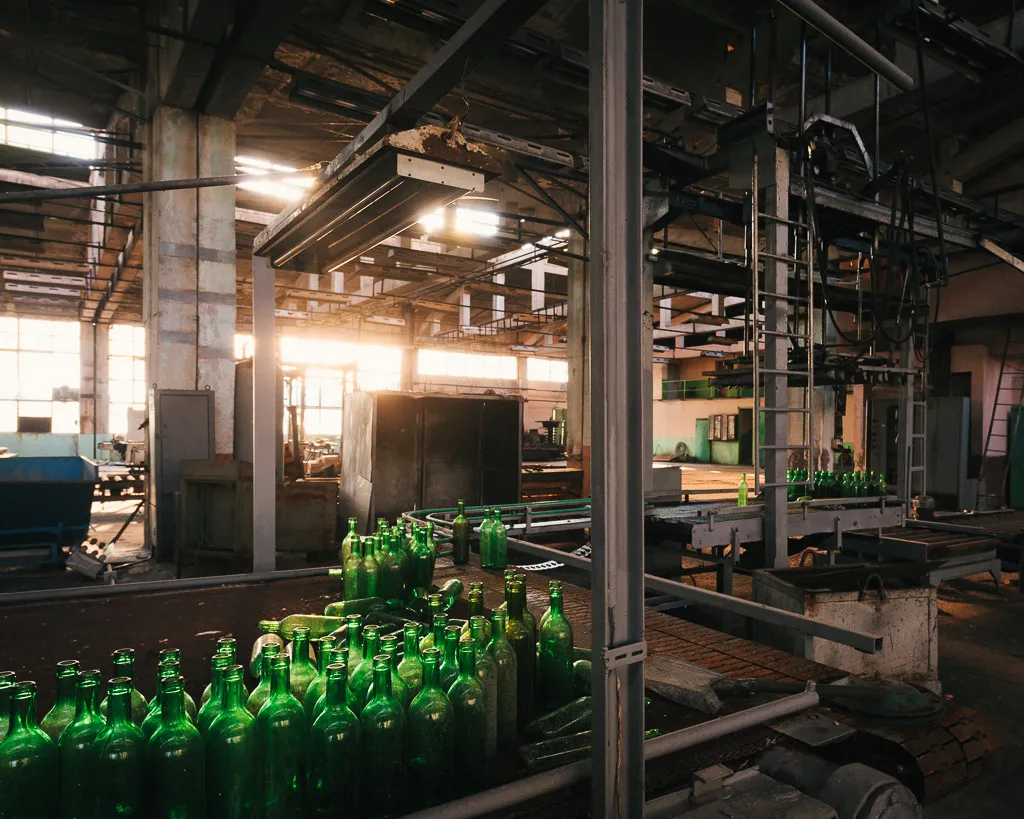
The craft scene has grown quickly since around 2015. Sofia has the most options — bars in the Lozenets and Studentski Grad neighbourhoods carry rotating taps from producers like Bvar Brewery, Brewing Happiness, and Odd Brewers. Plovdiv's Kapana Creative District Visitor Guide has several craft-forward bars. Varna has a smaller but growing scene near the beach strip. Craft pints run 7–12 BGN in dedicated bars.
Beer in Bulgaria almost always comes with food rather than on its own, and the combination of a cold Kamenitza with kebapche and kyufte dishes is the standard summer grill pairing. Draught is preferred over bottles — ask for "nalivno" (пиво наливно) if you want it from the tap.
Ayran: The Refreshing Yogurt Drink
Ayran is made by whisking Bulgarian yogurt with water and a pinch of salt until smooth and slightly frothy. The ratio matters: too much water and it loses its tang, too little and it is too thick to drink easily. The Bulgarian version tends toward thicker than the Turkish variety and is sometimes served with fresh mint. It is always served cold.
Bulgaria's yogurt culture is its own — the specific strain of Lactobacillus bulgaricus responsible for the sharp, creamy texture was isolated by Bulgarian microbiologist Stamen Grigorov in 1905. That strain is what makes Bulgarian ayran taste different from yogurt drinks elsewhere. The probiotic content is genuinely high; it is one of the few drinks a doctor in Bulgaria will actually recommend.
Ayran pairs instinctively with grilled meats and with pastries like banitsa pastry — the fat of the cheese or meat is cut by the drink's acidity without overwhelming it. It is also the go-to hangover recovery drink for many locals, consumed cold with a little extra salt. A cup in a café or restaurant costs 1.50–3 BGN; supermarket cartons are even cheaper. Look for "Istinski" (Истински) or similar labels that indicate traditional full-fat yogurt as the base.
Boza: The Fermented Malt Beverage
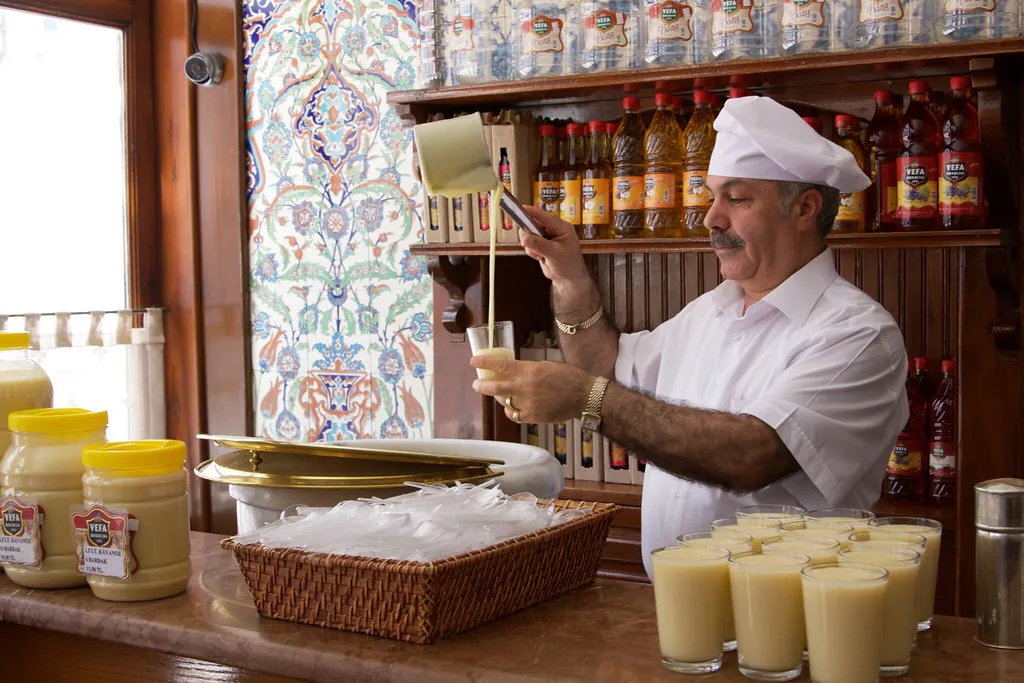
Boza is one of the more unusual drinks on this list — thick, mildly sweet, slightly sour, with a low alcohol content (around 0.5%) and a malty fermented smell that takes most visitors completely off guard. It is made from boiled and fermented wheat, rye, or millet flour with water and a little sugar. The texture is closer to a thin porridge than a drink, which surprises first-timers who pick it up expecting a juice.
The classic pairing is boza with fresh banitsa pastry for breakfast — this combination is so standard that many bakeries keep a small boza fridge behind the counter. Two towns are particularly associated with quality boza: Lyubimets, in the south near the Greek border, and Radomir, near Sofia, which has a monument to the traditional boza street vendor. If you are in Sofia, the sweet shop Pchela (Пчела) near the city centre serves draft boza by the 500ml mug — a good introduction if you want to try a generous pour without committing to a bottle.
Expect a strong reaction one way or the other — boza has almost no neutral fans. Those who grew up on it love it; those who did not often find the fermented smell overpowering. For a gentler entry, some cafés serve it over a scoop of vanilla ice cream, which softens the sour edge and makes the malt notes more approachable. A small bottle costs 1–2.50 BGN in supermarkets. The full boza guide covers how it is made and which brands to buy.
Mineral Water: Bulgaria's Natural Resource
Bulgaria has more than 500 mineral spring locations, more per square kilometre than almost any other European country. Many of these springs are free-flowing and open to the public. In Sofia alone, the mineral spring at the Banski Mineral Baths near the central market dispenses hot mineral water year-round — locals queue with empty 5-litre bottles, and the queue is always moving.
Bottled mineral water brands worth knowing: Devin (from the Rhodopes, soft and light), Bankya (slightly more mineral, common in Sofia restaurants), and Mihalkovo (naturally carbonated, an unusual find). Each has a distinct mineral composition and locals often have brand loyalty based on the specific spring. A 0.5L bottle in a restaurant costs 1.50–2.50 BGN; in a supermarket, under 1 BGN.
Several spa towns — Hisarya, Velingrad, Sapareva Banya, Sandanski, Varshets — are built around mineral springs with different temperatures and compositions. Sapareva Banya has the hottest geyser in continental Europe at 103°C. If you are travelling through these areas, stopping to drink from a public fountain is free, normal, and genuinely enjoyable — not a tourist gimmick.
Other Bulgarian Drinks Worth Knowing
Turkish-style coffee — made in a small copper dzhezve pot, thick, unfiltered, with grounds settling at the bottom — is still the default morning drink in Bulgarian households and traditional mehanas. It arrived during Ottoman rule and never left. You will not find it in trendy Sofia cafés, but any traditional restaurant will serve it, usually very sweet unless you specify otherwise. If a fortune teller is nearby, the coffee-ground patterns at the bottom of the cup are used for readings — a Bulgarian curiosity that is surprisingly common.
Mastika is an anise-flavoured spirit, transparent until you add ice, at which point it turns milky white and grows small crystals — the effect is striking. It is similar to Greek ouzo but slightly different in blend. The classic Bulgarian mastika cocktail is called Oblak (облак, meaning "cloud"): mastika poured over menta liqueur with ice, creating a layered, cloudy drink. Menta itself is a bright-green spearmint liqueur at around 25% ABV, popular in summer over ice or mixed with Sprite. Both are widely available and cost 5–10 BGN per shot.
Rose liqueur from the Kazanlak region is a fragrant, floral digestif made from Rosa damascena petals — the same rose grown for Bulgaria's famous rose oil export. It is worth trying as a digestif and makes a good gift. Elderflower syrup (sirup ot byal buz) is a homemade concentrate diluted with sparkling water — look for it at village markets and health food shops in spring. Herbal teas (bilkovi chayove) made from mountain herbs — linden blossom, thyme, St John's wort — are not a drink you order at a bar, but many guesthouses in the Rhodopes and Balkans serve them as part of breakfast. They reflect a deep tradition of folk medicine that overlaps with food culture.
Etar: The Drink Almost No One Remembers
Etar is a carbonated soft drink from the socialist era (pre-1989), light brown in colour, vaguely fruity, and the subject of endless debate about which fruit it actually tastes like. It was named after the ancient name for the Yantra River in northern Bulgaria. Unlike Coca-Cola, which replaced it after 1989 in most shops, Etar never fully disappeared. A handful of small producers still bottle it for committed fans and for regional nostalgia markets.
It never achieved the cult status of Scotland's Irn-Bru, but for Bulgarians of a certain age it carries the same emotional weight. If you find it — in a small shop outside Sofia, at a village market, or occasionally in a mehana with retro leanings — it is worth ordering once. It is not remarkable on its own terms, but drinking it tells you something about how Bulgaria processed its own history. Cost: 1–2 BGN where available.
How to Enjoy Bulgarian Drinks Like a Local
The word "Nazdrave!" (Наздраве!) is used every single time glasses are raised, not just at special occasions. Making eye contact while saying it matters — Bulgarians take it seriously, and looking away while toasting is considered bad form. Rakia is sipped slowly alongside food, not thrown back. A fresh Shopska salad dish is the default companion.
When ordering rakia, specify the type if you can: grape (grozdova), plum (slivova), or ask what the house has. The 50ml measure is the polite starting size; 100ml is a serious pour. Homemade rakia offered at someone's home is an honour — refuse it only if you genuinely cannot drink, and even then offer a small sip. Driving on any alcohol is a zero-tolerance offence in Bulgaria, full stop.
In a traditional mehana, meals move slowly and drinks are refilled throughout rather than ordered by round. Non-drinkers are never pressured — ayran, mineral water, and boza are all respected choices at any table. If you are at a summer grill, cold beer is as natural as wine at a wedding. Ordering a coffee at the end of a meal is standard; Turkish-style coffee or espresso both appear on most menus.
Where to Find Authentic Bulgarian Beverages
Traditional mehanas and family restaurants are the best starting point. These places typically stock local wines by the glass, house rakia by the shot, and may have homemade versions of both if the owner distills or makes wine on their own land. Do not overlook small, plain-looking spots on side streets — the more tourist-facing the signage, the less likely the rakia is homemade.
For bottles to take home, larger supermarkets carry the widest selection of commercial rakia and wine. The spirit sections of Fantastico and Kaufland stores in Sofia and Plovdiv consistently stock regional varieties. Farmers' markets and village fairs are where homemade elderflower syrup, rose liqueur, and small-batch rakia appear — cash only, no labels, but often the best quality available. Boza is found in bakeries and supermarket dairy sections, freshest in the morning.
If your schedule allows, the Thracian Valley wineries around Plovdiv and Asenovgrad offer tours and tastings with minimal advance booking. The Rose Valley around Kazanlak has distilleries that sell rose rakia and liqueur directly. For mineral water, drinking from a public spring in Sofia (near the Central Mineral Baths (Sofia History Museum) Visitor Guide on Exarch Yosif Street) requires nothing except an empty bottle and a willingness to queue for two minutes.
Essential Tips for Drinking in Bulgaria
Homemade rakia varies wildly in strength — anywhere from 40% to 80% ABV. If you cannot verify the alcohol content, treat any unclear home-distilled pour as if it is at least 55% and pace accordingly. Commercial bottles list ABV clearly; homemade ones do not. The first sip is always for testing, not for speed.
Bulgaria has strict zero-tolerance drink-driving laws. Even one small rakia puts you over the legal limit for driving. Use taxis (Yandex Go and Bolt both operate in Sofia, Plovdiv, and Varna), or walk — city centres are compact and walkable at night. Public transport in Sofia runs until around midnight on weekdays and slightly later on weekends.
Tap water in Bulgaria is safe to drink in most of the country, including Sofia, Plovdiv, and Varna. Bottled water is not necessary for health reasons — it is a preference. If you are in a rural mehana and unsure about water, ask for bottled mineral water, which costs almost nothing. Most restaurants will bring tap water without being asked if you are eating; in cafés, ask for "cheshma voda" (чешма вода) to get it free.
Continue planning: Use 15 Must-Try Bulgarian Foods: A Culinary Travel Guide and The Best Banitsa Recipe: Authentic Bulgarian Cheese Pie Guide to connect this guide with the rest of your Bulgaria itinerary.
Frequently Asked Questions
Which Bulgarian drinks options fit first-time visitors?
First-time visitors should definitely try Rakia, Ayran, and a local Bulgarian beer or wine. Rakia offers a taste of traditional spirit, while Ayran provides a unique refreshing experience. Local beers and wines showcase Bulgaria's brewing and viticulture heritage without being too adventurous.
What is Rakia made from?
Rakia is a fruit brandy, typically distilled from fermented fruits such as grapes, plums, apricots, or pears. The type of fruit used influences its flavor profile and regional variations. Grape rakia is common, but plum rakia from regions like Troyan is also highly prized.
How is Ayran prepared?
Ayran is prepared by mixing plain Bulgarian yogurt with water and a pinch of salt. The ingredients are whisked or blended until smooth and frothy. It's usually served chilled and can vary in thickness, sometimes incorporating fresh mint for added flavor.
What does Boza taste like?
Boza has a unique, slightly sweet and tangy flavor with a distinct malty, fermented aroma. Its consistency is thick and somewhat viscous. It's often described as an acquired taste, but many find it refreshing and nutritious, especially when paired with a sweet pastry.
Are there good Bulgarian wines?
Yes, Bulgaria has a rich winemaking tradition and produces excellent wines, particularly red varieties. Indigenous grapes like Mavrud, Rubin, and Gamza yield unique and high-quality wines. The Thracian Valley is especially renowned for its robust red wines, offering great value and distinctive flavors.
Bulgarian drinks reward curiosity. The short list — rakia, ayran, boza — is just the entry point. Behind it sits a full landscape of regional wine, mineral springs, fermented grain drinks, and obscure socialist-era sodas that together tell the story of this country more honestly than any museum exhibit. Start with a 50ml rakia and a Shopska salad. Go from there.
For connected planning, compare practical Bulgaria travel guide with Bulgaria seasonal planning guide before finalizing your route.