Bansko Winter Activities Beyond Skiing
Last updated July 2026, this guide breaks down bansko winter activities for travelers who want more than lift lines and moguls. Bansko splits into two distinct halves: a modern gondola base built for skiers, and a stone Old Town with centuries of Bulgarian history. Non-skiers and rest-day skiers alike can fill a full week here, from thermal baths in nearby Banya to snowshoeing trails in Pirin National Park.
Bansko Winter Activities Beyond the Pistes
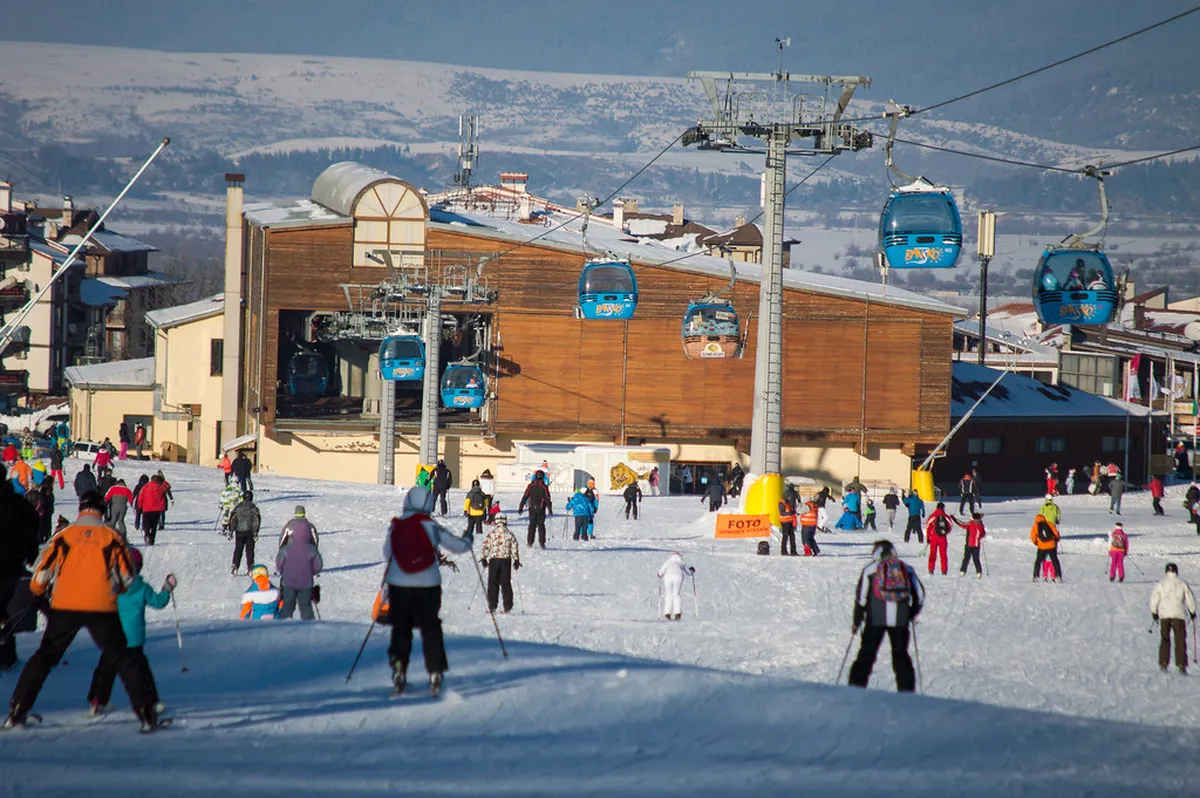
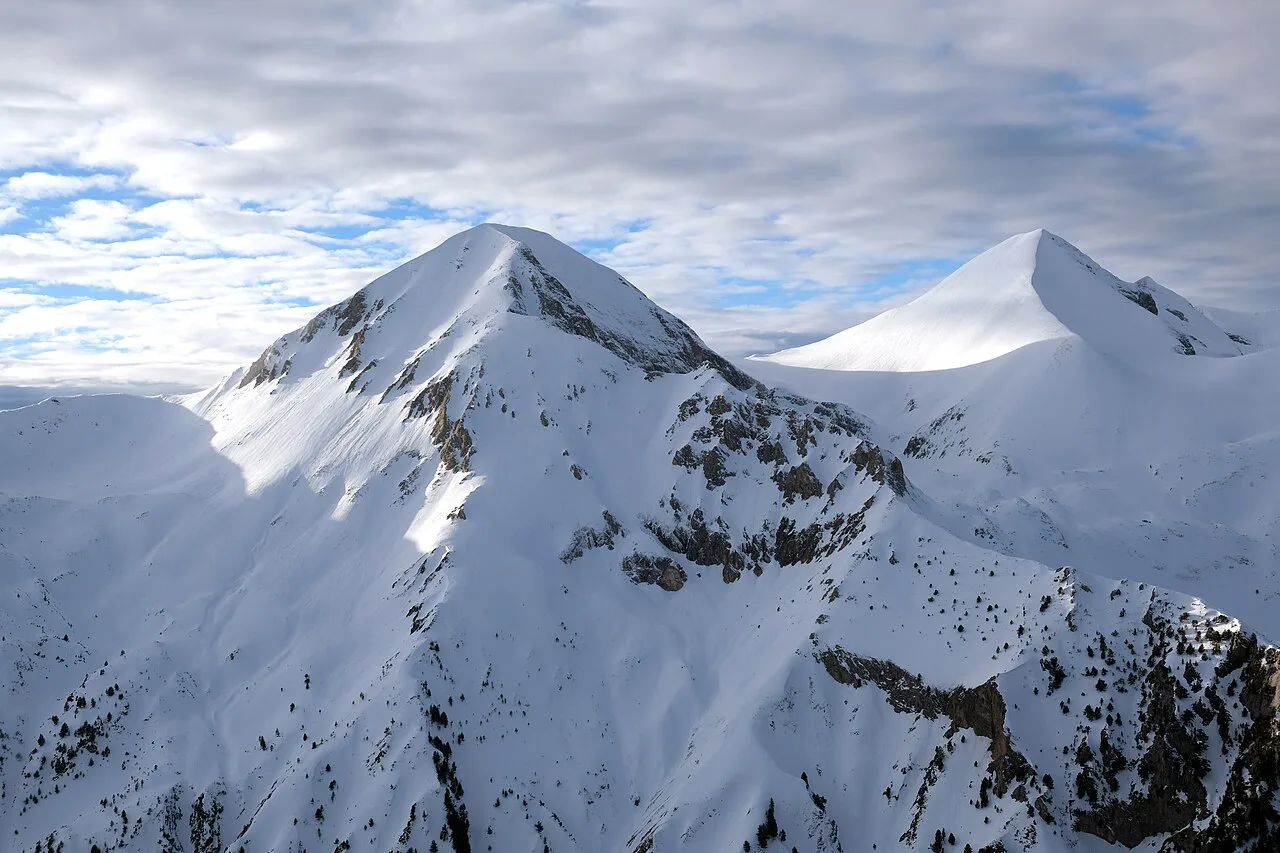
Bansko sits inside Pirin National Park, a UNESCO World Heritage Site, and the resort is best known for its roughly 75 kilometers (47 miles) of marked ski runs. As of the 2026/27 season, lift operations typically run from mid-December through early April, detailed further in the ski resort's full layout. Three activities anchor most winter itineraries beyond the slopes. Combine any of these with the broader Bansko itinerary ideas to mix ski days with rest days across a full week.
- A soak at the thermal baths in nearby Banya
- A walk through Old Town past Holy Trinity Church
- An evening at the ice rink near the gondola base
Beat the Gondola Queue: What to Do Instead of Waiting
Morning queues for the Bansko gondola can run one to two hours during peak weeks like Christmas, New Year, and February half-term. Non-skiers waiting on ski-school pickups, plus rest-day travelers, can skip the line entirely by starting elsewhere in town. The Old Town's museum houses open by mid-morning. The ice rink near the gondola base opens at 1PM, and a late-morning walk fills the exact window when queues peak. Anyone still deciding between lessons and self-guided runs can check beginner ski lessons first. Comparing current lift pass costs against a rest day of thermal baths and museums often settles the choice quickly. Renting gear locally rather than bringing it also affects timing, since fitting boots and skis adds to the morning queue; details are in the renting gear and lessons guide.
During peak-week gondola queues of 1-2 hours, a Banya thermal bath trip offers a cost-effective rest-day alternative, costing just 15-25 BGN for entry plus taxi fare, far less than a lift pass.
Active Adventures in Pirin National Park
Pirin National Park is Bansko's biggest year-round draw, and several activities reach it without ski boots. Guided options range from quiet snowshoe walks to engine-powered snowmobile runs, so choose based on adrenaline tolerance and budget. Daytime temperatures on these outings typically sit between -2°C (28°F) and 5°C (41°F), with clear mornings usually the calmest for photography. For a full list of marked routes by difficulty, see the marked hiking trails guide. Travelers weighing a first ski day against a day outdoors can compare notes in the learning to ski in Bulgaria guide.
Travelers in Pirin National Park face a clear trade-off: guided snowshoeing lasts 2-4 hours at medium adrenaline and lower cost, while snowmobiling and ATV tours deliver high adrenaline in just 1-2 hours at the highest cost among non-ski options.
- Snowshoeing: guided routes run from the upper gondola area toward Vihren Hut. Group, private, and evening tours are available, with operators supplying the snowshoes.
- Ice skating: the outdoor rink near the gondola base opens daily from 1PM to 10PM in season. Two hours costs around 30 BGN (about $16); arrive right at opening to avoid evening crowds.
- Snowmobiling and ATV tours: operators near the Chalin Valog area run high-adrenaline routes through the forest, priced per run rather than by the hour.
- Winter hiking: lower-altitude trails near town stay walkable most of the season. Routes toward Baikushev's Pine or higher terrain depend on snowfall, so check conditions locally before setting out.
Bansko Winter Activities Compared: Cost, Time and Effort
Choosing among Bansko's non-ski options often comes down to budget, time available, and appetite for adrenaline. The table below lines up the main activities covered in this guide side by side.
| Activity | Typical Cost | Time Needed | Adrenaline Level |
|---|---|---|---|
| Old Town walking tour | Free, tip expected | 1.5-2 hours | Low |
| Ice skating | ~30 BGN (~$16) for 2 hours | 2 hours | Low-Medium |
| Thermal baths in Banya | ~15-25 BGN (~$8-14) | Half day | Low |
| Guided snowshoeing | Priced per person; less than motorized tours | 2-4 hours | Medium |
| Snowmobiling/ATV tours | Priced per run; highest-cost option here | 1-2 hours | High |
| Museum houses | Combined ticket where available; confirm locally | 1-2 hours | Low |
Thermal Baths in Banya: Bansko's Best Rest-Day Escape
The neighboring village of Banya holds several thermal bath complexes fed by natural mineral springs. It's the default rest-day plan for skiers and non-skiers alike. Villa Victoria and Izgreva are the two most visited options, with entry historically running about 15 to 25 BGN (roughly $8 to $14) per person depending on the venue and season. Some hotels run their own shuttles to Banya, but most visitors go by taxi, which typically costs 15 to 20 BGN each way from the gondola area. Walking is possible but adds well over an hour each direction, so a taxi or shuttle is worth the fare for a short trip. Travelers staying centrally can check where to stay in town with Banya's transit time in mind. Those who'd rather stay on-site can use hotel spa access instead, an option covered in the hotel spa options guide.
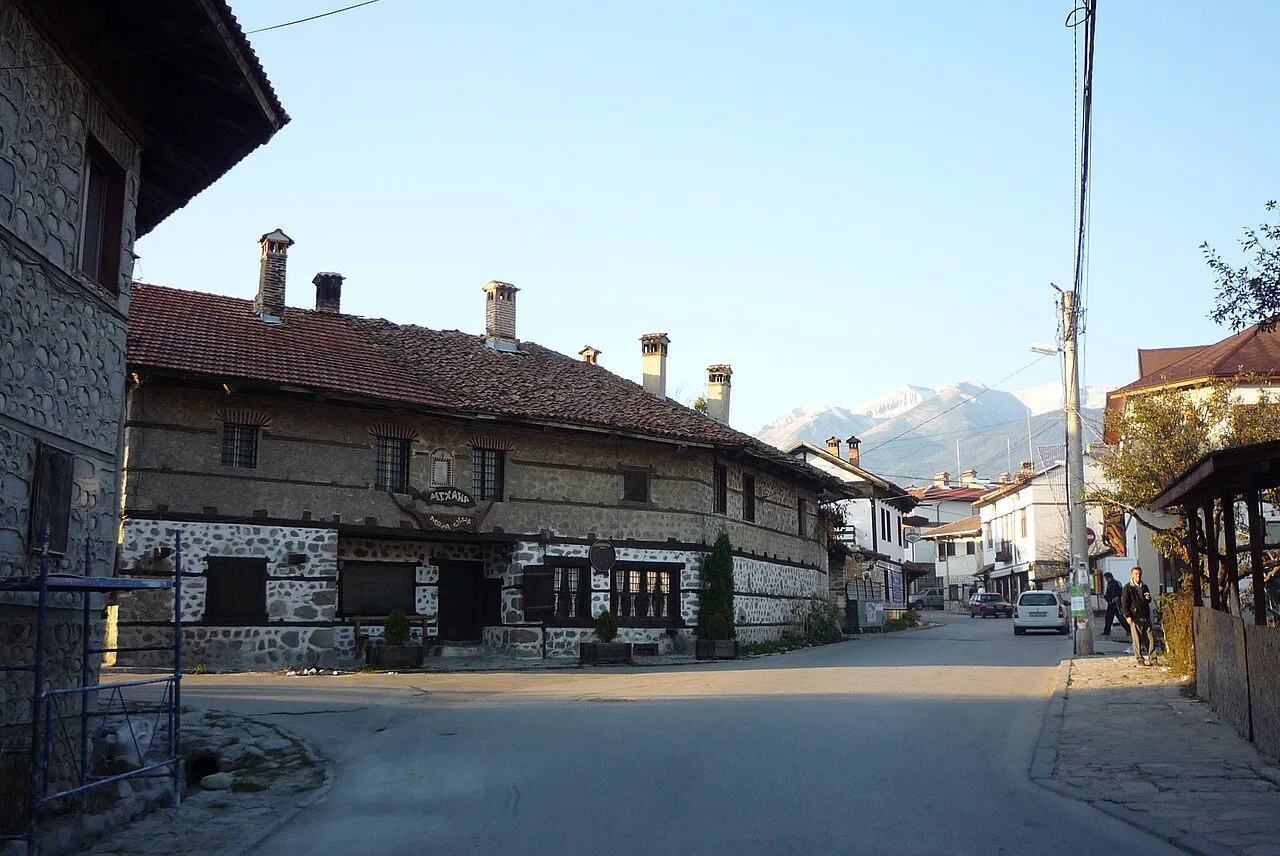
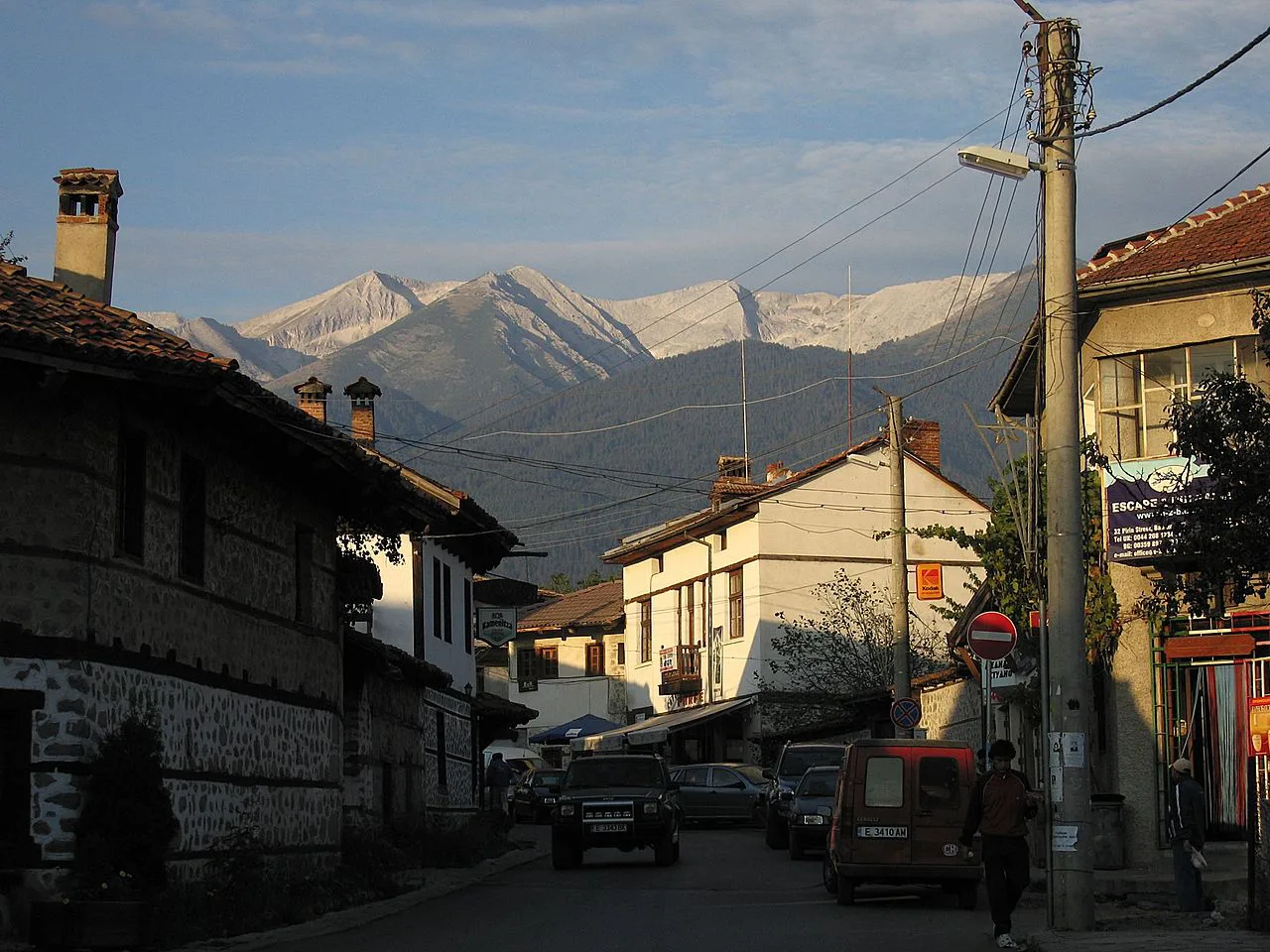
Bansko Old Town: Walking Tours, Museums and Sunset on Pirin Street
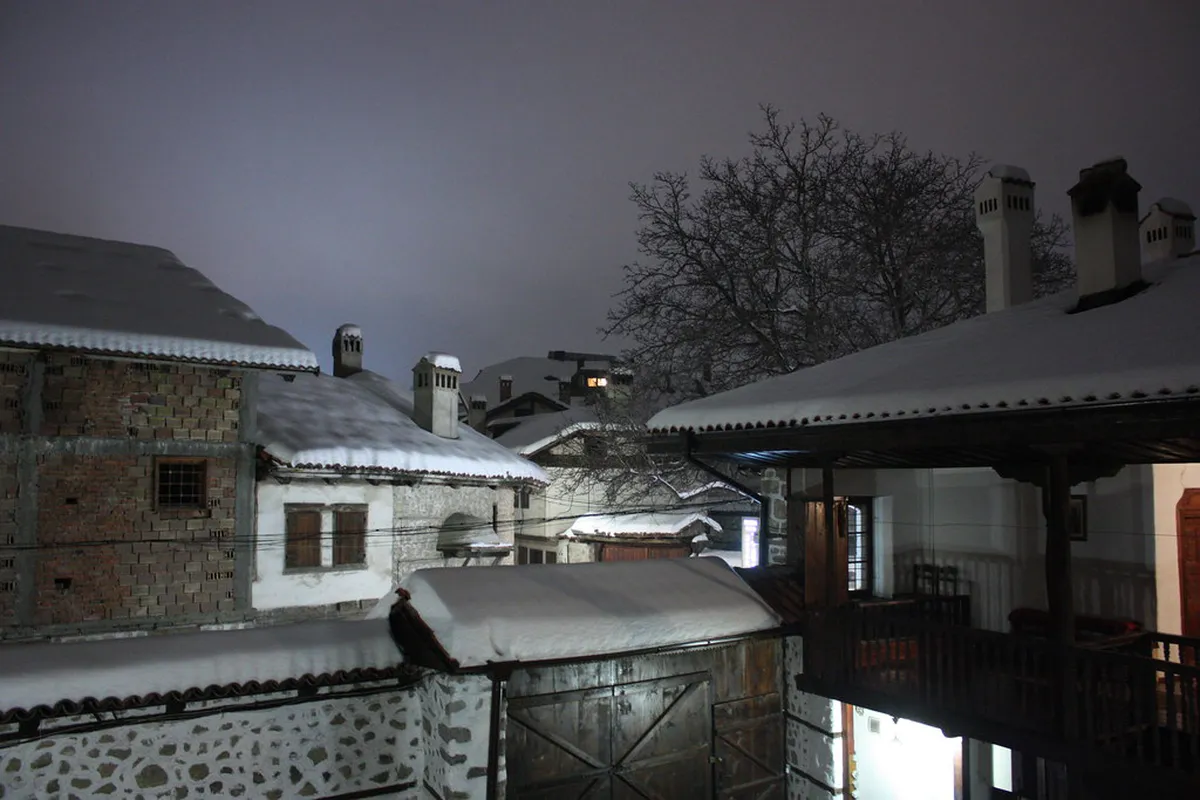
Bansko's Old Town preserves stone houses and cobbled lanes from the 19th century, centered on Pirin Street and the churchyard square. A free walking tour typically covers the town's history and culinary background in about 1.5 to 2 hours. Guides work on tips, so budget a small cash gratuity, and confirm the exact meeting day locally since winter scheduling can vary. Holy Trinity Church anchors the square. Its bell tower stands roughly 30 meters (98 feet) tall, with a mix of Christian and local decorative symbols worth a slow look. Winter opening hours vary by house and by season, so confirm times locally before planning a museum afternoon. Some seasons offer a combined ticket across the house museums; ask locally, since combined pricing changes year to year. Pirin Street fills with locals and visitors in the late afternoon, and the stretch near the church is a reliable spot for sunset photos and people-watching before dinner.
- Neofit Rilski House Museum: focuses on the Bulgarian National Revival-era teacher and writer born in Bansko.
- Velyanova House: a 19th-century house museum known for its painted interior woodwork and murals.
- Nikola Vaptsarov Museum: dedicated to the Bansko-born poet, with personal artifacts and biographical exhibits.
- Combined tickets: some seasons offer a joint entry price across the house museums; confirm current options and winter hours locally before visiting.
Mehana Dining and Bansko Nightlife After Dark
Bansko's mehanas serve regional Bulgarian dishes such as kapama, a slow-cooked meat and sauerkraut casserole, and chomlek, a baked meat and vegetable stew. A tourist-oriented mehana usually has a laminated multilingual menu, recorded folk music on a loop, and a spot right on the main tourist strip. An authentic Old Town mehana tends toward a shorter, seasonal menu, staff who explain dishes rather than just naming them, and a location a block or two off the main square. Full listings by cuisine and price point are covered in the Bansko restaurant guide. Après-ski energy centers on bars near the gondola base right as lifts close for the day. The scene shifts toward the Old Town later in the evening, drawing a later, more local crowd. For a fuller rundown of bars and late-night spots, see the nightlife scene before planning a night out.
When to Go: Comparing Bansko's Winter Months
Bansko's non-ski activities run all winter, but conditions and crowds shift month to month. Early December and March tend to be quieter and slightly cheaper for thermal baths and taxis. The Christmas-New Year fortnight and February bring the tightest gondola queues and the highest demand pricing. The table below compares typical temperatures, crowd levels, and non-ski activity costs across the season. Thermal bath entry in Banya illustrates the swing well. Expect close to the 15 BGN low end in quiet early-December weeks, climbing toward 25 BGN during the Christmas-New Year peak when Villa Victoria and Izgreva both fill up. Travelers still deciding on exact dates can cross-check the picking your travel dates breakdown. Those curious how the town differs outside ski season can compare against the summer season guide. The ski season itself typically runs mid-December to early April, detailed further in the ski season calendar.
| Period | Avg Daytime Temp | Avg Night Temp | Crowd Level | Non-Ski Activity Cost |
|---|---|---|---|---|
| Early December | ~2°C (36°F) | ~-4°C (25°F) | Low | Lower end of price ranges |
| Christmas-New Year | ~3°C (37°F) | ~-6°C (21°F) | Very high | Upper end of price ranges |
| January-February | ~4°C (39°F) | ~-5°C (23°F) | High | Standard rates |
| March | ~9°C (48°F) | ~-1°C (30°F) | Low-Medium | Lower end, shorter queues |
Planning Bansko Winter Activities: Budget, Transport and Timing
Bansko's Old Town, gondola base, and most hotels sit within comfortable walking distance of each other, so many visitors get by without a car. Banya and the Chalin Valog snowmobile area need a taxi, hotel shuttle, or rental car, since neither is realistically walkable. Coordinating arrival starts with the closest airport options guide. From there, the transport link from Sofia covers bus and transfer choices into town. A non-ski day built around a museum visit, lunch, and the ice rink can cost well under a full ski day's lift pass and rental spend. Add a Banya thermal bath afternoon at 15 to 25 BGN and a taxi at 15 to 20 BGN each way, and a full rest day still runs a fraction of a ski day's total. Cash remains useful for mehanas, taxis, and market stalls, even though larger hotels and restaurants take cards. Ski schools cluster morning lessons between roughly 9:30 and 11:30, which is also when the gondola queue peaks. Scheduling museum visits, thermal bath trips, or the walking tour in that window avoids the worst of both queues. Bansko also runs a local Sunday market with regional produce and goods, worth a stop for anyone in town over a weekend. A day trip to Rila Monastery is possible in winter for travelers who want to leave Bansko for a day. Check current road and tour conditions before committing, since winter access can vary week to week. Full options are listed in the day trips beyond town guide.
Further reading: Bansko on Wikivoyage · Bansko on Wikipedia
Frequently Asked Questions
Is Bansko worth visiting in winter if you don't ski?
Yes. Between thermal baths in Banya, Old Town museum houses, the ice rink, and snowshoeing in Pirin National Park, non-skiers can fill several days without touching a ski run.
What is the best month for snow-based activities beyond skiing?
January and February typically hold the most reliable snow cover for snowshoeing and winter hiking, while early December and March tend to be quieter and slightly cheaper for thermal baths and other non-ski activities.
Can you visit Rila Monastery from Bansko in winter?
A day trip is possible, but check current road and tour conditions before booking, since winter access can vary week to week.
Does the free walking tour run every day in winter?
Schedules can vary by season and operator, so confirm the exact day and meeting point locally or through the tour's booking channel before planning a day around it.
How much does the Bansko gondola queue affect a non-ski day?
Morning queues can run one to two hours during peak weeks, so non-skiers are better off scheduling museum visits, the walking tour, or a Banya thermal bath trip in that same window rather than around it.
What should you pack for non-ski winter activities in Bansko?
Layered warm clothing, waterproof boots, and a hat and gloves cover most non-ski outings, since daytime temperatures often sit between about -2°C (28°F) and 5°C (41°F) and drop further after dark.