15 Traditional Bulgarian Dishes and Drinks to Try in Sofia
I have spent years eating my way through the cobblestone streets of the Bulgarian capital, and the flavors never cease to surprise me. Sofia offers a culinary landscape where ancient Thracian traditions meet Ottoman spices and Slavic heartiness in a single clay pot. Whether you are exploring the city for the first time or returning for the atmosphere, understanding the sofia food and drinks scene is essential for a complete experience.
This guide explores the most authentic flavors you can find, ranging from the refreshing morning yogurt to the potent evening rakia. I last refreshed this list in May 2026 with current Sofia dining prices in lev (BGN) and euro (EUR) so you can budget without converting from US dollars at the table. Before you dive into the menus, checking out the best things to do in Sofia will help you work up a proper appetite.
The city has undergone a gastronomic revolution recently, blending rustic village recipes with modern presentation and high-quality local ingredients. You will find that Bulgarian hospitality often revolves around a shared table filled with colorful salads and grilled meats. Prepare your palate for a journey through Bulgaria's history, one bite at a time.
A Brief History of Bulgarian Cuisine: From Thracians to Communism
Bulgarian cuisine is a complex tapestry woven from centuries of migration and conquest across the Balkan Peninsula. The ancient Thracians contributed a deep-rooted wine culture and garlic, the Slavic tribes added bread-making rituals still visible at every wedding table, and the Proto-Bulgarians introduced the fermented dairy that became the country's signature. Five centuries of Ottoman rule (1396 to 1878) layered in paprika, cumin, baklava and the slow-cooked clay-pot tradition.

During the mid-20th century, the state-run Balkantourist agency standardized the national menu into 12 official dishes with fixed gram weights printed on every menu, a regulation designed to simplify mass tourism under the Communist regime. This legacy is why you will see the same core items like Shopska salad and Kavarma on nearly every traditional menu today, often with the gram weight still listed beside the price. Understanding this history helps explain why Is Sofia Bulgaria Worth Visiting? 10 Things to Know for foodies who appreciate both consistency and emerging culinary creativity.
Modern Sofia chefs are now breaking these rigid molds by sourcing heirloom vegetables and artisanal cheeses from small mountain farms. You can taste the difference in the vibrant red peppers and the tangy, world-famous yogurt that defines the local diet. The city's food scene remains remarkably affordable compared to Western Europe, with full traditional dinners landing between 30 and 55 BGN (15 to 28 EUR) per person including drinks.
💡 Good to know: Many traditional Sofia menus still list a gram weight next to each dish, a leftover from the Communist-era Balkantourist standardization. Use it to gauge portion size before ordering, and look for the word 'Domashno' (house-made) to find the village-style version of a classic rather than a mass-produced one.
How Bulgarian Food Differs from Greek and Turkish Cuisine
First-time visitors often assume Bulgarian food is a milder version of Greek or Turkish cuisine, but the lines are sharper than they appear. Bulgarian Yogurt vs. Greek Yogurt is thinner and more acidic than Greek yogurt because it ferments with Lactobacillus bulgaricus rather than the Greek straining process, and it shows up in soup and dough rather than as a side dip. Cheese is also different: Bulgarian sirene is brinier and more crumbly than Greek feta, while kashkaval is firmer than Turkish kasar and is grilled in a pan as a hot starter.
Spice usage is another clear divider. Turkish cooking leans on Aleppo pepper, mint and pomegranate molasses; Bulgarian kitchens prefer chubritsa (summer savory), a herb almost unknown outside the Balkans, alongside paprika and dill. Grills overlap (kebapche resembles Turkish kofte, kyufte echoes the Greek meatball) but the Bulgarian versions are seasoned more simply, usually just cumin, salt and black pepper.
The sharpest distinction is bread and dairy ratios. A Bulgarian table is dominated by clay-pot stews, baked filo pastries and yogurt-based soups, while Greek tables center on olive oil, lemon and seafood, and Turkish tables on lamb and rice pilaf. If you have eaten across all three, Bulgaria reads as the most dairy-forward and the least seafood-driven of the trio.
| Signature element | What sets the Bulgarian version apart |
| Yogurt | Thinner and more acidic than Greek; fermented with Lactobacillus bulgaricus, used in soup and dough |
| White cheese | Sirene is brinier and more crumbly than Greek feta |
| Yellow cheese | Kashkaval is firmer than Turkish kasar and pan-grilled as a hot starter |
| Signature herb | Chubritsa (summer savory), almost unknown outside the Balkans |
| Grilled meats | Kebapche and kyufte seasoned simply with cumin, salt and black pepper |
| Table centre of gravity | Clay-pot stews, filo pastries and yogurt soups (least seafood-driven of the three) |
15 Traditional Bulgarian Dishes and Drinks to Try in Sofia
The following list represents the soul of Bulgarian dining, categorized into thematic groups to help you navigate your first few meals. I have grouped these items into breakfast staples, hearty mains, the legendary grill, and the essential spirits that define a local night out. Each recommendation includes a specific spot in the city where you can find the most authentic version of the dish.
Keep in mind that many traditional restaurants in the city center operate from 11:30 until midnight daily. Starters usually range from 12 to 20 BGN (6 to 10 EUR), while main courses typically fall between 24 and 44 BGN (12 to 22 EUR) per person. Always look for the word 'Domashno' on the menu, which signifies a house-made or traditional village-style preparation.
To navigate these menus more easily, consider carrying a Lonely Planet Bulgarian Phrasebook for help with Cyrillic script. Most waiters in central Sofia speak excellent English, but knowing a few food terms will earn you a warmer smile from the staff. Now, let's explore the fifteen essential flavors that define the Bulgarian capital.
- Shopska Salad (The National Colors)
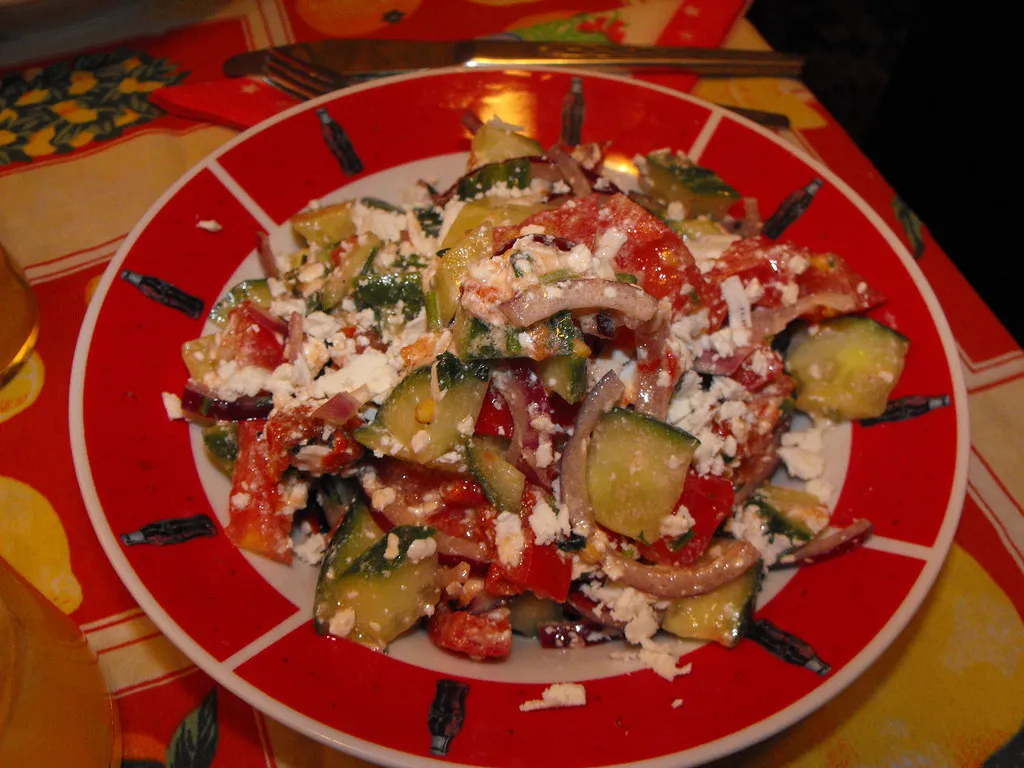
- This iconic salad features diced tomatoes, cucumbers, onions, and roasted peppers topped with a heavy snowy layer of grated sirene cheese.
- It is served in nearly every restaurant for 14 to 18 BGN (7 to 9 EUR) and is traditionally eaten as an appetizer alongside a cold shot of rakia.
- Order it at Hadjidraganov's Houses near the city center, where the vegetables are always exceptionally fresh and seasonal.
- Banitsa (The Essential Breakfast Pastry)
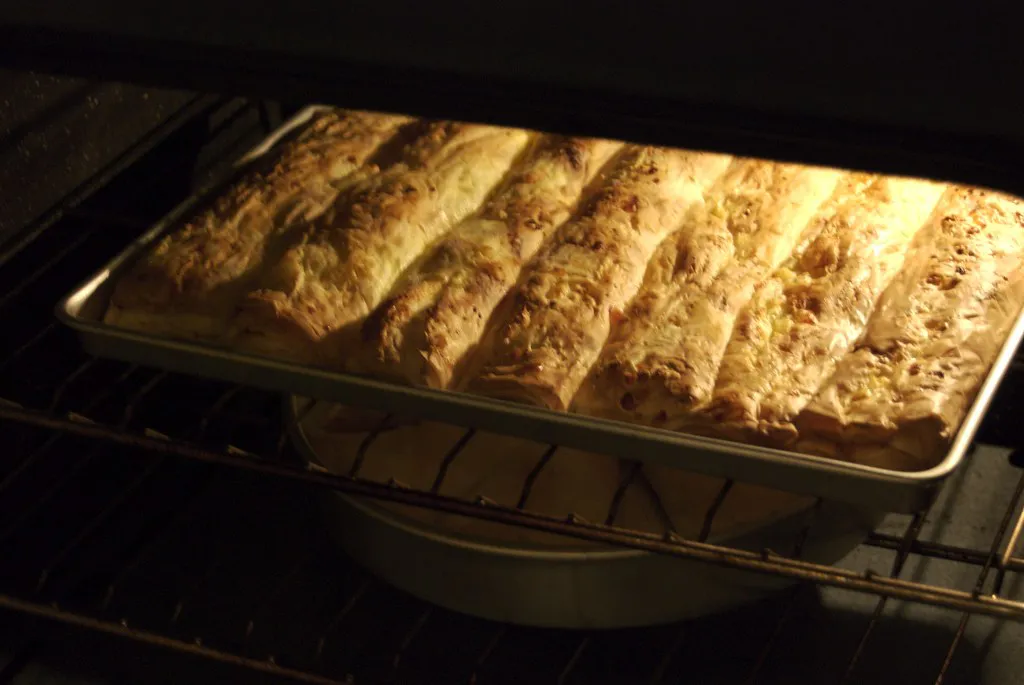
- Banitsa consists of thin layers of filo pastry whisked together with eggs and crumbled white cheese before being baked until golden.
- You can find these at small street-side bakeries for 4 to 8 BGN (2 to 4 EUR), usually opening as early as 06:00 for the morning rush.
- Head to Hlebar on Shishman Street for a high-quality version made with organic butter and traditional sourdough techniques.
- Tarator (Refreshing Cold Cucumber Soup)
- This liquid salad is made from yogurt, water, chopped cucumbers, garlic, walnuts, and a generous amount of fresh dill.
- It is the ultimate cooling dish during Sofia's hot summer months and typically costs around 10 to 14 BGN (5 to 7 EUR) per bowl.
- Look for it on the lunch menu at Sun and Moon, where they use high-quality local yogurt and freshly cracked walnuts.
- Shkembe Chorba (The Legendary Tripe Soup)
- Shkembe is a thick tripe soup seasoned with milk, paprika, and oil, served with a side of intense garlic-vinegar and hot pepper.
- Locals swear by this as the ultimate hangover cure, often eating it in the early morning hours after a long night out.
- Try a bowl at Supa Star for about 12 BGN (6 EUR), where they serve several variations of traditional Bulgarian soups daily until 21:00.
- Kavarma (Slow-Cooked Clay-Pot Stew)
- Kavarma is a hearty stew of pork or chicken cooked with leeks, peppers, and wine inside a sealed decorative clay pot.
- The slow-baking process makes the meat incredibly tender and allows the flavors of the vegetables to meld perfectly together.
- Visit Moma Bulgarian Food and Wine for a refined version that highlights the traditional clay-pot cooking technique.
- Meshana Skara (The Ultimate Mixed Grill)
- This massive platter features a variety of grilled meats including kebapche, kyufte, pork steaks, and often a spicy karnache sausage.
- It is designed for sharing and usually comes with a side of lyutenitsa and fried potatoes for a total of 36 to 50 BGN (18 to 25 EUR).
- The grill masters at Skara Bar near Zaimov Park are famous for using high-quality meat and real charcoal for an authentic smoky flavor.
- Sarmi (Stuffed Cabbage and Grape Leaves)
- Sarmi are delicate rolls of cabbage or grape leaves stuffed with a mixture of minced meat, rice, and traditional Balkan spices.
- They are a staple of festive Bulgarian meals and are often served with a dollop of thick, creamy yogurt on the side.
- You can find these on the seasonal menu at Manastirska Magernitsa, a restaurant known for its extensive collection of old monastery recipes.
- Kyufte and Kebapche (The Grilled Meat Kings)
- Kyufte are rounded meat patties with onions and parsley, while kebapche are elongated grilled rolls seasoned heavily with cumin and black pepper.
- These are the most common quick meals in Sofia, typically costing 4 to 6 BGN (2 to 3 EUR) per piece in casual eateries or beer gardens.
- Stop by the Central Sofia Market Hall (Halite) to grab a few fresh off the grill for a quick and authentic lunch.
- Lukanka (Traditional Cured Salami)
- Lukanka is a flattened, dry-cured salami made from a mix of beef and pork, flavored with strong notes of cumin and black pepper.
- It is usually served sliced thin as a 'meze' or snack to accompany Bulgarian red wines or strong spirits in the evening.
- Purchase a high-quality stick from the artisanal producers at the Zhenski Pazar (Women's Market) to take home as a tasty souvenir.
- Mekitsa (Deep-Fried Yogurt Dough)
- Mekitsa is a traditional kneaded dough made with yogurt that is deep-fried and served hot with powdered sugar, jam, or sirene cheese.
- They are the Bulgarian answer to donuts and provide a heavy but delicious start to a day of sightseeing in the city.
- The small shop Mekitsa i Kafe on Graf Ignatiev Street is the most famous spot in town for these fried delights.
- Tikvenik (Sweet Winter Pumpkin Pastry)
- Tikvenik is a sweet version of banitsa filled with grated pumpkin, walnuts, cinnamon, and sugar, primarily served during the colder autumn and winter months.
- It is the star of the Bulgarian Christmas Eve table but can be found in bakeries throughout the winter for 6 to 10 BGN (3 to 5 EUR).
- I once found the best slice of my life at a tiny bakery near the Alexander Nevsky Cathedral Visitor Guide on a snowy December afternoon.
- Rakia (The Fruit Brandy Spirit)
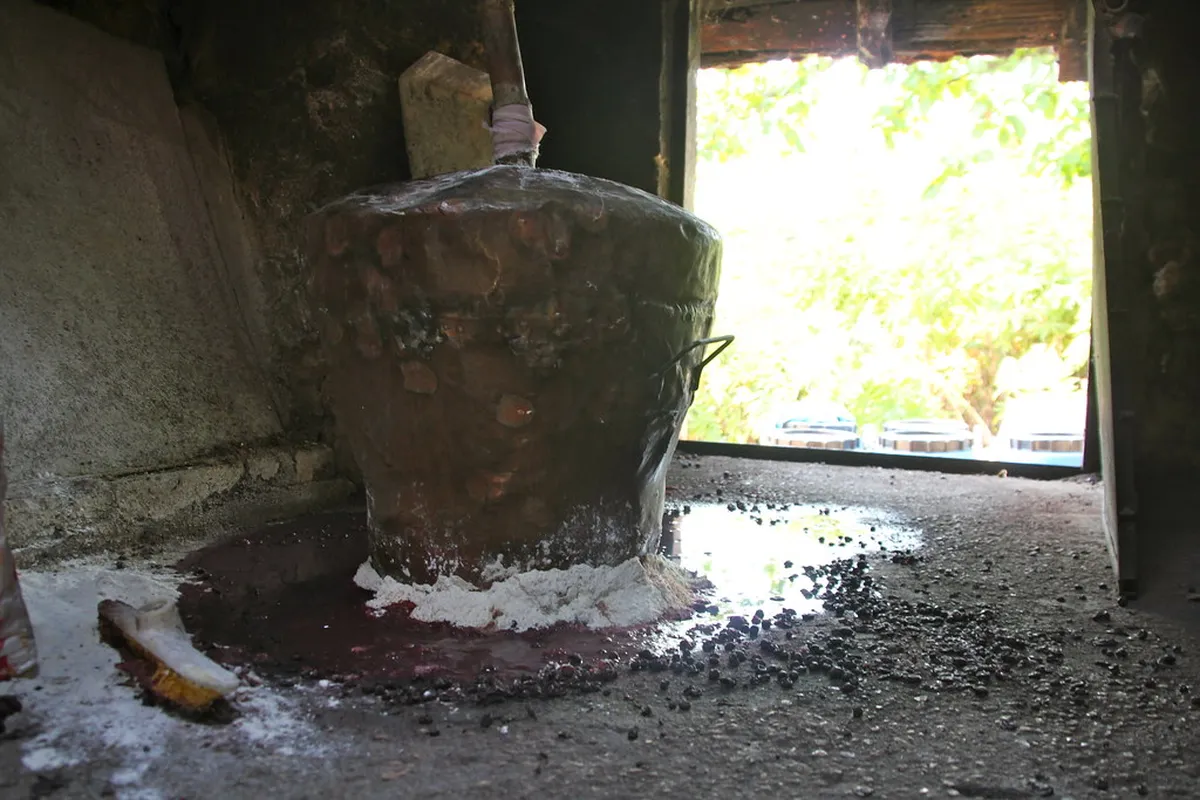
- Rakia is the national spirit of Bulgaria, a potent fruit brandy typically distilled from grapes, plums, or apricots with 40% alcohol or higher; homemade 'domashna' versions can climb to 50 to 60% ABV.
- It is always sipped slowly and must be paired with a salad; drinking it without food is considered a major local faux pas.
- Check out our Bulgarian Rakia 2026 to learn about the different varieties and proper drinking etiquette.
- Lyutenitsa (Spiced Pepper and Tomato Spread)
- Lyutenitsa is a thick, savory spread made from roasted red peppers, tomatoes, carrots, and eggplants, often seasoned with Bulgarian savory (chubritsa).
- It is the most beloved condiment in the country, found in every household and served with almost every grilled meat dish.
- Most traditional restaurants serve a house-made version for 8 to 12 BGN (4 to 6 EUR), which is vastly superior to the smooth, processed jars sold in supermarkets.
- Ovcharska Salad (The Hearty Shepherd's Salad)
- This 'Shepherd's Salad' is an upgraded version of the Shopska, adding ham, mushrooms, a boiled egg, and sometimes yellow kashkaval cheese.
- It is much more filling than a standard salad and can easily serve as a light lunch for around 18 to 24 BGN (9 to 12 EUR) at most taverns.
- Order this at Divaka, a local favorite known for large portions and a relaxed, unpretentious atmosphere in the city center.
- Bob Chorba (Traditional Bulgarian Bean Soup)
- Bob Chorba is a classic bean soup flavored with mint, onions, and carrots, often prepared without meat for traditional Orthodox fasting days.
- It represents the humble, rustic roots of Bulgarian cooking and is incredibly comforting when served with a thick slice of toasted bread.
- Try it at The Little Things, where they offer a cozy home-style version in a charming converted house near the Seven Saints Church.
Sofia Street Food: What to Eat on the Go (and Where to Find It)
You do not need a sit-down tavern to eat well in Sofia. The city's best quick bites are sold from bakery counters, market stalls and grill kiosks, and they are how locals actually eat on a working day. The morning ritual is a warm The Best Banitsa Recipe (4 to 8 BGN / 2 to 4 EUR) eaten standing up, often washed down with a salted ayran or a boza grain drink. Mekitsa, the deep-fried yogurt dough served hot with powdered sugar or sirene, is the other classic breakfast-on-the-move, and the queue outside Mekitsa i Kafe on Graf Ignatiev Street tells you everything about its reputation.
For a savoury lunch on your feet, the grills win. Freshly turned How to Make Authentic Bulgarian Kebapche run just 4 to 6 BGN (2 to 3 EUR) per piece at casual eateries and beer gardens, and a couple of each with a slice of bread and a smear of lyutenitsa is a complete meal for under 15 BGN. The two covered markets are the street-food heart of the city: the Central Sofia Market Hall (Halite) for hot grills and bakery counters, and the open-air Zhenski Pazar (Women's Market) for cured lukanka, fresh sirene and a kilo of just-roasted peppers in autumn. Both are walkable from the centre and far cheaper than any Vitosha Boulevard Visitor Guide sit-down.
💡 Good to know: Aim for the bakery and grill counters before 10:00 if you want banitsa and mekitsa at their best, the morning batches sell out and what is left tends to sit greasy. For grilled kebapche and kyufte, head to Halite or a busy beer garden where the turnover is fast and the meat hits the charcoal to order.
If you would rather have a local thread it all together, a guided walk is the efficient option. The video below follows a traditional Bulgarian food tour through Sofia, showing the markets, bakeries and grills in the order a local would actually hit them.
The Secret of Bulgarian Yogurt (Kiselo Mlyako) and Sirene Cheese
Bulgarian yogurt is world-renowned for its unique texture and health benefits, largely due to the specific bacteria strain known as Lactobacillus bulgaricus. This bacterium occurs naturally in the Bulgarian air, giving the local yogurt a tartness and consistency that cannot be replicated elsewhere. Locals consume it daily, either plain, mixed into soups, or as a refreshing salted drink called Ayran which is diluted with water and salt and usually costs 2 to 4 BGN (1 to 2 EUR).
When browsing a menu or a grocery store, you will notice three main yogurt varieties: cow, sheep, and buffalo. Sheep yogurt is significantly thicker and has a much stronger, gamier flavor that pairs excellently with honey and walnuts for dessert. Buffalo yogurt is the richest and creamiest of the three, often so thick that it can be sliced with a knife like a soft cheese. The Rhodope Mountains south of Sofia produce the most prized buffalo varieties, sold in glass jars at the Halite market hall.
The other half of the dairy story is sirene, the brined white cheese that gets crumbled over Shopska salad and baked into The Best Banitsa Recipe. Sirene is saltier and more crumbly than Greek feta, and the best versions are sheep's milk sirene from the Rhodopes. Yellow kashkaval is the firmer cousin, sliced thick and pan-grilled until the edges caramelize. Most traditional restaurants serve yogurt-based desserts or cheese starters for 10 to 16 BGN (5 to 8 EUR) per portion.
The Autumn Pepper Roast: A Sofia Food Tradition Worth Timing Your Trip Around
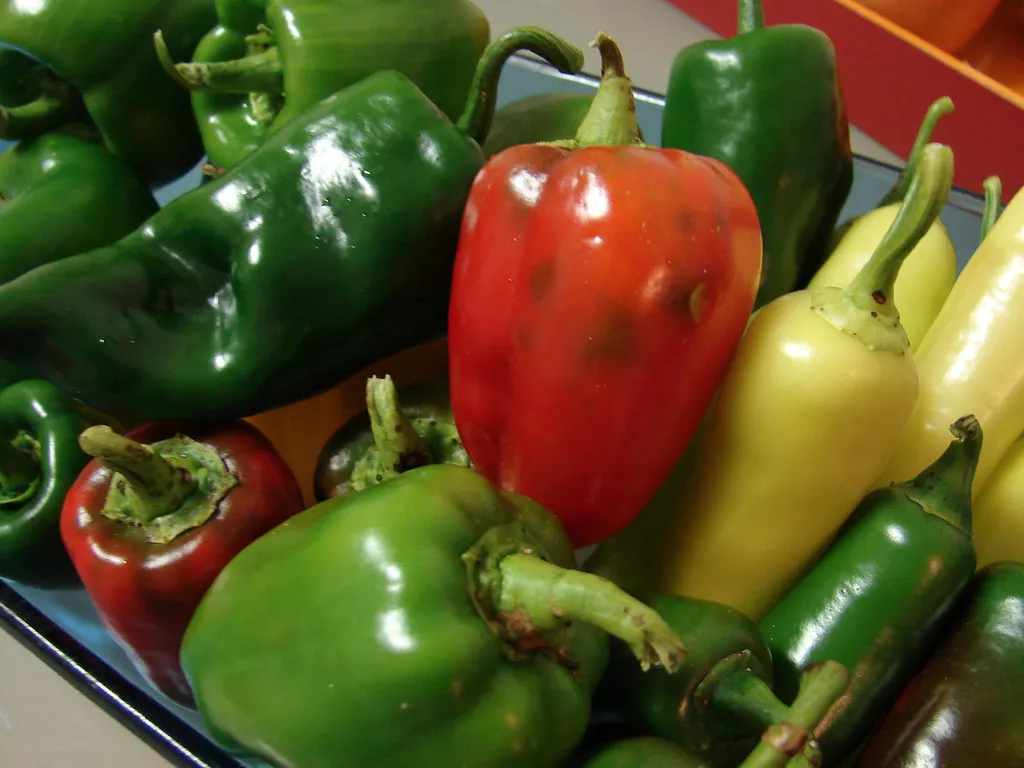
If you visit Sofia between mid-September and late October, you will smell the city before you see it. Every September, families across Bulgaria buy 30 to 50 kg sacks of red kapia peppers from open-air markets and roast them on outdoor metal drums called 'chushkopek' that look like small rotating barbecue spits. The aroma of charred peppers drifts down residential streets and balconies for three to four straight weeks, and that smell is the start of every jar of homemade Authentic Lyutenitsa Recipe you will eat for the rest of the year.
This is the ritual that separates good Sofia restaurants from average ones in winter and spring. Restaurants that source from family roasters (look for 'domashna lyutenitsa' on the menu) will serve a deep brick-red, slightly smoky spread; supermarket versions are smoother, sweeter, and noticeably duller. The Zhenski Pazar (Women's Market) and the smaller Krasno Selo market both run pepper-roast pop-ups in late September where you can buy a kilo of fresh-roasted peppers for 6 to 10 BGN (3 to 5 EUR) and watch the chushkopek in action.
Time your trip to early October if you can. Several traditional restaurants, including Hadjidraganov's Houses and Pri Yafata, run pepper-harvest tasting menus that pair freshly-pressed lyutenitsa with grilled sirene, kavarma and the year's young rakia. It is the single Sofia food experience locals consistently rate above the standard tourist circuit, and almost no English-language guide flags it.
Is Bulgarian Food Vegetarian-Friendly?
While Bulgaria is a meat-loving nation, vegetarians will find plenty of delicious options thanks to the country's incredible agricultural output. The abundance of fresh tomatoes, peppers, and world-class cheeses means that salads and vegetable-based starters are often the highlight of the meal. Dishes like Sirene po Shopski (white cheese baked with eggs and tomatoes) offer a rich and satisfying meat-free alternative.
During the Orthodox fasting periods, many restaurants offer a 'postni' menu which is entirely vegan, excluding all animal products including dairy. Bean soups, lentil stews, and stuffed peppers with rice are traditional staples that naturally fit a vegetarian or vegan lifestyle. You should also try the grilled vegetables, which are typically seasoned with local herbs and olive oil for a simple but flavorful side dish.
Vegetarians should be cautious of the 'hidden' meat in some dishes, such as lard used in pastries or small bits of ham in salads. Always specify 'bez meso' (without meat) when ordering to ensure your dish meets your dietary requirements. The city center now hosts several dedicated vegetarian restaurants that reinterpret traditional Bulgarian flavors for a modern, plant-based audience.
What to Skip: Overrated Tourist Menus
One of the biggest mistakes visitors make is eating at the large 'international' restaurants on Vitosha Boulevard that feature 50-page menus. These spots often trade quality for convenience, serving mediocre versions of traditional dishes that lack the soul of a smaller tavern. If a menu features sushi, pizza, and kavarma on the same page, the kavarma is almost certainly not made from a traditional recipe.
Avoid buying pre-packaged banitsa from supermarkets or 24-hour kiosks if you want to experience the true texture of the pastry. These are often greasy and lack the proper ratio of cheese to dough that you find at an artisanal morning bakery. Similarly, be wary of 'tourist menus' in high-traffic areas that offer a fixed price of 30 to 40 BGN (15 to 20 EUR) for a salad, main, and drink, as the portions are often smaller than ordering separately.
Finally, skip the cheap, commercially produced rakia served in plastic bottles at some budget bars or souvenir shops. These often have a harsh chemical aftertaste and can lead to a much worse hangover than the high-quality, aged varieties. Investing an extra 6 to 10 BGN (3 to 5 EUR) per shot in a premium grape or apricot rakia at a dedicated rakia bar will provide a vastly superior tasting experience.
If You Enjoyed Bulgarian Food: Where to Eat in Sofia
For a truly memorable dinner, I highly recommend booking a table at Moma Bulgarian Food and Wine in the city center, where mains land between 28 and 48 BGN (14 to 24 EUR). The restaurant is set in a beautifully restored house where each room represents a different aspect of Bulgarian female folklore and craft. Their menu offers a sophisticated take on classics like stuffed peppers and slow-cooked lamb, paired with an excellent selection of local Mavrud and Melnik wines.
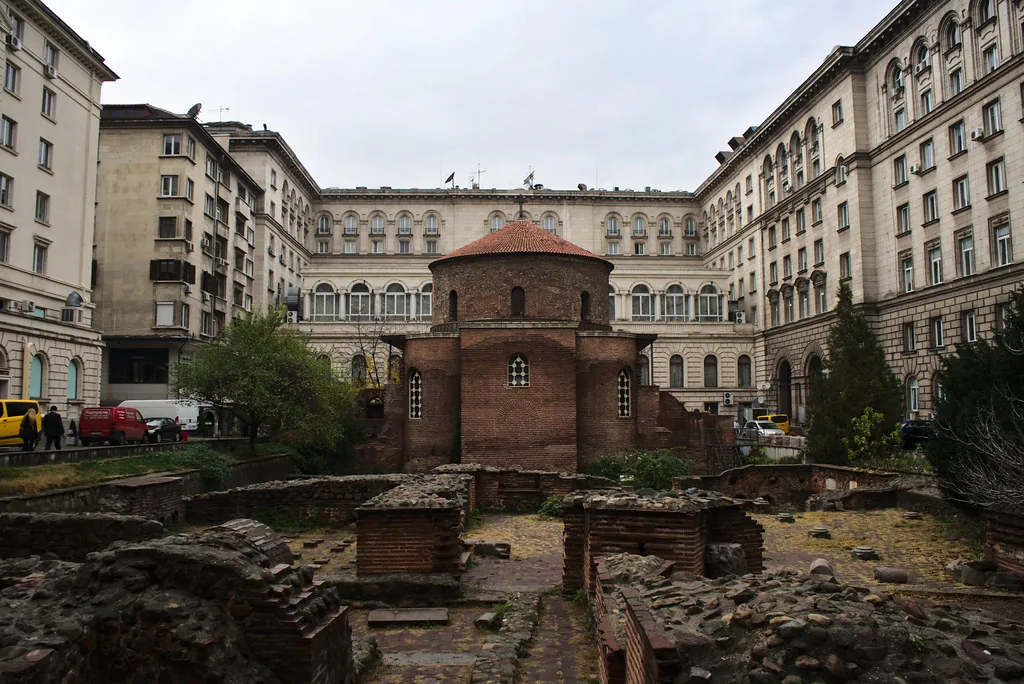
If you prefer a more rustic and lively atmosphere, Hadjidraganov's Houses features wood-carved interiors and live traditional music on most evenings. It is located in one of the Best Neighborhoods in Sofia 2026 for traditional culture, just a short walk from the central metro station. This is the best place to order a massive meat platter (Meshana Skara) and share it with a group of friends while enjoying the folk performances.
To get a broad overview of the local flavors in a single afternoon, join the Sofia Free Food Tour (Balkan Bites). This tour takes you to several lesser-known places and family-run eateries where you can sample small bites of everything from yogurt to artisanal bread. It is an excellent way to discover the Bulgarian Food Tour Sofia 2026 experience without committing to a full multi-course meal.
Frequently Asked Questions
What is the most famous dish in Bulgaria?
Shopska Salad is the most famous dish, featuring the national colors of white cheese, green cucumbers, and red tomatoes. It is a refreshing staple found on every traditional menu across the country.
Is it customary to tip in Sofia restaurants?
Tipping is expected in Sofia, usually around 10% of the total bill for good service. For more details on local etiquette, check our guide on Tipping in Sofia Bulgaria before your visit.
What should I drink with traditional Bulgarian food?
Rakia is the traditional choice for appetizers, while Bulgarian red wines like Mavrud pair perfectly with hearty meat dishes. For breakfast, try Ayran, a refreshing salted yogurt drink.
How much does a traditional meal cost in Sofia?
Sofia is very affordable: a full traditional dinner with drinks runs about 30 to 55 BGN (15 to 28 EUR) per person. Starters cost 12 to 20 BGN (6 to 10 EUR) and mains 24 to 44 BGN (12 to 22 EUR), while street-food bites like banitsa or grilled kebapche cost just 4 to 8 BGN (2 to 4 EUR).
Sofia is a city that reveals its heart through its kitchen, offering a blend of simplicity and depth that is rare in modern Europe. By stepping away from the tourist traps and seeking out the smoky grills and clay-pot stews, you will discover the true spirit of the Balkans. The flavors of roasted peppers, tangy yogurt, and potent rakia will likely be the most enduring memories of your journey.
Whether you are enjoying a quick banitsa on the go or a three-hour feast in a traditional tavern, the hospitality remains the same. I hope this guide helps you navigate the rich culinary landscape of the Bulgarian capital with confidence and curiosity. Bon appétit, or as the locals say—Dobar apetit!