10 Essential Tips and Places for Eating in Bansko (2026)
Bansko sits at the foot of the Pirin Mountains and serves some of the most hearty cuisine in the Balkans. Whether you seek a quiet lunch near a coworking hub or a loud evening with live music, the dining options are genuinely excellent. Our editors have spent years exploring these cobblestone streets, and this guide reflects the latest pricing and seasonal shifts for 2026.
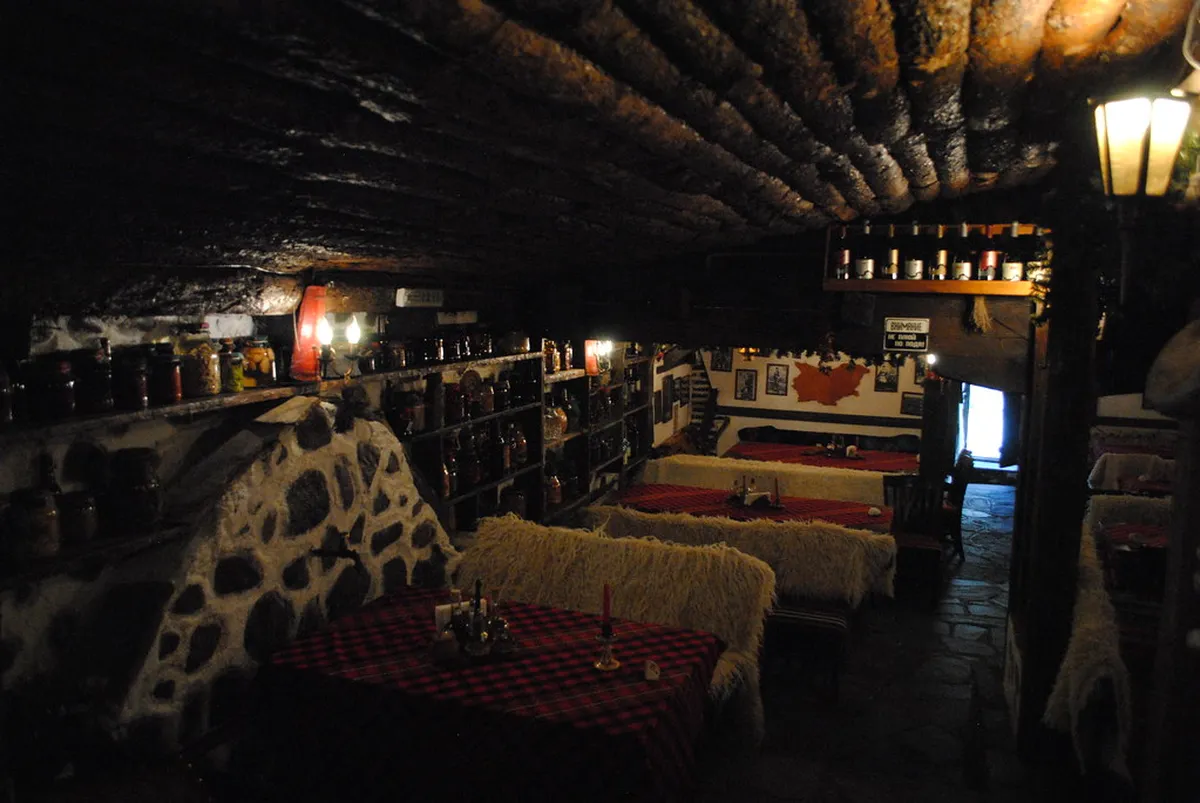
For a feel of the mehana atmosphere before you go, here's a walk-through of a local establishment:
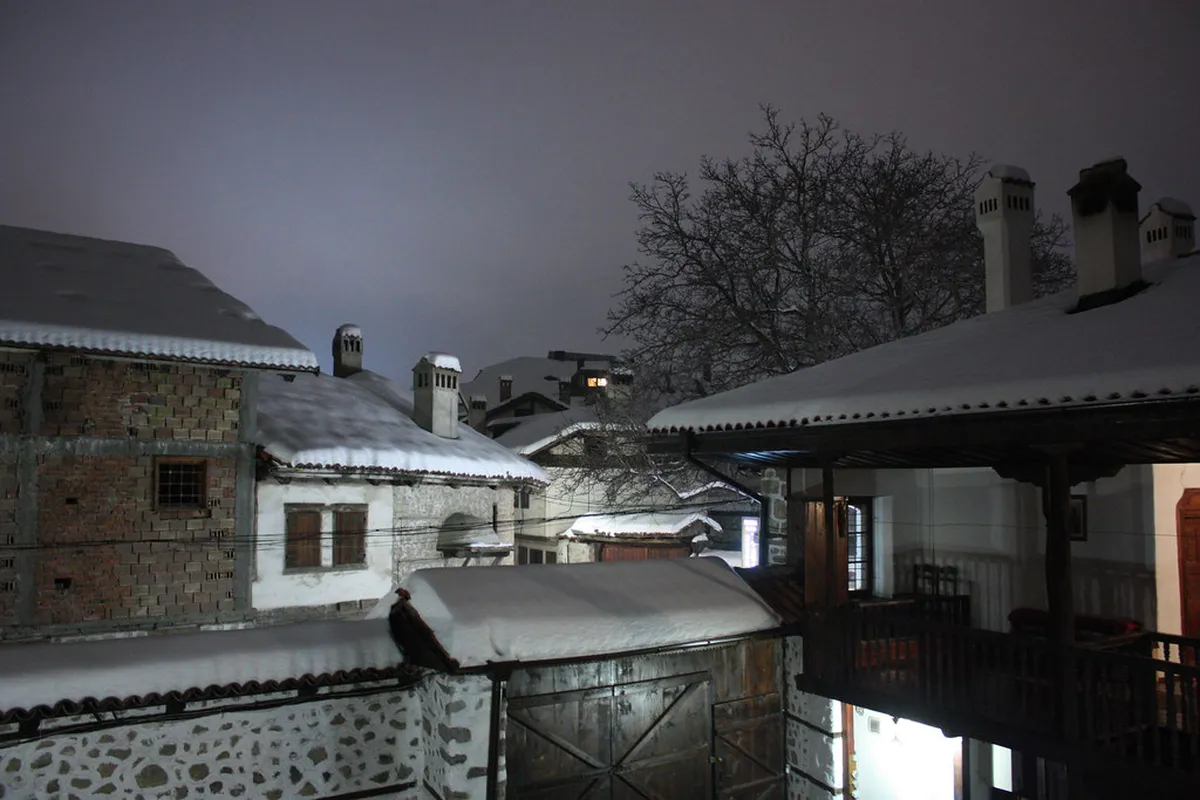
The city splits into two distinct zones: the historic Old Town and the gondola resort area near the ski lifts. Walking between them takes about 20 to 25 minutes. Planning your meals around these neighborhoods saves time and often cuts your bill considerably.
Authentic Mehanas in Old Town
The historic center is where you will find the most traditional dining halls, known as mehanas. These venues feature stone walls, heavy wooden tables, and roaring fireplaces that create a cozy atmosphere in winter and shaded garden courtyards in summer. There are over 40 mehanas to choose from in Bansko, and virtually all of them serve menus brimming with Bulgarian dishes and local wines. Walking through 10 Must-See Gems in Bansko Old Town (2026) – A Local Guide lets you catch the woodsmoke and grilled meats from every corner.
Top picks in the Old Town include Zehtindijev Mehana on Tsar Simeon Street, open daily 12:00–23:30, with mixed grill platters running 25–45 BGN per person. Vodenitsata on Vaptsarov Square is another reliable choice — the house wine is 8 EUR per bottle and the baked bean and Bansko sausage combination is a local staple. Banski Han is a larger venue suited to groups; book ahead on weekends. Dedo Pene, set inside a historic building, usually has a live folk band in the evenings — arrive expecting noise and atmosphere in equal measure.
Service here is deliberately slow. Dishes arrive as they are ready, not all at once, so order your Shopska salad and rakia first and let them carry the wait. This is not inefficiency — it is the standard rhythm of Bulgarian dining and the food is worth it.
Modern Cafés Between Old Town and Gondola
Pirin Street runs roughly between the historic district and the gondola zone, and it has become the main strip for cafes, wine bars, and international restaurants catering to the growing digital nomad community. Five M at Pirin Street 49 is one of the best options for a more polished meal — seafood dishes, risottos, and roast duck sit alongside a laptop-friendly daytime vibe. Bunare Ethno Restaurant at Pirin Street 44 blends the mehana feel with slightly shorter wait times; their chicken julienne is the dish most regulars return for.
For a lighter stop, Le Petit Nicolas at Pirin Street 19a serves homemade bread, gourmet croissants, and sandwiches with European ingredients like prosciutto and smoked salmon. Hours are 09:00–18:30 most days, closed Mondays. Pirin 25 wine bar is the best pre-dinner stop: it opens at 16:00, a bottle of house wine costs about 16 BGN, and the staff can recommend a Melnik varietal that almost no casual visitor thinks to order.
Chalet Yanitza on Ivan Vazov Street 5 deserves a special mention for the lunch crowd. It sits five minutes from the main coworking space, is run by a husband and wife team, and the daily set menu — which changes every day and typically includes vegan options alongside Bulgarian classics — runs under 5 EUR. Open every day except Saturday from 12:00 to 16:00, and cash only. Check their Instagram for the day's menu before you walk over.
Top-Rated Restaurants Near the Gondola
The gondola zone is busier, pricier on average, and more tourist-facing than the Old Town. That said, several solid options exist if you are staying in this part of town. Euphoria Bar and Grill sits directly next to the gondola and the Ski and Board Traventuria rental shop — main courses run 18–35 BGN and the kitchen operates from 09:00 until late during the ski season. It is the natural choice for apres-ski in Bansko given the outdoor terrace and music.
The House on Peyo K. Yavorov Street 41 is one of the most consistent restaurants in town, open 10:00–midnight daily, with a menu that spans avocado salads, T-bone steaks, slow-cooked lamb, and seafood pasta. House wine is excellent and affordably priced. Delivery is also available via their Facebook Messenger. Pizza Victoria near the Kempinski Hotel offers reliable family dining with pizzas and pastas from 15–28 BGN; it gets busy on weekends and pre-booking is sensible. The Log House nearby has a striking timber exterior and mains from 22–50 BGN — the upper balcony terrace has good views of skiers returning to base.
For a quick, cheap bite in this zone, Station Bansko on Nayden Gerov Street is an espresso bar and Greek fast-food spot with gyros, souvlaki, and a genuine range of vegan options including falafel wraps. Open most days 10:00–14:00, closed Wednesdays, and they offer delivery for hungover mornings.
Traditional Bulgarian Dishes You Must Try
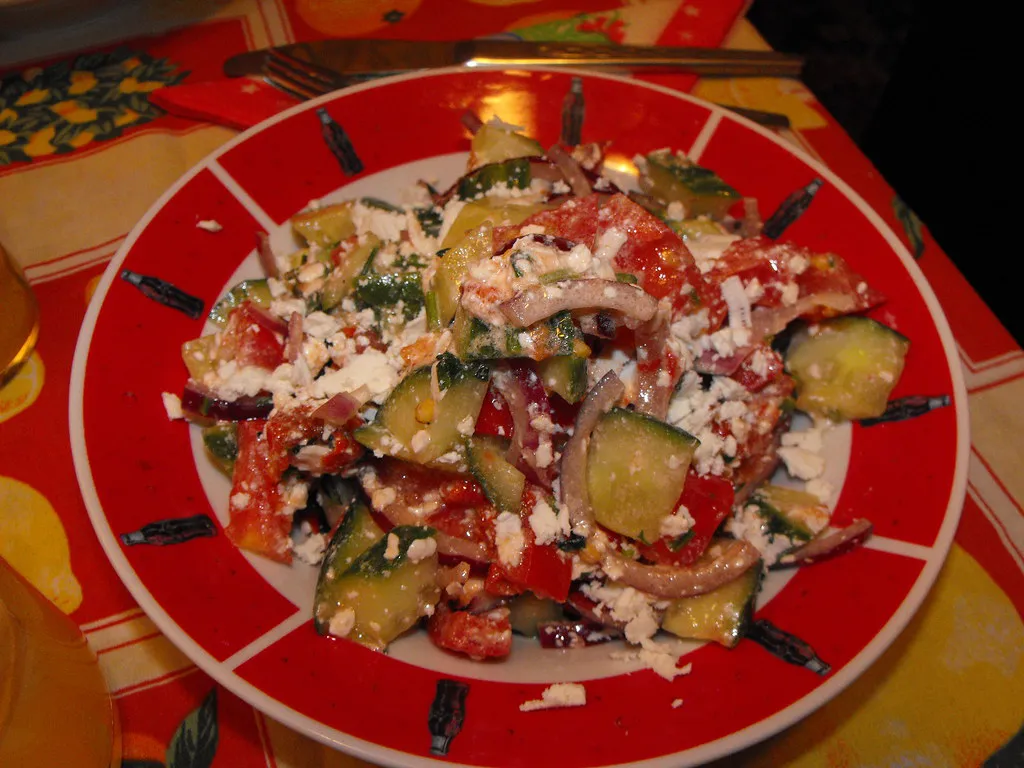
No visit is complete without trying a Shopska salad first. This national dish — tomatoes, cucumber, bell pepper, red onion, and a heavy layer of grated sirene cheese — is simple, fresh, and a perfect primer before the heavier mains. Sirene is Bulgaria's version of feta, salty and firm, and it appears across almost every dish on any mehana menu. According to the Bansko must-eats guide, the quality of local cheese is a genuine point of regional pride.
For a main, the Kapama is the dish most specific to this area: multiple types of meat including pork, chicken, and veal are slow-cooked with sauerkraut in a clay pot. Bansko staretz is the local dry-cured sausage seasoned with cumin and paprika — it appears as both an appetizer and a naming convention for restaurants that want to signal regional identity. Meshana skara (mixed grill) is the easiest group order and arrives as a platter of kyufte, kebapche, a pork steak, and a skewer. Weight is often listed on menus to help you gauge portions.
To drink: start with rakia, the Balkan fruit brandy that Bulgarians say "opens the stomach" before a meal. For something non-alcoholic, Ayran (salty yogurt drink) and Boza (fermented wheat, slightly sweet) are both found in the morning bakeries. House wine from Bulgarian regions like Melnik is typically excellent and inexpensive. For breakfast, the essential move is a freshly baked banitsa from one of the small pastry shops near Tsar Simeon Street — go before 09:00 if you want them straight from the oven.
Tipping is customary at 10% for good service. Many smaller mehanas and bakeries prefer cash — always carry small denominations of Bulgarian Lev for tips and street food.
Current Bansko Restaurant Prices and Tipping
Dining out in 2026 remains affordable compared to French or Swiss ski resorts, though prices have risen from pre-2023 levels. A budget set lunch costs 8–15 BGN per person. Dinner at a mid-range mehana averages 30–55 BGN including drinks. The most expensive items cluster around the gondola-adjacent five-star hotels; walking just ten minutes toward the Old Town cuts your bill by up to 30%.
| Restaurant Type | Price Range (BGN) | Best For | Location |
|---|---|---|---|
| Traditional Mehana | 25–50 | Hearty grills & stews | Old Town |
| Budget Quick Bites | 3–6 | Pizza & sandwiches | Resort area |
| Wine Bar & Tapas | 15–35 | Local wines & cheese | Pirin Street |
| Family Restaurant | 15–28 | Pizza & pasta | Near Kempinski Hotel |
| Slopeside Mountain | 25–45 | Lunch with views | Upper mountain |
Tipping is expected at 10%, but always check whether a service charge appears on the bill first. Many smaller mehanas still run cash only. Carrying 20–30 BGN in small denominations covers tips and street food for a full day. Soups and salads typically cost 2–4 EUR; a chicken main at lunch runs 5–8 EUR; a rib-eye steak at a nicer spot like The House is around 15 EUR.
What to Expect: Service and Mehana Etiquette
Service in mountain mehanas runs at its own pace. Do not wait for everyone's food to arrive before eating — dishes come out as they are finished, and you could wait an hour for a companion's main while your grilled meat goes cold. This is normal and expected. Order your Shopska salad and rakia as soon as you sit; both arrive fast and keep you occupied while the kitchen works through the heavier dishes.
Many traditional venues feature live folklore music, which escalates in volume as the evening moves on. If you prefer a quieter conversation, choose a table near the entrance or the garden rather than near the fireplace stage area. Larger mehanas like Banski Han fill up completely on Friday and Saturday nights; booking 24 hours ahead by phone or Facebook is standard practice.
Payment is worth flagging before you order. Card acceptance has improved across Bansko but is not universal. Chalet Yanitza is cash only; several Old Town mehanas have card machines only for bills over a minimum amount. The '30/30/30' nomad rule of thumb allocates 30 BGN for food, 30 for drinks, and 30 for tips and extras — realistic for a full evening in a mid-range mehana. Menus often list dish weights in grams, which is helpful when deciding whether to share a portion or order separately.
Navigating Opening Times and Seasonal Closures
Bansko operates on two distinct seasons and the dining landscape shifts significantly between them. During the winter ski season (roughly December through March), the gondola area and resort-facing restaurants run at full capacity. In summer (late June through September), the Old Town mehanas and garden restaurants come into their own while some gondola-area spots reduce hours or close entirely.
The shoulder periods — April through May and October through November — catch many visitors off-guard. A sizeable number of restaurants close or run reduced hours during these weeks. Opening times on Google Maps are frequently outdated in Bulgaria; the reliable method is to check a restaurant's Facebook page or simply walk past in the late morning to verify. This is especially true for Chalet Yanitza, which closes on Saturdays regardless of season, and Station Bansko, which closes Wednesdays.
Bakeries and breakfast spots are generally more consistent year-round. The small banitsa shops on Tsar Simeon Street open early daily and are among the most reliable options when other kitchens are dark. For dinner reservations during peak season, book at least 24 hours ahead for popular spots like Zehtindijev Mehana or Vodenitsata.
Family-Friendly Dining and Childcare Options
Bansko is unusually well set up for parents traveling with young children. Pizza Victoria near the Kempinski Hotel is the most overtly family-oriented restaurant in town — large menu, pizza and pasta portions that children eat reliably, and space for buggies. Eagle's Nest on Vazrazhdane Square has outdoor seating and a relaxed atmosphere that tolerates noise and movement well. Both open at 09:00 and close after 23:00, giving flexibility across the day.
A detail most generic guides skip: the town has local childcare and kindergarten services that some parents use specifically to allow for a quiet adult dinner in the evening. If you are staying for more than a few days with young children, it is worth asking your accommodation host about local options. This is particularly common among the longer-stay nomad and ski-holiday families who settle in for weeks at a time during the winter season.
Most Bulgarian mehana dishes are large and naturally shareable, which works well for families. Breaded zucchini, baked potatoes with sirene, and the kids' favorite kyufte (grilled minced meat fingers) appear across almost every menu. Ask staff about half portions — many will accommodate the request even if it is not printed on the menu.
Slopeside Dining and Traventuria Logistics
Eating on the mountain is a different calculation to eating in town. The basic snack bars at mid-station are overpriced and underwhelming. The better option is Chalet 1800, a mountain restaurant with views and a proper menu — mains run 25–45 BGN, it operates during lift hours (09:00–16:30), and it is accessible by ski or by a 60–90 minute walk from the mid-station if you do not have a lift pass for that run.
Getting there from the gondola base requires a decision. You can walk from the gondola area to the lower slopeside options in about 25 minutes, or drive. The Ski and Board Traventuria rental shop sits directly next to Euphoria Bar and Grill at the gondola base, so if you are picking up or dropping off equipment, lunch at Euphoria is the practical pairing. For the higher mountain spots, driving is the more sensible option unless you are skiing down anyway.
Budget travelers should note that slopeside pricing adds a premium of roughly 30–50% compared to equivalent food in town. If you are doing a full ski day with a group, the most cost-effective approach is a large Old Town breakfast before the gondola opens, a snack on the mountain, and a proper mehana dinner back in the center after 18:00.
The Sunday Farmer's Market and Budget Street Food
One of the most genuinely local experiences in Bansko happens on Sunday mornings at the farmer's market near the Old Town coworking space. Regional producers sell honey, wine, seasonal fruit, vegetables, and flowers. A few outdoor barbecues set up alongside them selling fresh kebapchi to take away — this is as close to eating like a local resident as the town offers. The market buzzes from mid-morning and winds down by early afternoon.
On weekdays, the street food landscape near the Old Town is also worth knowing. A small no-name pizza parlor next to the coworking building on Tsar Simeon Street sells slices for around 1 EUR — reportedly the best value bite in the entire resort. Avonal, two minutes from the Old Town location near the taxi park, runs kebab, burgers, and hot dogs through the day. These spots cater to locals and long-stay nomads, not tourists, which means pricing stays reasonable year-round.
For a day-by-day plan that mixes markets, mehanas, and mountain food, starting your mornings in the Old Town and moving toward the gondola for evenings gives you the best value spread. Carry cash throughout — street food and market stalls run entirely cash-based.
Continue planning: Use 12 Best Things to Do in Bansko and 4-Day Bansko Itinerary for First-Time Visitors to connect this guide with the rest of your Bulgaria itinerary.
Frequently Asked Questions
What is the food like in Bansko, Bulgaria?
The food is hearty and meat-focused, featuring grilled kebabs, slow-cooked stews, and fresh salads. You will find plenty of regional cheese and unique dry-cured sausages like Bansko staretz. Most dishes are seasoned with traditional Balkan herbs like savory and paprika.
Is Bansko expensive for eating out?
Bansko is very affordable compared to Western European ski resorts. A mid-range dinner costs about 15-25 EUR per person. You can find lunch specials for under 7 EUR in many local mehanas away from the gondola.
Do I need to book restaurants in advance?
During the peak winter season, reservations are essential for popular spots like Zehtindijev Mehana or Pizza Victoria. In the summer or shoulder seasons, you can usually walk in without a wait. We recommend calling at least 24 hours ahead for weekend dinners.
Exploring the diverse range of eateries is a core part of the Bansko experience. From the rustic charm of the Old Town mehanas to the modern cafes on Pirin Street and the slopeside options above the gondola, there is a flavor for every traveler and every budget. Plan around the two-zone layout, carry cash, and try at least one Sunday market morning if your visit allows.
Remember that opening times vary significantly by season and are not always accurate on Google Maps — check Facebook pages for the most current information. Whether you are here for the skiing or the summer hiking, the food will be a highlight of your trip.