Kapana Creative District Visitor Guide: 10 Essential Tips
Kapana serves as the beating heart of the creative scene in Plovdiv. This vibrant neighborhood is famous for its colorful flags, narrow alleys, and artistic energy. Travelers from around the world visit this district to experience the unique Bulgarian spirit. It represents a successful blend of centuries-old history and modern urban culture.
For a visual sense of Kapana's street art and creative energy, here's a walkthrough:
The district underwent a massive transformation to become Bulgaria's first dedicated creative hub. This evolution was fueled by the city's role as the European Capital of Culture. You will find everything from cozy coffee shops to world-class street art here. Our guide provides the essential tips you need for a perfect visit.
The History of Plovdiv’s “Trap” District
Plovdiv hides a labyrinth of pedestrian streets known globally as Kapana, or "The Trap." Visitors call it that because of its winding layout, where the same colorful corner has a habit of reappearing twice on one walk. The district worked as a craftsmen's quarter for more than five centuries, and several streets still carry the trade names of their original guilds: Zhelezarska (Blacksmith), Zlatarska (Goldsmith), Abadzhiyska (Clothiers), and Kozhuharska (Furriers).
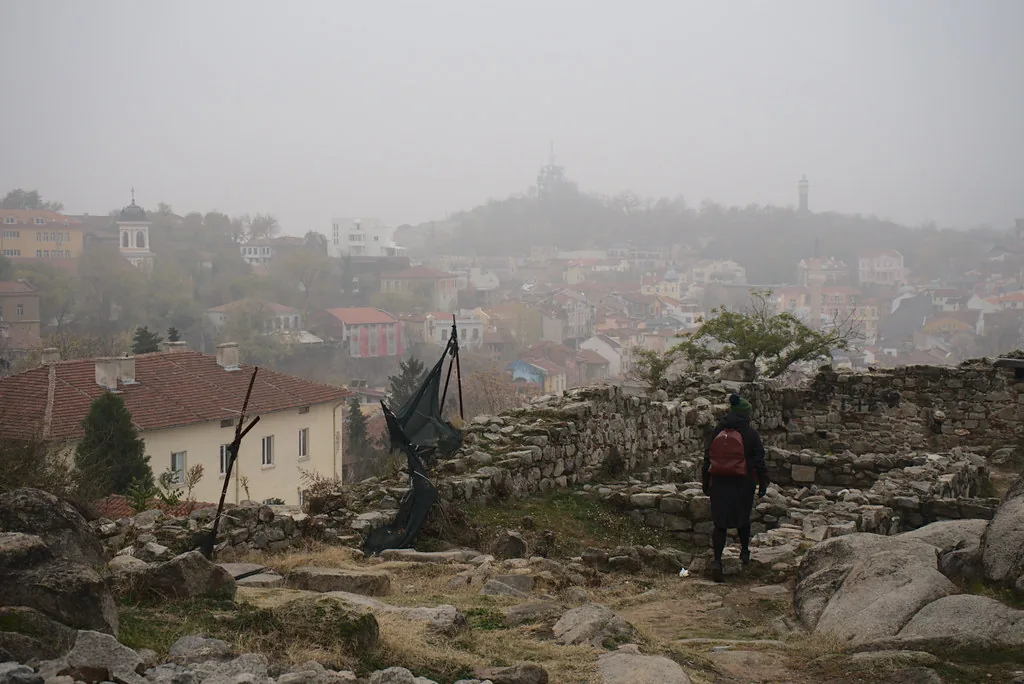
The scale of that trade history is well documented — 17th-century Ottoman traveler Evliya Celebi counted roughly 880 shops around the Kurshum Han. The quarter then slid into decline through the twentieth century, with many workshops sitting empty for decades, until a revitalization push around 2014 and the Plovdiv 2019 Foundation's open-call rents for resettling artists — backing more than 60 projects across five phases — turned it around once the city won European Capital of Culture 2019.
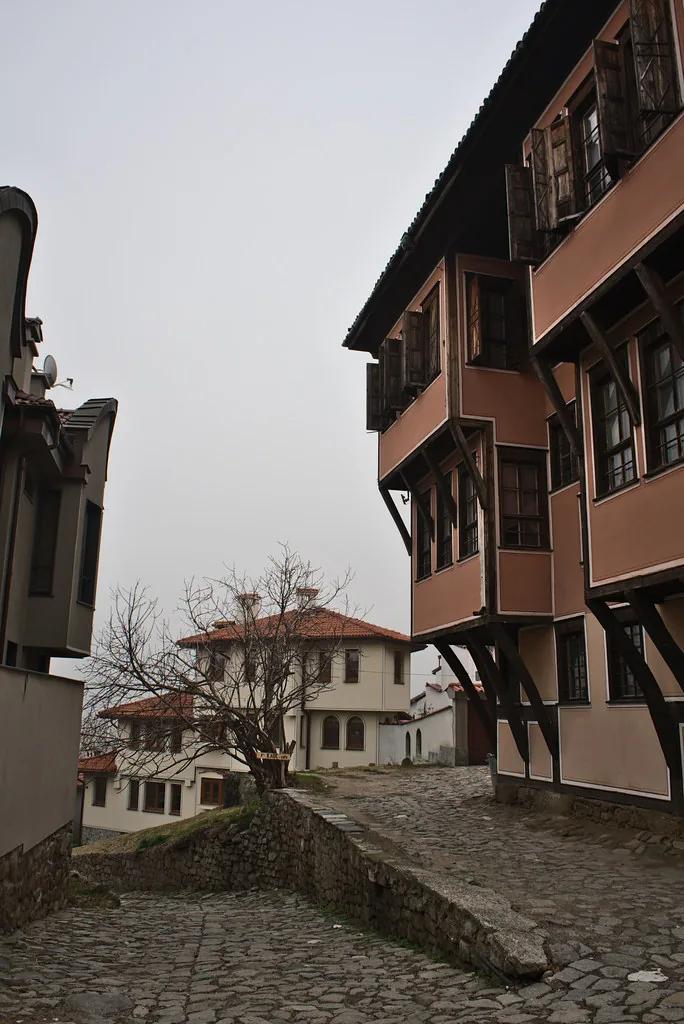
Modern Kapana balances that industrial past with a vibrant present; the original stone paving and low facades are still intact under the street art. Pair the walk with the Roman Stadium of Philippopolis Visitor Guide, a short walk from the district's northern edge, to see the ancient and creative-industry faces of the same city back to back.
Top Art Galleries and Creative Hubs
Art enthusiasts will find plenty of inspiration inside the district's compact grid of streets. Gallery 28 is the best-known contemporary space, showing works from established Bulgarian names alongside emerging local talent in exhibitions that rotate every few weeks. It also hosts open-air screenings on the square outside during summer, so don't assume it closes at dusk.
Creative industries have taken over most of the renovated ground-floor units, and many function as open studios where you can watch a jeweler, ceramicist, or printmaker at work mid-visit. The last published district mapping counted 24 dedicated galleries inside Kapana's roughly 55 decares (about 13.5 acres) — a density few Bulgarian neighborhoods match.
Independent creative hubs and co-working spaces fill out the rest of the footprint, serving as meeting points for Plovdiv's small but growing digital-nomad community. These spaces often run small workshops on photography, design, or traditional crafts; the bulletin boards near Kapana's main crossroads are the most reliable place to spot what's on during your stay.
- Best Creative Spots in Kapana
- Gallery 28: Contemporary Art
- Magaza: Local Design
- Cu29: Coffee and Art
- Point-Blank: Graphic Design
Best Cafes and Restaurants in Kapana
Food in Kapana is as diverse as the art on its walls. Hristo Dyukmedzhiev Street is the main culinary artery, lined with everything from gourmet burger counters to spots serving traditional Bulgarian appetizers like shopska salad and lyutenitsa. Most restaurants put tables outside from April through October, and outdoor seating is where the district's people-watching happens.
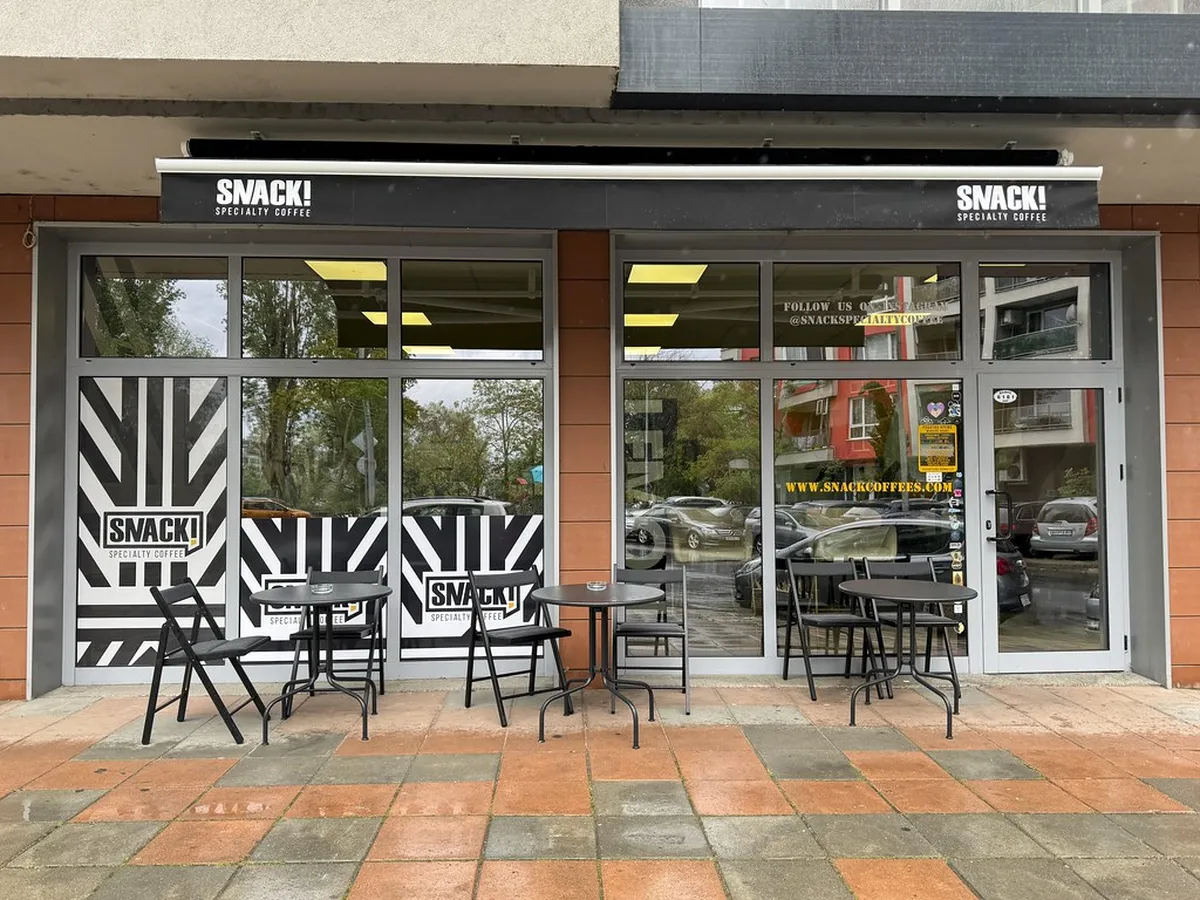
Coffee culture is taken seriously here. Specialty cafes roast their own beans and offer pour-over, AeroPress, and traditional Turkish-style brewing side by side; order a traditional Bulgarian coffee if you want the strong, small-cup version locals still drink first thing. Many cafes bake their own pastries daily, so the display case is worth a look even if you've already eaten.
The last full district mapping counted 45 restaurants and fast-food spots plus 64 more cafes, bars, and pastry shops — a density that explains why lunch rarely takes long to find. Look for handwritten "Lunch Menu" (обедно меню) signs around midday; they signal a fixed-price soup-plus-main combo that usually beats the regular menu.
Craft Beer and Nightlife Spots
As the sun sets, the district shifts into Bulgaria's most talked-about craft beer scene. Small bars pour a rotating selection of local and international brews, and staff are usually knowledgeable enough to walk a stranger through the tap list without upselling.
Cat and Mouse remains the anchor bar — it began as a small beer shop and grew into the district's default meeting point, with a mixed crowd of locals and travelers most evenings.
Nightlife here leans social rather than club-style: most bars have limited indoor seating but plenty of standing room on the sidewalk, which creates a street-party feel on spring and summer weekends. Weeknights are noticeably calmer and easier for conversation at normal volume.
Where to Shop for Local Artisanal Goods
Shopping in Kapana beats Plovdiv's malls for character. The district is packed with small boutiques selling handmade Bulgarian goods — jewelry, ceramics, and hand-woven textiles — and most items come with a maker's story if you ask.
Leather goods are a local specialty; several workshops still use traditional tanning and stitching methods to produce bags and belts built to outlast a typical souvenir. Prices are usually reasonable for the hand-finished quality, and a few shops will personalize a piece while you wait.
Concept stores add a curated layer of modern Bulgarian design — clothing from small local labels, home decor, and printed goods that make a better souvenir than a fridge magnet. Most shops take cards, but it's worth carrying a little cash for the smallest studios and market stalls that don't.
Exploring Kapana’s Famous Street Art
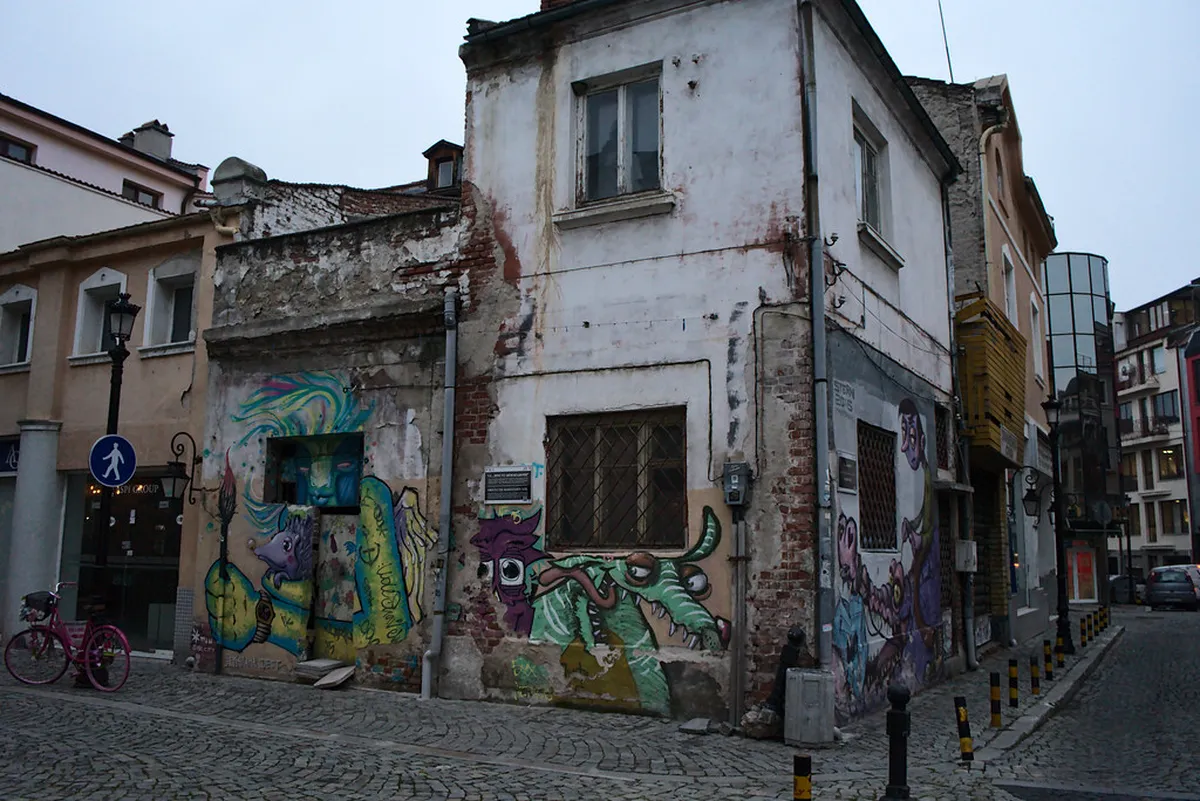
Street art is the visual language of the Kapana Creative District. Large-scale murals cover the sides of several historic multi-story buildings, most originating from the annual Street Masters festival that brought international and Bulgarian muralists into the district in the run-up to 2019. The pieces lean toward nature, local history, and abstract urban-dream imagery rather than generic graffiti tags.
Smaller works hide in the narrowest side alleys — stencils, stickers, and small sculptural pieces tucked into doorways and window ledges. The collection keeps evolving as new artists add work between festivals, so a street you photographed last year rarely looks identical on a repeat visit.
Photographers get the best light early in the morning, when the low sun rakes across the murals without the harsh shadows midday brings. Weekday mornings before 10:00 also mean empty streets in the shot, since most shops and cafes open later.
Annual Festivals and Street Performances
Festivals bring a different kind of energy to Kapana's streets. Kapana Fest is the biggest event, typically held twice a year — once in spring and again in early autumn — filling the district with music stages, food stalls, and outdoor screenings. 6Fest follows a similar street-arts format, with fire dancers, circus acts, and pantomime performers turning entire blocks into open-air stages.
Exact dates shift year to year, so check official channels a season ahead of a 2026 trip rather than assuming last year's weekend. Festival weekends draw crowds well beyond the usual foot traffic, and nearby accommodation prices tend to rise alongside them.
Whether a festival weekend suits your trip depends on what you actually want — a loud celebration or a slower walk through quiet galleries.
| Quiet Weekday Visit | Festival Weekend | |
|---|---|---|
| Crowds | Light — mostly locals and a scattering of tourists | Heavy — streets fill shoulder to shoulder near the stages |
| Prices | Standard menu and bar prices | Nearby accommodation often rises; some bars add event surcharges |
| Vibe | Slow, gallery-focused, easy conversation with shop owners | High-energy, live music and performance, harder to find a seat |
If you'd rather skip the noise, aim for a Tuesday-through-Thursday visit; if the festival atmosphere is the draw, plan around the Kapana Fest or 6Fest dates and book accommodation early.
How to Join the Arts & Crafts District Tour
Guided tours add context a solo walk misses, but the district's dedicated option has changed in recent years. The Free Plovdiv Tour operator's themed Kapana Arts & Crafts District Tour — previously a separate two-hour Saturday walk — is currently suspended, and as of 2026 the operator points visitors toward its daily Free Plovdiv Tour instead.
That leaves a trade-off: the daily tour gives you a guide and historical framing for a wider swath of the city, including the edge of Kapana near the Dzhumaya Mosque Visitor Guide, but it won't go as deep into the craftsmen backstory as the old dedicated tour did. Check the operator's site before a 2026 trip, since suspended tours occasionally return with little notice.
Self-guided exploration remains the most common way to see Kapana — it's compact enough that "getting lost" rarely costs more than ten minutes. Book the daily tour if a set meeting time and guide commentary matter more than the freedom to detour into whichever gallery catches your eye; otherwise, skip it.
Practical Visitor Information (Timing and Access)
Kapana is a fully pedestrianized zone at its core, comfortable and safe for walking at any hour. The best light for photography is early morning; most shops and galleries open around 10:00 or 11:00, and the district turns most vibrant in the late afternoon and evening once the bars fill up.
Not every street is car-free — of Kapana's roughly 23 streets, about 12 are fully pedestrian, 7 carry mixed traffic, and 4 stay open to cars. That matters for taxis, which can only reach the pedestrian core's edge from some approaches, and for mobility too: the stone paving is uneven in stretches, so wheelchair users and anyone pushing a stroller should expect to detour around a block rather than cut through the narrowest alleys.
The district sits a short walk from the Plovdiv Old Town Visitor Guide, so most visitors combine the two into one day. Wear comfortable shoes for the cobblestones — street parking nearby is scarce.
- Kapana entry is free, 24/7, no ticket or gate.
- Most galleries don't charge admission; a few ask a small fee for special exhibitions only.
- Combine a visit with the Old Town or Roman Stadium to fill a half or full day.
- Arrive before 10:00 for empty-street photos, or after 18:00 for the bar-and-restaurant crowd.
| Best For | Where to Go |
|---|---|
| Photographers | Early-morning street art and mural alleys |
| Foodies | Hristo Dyukmedzhiev Street |
| Craft beer fans | Cat and Mouse and the surrounding bar cluster |
| Art buyers | Gallery 28 and the open-studio spaces nearby |
| Souvenir shopping | Leather workshops and concept stores off the main square |
Why Kapana is a Must-Visit Plovdiv Landmark
Kapana is more than a collection of pretty streets and cafes. In July 2019 the Chamber of Bulgarian Architects awarded it the "Guardian of the Bulgarian Architectural Heritage" prize, recognizing how the revival preserved the historic street pattern and low-rise facades rather than replacing them — a meaningful credential if you care about architecture, though it adds little to a casual afternoon beyond a few historic-plaque details worth a pause.
In November 2020 Kapana was also selected for the "Cultural Heritage in Action" catalogue, a European collection of 32 good-practice examples for heritage-led urban renewal — genuinely useful for planners studying the turnaround, less essential if you're here for coffee and a mural photo.
One of the more unusual layers from the 2019 program was the "Galaxy Library" project, exploring science fiction and life under Bulgarian Communism through exhibitions and talks. It's a niche interest — most visitors get more out of a gallery crawl — but a distinctive footnote for anyone curious how far the district's programming reaches beyond street art and beer.
The numbers behind that programming are worth knowing too, especially if you're weighing whether the "creative district" label is more marketing than substance. The most recent published mapping counted 334 buildings across Kapana's roughly 55 decares, with 606 active businesses inside them — 179 meeting the formal classification for creative industries. Roughly 83 premises were listed as non-functioning at the time, some mid-renovation and others still looking for a tenant or buyer — worth knowing if you're an artist or small-business owner scouting Plovdiv rather than just sightseeing. No trip is complete without seeing the Ancient Theatre of Plovdiv Visitor Guide alongside Kapana — together they show the ancient and modern faces of the same small city.
Continue planning: Use Plovdiv Attractions: 12 Top Sights, Tickets & Tips to connect this guide with the rest of your Bulgaria itinerary.
Frequently Asked Questions
Is Kapana Creative District worth visiting?
Yes, Kapana is a highlight of any trip to Bulgaria. It offers a unique mix of history, street art, and craft beer that you won't find elsewhere. The pedestrian-friendly streets make it perfect for a relaxed afternoon of exploration and local culture.
What does 'Kapana' mean in Bulgarian?
The word 'Kapana' translates directly to 'The Trap' in English. This name refers to the dense and confusing layout of the narrow streets. Historically, it was easy to enter the district but difficult to find your way back out without a guide.
How much time do I need to explore Kapana?
You should set aside at least three to four hours to enjoy the area fully. This gives you enough time to browse the art galleries, shop for souvenirs, and have a meal. Many visitors choose to spend an entire evening enjoying the local nightlife.
Are there entrance fees for Kapana art galleries?
Most art galleries in the district offer free admission to the public. They function as commercial spaces where you can view and purchase local art. Some special exhibitions or private events might charge a small fee, but these are rare for casual visitors.
What are the best bars in Kapana?
Cat and Mouse is the most famous spot for craft beer enthusiasts. Other popular choices include Monkey Burger for a casual vibe and various small wine bars. You can find more details on the Lost in Plovdiv website for the latest bar openings.
Kapana Creative District remains a shining example of how art can revive a city. From its craftsman roots to its modern festivals, the neighborhood offers endless charm. You will find inspiration in every mural and every small artisanal shop. It is a place where history and creativity live together in perfect harmony.
Planning your visit around the local festivals can provide an even deeper experience. Whether you come for the beer, the art, or the history, Kapana will not disappoint. Make sure to bring your camera and an appetite for local Bulgarian flavors. Enjoy your journey into the heart of Plovdiv's most artistic neighborhood.
For authoritative information, refer to the Kapana Creative District official site and Kapana Creative District on Wikipedia.
For more Plovdiv planning, read our Kapana Plovdiv Guide: The Creative Heart of Bulgaria guide.