Nebet Tepe Visitor Guide: 10 Essential Things to Know
Nebet Tepe stands as the most significant archaeological site in the city of Plovdiv today, offering a unique window into six millennia of continuous urban life.
This walk-through explores the fortress walls and traces how Philippopolis rose and fell across more than two millennia of history:
The complex underwent a transformative restoration that stripped away decades of Communist-era concrete to protect its delicate Thracian and Roman ruins, officially reopening to the public on 20 March 2025. Travelers visiting in 2026 will find a refreshed hilltop that still costs nothing to enter and never closes its gates, because it has none.
This nebet tepe visitor guide covers the visiting logistics, the 2025 restoration, and a few practical details most guides leave out. Discover why this hilltop remains the spiritual and historical heart of one of Europe's oldest cities.
Must-See Nebet Attractions
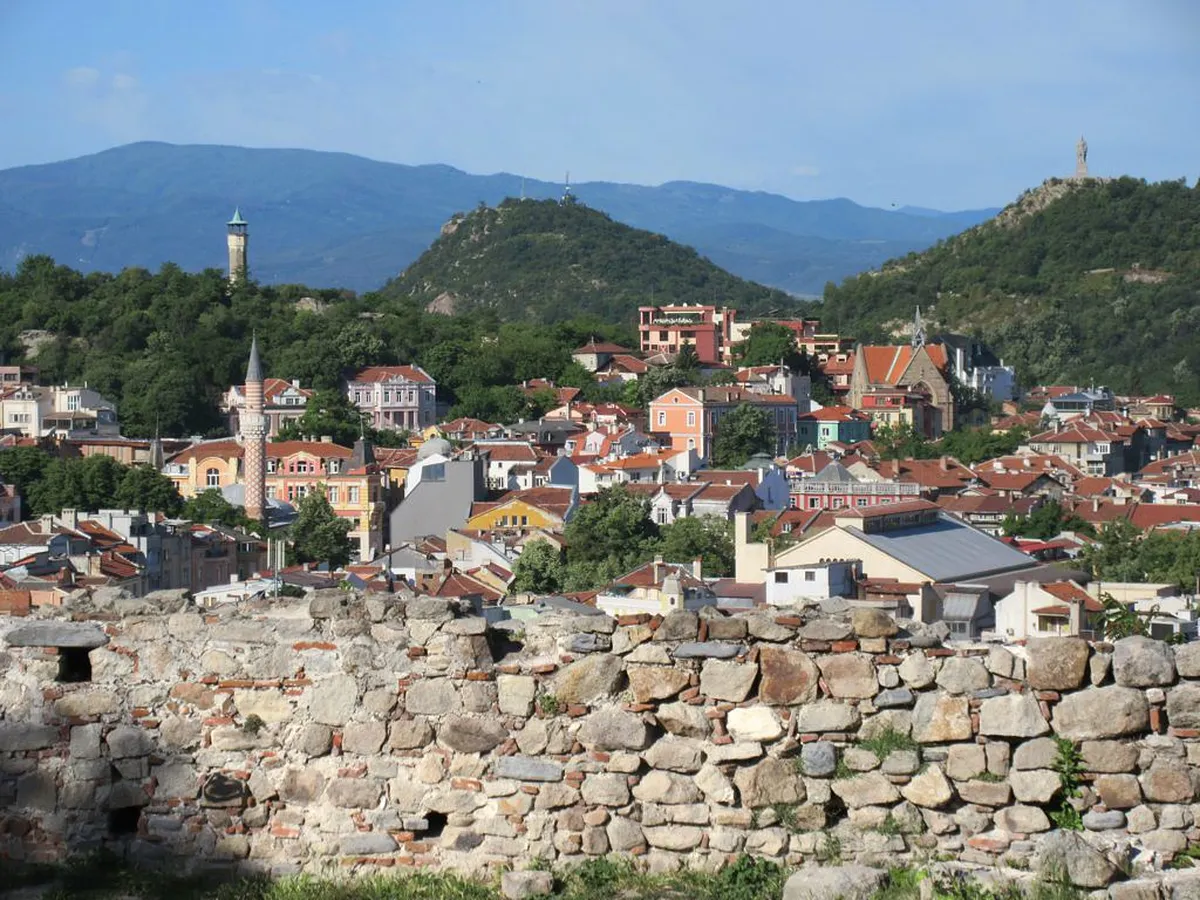
The massive stone walls of the ancient fortress are the primary draw for most history enthusiasts visiting the hill. The oldest surviving sections date to the 4th century BCE, though the settlement beneath them stretches back roughly 6,000 years to around 4000 BCE.
One of the most talked-about features is the postern built during the reign of Emperor Justinian in the 6th century AD. This hidden passage reportedly let defenders slip down toward the Maritsa River during long sieges, and it is the detail most first-time visitors ask their guide about.
Walking through the site reveals the layered Thracian, Macedonian and Roman occupation of this strategic hilltop, expanded first under Philip II of Macedon and later fortified under Rome. Each stone block marks a different chapter of the roughly 6,000 years of continuous settlement here.
The panoramic views from the summit take in the modern city sprawling below. You can easily spot the Roman Stadium of Philippopolis Visitor Guide from this elevated position on a clear day.
Museums, Art, and Culture in Nebet
Nebet Tepe served as the citadel of the ancient acropolis, the final line of defense for Philippopolis under the Odrysian Kingdom and, later, the Roman Empire. Its cultural significance is now safeguarded by the Plovdiv Regional Archaeological Museum rather than a private operator, so the site feels like protected heritage rather than a commercial attraction.
The museum runs the hill day to day and offers specialised guided talks to individuals and groups, typically starting around 8:00. There is no exhibition hall or gift shop on the summit; the storytelling happens on-site, among the stones, rather than behind glass.
The layered masonry shows Thracian, Roman and Byzantine building periods side by side. Removing the concrete poured in during Bulgaria's communist era was one of the hardest parts of the 2025 restoration, since so much authentic stonework lay buried beneath it.
Visitors can round out the picture with a stop at the Regional Ethnographic Museum Plovdiv down in the Old Town, which houses the folk costumes and crafts the hilltop ruins have no room for.
Parks, Gardens, and Outdoor Spots in Nebet
The hilltop works as one of the most beloved outdoor spots in the city, not just an archaeological site. Its rocky terrain blends with the ruins into an open-air park atmosphere that locals treat as a shortcut and a viewpoint.
Local residents visit the hill year-round to catch fresh air and escape the bustle of the lower city streets. The 2025 landscaping respects the ancient topography while adding safer paths and better lighting for evening visits.
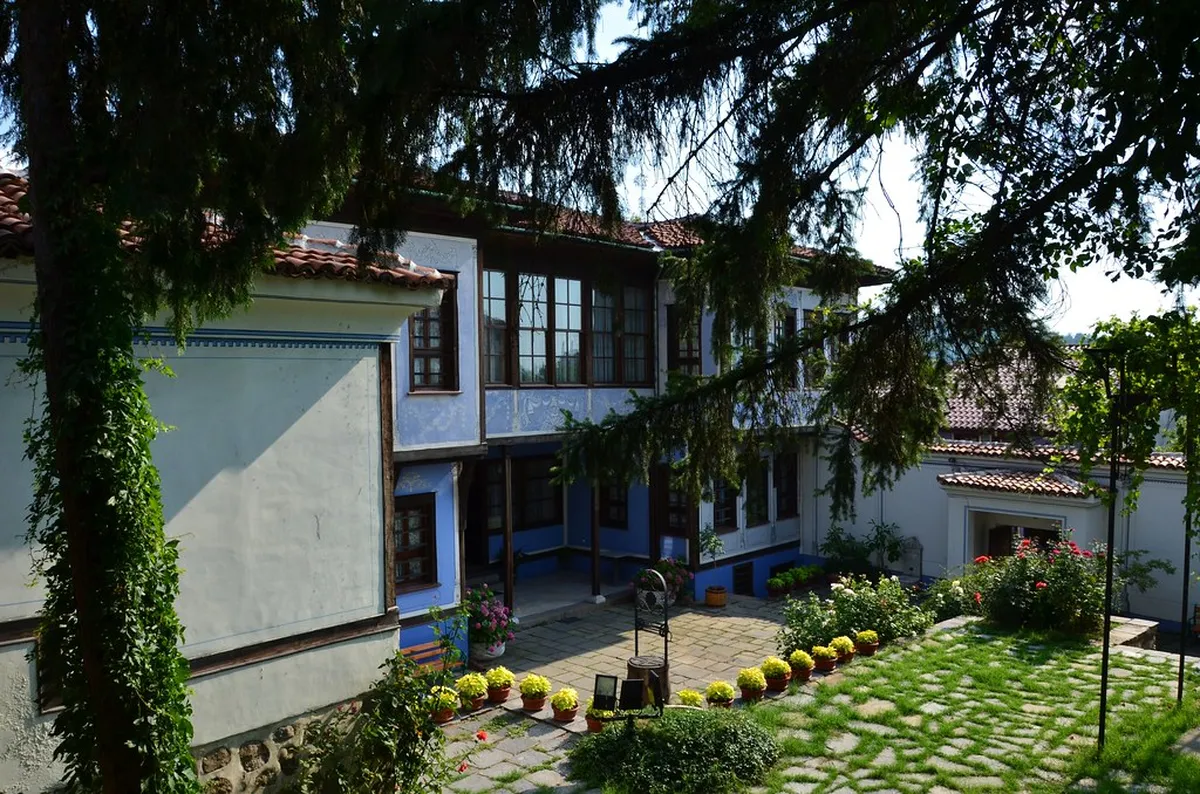
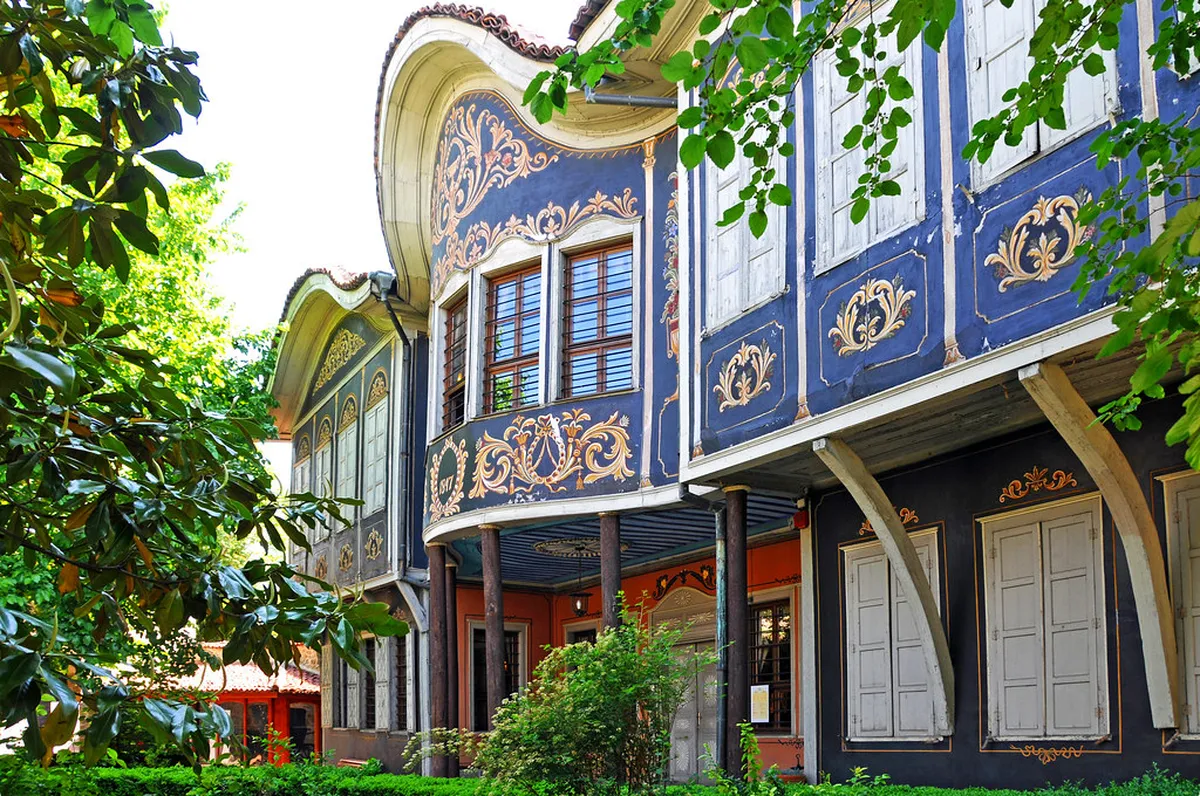
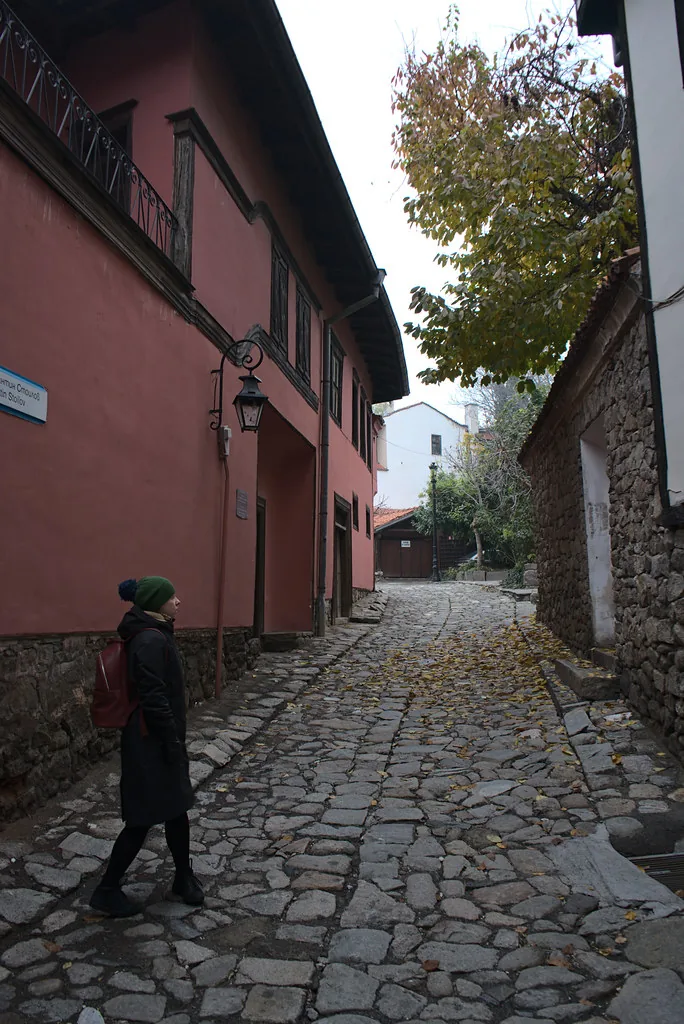
As you wander the paths, notice how the site folds into the surrounding Plovdiv Old Town Visitor Guide landscape. The transition from colourful 19th-century Revival houses to ancient grey stone happens within a few dozen metres.
Spring brings wildflowers and greenery to the rugged complex, while winter strips the hill back to bare stone and wide-open views. Either way, it remains a spot where nature and 6,000 years of history sit side by side with no admission gate between them.
Family-Friendly and Budget-Friendly Options in Nebet
Families will find the hill an excellent destination for children who enjoy exploring open-air sites at their own pace, though adults should watch little ones near the unguarded drop-offs along the western walls.
One of the best features for budget travellers is that access to the entire archaeological complex is free, with no ticket booth and no timed entry. This makes it one of the most accessible high-value attractions for anyone exploring Plovdiv on a tight budget.
Note that eating and picnicking directly on the ruins is generally discouraged, both to protect the stonework and because there is little flat, safe seating away from the drop-offs. Bring water for the uphill walk, then save the actual meal for afterwards near the Ancient Theatre of Plovdiv Visitor Guide, a few minutes back down the hill.
Skipping the entry fee here frees up budget for the handful of Plovdiv sights that do charge admission.
How to Plan a Smooth Nebet Attractions Day
Starting your day early beats the midday heat and the larger tour groups that arrive from around 10:00. Most visitors begin their walk from Dzhumaya Square or the Ancient Theatre and wind up through the cobblestone streets of the historical district.
The climb is short, generally 10 to 15 minutes, but fairly steep and can feel strenuous on the worn, uneven stone paving. Plan to spend at least an hour on the hill to see the fortress walls, the postern, and both viewpoints.
After finishing your hilltop tour, walk down to the Ultimate Balabanov House Visitor Guide for a dose of National Revival architecture. The proximity of these sites makes for an efficient half-day itinerary.
End your afternoon by heading toward the Kapana Creative District Visitor Guide for a coffee or a proper meal, since food options are limited on the hill itself. This route takes you from the city's oldest roots to its most modern, vibrant neighbourhood in under 20 minutes on foot.
Finding the Right Hill in a City of Seven
Plovdiv is famously built across several syenite hills, and Nebet Tepe is not the only one with a view. Ride-hailing apps and even some tour buses occasionally point visitors toward Bunardzhik Hill on the opposite side of downtown, home to the towering Alyosha Monument, rather than the Old Town summit where the fortress ruins actually stand.
Nebet Tepe sits directly behind the Ancient Theatre, at the highest point of the Old Town's Kapana-Dzhumaya cluster. If a map pin drops you somewhere with wide modern roads and a Soviet-era statue, you are on the wrong hill and need to backtrack toward the cobbled core.
The final approach also matters for anyone with a stroller, a wheelchair, or limited mobility. The last 100 to 150 metres run over unevenly worn stone slabs and a short set of steps with no ramp, so the summit is not wheelchair accessible even though the lower Old Town streets are manageable. Travellers who cannot manage that stretch can still get fine Trimontium views from the terrace near the Ancient Theatre lower down.
Practical Tips Before You Climb
Wear sturdy, closed-toe shoes; the Thracian and Roman masonry can be slippery after rain or dew and sharp-edged in places.
Guards patrol the hill, especially around sunset, and enforce a strict no-alcohol policy; this catches out more visitors than any other rule, since bringing a bottle up for the view is a common instinct. Smoking is also barred and pets must stay leashed.
The best light for photography falls in the last 40 minutes before sunset, so arrive early for a spot along the western wall; the hill gets crowded on clear evenings from roughly April through October.
Check the forecast before heading up, since the summit is exposed to wind with no shelter. A light windbreaker earns its weight even on warm evenings, and there is no shop on-site if you forget one.
Nebet Tepe: The Watchmen's Hill Context
The name comes from the Ottoman Turkish "nöbet tepesi," or "Watchmen's Hill," reflecting centuries of military use monitoring the surrounding Thracian plain.
Archaeological evidence places the first organised settlement on this hill around 4000 BCE, in the Eneolithic period, making it one of the oldest continuously inhabited spots in Europe, with Thracian, Macedonian and Roman layers stacked on the same footprint.
Under Rome the hill was part of Trimontium, the "Three Hills" city that grew up around Philippopolis, and it stayed part of the urban defences until the Ottoman period reshaped the wider landscape. Philip II of Macedon had expanded the settlement centuries earlier, before Rome absorbed it.
The 2025 restoration project, led by architect Roumyana Proykova, has revived public interest in this layered history. You can read more about the reopening on The Sofia Globe website for deeper context.
Quick Facts
The list below summarises the details that matter most for a 2026 trip to the hill.
The hill itself is an unticketed, unfenced open-air site, so there is no closing time in the way a museum has one. The hours below describe when the Regional Archaeological Museum staffs the site with guides, not when gates open and shut, because there are no gates.
- Access and Admission
- Entry Fee: Free, no ticket required
- Site Type: Open-air, unfenced archaeological complex
- General Access: Always open, best visited daylight to sunset
- Staffed Guided Hours: 8:00-18:00 in summer, 8:00-17:00 in winter
- Management and Tours
- Management: Plovdiv Regional Archaeological Museum
- Guided Tours: Specialised talks available, typically from 8:00
- Reopened: 20 March 2025 after restoration
- Restoration Lead: Architect Roumyana Proykova
- Visitor Rules
- Alcohol: Strictly prohibited
- Footwear: Sturdy shoes required
- Smoking: Not allowed
- Pets: Must be leashed
What Travellers Say
Many travellers describe the atmosphere on the hill as magical during the quiet morning hours, well before the tour groups arrive. Early risers recommend visiting at sunrise or mid-morning to experience the ruins without crowds.
Photographers frequently praise the site for its unobstructed panoramic views over the Thracian valley, and the contrast between ancient stone and modern city lights at dusk. Online reviews average around 4.7 out of 5 across several thousand ratings, among the highest of any free site in the city.
A recurring, more critical comment is that first-time visitors sometimes expect a fuller visitor centre, exhibits, or reconstructed buildings, and are surprised to find bare ruins instead of a staffed museum experience. Knowing in advance that this is a preserved archaeological site, not a themed attraction, tends to reset those expectations before arrival.
Most people still agree that the 2025 restoration significantly improved safety and clarity around the remains, and rate it an essential stop in Plovdiv for first-time visitors to Bulgaria.
Continue planning: Use Plovdiv Attractions: 12 Top Sights, Tickets & Tips to connect this guide with the rest of your Bulgaria itinerary.
Frequently Asked Questions
Is Nebet Tepe free to visit?
Yes, access to the Nebet Tepe archaeological complex is completely free for all visitors. This includes access to the ancient fortress walls and the panoramic viewing points. You can explore the entire site without paying an admission fee, making it ideal for budget-conscious travelers in Plovdiv.
What are the opening hours for Nebet Tepe?
The hilltop is an open-air public site with free access around the clock, following its March 2025 reopening after restoration. Guided tours arranged through the Regional Archaeological Museum run during normal daytime hours, and daylight visits are the practical choice since the ruins are unlit at night.
Can you see the sunset from Nebet Tepe?
Nebet Tepe is widely considered the best spot in the city to watch the sunset. The western side of the hill offers a clear view of the sun dipping behind the distant mountains. Be sure to arrive early to find a good seat on the ancient stones.
Is Nebet Tepe currently open to the public?
The ancient complex officially re-opened to the public on March 20, 2025, after an extensive restoration. It is now fully accessible with new paths and improved safety features. Visitors can enjoy the site daily within the official operating hours mentioned above.
Nebet Tepe remains an essential destination for anyone wishing to understand the soul of this ancient city. Its combination of deep history, sweeping views, and free access makes it a standout attraction in the Balkans.
The 2025 restoration has ensured these Thracian, Roman and Byzantine remains will keep inspiring visitors for years to come, and in 2026 the hill is busier, better lit, and easier to navigate than at any point in recent memory.
Plan your visit to walk among stones that have witnessed roughly 6,000 years of human history. Enjoy the peace of the Watchmen's Hill as you explore the wider wonders of Bulgaria.
For the latest official information, see the Nebet Tepe official site and Nebet Tepe on Wikipedia.
For more Plovdiv planning, read our Plovdiv Weather & Best Time to Visit: A Seasonal Guide guide.