Plovdiv Old Town Visitor Guide: Top Things to Do & Local Tips
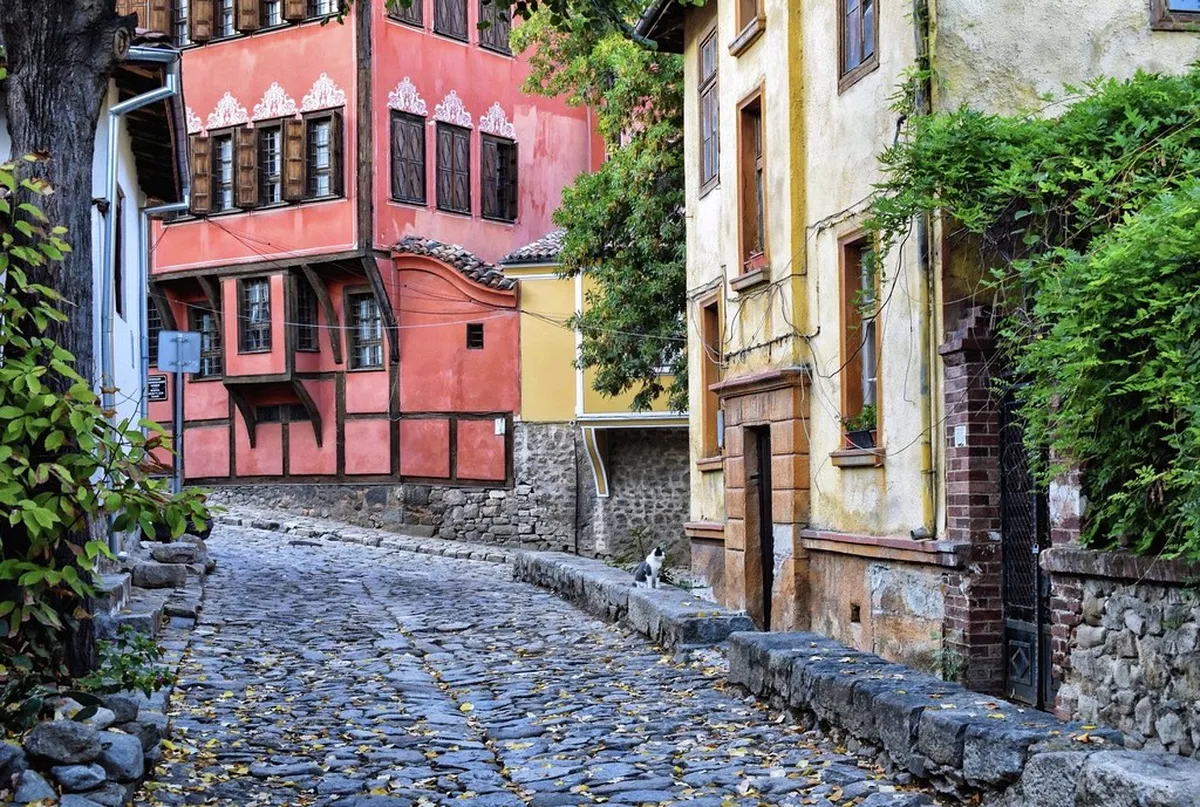
Walking through the cobbled streets of Plovdiv's Old Town feels like stepping through several centuries at once. Ancient Plovdiv is one of the oldest continuously inhabited settlements in Europe, and this three-hill district is where that layered history is easiest to see: Thracian and Roman remains sit directly beneath colorful 19th-century Bulgarian Revival mansions. The reserve covers just 35 hectares, so first-time visitors can cover the highlights in a single day, though the detail rewards a slower pace.
The district earned its modern profile when Plovdiv served as plovdiv2019.eu European Capital of Culture in 2019, a status that funded the restoration of several pedestrian streets and house-museums still visible today. The Old Town has also sat on UNESCO's World Heritage tentative list since 2004, recognition of how rare it is to find Thracian, Roman, medieval and Revival-era layers stacked on one hillside. Strolling the reserve itself costs nothing - only the individual house-museums charge admission.
This guide updates the practical details for 2026: what to see first, how the hills actually compare in difficulty, which house-museums are worth the ticket, and where the Old Town's quiet cobbled charm gives way to the very different evening energy of the neighboring Kapana district. It also covers a scheduling detail that trips up more visitors than the hills do - the difference between the reserve's hours and the museums' hours.
For a walking tour perspective of the Old Town's layout and atmosphere, this video provides a helpful overview of the key streets and sights:
Must-See Plovdiv Old Town Attractions
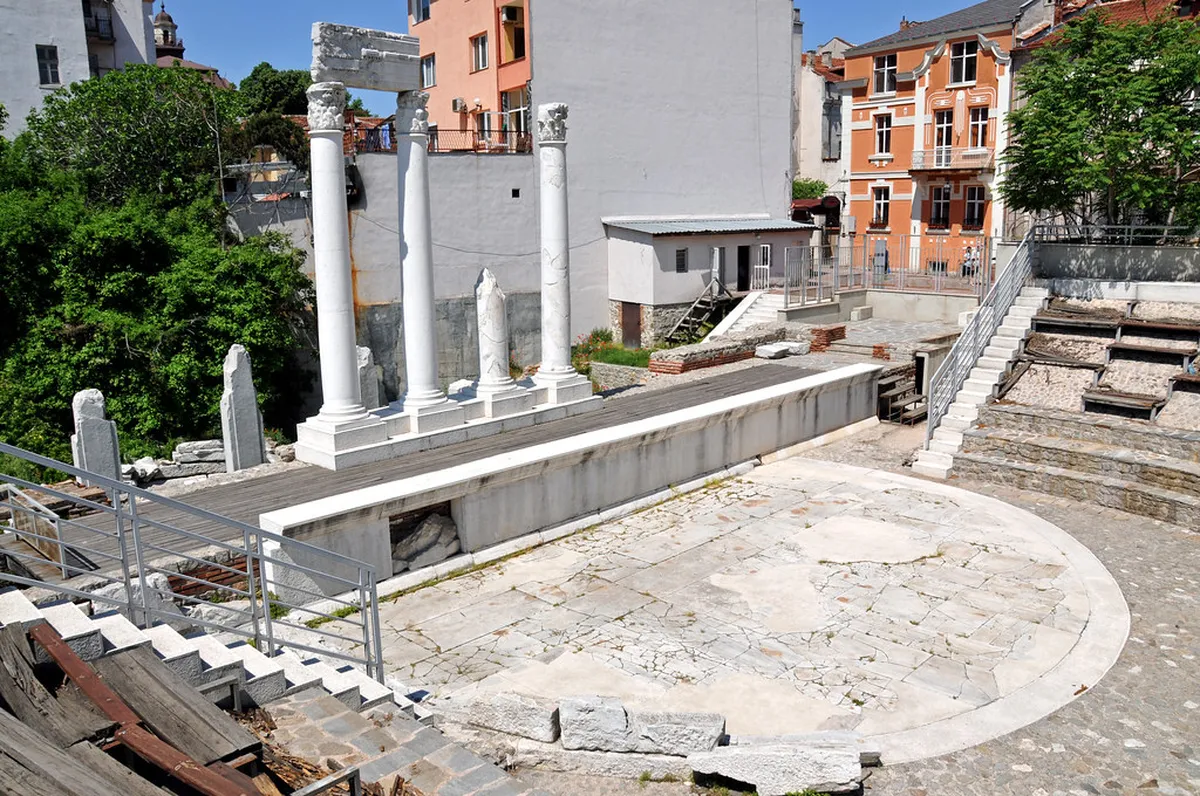
The crown jewel of the district is the Ancient Theatre of Plovdiv Visitor Guide, a marble structure built during the reign of Emperor Trajan in the early 2nd century AD and among the best-preserved Roman theatres in the Balkans. Its tiered seating still hosts summer opera and concert performances with the Rhodope Mountains as a backdrop; check bulgariatravel.org for the 2026 performance calendar, since evening shows are ticketed through the theatre's own box office rather than the house-museum ticket network. By day, the upper rows and surrounding street level are visible without a performance ticket.
Climbing to Nebet Tepe Visitor Guide, at the top of the reserve's highest hill, gives the best panoramic views over the Old Town and the Maritsa River. The archaeological site layers Thracian, Roman and Byzantine remains on top of each other and is free to enter at any hour, since it is part of the open-air reserve rather than a ticketed museum. It's a popular sunset spot for both visitors and locals, and one of the few corners of the Old Town that feels quiet even in peak season.
Hisar Kapiya, the medieval stone gate marking the entrance to the upper ethnographic district, is free to pass through and one of the most photographed spots in the reserve. It has stood since the medieval period as part of the city's original fortifications, and its scale is easiest to appreciate from directly underneath rather than from a distance. Beyond the photo opportunity, the gate matters practically too - more on that in the navigation section below.
- The Ancient Theatre rewards an early-morning or late-afternoon visit, when the marble seating isn't crowded with tour groups.
- Nebet Tepe is free and open around the clock, making it the only major sight worth visiting after the house-museums close.
- Hisar Kapiya sits roughly in the middle of the reserve, so it's a natural point to pause between the theatre and the hilltop ruins.
The Unique Architectural Style of Revival Houses
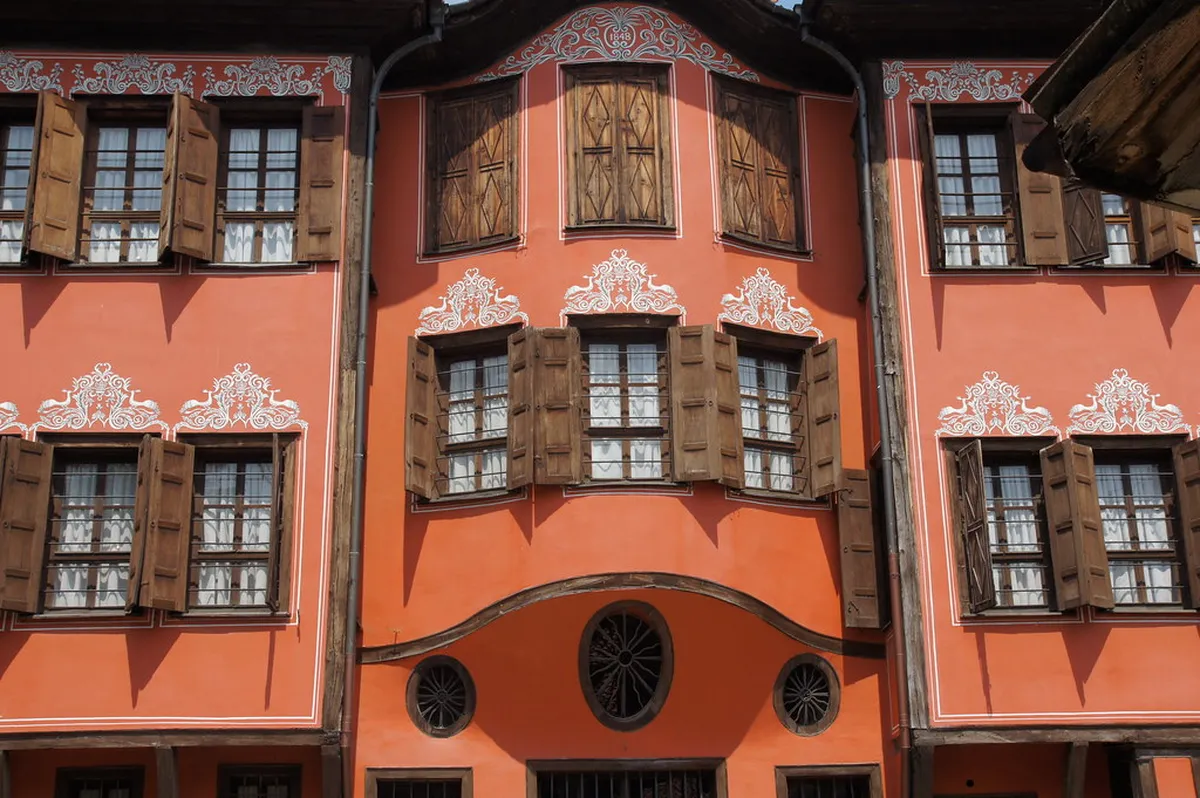
The Old Town's architectural signature is the Bulgarian National Revival style: symmetrical, wooden-framed houses in bright colors, built mostly between 1762 and 1878 while Bulgaria was still under Ottoman rule. Wealthy merchant families built upper floors that overhang the narrow streets to maximize interior space, a quirk that gives the whole district its distinctive top-heavy silhouette. Hand-carved wood ceilings and painted wall murals - often depicting European cityscapes the owners had visited on trading trips - decorate the facades and interiors of the grandest examples.
Ultimate Balabanov House Visitor Guide is the textbook example of this lavish period. Its grand central hall and symmetrical room layout were designed for hosting sophisticated social gatherings, and the ground floor now doubles as a contemporary art gallery. The carved ceilings upstairs are widely considered among the finest surviving woodwork from the period, and the house regularly hosts cultural events and exhibitions.
Merchants funded these houses with wealth from trade between the Ottoman Empire and Central Europe, and many brought back design ideas from Venice and Vienna that they blended with local Bulgarian craftsmanship. That fusion, more than any single building, is what makes the Old Town's architecture distinct from other Balkan historic centers - it is a physical record of a trading city's connections, not just a preserved neighborhood.
Best Museums and Historic Houses in the Old Town
The Regional Ethnographic Museum Plovdiv, housed in the black-and-gold Kuyumdzhioglu House, is the single best orientation stop before tackling the individual house-museums. Its exhibits cover traditional Bulgarian costumes, musical instruments and farming tools, and the shaded courtyard is a welcome break from the cobblestones in summer. The facade alone, with its wavy roofline and gold floral patterns on black, is one of the most photographed in the reserve.
If time is short, it helps to know how the main house-museums differ rather than trying to see all of them in one visit. Balabanov House, at 57 Konstantin Stoilov Street, has the grandest hall and the most admired ceiling carvings in the reserve, plus a quiet garden courtyard for a break between sights. Hindliyan House, at 4 Artin Gidikov Street, is the pick instead if murals interest you more than furniture - its upstairs rooms are painted with European harbor scenes, and its ground-floor fountain room is unique among the reserve's houses. The municipal Ancient Plovdiv institute also runs smaller Revival-era mansions nearby, including Lamartine House, tied to the French poet Alphonse de Lamartine's 1833 stay in the city, and Danov House, linked to Hristo Danov, the Bulgarian publisher who opened the country's first bookshop.
- Balabanov House, at 57 Konstantin Stoilov Street, suits visitors who want the grandest hall and ceiling carvings, plus a quiet garden.
- Hindliyan House, at 4 Artin Gidikov Street, is the pick for European harbor murals and the district's only 19th-century indoor fountain room.
- Lamartine House commemorates the French poet's 1833 stay and suits visitors chasing the literary-history angle over pure architecture.
- Danov House covers the Revival era's printing history and is tied to the founder of Bulgaria's first bookshop.
Art lovers should also budget time for smaller galleries tucked into former Revival mansions, such as the Zlatyu Boyadzhiev Gallery, which shows the work of one of Bulgaria's best-known 20th-century painters. Several of these smaller galleries are included in the combined ticket described later in this guide, so it's worth sketching a rough house-museum itinerary before buying at the ticket office.
Practical Navigation: Getting Around the Cobbled Streets
Local insight: the underpass beneath Hisar Kapiya is the fastest route between the upper ethnographic district and the lower shopping streets, and most digital maps don't flag it clearly. Using it instead of walking around the base of the hill saves about 15 minutes - useful if you're moving between a house-museum visit and dinner in the lower town before a show at the Ancient Theatre.
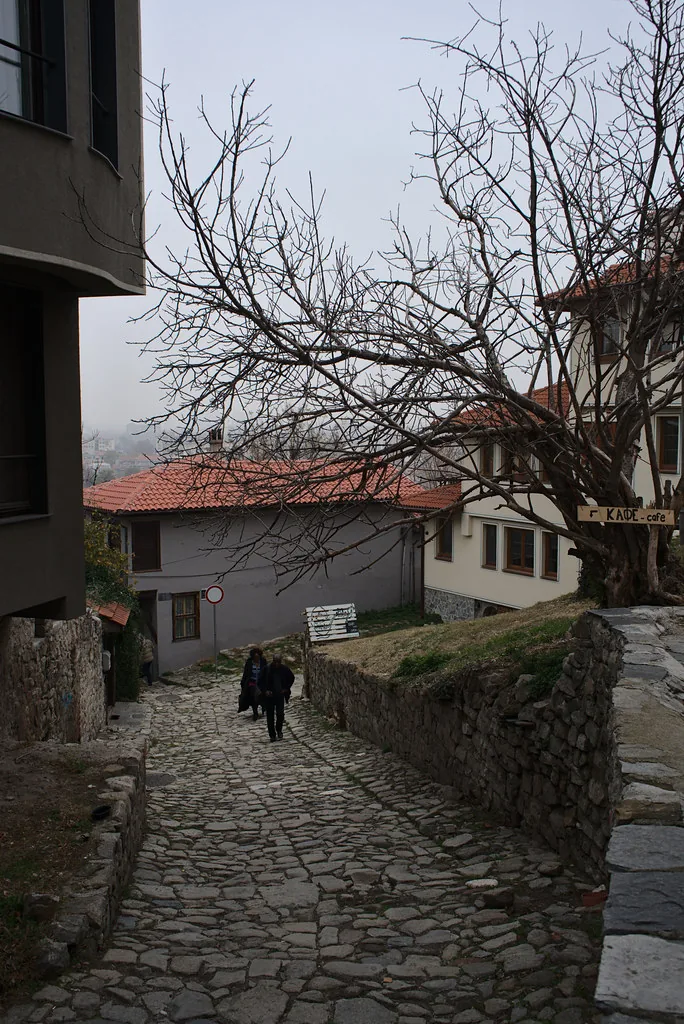
The hills look steeper on a map than they feel on foot. From the central square, the walk to the top of Nebet Tepe by Saborna Street takes about four minutes of steady walking, not the daunting climb first-timers expect - the incline is gradual enough that browsing shop windows along the way makes it feel shorter still. Wear closed shoes with grip, though: the large, uneven cobblestones get slippery, and sandals are a common regret by the second day.
Of the reserve's climbs, Nebet Tepe is the steepest, over large uneven stones, and takes five to eight minutes from the base; the approach to the Ancient Theatre is more gradual over smoother stone and takes three to five minutes from Main Street; the Hisar Kapiya shortcut itself is close to flat and takes about a minute. For visitors with mobility issues, the smartest plan is to start at the top - taxis can reach several points inside the Old Town via specific one-way routes - and walk downhill rather than up.
Strollers and wheelchairs struggle on the steepest stretches near Nebet Tepe; there is no ramped alternative on that particular hill, since the ruins themselves sit on uneven ground. The gentler route past the Ancient Theatre and through the lower ethnographic district is the more workable option for anyone who can't manage stairs or steep cobbles, and it still takes in several of the reserve's best photo spots.
Where to Eat: Traditional Dishes and Modern Bites
Pavaj, in the neighboring Kapana Creative District Visitor Guide, is the most talked-about kitchen near the Old Town, but tables typically need booking two to three days ahead. Hemingway Restaurant is the reliable alternative for similar high-end Bulgarian fusion with far better walk-in availability; expect to pay roughly €8-€12 for a main course at either address in 2026.
For a local breakfast, Bakeland, near the eastern edge of the historic district, serves banitsa - a flaky pastry filled with brined cheese and egg - alongside ayran or strong Bulgarian coffee. A full breakfast here typically runs under €3 per person, making it the cheapest good meal within walking distance of the house-museums.
A full Bulgarian meal usually opens with shopska salad and a small glass of rakia, followed by something hearty like kavarma or grilled meats; restaurants with courtyard seating inside former Revival houses tend to have the best atmosphere. Budget around €20-€22 for a three-course dinner for two in the central Old Town.
The Old Town itself goes quiet once the house-museums close, which is by design - it's a residential and historic district, not a nightlife strip. For evening energy, most visitors walk five to ten minutes down into Kapana, the Creative District that was pedestrianized and reinvented starting in 2014: it's where the city's bars, street art and later-opening kitchens are concentrated, and it pairs naturally with an Old Town day that winds down by early evening.
Shopping for Local Crafts and Souvenirs
The Old Town, and especially Strumna Street - known locally as the Street of Crafts - is the best place to find handmade Bulgarian pottery, textiles and rose-oil products directly from the artisans who make them. Several workshops operate inside the historic houses themselves, so buying there supports the same craftspeople keeping these trades alive.
Families should build in time at the Blacksmith's House, where traditional metalworking happens in view of visitors and small forged charms are sold on the spot. It's one of the more hands-on stops in the district and tends to hold children's attention better than a house-museum tour.
Bulgarian rose oil, certified with its Rose Valley origin, is the lightest souvenir to pack and among the most genuinely local. Hand-painted ceramics with traditional Plovdiv patterns are the other easy buy. Most shops in the reserve take cards, but keep some cash - euros or leva - for the smaller artisan stalls.
Best Places to Stay in the Old Town
Staying inside the historic district means having the cobbled streets to yourself after the day-trip crowds leave. Hotel Evmolpia is the top-rated boutique option, blending modern comfort with traditional decor; rooms typically start around €50 a night with breakfast included, and everything in the reserve is reachable on foot.
Guest House Old Plovdiv, a restored 19th-century mansion with original wooden floors and high ceilings, is the better pick for a more authentic and budget-conscious stay - it feels more like a private home than a hotel, and the communal areas are a good way to meet other travelers.
Stay Hotel, on the edge of the pedestrian zone, is the contemporary alternative, with rooms from around €51 a night; its location keeps the historic sites and the newer shopping streets both within easy walking distance. Choosing between the three comes down to whether traditional character or modern predictability matters more to you.
Planning Your Visit: Tickets, Timing, and Tours
Bulgaria adopted the euro in January 2026, so the municipal Ancient Plovdiv price list now runs in both currencies: a standard adult ticket to an individual house-museum is 3.58 EUR (7 BGN), with a 1.53 EUR (3 BGN) student rate. If you're visiting more than one or two houses, the combined ticket - 10.74 EUR (21 BGN) for adults, covering up to five sites - is better value than paying per house, and it's sold at the oldplovdiv.bg visitor center or at the ticket desks of the participating houses themselves.
The detail that catches out more visitors than the hills do is the difference between the reserve's hours and the museums' hours. The Old Town itself - its streets, Nebet Tepe, the Hisar Kapiya gate - is open around the clock, so an evening stroll or sunset photo works any day of the week. The ticketed house-museums, however, run Tuesday to Sunday and close entirely on Mondays; arriving on a Monday expecting to tour Balabanov or Hindliyan House is the most common planning mistake first-time visitors make.
Wine enthusiasts should book ahead for a bulgariawinetours.com trip into the Rhodope foothills, since the best boutique wineries aren't reachable by Plovdiv's public transport. Half-day tours start from €80 including transport, and booking at least a week ahead is recommended during the summer and autumn harvest season.
With extra time, Bachkovo Monastery Visitor Guide makes a straightforward half-day trip about 30 minutes away - Bulgaria's second-largest monastery, known for its frescoes and mountain setting. Regular buses run from the Rodopi bus station, or it can be added to a guided day tour from the city center; spring and autumn give the best weather for combining it with a full day back in the Old Town.
Continue planning: Use Plovdiv Attractions: 12 Top Sights, Tickets & Tips to connect this guide with the rest of your Bulgaria itinerary.
Frequently Asked Questions
How much does it cost to enter the Revival houses in Plovdiv?
Entry to the municipal house-museums costs 3.58 EUR (7 BGN) per adult in 2026, with student tickets at 1.53 EUR (3 BGN). You can also purchase a combined ticket at the official visitor center for better value if you plan to visit multiple sites in one day.
Is Plovdiv Old Town walkable for seniors or those with mobility issues?
The Old Town has very steep hills and uneven cobblestones that can be difficult for some visitors. Using the Saborna Street route is the easiest way to reach the top. Taxis can also drop you at specific points to minimize the uphill walking.
What is the best time of day to visit Nebet Tepe for photos?
The best time for photography at Nebet Tepe is during the golden hour just before sunset. This provides soft lighting over the ruins and a spectacular view of the sun dipping behind the mountains. Early morning is also great for avoiding the larger tourist crowds.
Can you buy tickets for all Plovdiv Old Town houses in one place?
Yes, you can buy a combined ticket at the Municipal Institute "Ancient Plovdiv" office or at the entrance of the Ancient Theatre. This ticket covers the most popular houses and the Roman ruins, making your sightseeing much more convenient and affordable.
Plovdiv Old Town rewards visitors who slow down rather than rush between checkpoints. Between the Roman theatre, the Revival-era house-museums and the free open-air ruins on Nebet Tepe, a single well-planned day covers the essentials - two days lets the pace slow down properly.
Buy the combined ticket if you're doing more than one house-museum, plan around the Monday closures, and save an evening for Kapana once the historic district's own attractions close for the night. The contrast between the two districts - centuries-old streets a ten-minute walk from a reinvented creative quarter - is a large part of what makes Plovdiv distinct among Bulgaria's cities.
Whether the draw is the Roman ruins, the Revival architecture, or the wine country nearby, comfortable shoes and a loose schedule matter more here than a packed itinerary. Plan the tickets and a restaurant booking or two in advance, and the rest of the visit tends to take care of itself.
For the latest official information, see the Plovdiv Old Town on Wikipedia.
For more Plovdiv planning, read our Best Things to Do in Plovdiv: Complete 2026 Guide and Plovdiv Old Town Guide: Architecture, History, and Travel Tips guides.