Varna vs Burgas 2026: 7 Key Differences to Help You Decide
I have explored the Bulgarian coast many times over the last decade, and this 2026 update reflects current prices, transport changes, and the post-renovation state of both seafronts. Choosing between these two coastal giants depends entirely on your specific vacation goals. When deciding varna vs burgas which to visit, you must look at your travel style, your budget, and the time of year you are travelling.
For a visual sense of how both cities compare, this video breaks down the key differences:
Varna is known as the Maritime Capital and offers a deep sense of history with Roman baths, Thracian gold, and a year-round student crowd. Burgas serves as a modern southern gateway with a cleaner seafront, well-kept lakes, and faster access to Sunny Beach and Sozopol. I recently spent ten days bouncing between both to compare parks, pedestrian zones, and airport transfers. If you are short on time, pick Varna for variety; pick Burgas for calm.
Varna vs Burgas: Comparison Overview
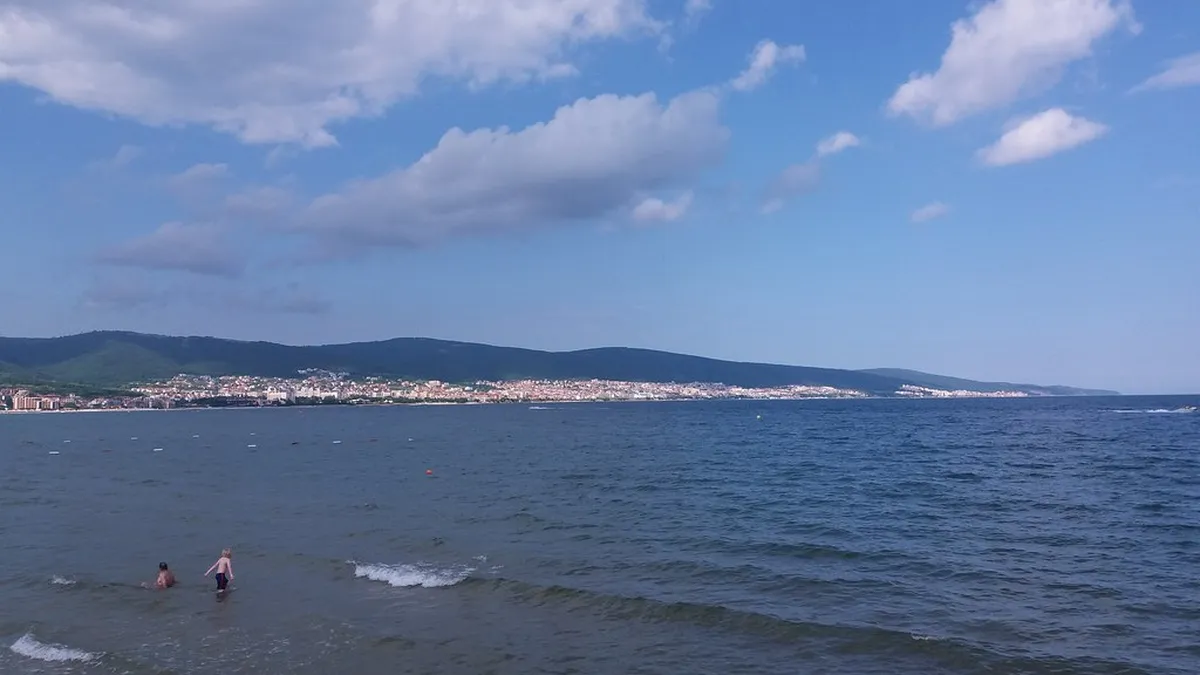
Varna and Burgas are the two largest cities on the Bulgarian Black Sea coast, separated by about 130 km of motorway. Varna has roughly 330,000 residents and is the country's third-largest city; Burgas has around 200,000 and is the fourth-largest. Both are seats of regional government, both run major commercial ports, and both have international airports inside city limits.
![Nessebar - St John Aliturgetos Church [14th century] in Burgas, Bulgaria](/images/varna-vs-burgas-varna-vs-burgas-comparison-overview.webp)
The choice usually comes down to whether you want depth or ease. Varna rewards travellers who like museums, late nights, and a denser urban texture. Burgas rewards travellers who want short walks, quiet beaches, and a base for southern resorts. Use the table below for a thirty-second decision.
| Factor | Varna | Burgas |
|---|---|---|
| Population | ~330,000 | ~200,000 |
| Best for | History, nightlife, students | Families, slow travel, day trips |
| Nearest big resort | Golden Sands (18 km) | Sunny Beach (35 km) |
| Vibe | Energetic, cosmopolitan | Calm, well-kept, low-rise |
| Avg. midrange hotel (2026) | EUR 70–110/night | EUR 55–90/night |
| Airport to centre | 8 km, 15 min | 10 km, 20 min |
| Recommended stay | 3–4 days | 2–3 days |
Varna: The Historic Sea Capital and Cultural Hub
Varna is a treasure trove for anyone who loves European history and archaeology. The city houses the Archaeological Museum, which holds the Varna Necropolis gold dated to 4600–4200 BCE — the oldest worked gold ever found. You can walk through the second-century Roman Thermae just east of the centre, the third-largest Roman baths in Europe and still remarkably intact.
The social life here is driven by five universities and a permanent student population of around 40,000. As a result, Varna's nightlife is significantly more active than Burgas's, with beach clubs along the Sea Garden running until sunrise from June through September. The pedestrian spine, Knyaz Boris I Boulevard, is roughly 1.6 km long and lined with cafes, bookshops, and Habsburg-era facades — it consistently feels alive on a Tuesday in February.
Varna's Sea Garden, the largest landscaped park in the Balkans, stretches 8 km along the coastline. It is older and more shaded than Burgas's equivalent, with the Naval Museum, the Copernicus Observatory, the Dolphinarium, and the Aquarium all inside its boundaries. For Thracian and Ottoman traces beyond the obvious, the Greek Quarter (Grutska Mahala) and the nearby Aladzha rock monastery, 14 km north, both reward an extra half-day.
Burgas: The Modern Gateway to Southern Resorts
Burgas has reinvented itself over the last fifteen years into one of the cleanest mid-sized cities in southeastern Europe. The local government has invested heavily in pedestrian zones and modern public art. Alexandrovska Street is a wide, fully pedestrianised boulevard about 1 km long, narrower and more boutique-feeling than Varna's Knyaz Boris I but with newer paving and fewer bars.
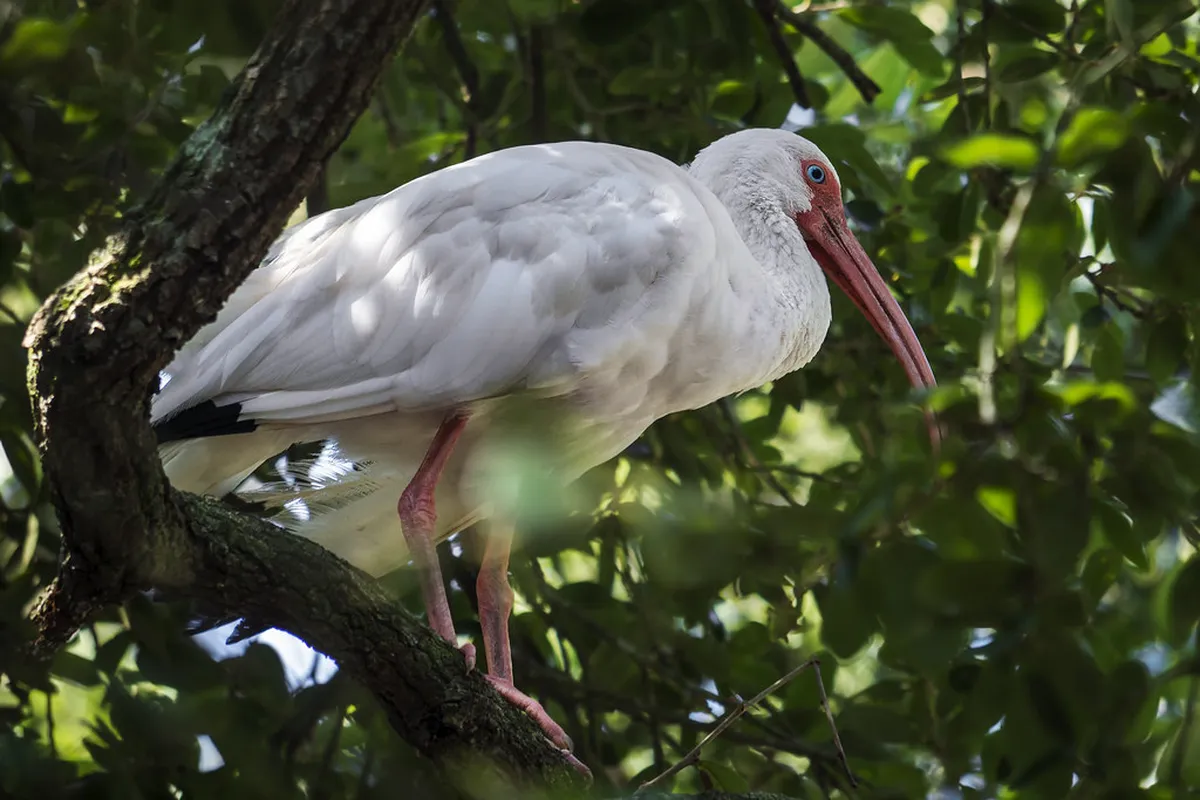
Nature lovers will appreciate the proximity to the Burgas Lakes — Atanasovsko, Vaya, Mandra, and Poda — a Ramsar-protected wetland system that is one of Europe's most important migration corridors. From late August through October you can see white pelicans, flamingos, and storks staging here. The Poda Protected Area visitor centre is a 15-minute drive from the centre and runs guided birdwatching walks for around EUR 8.
Burgas is the natural launching pad for Sozopol (35 km south), Nesebar (37 km north), and Sunny Beach (35 km north). The bus terminal Yug, next to the train station, runs minibuses to all three every 30–60 minutes in summer for EUR 3–6. The thermal complex at Aqua Calidae and the Thracian sanctuary at Beglik Tash are both reachable on a half-day rental car loop.
Beaches and Nature: Comparing the Coastlines
Varna's central beach is a working urban beach — narrow in places, busy at lunchtime, and lined with paid sunbed sections at EUR 6–10 per umbrella. The real beaches are 18 km north at Golden Sands, where the strip is roughly 3.5 km long with fine sand and graded depth. The cliffs at Kabakum and the cove at Asparuhovo (south of the bay bridge) give you free, quieter alternatives within city bus range.
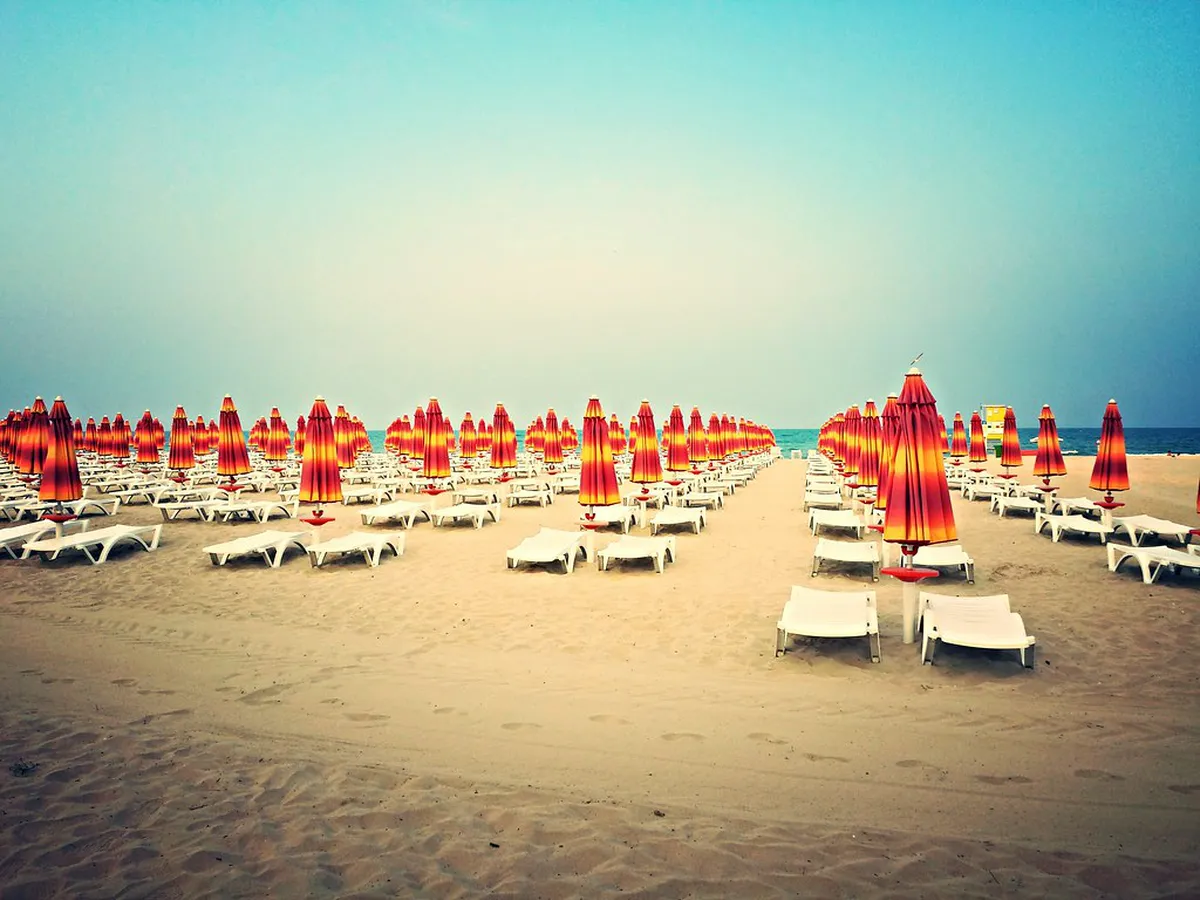
Burgas's central beach is longer and continuous, running about 2 km from the Sea Garden south to the new Magazia 1 cultural quarter, and it is genuinely free — no paid concession dominates the front. The southern resorts that Burgas serves (Sozopol, Dyuni, Sinemorets) sit on a more rugged coastline with smaller bays, clear water, and far less tower-block development than Sunny Beach.
For pure swimming, Golden Sands wins on convenience and Sinemorets wins on scenery. Either city gives you a swimmable sea from late May to early October, with peak water temperatures of 24–26°C in late July and August. For a full breakdown of every beach accessible from Burgas — from the central free strip to Sozopol's coves — see our 10 Best Burgas Beaches and Coastal Planning Tips.
Climate and Swimming Season
The two cities sit at almost identical latitudes and share a temperate continental–maritime climate. Summer averages run 23–25°C with peak July highs around 30°C, and the swimming season reliably runs late May to early October. The water is usually warm enough for comfortable swimming by 1 June, peaks at around 26°C in early August, and is still bearable into the third week of September.
Where they diverge is wind and shoulder-season comfort. Varna sits in a more sheltered bay and gets fewer hard onshore winds; Burgas's gulf is shallower and warms faster in spring but cools faster in autumn. If you are travelling in October or April, Varna usually feels two to three degrees milder in the evening because of urban shelter and the curve of its bay.
Festivals and Cultural Calendar
Both cities lean hard on summer programming, but the flavours differ. Varna runs the Varna Summer International Music Festival (the oldest classical festival in Bulgaria, since 1926) from late June through July, plus the Varna International Ballet Competition and the Love is Folly film festival in late August. The Open-Air Theatre in the Sea Garden hosts opera and ballet most summer evenings for EUR 10–25.
Burgas counters with the Spirit of Burgas era reborn as the Solar festival on the central beach in mid-August, the Burgas International Folklore Festival in late August, and the Sand Sculpture Festival in the Ezero district, which runs from June through September with EUR 5–7 entry. If your trip is built around live music and beach-side stages, Burgas is the stronger pick; if you want classical, opera, and dance, Varna wins.
Real Estate and Where to Stay
For a short visit, the practical lodging tradeoff is straightforward. In Varna, base yourself between the Cathedral and the Sea Garden — districts Tsentar and Grutska Mahala give you walking access to museums, the pedestrian zone, and the beach. Midrange hotels in 2026 sit at EUR 70–110 per night in summer; well-located apartments on Booking and short-stay platforms run EUR 50–80.
In Burgas, the equivalent base is the rectangle bounded by the train station, Alexandrovska, and the Sea Garden. Hotels run EUR 55–90 in summer and apartments EUR 40–70 — roughly 15–20% cheaper than Varna. For longer stays or property purchases, Varna remains the more liquid market with stronger rental yields, while Burgas offers larger floor plans for the same money and is the preferred choice among Polish, German, and Israeli buyers in 2026.
Avoid the giant resort complexes in Sunny Beach and Golden Sands if you actually want to feel the city — they are functionally separate from Varna and Burgas and you will spend EUR 15–25 a day on taxis bridging the two.
Daily Cost Head-to-Head: What You Actually Spend
Both cities are among the cheapest beach destinations in the EU, but the gap between them is real and consistent: in 2026 Burgas runs roughly 10–20% cheaper than Varna across almost every line item. One important 2026 change to budget for — Bulgaria's restaurant VAT jumped from 9% to 20% at the start of the year, so a seafront meal that cost 20–25 BGN last summer now lands closer to 30 BGN. The closer a restaurant sits to the water, the steeper the markup, so walking two streets inland routinely saves a third on the same plate.
| Daily item (2026) | Varna | Burgas | Cheaper |
|---|---|---|---|
| Midrange hotel night | EUR 70–110 | EUR 55–90 | Burgas |
| Sit-down meal (tavern, with a drink) | 20–28 BGN | 18–25 BGN | Burgas |
| Local 0.5 L draught beer | 4–5 BGN | 3.5–4.5 BGN | Burgas |
| Espresso / coffee | 3–4 BGN | 2.5–3.5 BGN | Burgas |
| Sunbed + umbrella (city beach) | EUR 6–10 | Free central beach | Burgas |
| Airport taxi to centre (legit fare) | EUR 8–12 | EUR 8–12 | Tie |
For a couple travelling midrange, budget about EUR 90–130 a day in Varna versus EUR 70–105 in Burgas including a hotel, three meals, and a beach day. The single biggest swing is the beach itself: Varna's central seafront is dominated by paid sunbed concessions at EUR 6–10, while Burgas's 2 km central beach is genuinely free, so a family of four can save EUR 20–30 a day in Burgas simply by not renting loungers. For the full breakdown of where to base yourself, our guide to the best areas to stay in Varna maps prices by district.
Airports, Transport, and Avoiding the Taxi Trap
Varna Airport (VAR) sits 8 km west of the centre and is reachable by city bus 409 in about 30 minutes for EUR 1.50. Burgas Airport (BOJ) is in Sarafovo, 10 km northeast of the centre, and bus 15 runs to the centre roughly every 30 minutes for EUR 1.50. Both buses are run by the municipal operators and the buses accept contactless cards in 2026.
The taxi situation is the single biggest preventable expense for first-time visitors. The legitimate fare from either airport to the centre should be EUR 8–12; unmetered taxis loitering at arrivals routinely quote EUR 30–50, and the scam typically uses a fake meter that runs at four times the legal rate. Use OK Supertrans (yellow) at Varna or Yes Taxi (yellow) at Burgas — both have airport ranks and apps. Confirm the per-kilometre rate on the taxi's window sticker before you get in; it should read 1.00–1.50 BGN/km, not 4.00 or 5.00.
Between cities, the comfortable option is the Union-Ivkoni or Biomet bus from Varna Yug to Burgas Yug — about 8 daily, 2 hours, EUR 12–15. The train is slower (around 6 hours via Karnobat) and not worth it. A one-way rental car from a Bulgarian operator in 2026 costs roughly EUR 35–50 per day plus a EUR 30–50 drop fee.
Day Trips From Each City
Varna's best day trips skew north and inland. Balchik (45 km) gives you Queen Marie's seaside palace and botanical garden; Aladzha rock monastery (14 km) is a 13th-century cave complex carved into a cliff face; Kavarna and Cape Kaliakra Visitor Guide (60 km) deliver dramatic sea cliffs and a small fortress. Pobiti Kamani (Stone Forest) Visitor Guide — the Stone Forest — is 18 km west and reachable by local bus in under an hour.
Burgas's best day trips run south and into the wetlands. Sozopol (35 km) is the photogenic stone-and-wood old town that Nesebar would be without the crowds; Nesebar itself (37 km north) is the UNESCO-listed peninsula of medieval churches; Pomorie (20 km) has salt-pan flamingos and a working monastery. For a half-day birdwatching loop, Poda plus Atanasovsko Lake plus Aqua Calidae packs neatly into a single rental-car morning. If you are weighing Burgas against a stay directly in the resort strip, our Burgas vs Sunny Beach comparison explains when the resort makes sense and when the city wins.
Digital Nomads and Longer Stays
If you are working remotely for a month or more, Varna is the clearer pick in 2026. The city has at least eight active coworking spaces (Networking Premium, Puzl Camp, SOHO Varna among them), reliable 300 Mbps fibre in most central apartments, and a permanent foreign community concentrated around Grutska Mahala and Briz. Monthly furnished rentals in the centre run EUR 500–800.
Burgas has fewer coworking options (two notable: Coworking Burgas and the Magazia 1 hub) but cheaper monthly rents at EUR 350–600 and a quieter pace that suits deep-work routines. The trade-off is real: Varna gives you more weeknight social options, Burgas gives you more silence and a 5-minute walk to a usable beach.
Shoulder Season: Which City Actually Stays Open
This is the question almost no comparison guide answers, and it matters more than airport distance or hotel price. From mid-October through late April, large parts of Sunny Beach, Golden Sands, and many seafront restaurants in both cities close completely. The cities themselves do not close — but they ration what stays operational very differently.
Varna is a true year-round city. Universities are in session, the Knyaz Boris I cafes run on full schedule, the Archaeological Museum and Roman baths stay open, and there is a real winter restaurant scene around the Cathedral. If you are visiting in November, February, or early April, Varna gives you a working city with proper food and culture.
Burgas in deep shoulder season is noticeably quieter. The Sea Garden remains lovely on a clear day, but a meaningful share of the seafront kiosks and restaurants close from late October through Easter, and weeknight dining options shrink to a small set of indoor spots around Alexandrovska. Trip planners booking for May or late September should know that Varna is the safer bet for guaranteed openings; Burgas only fully reopens around 1 June and starts winding down by 20 September.
Final Verdict: Which City Fits Your Travel Style?
My honest pick for the average first-time visitor is Varna. It offers a more complete Bulgarian experience with its blend of antiquity, university energy, and year-round services. You can spend the morning at a museum, the afternoon at Golden Sands, and the night at a beach club — there are simply more Things to Do in Varna, Bulgaria for a short trip in any month of the year.
Choose Burgas if you are travelling with kids, want a calmer base, or are using the coast as a launching point for Sozopol and Nesebar. If you have at least seven days, do both: rent a car, drive the 130 km coastal route, and spend three nights in each city. You will see the contrast between the cosmopolitan north and the wetland-fringed south, and you will leave with a much fairer answer to varna vs burgas which to visit.
| Option | Best for | Cost range (per day, 2026) | Time needed | Pros | Cons | Pick if |
|---|---|---|---|---|---|---|
| Varna | History, nightlife, year-round travel | EUR 60–110 | 3–4 days | Culture, open year-round | Crowded in August | You want variety |
| Burgas | Families, southern resorts, slow travel | EUR 45–85 | 2–3 days | Cleanliness, cheaper, wetlands | Quiet outside summer | You want peace |
Which City Wins for You: Picking by Traveller Type
The honest answer to varna vs burgas which to visit changes completely depending on who is travelling. After a decade of taking different groups to both, here is how I match the city to the traveller — the deciding factor is rarely the city itself, it is who you are with.
- Families with young kids — Burgas. The gulf is shallow and warms faster, so the central beach has gentle, knee-deep water far from shore, and that 2 km seafront is free with no lounger fees. Quieter streets, cleaner pavements, and the Sand Sculpture Festival (EUR 5–7) seal it for under-tens.
- Couples and first-time visitors — Varna. The mix of Roman baths, 6,600-year-old gold at the Archaeological Museum, an 8 km Sea Garden, and late-night beach clubs gives you a fuller, more varied few days. It is the safer single pick if you only have one city in you.
- Budget backpackers — Burgas, then go south. Cheaper beds (EUR 40–70 apartments), a free beach, and EUR 3–6 minibuses to Sozopol and Nesebar make it the better launch pad for a low-cost coastal hop.
- Nightlife and student crowds — Varna. With around 40,000 students and five universities, the bar and beach-club scene runs to sunrise from June to September and stays lively even midweek in winter.
- Digital nomads and long-stayers — Varna. Eight-plus coworking spaces, 300 Mbps fibre, and an established expat community beat Burgas's quieter two-venue scene for weeknight options, though Burgas wins on rent and silence.
If you genuinely fit two profiles — say a couple travelling with a toddler — split the trip: three nights in Varna for the culture, two in Burgas for the easy beach, with the 2-hour EUR 12–15 bus between them. For inspiration on filling those Varna days, see our Varna 3-day itinerary. Bulgaria's national tourist board, bulgariatravel.org, lists current festival dates for both cities if you want to time your visit around an event.
Varna vs Burgas at a Glance: Quick-Decision Table
If you have 60 seconds and need a single-screen answer, this table maps the most common decision criteria side by side. Every data point reflects 2026 conditions — including the restaurant VAT change, current transport fares, and the updated coworking landscape.
| Category | Varna | Burgas | Winner |
|---|---|---|---|
| Beaches (in-city) | Narrow urban strip; paid sunbeds EUR 6–10 | 2 km free central beach, gentle depth | Burgas |
| Beaches (nearby resort) | Golden Sands — 3.5 km fine sand, 18 km away | Sunny Beach — 35 km; Sozopol — 35 km | Varna (convenience) |
| Nightlife | Beach clubs to sunrise, 40,000-strong student scene | Live beach festivals (Solar/August); quieter midweek | Varna |
| Culture & museums | Gold Museum, Roman Thermae, Naval Museum, ballet | Sand Sculpture Festival, Ethno Museum, wetlands | Varna |
| Family-friendliness | Busier streets; Golden Sands family zones 18 km out | Shallow gulf, free beach, Sand Festival (EUR 5–7) | Burgas |
| Budget (daily spend) | EUR 60–110 couple midrange | EUR 45–85 couple midrange (~15–20% cheaper) | Burgas |
| Day trips | Balchik, Stone Forest, Aladzha Monastery | Sozopol, Nesebar, Pomorie, Saint Anastasia Island | Tie — different directions |
| Shoulder season openings | Year-round city (universities, cafes, museums) | Starts winding down ~20 Sep; quieter Oct–May | Varna |
| Digital nomads | 8+ coworking spaces, EUR 500–800/month rent | 2 coworking spaces, EUR 350–600/month rent | Varna (amenities) / Burgas (cost) |
| Airport connections (2026) | VAR — Wizz Air, Ryanair, charter hubs N. Europe | BOJ — Ryanair, Wizz Air, charter; more UK/DE routes | Check your origin city |
| Solo travel safety | Well-lit centre, tourist police presence in summer | Calm, low-crime, well-lit pedestrian zone | Both safe |
Burgas Airport (BOJ) in 2026 handles more direct charter and low-cost routes from the UK and Germany than Varna Airport (VAR), making it the more practical arrival point for western European travellers even if they plan to spend most time in Varna. A common move is to fly into BOJ, spend two nights in Burgas, then take the 2-hour bus north to Varna for the rest of the trip. For a full breakdown of Burgas Airport routes, terminals, and ground transport, see our Burgas Airport (BOJ) Guide.
Can You Visit Both Varna and Burgas?
Yes — and it is the single best thing you can do on a Black Sea trip. The cities are 130 km apart by road and connect easily by bus or car. The key logistics question is whether you attempt a day trip or a split stay.
Bus: the recommended connection
The Union-Ivkoni and Biomet coaches run roughly 8 departures a day between Varna South terminal and Burgas South terminal. Journey time is about 2 hours. In 2026 a one-way ticket costs around EUR 7–10 (12–17 BGN) booked at the terminal window or on the operator's site. Luggage goes in the hold at no extra charge. First bus is around 06:30; last around 21:00. Book the day before in July–August — seats sell out on summer Fridays.
The distance between Varna and Burgas by direct road is approximately 130 km. The fastest bus covers it in 1 hour 50 minutes to 2 hours 10 minutes depending on the route taken (coastal A2 motorway vs. inland road via Karnobat). The bus is faster, more frequent, and more comfortable than the train for this corridor in 2026.
Train: budget option, much slower
A direct train runs once daily and takes around 4 hours 15 minutes via the inland Karnobat junction. The fare is BGN 10–18 (EUR 5–9) one way — the cheapest option but not practical for day trips. The train is worth considering if you are already travelling with a rail pass or have heavy luggage and no rush.
Car: best for combining day trips
A rental car unlocks the full coastal route between the two cities — you can stop at Nesebar (UNESCO old town, 37 km north of Burgas), Obzor beach, or the cliffs at Kamen Bryag on the way north. Budget EUR 35–50 per day plus a EUR 30–50 one-way drop fee if returning to a different city. Petrol for the 130 km run is roughly BGN 25–35 (EUR 13–18) in 2026.
Day trip vs. overnight split
A Burgas-to-Varna day trip is technically possible: take the 07:00 bus, arrive ~09:00, spend 6–7 hours exploring, catch the 18:00 return, and you are back by 20:00. However, with only 6 hours you will barely cover the Archaeological Museum and the Sea Garden. A day trip from Varna to Burgas makes more sense as a half-day jaunt — Burgas's compact centre takes about 4 hours to walk thoroughly, leaving time for a Sozopol lunch if you have a car.
The better plan for most travellers is a split stay. A 7-night Black Sea itinerary works well as 4 nights Varna (museums, day trip to Balchik) + 3 nights Burgas (Sea Garden, Sozopol day trip, Saint Anastasia Island). Or reverse it: fly into Burgas Airport, spend 2–3 nights exploring Burgas and Sozopol, then bus to Varna for the back half of the trip. Either way the transfer takes under 2.5 hours door to door.
For a full Burgas-focused itinerary with day-trip timings and transport options, our Burgas 3-day itinerary maps the logistics in detail. If you are planning day trips outward from Burgas to the southern coast, the day trips from Burgas guide covers distances, bus times, and recommended stops for Sozopol, Nesebar, and Pomorie. For a broader look at what the city itself offers, the Burgas attractions guide is the best starting point.
The Rome2rio Burgas–Varna route planner and Burgas on Wikipedia both carry up-to-date schedule and distance data for the corridor if you need to confirm exact departure times before booking.
Varna vs Burgas: 2026 Cost Comparison
Budget is one of the most searched angles in the Varna vs Burgas debate, and the gap between the two cities is consistent across every spending category. In 2026, Burgas runs roughly 15–20% cheaper than Varna overall — a real saving that compounds quickly on a week-long trip. The table below draws directly from the price data already covered in earlier sections, pulling it into one scannable reference.
![Nessebar -St. Paraskeva Church [13th century] in Burgas, Bulgaria](/images/varna-vs-burgas-varna-vs-burgas-2026-cost-comparison.webp)
| Category | Varna (2026) | Burgas (2026) | Cheaper city |
|---|---|---|---|
| Midrange hotel (per night) | EUR 70–110 | EUR 55–90 | Burgas |
| Central apartment (per night) | EUR 50–80 | EUR 40–70 | Burgas |
| Sit-down meal at a tavern (with drink) | 20–28 BGN | 18–25 BGN | Burgas |
| 0.5 L draught beer | 4–5 BGN | 3.5–4.5 BGN | Burgas |
| Espresso / coffee | 3–4 BGN | 2.5–3.5 BGN | Burgas |
| City-beach sunbed + umbrella | EUR 6–10 (paid concessions) | Free (2 km central beach) | Burgas |
| Airport taxi to city centre | EUR 8–12 (legitimate fare) | EUR 8–12 (legitimate fare) | Tie |
| Bus to nearest resort | EUR 3–5 to Golden Sands (18 km) | EUR 3–6 to Sunny Beach/Sozopol (35 km) | Varna (shorter distance) |
| Monthly furnished apartment | EUR 500–800 | EUR 350–600 | Burgas |
A couple travelling midrange should budget approximately EUR 90–130 per day in Varna versus EUR 70–105 in Burgas, covering a hotel room, three meals, and a beach day. The single biggest swing is the beach itself: Varna's central seafront is dominated by paid sunbed concessions, while Burgas's 2 km central beach is genuinely free, saving a family of four as much as EUR 20–30 a day.
One important 2026 caveat across both cities: Bulgaria's restaurant VAT rose from 9% to 20% at the start of the year. A seafront meal that cost 20–25 BGN last summer now lands closer to 30 BGN regardless of which city you are in. Walking two streets back from the waterfront routinely saves a third on the same plate in both Varna and Burgas.
For longer stays or digital nomad budgets, the gap widens further — monthly rents in Burgas are EUR 150–200 lower than comparable Varna apartments. If your priority is stretching the travel budget, Burgas wins every time. If you need a wider nightlife and coworking scene and are willing to pay a moderate premium, Varna justifies the extra spend.
Frequently Asked Questions
Which city has better beaches, Varna or Burgas?
Varna has better access to famous long sandy beaches like Golden Sands. Burgas has a more central urban beach that is quieter but narrower. Check the beaches near Varna for the best swimming spots.
Is it cheaper to stay in Varna or Burgas?
Burgas is generally slightly cheaper for accommodation and dining than Varna. Varna is a major tourist hub, which can drive up prices during the summer. Both cities remain very affordable compared to other European coastal destinations.
Which airport is better for the Bulgarian coast?
Varna Airport (VAR) is better for the northern coast and history. Burgas Airport (BOJ) is the gateway for southern resorts like Sunny Beach. Read our Varna Airport Guide: Terminals, Transport, and Facilities for more transportation tips.
How long does it take to get from Burgas to Varna by bus?
The direct bus between Burgas South terminal and Varna South terminal takes approximately 2 hours in 2026. About 8 daily departures run the route; tickets cost EUR 7–10. The train is slower (around 4 hours 15 minutes) but cheaper at EUR 5–9. See our Sofia to Burgas transport guide for onward connections from the capital.
Is Burgas or Varna better for families?
Burgas is generally better for families with young children. The gulf is shallow and warms faster, giving the central beach gentle knee-deep water far from shore — and the 2 km seafront is completely free with no paid sunbed concessions. The Sand Sculpture Festival (EUR 5–7 entry) and quieter streets add to its family appeal. Varna suits families with older children who can handle busier pavements and want museum visits and the longer beach strip at Golden Sands (18 km away). Our family-friendly activities in Burgas guide covers the best spots for under-tens.
Which is better for solo travellers — Varna or Burgas?
Varna is the stronger choice for solo travellers wanting nightlife, hostels, and spontaneous social scenes — its student population of 40,000 keeps the city lively year-round. Burgas suits solo travellers who prefer slower days: it is compact, walkable, and very safe, with Sozopol and Nesebar both under an hour away by minibus. Read our dedicated solo traveller guide to Burgas for practical safety and logistics tips.
What is the best time of year to visit Varna or Burgas?
June and September are the sweet spot for both cities — warm enough to swim (water 22–24°C), far fewer crowds than July–August, and fully open restaurants and attractions. July and August are peak season with 26°C sea temperatures but packed beaches and higher prices. For shoulder-season visits (May, October), choose Varna — it operates year-round thanks to its universities, while Burgas begins winding down in late September. Our best time to visit Burgas guide breaks down the month-by-month tradeoffs in detail.
Both Varna and Burgas represent the best of the Bulgarian Black Sea. Varna wins on historical depth, year-round operation, and nightlife; Burgas wins on calm, cleanliness, and southern day trips. You will find friendly locals and great food in both coastal cities — the only real mistake is bouncing between resort complexes instead of basing yourself in the cities themselves.
If you are coming from the capital, check our guide on getting from Sofia to Varna. No matter which city you choose, the Black Sea coast will not disappoint. Plan around the season, watch the airport taxi rates, and enjoy the sun, the history, and the unique Bulgarian seaside charm.
Continue planning
Start with our Bulgaria's Black Sea beach guide and compare the practical details with our Burgas beach overview.
For connected planning, compare Bulgaria's Black Sea beach guide with Burgas beach overview before finalizing your route.