
Bulgaria Souvenirs: What to Buy and Where to Find Authentic Local Goods
Last updated July 2026, this guide to bulgaria souvenirs cuts through the tourist-market clutter to highlight which Bulgarian gifts are genuinely worth carrying home. You will learn how to authenticate rose oil, why Troyan pottery and Chiprovtsi carpets carry real cultural weight, and which Sofia markets beat hotel gift shops on price and quality. Expect practical packing advice and customs pointers so nothing you buy gets confiscated or crushed in transit.
Top 5 Must-Buy Bulgaria Souvenirs for First-Time Visitors
If time is tight, focus on the five categories that consistently deliver authenticity and packability without blowing through a luggage weight allowance. Each one draws on a genuine regional craft or agricultural tradition rather than a mass-produced trinket, and each is compact enough to fit around a beach-resort suitcase or a long-stay carry-on. Treat this as the fast answer, then use the sections below for sourcing details, authenticity checks, and regional origins.
- Bulgarian rose oil or rose water, sealed and state-certified, from the Rose Valley (kazanlak) Visitor Guide around Kazanlak
- Troyan ceramics in the region's signature red clay with hand-painted drop patterns
- Rakia, Bulgaria's grape or plum brandy, in both commercial and small-batch bottlings
- Sharena sol, the colorful spice-and-salt blend used at the table for bread and cheese
- Martenitsa, the red-and-white yarn bracelets tied on each spring for luck

Bulgarian Rose and Lavender Products: How to Spot the Real Thing
Bulgaria is the world's largest producer of rose oil, and the Rose Valley around Kazanlak supplies much of the global perfume industry with Rosa damascena extract. Before buying, decide whether you want pure essence, the cheaper rose water byproduct, or finished cosmetics such as creams and soaps, since price and authenticity risk both rise sharply from one tier to the next. Genuine rose oil is sold in small, sealed vials carrying a numbered certificate or state seal from an accredited Bulgarian laboratory; skip anything sold loose or without paperwork from a souvenir kiosk, since diluted or synthetic rose water is routinely passed off as the real product. Lavender is Bulgaria's other aromatic specialty, and local producers now rank the country among the world's top lavender growers alongside France, making lavender oil and linen sachets an affordable, less delicate alternative to rose oil for gifting.
Genuine rose oil comes in small, sealed vials bearing a numbered certificate or state seal from an accredited Bulgarian laboratory. Loose, uncertified bottles from souvenir kiosks are likely diluted or synthetic rose water falsely marketed as authentic oil.
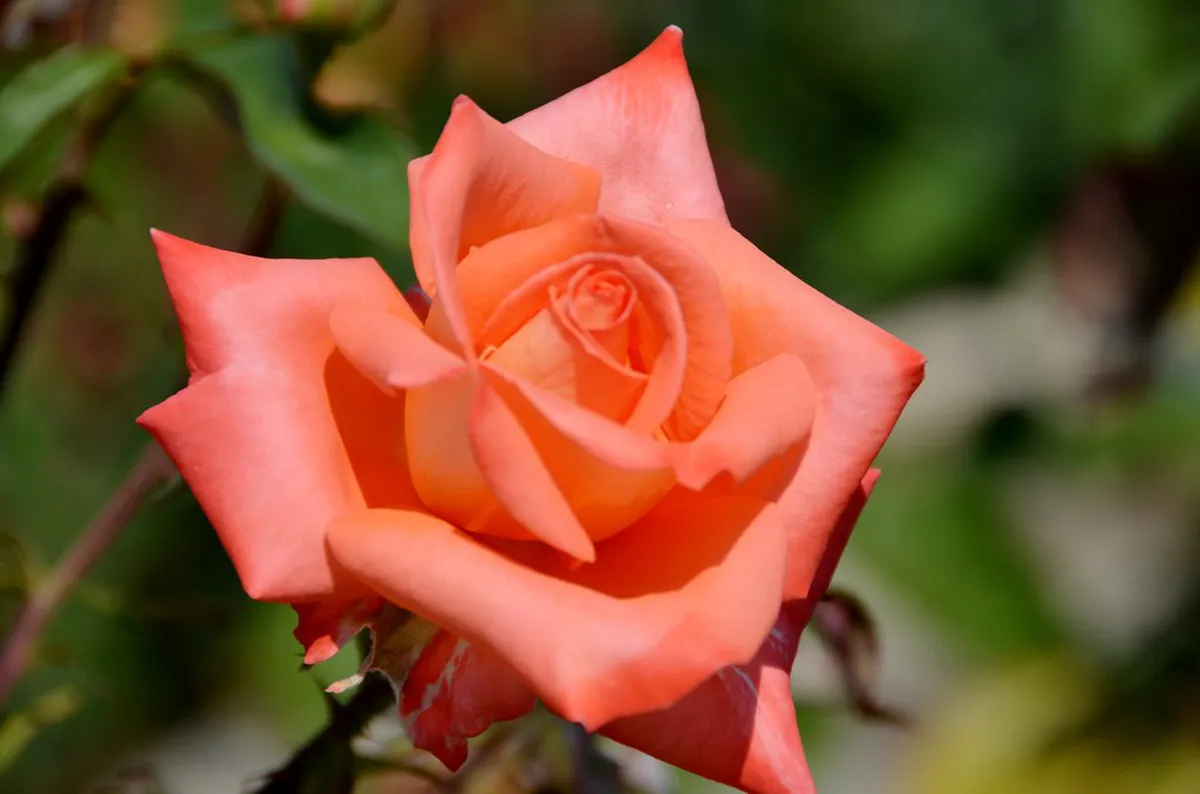
- Rose oil (attar): the purest and most expensive form, sold in sealed, certified vials
- Rose water: a cheaper distillation byproduct, good for skincare-focused gifts
- Rose cosmetics: creams, soaps, and shower gels for lower-stakes, budget-friendly gifts
- Lavender oil and sachets: an aromatic, affordable alternative with similar wellness appeal
Traditional Artisanal Crafts: Pottery, Woodcarving, and Leather
Troyan, in the foothills of the Balkan Mountains, is Bulgaria's pottery capital and gives its name to the country's most recognizable ceramic style: red clay pieces glazed in bright colors with the distinctive trailed 'drop' or wave pattern. Look for functional pieces, such as baking dishes and jugs built to local cooking traditions, rather than the thinner reproductions sold outside monastery car parks. Bulgarian woodcarving ranges from everyday kitchen utensils and children's toys to elaborate decorative panels and icon frames; shepherds' carved crooks and spoons are a rustic, lower-cost entry point. Leather goods made from tanned sheepskin round out the craft category, shaping belts, bags, hats, and traditional tsarvuli, the curled-toe leather sandals once worn by shepherds and now sold mainly as folk-costume or decorative pieces. Those exploring retirement relocation to Bulgaria often furnish new homes with a full set of Troyan cookware and carved woodware sourced directly from workshop towns rather than one-off souvenir pieces.
- Troyan pottery: red clay tableware and cookware with hand-trailed glaze patterns
- Woodcarved kitchenware: spoons, boards, and utensils at accessible prices
- Decorative woodcarving: icon frames and carved panels for higher-end gifting
- Sheepskin leather goods: belts, bags, and traditional tsarvuli sandals
Textiles and Heritage Weaving: Embroidery and Chiprovtsi Carpets
Bulgarian embroidery, known as shevitsa, uses geometric red-and-black motifs that historically signaled a wearer's home region and marital status, and it now turns up on blouses, tablecloths, and linens that pack flat and light. The standout textile souvenir is the Chiprovtsi carpet, a hand-woven, double-faced kilim from the northwestern town of Chiprovtsi whose weaving tradition is recognized on the UNESCO Intangible Cultural Heritage list. A full-size Chiprovtsi kilim represents many hours of hand-weaving, so treat it as an investment piece rather than an impulse buy, and plan on shipping rather than checked luggage for anything larger than a small rug. Long-stay digital nomads settling in Bulgaria are often the ones who commission a full-size kilim, since furnishing a long-term rental justifies the cost in a way a two-week visit rarely does. Woolen socks, hand-knitted in bright regional patterns, are the practical middle ground: light, inexpensive relative to a carpet, and genuinely useful rather than purely decorative.
- Shevitsa embroidery: geometric red-and-black patterns on blouses, linens, and tablecloths
- Chiprovtsi carpets: UNESCO-recognized, hand-woven, double-faced kilims from northwestern Bulgaria
- Woolen socks: colorful, packable, and useful year-round
Edible Bulgaria Souvenirs: Rakia, Wine, Herbs, and Sweets
Rakia, Bulgaria's grape or plum brandy, is the country's signature spirit and comes in both mass-market commercial bottles and small-batch, home-style versions sold at markets and specialty shops. Bulgarian wine deserves equal attention: look for bottles built around indigenous grapes such as Mavrud, a full-bodied red from the Thracian plains, and Melnik, the deep, tannic red associated with the southwestern town of the same name. On the savory side, sharena sol, literally colorful salt, blends salt, paprika, and herbs for sprinkling on bread and cheese, while chubritsa is a dried savory herb used widely in Bulgarian cooking. For something sweet, rose-flavored lokum and local honey travel well and make easy, low-cost gifts. Because Bulgaria's EU membership status shapes duty-free alcohol allowances, check current limits before buying several bottles of rakia or wine, since restrictions differ depending on whether the onward flight stays within the EU or leaves it.
Duty-free alcohol allowances vary by destination and whether the flight stays within the EU or leaves it. Current limits must be checked before purchasing multiple bottles of rakia or wine, and all alcohol must travel in checked luggage only.
- Rakia: grape or plum brandy, commercial and small-batch varieties
- Mavrud and Melnik wines: Bulgaria's signature indigenous red grapes
- Sharena sol and chubritsa: savory spice blends for the kitchen
- Rose lokum and local honey: inexpensive, easy-to-pack sweet gifts
Niche and Collector Finds: Icons and Communist-Era Memorabilia
Hand-painted religious icons follow Byzantine-rooted conventions of stylized, symbolic imagery rather than realistic portraiture, and prices vary enormously depending on whether gold leaf is used and how old the piece looks. Freshly made icons sold in monastery or workshop gift shops are the safest buy; icons styled to look historically aged deserve extra scrutiny, since genuinely antique icons and other cultural artifacts can require an export certificate or permit before leaving the country, and misrepresenting an aged-look reproduction as a true antique can create real customs problems. Communist-era memorabilia, from military medals to old wristwatches and pins, is a popular collectible niche and is most commonly found at flea-market stalls, such as those near Sofia's Alexander Nevsky Cathedral Visitor Guide, rather than in mainstream souvenir shops. Treat unmarked 'antiques' with the same caution as aged-looking icons, and ask the seller directly whether an item needs export paperwork before committing to buy it.

Where to Shop for Bulgaria Souvenirs: Markets vs. Boutiques
Sofia offers the country's widest souvenir selection. The Central Market Hall, known locally as Halite, combines food stalls with souvenir vendors under one downtown roof; the Ladies' Market, or Zhenski Pazar, is better for everyday spices, herbs, and cheap goods than polished crafts; and an open-air antique market operates near Alexander Nevsky Cathedral for icons, communist memorabilia, and vintage jewelry. Outside the capital, Veliko Tarnovo's Samovodska Charshiya is a restored crafts street lined with working artisan workshops, making it one of the better regional stops for pottery, woodcarving, and textiles bought directly from the maker. As a general rule, supermarkets and grocery chains are the cheaper, reliable source for bottled rakia, wine, spices, and lokum, while dedicated craft galleries and workshop stores are worth the premium for ceramics, carpets, and embroidery, where quality varies enormously between pieces. If you are staying at one of Bulgaria's all-inclusive beach resorts, treat the on-site gift shop as a convenience option only, since prices there typically run well above what the same items cost at a city market or workshop town. General Bulgaria trip planning advice on carrying small-denomination cash applies directly to souvenir shopping too, since many market stalls and workshop sellers do not accept cards.
- Central Market Hall (Halite), Sofia: food and souvenirs under one roof
- Ladies' Market (Zhenski Pazar), Sofia: cheap spices, herbs, and everyday goods
- Antique market near Alexander Nevsky Cathedral, Sofia: icons, medals, and vintage finds
- Samovodska Charshiya, Veliko Tarnovo: a restored artisan crafts street
Packing, Customs, and Common Mistakes to Avoid
Weight and fragility are the two variables that matter most once the buying decisions are made, since a heavy ceramic jug or a case of rakia can blow through a checked-bag allowance fast. Wrap pottery and ceramics inside clothing at the center of a checked suitcase rather than a carry-on, keep any rose oil or rakia destined for hand luggage within standard liquid limits, and budget extra checked weight if bringing home a full-size Chiprovtsi carpet or several bottles of wine. Two mistakes come up often: buying souvenirs that are actually Turkish or generically pan-Balkan rather than distinctly Bulgarian, and underestimating how heavy a handful of ceramic pieces gets once bubble-wrapped. Use the table below to weigh packability before committing to multiples of anything fragile or heavy.
| Souvenir | Weight | Fragility | Best packed |
|---|---|---|---|
| Troyan pottery | Heavy | High | Checked bag, wrapped in clothing |
| Rakia or wine bottles | Heavy | Medium | Checked bag only, sealed against leaks |
| Rose oil vials | Light | Low | Carry-on, within liquid limits |
| Chiprovtsi carpet (full-size) | Heavy | Low | Checked bag or separate shipping |
| Embroidery and textiles | Light | Low | Carry-on friendly |
| Woolen socks | Light | Low | Carry-on friendly |
Seasonal Folk Gifts: Martenitsa Bracelets
Martenitsa is the souvenir category most visitors miss if they are not in Bulgaria around late February and early March. These red-and-white yarn bracelets, tassels, and small figures are exchanged on Baba Marta Day, March 1, as wishes for health and the arrival of spring. In Sofia, Plovdiv, Veliko Tarnovo, and smaller towns, temporary street stalls appear before the holiday, often selling both simple thread bracelets and handmade wool designs.

For a more authentic buy, choose cotton or wool pieces with neat knotting and traditional red-white contrast rather than plastic charms or cartoon-heavy versions made for quick tourist sales. The classic custom is to wear the martenitsa until you see a stork, swallow, or blossoming tree, then tie it to a branch. They are extremely light, inexpensive, and easy to pack, making them one of the best small gifts from Bulgaria if your trip lines up with the season.
For trip-planning details, see Bulgaria - Wikivoyage and Bulgaria - Wikipedia.
Continue planning: Use Bulgaria Travel Tips: Your Essential Guide to Planning a Trip and Backpacking Bulgaria: A Complete 2026 Budget Travel Guide to connect this guide with the rest of your Bulgaria itinerary.
Frequently Asked Questions
What is the best souvenir to buy in Bulgaria?
There is no single best option, but certified Bulgarian rose oil, Troyan pottery, and a bottle of rakia are the three most representative choices, since each reflects a distinct regional craft or agricultural tradition rather than a generic trinket.
How can you tell if Bulgarian rose oil is genuine?
Genuine rose oil is sold in small, sealed vials carrying a numbered certificate or state seal from an accredited Bulgarian laboratory. Buying from small artisanal shops rather than tourist kiosks, and avoiding loose or unsealed bottles, further reduces the risk of getting diluted or synthetic rose water instead.
Can you bring rakia home from Bulgaria?
Yes, but duty-free alcohol allowances depend on your destination and whether the flight stays within the EU or leaves it, so check current limits before buying more than a bottle or two, and always pack rakia in checked luggage rather than carry-on.
Where is the best place to buy souvenirs in Sofia?
The Central Market Hall (Halite) covers food and general souvenirs, the Ladies' Market (Zhenski Pazar) is best for cheap spices and herbs, and the open-air antique market near Alexander Nevsky Cathedral is the place for icons, communist memorabilia, and vintage jewelry.
Is it legal to take a religious icon or antique out of Bulgaria?
Newly painted icons sold in monastery and workshop gift shops travel home without issue, but genuinely antique icons and other old cultural artifacts can require an export certificate, so treat anything styled to look historically aged with caution and ask the seller directly about paperwork before buying.
For connected planning, compare practical Bulgaria travel guide with Bulgaria transport planner before finalizing your route.
Continue planning
Start with our practical Bulgaria travel guide and compare the practical details with our Bulgaria and the EU explainer.
For connected planning, compare practical Bulgaria travel guide with Bulgaria and the EU explainer before finalizing your route.