Ancient Theatre Plovdiv: Tickets, 2026 Events & Complete History Guide
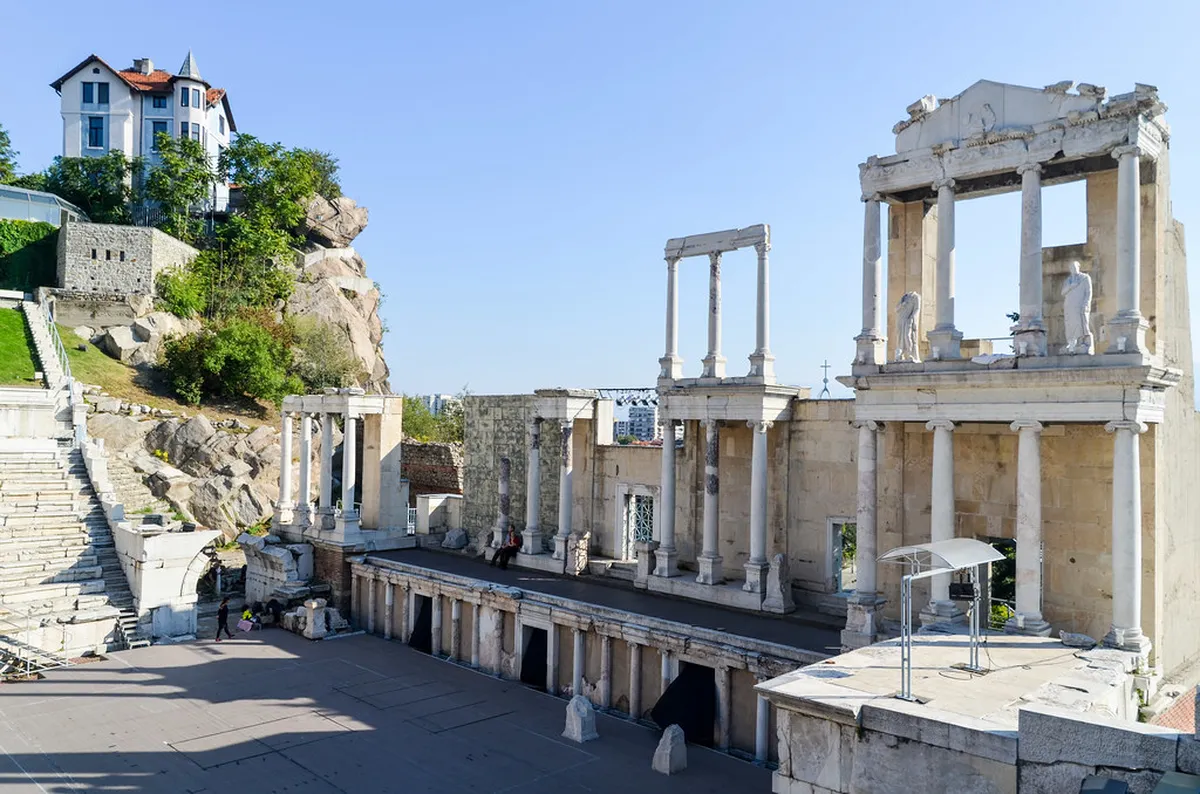
The ancient theatre Plovdiv is the city's clearest meeting point between Roman history and modern culture. It sits in the Old Town between Taksim Tepe and Dzhambaz Tepe, with marble seats facing the stage, the city, and the Rhodope Mountains beyond. Visitors come for the archaeology during the day, but the same venue still hosts opera, theatre, folklore, and rock concerts after dark. That living use is what makes the Ancient Theatre of Philippopolis feel different from a static ruin.
History of the Ancient Theatre of Philippopolis
The Ancient Theatre of Philippopolis was one of the main public buildings of Roman Philippopolis, the city also known as Trimontium. Most official local material dates the theatre to the 90s of the first century AD, during the reign of Emperor Domitian, when Titus Flavius Cotis governed the city and oversaw major construction. Some guides place the building in the early second century under Trajan, so the safest reading is that the monument belongs to the high Roman period when Philippopolis was a powerful Thracian and imperial center.
The site also carries older religious meaning. Local tradition and archaeological notes connect the slope with a sanctuary of the Thracian goddess Bendis before the theatre was built. That explains why the position feels deliberate rather than merely practical: the Romans used a natural saddle between two hills, but they also inherited a place already tied to ritual and public gathering. Our Plovdiv Roman Theater goes deeper into the restoration story and the site's role in Roman Philippopolis.
The theatre was used for drama, music, civic gatherings, and possibly gladiatorial or hunting spectacles. It remained active until the end of the fourth century, then disappeared under later layers of the city after damage and burial. Archaeological work from 1968 to 1979 revealed the marble seating, stage fragments, inscriptions, and passages that visitors see today. The restored monument reopened as both a tourist site and a working stage in the early 1980s.
For a sense of the scale, marble seating, and stage setting before you visit, this walkthrough from a local Plovdiv guide gives a good feel for the venue:
Key Architectural Features and Design
The theatre follows the classic ancient plan of cavea, orchestra, and scaenae frons. The cavea is the open seating area, arranged in 28 concentric marble rows and divided by stairways into wedge-shaped blocks. Capacity estimates vary by source, but most local and travel guides place the ancient audience at about 5,000 to 6,000 people. From the upper rows, the seats look south across the stage and toward the Rhodope Mountains.
The orchestra is the horseshoe-shaped space in front of the stage, while the scaenae frons is the architectural backdrop behind it. Columns, porticoes, statues, and inscriptions projected the wealth and status of Roman Philippopolis. Much of the visible backdrop was reconstructed from original fragments recovered during excavation. According to Lost in Plovdiv - Ancient Theatre, the inscriptions and preserved stelae are among the details that make the site especially rich.
The seating also preserves a social map of the city. Greek inscriptions marked places for officials, city districts, and honored groups, so the best seats were not simply a matter of arriving early. The honorary lodge above one of the vaulted passages shows how rank was built into the architecture. For modern visitors, those inscriptions are one of the strongest reminders that the theatre was a civic institution as much as an entertainment venue.
Ancient Theatre of Plovdiv: Key Facts at a Glance
If you only have a moment before you go, here is the short version of what makes the Ancient Theatre of Plovdiv worth a stop, drawn from the detail in the sections above.
| Built | High Roman period, most likely the 90s AD under Emperor Domitian |
| Ancient name | Theatre of Philippopolis (Roman Trimontium) |
| Seating capacity | About 5,000 to 6,000 in 28 concentric marble rows |
| Location | 4 Tsar Ivaylo Street, Plovdiv Old Town Visitor Guide |
| Adult ticket (2026) | 7 BGN / 3.58 EUR (3 BGN / 1.53 EUR students) |
| Time to visit | 45 to 60 minutes for the daytime site |
Visiting the Ancient Theatre: Practical Information
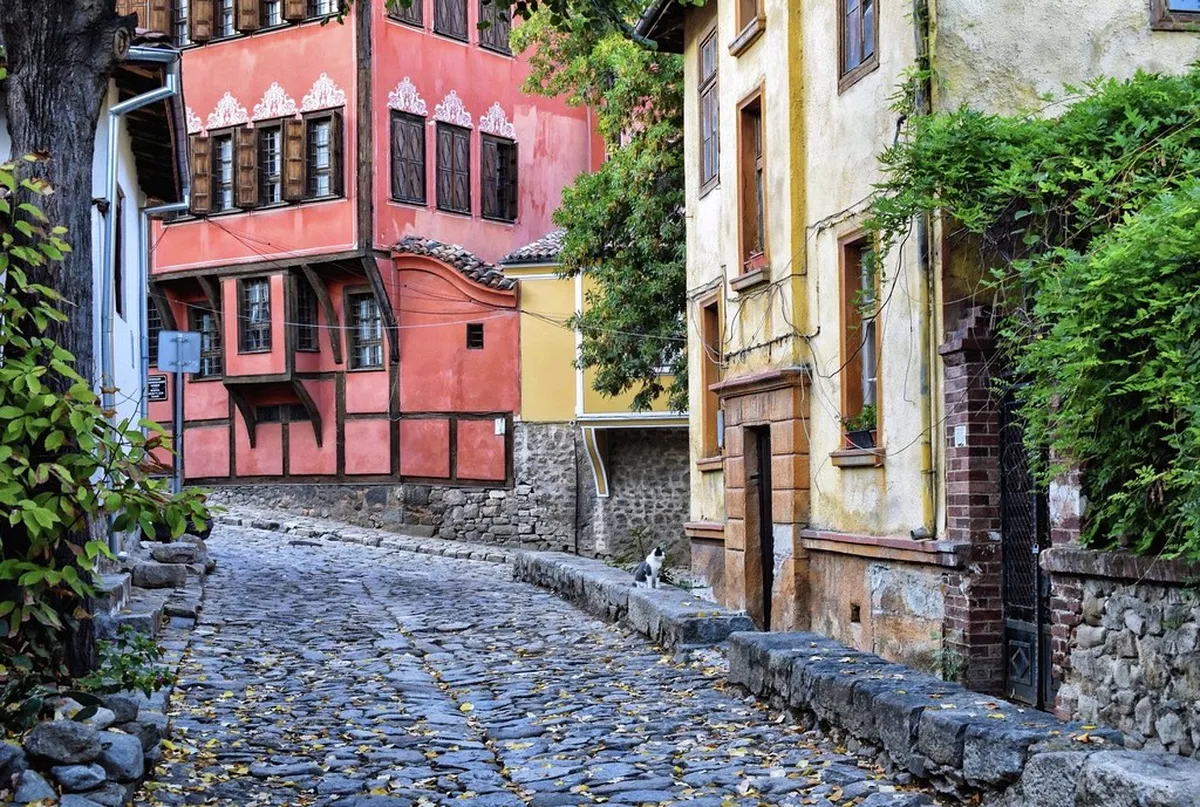
The main entrance is at 4 Tsar Ivaylo Street, high in Plovdiv Old Town. It fits naturally into a walk through the Revival houses, Hisar Kapia, and the cobbled lanes covered in our Plovdiv Old Town Guide: Architecture, History, and Travel Tips. Most visitors need 45 to 60 minutes for the seating rows, stage view, and photos from the upper edge.
For 2026 planning, standard tickets for most Old Plovdiv sites, including the Ancient Theatre, are listed at 7 BGN / 3.58 EUR for adults and 3 BGN / 1.53 EUR for school children or students. A family ticket for parents with children aged 7 to 16 is listed at 14 BGN / 7.16 EUR. School children, students, and seniors usually have a free-visit day on the first Thursday of each month, while children under 7 and visitors with more than 50 percent disability are listed as free.
Opening hours are seasonal. From November to March, the usual schedule is 09:00 to 17:30, Monday to Sunday. From April to October, the usual schedule is 09:30 to 18:00, with a lunch break from 12:30 to 13:00. Summer evening performances use separate tickets, seating plans, and entry rules.
💡 Good to know: From April to October the site closes for a short lunch break between 12:30 and 13:00, which can wreck a tight Old Town route. Arrive before 11:00 or after 13:00 so you are not turned away at the gate, and remember that summer evening performances run on entirely separate tickets and entry rules from the daytime visit.
How to Get to the Ancient Theatre
The theatre sits high in Plovdiv Old Town, so there is no car access at the entrance and no dedicated parking on its doorstep. Most visitors arrive on foot from the pedestrian center: walk up from Dzhumaya Square or the main shopping street and follow the cobbled lanes uphill past the Revival houses toward 4 Tsar Ivaylo Street. The climb is short but steep, and the final approach is on uneven cobbles. If you are coming from the lower city, the gateway at Hisar Kapia is the most scenic way in and connects directly to the route in our Plovdiv Old Town Guide: Architecture, History, and Travel Tips. Because the streets are narrow and pedestrian, allow a few extra minutes versus the map distance, and wear shoes with grip in wet weather.
The best light for photography is late afternoon, when the marble warms and the Rhodope Mountains sit behind the stage. In July and August, morning is more comfortable because shade is limited. Travelers following a Plovdiv 3-day itinerary can place the theatre near the end of an Old Town day, then stay nearby for dinner or a show.
- Bring shoes with grip because the marble rows and cobbles around the entrance can be slippery after rain.
- Use a phone or small camera freely, but ask at the ticket desk before using tripods, professional equipment, or filming gear.
- Avoid drones unless you have explicit local permission; the site is an active cultural monument and performance venue.
- Buy performance tickets separately from the daytime entry ticket, especially during Opera Open and other summer events.
Planning Around Steps, Seating, and Weather
The theatre is beautiful because it is built into a hill, but that same setting creates practical limits. The approach through the Old Town includes uneven cobbles, slopes, and narrow streets, then the theatre itself has steep marble seating. Visitors with limited mobility should ask at the entrance which areas are open and easiest to reach that day. The upper viewpoint may be simpler than descending into the seating bowl.
The common first-timer mistake is arriving at noon in summer. The site has little shade, the stone gets hot, and the lunch break can interrupt a tight route. Go before 11:00 for cooler conditions, or after 16:30 for better photos. For evening shows, bring a small cushion or folded jacket because the stone seats are hard during a long opera or concert.
The Theatre Today: Performances and Events
The Ancient Theatre is still one of Plovdiv's most important stages. Opera Open uses the venue for major summer productions, and the 2026 season is scheduled from late June into early September with opera, ballet, musicals, and large concerts. Folklore festivals, rock events, theatre nights, and civic ceremonies also use the stage when preservation rules allow. Check the Plovdiv Events 2026 calendar before locking your dates.
The venue works so well because ancient design and modern production support each other. The natural acoustics of the seating bowl help voices carry, while lighting and sound equipment make larger contemporary shows possible. The marble stage backdrop gives performances a setting that no indoor hall can copy. That is why the theatre remains one of the top Best Things to Do in Plovdiv, even for travelers who do not usually plan trips around archaeology.
Daytime and evening visits feel very different. During the day, you notice the engineering, inscriptions, stage fragments, and views over Plovdiv. At night, the site becomes a working auditorium, and the audience sits inside the monument rather than looking at it from outside. Buy ahead for popular weekends, named operas, international artists, and peak summer dates.
How to Book Tickets for a Performance in 2026
Performance tickets are completely separate from the daytime entry ticket, and the daytime ticket does not admit you to an evening show. For the 2026 Opera Open season, scheduled from late June into early September, tickets are released ahead of the run and the most popular nights — named operas, international artists, and weekend concerts — sell out first. Book online or through the official venue box office as soon as the program is published rather than waiting to buy at the gate. Seating in the marble bowl is by category, with the lower rows nearest the stage carrying the highest prices, so check the seating plan before you choose. Confirm the exact line-up and dates on the Plovdiv Events 2026 calendar before you commit to travel dates, because the schedule is finalized season by season.
💡 Good to know: The marble seats are hard and the show can run long, so bring a small cushion or a folded jacket for an evening opera or concert. Evenings cool quickly even in summer, so a light layer is worth packing too.
The EX MACHINA Festival: A Modern Return to Roots
The EX MACHINA Festival gave the theatre a focused return to ancient drama from April 3 to April 5, 2025. Instead of using the site only as a dramatic backdrop, the festival centered the kinds of myth, ritual, and civic storytelling that made ancient theatre important in the first place. The program brought together Bulgarian, Greek, and Italian performers, with youth theatre groups sharing the stage with professional productions. Details were published through the EX MACHINA Festival event page.
The strongest theme was the link between classical texts and modern questions. Ovid's Metamorphoses appeared through a one-person Bulgarian performance, while Greek and Bulgarian productions explored memory, identity, Orpheus, and Eurydice. The festival name references deus ex machina, the ancient stage device in which a god appears by machine to resolve impossible conflict.
EX MACHINA also moved beyond the theatre itself. The final day included talks and a roundtable at the Bishop's Basilica of Philippopolis, connecting ancient performance with mosaics, archaeology, media, cinema, and contemporary thought.
For travelers planning a 2026 trip, the lesson from the 2025 edition is to watch for one-off cultural events as well as the regular summer program. Festivals like EX MACHINA are usually announced only a few months out and run for a handful of days rather than the whole season, so they are easy to miss if you only check the headline Opera Open dates. Before you lock your travel dates, scan the Plovdiv Events 2026 calendar for both the recurring summer productions and any short, theme-driven festivals that may land during your stay.
Nearby Roman Attractions in Plovdiv
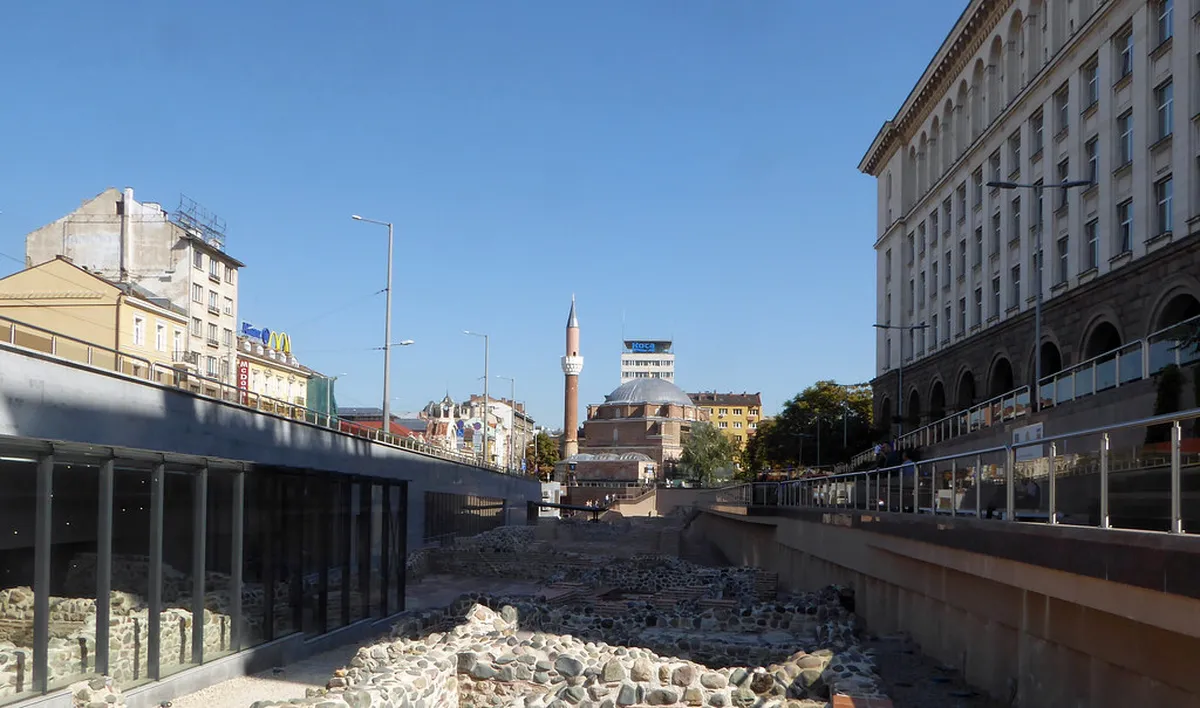
The theatre makes most sense when you connect it with the rest of Roman Philippopolis. Walk downhill to the Plovdiv Roman Stadium: A Complete Visitor Guide at Dzhumaya Square, where part of the ancient sports arena remains visible below the modern pedestrian zone. The Roman Forum and Odeon sit closer to the Central Post Office and show the administrative side of the city. The Bishop's Basilica, with its large mosaic floors, adds the early Christian layer that followed Roman urban life and features in our 10 Best Museums in Plovdiv.
If you have half a day, pair the Ancient Theatre with the Roman Stadium and Old Town lanes. If you have a full day, add the Forum, Odeon, and Bishop's Basilica, then leave time for a coffee or meal in Kapana or the pedestrian center. Use this quick comparison when deciding how much to include:
- The Ancient Theatre usually needs 45 to 60 minutes, costs about 7 BGN / 3.58 EUR for adults, and is best for architecture, views, inscriptions, and live performances.
- The visible Roman Stadium area can be seen in 15 to 30 minutes from Dzhumaya Square, while paid multimedia access takes longer and suits travelers who want context on ancient games.
- The Bishop's Basilica usually needs 45 to 75 minutes, costs more than most Old Plovdiv sites, and is best for mosaics, early Christian history, and indoor time during hot or rainy weather.
- The Roman Forum and Odeon can be viewed quickly from the street, but history-focused visitors should allow 30 to 45 minutes to understand how the civic center connected with the rest of the ancient city.
For cluster planning, the theatre is the anchor Roman site, but it should not be the only stop. A balanced day works best with one Roman landmark, one Old Town walk, one modern neighborhood, and one relaxed meal instead of rushing every ruin in a single afternoon.
2026 Events at the Ancient Theatre of Plovdiv
The 2026 performance season makes this the most compelling year in recent memory to time a Plovdiv visit around the ancient theatre. The venue functions as a working auditorium from late spring through early autumn, and the program spans a wide range of genres: classical opera, ballet, musicals, folk showcases, rock concerts, and civic ceremonies all share the same marble stage.
Opera Open is the headline event, scheduled from late June into early September for 2026. It is the largest open-air opera festival in Bulgaria and draws productions that routinely sell out the marble seating bowl well in advance. Seating is arranged by category — the lower rows nearest the stage command the highest prices — so check the seating plan before booking rather than just choosing the cheapest available category. Popular nights featuring internationally known performers or named operas have sold out in previous seasons, so book as early as the program is published rather than waiting for the gate.
Beyond Opera Open, watch the Plovdiv Events 2026 calendar for the EX MACHINA Festival. The 2025 edition ran for three days in early April and brought together Bulgarian, Greek, and Italian performers exploring classical myths and ancient drama. The 2026 edition, if confirmed, is likely to follow a similar spring window — but one-off festivals like this are typically announced only a few months out and run for just a few days, so they are easy to miss if you only track the summer headline program.
For evening performances, a few practical points matter regardless of the event:
- Performance tickets are entirely separate from the daytime entry ticket; a daytime visit does not admit you to an evening show.
- Bring a small cushion or folded jacket — the stone seats are hard during a full-length opera or concert.
- Evenings cool quickly even in July and August, so a light layer is worth packing.
- Arrive early enough to find your row before the house lights dim; the seating bowl has no aisle lighting once a show starts.
Check the Plovdiv Events 2026 calendar and the official Opera Open schedule before locking your travel dates, as the full program is confirmed season by season.
Continue planning: Use Best Things to Do in Plovdiv and 7 Steps to Visit Bachkovo Monastery from Plovdiv to connect this guide with the rest of your Bulgaria itinerary.
Frequently Asked Questions
What Is EX MACHINA?
The EX MACHINA Festival is a modern cultural event that brings ancient Greek and Roman dramas back to the Plovdiv stage. Its 2025 edition ran in early April with performances drawing on works by writers such as Ovid, and it pairs Bulgarian, Greek, and Italian productions with youth theatre. It highlights the theatre's enduring legacy as a living venue for world-class storytelling, so check the local events calendar to see whether a 2026 edition or a similar one-off festival overlaps your visit.
How much do tickets for the Ancient Theatre of Plovdiv cost?
For 2026, standard entry tickets for the Ancient Theatre are listed at 7 BGN / 3.58 EUR for adults and 3 BGN / 1.53 EUR for school children or students, with a 14 BGN / 7.16 EUR family ticket. Prices for specific performances or festivals like the Opera Open are separate and vary by seating category. You can buy daytime tickets directly at the entrance gate in the Old Town, but performance tickets should be booked ahead.
Is the Ancient Theatre of Plovdiv still used for performances?
Yes, the theatre remains one of the most active ancient venues in the world today. It hosts a wide variety of events including opera, rock concerts, and traditional folklore festivals throughout the summer months. Watching a live show here is considered a must-do experience for visitors to Bulgaria.
How much time should you plan for visiting the theatre?
Most tourists find that 45 to 60 minutes is sufficient to explore the seating areas and take photographs. If you are a history enthusiast, you might want extra time to read the informational plaques. Plan for a longer stay if you are attending an evening performance or a guided tour.
What is the best time of day to visit the Plovdiv Roman Theatre?
The late afternoon is the ideal time to visit because the sun creates a beautiful glow on the marble. This timing also provides the Best Views in Plovdiv: Hilltop Viewpoints & Panoramas (2026 Guide) as the sun sets behind the Rhodope Mountains. Morning visits are also recommended during the summer to avoid the midday heat.
How do you get to the Ancient Theatre of Plovdiv?
The theatre is at 4 Tsar Ivaylo Street, high in Plovdiv Old Town, so you reach it on foot rather than by car. Walk up from Dzhumaya Square or the main pedestrian street and follow the cobbled lanes uphill, or enter through the historic Hisar Kapia gate for the most scenic approach. The climb is short but steep on uneven cobbles, so allow a few extra minutes and wear shoes with grip.
The ancient theatre Plovdiv is much more than just a collection of old marble ruins. It serves as a vibrant bridge between the Roman past and the cultural future of Bulgaria. Whether you visit for the history or a live show, the experience is memorable. Make sure to include this legendary site on your next trip to the city of seven hills.