Plovdiv Weather & Best Time to Visit
The best time to visit Plovdiv for most travelers is mid-May to mid-June or mid-September to mid-October. These windows give you warm days, cooler evenings, long enough daylight, and better walking conditions for the hills, Roman ruins, and cobbled streets. They also sit outside the most expensive festival peaks, which matters if you want a central hotel near the Old Town or Kapana.
For a visual preview of Plovdiv's streets and neighborhoods during the autumn season, watch this 4K walking tour:
Plovdiv sits in the Thracian Valley, so the city feels hotter in summer and damper in winter than many first-time visitors expect. July and August can be punishing for daytime sightseeing, while December to February often bring fog, cold air, and valley inversions. According to Climates to Travel’s Plovdiv guide, the city has hot summers, cold winters, and moderate rainfall spread through the year.
For a first trip, plan your dates around walkability first, then events. Use this guide alongside a broader Best Things to Do in Plovdiv plan, because the best season changes if you are coming for Opera Open, wine harvest trips, photography, museums, or a compact city break.
When Is the Best Time to Visit Plovdiv Overall?
Choose late spring if this is your first visit and you want the safest balance. From mid-May to mid-June, daytime temperatures usually sit around 21-27°C / 70-81°F, the hills are green, and the light is strong without the hard glare of midsummer. It is the easiest period for a full Plovdiv 1-Day Itinerary because you can be outside for most of the day.
Choose September if you prefer warmer evenings, wine-country energy, and slightly calmer streets after the summer holiday peak. The grape harvest starts across the Thracian Valley, restaurants stay lively, and the Old Town is still comfortable before the dampness of late autumn. September is also one of the best months for golden-hour photography from Nebet Tepe Visitor Guide and the hill viewpoints.
July and August are best only if your trip revolves around festivals, nightlife, or outdoor performances. Winter is best for low prices, museums, and quiet streets, but it is less suitable for a first-time sightseeing trip because cold mist and short days reduce the pleasure of wandering.
| Season | Weather | Crowds | Prices | Best for |
|---|---|---|---|---|
| Spring (April to May) | Mild, fresh, sometimes rainy | Moderate | Medium | Walking, gardens, Old Town sightseeing |
| Summer (June to August) | Hot to very hot, often above 30°C / 86°F | High | High | Opera Open, terraces, nightlife |
| Autumn (September to October) | Warm then cooler, generally stable | Moderate to low | Medium | Photography, wine harvest, relaxed city breaks |
| Winter (November to March) | Cold, damp, sometimes foggy | Low | Low | Museums, budget trips, quiet streets |
Plovdiv Weather by Season: What to Expect
Spring: Best for Sightseeing
April can still be changeable, with showers and cool mornings, but by May Plovdiv becomes one of Bulgaria's easiest city breaks. The trees around Tsar Simeon Garden Visitor Guide fill out, outdoor cafes reopen properly, and the steep lanes above the center feel manageable. Bring a light rain layer because wet cobblestones in the Plovdiv Old Town Guide: Architecture, History, and Travel Tips area can be slick.
Summer: Best for Events
June starts well for sightseeing, but July and August often push daytime highs above 30°C / 86°F. Plan Roman ruins, hill climbs, and market walks before 11:00, then use the hottest hours for lunch, museums, or a shaded cafe. The narrow streets of the Kapana Plovdiv Guide help in summer because they create shade, but they can also feel packed on festival weekends.
Autumn: Best for Photography and Wine
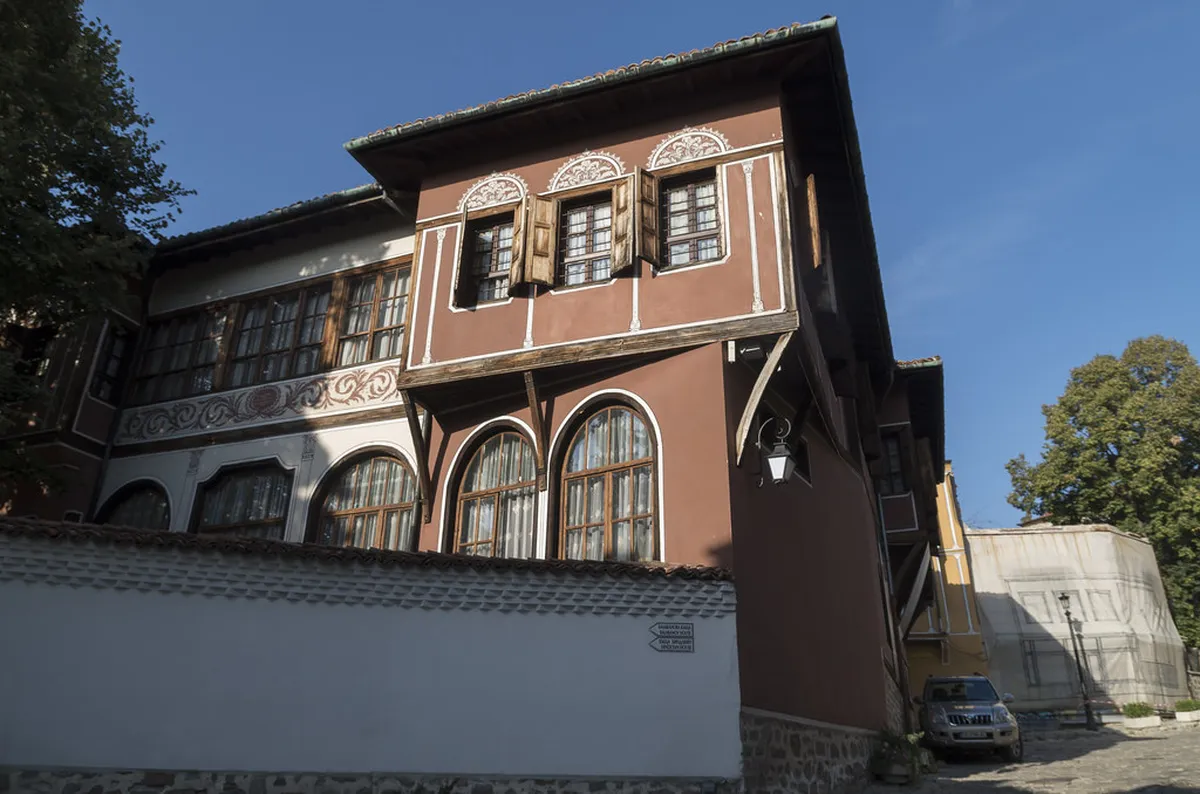
September is warm without the worst summer heat, and October is cooler but still practical for walking. This is the strongest season for photographers because the lower sun works well over the Roman Theatre, Nebet Tepe, and the colorful Revival-era houses. It is also the right time to consider a 9 Best Plovdiv Wineries Day Trip Stops, since harvest activity in the Thracian Valley usually runs through September and October.
Winter: Best for Museums and Low Prices
Winter in Plovdiv is not usually about deep snow; it is about cold, damp air and occasional valley fog. Daytime highs often sit around 3-8°C / 37-46°F, and the chill feels stronger when you are walking exposed hilltops or stone streets. If you visit from December to February, build the day around museums, galleries, warm taverns, and shorter outdoor loops.
Best Time for Festivals and Cultural Events
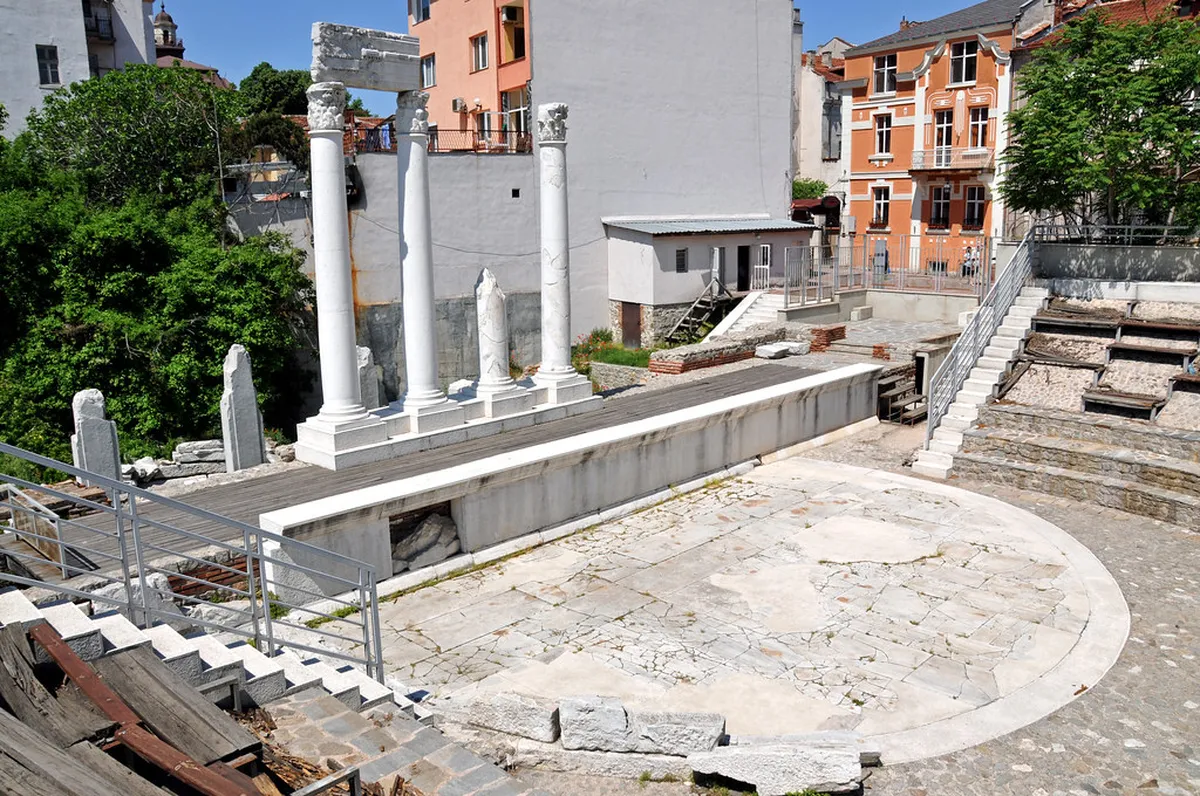
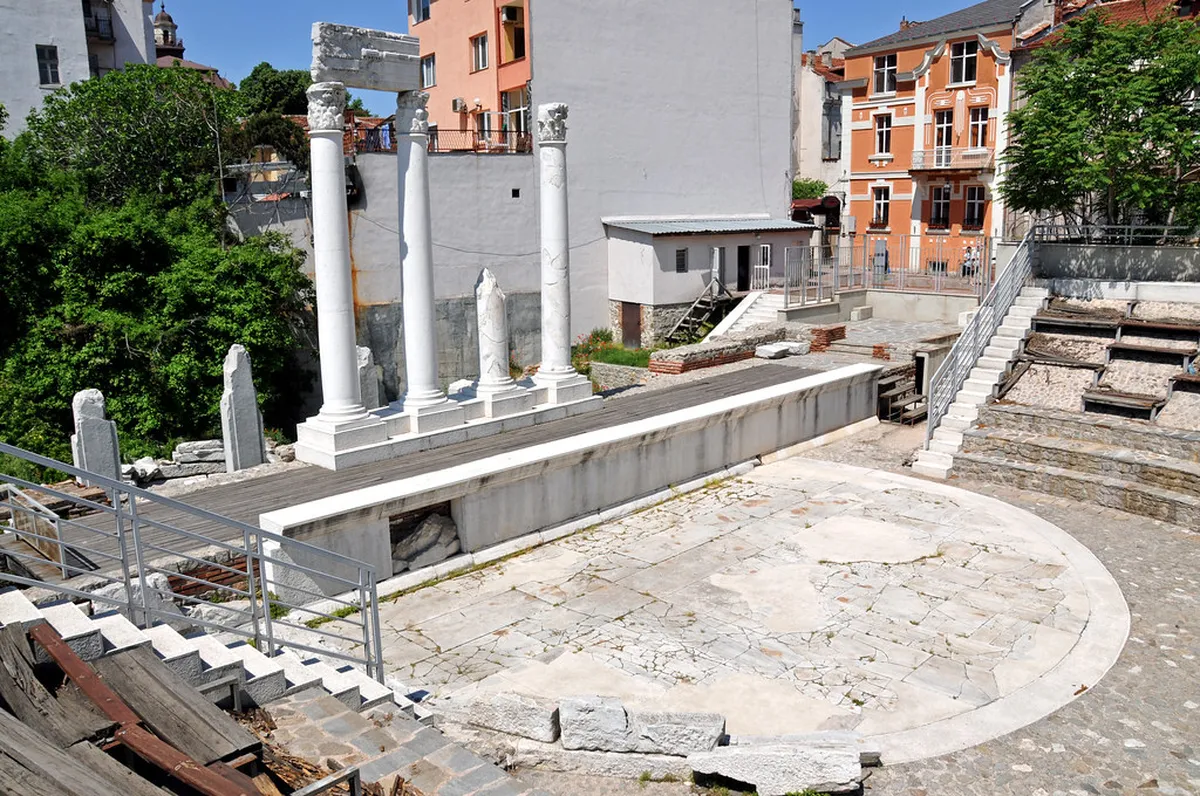
The best time for Plovdiv festivals is June through September, with a second cultural bump in November. Opera Open is the signature summer draw, usually staged at the ancient venue covered in this Plovdiv Roman Theater. If you want that open-air Roman Theatre setting, expect higher hotel demand around late June and July.
Kapana events, street-food weekends, and design markets are usually strongest in late spring, early summer, and early autumn. These dates are excellent if you want modern Plovdiv rather than only ruins and museums, but the small lanes can become slow to move through. Check the 9 Best Plovdiv Events 2026 before booking because exact festival weekends can shift from year to year.
November is cooler, yet it has a real cultural advantage because Plovdiv Jazz Fest and indoor programming make evenings feel intentional rather than off-season. It is a good month for repeat visitors who have already seen the outdoor landmarks and want restaurants, galleries, and music without summer crowds.
Crowd Levels and Prices Throughout the Year
Peak demand runs from late June through August, especially around Opera Open, school holidays, and major weekends. Well-located rooms in the Old Town and central Kapana area can jump sharply during headline event dates, while restaurants with terraces become harder to book at short notice. According to this Bulgaria seasonal guide, summer is also the busiest period nationally.
May, early June, September, and early October are the value sweet spots. You still get outdoor dining and enough warmth for long walks, but hotel availability is usually better and the main pedestrian street feels less compressed. This is the easiest window if you want to combine ruins, food, and a relaxed evening route through central neighborhoods.
Winter is the cheapest period, but compare savings against daylight and weather. A low hotel rate is useful if you are happy with museums and cafes, yet it may not compensate for foggy mornings if your priority is photography or hilltop views. For a first visit, shoulder season usually gives better total value than the lowest nightly price.
How to Choose the Right Season for Your Travel Style
If this is your first time in Plovdiv, choose late spring or early autumn. Those periods make the city feel open and easy: you can walk from the Roman Stadium to Kapana, climb toward the Old Town, and still have energy for dinner. They are also the best months if you are still deciding Is Plovdiv Worth Visiting? 10 Reasons to Visit Bulgaria’s Oldest City as a standalone city break rather than a quick stop from Sofia.
Choose summer if atmosphere matters more than comfort. You will get warm nights, busier terraces, outdoor shows, and a stronger social feel, but you need to design the day around heat. In July and August, a practical schedule is outdoor sightseeing from 08:00 to 11:00, a long indoor break, then a second walk after 18:00.
Choose winter if you want a quiet, low-cost trip and do not mind a more local pace. It suits museum-focused travelers, remote workers, and repeat visitors better than first-timers. For families or older travelers, avoid building a winter itinerary around long hill climbs because damp stone and cold wind can make short distances feel harder.
Best Time to Visit Bulgaria: Regional Context
Plovdiv does not always follow the same best-season logic as the coast or the mountains. The Black Sea is strongest in July and August, when Plovdiv can feel too hot for long city walks. The Rila, Pirin, and Rhodope mountain areas are cooler in summer and more snow-dependent in winter, while Plovdiv remains a year-round urban destination.
For a Bulgaria itinerary that combines Sofia, Plovdiv, Veliko Tarnovo, and the Rhodope Mountains, late May, June, September, and early October are the safest choices. Roads are generally practical, city sightseeing is comfortable, and mountain or monastery day trips are easier than in winter. This is why many Bulgaria travel planners treat shoulder season as the best time to visit Bulgaria overall, not only Plovdiv.
If your trip includes the Thracian Valley, autumn has a specific advantage. September and October connect Plovdiv with wine harvest activity, warmer colors, and easier countryside touring. If your trip is mostly Black Sea beaches, however, summer may still be the better national choice even though it is less comfortable in Plovdiv itself.
What to Wear, Daylight, and Local Weather Quirks
Footwear matters more in Plovdiv than in flatter Bulgarian cities. The Old Town has steep, uneven stones that become slippery after rain, so choose grippy walking shoes in every season. In spring and autumn, carry a compact rain layer; in summer, wear breathable fabrics and plan shaded stops around Kapana or a long lunch on one of the central food streets.
Daylight also affects how much you can see. June gives roughly 15 hours of daylight, September gives about 12.5, and December drops close to 9. This matters for photographers planning Nebet Tepe, the Roman Theatre, or blue-hour views; in winter, schedule hilltop photos earlier than you would in Western Europe.
The most overlooked winter issue is air quality. Cold inversions in the Thracian Valley can trap mist and pollution over the city, especially on still mornings. If you have asthma or want crisp panoramic photos, keep a flexible plan in December and January and save hill viewpoints for clearer afternoons.
What's Closed or Limited in Low Season
Plovdiv is a real city, so it does not shut down in winter. Main museums, central restaurants, public transport, taxis, and most year-round cafes keep operating. What changes is the outdoor layer: terraces shrink, seasonal kiosks close, and the Roman Theatre no longer has the same open-air performance calendar.
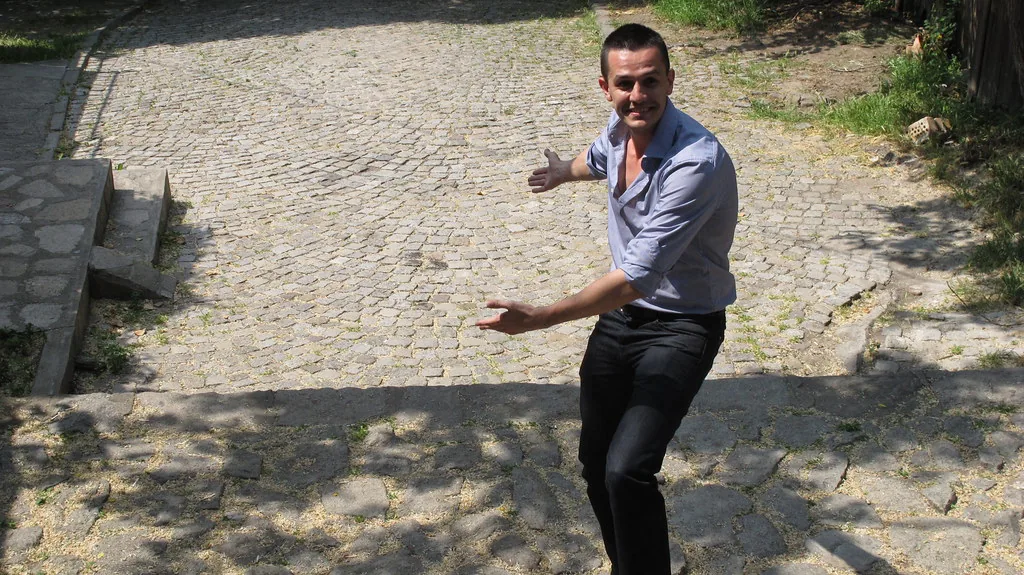
Some smaller galleries and house-museums may use shorter hours in January and February, so check same-week schedules before walking uphill. The rowing canal area and some park-side cafes also feel much quieter outside warm months. This is not a problem if you plan a compact indoor route, but it does make winter less ideal for a first visit built around open-air wandering.
Continue planning: Use Best Things to Do in Plovdiv and Ancient Theatre Plovdiv 2026: Tickets, Events & History to connect this guide with the rest of your Bulgaria itinerary.
Frequently Asked Questions
What is the hottest month in Plovdiv?
July is typically the hottest month in Plovdiv. Temperatures often reach 34°C / 93°F during the day. It is best to sightsee in the early morning to avoid the peak heat.
Does it snow in Plovdiv?
Yes, Plovdiv receives occasional snowfall between December and February. However, it rarely stays on the ground for more than a few days. The city is more prone to cold mist than heavy snow.
When is the best month for walking tours in Plovdiv?
May and September are the best months for walking tours. The temperatures are mild and the daylight hours are long enough for full-day exploration. You will enjoy the most comfortable conditions for the city's steep hills.
Choosing when to visit Plovdiv depends on whether you value vibrant festivals or quiet, budget-friendly exploration. The shoulder seasons of late spring and early autumn offer the most reliable weather for most travelers. I highly recommend the month of September for its beautiful light and the local wine harvest energy. No matter when you go, this ancient city will captivate you with its deep history and creative spirit.
Keep the local weather quirks like summer heat and winter inversions in mind while planning your trip. Pack the right shoes for those Roman stones and prepare for an unforgettable Bulgarian adventure. Plovdiv is a city that rewards those who take the time to wander its hills and hidden corners. Enjoy your journey to one of the oldest continuously inhabited cities in all of Europe.