Ancient Serdica Archaeological Complex Visitor Guide
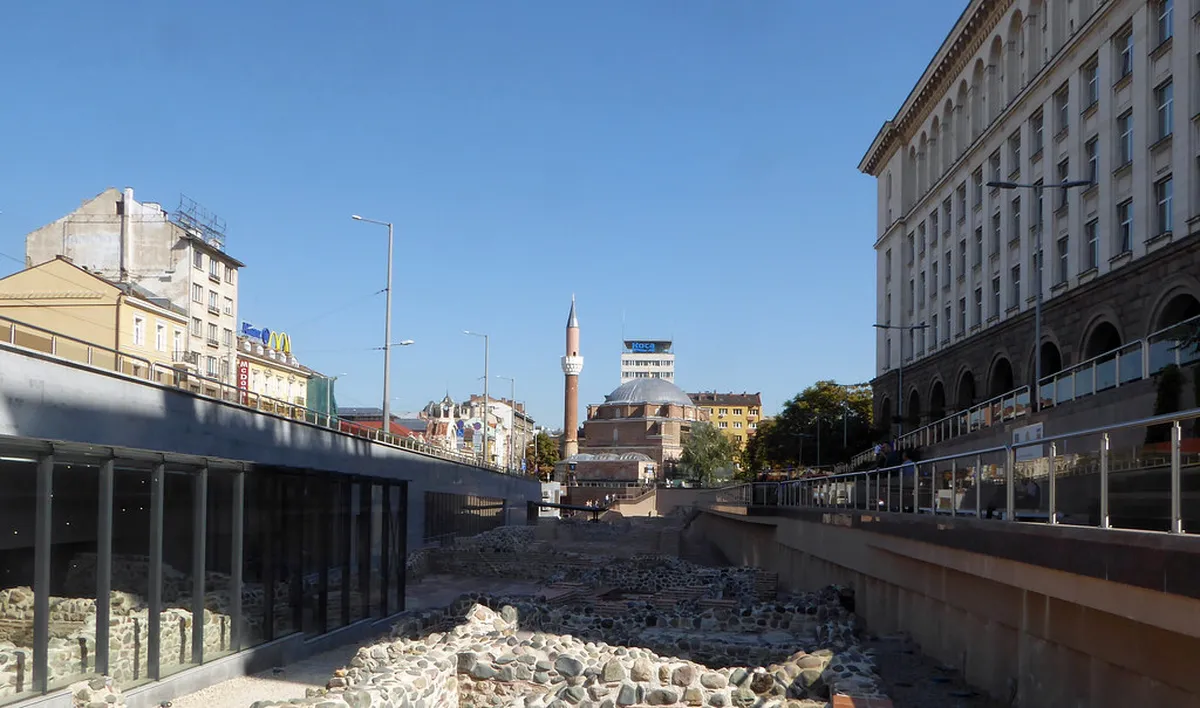
The Ancient Serdica Archaeological Complex stands as a remarkable testament to the Roman history buried beneath modern Sofia. This sprawling site allows travelers to walk through the streets of an ancient empire without leaving the city center.
This aerial and ground-level tour video gives you a preview of the ruins layout and interior passages before you visit:
Using an ancient serdica archaeological complex visitor guide helps you navigate the layers of history found right under the bustling Largo area. You can explore stone pathways that date back nearly two thousand years while the metro hums nearby.
Sofia has done an incredible job of blending its Roman past with contemporary urban life for all to enjoy. This guide will ensure you see every hidden corner of this underground treasure during your next trip to Bulgaria.
Must-See Ancient Ruins and Highlights
The heart of the complex is the decumanus maximus, the main east-west street of Roman Serdica, still paved with its original stone slabs. Walking this route under Nezavisimost Square gives you a direct line back to the citizens who used it roughly 1,700 years ago.
Around the street you can see the remains of large residential buildings that once belonged to the city's wealthier residents, including brickwork and hypocaust underfloor heating systems. The eastern and western gates of the old fortress mark the original defensive perimeter and show the scale of the walls that once protected this administrative hub.
History lovers should pair a visit with the St. George Rotunda, a five-minute walk away and the oldest standing building in Sofia. Its red brick walls and preserved medieval frescoes make it a natural next stop after the underground ruins.
Museums, Mosaics, and the Indoor Exhibition
The paid indoor Archaeological Exhibition, run by the Sofia History Museum on Knyaginya Maria Luiza Boulevard, protects six Roman streets, two early Christian basilicas, and a set of thermae (Roman baths) beneath the modern boulevard. Five buildings from the 4th-to-6th-century elite quarter survive here, including the Felix mosaic and the Episcopal basilica linked to Bishop Protogenes.
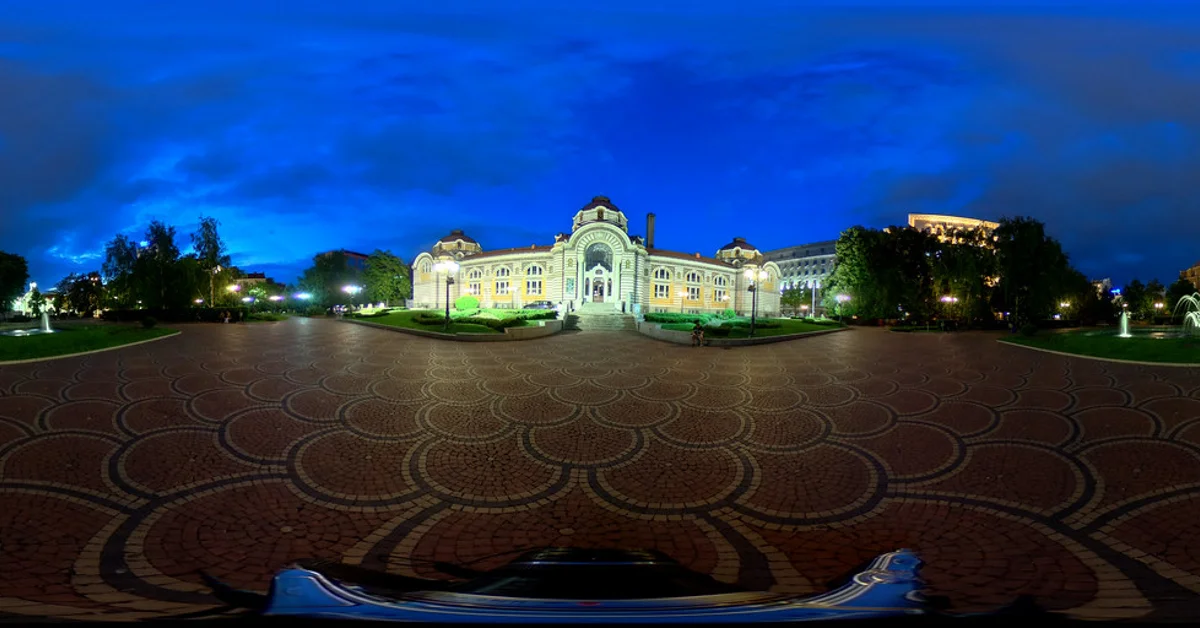
The Regional History Museum of Sofia, housed in the restored Central Mineral Baths building beside the ruins, adds further context with Roman pottery and everyday objects recovered during excavation. For a wider view of Bulgarian history beyond Serdica, the National History Museum, Sofia Visitor Guide on the city's southern edge is worth a half-day.
Large glass domes over parts of the complex let natural light reach the underground streets while keeping the stonework protected, so the museum sections feel closer to daylight archaeology than a typical basement gallery.
Getting There and the Best Time to Visit
Serdika metro station sits directly above and around the ruins, at the interchange of metro lines M1 and M2, making the complex one of the easiest attractions in Sofia to reach without a car. Multiple tram and bus routes also stop on Nezavisimost Square and along Maria Luiza Boulevard within a couple of minutes' walk.
Arrive before 09:00 to see the open-air Largo zone before the morning commuter flow through the underpass picks up, or after 19:00 once the evening rush has cleared. Early morning and the hour before sunset also give the best light through the glass domes for photos of the stonework.
Because the underground sections stay naturally cool, the complex doubles as a good midday retreat from Sofia's summer heat, when surface temperatures can climb into the low 30s Celsius during July and August.
Accessibility and First-Time Visitor Mistakes
The two zones behave differently for anyone using a wheelchair or pushing a stroller. The indoor Archaeological Exhibition on Maria Luiza Boulevard has flat, level museum flooring throughout, while the open-air Largo zone around Nezavisimost Square includes original uneven paving stones and a few short steps, so it is more manageable with assistance than solo.
A common first-time mistake is turning up on a Monday expecting to see the mosaics and basilicas — the indoor exhibition is closed that day, and only the free outdoor Largo section remains open. Plan indoor visits for Tuesday through Sunday, and check the Sofia History Museum's site for any 2026 holiday closures before an off-season trip.
Another point of confusion: you do not need a metro ticket to walk through the ruins. The ancient street sections are built into the public pedestrian underpass that connects the square to the station, not the ticketed metro platforms, so you can wander in and out freely at any of the marked entrances.
Tickets, Maps, and Practical Planning Tools
Before you go, it's worth checking the Sofia History Museum's official page for the Serdica complex, which lists current indoor exhibition hours and any temporary closures for conservation work. The open-air Largo zone needs no advance planning since it has no gate, ticket booth, or timed entry.
Printed and digital maps at the metro entrances point out the main features of each zone, and the plaques throughout the site are bilingual in Bulgarian and English. If you're combining this stop with other Sofia sights the same day, download an offline map beforehand, since the underground sections have patchy mobile signal in places.
Confirm the latest indoor ticket prices and any schedule updates for 2026 on the official museum website before you head out, especially around Bulgarian public holidays when hours can shift.
Ancient Serdica Archaeological Complex
The complex was uncovered between 2010 and 2012 during reconstruction of central Sofia and construction of the city's second metro line. The finds revealed a significant stretch of the city Emperor Constantine the Great reportedly called "my Rome," a favorite among his provincial residences.
Serdica's political weight ran deeper than a nickname: in 311 AD, Emperor Galerius issued the Edict of Serdica here, formally tolerating Christianity two years ahead of the better-known Edict of Milan. That decision was made in a city already valued for its mineral springs and strategic crossroads, renamed Ulpia Serdica a few centuries earlier under Emperor Trajan.
Indoor visiting hours run Tuesday to Sunday, 10:00 to 18:00, with last admission at 17:30. Adult tickets cost approximately 6 lv, with reduced tickets around 3 lv for students, and free entry for children under 7 and seniors.
Plans like a pro. Thinks like you
Locals favor entering through the underpass beneath Nezavisimost Square rather than the main street-level stairs, since it drops you straight into the ruins without weaving through traffic crossings. From there, the walk toward Serdika metro's central hall takes you past most of the open-air highlights in sequence.
For photography, the low sun angle in the hour after sunrise or before sunset throws long shadows across the Roman stonework through the glass domes overhead — better contrast than the flat light of midday. Tripods are generally fine in the open-air zone but check with staff before setting one up inside the paid exhibition.
- Quick Facts for Your Serdica Visit
- Time: 30-60 minutes
- Price: Free (Largo) to about 6 lv (indoor exhibition)
- Location: Serdika Metro Station, Nezavisimost Square
- Era: 4th-6th Century AD, with Trajan-era origins
What Visitors Say
Visitors consistently describe the same two reactions: surprise at finding intact Roman streets built directly into a working metro station, and appreciation for how quickly the stop fits into a packed Sofia itinerary. Most first-time visitors budget 30 to 60 minutes, which matches what regular commuters report seeing on their way through the underpass.
The most common complaint is signage — a few entrances genuinely do look like ordinary metro exits, and some visitors miss the indoor exhibition entirely because it isn't obvious from street level that a separate paid entrance exists nearby. Asking at the Serdika metro information point, or following signs toward "Sofia History Museum," solves this quickly.
Nearby and in or around Sofia
The iconic Alexander Nevsky Cathedral Visitor Guide is a ten-minute walk away and pairs naturally with a Serdica visit for a first morning in Sofia. The City Garden, Sofia's oldest park, sits just in front of the National Theatre and makes a good spot to rest between the ruins and your next stop.

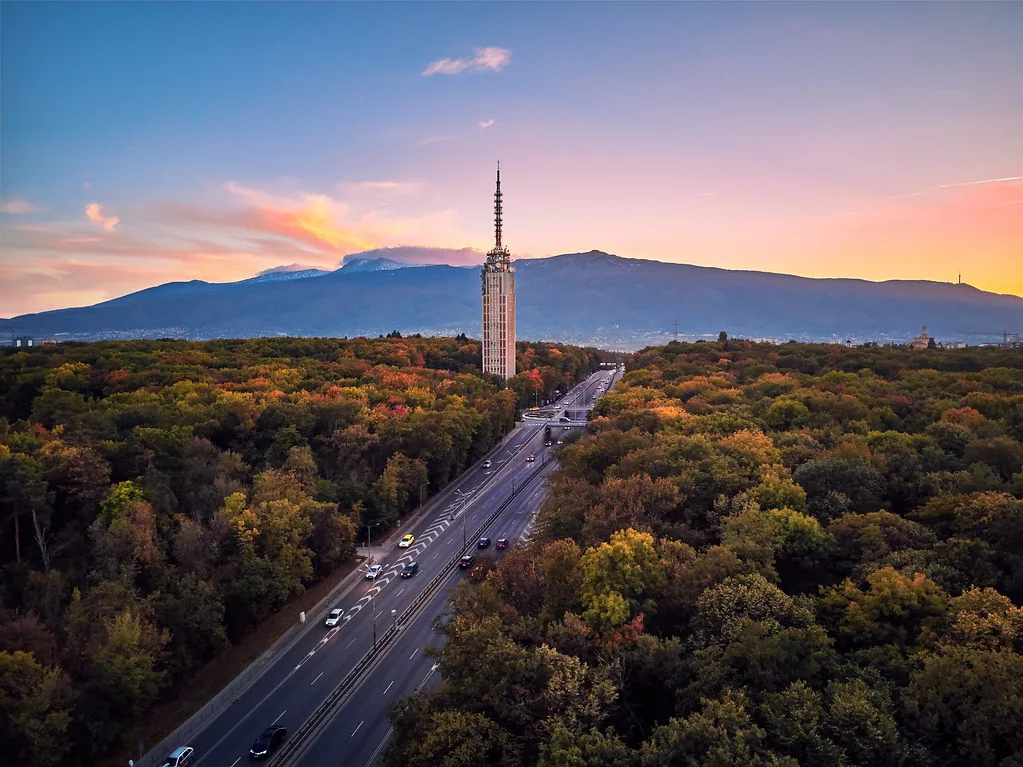
For a longer break, Borisova Gradina Visitor Guide is a pleasant walk from the city center and offers far more green space and quiet trails than the smaller downtown squares. On clear days you can see Vitosha Mountain Visitor Guide from several points near the complex, and it's an easy add-on for hikers with a spare afternoon.
Since the outdoor Largo zone costs nothing to visit, pair it with a walk down Vitosha Boulevard Visitor Guide for affordable cafes and pedestrian shopping, keeping a Serdica visit one of the best free-to-cheap mornings you can build in central Sofia.
Continue planning: Use Sofia Attractions: 12 Top Sights, Tickets & Tips to connect this guide with the rest of your Bulgaria itinerary.
Frequently Asked Questions
What are the most spectacular historic ruins in Bulgaria?
Ancient Serdica is among the most impressive sites due to its central location in Sofia. Other major ruins include the Roman Theater in Plovdiv and the ancient city of Nessebar. You can find more details on these sites in our Sofia guide.
What is serdica?
Serdica was the ancient name of Sofia during the Roman and Byzantine periods. It served as a vital administrative and trade hub in the Balkans. The city was particularly favored by Emperor Constantine the Great for its strategic location and mineral springs.
Are there any Roman ruins in Bulgaria?
Yes, Bulgaria is rich with Roman heritage found in almost every major city. Sofia, Plovdiv, and Varna all feature significant archaeological sites from the Roman era. The Serdica complex is unique because it is integrated directly into the modern city infrastructure.
A visit to the Ancient Serdica Archaeological Complex fits easily into any first day in Sofia, whether you spend ten minutes passing through the underpass or a full afternoon combining both zones. It's one of the few places in Europe where a working metro interchange doubles as an open-air Roman street.
Follow the timing and accessibility notes above and you can see the highlights without the common first-timer missteps — wrong day, missed entrance, or an unplanned metro ticket. Add it to your 2026 Sofia itinerary for a free-to-affordable stop that rewards even a short visit.
For authoritative information, refer to the Ancient Serdica Archaeological Complex on Wikipedia.
For more Sofia planning, read our Things To Do in Sofia, Bulgaria (2026 Guide) and Free Walking Tour Sofia: 10 Essential Tips and Landmarks guides.