St. George Rotunda Visitor Guide
Exploring the ancient heart of Sofia begins with a visit to the iconic St. George Rotunda church. This 2026 visitor guide covers everything you need to see this 4th-century Roman-turned-Byzantine landmark: how to find the hidden entrance, when to go, what it costs, and what the frescoes actually show. Most visitors budget only a few minutes here on the way to Alexander Nevsky Cathedral, which is exactly why so many miss it.
To get a sense of the hidden courtyard location and the interior frescoes before your visit, this walking tour shows the approach and entrance:
The church stands as a silent witness to the many empires that have shaped this vibrant Balkan capital — Roman, Byzantine, Ottoman, and modern Bulgarian. You can reach it on foot in minutes from the Largo, the government quarter at the center of the city, tucked into a courtyard that most tourists walk straight past. Planning your visit for late morning on a weekday helps you avoid both the largest crowds and the church's own service times.
This guide covers the architectural highlights, the practical logistics of getting inside, and the surrounding attractions that make a half-day in central Sofia worthwhile. You will find transit directions, accessibility notes, and the one date on the calendar that changes the entire experience. Read on for the history and the logistics of this ancient sanctuary.
Must-See Attractions Near St. George Rotunda
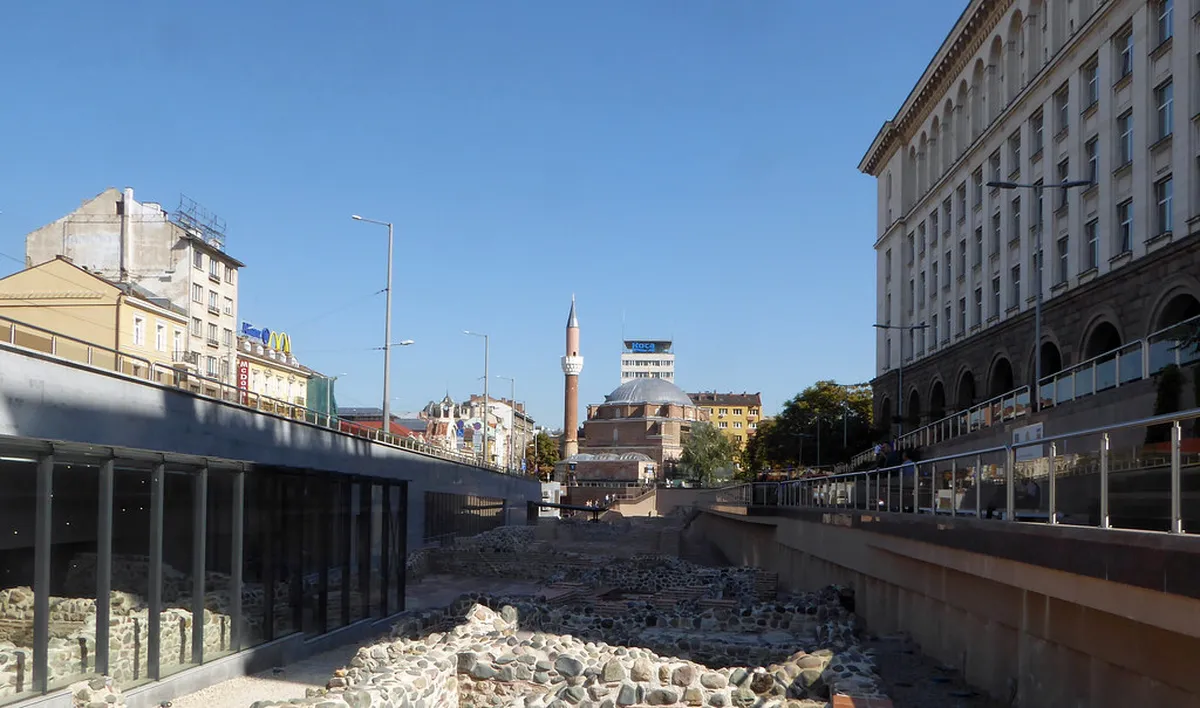
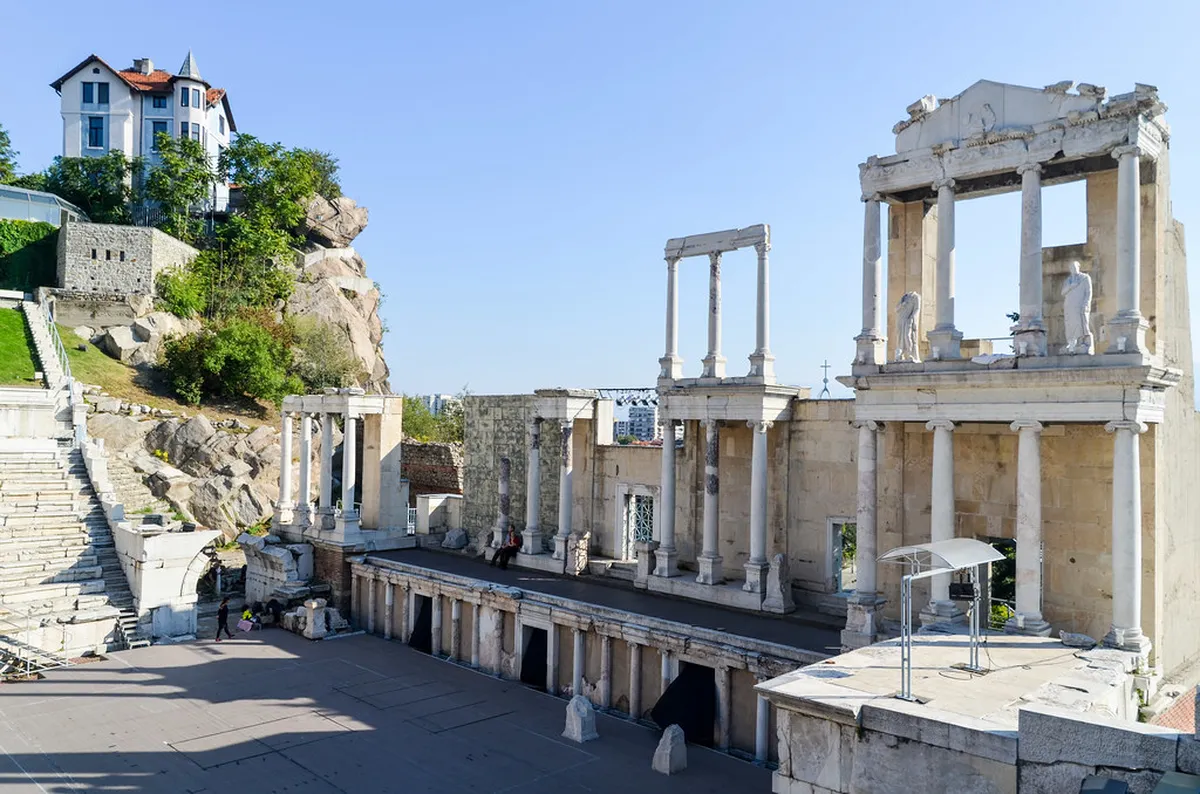
Sofia is a city where ancient ruins and modern life blend together in a very unique way, and the streets around the Rotunda make that obvious within a five-minute walk. Start at the Ancient Serdica Archaeological Complex Visitor Guide to see the city's original Roman foundations, excavated right beneath a working metro station. This site lets you walk through the ruins of the Roman city, Serdica, that once surrounded the Rotunda on every side.
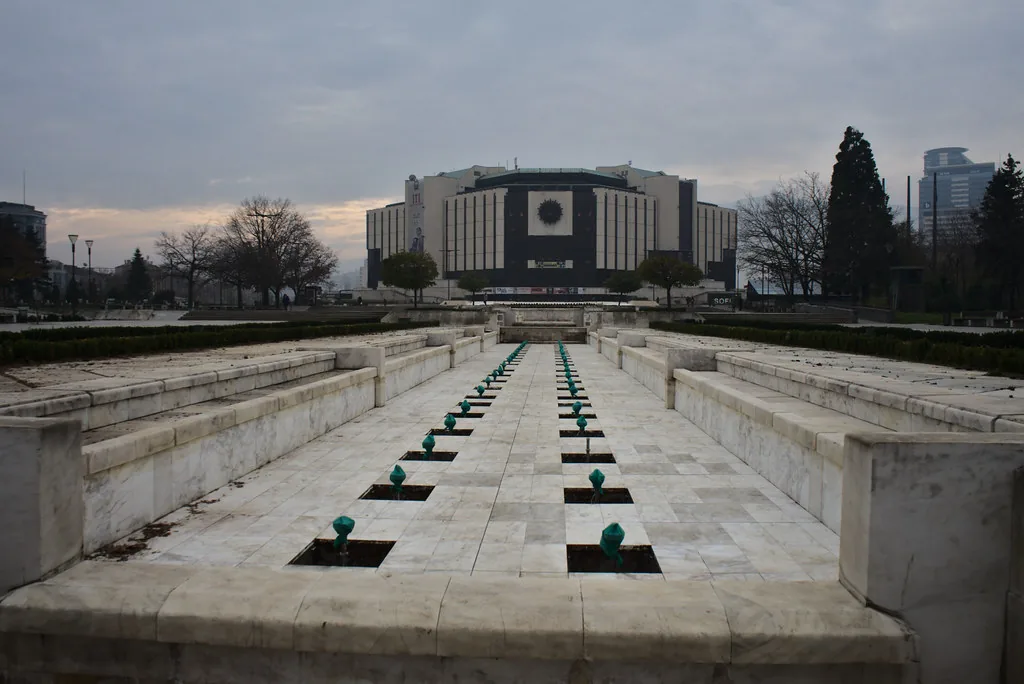
The area surrounding the Rotunda is filled with landmarks that tell the story of Bulgaria's long history. The Alexander Nevsky Cathedral Visitor Guide, one of the largest Orthodox churches in the world, is about a ten-minute walk east. Nearby you'll also pass the National Archaeological Museum and the Banya Bashi Mosque, both within the same compact historic core, so a single loop covers Roman, Ottoman, and Bulgarian-national layers of the city.
Travelers often enjoy the contrast between the small red-brick Rotunda and the grander structures around it. The Presidency building wraps around the church courtyard, creating a hidden and unexpectedly peaceful pocket in the middle of a government district. Check the daily schedule for the changing-of-the-guard ceremony at the Presidency entrance — it happens on the hour and draws a small crowd right past the Rotunda's courtyard arch.
If you have more time, the archaeological excavations scattered through the central district are worth a slow wander. Most are free to view from street level and give a deeper sense of how the Roman city once connected. A map of ancient Serdica, available at the National History Museum or online, makes it easier to see how these fragments once fit together.
- Serdika Ancient Complex Ruins
- Type: Archaeological site
- Best for: History buffs
- Where: Central Sofia, above Serdika metro station
- Cost: Free access
- Alexander Nevsky Cathedral
- Type: Orthodox Cathedral
- Best for: Architecture lovers
- Where: Alexander Nevsky Square
- Cost: Free entry
Museums, Art, and Culture Nearby
The cultural scene around the Rotunda is deeply rooted in Sofia's religious heritage and its layered artistic traditions. Explore the National History Museum, Sofia Visitor Guide to see treasures dating back to the Thracian period. This museum provides the context that makes the St. George Rotunda's frescoes make sense as part of a much longer story.
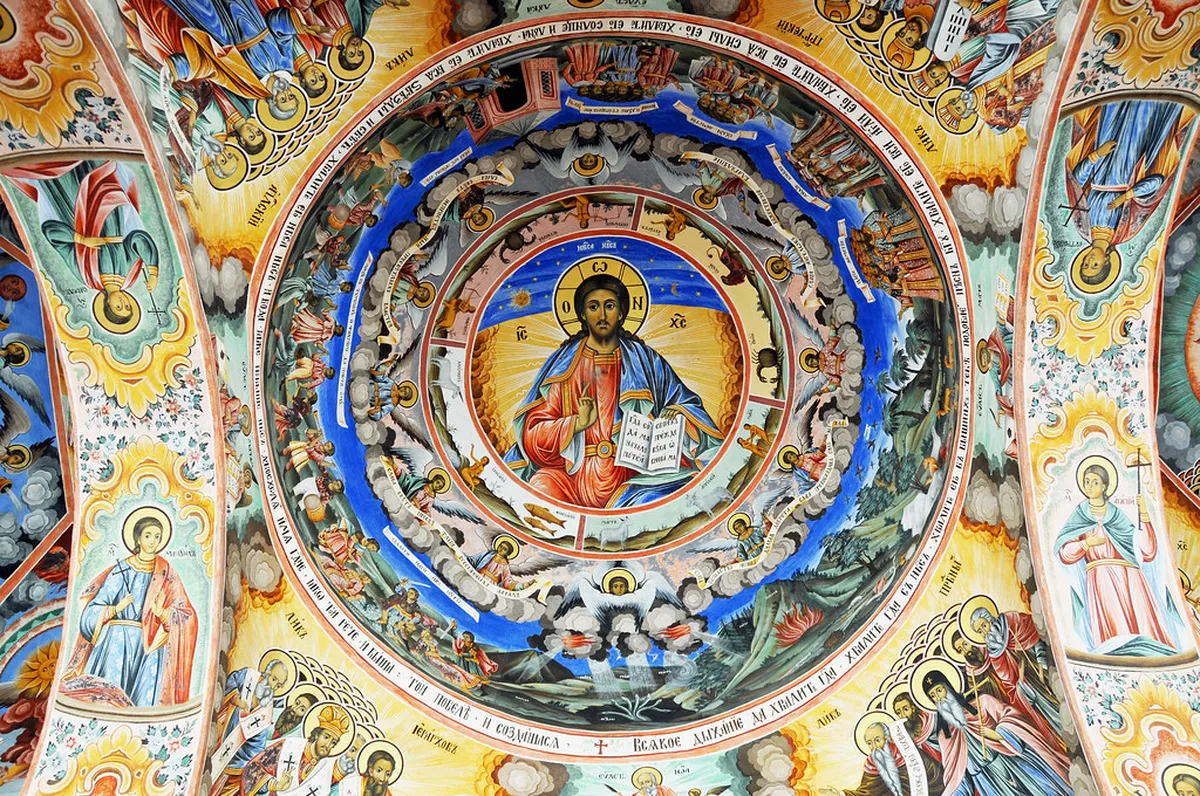
Inside the Rotunda itself, the medieval frescoes represent some of the finest surviving examples of Eastern Orthodox art from the Bulgarian medieval period. These paintings were layered over several centuries, plastered over during the Ottoman period, and rediscovered during 20th-century restoration. Look up at the dome to find the most celebrated figure: a 10th-century angel, the oldest identifiable layer still visible.
Many local galleries offer a modern perspective on the same religious themes found in the city's ancient churches. Visiting these spaces afterward shows how contemporary Bulgarian artists still draw on the visual language first laid down in places like the Rotunda. Most museums in the city center are open from about 10:00 to 18:00 through the week, so a single day can realistically combine two or three stops.
For visitors interested in religious history, the Boyana Church Visitor Guide is an essential second stop, a short taxi or bus ride from the center. This UNESCO World Heritage site has stunning frescoes that complement — and in places outshine — the ones inside the Rotunda. Booking a combined tour of both churches is the most efficient way to see Bulgaria's medieval fresco tradition in one trip.
Parks and Green Spaces Near the Rotunda
Sofia is one of the greenest capitals in Europe, and several parks sit within easy walking distance of the Rotunda. The City Garden is the oldest park in Sofia and sits just a few steps away, right beside the National Theatre. Locals play chess here on outdoor tables year-round, and it's a good spot for a coffee break between sightseeing stops.
For a more active outdoor stretch, Vitosha Mountain Visitor Guide offers hiking trails just outside the city and is visible from the Rotunda's courtyard on a clear day. Many visitors head there in the late afternoon for a panoramic view back over the capital, including the domes of Alexander Nevsky and the red brick of the Rotunda itself.
Walking through Borisova Gradina Visitor Guide is another good way to spend a sunny afternoon in Sofia. This large green space has monuments, lily ponds, and quiet paths, and it's a favorite with families and joggers looking for a break from the historic center's cobblestones.
The open areas around the Serdika ruins also double as informal public space where history meets everyday city life. You can sit on the ancient stones near the metro entrance and watch commuters pass in a setting that few other European capitals can match. These spots make good photo stops for capturing Roman architecture against Sofia's modern skyline.
St. George Rotunda: History and Highlights
The St. George Rotunda is widely considered the oldest building in Sofia, dating back to the early 4th century CE. It was originally built as a Roman bath or ceremonial hall under emperors Galerius and Constantine the Great, when the city was still Roman Serdica, before later being converted into a church. You will find it tucked into the courtyard between the Presidency and Hotel Balkan, a few metres below the level of the surrounding modern street.
This small red-brick building survived nearly seventeen centuries of conflict and change, including a stretch as an Ottoman mosque from the 16th century until the 1850s, when it was reclaimed by the Bulgarian Orthodox Church. The interior preserves five layers of frescoes uncovered during restoration work, discovered hidden under later plaster. The most celebrated layer, a 10th-century angel beneath the dome, sits above three further medieval layers painted between the 11th and 14th centuries.
The church is still an active place of worship, so visitors should stay quiet and respectful, particularly during services. It is generally open daily from 8:00 AM to 6:00 PM for tourists and pilgrims, though hours can shift slightly around major religious holidays — check ahead if you're planning a visit around a Bulgarian feast day.
Entry is free, but donations are welcome toward the ongoing preservation of the frescoes. Bring a small flashlight or use your phone's light to make out details in the darker corners of the dome, since interior lighting is deliberately dim to protect the paintings. The ruins of an ancient street run alongside the church and are worth a slow look while you're in the courtyard.
Getting There and Finding the Entrance
The Rotunda sits inside the Presidency courtyard, and its entrance is genuinely easy to miss if you only walk the main boulevards. The most reliable approach is on foot: from Serdika metro station (lines 1 and 2), it's roughly a five-minute walk along Knyaginya Maria Luiza Boulevard, past the Serdika ruins, to the arches on Dondukov Boulevard that open into the courtyard. Several tram lines running along Maria Luiza and Graf Ignatiev also stop within a short walk.
If you'd rather approach from the museum side, the National Archaeological Museum sits directly next to the courtyard entrance and makes a useful landmark — the Rotunda is visible through the same set of arches. Driving is not recommended: the immediate area is government property with restricted access, and parking is limited to paid garages a few streets away, so most visitors combine the Rotunda with a walking day in the center rather than a car trip.
For broader trip planning around the city, the Sofia hub page covers transit passes, airport transfers, and how the center connects to day trips like Boyana and Vitosha. Once you're in the city center, though, everything within this guide — Serdika, Alexander Nevsky, the National History Museum — is walkable from the Rotunda in under fifteen minutes.
Planning a Smooth Visit: Timing and Access
Budget fifteen to twenty minutes inside the Rotunda itself — it's a small, single-room interior, and most of that time goes to studying the dome frescoes rather than moving around. The quietest window is generally mid-morning on a weekday, after the 8:00 matins service has cleared but before tour groups from the free walking tours arrive around midday. Late afternoon light through the small windows also makes the brickwork and frescoes easier to photograph, though photography inside the church itself is generally discouraged out of respect for the sacred space.
One date is worth planning around either way: 6 May is Gergyovden, St. George's Day, a major Orthodox feast day and Bulgaria's official Armed Forces Day, since St. George is the military's patron saint. This church naturally sees extended services and a busier courtyard that week. Go then for local devotion at its most visible, or pick another week for quiet time with the frescoes.
Physical access is the detail most guides skip. The floor sits several steps below the courtyard, reached by a short, uneven stone stairway with no ramp, and the interior itself has a narrow, sunken walking area around a raised central space. Visitors using wheelchairs or with significant mobility limitations should ask the church attendant about the best vantage point from the entrance, since a full circuit of the interior isn't step-free — this is a genuine constraint that several review sites gloss over or contradict outright.
Dress modestly, as at any active Orthodox church — shoulders and knees covered is a safe default, especially if a service is underway. Pets aren't permitted inside, and strollers are awkward on the stairway, so plan to carry young children down the last few steps.
Continue planning: Use Sofia Attractions: 12 Top Sights, Tickets & Tips to connect this guide with the rest of your Bulgaria itinerary.
Frequently Asked Questions
What are the opening hours for the St. George Rotunda?
The St. George Rotunda is typically open to visitors daily from 8:00 AM to 6:00 PM. It is an active church, so hours may change during special religious services or holidays. You can find more details on the Sofia attractions page to plan your visit effectively.
Is there an entry fee to visit the St. George Rotunda?
Entry to the St. George Rotunda is free for all visitors, making it a great budget-friendly option. While there is no ticket price, many guests choose to leave a small donation for the upkeep of the ancient frescoes. Photography inside the church is generally restricted to preserve the delicate artwork.
How do I find the Rotunda church in central Sofia?
The church is located in the inner courtyard of the Presidency building and the Sofia Hotel Balkan. You can enter through the arches on Dondukov Boulevard or from the side of the National Archaeological Museum. It is a lesser-known place that is easy to miss if you stay on the main streets.
Can I take photos inside the St. George Rotunda?
Photography is usually not allowed inside the church to protect the medieval frescoes from light damage. You are welcome to take as many photos as you like of the exterior and the surrounding Roman ruins. Please respect the signs and the staff instructions when you enter the sacred space.
The St. George Rotunda remains one of the most significant and quietly remarkable landmarks in Sofia. This guide has covered the history, the frescoes, and the practical details of transit, timing, and access that make the difference between a rushed five-minute stop and a considered fifteen-minute visit. Whether you are a history lover or a casual traveler passing through the Largo, this 2026 visit is worth building into your itinerary rather than treating as a photo stop on the way to somewhere else.
By pairing the Rotunda with the surrounding ruins, museums, and Boyana Church, you get a fuller picture of Bulgaria's layered heritage in a single compact walk. The city center is easy to navigate on foot, and most of what matters here is within fifteen minutes of the courtyard gate.
Plan your visit around a weekday morning if you want the frescoes to yourself, or around 6 May if you want to see the church's namesake feast day in full swing. Either way, comfortable shoes and a few minutes of patience at the entrance stairway are all you need to reach one of the oldest buildings still standing in Europe.
For authoritative information, refer to the St. George Rotunda official site and St. George Rotunda on Wikipedia.
For more Sofia planning, read our Things To Do in Sofia, Bulgaria (2026 Guide) and Free Walking Tour Sofia: 10 Essential Tips and Landmarks guides.