Vitosha Mountain Visitor Guide: 7 Essential Tips
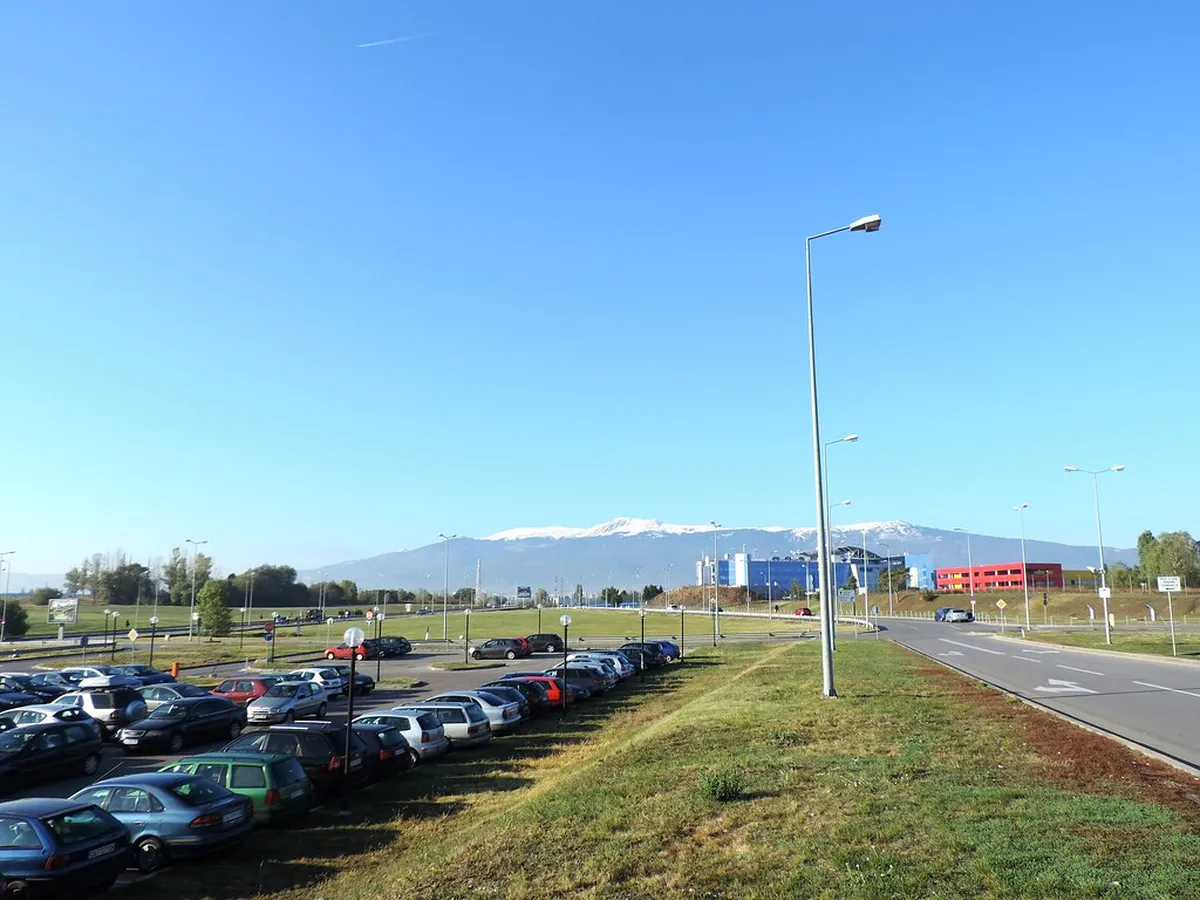
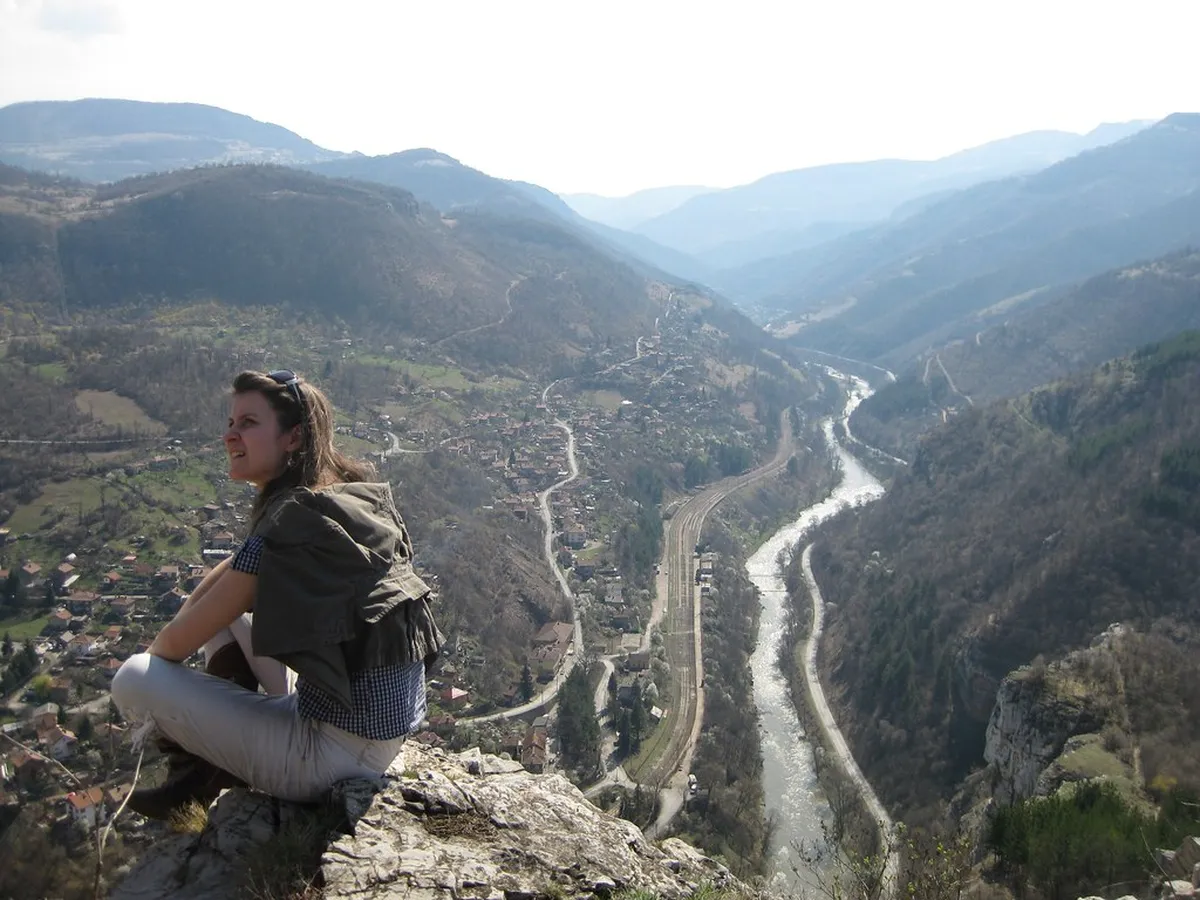
Vitosha Mountain rises straight out of Sofia's southern edge, offering a genuine wilderness escape less than an hour from the city center. This granite-and-syenite massif became the first national park on the Balkan Peninsula in 1934, and in 2026 it is still free to enter for anyone who wants to hike, ski, or simply breathe mountain air. Its 2,290-meter summit, Cherni Vrah, looks down on Sofia's rooftops on one side and the Rila range on the other.
For a sense of the popular Aleko-to-Cherni-Vrah ridge walk before you visit, here's a detailed visual guide to the route:
This Sofia travel guide favorite draws hikers, skiers, families, and day-trippers all year, and few European capitals sit this close to a fully protected alpine park. Terrain ranges from flat forest paths near Boyana to exposed summit ridges that need real hiking shoes and a weatherproof layer. Below is exactly what you need to plan a trip: which bus to catch, which lift is actually running this season, what a day trip costs, and where the real risks are.
Must-See Attractions: Cherni Vrah and the Stone Rivers
Cherni Vrah stands as the highest point of the massif at a height of **2,290 meters** above sea level. Reaching this summit rewards you with panoramic views of the Rila and Balkan mountain ranges on clear days. The peak is relatively accessible from the Aleko area, making it a popular goal for weekend hikers.
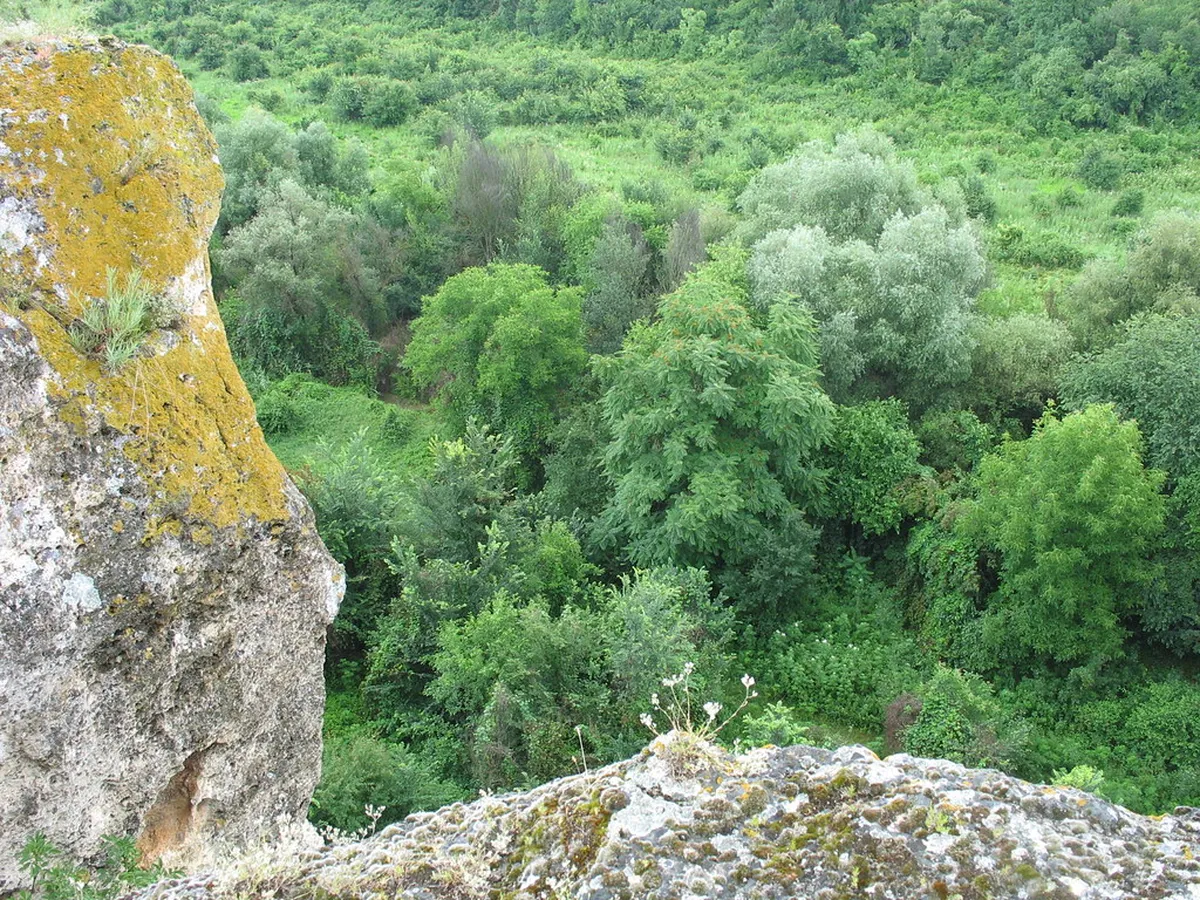
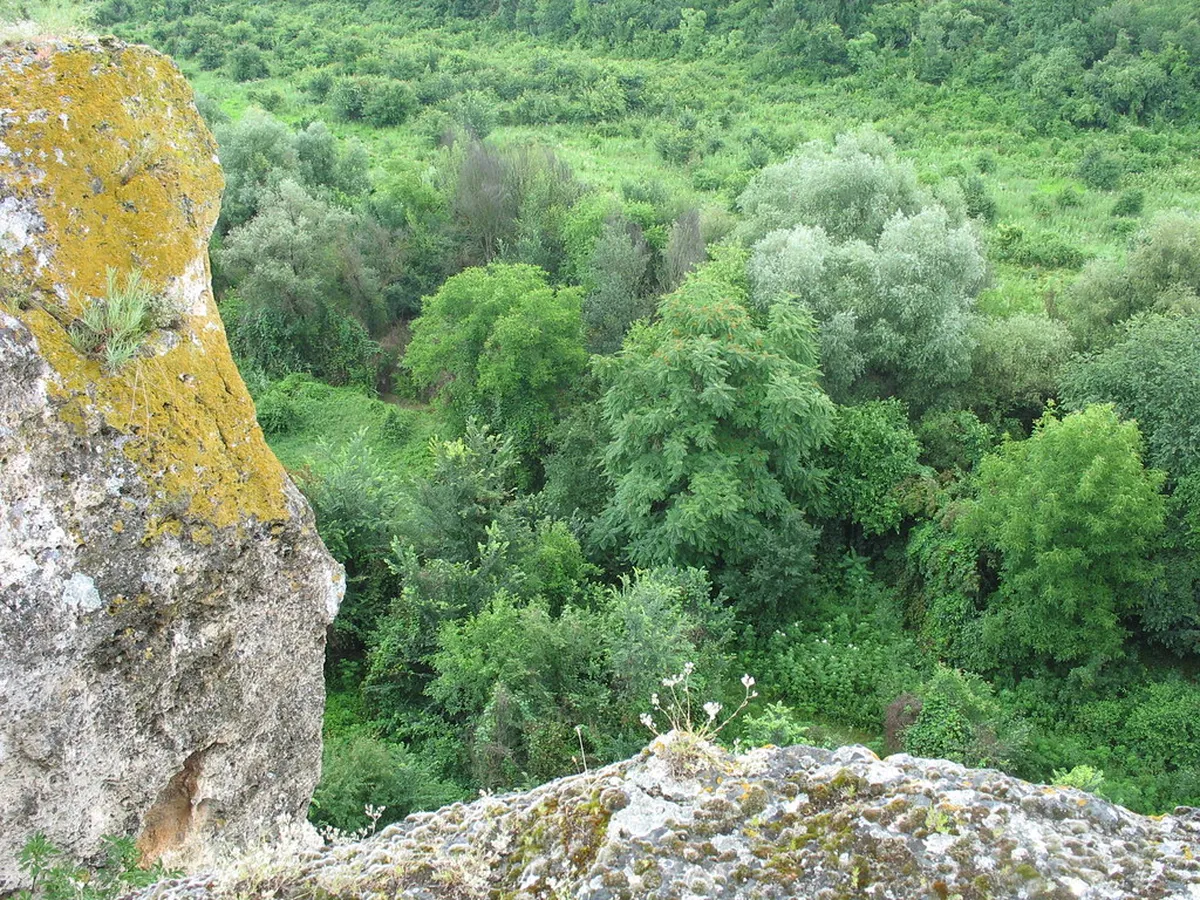
You should also visit Zlatnite Mostove to witness the famous "Stone Rivers" flowing through the dense forest. Most guides call these boulder fields moraines, but that is not quite accurate: Vitosha never carried valley glaciers this low, so geologists classify Zlatnite Mostove as a relict block stream, formed when repeated freeze-thaw cycles during the last ice age shattered the coarse syenite bedrock, which gravity then crept downslope over tens of thousands of years. That distinction explains why the "river" of rock only moves millimeters a year today, and why you can still hear meltwater running through the gaps between boulders well into summer.
The Bistrishko Branishte Reserve offers another layer of natural beauty with its strictly protected primary spruce forests and several plant species found nowhere else outside Vitosha. Walking near the reserve boundaries lets you experience the ancient character of the landscape without leaving the marked paths, which is mandatory here. For a different perspective, head to the Kopitoto TV Tower for a bird's-eye view of the entire Sofia valley, especially magical at sunset when the city lights begin to twinkle below.
- Cherni Vrah is the easiest 2,000-plus-meter summit near Sofia to reach in a single morning, thanks to the Aleko trailhead sitting at roughly 1,810 meters already.
- Zlatnite Mostove's stone river is a short, mostly flat walk from the parking area on Bus 63's route, making it the most accessible highlight for visitors with limited time or mobility.
Logistics: How to Get to Vitosha Mountain from Sofia
Reaching the mountain is easy using the city's extensive public transport network and dedicated mountain bus lines. **Bus 66** runs from the Zoo to the Aleko mountain hub, while **Bus 63** leaves from the Tsar Boris III Boulevard area for Zlatnite Mostove, and **Bus 64** reaches the historic Boyana district at the foot of the mountain, right by the National History Museum, Sofia Visitor Guide. Check local schedules as they vary by season, especially on weekends when frequency increases.
Lift status is the detail most guides get wrong, so treat it as three separate systems rather than one. The Vitoshko Lale lifts near Aleko are the ones actually running in 2026, operating weekends from 9:00 to 16:30 in good weather. The Simeonovo-Aleko gondola, still the route most older write-ups describe as the scenic way up, is currently not operating at all, so do not plan a trip around it. The Dragalevtsi chairlift's status is unpublished, so check vitoshaski.com directly before assuming it will run the day you visit. The Official Vitosha Nature Park Website covers trail and weather conditions, but the lift operator's own site is the only reliable source for which cars are turning that week.
If you prefer driving, the road to Zlatnite Mostove is well-paved but can become very crowded during sunny weekends. Parking spaces fill up quickly, so arriving before 9:00 AM is recommended. Authorities sometimes restrict car access during peak hours to manage traffic flow.
Taxis offer a flexible alternative for groups who want to reach specific trailheads directly. Ensure the driver uses the meter or agree on a fixed price before starting your journey, which saves time on short winter days when daylight is limited.
Hiking Routes: From Boyana Waterfall to Aleko
The hike from the UNESCO-listed Boyana Church Visitor Guide to the Boyana Waterfall is a classic Sofia experience and the easiest route on this list. This trail takes approximately 1 hour and 45 minutes round trip, with a steady but non-technical incline, making it a reasonable choice for a first-timer or a family with older kids. The 25-meter waterfall is especially impressive during the spring thaw, though it can shrink to a trickle in late summer.
Intermediate hikers often prefer the moderate route starting from the Aleko hub toward the Cherni Vrah summit, roughly two hours up and back down. This path is well-marked with metal poles to guide visitors even during foggy conditions or light snowfall, with a short, exposed final stretch near the summit that catches wind.
For a longer, harder trek, the path from Zlatnite Mostove to Aleko crosses the mountain from west to east and takes most of a day. This route passes through varied terrain, including shaded forests and open ridges, and demands more navigation skill than the other two options, so it is not the route to attempt in your first pair of new boots.
Always follow the color-coded trail markers and stay on the designated paths to protect the fragile mountain ecosystem. Rocky sections require sturdy footwear with good ankle support, particularly around the stone rivers where a twisted ankle is the single most common mishap reported by mountain rescue. Carry a physical map or GPS app, since phone signal fades quickly below the tree line, and check local schedules for the last lift or bus down before committing to the longer routes.
Seasonal Planning: Weather and Best Times to Visit
Summer is the peak season for hiking and paragliding, with pleasant temperatures around 15-25°C that are much cooler than the city below. July and August provide the most stable weather for long-distance treks, though trails and Aleko itself get crowded on weekends. The mountain stays vibrant and green, offering a retreat from the summer heat of Vitosha Boulevard Visitor Guide in the center; pack sunscreen since the high plateau offers little shade.
Winter transforms the mountain into a snowy wonderland for skiing, snowboarding, and snowshoeing at the Aleko center, with temperatures that can drop to -10°C. The ski season usually runs from late December through March depending on snowfall, and crowds stay moderate compared to summer weekends. Prepare for freezing temperatures and strong winds with proper thermal and windproof layers; skis or a snowboard can be rented at Aleko.
Spring brings blooming wildflowers and rushing streams, but trails can be muddy and slippery, and higher sections may still hold snow patches well into May. Check the Bulgaria Travel Official Portal for seasonal advice, and check local schedules again since spring lift hours often differ from summer ones.
Autumn offers a spectacular display of color as the beech and birch forests turn gold and deep red, with crisp air and clear skies in October giving excellent visibility. This season is often less crowded than summer, arguably the best trade-off between good weather and thin crowds all year.
Practical Information: Opening Hours and Entry Costs
Entrance to Vitosha Nature Park is free for all visitors in 2026, as it is a public protected area with no ticket gate. This makes it one of the most budget-friendly activities in the capital; you only need to budget for transport, a lift ride if one is running, or a meal at a mountain hut.
Public transport costs are very low, with a single bus trip costing only a few Bulgarian Lev. Use your Sofia city transport card or a contactless bank card to pay for **Bus 66** or **Bus 98**, which saves the hassle of paper tickets.
Where lifts are actually running, the summer 2026 price list for the Vitoshko Lale lifts near Aleko is EUR 3.50 for adults and EUR 2.50 for children under 12, with cars operating weekends from 9:00 to 16:30 in good weather. Bring a valid ID for any student or senior discount. A realistic day-trip budget: roughly 3.20 BGN for a return **Bus 66** fare, EUR 3.50 for a lift ride, and 15-20 BGN for a meal at Hizha Aleko, putting a full day on the mountain at well under the cost of one restaurant dinner in central Sofia.
The park itself never closes, but public transport and lifts have specific hours. The last bus back usually leaves around 4:50 PM, and lifts often stop by 4:30 PM. Missing the last connection might mean an expensive taxi or a long walk down, so build in a buffer.
Amenities: Mountain Huts and Where to Eat
Hizha Aleko is the most famous mountain hut, offering warm meals like traditional Bulgarian lentil soup and grilled meats for 15-20 BGN a plate. It serves as a central hub where hikers rest, recharge, and meet other outdoor enthusiasts, cozy and welcoming when the fireplace is roaring in colder months, and the only reliable place to refill water and warm up if weather turns.
Several smaller huts near Zlatnite Mostove also provide refreshments and basic snacks, including herbal tea made from mountain plants, a local favorite for boosting energy. These stops are perfect for a short break before continuing toward the stone rivers, though hours are shorter outside summer weekends.
Carry your own water bottle and high-energy snacks like nuts or chocolate, especially on the longer Zlatnite Mostove to Aleko crossing where huts are spaced hours apart. Natural springs dot the trails, but verify they are potable before drinking, since not all are marked. Fill up in the city, at a hotel or a fountain near a landmark like the Alexander Nevsky Cathedral Visitor Guide, before heading up.
For a more formal dining experience, some hotels in the lower mountain districts offer traditional Bulgarian cuisine with a view, often on outdoor terraces where you can sample local cheeses and wines to close out your day trip.
Safety Guide: Wildlife and Terrain Preparation
Vitosha is home to diverse wildlife, including a small population of brown bears confined mostly to the remote southern slopes around Bistrishko Branishte, well away from the Aleko and Zlatnite Mostove hubs most visitors use. Sightings on the popular routes are extremely rare, but the real protocol is simple: talk or make noise on quiet forest stretches so a bear has time to move off, never approach cubs, and avoid hiking alone at dusk deep in the southern reserve. If you encounter one, back away slowly without running; local rangers report that nearly every incident in Bulgaria's mountains has involved a surprised bear rather than an aggressive one.
Weather on the mountain can change rapidly, with fog and storms rolling in without much warning. Check the local forecast and carry a waterproof jacket even if the sky in Sofia looks clear, since it is routinely 8-10°C cooler at Cherni Vrah than in the city center.
The terrain can be challenging, with loose rocks and steep sections that require careful footing, and the stone rivers in particular hide ankle-turning gaps between boulders. If you are planning a trip to the Seven Rila Lakes Visitor Guide later, Vitosha is an excellent training ground for judging your pace on similar terrain. Keep your phone charged and carry a power bank, since coverage drops out in several deeper valleys.
In case of an accident, the Mountain Rescue Service is available to assist hikers in distress. Program their emergency number into your phone before you start, and tell someone your planned route and estimated return time, since it is what rescuers use to narrow a search area if you do not check in.
Continue planning: Use Sofia Attractions: 12 Top Sights, Tickets & Tips to connect this guide with the rest of your Bulgaria itinerary.
Frequently Asked Questions
How long does it take to climb Vitosha mountain?
The time depends on your starting point and fitness level. A hike from the Aleko hut to the Cherni Vrah summit takes about 1.5 hours. Starting from the city base in Boyana can take 4 to 5 hours for a full ascent. Check our Sofia attractions guide for more nearby activities.
Are there bears in Vitosha?
Yes, there is a small population of brown bears within the Vitosha Nature Park. They generally avoid humans and stay in the more remote, southern parts of the mountain. Hikers should make noise and stay on marked trails to avoid any unexpected encounters with wildlife.
Is Vitosha worth visiting?
Vitosha is absolutely worth visiting for its accessibility and stunning natural beauty. It offers a unique escape from the city with activities ranging from skiing to hiking. The panoramic views of Sofia and the unique "Stone Rivers" make it a must-see destination for any traveler.
How do I get from Sofia to Vitosha by bus?
You can take **Bus 66** from the Zoo station directly to the Aleko hut area. Alternatively, **Bus 63** goes to Zlatnite Mostove from the Tsar Boris III Boulevard area. Both routes are affordable and run frequently, especially during weekends and the peak summer season.
Vitosha Mountain is an indispensable part of the Sofia experience, offering nature and adventure just minutes away. Whether you seek the challenge of Cherni Vrah or the peace of the stone rivers, the park delivers unforgettable memories. Use this guide to navigate the trails and transport options for a seamless mountain getaway.
Remember to respect the natural environment by following the "leave no trace" principles during your visit. This ensures that the oldest national park in the Balkans remains beautiful for future generations of explorers. Your journey into the Bulgarian wilderness will provide a refreshing contrast to the urban energy of the capital.
Pack your gear, check the lift schedules, and prepare to see Sofia from a whole new perspective. Vitosha is waiting to show you its hidden waterfalls, ancient forests, and rocky peaks. Enjoy your adventure in one of Europe's most accessible and charming mountain ranges.
To verify current details, consult the Vitosha Mountain on Wikipedia.
For more Sofia planning, read our Things To Do in Sofia, Bulgaria (2026 Guide) and Seven Rila Lakes Hike From Sofia: The Complete 2026 Guide guides.