National History Museum, Sofia Visitor Guide
Exploring the Bulgarian capital requires a visit to the most significant cultural institution in the country. This comprehensive national history museum, sofia visitor guide helps you discover over 650,000 artifacts from ancient times. The museum serves as a gateway to the rich heritage of the Balkans and the Bulgarian people.
Visitors often find the sheer scale of the exhibits impressive and deeply educational for all ages. If you are planning a trip to Sofia, this museum is a top priority for your itinerary. The site offers a deep dive into the Thracian, Roman, and medieval periods of European history.
The museum is located at the foot of the mountains, offering a different atmosphere than the city center. Travelers can enjoy scenic views while learning about the founding of the First Bulgarian Empire. This guide provides the practical details you need for a smooth and rewarding visit.
For a visual preview of the museum's most famous collections and galleries before your visit, this video tour walks you through the highlights:
History and Significance of the National Museum
The museum building itself is a fascinating piece of Bulgarian history from the late twentieth century. It is housed in the former Residence No. 1 of the communist leader Todor Zhivkov. It reflects the grand architectural style of Bulgaria's socialist era.
Moving the collection to this site in 2000 transformed the government residence into a public treasure house. You can find more information about the building's legacy at the official Historymuseum.org website. The spacious halls allow for the display of massive stone monuments and intricate architectural fragments.
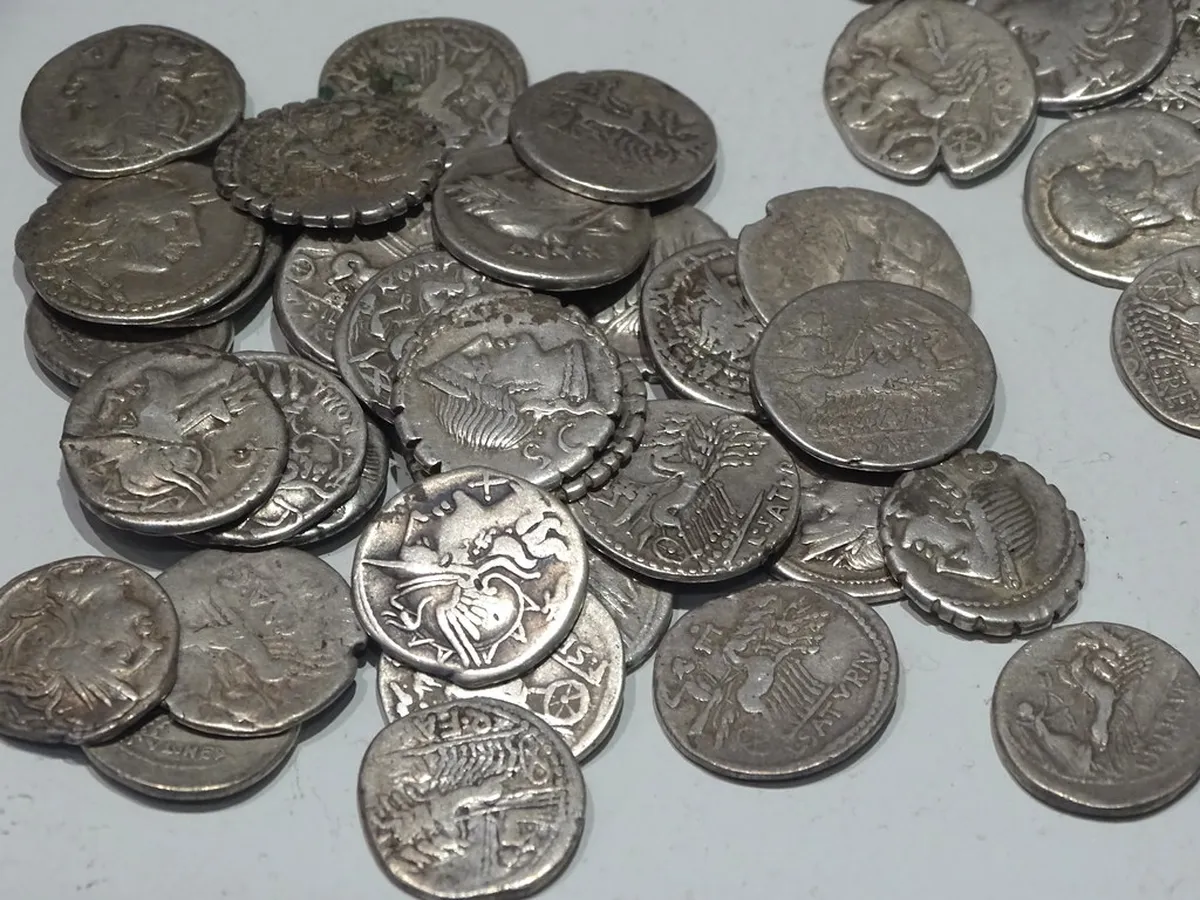
The collection is so vast that only about ten percent of the artifacts are on permanent display. These items cover every major epoch from the Stone Age to the modern Bulgarian state. Understanding the significance of these items provides context for the rest of your Bulgarian travels.
Many first-time visitors also confuse this museum with the Archaeological Museum in the city centre, which occupies the former Buyuk Mosque near Serdika and focuses mainly on Roman-era Sofia. The National History Museum in Boyana is the larger, standalone institution that covers the entire national story, from prehistoric flints to the twentieth-century monarchy, so budget a separate half-day for each if you want to see both properly. The museum remains the most visited historical site in the capital, since no other single collection in Bulgaria spans as many centuries under one roof.
Must-See Exhibits: From Thracian Gold to Medieval Icons
The museum's most famous collection is the Panagyurishte Gold Treasure from the fourth century BC. This set of nine solid gold vessels is a masterpiece of ancient Thracian craftsmanship, and the intricate detail on the animal-shaped rhytons is usually the highlight for international visitors. The same hall also holds the Rogozen silver treasure, more than 165 vessels found in northwestern Bulgaria, and the smaller Letnitsa treasure of gilded plaques, so leave extra time here before moving on.
Medieval Bulgarian history comes alive through a rare collection of manuscripts and religious icons. The artifacts showcase the spiritual history of the Rila Monastery Visitor Guide and other holy sites. You will see how the Cyrillic alphabet helped shape the culture of the Slavic world.
The Bulgarian Revival period is another essential section that highlights the struggle for independence. Exhibits include traditional costumes, weapons, and personal items from famous national heroes. These displays help explain the transition from Ottoman rule to a modern European nation.
Do not miss the hall dedicated to the First and Second Bulgarian Empires. It features impressive stone inscriptions and jewelry that reflect the power of the medieval Bulgarian tsars. The craftsmanship found in these items rivaled the best work in the Byzantine Empire at the time.
Practical Information: Opening Hours and Entry Fees
The museum runs on a seasonal schedule with no weekly rest day. From 1 April to 30 September it opens 09:30-19:00, with the ticket desk closing at 18:15; from 1 October to 31 March hours shift to 09:30-18:00, with last tickets at 17:15. It closes only three days a year: 1 January, Easter Sunday, and 24-25 December, so verifying the current schedule on en.Historymuseum.org is mainly useful for those exact dates.
Since Bulgaria adopted the euro in January 2026, tickets are priced in EUR with lev equivalents shown alongside. An adult ticket costs 7.67 EUR (15.00 BGN), pupils and students pay 1.53 EUR, and seniors over 65 pay 2.56 EUR. Children under 7 and visitors with special needs, plus one accompanying companion, always enter free, and admission is free for everyone on 18 May (International Museum Day); on 17 September (Sofia Day) and 1 November, children, pupils and students go free while other visitors pay the reduced 1.53 EUR rate.
A 90-minute overview tour in English, French, German or Russian costs 17.90 EUR (35.00 BGN) on top of the entrance ticket, while a Bulgarian-language tour is 10.23 EUR; email tours@historymuseum.org at least two weeks ahead, since pre-booked groups of up to 25 people get priority over walk-ins. Main exhibition halls are step-free with ramps and lifts; the open-air section has gravel paths that are tougher going for wheelchairs and strollers.
- Quick facts for 2026
- Adult Ticket: 7.67 EUR (15.00 BGN)
- Student/Pupil Ticket: 1.53 EUR (about 3.00 BGN)
- Senior Ticket (65+): 2.56 EUR (about 5.00 BGN)
- Guided Tour (foreign language, 90 min): 17.90 EUR plus entry
- Summer Hours (1 Apr-30 Sep): 09:30-19:00, last tickets 18:15
- Winter Hours (1 Oct-31 Mar): 09:30-18:00, last tickets 17:15
- Open daily; closed only 1 January, Easter Sunday, 24-25 December
- Address: 16 Vitoshko Lale St., Boyana district, Sofia 1618
How to Get to the Boyana District
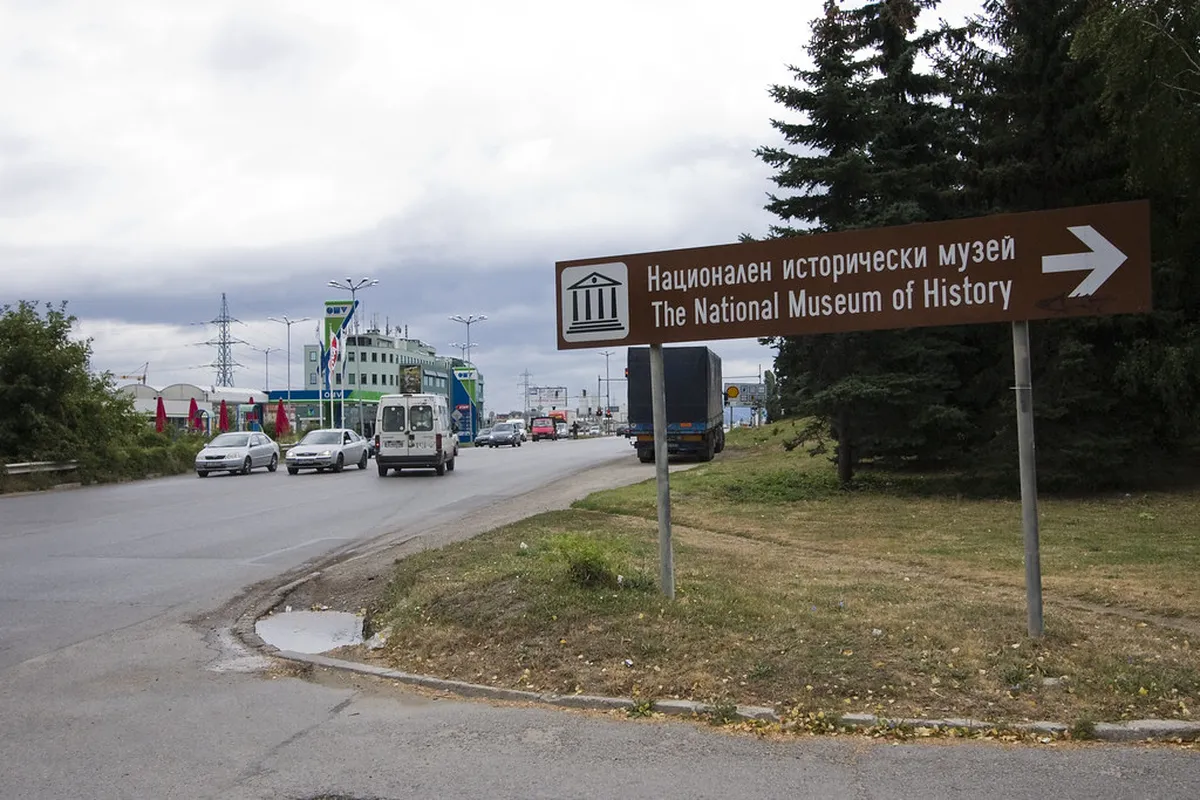
The museum sits about eight kilometers from the city center in the Boyana district, at the foot of the mountain rather than downtown. Buses 63 and 111 run there every day of the week, buses 110 and 304 add extra frequency Monday to Friday, and trolleybus 2 also serves the stop. Consult the official Visitsofia.bg portal for live transport updates, and expect the ride to take thirty to forty-five minutes depending on traffic.
The trade-off is straightforward: the bus costs a flat fare of about 1.60 BGN (0.82 EUR) but takes longer and needs a short walk at the far end, while a taxi or Bolt runs 15-20 BGN (roughly 8-10 EUR) one way and gets you door to door in about 20 minutes. Groups, or anyone on a tight schedule, come out ahead by car; solo travelers on a budget do fine on the bus.
Walking from the city center is not realistic given the distance and the busy roads along the route. Save your energy for the exhibition halls once you arrive, and plan the return trip before dark in winter, since buses to Boyana thin out noticeably after early evening.
Insider Tips for Navigating the Museum
The layout can feel overwhelming without a plan, so start on the ground floor where the Thracian gold and the Panagyurishte, Rogozen and Letnitsa treasures are grouped together, then work chronologically forward through the medieval, Revival and modern halls. Doing it in that order means you see the most famous items first, before museum fatigue sets in, and it matches the historical sequence the curators intended.
The museum courtyard offers some of the best views of nearby Vitosha Mountain Visitor Guide, so step outside between halls to catch fresh air and the mountain backdrop rather than saving it for the very end. Arrive before 11:00 AM on weekdays to beat the school groups and tour buses that fill the main hall by midday; the gold treasure room is genuinely quiet in the first hour after opening.
A common first-visit mistake is assuming the museum keeps a weekly closure day the way many Sofia museums do on Mondays. It doesn't: it opens every day of the year except 1 January, Easter Sunday, and 24-25 December, making it a safe fallback even on a Monday when other city-center museums are shut.
The onsite cafe is convenient but has a limited menu, so treat it as a coffee stop rather than a meal. Save your appetite for a proper lunch or dinner nearby, since several high-quality restaurants are just a short walk or drive from the museum gates.
Combining Your Visit with Boyana Church
Most travelers choose to visit the museum and the nearby Boyana Church Visitor Guide on the same day. The church is a UNESCO World Heritage site famous for its medieval frescoes, about two kilometers from the museum.
Ask staff at the museum desk whether a joint entry option is being sold that day, since Boyana Church and the museum are administered separately but occasionally coordinate combined access. Even without a formal joint ticket, buying both entries back to back takes minutes and avoids doubling back later, the bigger saving for most travelers on a tight schedule.
The walk between the two sites takes about twenty minutes through a pleasant residential area. Alternatively, a very short taxi ride can transport you between the attractions in minutes. Plan to spend at least one hour at the church to fully appreciate the art.
Nearby Attractions and Things to Do
The Boyana district serves as a great starting point for outdoor adventures on Vitosha Mountain. You can find trails leading to the Boyana Waterfall starting near the historic church. This hike is popular with locals and offers beautiful forest scenery throughout the year.
For a more relaxed afternoon, head back toward the city center to visit Vitosha Boulevard Visitor Guide for shopping. The boulevard is the main pedestrian street and features many cafes with outdoor seating. It provides a lively contrast to the quiet and historical atmosphere of the Boyana district.
Dining in Boyana is a treat because the area has some of the best restaurants in Sofia. Places like Sage or Pure offer gourmet Bulgarian and international cuisine in a refined setting. These restaurants are often quieter and more scenic than those found in the busy city center.
Continue planning: Use Sofia Attractions: 12 Top Sights, Tickets & Tips to connect this guide with the rest of your Bulgaria itinerary.
Frequently Asked Questions
How do I get to the National History Museum in Sofia from the city center?
You can take Bus 63 from the Tsar Boris III area or use a taxi for a faster trip. A taxi usually costs around 15-20 BGN and takes 20 minutes. Public transport is cheaper but takes nearly 45 minutes to arrive.
Is the National History Museum in Sofia worth visiting?
Yes, it is the largest museum in Bulgaria and houses the world-famous Thracian gold treasures. The building itself is a unique example of communist-era architecture. It provides essential context for understanding the entire Balkan region's history.
Can you visit the National History Museum and Boyana Church on the same day?
Absolutely, as they are located very close to each other in the Boyana district. You can buy a combined ticket to save money on entrance fees. Most visitors spend the morning at the museum and the afternoon at the church.
What is the most famous exhibit in the Sofia National History Museum?
The Panagyurishte Gold Treasure is the museum's most famous and valuable collection. It consists of nine solid gold vessels from the 4th century BC. You can also see the Ancient Serdica Archaeological Complex Visitor Guide artifacts in the city center for more Roman history.
The National History Museum is an essential stop for any traveler visiting the Bulgarian capital. It offers a deep and meaningful look at the treasures that shaped this part of the world. By following this guide, you can enjoy a seamless visit to the Boyana district.
From the golden treasures of the Thracians to the scenic views of Vitosha, the experience is unforgettable. Make sure to plan enough time to explore both the museum and the nearby historic church. Sofia's rich past is waiting for you within the walls of this grand national monument.
To verify current details, consult the National History Museum, Sofia on Wikipedia.
For more Sofia planning, read our Things To Do in Sofia, Bulgaria (2026 Guide) and 13 Best Museums in Sofia: A Complete Visitor Guide (2026) guides.