13 Sofia Museums for First-Time Visitors
For a first visit to Sofia, the challenge is choosing museums that explain the city without consuming the whole trip. These 13 picks cover the strongest introductions to Thracian gold, Roman ruins, Bulgarian state history, and socialist-era life. The guide was refreshed in early 2026 with current ticket prices in BGN and EUR, seasonal hours, and access changes following late-2025 renovations at several state institutions.
Many first-time visitors stay near the cathedral and Serdica, but some of Sofia's most useful museums require a short bus or metro trip to Boyana or Studentski Grad. Use the pairings below to combine central collections with the wider things to do in Sofia guide, whether your priority is Cold War history, ancient mosaics, religious art, or a family-friendly science stop.
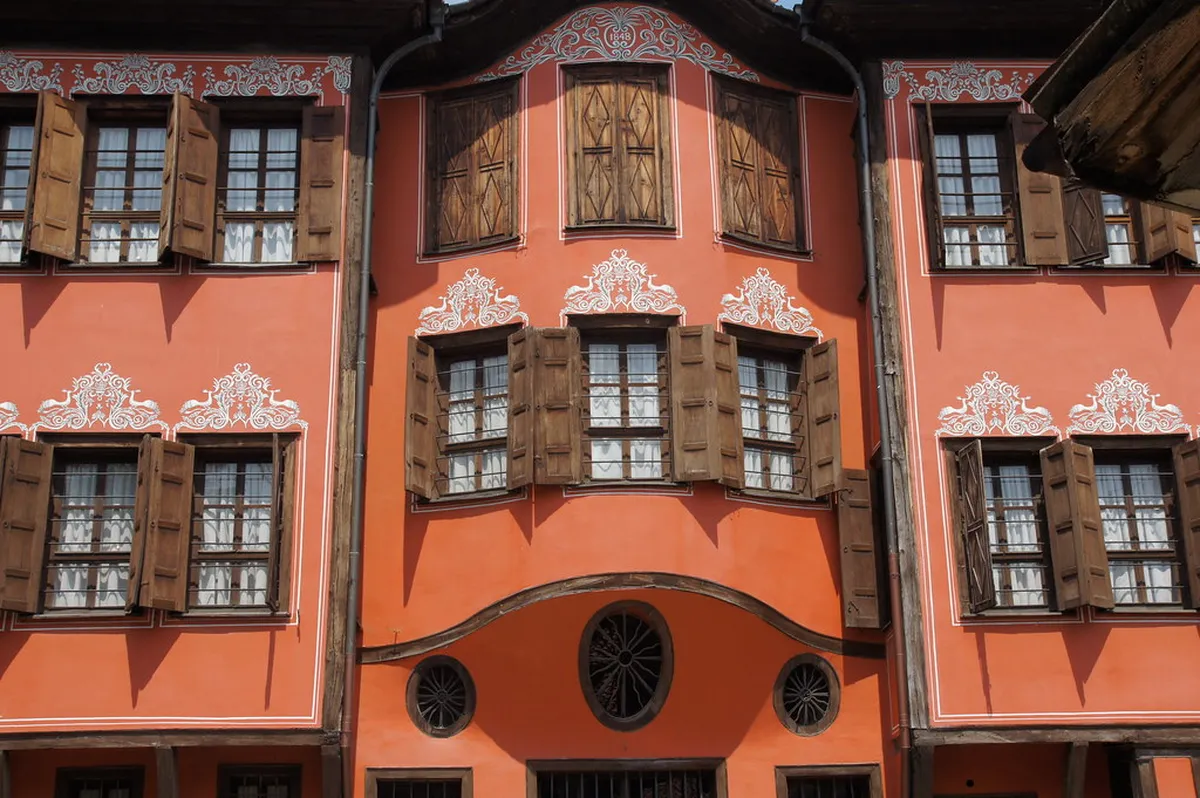
For a preview of how Sofia's regional museums are organized and displayed, this walk-through captures one of the city's important collections:
1. National History Museum (Boyana)
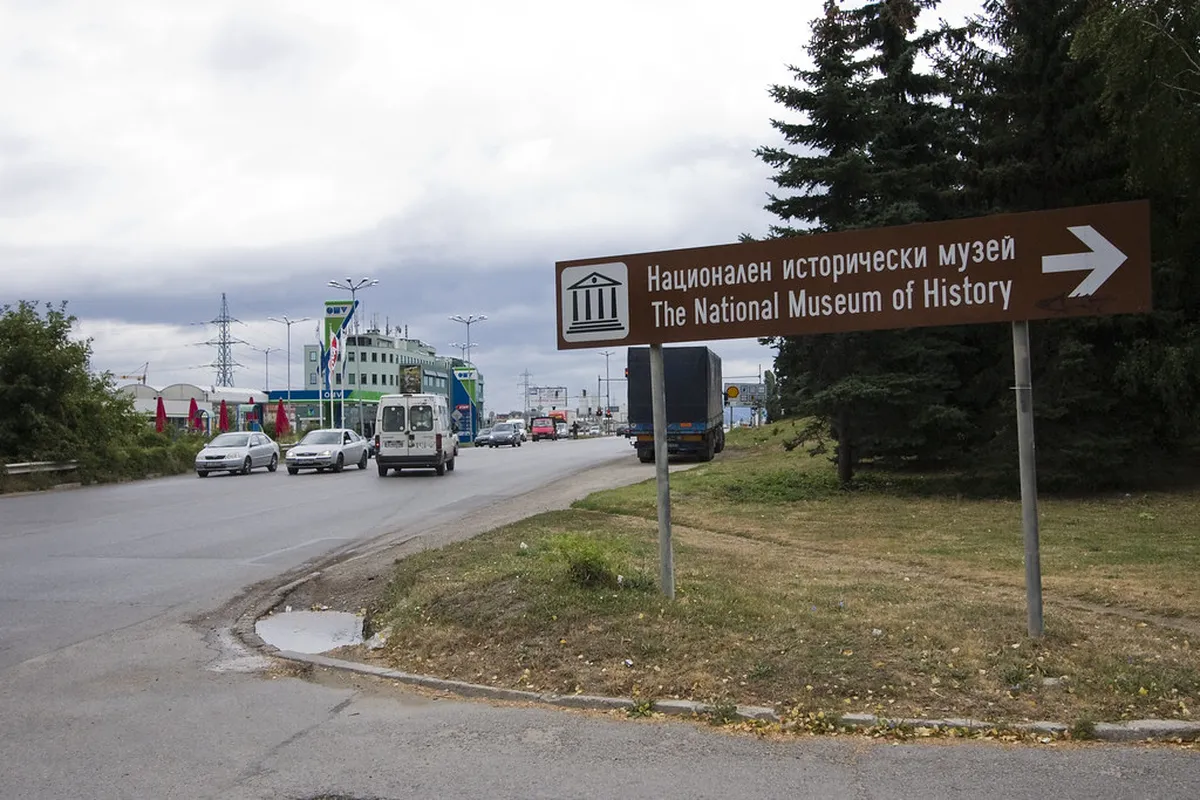
The National History Museum, Sofia Visitor Guide sits in the former primary residence of communist leader Todor Zhivkov in the Boyana district, and it holds Bulgaria's single most important artifact: the Panagyurishte Thracian gold treasure. The collection runs to more than 650,000 items, and the medieval halls covering the First and Second Bulgarian Empires are the part most visitors underestimate. Plan at least two hours, longer if you read every panel.
Adult tickets are 12 BGN (about 6 EUR), with the doors open daily from 09:30 to 18:00 in winter and until 19:00 from April through September. Take bus 63 or 107 from Tsar Boris III Boulevard to the Boyana stop, or grab a ride-share for around 15 BGN (8 EUR) from Serdica metro. Pair the visit with the UNESCO-listed Boyana Church Visitor Guide, which sits a 10-minute walk away and protects 13th-century frescoes that predate the Italian Renaissance.
2. National Archaeological Museum
Housed in the 15th-century Buyuk Mosque on Saborna Street, this is the oldest museum in Bulgaria and the cleanest single-stop introduction to Thracian, Greek, and Roman material culture. The bronze head of King Seuthes III stares back from a glass case in the central hall, and the Medieval Hall holds icons and frescoes that anchor the Christian story of the country.
Tickets cost 10 BGN (around 5 EUR) for adults, with reduced rates around 2 BGN for students. Hours run 10:00 to 18:00 daily from May through October, and 10:00 to 17:00 from November through April with Mondays closed in winter. Look down at the floor mosaics near the entrance to see the original Roman pavement preserved in situ, a detail most rushed visitors miss.
3. The Red Flat
The Red Flat is not a museum in the traditional sense. It is a fully reconstructed 1980s Bulgarian apartment that you walk through with an audio guide, and the rule is that you can touch everything. Sit on the sofa, flip through the family photo albums, pick up the rotary telephone, try on a fur hat, or sample a Bulgarian sweet from the kitchen pantry.
The entry fee is 18 BGN (roughly 9 EUR), and it is open daily from 10:30 to 19:30 near the Ivan Vazov National Theater, with the entrance hidden inside the Gifted Sofia souvenir shop on Ivan Denkoglu Street. Budget about 90 minutes for the full audio guide. The recordings on the hallway telephone capture stories from real residents about food shortages, party politics, and the small joys of socialist-era family life.
4. Museum of Socialist Art
This 2011-opened museum on Lachezar Stanchev Street holds an outdoor statue park where the giant Lenin statue that once stood in central Sofia now rests, alongside more than 70 monumental sculptures cleared from public spaces after 1989. The indoor gallery displays socialist realist paintings and propaganda posters from the 1944 to 1989 period, and a small cinema runs original-era propaganda films on a loop.
Admission is 8 BGN (about 4 EUR), and the gallery opens Tuesday through Sunday from 10:00 to 17:30 with Mondays closed. The metro stop GM Dimitrov on Line M1 puts you within a 10-minute walk. Pair the cinema sit-down with the outdoor sculpture loop to get the ideological context for the statues you walked past.
5. Regional History Museum (Central Mineral Baths)
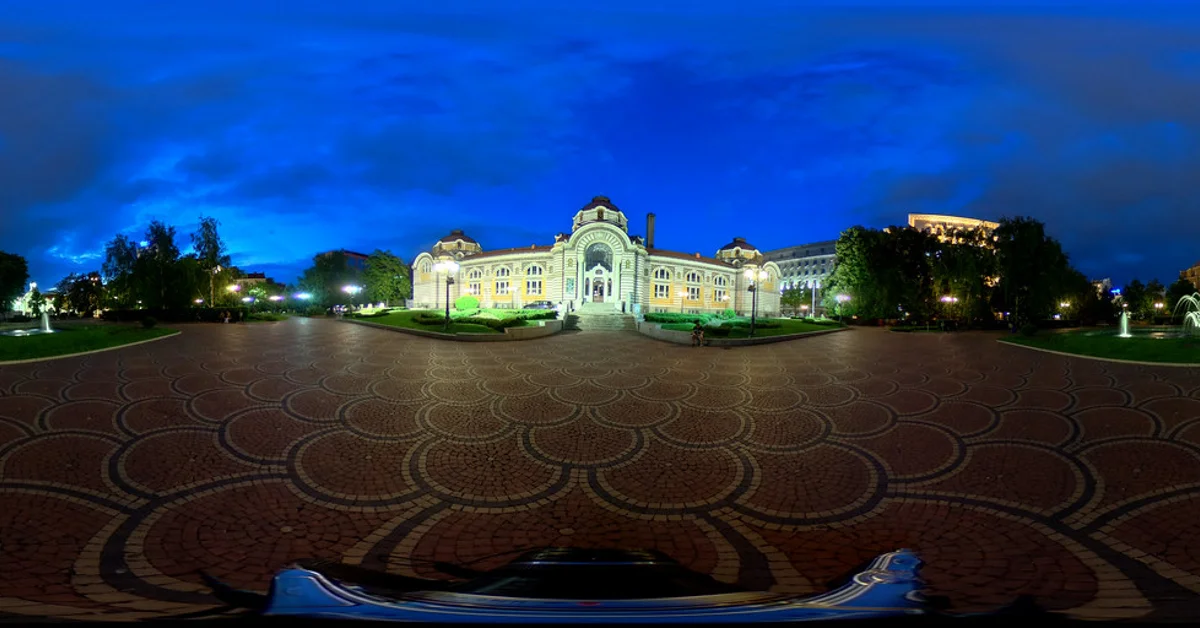
The Regional History Museum occupies the spectacular yellow-and-red former Central Mineral Baths (Sofia History Museum) Visitor Guide on Banski Square, a Byzantine-influenced building that is worth a stop for the architecture alone. Inside, the permanent exhibition runs through 8,000 years of city history, from Neolithic Serdica through Ottoman rule and into the modern era. The vintage tram you can board and the royal carriage of King Ferdinand are the crowd favorites.
Adult tickets are 6 BGN (around 3 EUR), with the museum open from 10:00 to 18:00 daily except Mondays, and a shorter 10:00 to 16:00 schedule on Saturdays. Use the Regional History Museum of Sofia map to find the public mineral water taps right outside, where locals fill up bottles for free.
6. National Gallery Kvadrat 500
Often called the Bulgarian Louvre, Kvadrat 500 holds more than 42,000 works split across 28 halls on four floors. The collection spans Bulgarian masters such as Vladimir Dimitrov-Maistora and Tsanko Lavrenov, plus a surprising Asian and African wing with tribal masks and Japanese woodblock prints. You will need at least two hours to do justice to even half of it.
The cost is 10 BGN (around 5 EUR) per adult, and hours are 10:00 to 18:00 Tuesday through Sunday with Mondays closed. Consult the National Gallery Kvadrat 500 guide for temporary exhibition details before you arrive, since the rotating shows on the second floor change every two to three months and are often the best part of a return visit.
7. St. Sophia Church Archaeological Level
Beneath the active 6th-century St. Sophia Church next to Alexander Nevsky Cathedral Visitor Guide, glass walkways carry you over 4th-century tombs, mosaics, and the foundations of three earlier basilicas. The site is a working necropolis frozen in time, with painted Christian symbols still legible on the tomb walls.
Entrance to the underground level is 6 BGN (around 3 EUR), with hours of 10:00 to 17:30 daily. The temperature underground stays around 16 to 18 degrees Celsius year-round, which makes this an excellent retreat during a 35-degree Sofia July afternoon. The stairs down are steep and there is no lift, so visitors with mobility issues should plan accordingly.
8. Alexander Nevsky Crypt Museum
Tucked under the famous gold-domed cathedral, this specialized museum holds one of the largest collections of Eastern Orthodox icons in Europe, with more than 200 panels dating from the 13th through the 19th centuries. The crypt also displays carved iconostasis fragments and religious manuscripts that the main cathedral does not show upstairs.
Entry is 10 BGN (about 5 EUR), and hours run Tuesday through Sunday from 10:00 to 17:30. The entrance is a small unmarked door on the left side of the cathedral exterior, which is why most tourists walk straight past it without realizing the collection is there. Photography without flash is allowed in 2026, a recent rule change worth knowing if you visit churches elsewhere in the country.
9. MUZEIKO Children's Science Center
MUZEIKO is the largest science center for kids in the Balkans, with three floors of hands-on physics, biology, and earth-science exhibits. The simulated paleontological dig in the basement and the second-floor weather station are the standouts, and the staff run free 30-minute workshops in Bulgarian and English on weekends.
Tickets are 15 BGN (around 8 EUR) for adults and children alike, with the museum open daily from 10:00 to 18:00 in the Studentski Grad area. It is a perfect choice for family-friendly activities in Sofia when the weather turns rainy, and it is the only museum on this list with a dedicated baby-changing room and stroller storage.
10. National Museum of Military History
The outdoor courtyard of the Military History Museum sprawls across 40,000 square meters and contains Soviet-era tanks, MiG fighter jets, missile launchers, and the helicopter Todor Zhivkov used as personal transport. Inside, the chronological halls cover the Balkan Wars, both World Wars, and the Cold War, with a strong section on medieval Bulgarian armor and Ottoman-era weapons.
Standard tickets are 8 BGN (around 4 EUR), and the museum is open Wednesday through Sunday from 10:00 to 18:00, closed Monday and Tuesday. Check the museum location to plan your walk from the Oborishte neighborhood; the closest tram stop is on Cherkovna Street, about 10 minutes on foot.
11. Ancient Serdica Complex
This open-air museum is integrated directly into the Serdica metro station and reveals excavated Roman streets, residential buildings, an early Christian basilica, and a section of the original 4th-century city wall. The glass-roofed central plaza lets you walk over and around the ruins as commuters stream past on the way to the metro.
Access to the main outdoor sections is free, which makes Serdica a staple for budget-friendly things to do in Sofia. The exposed ruins are accessible 24/7, while the indoor glass-covered sections follow standard city business hours of 10:00 to 18:00. Look for the bilingual interpretive panels added in 2025; they explain which buildings belonged to merchants versus the imperial garrison.
12. National Museum of Natural History
Located right next to the Russian Church on Tsar Osvoboditel Boulevard, this museum holds more than one million specimens including rare fossils, minerals, mounted mammals, and a particularly strong collection of Bulgarian birdlife on the upper floor. The dinosaur hall is small but includes a complete Plateosaurus cast that draws families on weekends.
Adult admission is 5 BGN (around 3 EUR), and the museum is open daily from 10:00 to 18:00 with no weekly closure. The building itself is one of the oldest natural history museums in southeastern Europe, founded in 1889, and the wood-panelled display cases on the third floor have been preserved in their original 19th-century configuration.
13. Earth and Man National Museum
This world-renowned museum behind the National Palace of Culture holds one of the largest mineralogical collections on the planet, covering 40 percent of all known minerals across more than 27,000 specimens. The giant crystal hall is the headline: a single Brazilian amethyst geode taller than a person sits at the entrance, and the rotating fluorescent-mineral cabinet glows in deep ultraviolet on a 60-second cycle.
Entry is 4 BGN (about 2 EUR), making this the cheapest serious museum in central Sofia. Hours are 10:00 to 18:00 Tuesday through Saturday, with Sunday and Monday closed. The building itself is a preserved late-19th-century industrial landmark, the former arsenal, with its original wrought-iron roof trusses still in place above the giant crystal hall.
Is Sofia Worth Visiting for History Buffs?
Many travelers ask Is Sofia Bulgaria Worth Visiting? 10 Things to Know compared to more famous European capitals like Prague or Budapest. The answer lies in the sheer density of history visible on every street corner. Sofia is one of the oldest continuously inhabited cities in Europe, and its museums chronicle a timeline that spans more than seven millennia from Neolithic Serdica to the post-communist republic.
You can stand on a 4th-century Roman street while looking at a Socialist-era government building and a 16th-century Ottoman mosque without moving your feet. This unique collision of architectural and historical layers makes the city a strong choice for travelers who prefer depth over volume. Museums here are rarely overcrowded compared to Western capitals, which lets you stand alone in front of a Thracian gold mask and study the rivet work without anyone leaning over your shoulder.
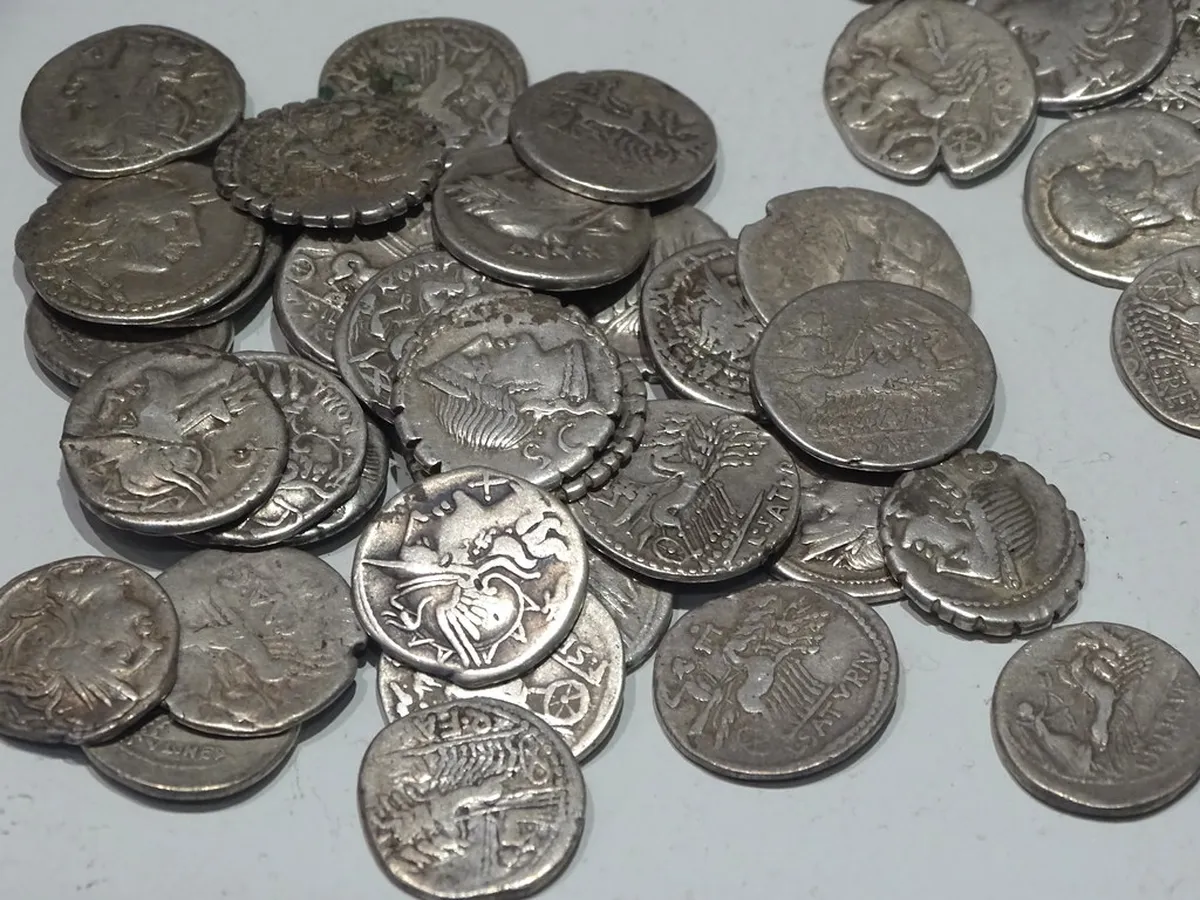
While Sofia lacks the scale of the Louvre or the British Museum, its specialized collections are world-class on their narrower terms. The Thracian gold treasures alone justify the flight; they represent some of the finest ancient metalwork in existence and are rarely loaned out for international exhibitions.
Monday Closures and the Sofia City Card Math
The single most common mistake visitors make is planning a heavy museum day on a Monday. Almost all state-run institutions close on Monday for maintenance, including Kvadrat 500, the Regional History Museum, the Museum of Socialist Art, the Alexander Nevsky Crypt, and Earth and Man. If your only free day is a Monday, focus on the Ancient Serdica Complex, the Red Flat, the Natural History Museum, and the National History Museum in Boyana, all of which stay open seven days a week.
The Sofia City Card costs roughly 39 BGN (20 EUR) for 24 hours and 65 BGN (33 EUR) for 48 hours, and it bundles unlimited public transport with free entry to several museums. Run the math before buying: if you plan four full-priced museums in 48 hours (for example Kvadrat 500 at 10 BGN, Archaeological at 10 BGN, Regional History at 6 BGN, and the Crypt at 10 BGN, totalling 36 BGN), the card is roughly cost-neutral and the unlimited transport tips it into value. For a single-day visit covering only two museums, individual tickets and a 10-leva day metro pass come out cheaper.
One museum to be cautious about is the National Museum of Literature unless you read Bulgarian. Most exhibits are text-heavy with limited English translations, which can frustrate international tourists. Spend that time instead on the visual splendor of the Archaeological Museum or the immersive Red Flat where the audio guide does the heavy lifting.
Walking Route and Accessibility Notes
Most museums on this list are within a 20-minute walk of the Serdica metro station. A logical central walking route starts at the Archaeological Museum, moves to the Regional History Museum at the Mineral Baths, continues to the St. Sophia underground level, and ends at Kvadrat 500. That loop covers roughly 2 kilometers on flat terrain and lets you queue at the most popular two early in the morning when crowds are thinnest.
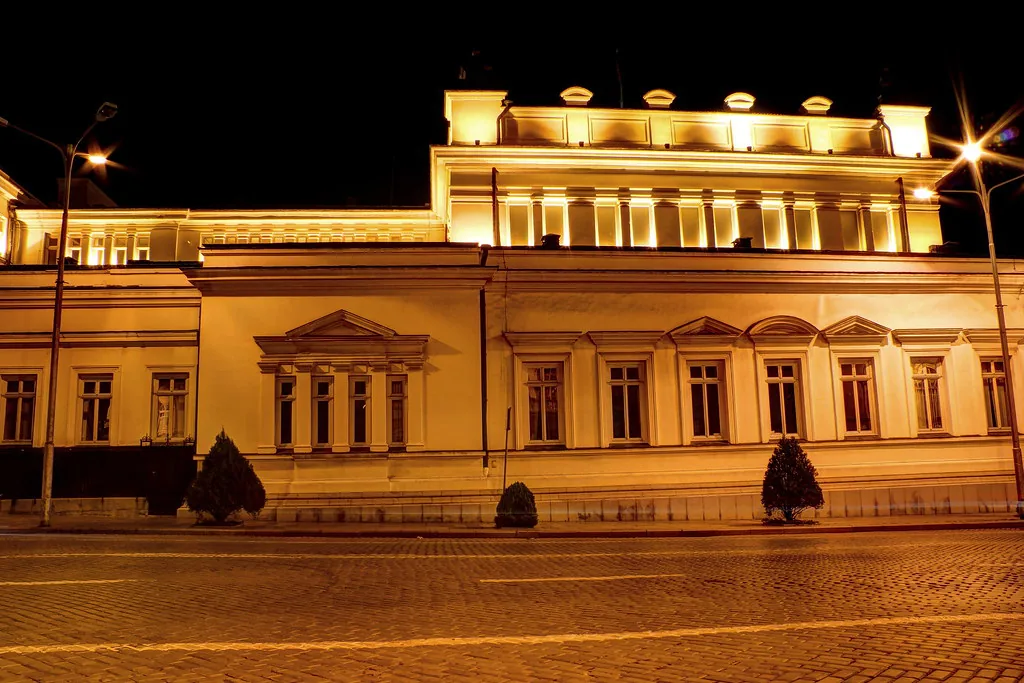
For the National History Museum, you must use Sofia Transportation to reach Boyana. Bus 63 leaves from Tsar Boris III Boulevard every 15 minutes, or a Yellow!Taxi or Bolt ride costs around 15 BGN (8 EUR) from Serdica. If you are following a Sofia 3-day itinerary, dedicate one full day to Boyana and Studentski Grad and two days to central spots to prevent museum fatigue.
Accessibility deserves a frank note that most travel guides skip. The Archaeological Museum, Kvadrat 500, MUZEIKO, and the Earth and Man Museum all have lifts and step-free routes through the main exhibition halls. The St. Sophia underground level, the Alexander Nevsky Crypt, and the Regional History Museum are stairs-only, with no lift access to the lower floors. Carry small change in BGN coins for cloakrooms and gift shops, since several smaller museum tills still do not accept international credit cards in 2026.
Frequently Asked Questions
Which museums in Sofia are best for first-time visitors?
First-time visitors should prioritize the National Archaeological Museum and the National History Museum. These two sites provide the best overview of Bulgaria's ancient treasures. The Red Flat is also essential for understanding modern history.
How much do museum tickets cost in Sofia?
Most museum tickets in Sofia range from 5 BGN to 18 BGN per adult. This makes the city very affordable for cultural explorers. Many sites offer discounted family tickets or free entry on the last Sunday of each month.
Are Sofia museums closed on Mondays?
Yes, the majority of state-run museums in Sofia are closed on Mondays. The Ancient Serdica Complex and The Red Flat are notable exceptions. Always check the official website before visiting on a Monday to avoid disappointment.
Sofia's museums offer a profound look into a history that is both ancient and complex. From the shimmering Thracian gold to the stark reminders of the communist past, the city provides a cultural depth that surprises most visitors. By planning around Monday closures, running the City Card math honestly, and grouping visits geographically, you can see the best of the city in just a few days.
Whether you are a solo traveler or visiting with family, these thirteen sites ensure a memorable trip. The layers of Serdica are waiting to be explored, so pack your walking shoes and dive into the heart of the Balkans.