Vitosha Boulevard Visitor Guide
Vitosha Boulevard serves as the vibrant heart of Sofia, offering a mix of shopping, dining, and stunning mountain views. This pedestrian-friendly street remains the most popular gathering spot for both locals and international travelers visiting Bulgaria in 2026. Whether you want to browse luxury boutiques or enjoy a coffee with a view, this guide covers everything you need to know. Planning a visit to Sofia starts with understanding the unique rhythm of its most famous thoroughfare.
For a sense of the boulevard in action, this walking tour captures its vibrant atmosphere:
Must-See Vitosha Attractions
The southern end of the boulevard is anchored by the massive National Palace of Culture, known locally as NDK. This architectural landmark hosts major events and features beautiful fountains that light up during the summer evenings. Walking toward the north, you will see the impressive dome of St. Nedelya Church framing the street's end. The contrast between the modern shops and the historic church creates a unique visual experience for every visitor.
Look up often to catch glimpses of the snow-capped peaks of the nearby mountain range that gives the street its name. The view of the mountain from the middle of the boulevard is one of the most photographed spots in the city. Many visitors enjoy the street performers who bring music and energy to the sidewalk throughout the afternoon. These local artists showcase the creative spirit that defines the modern culture of the Bulgarian capital.
Nearby side streets hide smaller gems like the Statue of Sofia, which stands tall near the Serdika metro station. This golden monument represents the city's history and offers a great starting point for a walking tour. Most major landmarks are within a ten-minute walk from the central part of the pedestrian zone. Exploring these nearby sites helps you understand how the boulevard connects different eras of Bulgarian history.
Museums, Art, and Culture in Vitosha
While the boulevard is famous for shopping, it also provides easy access to some of the city's best cultural institutions. The Regional History Museum is located just a short walk away in the beautiful former Central Mineral Baths building. Visitors can learn about the ancient Thracian and Roman roots of the city before returning to the modern street. Checking the National History Museum, Sofia Visitor Guide schedule is also recommended for those wanting a deeper dive into the past.
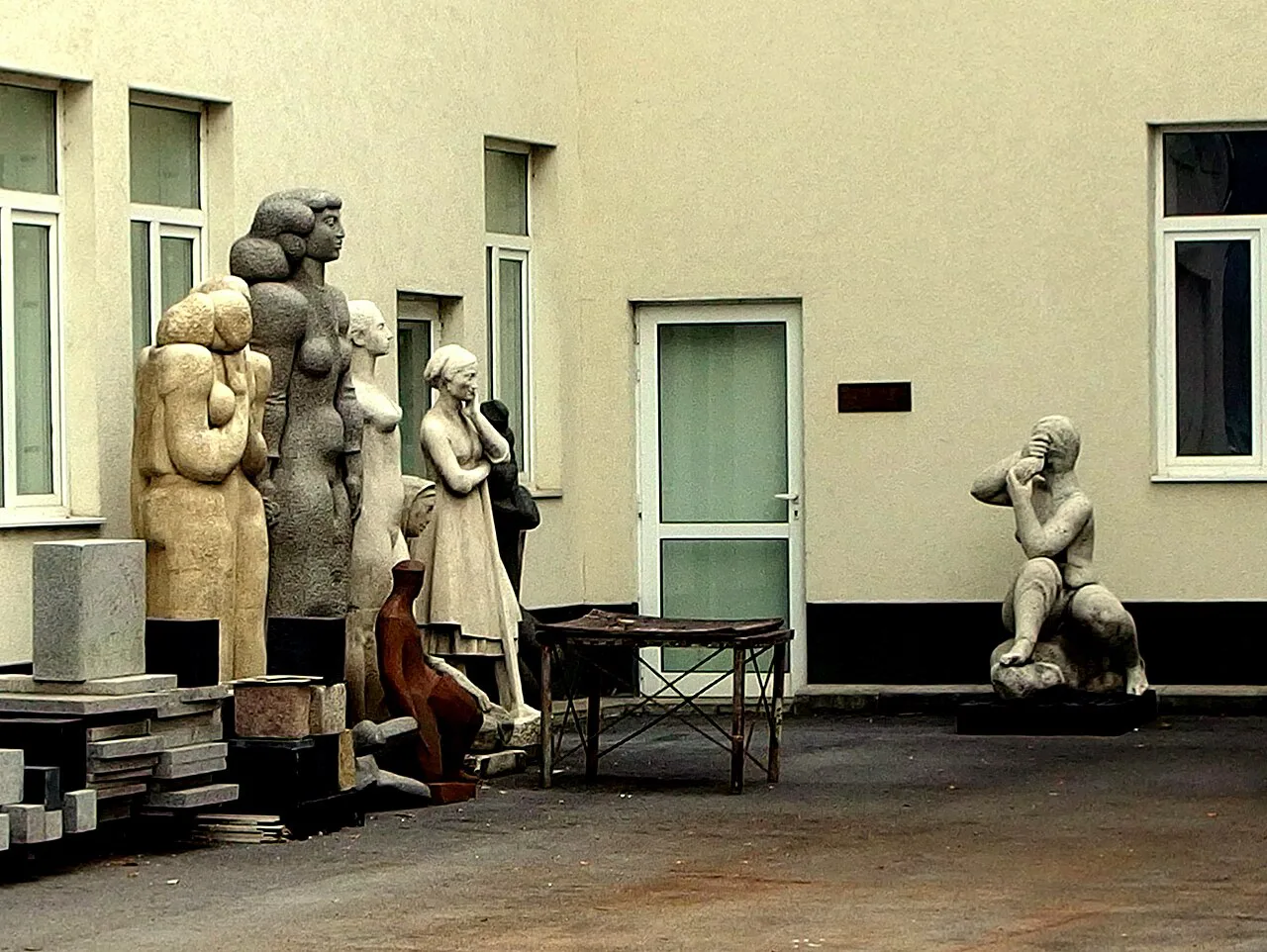
Art lovers will find several small galleries tucked away in the quiet residential streets branching off the main path. These spaces often feature contemporary Bulgarian artists and offer a peaceful escape from the busy shopping crowds. The architecture along the boulevard itself is a form of art, showcasing styles from the early 20th century. Many buildings have been carefully restored to maintain their historical charm while housing modern international brands.
Cultural events often spill out onto the street, especially during the warmer months of the year. You might encounter book fairs, outdoor photography exhibitions, or small festivals celebrating local Bulgarian traditions. These spontaneous events make every walk down the boulevard feel like a new and exciting discovery. Keep an eye on local event posters to see if any special performances are scheduled during your stay.
Parks, Gardens, and Outdoor Spots in Vitosha
The connection between the urban environment and nature is a defining feature of a walk down Vitosha Boulevard. At the southern tip, the NDK park offers vast green spaces and benches for resting after a long walk. This area is perfect for people-watching or enjoying a quick snack from a nearby local bakery. The fountains provide a cooling mist during the hot summer days, making it a favorite spot for families.
If you continue walking south beyond the palace, you will eventually reach the expansive South Park. This is one of the largest green lungs in the city and offers miles of walking and cycling paths. Many locals use this route to transition from the bustling city center to the base of Vitosha Mountain Visitor Guide for weekend hikes. The transition from high-end retail to lush forest is surprisingly quick and very refreshing.
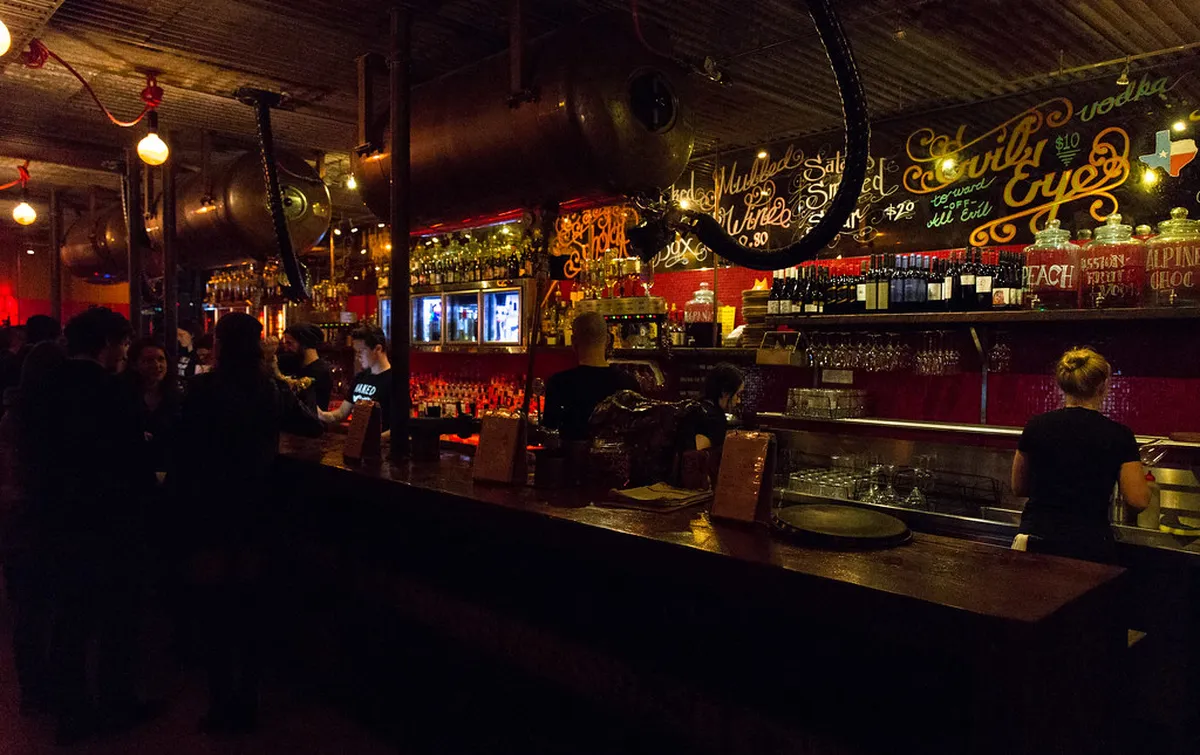
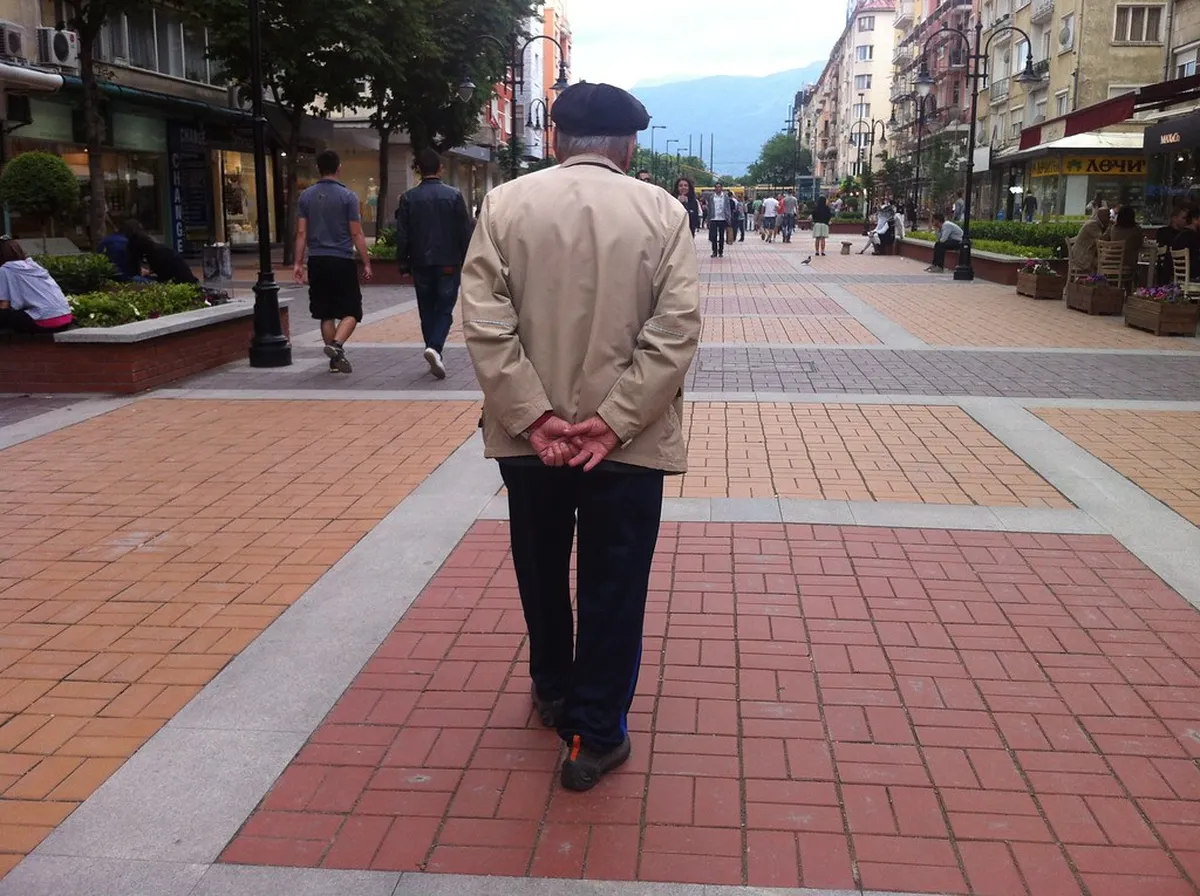
Outdoor seating is a staple of the boulevard, with cafes extending their terraces into the pedestrian zone. Sipping a drink while surrounded by flower stalls and greenery creates a relaxed Mediterranean atmosphere. The street is lined with trees that provide shade and help keep the air fresh during the busy midday hours. It is the perfect place to enjoy the Bulgarian sun while staying in central the action.
Family-Friendly and Budget-Friendly Options in Vitosha
Traveling on a budget is easy on Vitosha Boulevard if you know where to look for value. The street is entirely pedestrianized, making it a safe and stress-free environment for families with young children. Kids can run freely without the worry of traffic, while parents browse the nearby shop windows. Public benches are available every few meters, allowing for frequent rests without needing to buy a meal.
For affordable food, look for small windows selling traditional Bulgarian banitsa or slices of pizza. These local snacks are delicious and cost significantly less than a full sit-down meal at a trendy restaurant. Many shops also offer seasonal sales, making it possible to find high-quality clothing at discounted prices. Window shopping is a popular and completely free activity that allows you to soak in the local fashion scene.
Free walking tours often meet near the northern end of the boulevard several times a day. These tours are a fantastic way to learn about the city's history from a local perspective without an upfront cost. While tips are expected, the experience provides incredible value for travelers wanting to save money. Most guides are students or young professionals who share personal stories about life in modern Bulgaria.
How to Plan a Smooth Vitosha Attractions Day
Timing is everything when you want to avoid the biggest crowds on this popular shopping street. Early mornings are the best time for photography, as the low sun illuminates the mountain peaks beautifully. Most shops open around 10:00 AM, so arriving early allows you to enjoy the architecture in peace. The journey from the airport to the city center takes approximately 18 minutes by metro, making access very easy.
Wear comfortable walking shoes, as you will likely cover several kilometers while exploring the side streets. The pavement is generally flat, but some of the older side roads still feature traditional cobblestones. Public transport is excellent: the Serdika and NDK metro stations serve both ends of the boulevard, bus line 84 connects to the airport as a backup to the metro, and a rechargeable Sofia City Card is worth buying if you are staying more than two days and mixing metro, tram, and bus rides. For taxis, use a metered ride-hailing app such as TaxiMe rather than flagging a cab outside a hotel or the airport terminal, where unmetered overcharging is still the most common complaint from first-time visitors.
Combine your boulevard walk with a trip to the nearby mountain for a full day of adventure. You can take a bus or taxi from the southern end of the street to reach the hiking trails in minutes. Always check the weather forecast before heading toward the mountain, as conditions can change rapidly. Planning your route in advance ensures you see the best of both the urban and natural worlds.
Vitosha Boulevard
Locally known as "Vitoshka," this street is the primary commercial artery of the Bulgarian capital. It stretches from St. Nedelya Square to the National Palace of Culture, creating a long corridor of activity. The street has undergone significant renovation to become a fully pedestrian zone with modern paving and lighting. You can find the exact location of the street on this Vitosha Boulevard map to plan your arrival.
The mix of international retailers and local boutiques offers something for every type of shopper, a reputation serious enough that a 2007 Cushman & Wakefield study ranked the street the world's 22nd most expensive retail address. Luxury fashion brands sit alongside popular high-street names today, providing a diverse range of price points despite that pedigree. In the evenings, the boulevard transforms into a nightlife hub with bars and restaurants staying open late. The atmosphere is electric as people gather to enjoy dinner and drinks under the city lights.
History is visible in the foundations of the street, which sits above the Ancient Serdica Archaeological Complex Visitor Guide. You can see Roman ruins integrated into the metro station at the northern end of the boulevard. This layering of history makes a simple walk feel like a journey through different centuries. It is this unique blend of the old and the new that makes the boulevard so special.
Building a Sofia Itinerary Around Vitosha Boulevard
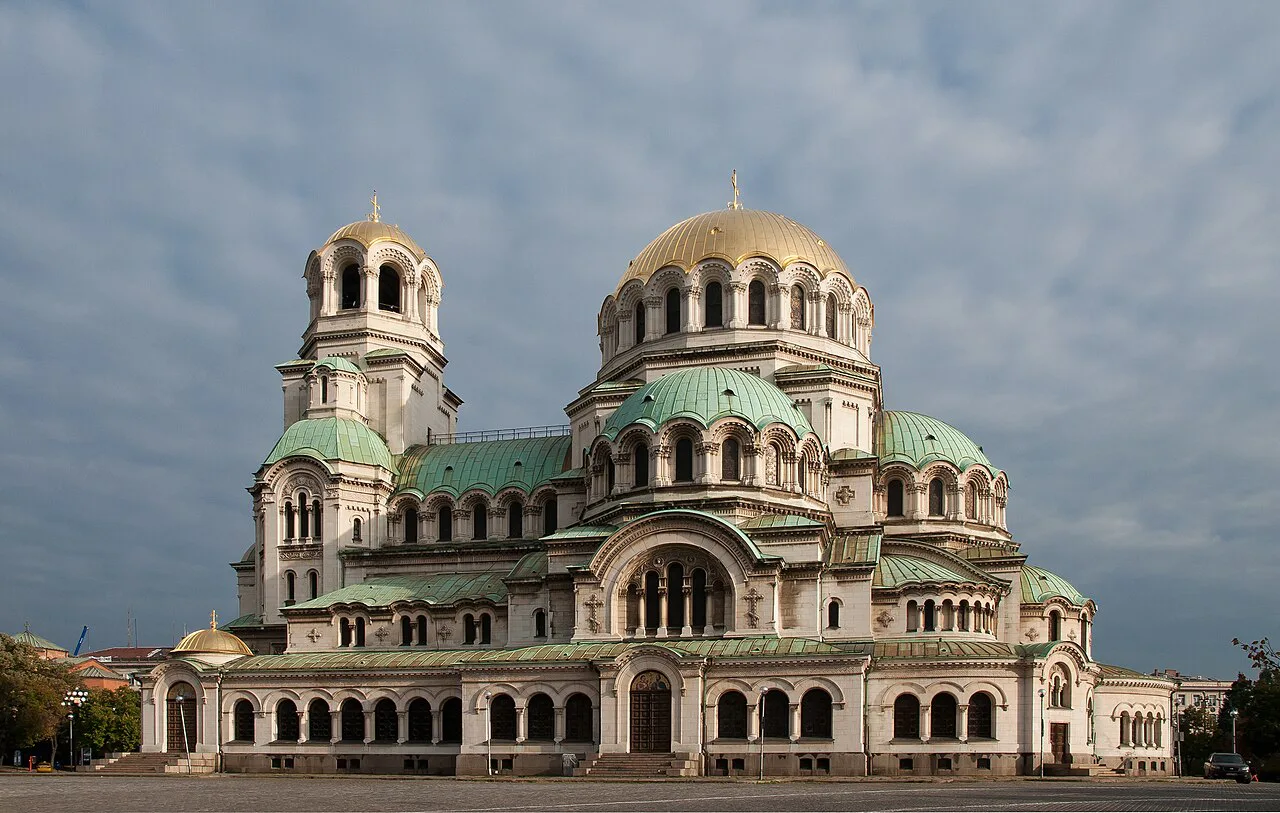
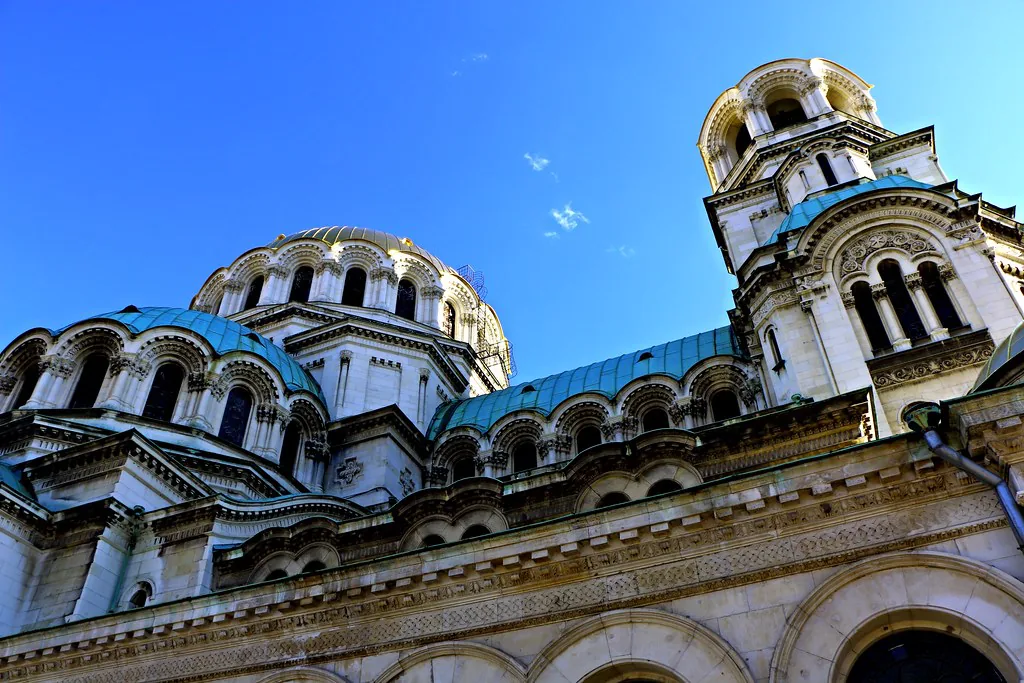
A single day in Sofia works best when the boulevard anchors the route rather than competing with it. Start at the St Nedelya end before the shops open, walk south past the cafes and side-street galleries, and finish near the National Palace of Culture. Add a short detour to the Alexander Nevsky Cathedral Visitor Guide and you have covered the city's headline sights without ever feeling rushed.
Three days gives enough room to slow down. Fold in the Regional History Museum and the National Art Gallery on day two, then use day three for Boyana Church and a longer lunch on one of the quiet streets branching off the main pedestrian stretch. This pace also leaves time to duck into the hidden courtyards that most one-day visitors walk straight past.
Five days or more is really a Sofia-plus-mountain itinerary: the extra days go toward a full hike above the city and a day trip to Rila Monastery or Plovdiv. Group nearby sights together so you are not crossing town twice for two attractions that sit a ten-minute walk apart, and if you like self-guided narration, a paid audio walk is one option for the boulevard's statues and facades — useful, but not essential if you are comfortable navigating with a map.
Local Know-How Before You Go
Bulgaria still uses the Lev (BGN), not the euro, and the exchange rate has stayed pegged for years, so budgeting is predictable in 2026. Most shops and restaurants on Vitosha Boulevard take cards, but keep 10 to 20 Lev in small notes for the bakery windows and market stalls that are cash-only. Contactless payment works on the metro and at every international retailer along the strip.
Street signage in central Sofia is bilingual, with Cyrillic paired with a Latin transliteration, so reading a map or a shop name rarely requires learning the alphabet. A simple "Dobar den" for good day at a family-run shop is appreciated, though most people under 40 in the city center speak fluent English and switch to it immediately if you look lost.
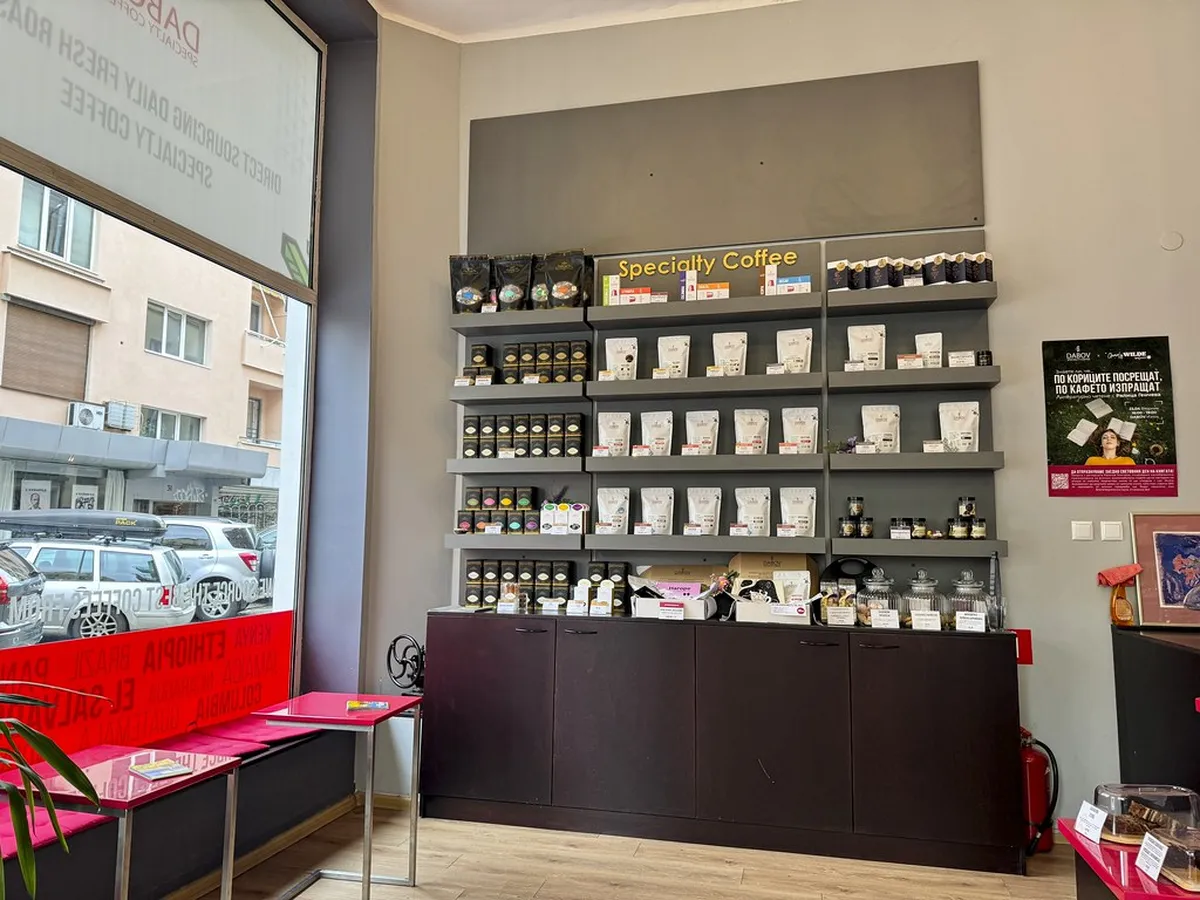
Free Wi-Fi covers nearly every cafe terrace and much of the pedestrian zone itself, which makes it easy to pull up transit times or a restaurant menu on the move. For a reliable coffee stop, the Altruist – Urban Coffee Shop & Bakery sits just off the main strip and doubles as a handy meeting point if your group splits up to shop.
How Many Days to Spend in Sofia
Deciding how long to stay in the city depends on your interest in history and outdoor activities. A two-day visit is usually enough to see the main highlights of the Sofia Attractions city center. This timeframe allows you to walk the entire boulevard and visit the most important cathedrals and ruins. You will have enough time to sample the local cuisine and enjoy the evening atmosphere.
Adding a third day is highly recommended if you want to explore the outskirts of the city. This extra time is perfect for visiting the National History Museum or taking the lift up the mountain. Nature lovers might even want to stay longer to explore the various trails and waterfalls nearby. The city offers enough variety to keep most travelers engaged for a full four or five days.
If you are using Sofia as a base for regional travel, a week is a great choice. You can take day trips to the Rila Monastery or the ancient city of Plovdiv from the central station. Returning to the familiar comfort of Vitosha Boulevard each evening provides a nice sense of routine. The boulevard remains the perfect place to unwind after a long day of exploring Bulgaria.
Where the Pedestrian Zone Actually Starts and Stops
Not all 2.7 km of Vitosha Boulevard is traffic-free, and this is the single most common mix-up for first-time visitors. Only the core stretch between Patriarch Evtimiy Boulevard and Alabin Street, fully pedestrianized since 2015, is genuinely car-free. North toward St Nedelya Square and south past Patriarch Evtimiy, the boulevard carries ordinary city traffic and tram crossings, so do not expect the whole route from the church to the palace to be a single uninterrupted walking street.
That distinction matters for accessibility as much as for safety. The pedestrianized core has flat, resurfaced paving from the 2015 renovation and is genuinely wheelchair- and stroller-friendly, with wide sightlines and no curbs to navigate. The side streets branching off it, and the sections outside the car-free core, still have the older cobblestones and higher curbs typical of central Sofia, so wheelchair users and parents with strollers get the smoothest experience by sticking to the marked pedestrian stretch and using the signaled crossings elsewhere.
A second mix-up trips up evening arrivals: the street itself never closes, since it is simply public space, but shops and cafes set independent hours and most boutiques lock up by 22:00-23:00 on weekdays. Arrive after dinner and you will find a busy, well-lit promenade with full terraces, not the shuttered street some visitors expect once the retail lights go dark.
Continue planning: Use Sofia Attractions: 12 Top Sights, Tickets & Tips to connect this guide with the rest of your Bulgaria itinerary.
Frequently Asked Questions
What are the best shops on Vitosha Boulevard?
Vitosha Boulevard features a mix of international brands like H&M and Zara alongside local Bulgarian boutiques. You can also find luxury retailers and specialty souvenir shops selling rose oil products. For a complete list of shopping options, check our main Sofia travel guide for updated 2026 store listings.
Is Vitosha Boulevard expensive for dining?
Dining prices on Vitosha Boulevard are higher than in residential neighborhoods but still affordable for most international travelers. A mid-range meal typically costs between 15 and 30 Bulgarian Lev per person. You can find better value by exploring the smaller side streets just a block away from the main pedestrian zone.
How do I get to Vitosha Boulevard from the airport?
The easiest way to reach the boulevard is by taking the Sofia Metro Line 4 directly from the airport terminal. The journey takes about 18 minutes and costs only 1.60 Lev for a single ticket. Exit at the Serdika station to arrive at the northern end of the famous pedestrian street.
Vitosha Boulevard remains an essential stop for anyone looking to experience the true heart of Sofia. From the high-end shops to the historic ruins, the street offers a diverse range of activities for every traveler. Use this guide to plan your visit and discover why this vibrant pedestrian zone is so beloved by locals. We hope your journey through the capital of Bulgaria is filled with memorable sights and wonderful experiences.
For authoritative information, refer to the Vitosha Boulevard on Wikipedia.
For more Sofia planning, read our Things To Do in Sofia, Bulgaria (2026 Guide), Bulgarian Rakia 2026: 8 Tips + Best Sofia Mehanas to Try It, and Boyana Church Day Trip From Sofia: The Complete Visitor's Guide guides.