8 Essential Facts About the Ethnographic Museum Plovdiv
The ethnographic museum plovdiv is the best single stop in the city for understanding how people in Thrace, the Rhodopes, and the Central Balkan region worked, dressed, celebrated, and traded. Its collection holds more than 40,000 objects, but the visit does not feel like a warehouse of artifacts. The setting is the point: every room sits inside one of the finest National Revival houses in Plovdiv Old Town Guide: Architecture, History, and Travel Tips routes.
For 2026, treat the Regional Ethnographic Museum Plovdiv as both an architectural landmark and a practical culture stop. It pairs well with the Roman Theater, Ultimate Balabanov House Visitor Guide, and a slow 10 Best Ways to Experience a Plovdiv Walking Tour through the cobbled Old Town lanes. If you are choosing among Best Things to Do in Plovdiv, this is the museum that explains the domestic, craft, and festive life behind the city's historic facades.
History of the Kuyumdzhiev House
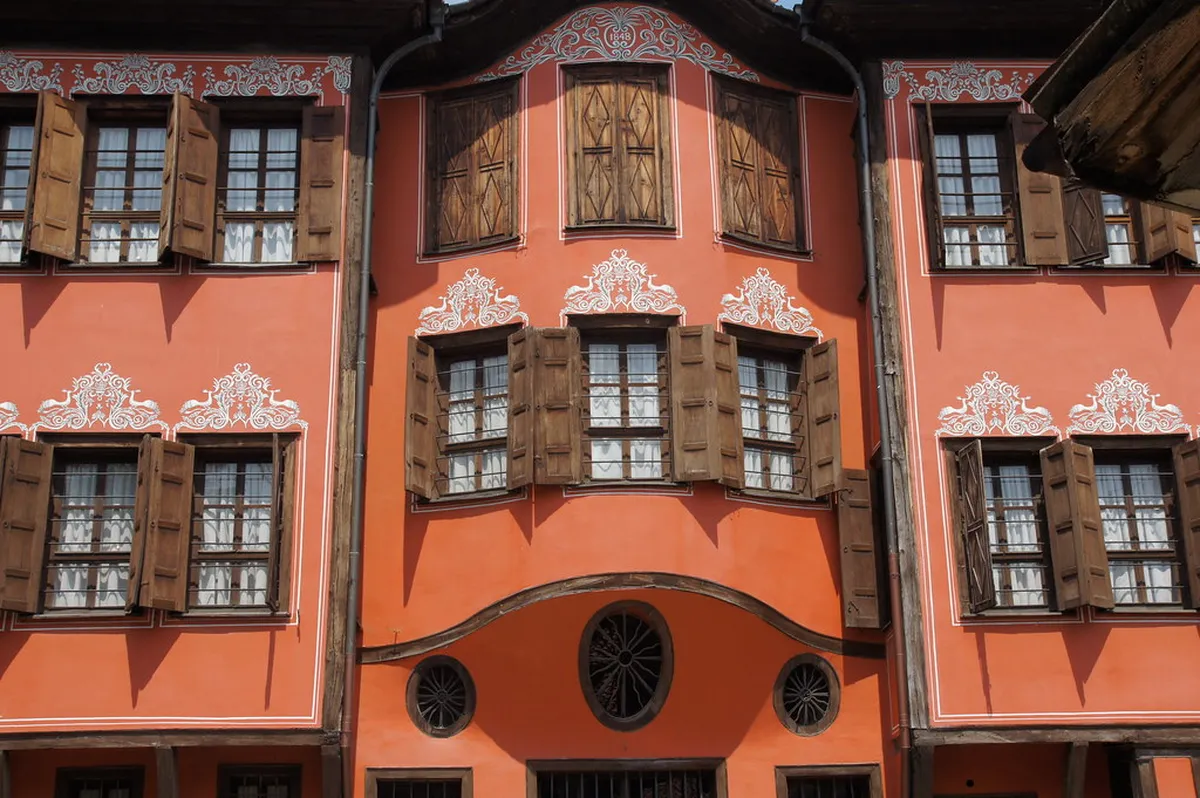
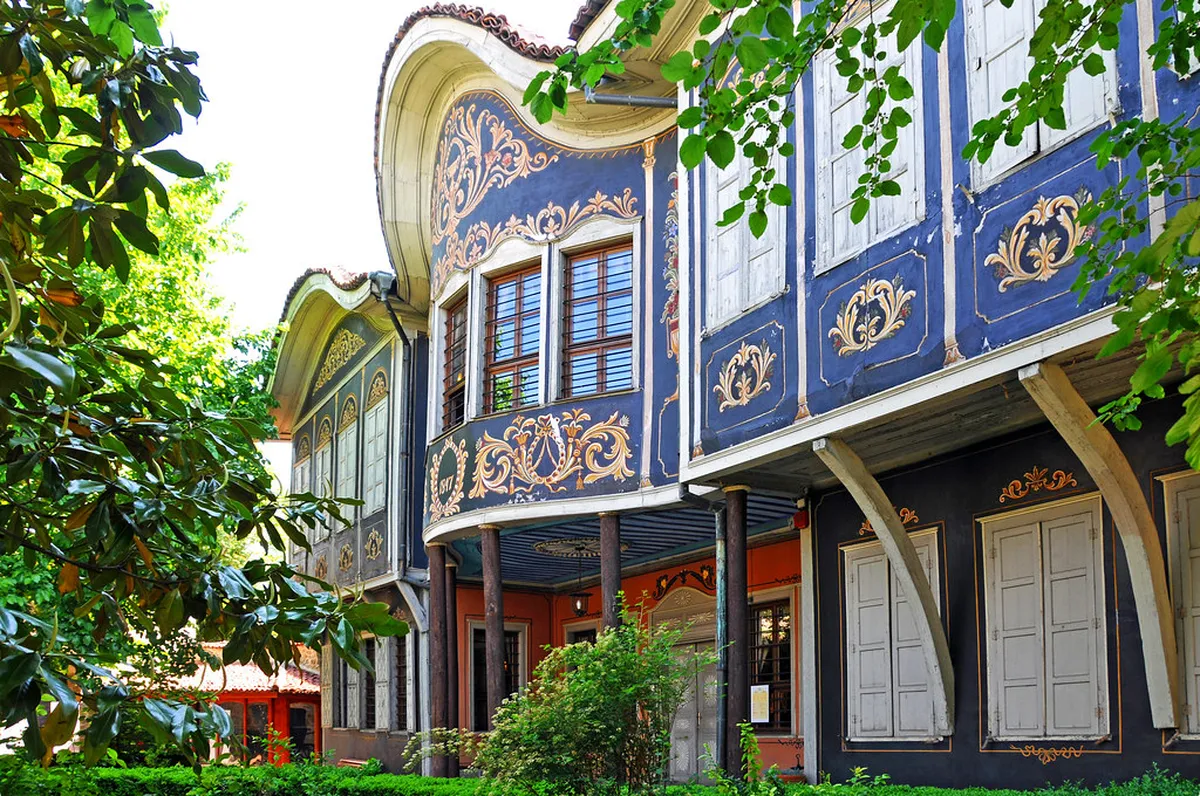
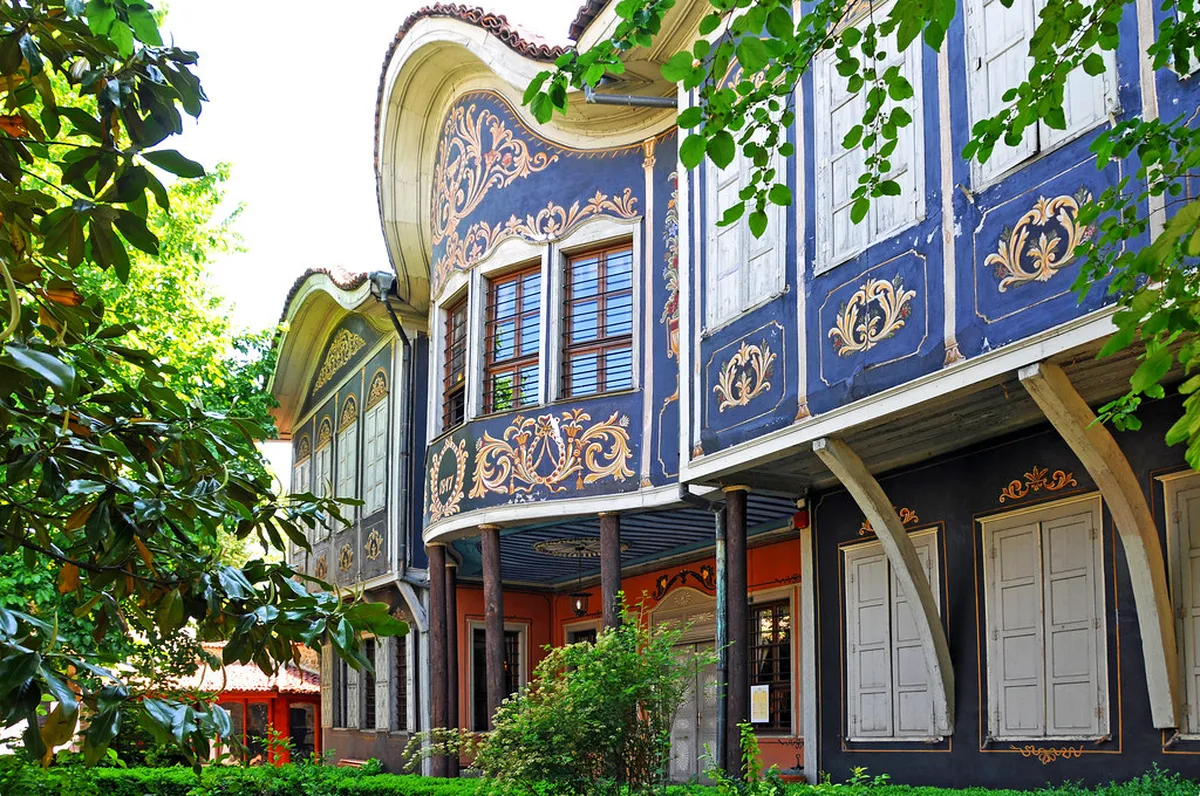
The museum occupies the Kuyumdzhiev House, built in 1847 for the merchant Argir Kuyumdzhioglu. Master Hadzhi Georgi designed it as a status house, with a sweeping curved facade, symmetrical rooms, painted decoration, carved wooden ceilings, and a garden courtyard that still frames the visit. It is widely treated as one of the strongest examples of Bulgarian National Revival, often described as Bulgarian Baroque.
The museum idea dates to 1891, while the formal district museum was established in 1917. The ethnographic collection moved into the Kuyumdzhiev House in 1938, opened there in 1943, and later became the National Ethnographic Museum. The building is a cultural monument of national significance, so even visitors with limited museum time should look closely at the ceilings, facade, and room proportions before moving to the displays.
The Agriculture and Animal Husbandry Exhibits
Agriculture and animal husbandry are core sections because the museum covers a region shaped by fertile plains and mountain pastures. Expect plows, sickles, threshing tools, storage vessels, and equipment tied to grain, wine, dairy, and livestock. These objects are not decorative; they show how household survival, local trade, and seasonal labor worked before industrial farming.
The wine and dairy material is especially useful if you are traveling beyond Plovdiv into villages or the Rhodope Mountains. Barrels, vessels, bells, and shepherding tools connect the city museum to living food traditions. The displays make the later craft rooms easier to understand because many craft guilds served the same farming households.
Traditional Crafts: Pottery, Copper, and Ironwork
Plovdiv's craft guilds were a major part of the city's Ottoman and Revival-period economy. The museum shows pottery, copper work, wrought iron, wood-carving, goldsmithing, and household objects that once moved through local markets. Look for the difference between everyday tools and ceremonial pieces; that contrast tells you how craft skill crossed from practical work into prestige.
Copper smithing is one of the most memorable displays. Engraved trays, coffee pots, bowls, and church salvers show the precision of 18th- and 19th-century workshops, while pottery vessels reveal the simpler rhythms of storage, cooking, and trade. You can still see echoes of these forms while Plovdiv Shopping, but the museum pieces show the older standards of proportion and ornament.
- Pottery vessels show how households stored grain, wine, oil, and water before mass-produced containers.
- Copper and iron pieces connect the museum to bazaar life, church use, and the dining customs of wealthier homes.
- Wood-carving and goldsmithing add a higher-status layer, with decoration that was meant to be noticed by guests.
Textiles and the Evolution of Bulgarian Clothing
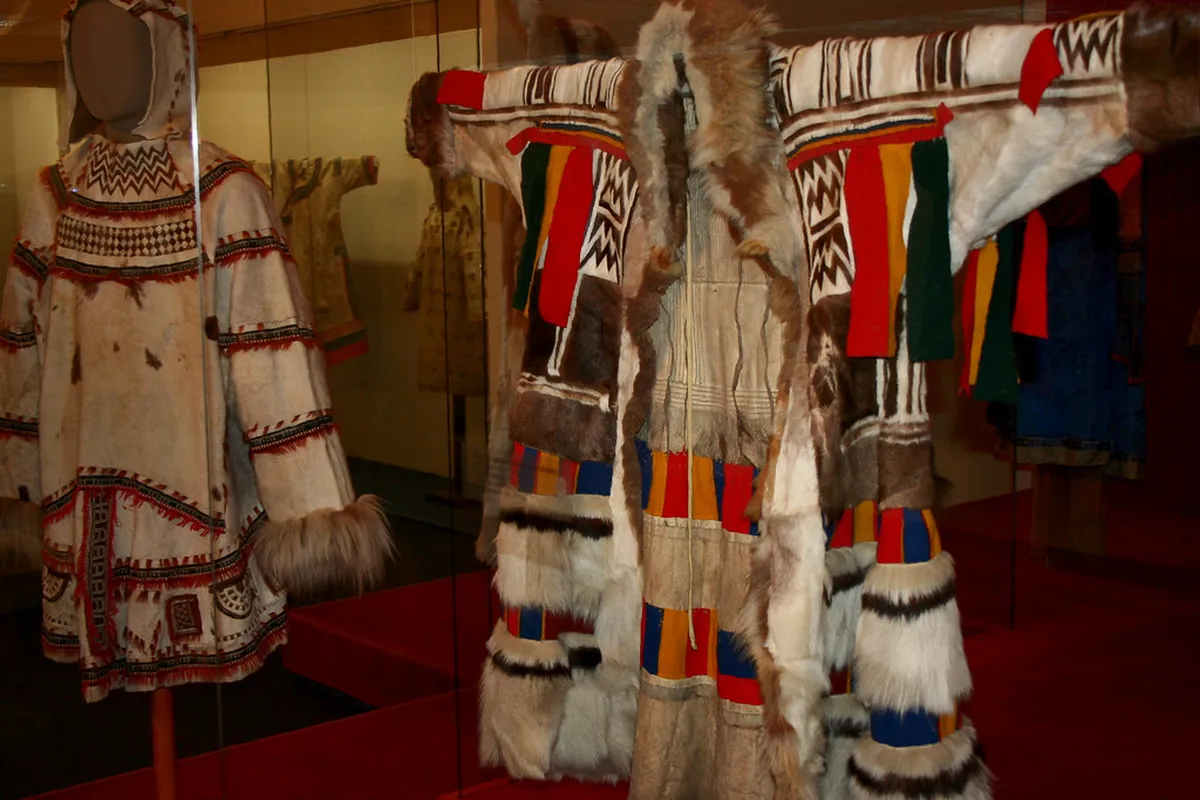
The textile and clothing halls are among the easiest sections to enjoy without specialist knowledge. Costumes from Thrace, the Rhodopes, and other Bulgarian regions use embroidery, jewelry, belts, aprons, and head coverings to show age, status, origin, and occasion. Wedding garments and festive clothing are usually the most striking because they compress family wealth and local identity into a single outfit.
The fabrics also show Plovdiv's changing place in the 19th century. Rural wool and homespun textiles sit beside more urban clothing influenced by European fashion. That shift matters because Plovdiv was not an isolated heritage town; it was a trading city where older Bulgarian customs and cosmopolitan tastes met.
Musical Instruments, Ritual Objects, and Interiors
The permanent collection is usually described in six sections: agriculture, crafts, textiles and clothing, furniture and interior, musical instruments and ritual items, and fine art. The current visit is strongest when you treat these as connected parts of one household world. A costume makes more sense beside a wedding ritual object, and a carved chest makes more sense inside a recreated room.
Musical instruments and ritual items add sound and ceremony to the story. They point to weddings, calendar holidays, church-linked customs, and village gatherings rather than everyday labor. The interior displays, including furniture and room arrangements from Plovdiv, Koprivshtitsa, and the Rhodopes, help visitors imagine how wealth, taste, and regional habit shaped domestic space.
The Hidden Ottoman Hammam Discovery
The courtyard contains one of the museum's best surprises: the remains of an Ottoman-period hammam uncovered during facade restoration in 2017. Restorers identified three rooms arranged one after another, with preserved construction traces and fragments of original interior plaster. The Ottoman hammam structure sits to the left of Argir Kuyumdzhioglu's house and adds an older layer beneath the Revival-era mansion.
The hammam also gives context to the often-repeated Churchill anecdote about Bulgarian bathing habits. Whether treated as legend or local joke, the restored rooms make the point clearly: bathing culture had a real place in Ottoman Plovdiv. For history-focused travelers, this is one of the better lesser-known places in Plovdiv: Offbeat Finds for 2026 because it is easy to miss if you rush straight through the main house.
Spend a few minutes here before leaving the courtyard. The museum's main rooms tell a Bulgarian Revival story, while the hammam reminds you that Plovdiv's cultural layers are older and more mixed. That contrast is one of the reasons the site feels richer than a simple folk-costume museum.
Fine Art and the Famous 'Plovdiv Fair' Painting
The fine-art section broadens the museum beyond craft and costume. It includes paintings, icons, carvings, metalwork, figurines, and panels, with works connected to Bulgarian artists such as Simeon Velkov, Kosta Forev, Georgi Bozhilov, Dimitar Kirov, and Kolyu Vitkovski. These pieces give visual context to the people, interiors, and customs shown elsewhere in the house.
The key work is Ivan Markvichka's 'The Plovdiv Fair' from 1888. It matters because it shows everyday urban life after Bulgaria's liberation in 1878, with clothing, trade, crowd movement, and social mixture all visible in one scene. Look at it after the textile rooms; the costumes in the painting become easier to read when you have just seen similar garments in the displays.
For a visual walkthrough of the house, its painted ceilings, and the collection rooms before your visit, this short travel video offers a helpful tour.
What to See Online and What to Save for the Museum
Google Arts & Culture is useful before you go because it gives a quick overview of selected objects and confirms why the museum is considered the second-largest specialized ethnographic museum in Bulgaria. Use it to preview costumes, paintings, and collection themes, especially if you are short on time. It is also helpful for deciding whether children or less museum-focused travelers will enjoy the visit.
The physical museum still wins on scale, smell, sound, and sequence. Wood ceilings, room height, courtyard light, stone paving, and the hammam remains cannot be understood properly from a flat image. If you only have 45 minutes, use the online preview first, then focus your on-site time on the Kuyumdzhiev House architecture, textiles, hammam, and 'The Plovdiv Fair'.
Annual Festivals and Cultural Events
The museum is not only a display space. Its courtyard is used for concerts, performances, craft demonstrations, book events, fashion shows, and traditional festivals. The International Folk Festival brings dance and music into the setting, while the Annual Festival of Chamber Music uses the house and courtyard for a more intimate atmosphere.
In summer, the museum can feel lively because cultural events extend the visit beyond glass cases. In winter, the shorter hours usually mean a quieter, more focused museum experience. Check the Plovdiv Events 2026 calendar before booking an evening, because a courtyard concert can turn this from a daytime stop into one of the most memorable cultural nights in Plovdiv.
Weddings and Private Events in the Courtyard
The same courtyard that hosts concerts and fashion shows is one of the most sought-after wedding and reception backdrops in Plovdiv. The curved National Revival facade, garden setting, and stone paving give private events a heritage atmosphere that modern venues cannot match, which is why couples regularly search for the museum as a ceremony or photo location. Capacity and booking conditions are handled directly by the museum rather than through general ticketing, so any private hire — wedding, anniversary, corporate evening, or photo shoot — needs to be arranged in advance with the institution.
If you are visiting as a regular daytime guest in summer, be aware that the courtyard may occasionally be reserved for a private function or a festival rehearsal. This rarely closes the museum's exhibition rooms, but it is another reason to confirm access the day before, especially on weekends when weddings are most common.
Planning Your Visit: Hours, Location, and Tips
The museum address is 2 Dr. Stoyan Chomakov Street in Plovdiv Old Town Visitor Guide. Standard opening patterns are Tuesday to Sunday, 9:00-18:00 in summer and 9:00-17:00 in winter, but always verify the day before you go via official tourism channels because holidays, restoration work, and events can change access. Guides are commonly available in Bulgarian, English, and Russian, though availability can vary.
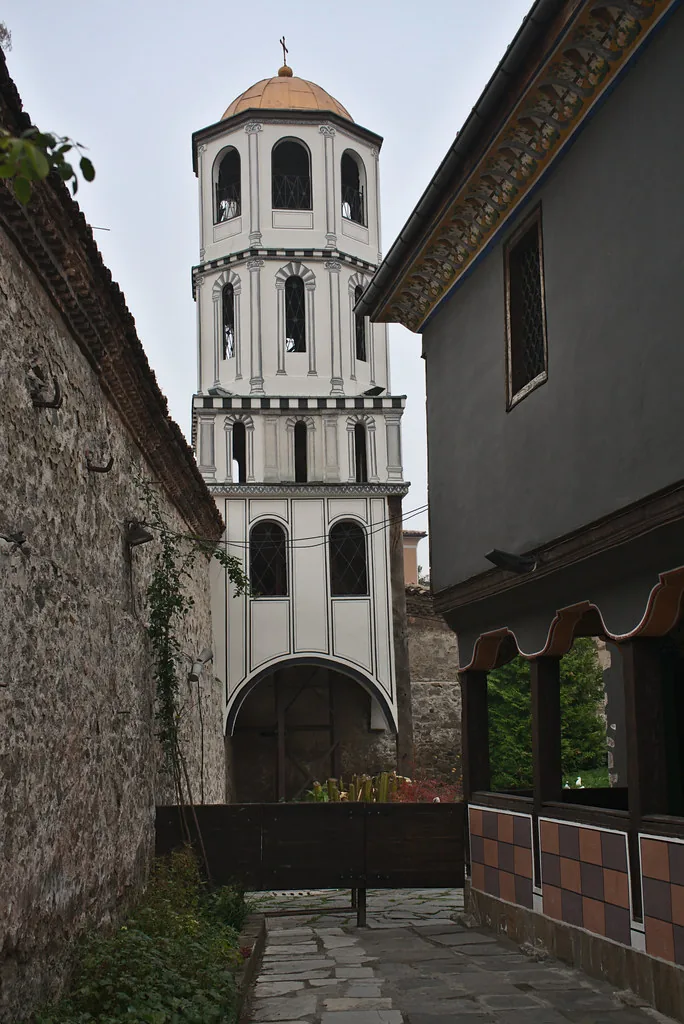
| Location | 2 Dr. Stoyan Chomakov Street, Plovdiv Old Town |
| Opening days | Tuesday to Sunday (closed Mondays) |
| Hours | 9:00-18:00 summer, 9:00-17:00 winter |
| Adult ticket | Around 6 BGN (student, senior, and family discounts) |
| Time to allow | 60-90 minutes (45 if focused) |
| Guided languages | Bulgarian, English, Russian (availability varies) |
Allow 60-90 minutes for a normal visit, or 45 minutes if you already know which sections matter most to you. The house has stairs and uneven historic surfaces, and the Old Town approach includes cobblestones, so visitors with mobility concerns should plan for the ground floor, courtyard, and hammam rather than assuming full upper-floor access. The museum fits well into a Plovdiv 2 Day Itinerary: The Ultimate 48-Hour Travel Guide, especially before lunch in the Old Town or before a late-afternoon stop at the Roman Theater.
💡 Good to know: The museum closes on Mondays, and winter hours end an hour earlier (17:00 instead of 18:00). If you only have 45 minutes, prioritise the Kuyumdzhiev House architecture, the textile halls, the courtyard hammam, and Ivan Markvichka's 'The Plovdiv Fair' painting before anything else.
For related Plovdiv reading, see our Plovdiv Roman Stadium: A Complete Visitor Guide guide.
Continue planning: Use Best Things to Do in Plovdiv to connect this guide with the rest of your Bulgaria itinerary.
Frequently Asked Questions
What are the opening hours for the ethnographic museum plovdiv?
The museum is typically open from 9:00 AM to 6:00 PM during the summer months. In winter, the hours are usually shorter, closing at 5:00 PM. It is best to verify exact times on the Regional Ethnographic Museum-Plovdiv Official Website before you go.
How much does it cost to enter the museum?
Standard adult tickets cost around 6 BGN, with discounts available for students and seniors. Family tickets are also offered for those traveling with children. You can find more Best Things to Do in Plovdiv that fit a similar budget throughout the Old Town area.
Is the museum accessible for people with mobility issues?
The historic building has many stairs and no elevator, which can be challenging. The ground floor and the garden are accessible, but the upper floors require climbing. The cobblestone streets outside also present some difficulties for wheelchairs or strollers.
How long does it take to explore the ethnographic museum plovdiv?
Allow 60-90 minutes for a full visit covering all six collection sections, the courtyard, and the Ottoman hammam remains. If you are short on time, 45 minutes is enough to focus on the Kuyumdzhiev House architecture, the textile halls, the hammam, and 'The Plovdiv Fair' painting.
Where is the ethnographic museum in Plovdiv?
The museum is at 2 Dr. Stoyan Chomakov Street, inside Plovdiv Old Town, set among the cobbled lanes near the Roman Theater and Balabanov House. It sits within easy walking distance of the other Old Town landmarks, so it slots neatly into a wider Best Things to Do in Plovdiv itinerary.
Can you hold a wedding at the ethnographic museum plovdiv?
Yes. The National Revival courtyard is a popular wedding, reception, and photography venue, and it also hosts concerts, fashion shows, and festivals. Private hire is arranged directly with the museum rather than through standard ticketing, so contact the institution in advance to confirm dates, capacity, and conditions.
The ethnographic museum plovdiv is an essential stop for anyone visiting Bulgaria's second city. It combines stunning architecture with a deep dive into the country's cultural soul. You will leave with a better understanding of the traditions that shape modern Bulgarian life.