18 Best Places to Visit in Bulgaria
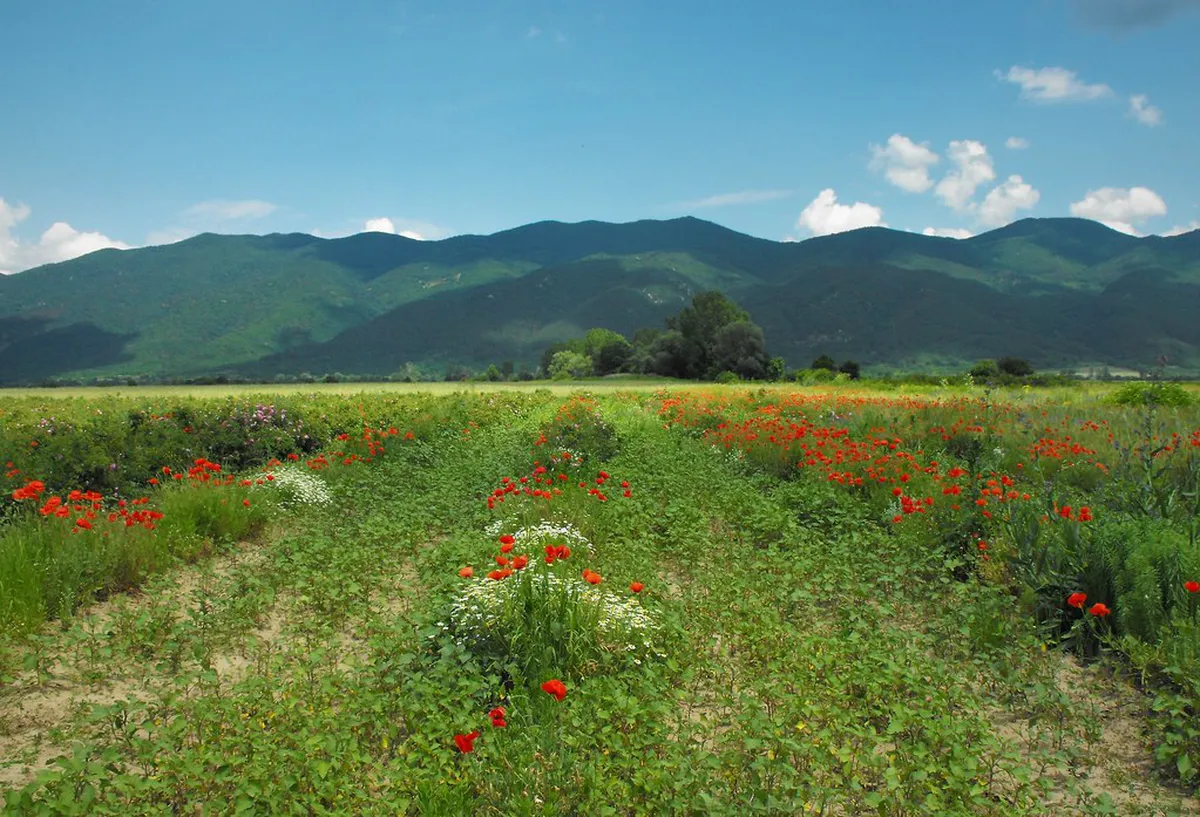
After spending several months exploring the Balkan Peninsula, I found that Bulgaria remains one of Europe's most misunderstood gems. I recently returned in late 2025 to see how the country's transition into the Schengen Area has changed the local travel landscape. This guide was last refreshed in January 2026 to ensure you have the most current pricing and border information for your trip. Whether you want ancient Roman ruins or rugged mountain peaks, Bulgaria rewards those who look past the surface.
The history is super fascinating to learn about, spanning from Neolithic settlements to the grandeur of the Second Bulgarian Empire. Bulgaria is highly affordable compared to Western Europe, though prices in major cities like Sofia are slowly rising with increased tourism. Traveling in Bulgaria is relatively easy once you understand the Cyrillic alphabet and the basic rhythm of the regional bus networks. You can have some epic places virtually to yourself if you venture just slightly off the main tourist trail.
For a visual preview of Bulgaria's most iconic destinations before you dive into the details, this travel video showcases the country's amazing places:
Sofia: The Dynamic and Ancient Capital
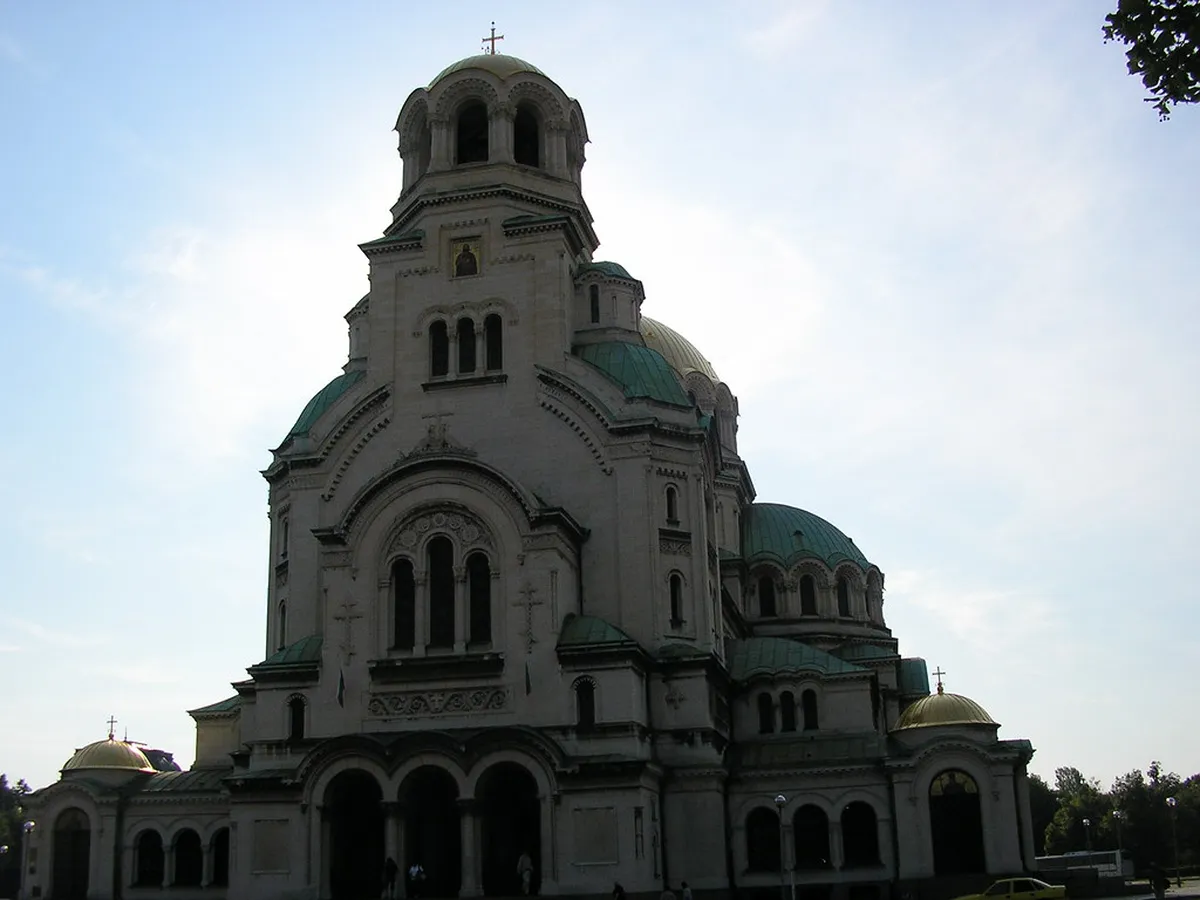
Sofia is one of the largest and oldest cities in Europe, with human habitation stretching back over 30,000 years. The city sits at the foot of Vitosha Mountain Visitor Guide and packs an extraordinary density of historic monuments into a walkable center. Alexander Nevsky Cathedral Visitor Guide — its gold-plated dome rising above the yellow-cobbled boulevards — is the non-negotiable first stop for any visitor. The underground ruins of the Roman fortress of Serdika, visible right beneath the city metro stations, add another unexpected layer of history.
Sofia was nicer than I expected, offering a sophisticated blend of trendy coffee shops, socialist-era monuments, and centuries-old Orthodox churches standing side by side. The National Archaeological Museum holds gold Thracian burial masks and artifacts that put the country's pre-Roman past into context. Vitosha Mountain is only 20 minutes from the city center by car, making it one of the few European capitals where you can hike above the treeline before dinner. For nightlife, the neighborhoods around Vitosha Boulevard and the Student District come alive well after midnight.
Alexander Nevsky Cathedral is the largest Bulgarian Orthodox church and most iconic landmark in Sofia. The gold-plated dome is visible from across the city. Entry to the church is free; cathedral crypt visits require approximately 3–5 EUR.
The most efficient way to see Sofia is on foot with a free walking tour on your first morning. Guides cover the Red Flat, the Lion Monument, and the layered history behind each architectural era in under three hours. From Sofia you can reach Rila Monastery in 90 minutes and Plovdiv in under two hours, making it the natural hub for your first week. Read our full Sofia City Guide guide for a day-by-day breakdown.
Plovdiv: Europe's Oldest Continuously Inhabited City
Plovdiv is considered one of the oldest continuously inhabited cities in the world, with settlement evidence stretching back to the 6th millennium BC. The Roman Theatre, built in the 2nd century AD and still seating live opera audiences today, sits in the middle of the pedestrian Old Town and is the city's defining image. Self-guided tour tickets cost around 5–9 EUR per adult, and the best time to visit is just before sunset when the honey-colored stone glows. Walk the cobblestoned streets of the Kapana Creative District Visitor Guide for galleries, craft bars, and street food after you leave the theatre.
The Old Town's Bulgarian National Revival houses — richly decorated facades jutting out over narrow lanes — are what make Plovdiv feel unlike any other Balkan city. Plovdiv deservedly held the title of European Capital of Culture in 2019, and that investment in public space is still visible in the renovated fountains at Tsar Simeon's Garden. The Roman Stadium beneath Dzhumaya Square, commissioned by Emperor Hadrian and once holding 30,000 spectators, can be seen for free through glass panels in the pedestrian zone. Plan at least two full days here; most visitors who budget one always wish they had stayed longer.
For food, Plovdiv has the most varied restaurant scene outside Sofia, with everything from traditional mehana taverns serving kavarma clay-pot stews to modern wine bars pouring Thracian Valley reds. The city is the gateway to the Thracian Valley wine region, so a half-day drive into the countryside pairs well with an evening back in the Old Town. See our full Plovdiv City Guide guide for neighborhood-by-neighborhood recommendations.
The Roman Theatre is the city's busiest attraction and fills quickly with tour groups mid-morning. Arrive by 08:00 to beat crowds and capture the best photography light. Sunset viewing is also spectacular but the site closes at dusk.
Rila Monastery: A Spiritual Icon in the Mountains
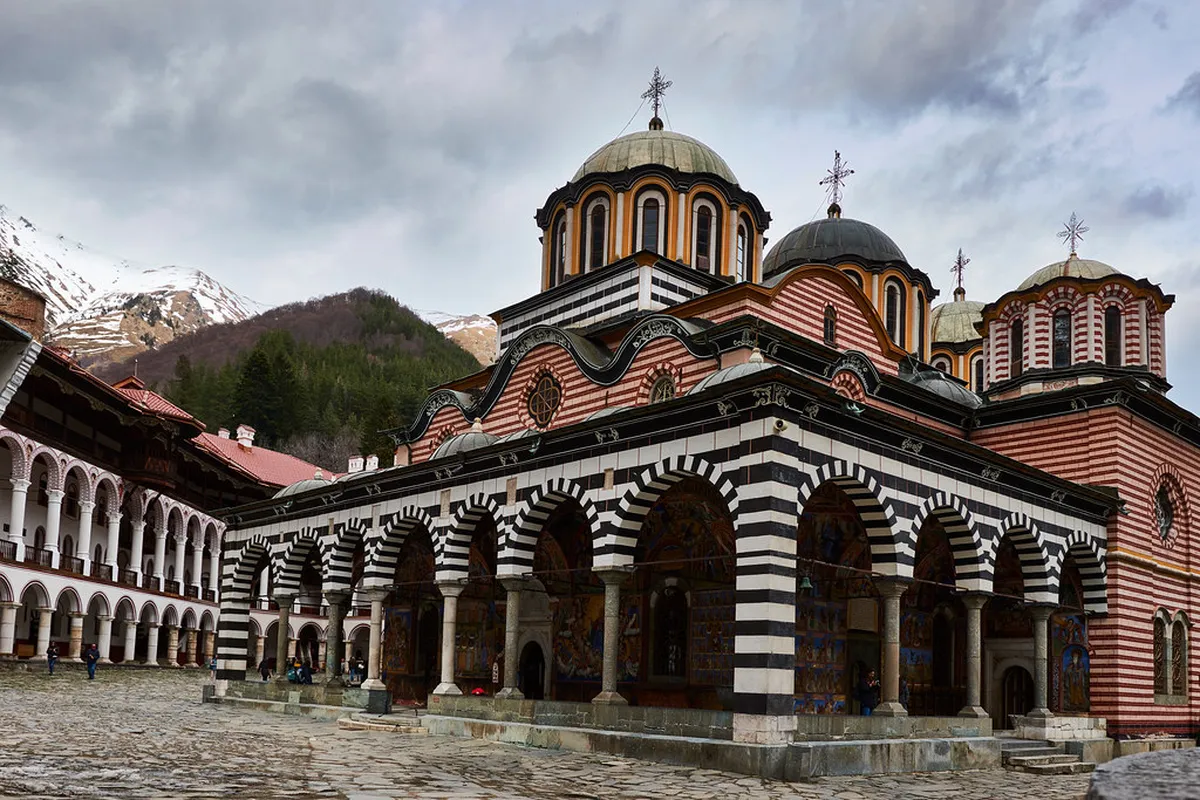
Rila Monastery Visitor Guide is the largest and most important Eastern Orthodox monastery in Bulgaria, founded in the 10th century by Saint Ivan of Rila and declared a UNESCO World Heritage Site in 1983. It sits at 1,147 meters above sea level in a deep pine-forested valley, surrounded by the jagged peaks of the Rila Mountains. The main church's vibrant frescoes — depicting judgment scenes and saints in bold reds and golds — are among the finest examples of Bulgarian Renaissance painting anywhere in the country. Around 60 monks still live here today, giving the site an authenticity that larger monastery complexes have long lost. Rila is the crown of Bulgaria's monasteries, though the country's monastic tradition extends far beyond it to Bachkovo, Troyan, Rila's hermitages, and the cave complexes of the north.
Entry to the main church courtyard is free; the museum and Hrelyu Tower require a small fee of approximately 4–8 EUR per adult. Arrive before 10:00 to beat the day-trip buses from Sofia, which typically arrive mid-morning and leave by early afternoon. The monastery is open daily year-round, though some interior areas have shorter hours in winter. Staying overnight in the monastery guesthouse (around 25–35 EUR per person) lets you experience the early morning liturgy and the mountain silence after day-trippers leave.
Day trippers from Sofia can combine Rila Monastery with the Seven Rila Lakes Visitor Guide circuit in a long but rewarding day. The chairlift to the lake basin costs 12–18 EUR return and operates daily from June through September. The glacial circuit trail takes four to five hours at a moderate pace and offers views across the entire Rila massif. This is arguably the most iconic hiking day in Bulgaria and worth building your Bulgaria Trip Planner around.
Veliko Tarnovo: The Medieval City of Tsars
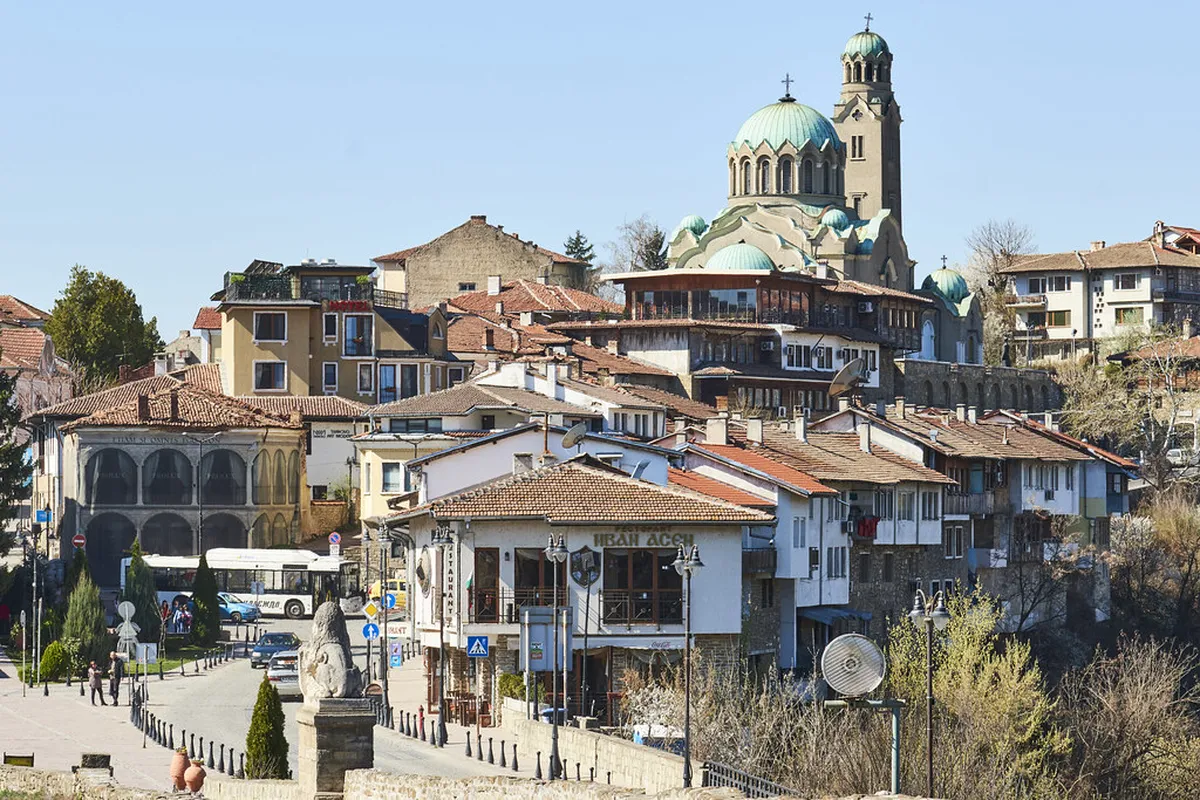
Veliko Tarnovo was the capital of the Second Bulgarian Empire from 1185 to 1393, and the city's grandeur in the Middle Ages was genuinely compared to Rome and Constantinople by contemporary travelers. Tsarevets Fortress Visitor Guide crowns a steep hill surrounded on three sides by the winding Yantra River, its stone walls stretching for nearly a kilometer around the hilltop. Entry costs approximately 6–12 EUR per adult, and the gates are open from 08:00 to 19:00 in summer. The evening Sound and Light show illuminates the fortress in shifting colors visible from the entire city — check the local tourist office for dates, which typically run from May through October.
The city itself is built on three hills with the river threading between them, creating a dramatic topography that looks best from the viewpoint at Gurko Street Visitor Guide in the old residential district. The cobbled lanes below the fortress are lined with craft workshops, Orthodox churches, and small restaurants where you can eat a full meal for under 15 EUR. A day trip to the village of Arbanasi, just 3 km away, adds Bulgarian National Revival stone houses and frescoed churches to the itinerary without any extra driving. History lovers routinely rank Veliko Tarnovo as the most emotionally resonant destination in the entire country.
For a deeper connection to the region's past, the Roman city of Nikopolis ad Istrum lies 12 miles north of Veliko Tarnovo near the village of Nikyup. Founded by Emperor Trajan in 101 AD at the confluence of the Tantra and Rositsa rivers, it is far quieter than Plovdiv's Roman sites and gives you the ruins almost entirely to yourself. Admission is 3–5 EUR and the site is open from 09:00 to 17:00. Bring water and a hat — there is very little shade. See our guide on Veliko Tarnovo City Guide for the full list of day trips from the city.
Varna: The Sea Capital and Golden Sands
Varna is Bulgaria's maritime capital and the third largest city in the country, set on the Gulf of Varna along the Black Sea coast. The Archaeological Museum of Varna houses the Varna Necropolis treasure — the oldest processed gold jewelry in the world, dating to around 5000 BC — making it one of the most significant archaeological collections in Europe. Museum admission runs approximately 7–11 EUR per adult and it is generally closed on Mondays in the off-season. Allow at least two hours inside before heading to the Sea Garden, a vast park running along the waterfront where locals fill bottles from warm mineral spring taps hidden among the trees.
The city center around Knyaz Boris I Boulevard is entirely walkable and lined with open-air restaurants serving Black Sea fish — especially fresh turbot and sprat — at prices well below the coast's tourist traps. The Roman Thermae, dating from the 2nd to 3rd century AD and ranked as the fourth largest Roman baths complex in Europe, can be explored just a few blocks from the main square for a modest fee. Golden Sands resort, 17 km north of the city, offers the full beach-and-nightlife package if that is part of your itinerary. Varna airport has direct connections to many European cities, making it a practical entry point for a coast-first trip. See our Varna City Guide guide for beach, culture, and nightlife recommendations.
Bansko: Peaks, Taverns, and Ski Slopes
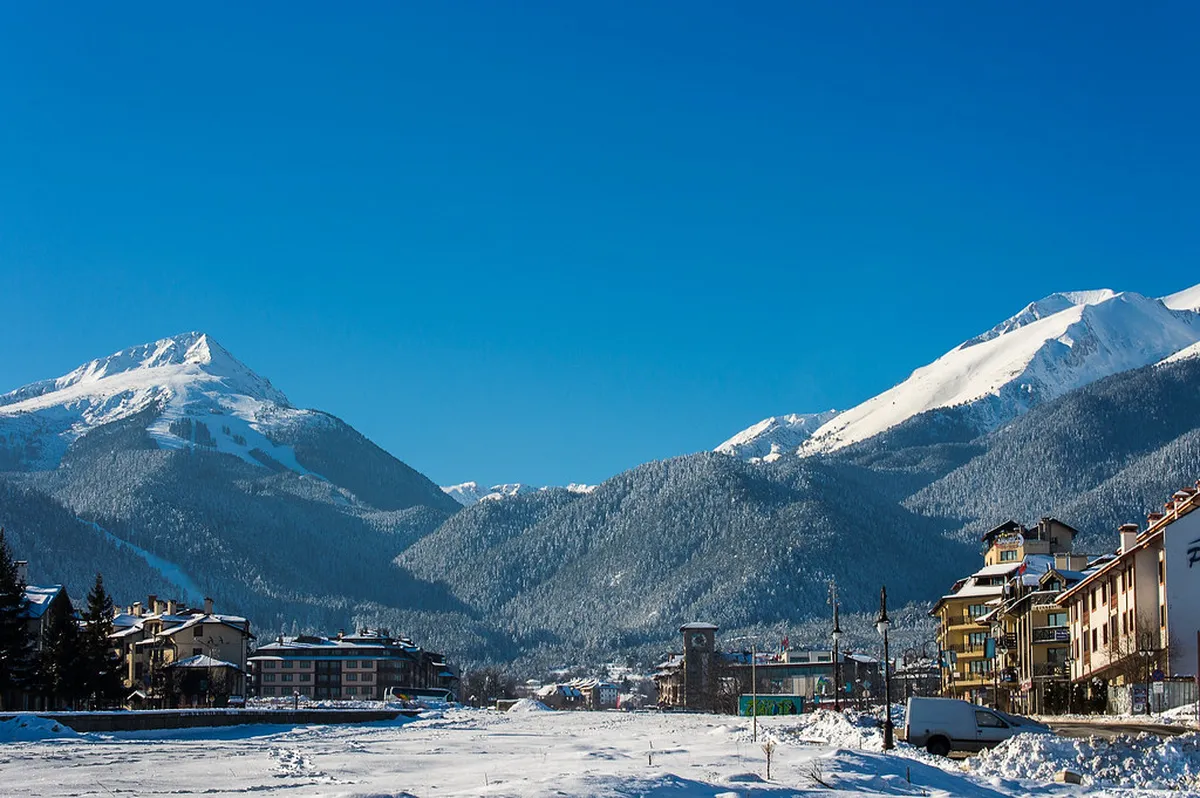
Bansko is Bulgaria's premier ski resort and sits at the edge of Pirin National Park Visitor Guide, a UNESCO-protected wilderness of marble peaks and glacial lakes. In winter the gondola runs from the old town up to 2,600 meters, with lift passes averaging 40–55 EUR per day — a fraction of comparable Alpine resorts. In summer, the same gondola (15–25 EUR return) deposits hikers onto trails through spruce forest and alpine meadow that are genuinely spectacular and almost empty by European standards. The transition from ski resort to hiking hub happens smoothly because the old stone town at the base predates the ski industry entirely.
The old town of Bansko is built around the 19th-century Holy Trinity Church and a grid of stone-paved lanes with traditional taverns called mehanas on almost every corner. Order the local slow-cooked lamb or kapama (a mixed meat and sauerkraut casserole) and a glass of Melnik wine at any mehana off the main square to get the most authentic version. Prices in the old town remain reasonable even during ski season, which runs from December through March. Summer visitors get the bonus of lower accommodation costs and the Pirin Folk Festival in August, held in the mountain village of Gela near Razlog.
The Black Sea Coast: Sozopol, Nessebar, and Burgas
Sozopol Bulgaria is one of the oldest towns on the Bulgarian Black Sea coast, with evidence of Greek settlement dating to the 7th century BC. Its old quarter occupies a rocky peninsula of wooden 18th-century houses and ancient walls jutting into the sea, and walking through it is free. The archaeological museum charges approximately 3–6 EUR per adult and covers the town's Greek, Roman, and Byzantine layers in a compact but well-curated display. The Apollonia Art and Film Festival fills the old town in early September — the best time to visit if you want culture alongside beach weather without peak-summer crowds.
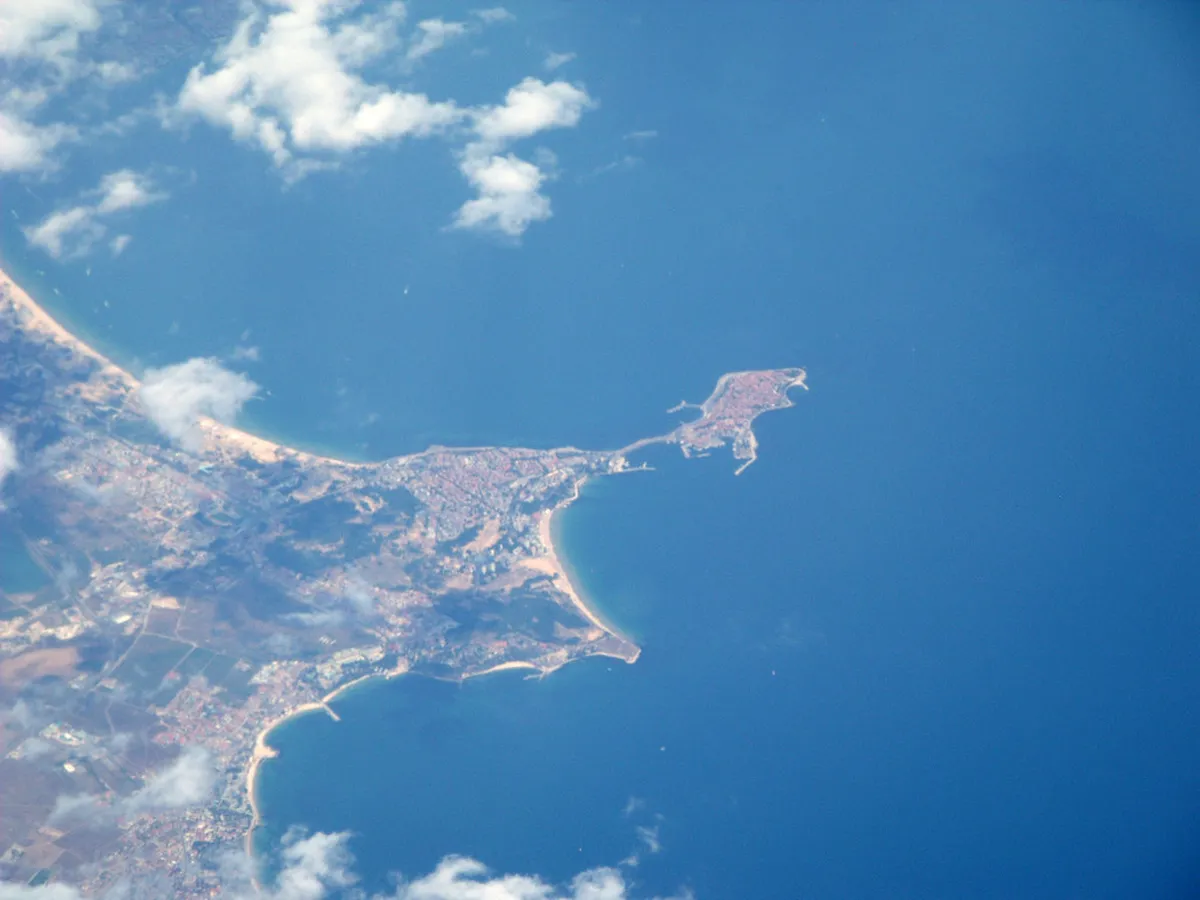
Nessebar, the UNESCO old town, sits on a narrow man-made isthmus about 35 km north of Burgas and packs more Byzantine churches per square meter than almost anywhere else in the Balkans. The cobblestone streets are accessible around the clock and free to enter, though the town gets genuinely crowded from late June through August. For a quieter experience, visit in the morning before 09:00 or head to the northern side of the peninsula for sea views without the souvenir stalls. Avoid spending more than a half-day here in peak season — the commercialized south end can feel overwhelming.
Burgas serves as the practical hub for the southern coast and is more rewarding than its reputation suggests. The seaside park hosts an annual sand sculpture festival in summer; the Archaeological Museum of Burgas covers Thracian, Greek, and Roman finds from the surrounding region. For a day trip, the village of Pomorie on the Burgas Bay has a well-preserved Beehive Tomb from the 2nd–3rd century AD and a functioning monastery with a natural mud lake used for therapeutic treatments. See our Burgas City Guide guide for the full coastal circuit from the city.
Ruse: Bulgaria's Little Vienna on the Danube
Ruse is the one Bulgarian city that almost every "best places" list overlooks, and it is genuinely different from everywhere else in the country. Situated on the right bank of the Danube opposite the Romanian city of Giurgiu, Ruse developed as a cosmopolitan river port under the late Ottoman period and amassed over 300 historic buildings in Neo-Baroque and Neo-Rococo styles — earning it the nickname "Little Vienna." The Pantheon of National Revival Heroes Visitor Guide, housing the remains of 39 prominent Bulgarians, and the Regional Museum of History with 140,000 items including the gold Borovo Treasure are the city's two anchor sites. Admission to the history museum is around 4–7 EUR.
Unlike the mountain towns or the coast, Ruse rewards slow exploration of its streetscapes. The central pedestrian zone is lined with grand facades that look implausibly Western for a Balkan city of its size. The only Bulgaria–Romania fixed crossing, the Ruse–Giurgiu Friendship Bridge, is right here, making Ruse an easy entry or exit point if you are combining Bulgaria with a Romania itinerary. The drive from Sofia takes about 3 hours; from Veliko Tarnovo it is under an hour, making it a natural extension of the medieval heartland circuit. Our Ruse City Guide guide covers the key monuments and the best day trips along the Danube Gorge.
Belogradchik, Melnik, and the Country's lesser-known places
Belogradchik Fortress is one of the most strikingly unusual sites in Bulgaria. Ancient Roman walls are built directly into towering red sandstone formations that rise 200 meters above the surrounding plains, creating a hybrid of natural geology and Roman military engineering that looks like nowhere else in Europe. Admission is approximately 4–7 EUR per adult, and the site is open from 09:00 to 18:00 in summer. The view from the highest rampart is the most photographed in the country for good reason — it is genuinely jaw-dropping, and you will rarely share it with more than a handful of other visitors.
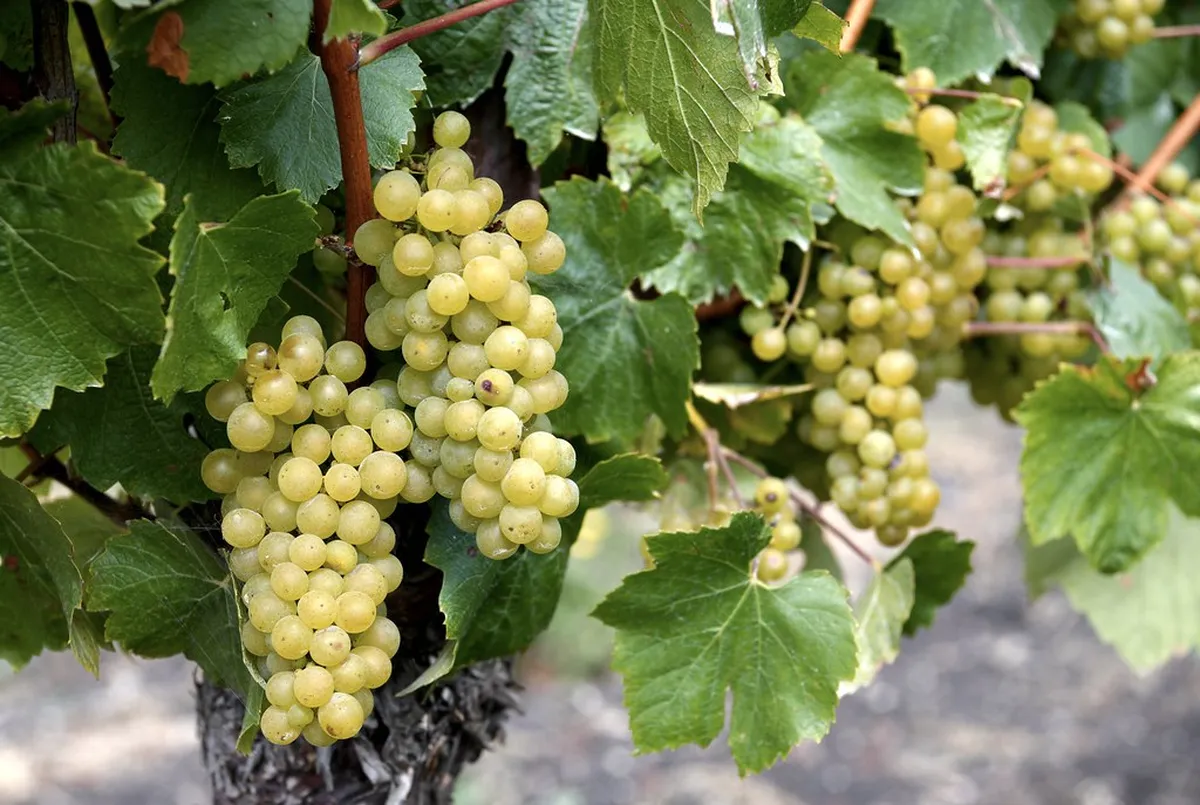
Melnik is Bulgaria's smallest city and the center of its most distinctive wine region. The surrounding eroded clay pyramids and sand cliffs give the landscape an almost alien quality, and the local broad-leaved Melnik grape produces a dark, tannic red that does not exist anywhere else. Wine tastings at local cellars cost 5–15 EUR depending on the number of pours, and most cellars can be visited without a reservation outside July and August. Combine Melnik with a half-day hike to the Rozhen Monastery above the town for views across the entire Struma Valley. The Maryan Winery near the town of Elena in the Balkan foothills offers a completely different wine experience — a family-run boutique producing award-winning reds from the cooler Elena terroir, bookable by appointment for 10–20 EUR per person, and a strong contrast to the Melnik bulk cellars.
For pre-history, Stara Zagora's Neolithic Dwellings Museum preserves two of the best-preserved 6th-millennium BC houses in Europe, complete with original hearths and household artifacts in situ. The Buzludzha Monument: How to Visit in 2026 — a concrete Communist-era flying saucer perched on a Balkan Mountain peak — draws urban explorers who make the winding drive for a free look at one of Europe's strangest pieces of ideological architecture. The Perperikon Thracian holy city in the Rhodopes rounds out this tier: a rocky hilltop complex that was a sacred site for Thracians and Romans alike, open daily from sunrise to sunset for 3–6 EUR.
Pros and Cons of Visiting Bulgaria
The biggest pros of visiting Bulgaria come down to value and authenticity. You can enjoy a high-quality three-course meal with wine for under 25 EUR in most cities outside the capital. The landscape diversity is extraordinary — you can drive from mountain peaks to the Black Sea in under four hours. Bulgaria has not been sanitized for mass-market tourism the way much of the Mediterranean has been, which means genuine local culture is visible everywhere from the morning markets to the village festivals.
The cons are real and worth knowing before you go. Infrastructure in rural areas can be dated, with potholed roads and limited English signage outside the main cities. Public transport between smaller towns is infrequent enough that a rental car is practically essential for anyone who wants to reach Belogradchik, Melnik, or the Rhodopes independently. Service culture in restaurants can feel slow by North American or Western European standards — this is not rudeness, it is simply a different rhythm.
One practical update for 2026: Bulgaria is now fully integrated into the Schengen Area following its accession in 2024. Visits now count toward the standard 90-day limit within any 180-day period for non-EU travelers. Border checks for air and sea travel between Bulgaria and other Schengen countries have been largely eliminated. Land borders may still see occasional checks during transitional security protocols. If you plan to stay beyond the tourist window, updated Bulgaria Digital Nomad Visa information is available at sofiaexpats.com. Skip the commercialized beach mega-resorts like Sunny Beach in favor of quieter Sozopol or Balchik, which offer the same sea access with far more character.
Sample Driving Times and Transport Tips
If you plan on Bulgaria Car Hire Tips, the main motorways are in good condition. Sofia to Plovdiv is 1.5–2 hours on the Trakia motorway. Sofia to Veliko Tarnovo runs about 3 hours on the Hemus motorway. Sofia to Varna or Burgas on the Black Sea coast is typically 5–6 hours. Sofia to Rila Monastery is 90 minutes; to Bansko, 2 hours. Mountain roads to Belogradchik or Perperikon add 1–2 hours beyond their nearest city hub depending on road condition.
Buses connect all major cities reliably and are the best public transport option. The journey from Sofia to Varna by bus takes around 6–7 hours; Sofia to Plovdiv runs 2 hours. Trains are affordable and atmospheric but significantly slower — the Sofia to Varna rail journey takes up to 8 hours. For timetables, use the official BG Razpisanie website for trains and BusExpress for intercity buses; neither is reliably indexed by Omio or Google Maps, so check the source directly. The Sofia Metro covers the city center comprehensively and accepts contactless payment.
Always carry Bulgarian Lev for parking fees and public restrooms in smaller towns. The exchange rate is almost exactly 2 leva to 1 euro. Gas stations are plentiful along the motorways and accept international cards. If you prefer not to drive, many local companies offer tours and activities in Bulgaria that include comfortable private transport to the main sites. For a comprehensive breakdown of getting between cities, see our dedicated transport section in the Bulgaria Trip Planner guide.
Recommended Bulgaria Itineraries
For a short trip, the "Golden Triangle" of Sofia, Plovdiv, and Rila Monastery covers Bulgaria's three most iconic experiences in 5–7 days without excessive driving. This route gives you the capital's history, Plovdiv's old town atmosphere, and the monastery's mountain setting. Add a night in Veliko Tarnovo to make it a four-stop loop that ends close to where you started. This is the right structure for first-time visitors who want to understand what Bulgaria is before diving into the niche sites.
With two weeks you can add the Black Sea coast (Varna and Sozopol), Bansko, Belogradchik, and Ruse into a full national circuit. Drive clockwise: Sofia → Vitosha → Rila → Bansko → Plovdiv → Stara Zagora → Sozopol → Nessebar → Varna → Ruse → Veliko Tarnovo → Koprivshtitsa → Sofia. This covers mountains, coast, and medieval heartland and rarely requires more than 3–4 hours of driving on any given day. Allow flexibility for festival dates — the Apollonia Festival in Sozopol (early September), the Pirin Sings folk festival near Razlog (August), and Koprivshtitsa's national folklore revival gathering (every five years, next in 2030) can reshape your timing significantly.
Travelers often ask how many days in Bulgaria are needed to see the highlights. Ten days is the minimum for a meaningful coast-plus-mountains trip; two weeks lets you move at a comfortable pace. A road trip is the best way to reach everything on this list. Regardless of your choice, leave some flexibility in your schedule — Bulgaria rewards spontaneous detours far more than rigid timetables.
Explore more: Best Places to Visit in Bulgaria
Use these focused guides to plan the details, compare options, and build an itinerary that fits your trip.
Frequently Asked Questions
Is Bulgaria safe for solo female travelers?
Bulgaria is generally very safe for solo female travelers, with low rates of violent crime. Most city centers are well-lit and populated late into the evening. Standard travel precautions apply, especially when walking in dimly lit areas or using public transport at night.
How much time should you plan for a Bulgaria road trip?
A minimum of 10 to 14 days is ideal for a full road trip across the country. This allows you to visit the capital, the mountains, and the Black Sea coast comfortably. Shorter trips of 5-7 days should focus on one specific region to avoid excessive driving.
How has the Schengen entry changed travel to Bulgaria?
Bulgaria's entry into the Schengen Area means that visits now count toward the 90-day limit within any 180-day period. Border checks for air and sea travel have been largely eliminated for other Schengen countries. Land borders may still experience some checks during the final transition phases in 2025 and 2026.
Bulgaria is a destination that rewards those who are willing to look past the surface and explore its rugged corners. From the golden domes of Sofia to the ancient stones of Plovdiv, the country offers a depth of history that few places can match. Whether you are sipping wine in Melnik or hiking the Rila peaks, the sense of authenticity here is truly palpable. Pack your bags with an open mind and prepare to be surprised by the warmth and beauty of this Balkan treasure.