The Perfect Bulgaria 10 Day Itinerary
Ten days is the ideal length for Bulgaria. You have enough time to cover the capital, the mountain monasteries, the Thracian heartland, and at least three nights on the Black Sea — without spending every evening repacking. This guide is built for first-time visitors who want substance over selfie stops. Is Bulgaria worth visiting? The answer is yes, and this itinerary shows exactly why.
For a visual orientation of the key stops on this route, here's a walkthrough of Bulgaria's top destinations:
The route runs Sofia → Belogradchik → Rila → Koprivshtitsa → Plovdiv → Kazanlak/Buzludzha → Black Sea → Varna. It loops efficiently: you fly in and out of Sofia or, if you prefer, in through Sofia and out through Varna airport (15 minutes from the city center). Every stop below includes practical costs in BGN and EUR, plus transit times so you can judge the pace for yourself.
Trip Summary: 10 Days in Bulgaria
Bulgaria is one of the most affordable countries in the European Union. Budget roughly 60–90 EUR per day for a couple sharing a mid-range room, including meals, entrance fees, and petrol. Solo travelers on a tight budget can manage on 35–50 EUR per day by choosing guesthouses and eating at local mehanas. The currency is the Bulgarian Lev (BGN); 1 EUR equals approximately 1.96 BGN in 2026, and many small museums and rural guesthouses accept cash only.
The full round-trip covers about 1,200 km of driving. Four UNESCO World Heritage sites feature on this route: Boyana Church Visitor Guide, Rila Monastery Visitor Guide, the Thracian Tomb in Kazanlak, and Nessebar Old Town Visitor Guide. The itinerary passes through two mountain ranges (Balkan and Rila), Bulgaria's second city (Plovdiv), and the northern Black Sea hub (Varna). For longer options, see the Bulgaria 2-week itinerary which adds the Rhodope Mountains and Sozopol.
- Days 1–2: Sofia — city classics and UNESCO Boyana Church
- Day 3: Belogradchik Rocks and Fortress
- Day 4: Rila Monastery
- Day 5: Koprivshtitsa Revival town
- Days 6–7: Plovdiv — Roman ruins, Kapana quarter, day trip to Bachkovo
- Day 8: Buzludzha Monument + Kazanlak Thracian Tomb
- Day 9: Nessebar Old Town + Black Sea coast
- Day 10: Varna — Sea Garden and Archaeological Museum
Bulgaria History and Best Time to Visit
Bulgaria's history runs deep. The Thracians settled here first, then the Romans (who called Sofia "Serdika"), then the Byzantines for nearly a thousand years. The Ottomans ruled for 500 years from the late 14th century. The Communist period ran from 1944 to 1990 — its monuments, housing blocks, and state museums are visible across the country. A remarkable World War II footnote: Bulgaria sided with the Axis but successfully resisted deporting its 49,000 Jewish citizens, the only Axis-aligned nation in Europe to do so. This comes up on every Sofia walking tour.
The best months for this itinerary are May, June, and September. May and June bring green mountain landscapes, the Rose Festival in Kazanlak (first week of June), and temperatures of 18–25°C. September keeps the Black Sea warm — water stays around 22°C through mid-October — while crowds thin. July and August are hot inland (Sofia exceeds 35°C regularly) and the coast becomes crowded. Avoid January–February on this route; mountain roads can be icy and rural guesthouses often close.
How to Get Around Bulgaria
A rental car is the right choice for this itinerary. Belogradchik and Buzludzha are impractical by public transport. Expect 25–40 EUR per day for a compact automatic; petrol runs below the EU average. If you are Bulgaria Car Hire Tips, book early — local fleets are small in summer.
If you drive in from Greece, North Macedonia, or Romania, you must buy a vignette (road toll sticker) before entering. Cost: 15 EUR for 7 days, purchasable online at bgtoll.bg. Bulgaria's enforcement is camera-based and thorough — the fine for non-compliance is 300 EUR. For the Sofia–Plovdiv leg specifically, intercity buses (Union-Ivkoni, Etap-Group) are a solid car-free option: around 12 BGN / 6 EUR each way, roughly 2 hours. For full guidance on Bulgaria Transport Options without a car, focus on Sofia, Plovdiv, and Varna.
If driving from neighboring countries, purchase a vignette (road toll sticker) before crossing the border at bgtoll.bg. The fine for driving without one is 300 EUR and Bulgaria's camera enforcement is thorough.
Day 1: Sofia
Start with the free walking tour of Sofia, which meets daily at 11:00 at the Palace of Justice. The 2.5-hour loop covers Alexander Nevsky Cathedral Visitor Guide, the Serdika Roman ruins, Banya Bashi Mosque, and Sofia Synagogue. It is tip-based and the single most efficient way to orient yourself in the city.
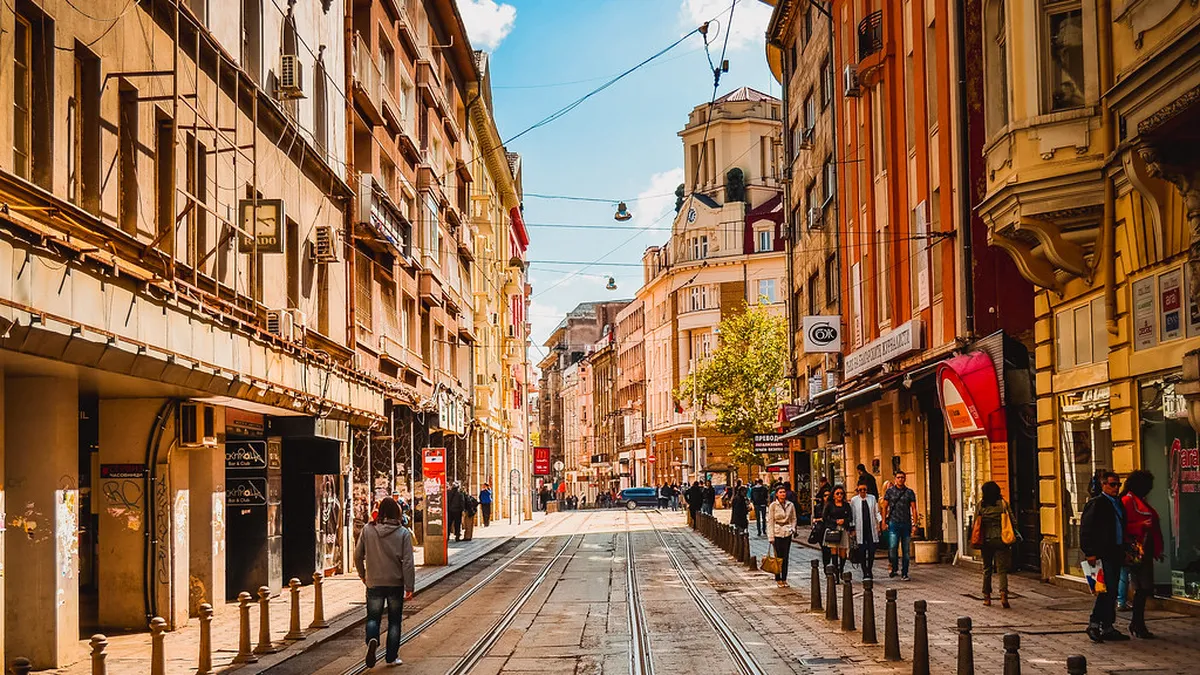
Spend the afternoon at the Alexander Nevsky Cathedral crypt (Orthodox icons, 6 BGN / 3 EUR) and walk Vitosha Boulevard Visitor Guide to the National Palace of Culture. For dinner, Rakija Bar on Georgi Rakovski Street is the right introduction to Bulgarian cuisine — order kebapche (grilled minced-meat sausage), Shopska salad, and try two or three rakiyas. The national spirit is distilled from grapes, plums, quince, or pears depending on the producer.
Day 2: Boyana Church and National Museum of History
Boyana Church is UNESCO-listed and its 13th-century frescoes predate comparable Italian Renaissance painting by about 50 years. Entry costs 10 BGN / 5 EUR, but the church enforces timed-entry quotas (10 visitors every 10 minutes) to protect the microclimate. Book at least 3–5 days ahead at boyanachurch.org — arriving without a reservation in peak season usually means missing the interior entirely.
Continue 10 minutes to the National Museum of History (10 BGN / 5 EUR, open 09:00–18:00), housed in the former Communist Party residence. The exterior is appropriately grim; the interior is well-curated, with Thracian gold, medieval icons, and Roman artifacts. Allow 90 minutes. Evening: craft beer bars near Vitosha Boulevard have multiplied in recent years with Bulgarian microbrews.
Day 3: Belogradchik Rocks and Fortress
Belogradchik is 200 km northwest of Sofia — roughly 2.5–3 hours by car. Leave by 08:00. The sandstone pillars here reach 200 meters and are woven into a medieval fortress with Roman origins. Entry is 6 BGN / 3 EUR; plan 2–3 hours on-site. Be honest with yourself about the trade-off: if your priorities are cities and culture over landscape photography, swap this day for a Seven Rila Lakes hike instead (easier to reach, equally dramatic, more hiking options). For photography lovers, Belogradchik is worth every kilometer. Magura Cave Visitor Guide (6 km away, 3,000-year-old rock paintings) is a strong add-on if you leave Sofia by 07:30. Sleep in Belogradchik or drive 1.5 hours south to Vratsa to position for Rila the next morning.
Day 4: Rila Monastery
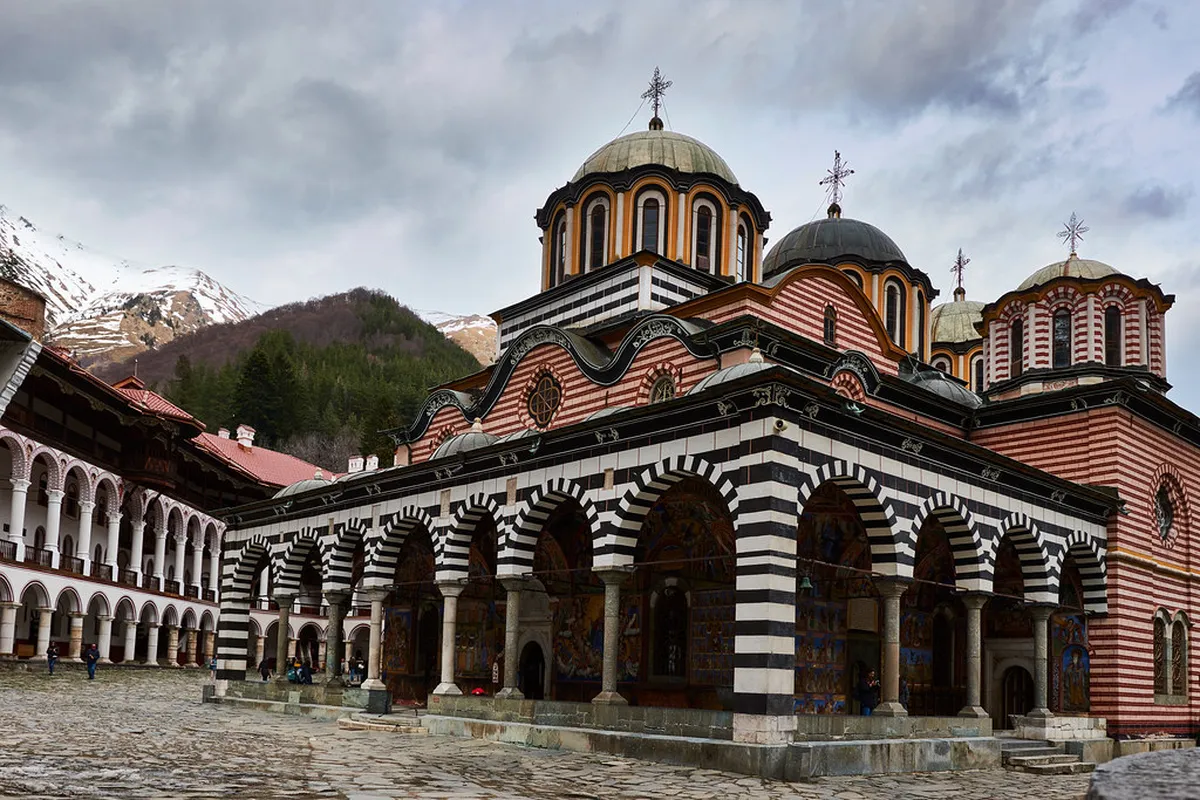
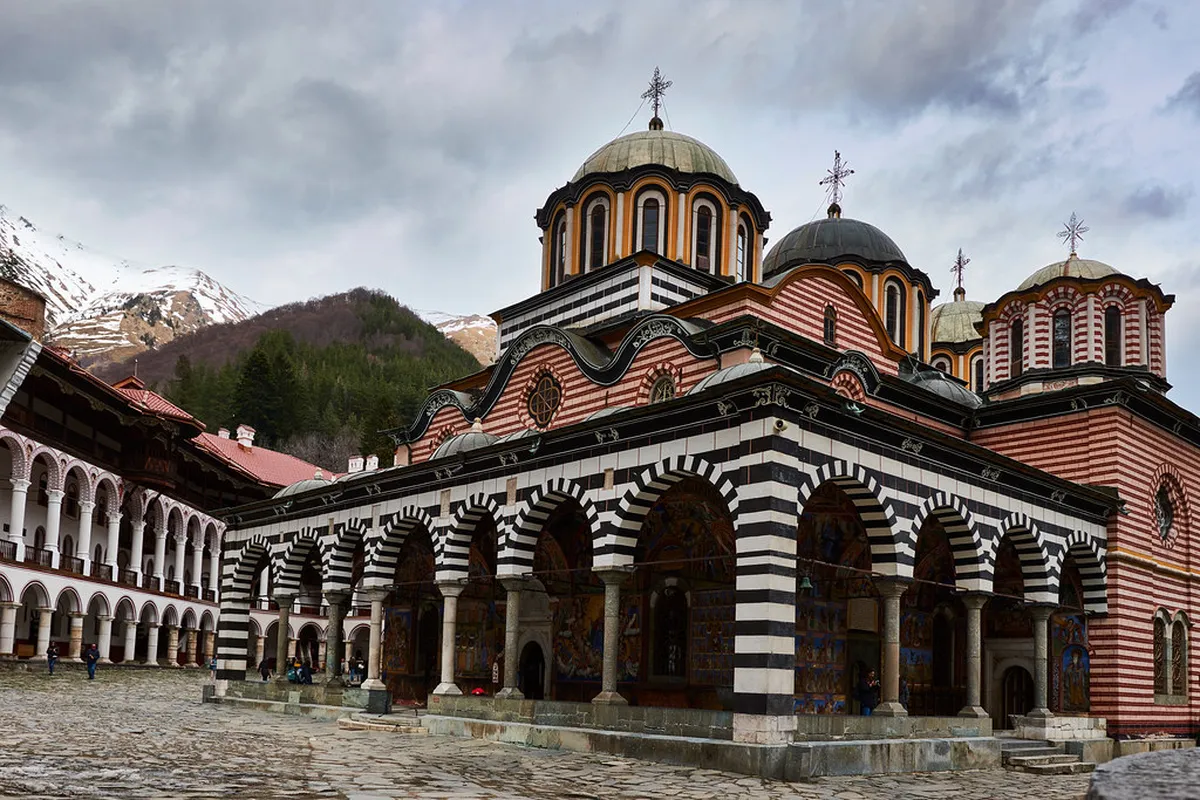
Rila Monastery is Bulgaria's most visited site. Founded in the 10th century, rebuilt in Bulgarian Renaissance style after an 1833 fire, and UNESCO-listed since 1983, it sits at 1,147 meters in Rila Mountain forest. Entry to the grounds is free; the Monastery Museum costs 8 BGN / 4 EUR (closed Mondays). Tour groups hit peak volume between 10:00 and 14:00 — arrive by 09:00 to have the courtyard to yourself. Dress modestly: cover shoulders and knees. The optional hike to the Cave of Saint Ivan Rilski takes 45 minutes each way and is worth the effort. The Bulgarian yogurt sold by roadside vendors near the monastery is made with cultures that originated here — thick, tangy, and unlike what you find elsewhere in Europe.
Day 5: Koprivshtitsa
Koprivshtitsa is a 90-minute drive from Rila and a worthwhile stop en route to Plovdiv. The town preserves 383 buildings from the Bulgarian National Revival period (18th–19th century) — vivid colors, carved wooden eaves, cobblestone lanes. It is also where the April Uprising of 1876 against Ottoman rule began: Todor Kableshkov fired the "first shot" from the bridge here. Six revival-era houses are open as museums (combined ticket 6 BGN / 3 EUR). Climb to the Georgi Benkovski monument above town for the best view of the surrounding Sredna Gora mountains, then drive 2 hours southwest to Plovdiv.
Days 6–7: Plovdiv
Plovdiv is arguably the most rewarding city in Bulgaria for first-time visitors. It claims to be one of the oldest continuously inhabited cities in Europe — over 6,000 years — and the layered history is visible everywhere: Roman amphitheater, Ottoman mosque, 19th-century Bulgarian Revival mansions, and a Soviet-era "Alyosha" monument all within walking distance. Plovdiv was European Capital of Culture in 2019 and the investment in the Old Town is evident.
On Day 6, start at the Roman Amphitheater (3 EUR admission) in the morning, then walk up to Nebet Tepe Visitor Guide hill for the best view of the city. Spend the afternoon in Kapana — "The Trap" — a pedestrian neighborhood of narrow streets packed with independent cafes, galleries, and bars. The free walking tour of Plovdiv meets daily at 11:00 and covers the ancient stadium, the Djumaya Mosque, and the main revival-era mansions in about 3 hours. For dinner, Pavaj restaurant in Kapana serves exceptional Shopska salad and veal cheeks.
On Day 7, make the 45-minute drive to Bachkovo Monastery (free entry), the second-largest monastery in Bulgaria. On the way back, stop at Asen's Fortress (2 BGN / 1 EUR), a medieval stronghold above the Arda River gorge with steep trails and dramatic views. Back in Plovdiv for the evening, the city has a lively wine bar scene — try a local Mavrud red from the Thracian lowlands. For a shorter version of this loop, see the Bulgaria 7-day itinerary which focuses the trip on Sofia and Plovdiv without the coast.
Day 8: Buzludzha Monument and the Kazanlak Thracian Tomb
The Buzludzha Monument: How to Visit in 2026 is the most surreal stop on this itinerary. The Communist Party built this flying-saucer-shaped monument at 1,441 meters on the Balkan Range in 1981, covering the interior with enormous Soviet mosaics depicting the history of Bulgarian communism. The building was abandoned after 1989 and fell into ruin over the following decades. In 2026, the Buzludzha Project Foundation has stabilized parts of the structure and organized guided access — check buzludzha.bg before your visit for current tour schedules (typically weekends, around 20–25 BGN per person). Independent visitors can always walk the exterior for free.
Interior access to Buzludzha is only available on scheduled guided tours (typically weekends). The access road from Shipka Pass is steep and narrow; avoid very low-clearance vehicles. Wind at the summit is intense even in summer — bring an extra layer regardless of season.
The access road from Shipka Pass is paved but steep and narrow; it is not suitable for very low-clearance vehicles. Allow 1.5 hours from Plovdiv. The wind at the summit is intense even in summer — bring a layer regardless of the date. After Buzludzha, drive 20 minutes to Kazanlak to visit the Thracian Tomb of Kazanlak Visitor Guide (UNESCO, 5 BGN / 2.50 EUR admission, open 09:00–18:00). The original is preserved in a climate-controlled enclosure; visitors view an exact replica but the 4th-century BC frescoes inside are extraordinary. If you are here in the first week of June, the town hosts the Rose Valley and Kazanlak Rose Festival — hotels fill months in advance, so book early or plan around those dates.
Day 9: Nessebar and the Black Sea
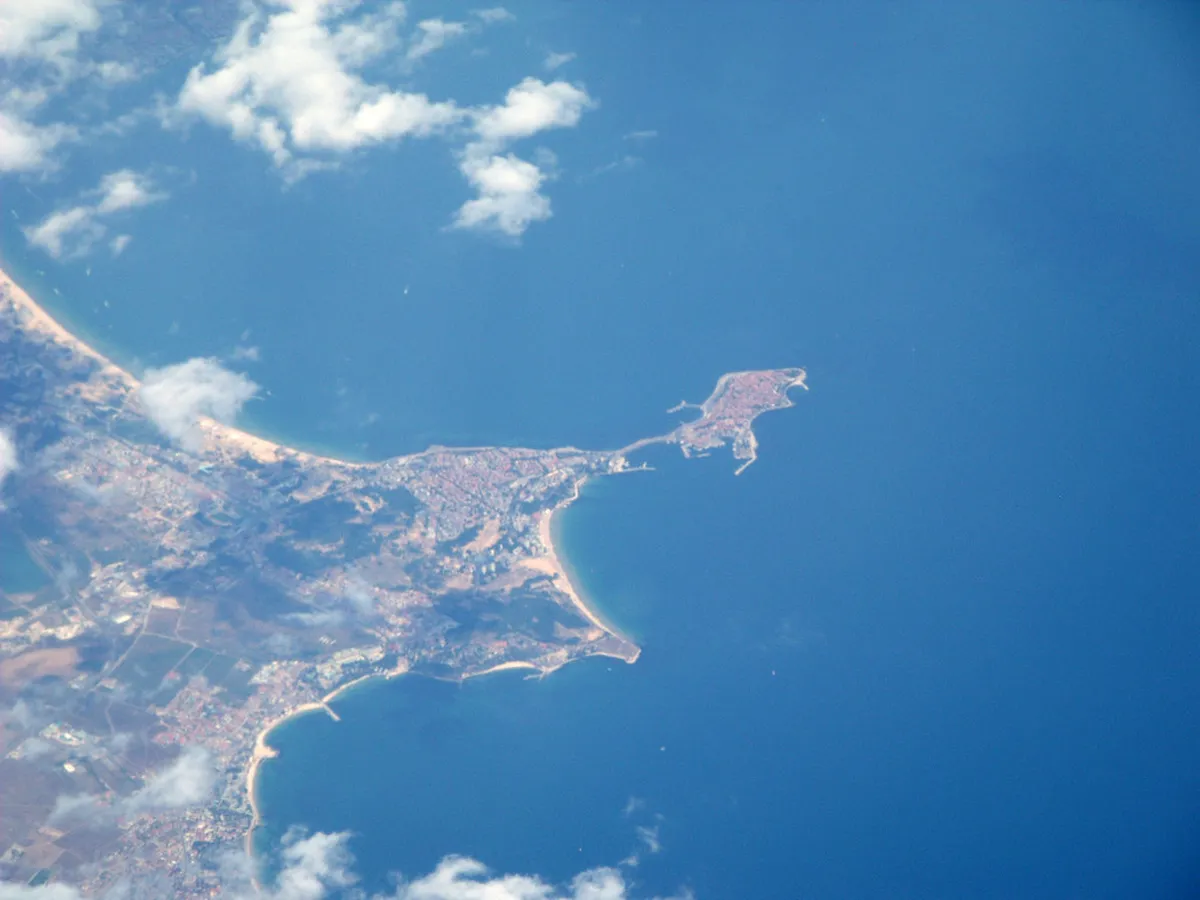
From Kazanlak it is roughly 2.5 hours east to the coast. Nessebar (the UNESCO old town) is a UNESCO World Heritage Site — a narrow peninsula connected by a causeway, with ruins of over 40 medieval churches and a working fishing harbor. Park on the mainland; the peninsula is pedestrian-only. The Archaeological Museum (5 BGN / 2.50 EUR, closed Mondays) is small but worthwhile. Visit in the morning before the midday crowds arrive.
Skip Sunny Beach (Bulgaria's largest resort, very commercial). Better alternatives: Ravda (quieter, local crowd, 5 minutes south of Nessebar) or Sozopol Bulgaria (25 minutes south, more atmospheric town, better restaurants). For dinner, stay at the Nessebar harbor and order tsatsa (fried small fish), grilled sea bass, or mussels from the local farms.
Day 10: Varna
Varna is 1.5 hours north of Nessebar on the coastal highway. Start at the Varna Archaeological Museum Visitor Guide (10 BGN / 5 EUR, open 10:00–17:00, closed Mondays) — it houses the Varna Gold, a 6,500-year-old Chalcolithic collection that is the oldest worked gold in the world. Allow 90 minutes. Walk through the Sea Garden coastal park down to the beach for lunch.
Optional afternoon stop: 10 Essential Tips for Your Aladzha Monastery Visitor Guide, a cave monastery carved into a cliff face 15 km north of Varna (6 BGN / 3 EUR, roughly 45 minutes). Varna airport is 10 km from center — 20 minutes by taxi. Return to Sofia by direct flight (55 minutes) or drive (440 km, 4.5 hours); buses also run via Etap-Group (25 BGN / 13 EUR, 6 hours).
What Travelers Love About 10 Days in Bulgaria
The price-to-experience ratio is the consistent standout. A sit-down dinner with wine in a good Plovdiv restaurant costs 15–25 EUR for two people. A guesthouse in Koprivshtitsa with a home-cooked breakfast runs 25–40 EUR per room. Entry fees at even the biggest sites rarely exceed 5 EUR. The cultural depth surprises people too: the Thracian gold in Varna, the Boyana frescoes, and the Buzludzha monument represent three completely different civilizations and are each extraordinary on their own terms.
One practical note before you go: Bulgarians nod for "no" and shake their heads for "yes" — the opposite of most of the world. This confuses every first-timer. Confirm any service transaction verbally with "Da" (yes) or "Ne" (no). For travelers with more time, the Bulgaria Trip Planner hub covers alternative routes including the Rhodope Mountains and the Melnik wine region — Bulgaria's smallest town and wine capital in the far southwest, which repeat visitors often call the most beautiful corner of the country.
Insider Tips for Planning Your Bulgaria Trip
Book Boyana Church at least 5 days ahead in peak season — the timed-entry quota is firm and day-of queues can stretch for hours. Rila Monastery crowds peak between 10:00 and 14:00; arrive before 09:30 or after 15:00. Hotels in Kazanlak fill completely during the Rose Festival (first week of June) — book 2–3 months ahead if that's your target. Carry cash in BGN: many rural guesthouses, small mehanas, and village museums do not take cards, even in 2026.
Bulgarian food is underrated. The cuisine draws from Greek and Turkish influences — fresh salads, grilled meats, stuffed peppers, and dairy. Banitsa (filo pastry with cheese or spinach) costs under 1 BGN at any bakery. Try tarator (cold yogurt and cucumber soup) in summer. The Mavrud red wine from the Thracian lowlands and the whites from the Melnik region cost 5–10 BGN per bottle in a shop. Lutenitsa (roasted pepper and tomato relish) makes a practical, authentic souvenir.
Frequently Asked Questions
Which bulgaria 10 day itinerary options fit first-time visitors?
A route covering Sofia, Rila, Plovdiv, and the Black Sea is best. It offers a mix of culture, nature, and relaxation. This path uses well-maintained roads and popular tourist infrastructure.
What is the Buzludzha monument?
It is a massive, UFO-shaped former communist headquarters on a mountain peak. While the interior is often closed, the exterior is a marvel of Brutalist architecture. It is located near Kazanlak in central Bulgaria.
How much time should you plan for a Bulgaria trip?
Plan for at least 7 to 10 days to see the main regions. Ten days allows for a trip to the coast. Check out our travel blog for more specific regional guides.
Bulgaria is a destination that rewards those who explore beyond the capital. This 10-day plan ensures you see the diverse landscapes the country offers. From Roman ruins to sandy beaches, every day brings a new discovery. I hope this guide helps you plan an unforgettable Balkan adventure.
Remember to stay flexible and enjoy the slow pace of local life. The hospitality of the Bulgarian people will likely be your favorite memory. Safe travels as you navigate the beautiful roads of this ancient land.