Bulgaria in Summer: 10 Essential Tips and Destinations
Mid-June to mid-July is the best time for a Bulgarian summer holiday. During heatwaves, Sofia's city parks and mountain breezes provide cooler breaks, and there's no shortage of Top Things To Do in Sofia.
Late spring and early fall are also excellent for exploring inland cities. You should check out Best Time To Visit Bulgaria: Seasonal Weather & Travel Guide for a full seasonal breakdown. Bulgaria offers a mix of sandy beaches and high mountain peaks. Travelers often find the country much cheaper than Western Europe.
The Black Sea coast becomes a major hub during the hotter months. History buffs will enjoy the Roman ruins scattered across the major cities. You can find detailed climate info in our Bulgaria Weather By Month: A Complete Seasonal Travel Guide guide. This guide helps you navigate the heat and the crowds effectively.
Season Comparison: Finding Your Sweet Spot
Summer temperatures in Bulgaria usually range from 25–34°C / 77–93°F. Coastal areas benefit from sea breezes that keep the humidity manageable. Inland cities like Plovdiv often experience a siesta heat during July afternoons. Most locals head to the mountains or the coast to escape the sun.
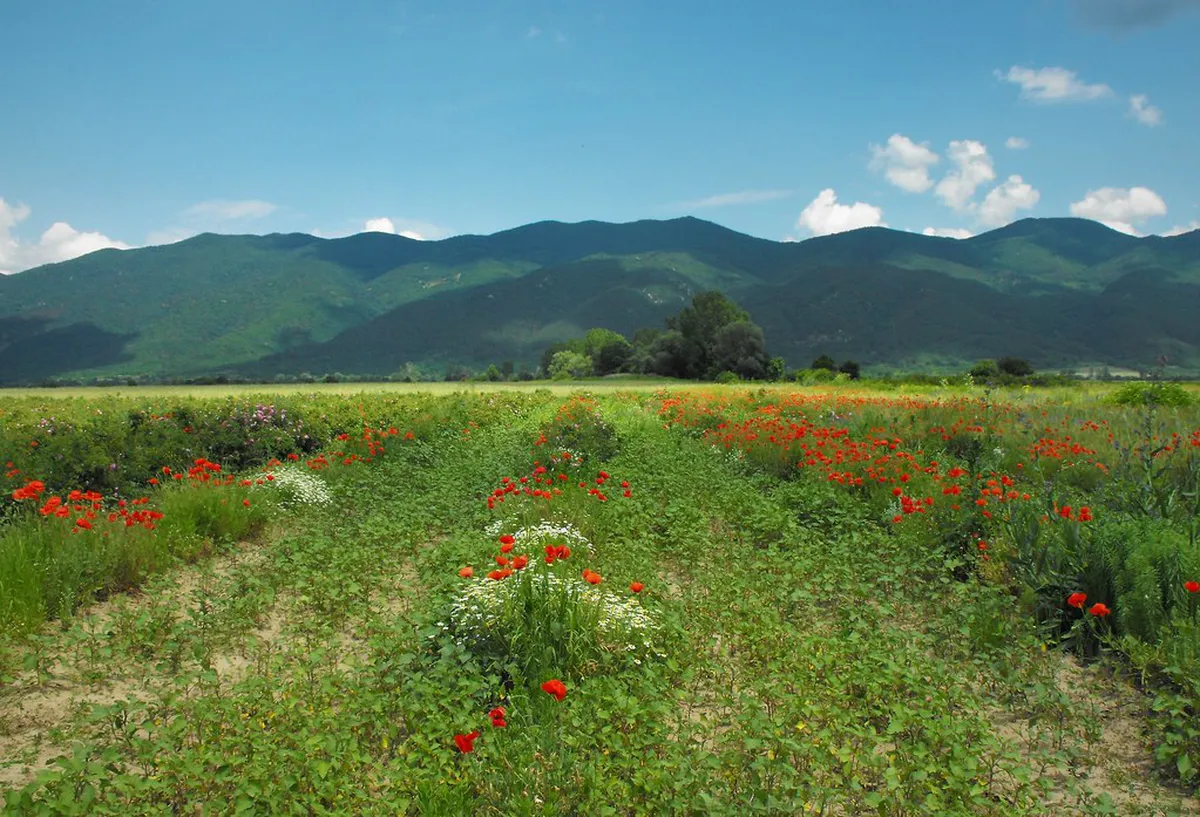
June is the wettest summer month but offers the greenest landscapes. July and August are the peak months for tourism and high prices. September provides warm water and significantly fewer crowds at the resorts. According to climate data, the sun shines for nearly ten hours daily.
| Season | Weather | Crowds | Prices | Events | Best for |
|---|---|---|---|---|---|
| Early June | 21–26°C / 70–79°F | Moderate | Low | Rose Festival | Hiking |
| July to August | 28–34°C / 82–93°F | High | Peak | Music Fests | Beaches |
| Early September | 22–27°C / 72–81°F | Low | Medium | Appollonia | Culture |
| Oct to May | 5–18°C / 41–64°F | Very Low | Budget | Skiing | Museums |
💡 Good to know: If you want a Black Sea beach holiday in the July–August peak, book coastal hotels 2–3 months ahead — prices in Sunny Beach and Golden Sands can jump 30–40% versus the same room in June or September.
Pick X If: Choosing Your Summer Style
Choosing the right time depends on your personal travel preferences. Families often prefer the calm waters of the Black Sea in July. Hikers should wait until late June for mountain trails to clear of snow. Check out the 10 Best Bulgaria Festivals for event planning.
Budget travelers will find the best deals in early June or September. The cost of food and lodging remains very competitive year-round. Many resorts offer deep discounts outside the peak school holiday weeks. Sofia remains affordable even during the height of the summer season.
- Pick early June if you want
- Lush green scenery and lower prices
- Pick mid-July if you want
- The best beach weather and nightlife
- Pick September if you want
- Warm sea water without the crowds
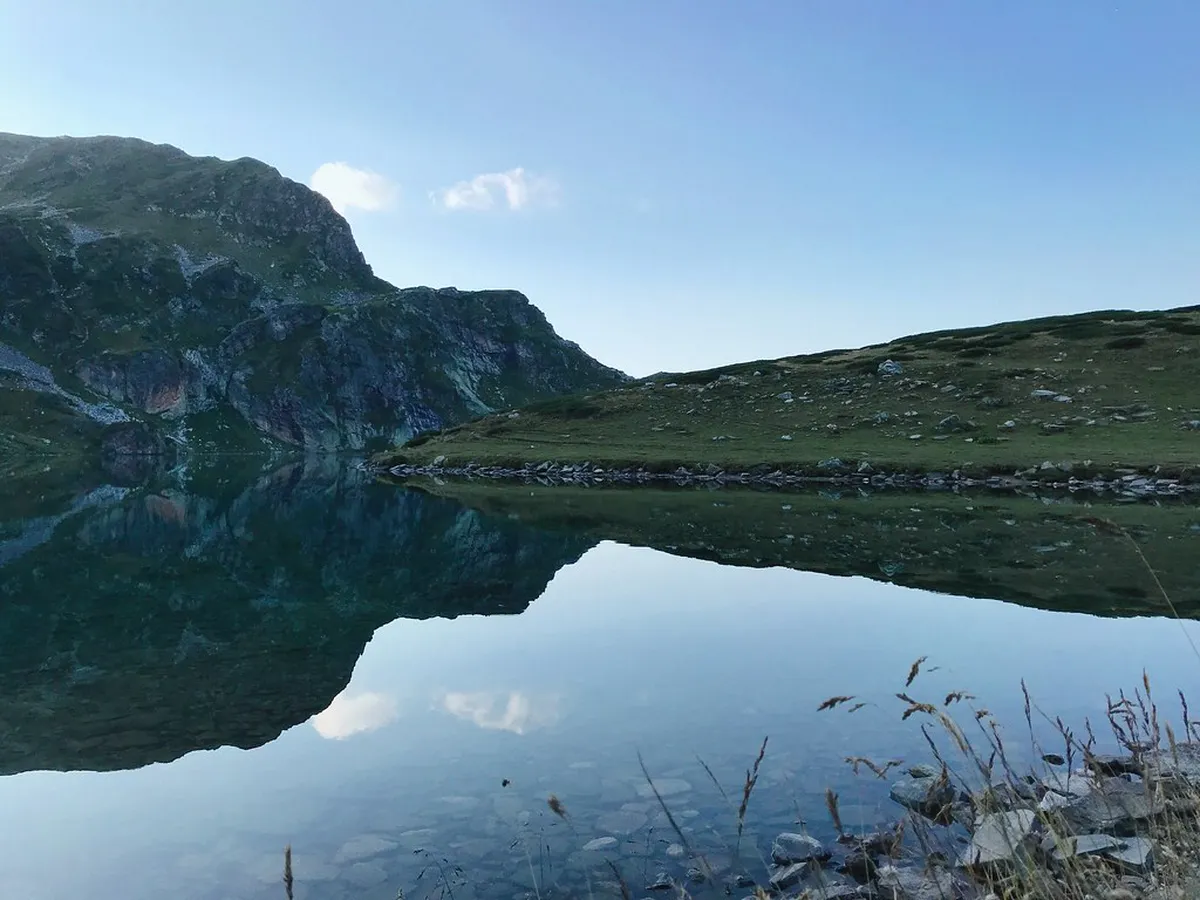
- Pick the mountains if you want
- Cooler air and active outdoor adventures
Why Bulgaria Makes the Perfect Summer Roadtrip
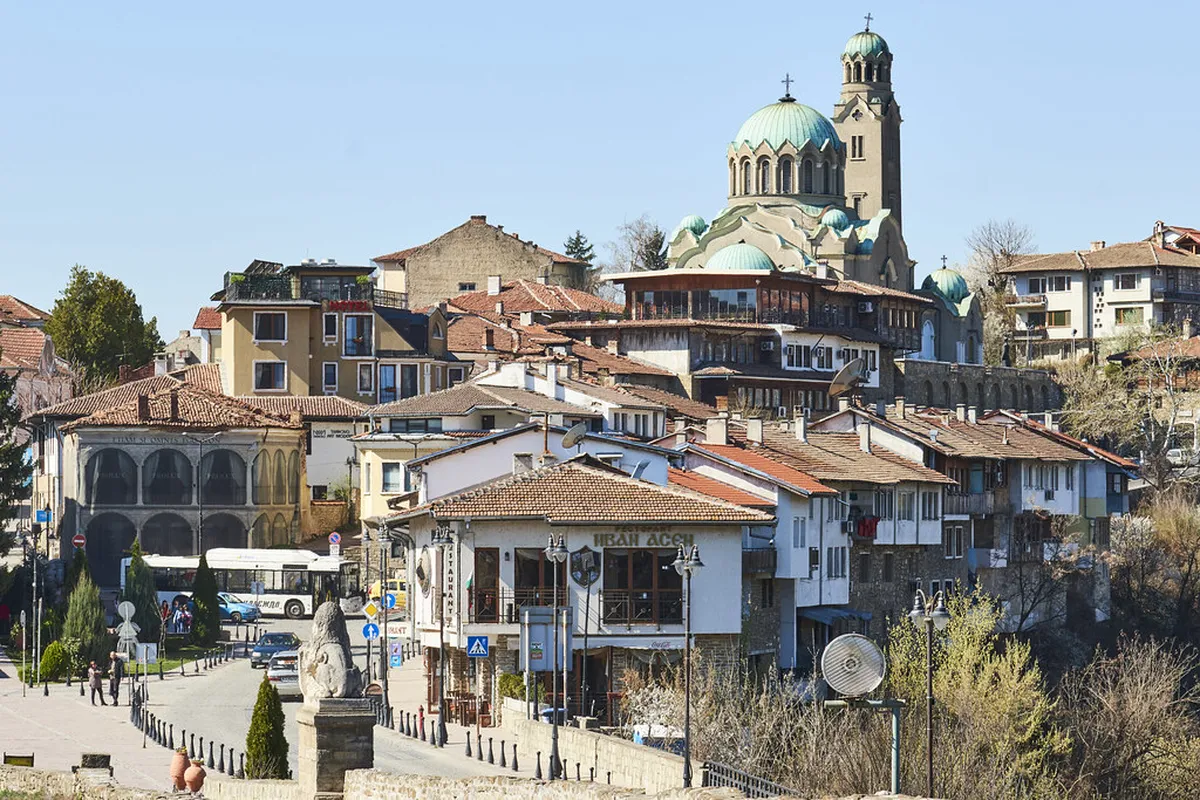
A road trip allows you to see the diverse Bulgarian landscape. Start your journey in Sofia and head toward the historic Veliko Tarnovo. The drive takes you through rolling hills and traditional Balkan villages. You can find more route ideas on the Tours Bulgaria blog.
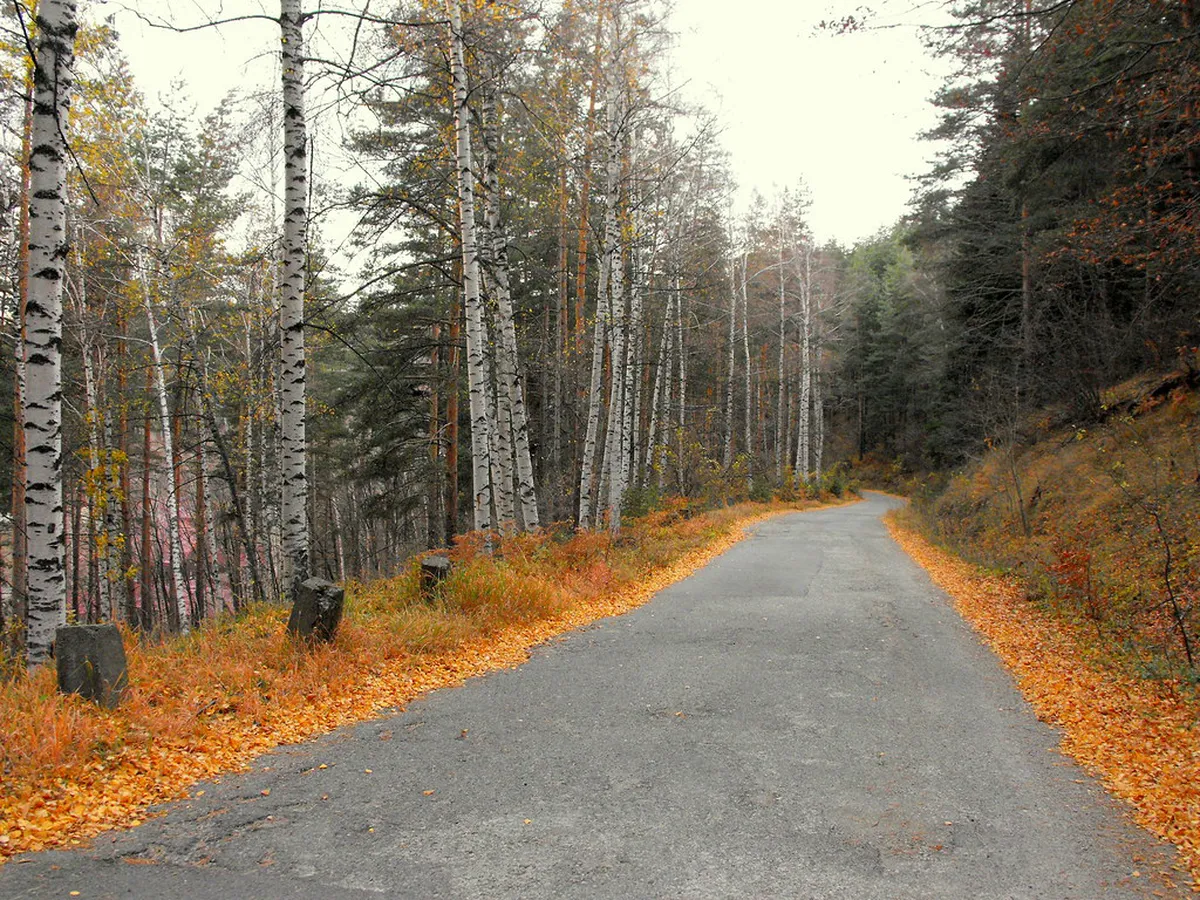
Be aware that rural roads often contain unexpected potholes and bumps. Driving in the mountains requires extra caution on narrow, winding turns. Rental cars are widely available at the Sofia and Varna airports. Always carry some cash for small parking fees in remote areas.
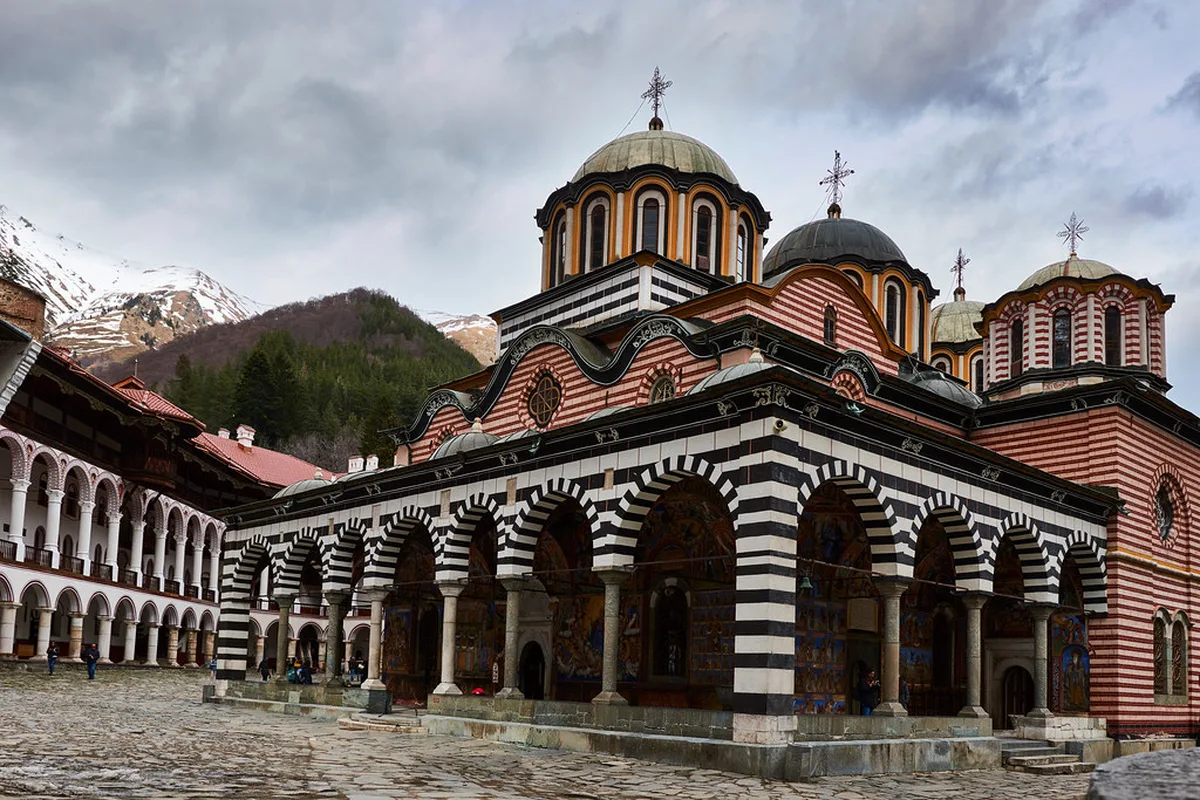
I recommend a seven-day loop to cover the main highlights. Spend two days in the capital before heading east to the coast. Stop at the Rila Monastery Visitor Guide to see the stunning Orthodox architecture; the official Bulgaria Travel site lists its opening hours and visiting rules. The mountain air provides a great break from the coastal humidity.
A Trip Along The Black Sea
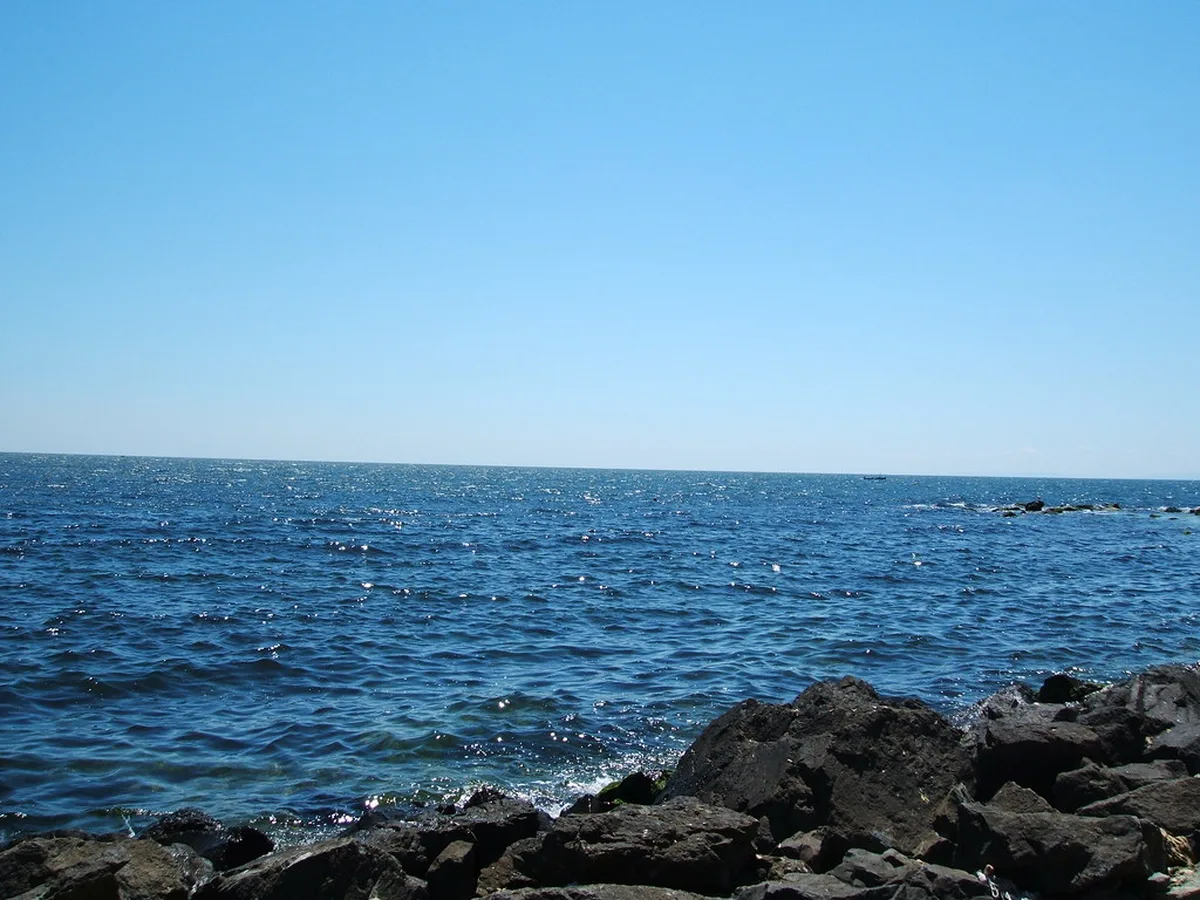
The coastline offers a variety of experiences for every traveler. Sunny Beach is the primary destination for nightlife and young crowds. Families might prefer the quieter stretches of sand in Albena or Golden Sands, some of the 10 Best Beaches Near Varna (2026). The wider Bulgarian Black Sea Coast stretches for around 354 kilometres from Romania down to Turkey.
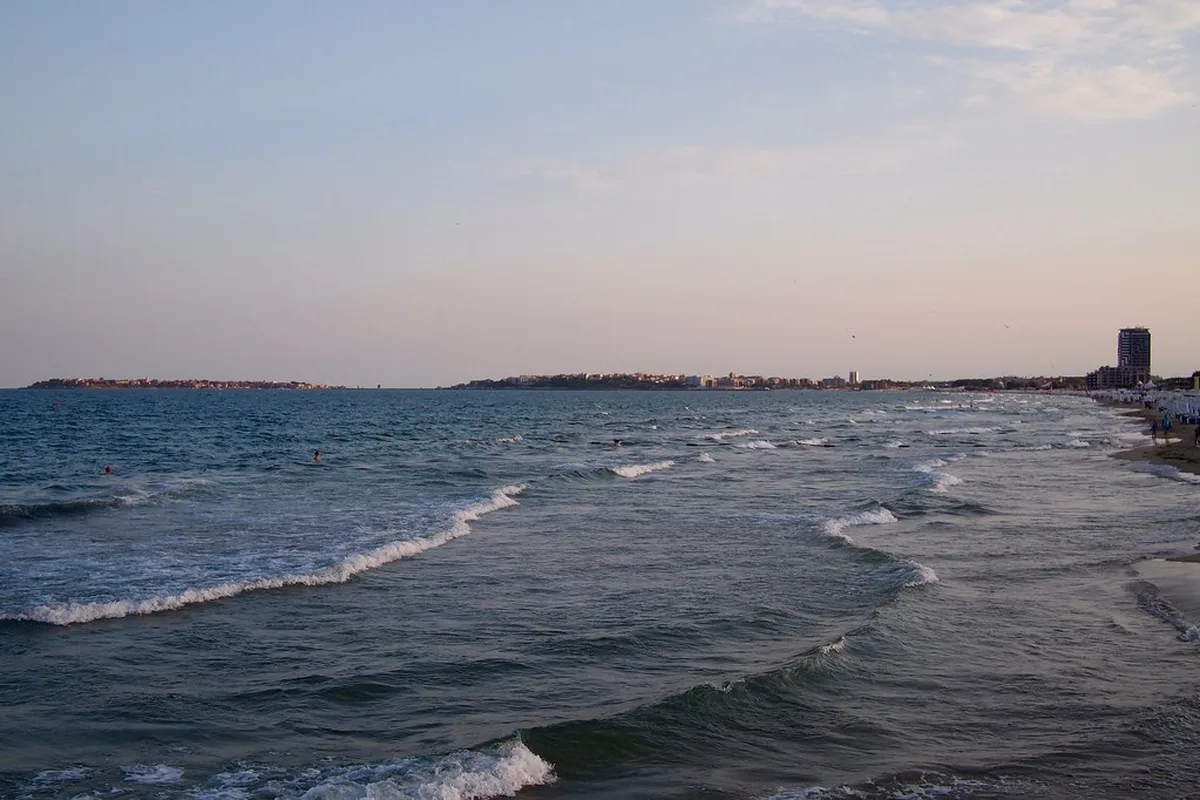
Sozopol provides a more historical atmosphere with its old wooden houses. The southern coast is generally warmer and stays busy longer into September, with plenty of beaches around Burgas to explore. Varna serves as the maritime capital with a massive Sea Garden park. It is a great place to combine beach time with urban culture, and there are plenty of Things to Do in Varna in Summer (2026 Guide).
Recent Price Comparison/Surveys show Bulgaria remains a top budget choice. You can enjoy luxury amenities for a fraction of the Mediterranean cost. The sand quality is excellent with wide, golden beaches in most areas. Many resorts offer all-inclusive packages that cater to international tourists.
What to Pack for a Bulgarian Summer
Packing for Bulgaria requires preparation for both heat and altitude. The sun is quite strong, so high-SPF sunscreen is a necessity. Lightweight cotton clothing works best for the humid coastal afternoons. Always carry a reusable water bottle to stay hydrated while exploring.
If you plan to visit churches, bring clothing that covers your shoulders. Monasteries often have strict dress codes for all visiting tourists. Comfortable walking shoes are vital for the cobblestone streets of Plovdiv. Even in summer, mountain nights can get surprisingly chilly and damp.
- Beach essentials should include
- Flip flops and a quick-dry towel
- Mountain gear should include
- A light windbreaker and sturdy boots
- City items should include
- A small umbrella for June showers
- Tech needs should include
- A universal power adapter and powerbank
💡 Good to know: Pack a light long-sleeve layer even in August — mountain spots like Rila and the Balkan range can drop to 10–12°C / 50–54°F after dark, a big swing from the 30°C+ coast.
What's Closed in Low Season?
Many coastal businesses shut down completely from October through April. Seasonal ferries between coastal towns stop running by late September. Most beach tavernas and souvenir shops board up for the winter. Check Bulgaria in Winter: Complete Travel Guide for off-season travel tips.
Mountain lifts may close for maintenance between the summer and winter seasons. Always verify the operating hours for remote museums before driving there. Small guesthouses in rural areas might require advance booking in the off-season. Major cities like Sofia and Plovdiv remain fully operational year-round.
Many coastal cafes are closed by November, and resort towns become very quiet once the summer heat fades. Plan your trip before the middle of September to avoid these closures. Our guides for 7 Best Reasons and Things to Do in Bulgaria in Spring and Bulgaria in Autumn: 7 Best Things to Do and See show other options.
Bulgaria – Give It A Try
Bulgarian etiquette can be confusing for first-time international visitors. Locals often nod their heads for 'no' and shake for 'yes'. This habit can lead to funny misunderstandings at local restaurants. The Bulgaria National Tourist Office offers more cultural insights.
Bulgarian food is a highlight of any summer trip here. Try the cold Tarator soup to cool down on a hot day. Shopska salad is a staple that you will find on every menu. Most small markets still prefer cash in the local Bulgarian Lev.
Nessebar Old Town: Avoiding the Crowds
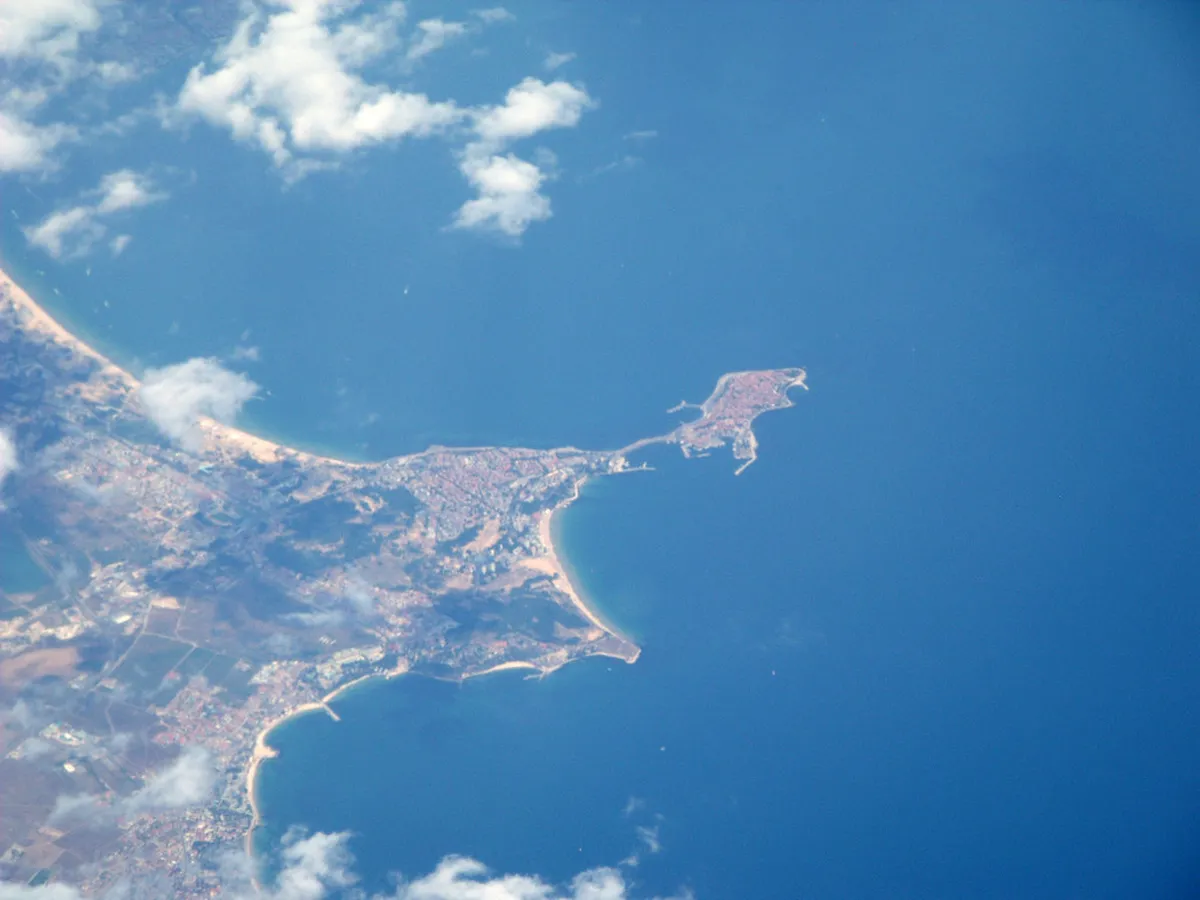
Nessebar is a beautiful UNESCO World Heritage site on a small peninsula. It gets extremely crowded when large cruise ships dock nearby. I recommend staying overnight to see the town without the day-trippers. The sunset views over the Black Sea are truly spectacular here.
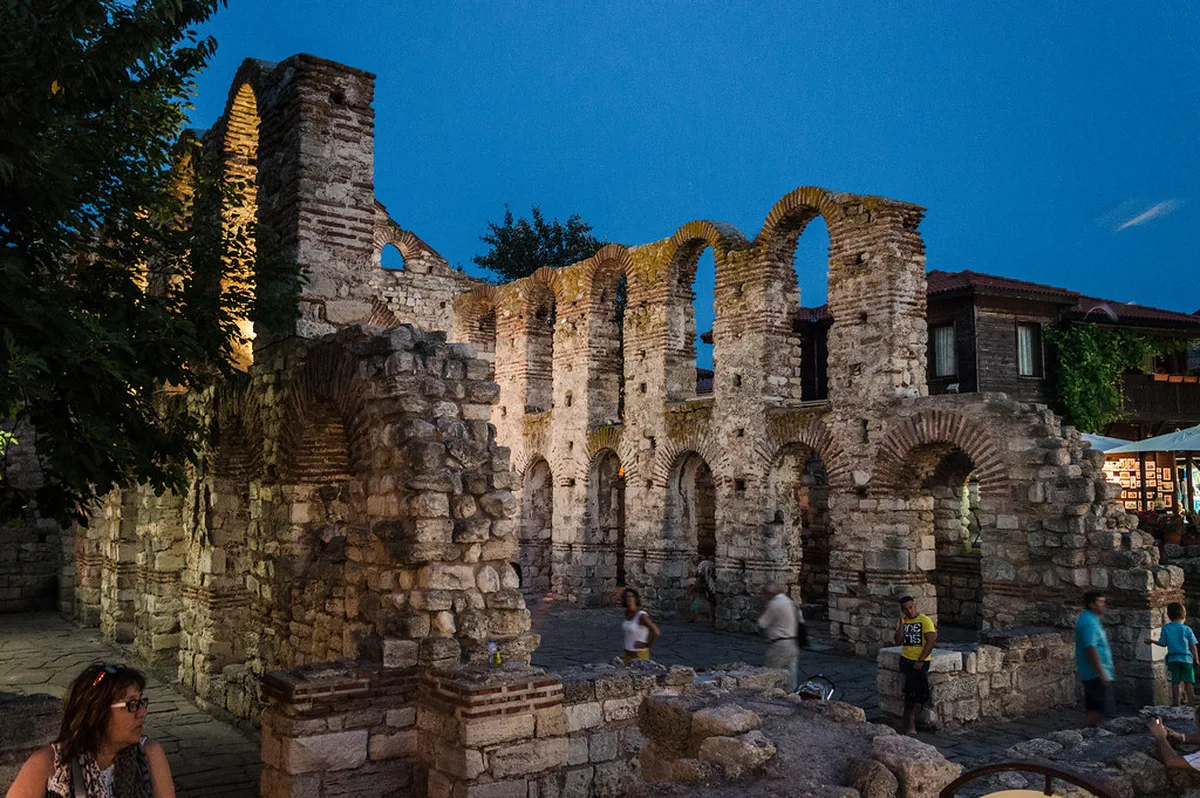
Wander the narrow alleys early in the morning for the best photos. You will find many ancient churches and quaint wooden houses. The local seafood restaurants offer fresh catches from the morning boats. It remains one of the most romantic spots in the entire country.
Is Bulgaria Too Hot in July?
July is Bulgaria's hottest month, but whether it feels "too hot" depends entirely on where you base yourself. Inland cities like Plovdiv and Sofia regularly hit 30–35°C / 86–95°F in the early afternoon, and the dry, still air can make sightseeing on exposed cobblestones genuinely draining between noon and 4pm. Locals respond with a quiet siesta rhythm, so plan museums and shaded old towns for those hours and save walking tours for the cooler morning and evening.
On the Black Sea coast the same month feels noticeably milder. Sea breezes typically hold daytime highs around 28–30°C / 82–86°F, the water sits at a swimmable 24–25°C / 75–77°F, and humidity rarely turns oppressive. If a heatwave is the thing you most want to avoid, escape upward instead: mountain resorts such as Bansko and the Rila range stay in the low-to-mid 20s°C / low-to-mid 70s°F even in midsummer. So July is hot, not unbearable — pick the coast or the mountains over the inland plains and most travellers find it very comfortable.
Continue planning: Use Best Time To Visit Bulgaria: Seasonal Weather & Travel Guide and Bansko Ski Season: 9 Essential Insights for Your Trip to connect this guide with the rest of your Bulgaria itinerary.
Frequently Asked Questions
Is Bulgaria too hot in August?
August temperatures often reach 34°C / 93°F in central regions. Coastal areas stay cooler due to sea breezes. It is manageable if you stay hydrated and seek shade during the midday sun.
What is the cheapest month for a summer holiday?
Early June and late September offer the lowest prices for accommodation. Flights are also cheaper during these shoulder months. You can save up to 30% compared to peak July rates.
Do I need to carry cash in Bulgaria?
Yes, many small shops and rural guesthouses only accept Bulgarian Lev. While cities use cards, the coast and mountains often require cash. Always keep some small bills for parking and tips.
Bulgaria in summer is a vibrant and affordable destination for all. Whether you want beaches or mountains, the country delivers great value. Remember to book your coastal hotels early for the best July spots. The mix of history and nature makes for an unforgettable holiday.
Don't forget to explore the inland cities like Plovdiv and Sofia. They offer a different perspective than the busy Black Sea resorts. Enjoy the unique culture and the warm hospitality of the Bulgarian people. Safe travels on your upcoming summer adventure in the Balkans.