Bulgaria Itinerary 2026: How to Plan the Perfect Trip (5, 7, 10 & 14 Days)
Bulgaria sits at the crossroads of Europe and Asia, stacking Thracian ruins, Ottoman bazaars, medieval fortresses, ski mountains, and Black Sea beaches into a country roughly the size of Ohio. Most travelers arrive knowing only Sofia and Rila Monastery Visitor Guide — and leave wishing they had booked more nights. This guide covers every duration from a long weekend to two full weeks, so you can pick the itinerary that fits your schedule and still see the country properly.
The information below reflects 2026 conditions: updated vignette costs, transport times, entry prices, and seasonal tips. Whether you are planning a focused city loop or a grand road trip from the Danube to the Black Sea, the structure here gives you a clear starting point without locking you into a single route.
Get an overview of Bulgaria's top attractions and activities in this video guide:
Key Takeaways
- Book Boyana Church timed entry at least 2 days in advance — groups are limited to 10–15 minutes inside.
- Buy the electronic road vignette before driving on any highway: 15 BGN (approx. €7.50) for one week, available online or at border kiosks. Cameras cover every toll point — fines reach €300.
- Budget roughly 100–130 BGN ($55–70) per day for mid-range accommodation, meals, and entry fees.
- The head-nodding rule catches every first-timer: nodding means "no" in Bulgaria, shaking means "yes". Learn this before you order food.
Bulgaria History and Best Time to Visit
Bulgaria has been continuously inhabited since at least 5000 BC. The Thracians left behind a legacy of gold treasures and rock-cut tombs, several of which are UNESCO-listed and open to visitors near Kazanlak. Greeks and Romans followed, then Slavic tribes and the Bulgars — a Turkic nomadic people from Central Asia — merged to form the First Bulgarian Empire in 681 AD. Five centuries of Ottoman rule left mosques, hammams, and bazaars in every major city. After liberation in 1878 and four decades of Soviet-aligned communism, Bulgaria joined the European Union in 2007. That layered history is visible on almost every street corner.
Spring (April–June) is the best overall window. Temperatures sit between 15°C and 25°C, the Rose Festival in Kazanlak runs through late May and early June, and tourist volumes are manageable. Summer (July–August) means blazing heat inland — Sofia regularly hits 36°C — but the Black Sea coast is in full swing. Autumn (September–October) offers cooler hiking weather and the wine harvest in the Thracian Valley. Winter works well if skiing at Bansko is the goal; Vitosha mountain above Sofia also gets reliable snowfall from December to March. There is genuinely no bad time to visit; the choice depends on what you want to do.
A key cultural note before you arrive: Bulgarian head gestures are the opposite of most European countries. Nodding the head up and down means "no." Shaking side to side means "yes." This catches out virtually every first-time visitor and leads to real confusion when ordering food or asking directions. Most younger Bulgarians speak functional English, but knowing this single custom will save you several frustrating moments each day.
Spring (April–June) offers the most pleasant temperatures at 15–25°C and coincides with the Kazanlak Rose Festival in late May and early June, a distinctive regional event with rose-picking traditions rarely seen elsewhere.
How Long to Spend in Bulgaria: Choosing Your Itinerary Length
Bulgaria rewards extra time, but even a short trip delivers memorable experiences. The right duration depends on how many regions you want to cover and how comfortable you are with long driving days.
- 5 days — Sofia, Rila Monastery, and Plovdiv. A tight but satisfying introduction to the country's two anchor cities and its most iconic monastery. Our dedicated Bulgaria 5-day itinerary maps this route day by day.
- 7 days — The classic loop: Sofia, Rila, Plovdiv, and Veliko Tarnovo. Enough time to avoid feeling rushed while still covering the headline sights. See the full day-by-day plan in our Bulgaria 7-day itinerary.
- 10 days — Adds the Black Sea coast (Varna or Nessebar), a detour to Koprivshtitsa, or the Buzludzha Monument. Our Bulgaria 10-day itinerary shows how to build the extra days without backtracking.
- 14 days / 2 weeks — The grand loop. Room for Bansko, the Rhodope Mountains, Belogradchik, multiple coast towns, and unhurried city time. The full route is laid out in our Bulgaria 2-week itinerary.
- Road trip — If you prefer driving over fixed-base stays, our Bulgaria Road Trip Route structures the whole country as a single loop from Sofia, with overnight stops and fuel logistics worked out.
Five days is the realistic minimum for a satisfying visit. Anything shorter and you spend most of your time in transit between Sofia and Plovdiv with little room to breathe. If you have ten or more days, the Black Sea coast becomes a natural extension of the inland loop rather than a rushed add-on.
How to Get Around Bulgaria
Renting a car is the most practical choice for any itinerary that includes Rila Monastery, Veliko Tarnovo, or the Black Sea. The main highways are in good condition. Secondary roads through the Balkan and Rhodope mountains are narrower and slower, but entirely drivable in a standard car. Car hire from Sofia airport starts around 40–60 BGN per day for a compact vehicle. For a full cost and speed comparison, see the table below.
| Mode | Sofia → Plovdiv | Sofia → Veliko Tarnovo | Cost (approx.) | Best for |
|---|---|---|---|---|
| Rental car | 1.5 hrs | 2.5 hrs | 40–60 BGN/day + vignette + fuel | Flexibility, monastery day trips, coastal loop |
| Bus (intercity) | 2 hrs | 3.5 hrs | 10–18 BGN one way | Budget travelers, Sofia–Plovdiv corridor |
| Train | 2.5–3 hrs | 4+ hrs | 10–14 BGN one way | Scenic journeys, no driving stress |
| Day-trip tour | N/A | N/A | 60–100 BGN per tour | Rila Monastery and multi-site days |
If you drive, buy the electronic highway vignette immediately. The fee is 15 BGN for 7 days, purchasable online at vinetki.bg or at border kiosks. Cameras photograph every plate at every toll point — the fine for missing a vignette is €300 and enforcement is systematic. Within Sofia, the metro covers the city center efficiently. Use the Yellow Taxi app for any cab ride; never accept an offer from a driver who approaches you inside Sofia Airport arrivals. Bulgaria Car Hire Tips has the full checklist including insurance and border-crossing rules if you plan to cross into Greece or North Macedonia.
Missing your electronic vignette carries a systematic €300 fine enforced by cameras at every toll point on Bulgarian highways. Purchase it online at vinetki.bg before driving, or at border kiosks — the 15 BGN cost for 7 days is non-negotiable.
Buses are faster and more modern than trains on most intercity routes. The Etap-Adress and Union-Ivkoni companies run frequent Sofia–Plovdiv services from the Sofia Central Bus Station (Serdika metro stop). Trains make sense for the scenic Iskar Gorge route toward Vratsa, which no bus can match for views. For Rila Monastery specifically, the public bus from Ovcha Kupel station (Sofia) runs only twice daily and requires a change in Rila town — a guided day tour or rental car saves hours of coordination.
Sofia: Where Every Bulgaria Itinerary Begins
Sofia surprises most first-time visitors. The communist-era apartment blocks on the outskirts paint a misleading picture — the city center is walkable, packed with Roman and Byzantine ruins, and has a genuinely good food and craft-beer scene. Plan at least two full days here, ideally three if you want a day trip into the surrounding mountains. The Sofia City Guide guide has the full attraction breakdown; the highlights for any itinerary are below.
Start with the Free Sofia Tour, which meets daily at 11:00 outside the Palace of Justice. The two-and-a-half-hour walk covers Alexander Nevsky Cathedral Visitor Guide, the Serdica Roman ruins, Banya Bashi Mosque, the Sofia Synagogue (one of the largest in Europe), and the central market — all within a ten-minute walk of each other. The tour is tip-based and the guides are genuinely knowledgeable. It is the single best orientation tool in the city.
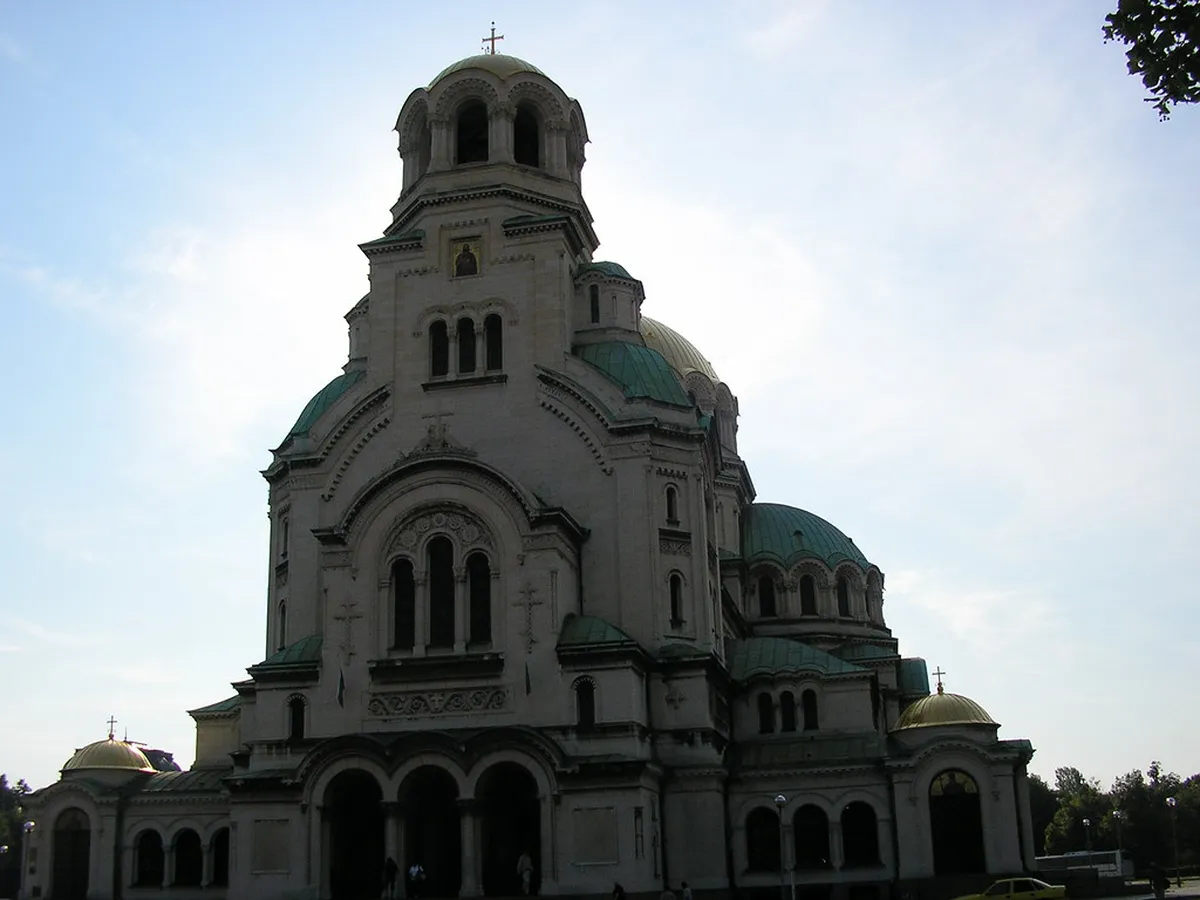
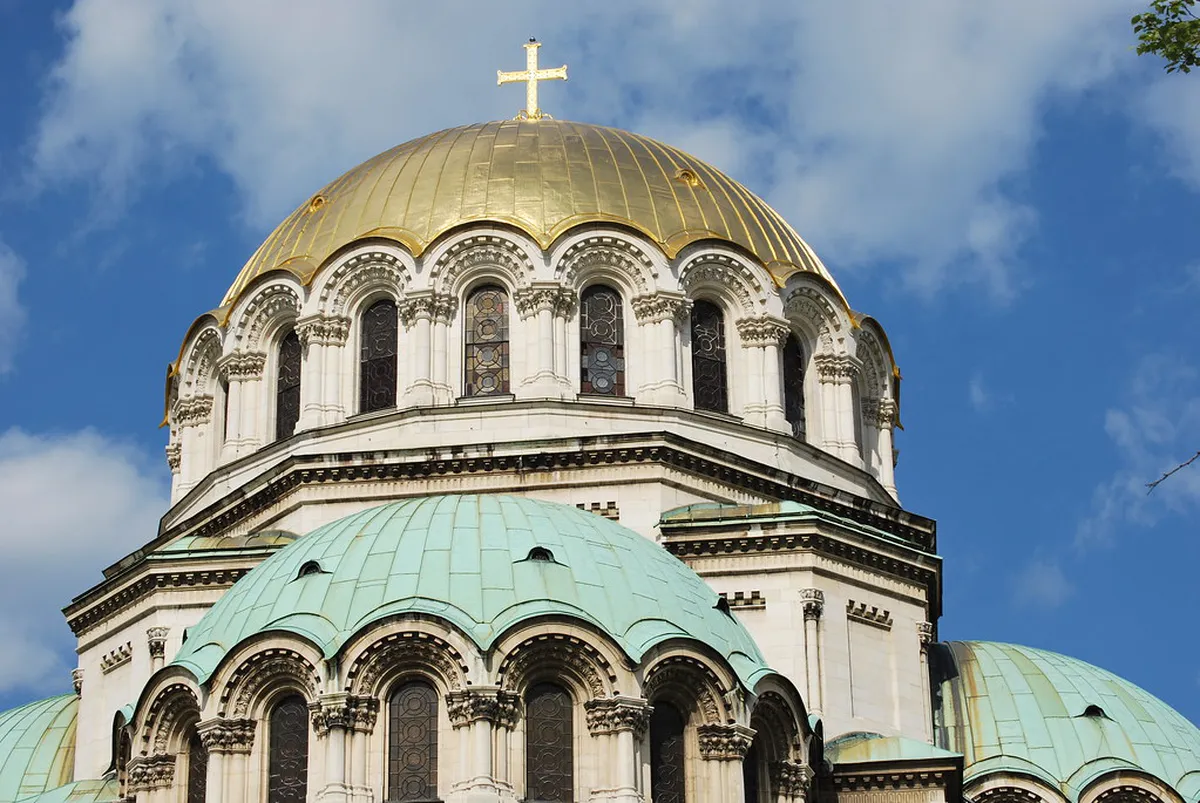
Alexander Nevsky Cathedral is the photogenic centerpiece of Sofia, its gold and green domes visible from across the city center. Entry to the main nave is free; the crypt houses a collection of Bulgarian Orthodox icons and costs 6 BGN. The Boyana Church Visitor Guide on the southwestern outskirts is a smaller UNESCO-listed building with some of the finest medieval frescoes in Europe, predating many Italian Renaissance works. Entry costs 12 BGN and numbers are strictly limited — book online at least 2 days ahead. The National Museum of History (20 BGN, open 09:30–18:00) sits nearby and covers the full arc from Thracian gold to Ottoman decline.
The Kapana district — Sofia's creative quarter, a short walk northwest of the central square — offers the best concentration of coffee shops, craft beer bars, and independent restaurants. For traditional 15 Must-Try Bulgarian Foods, Manastirska Magernitsa on Han Asparuh Street serves monastery recipes from around the country and is worth the slightly higher prices. For a faster meal, try a local diner for kavarma (clay-pot stew) and Shopska Salad: A Guide to Bulgaria's National Dish washed down with a glass of house Mavrud.
Rila Monastery: The Day Trip Every Itinerary Needs
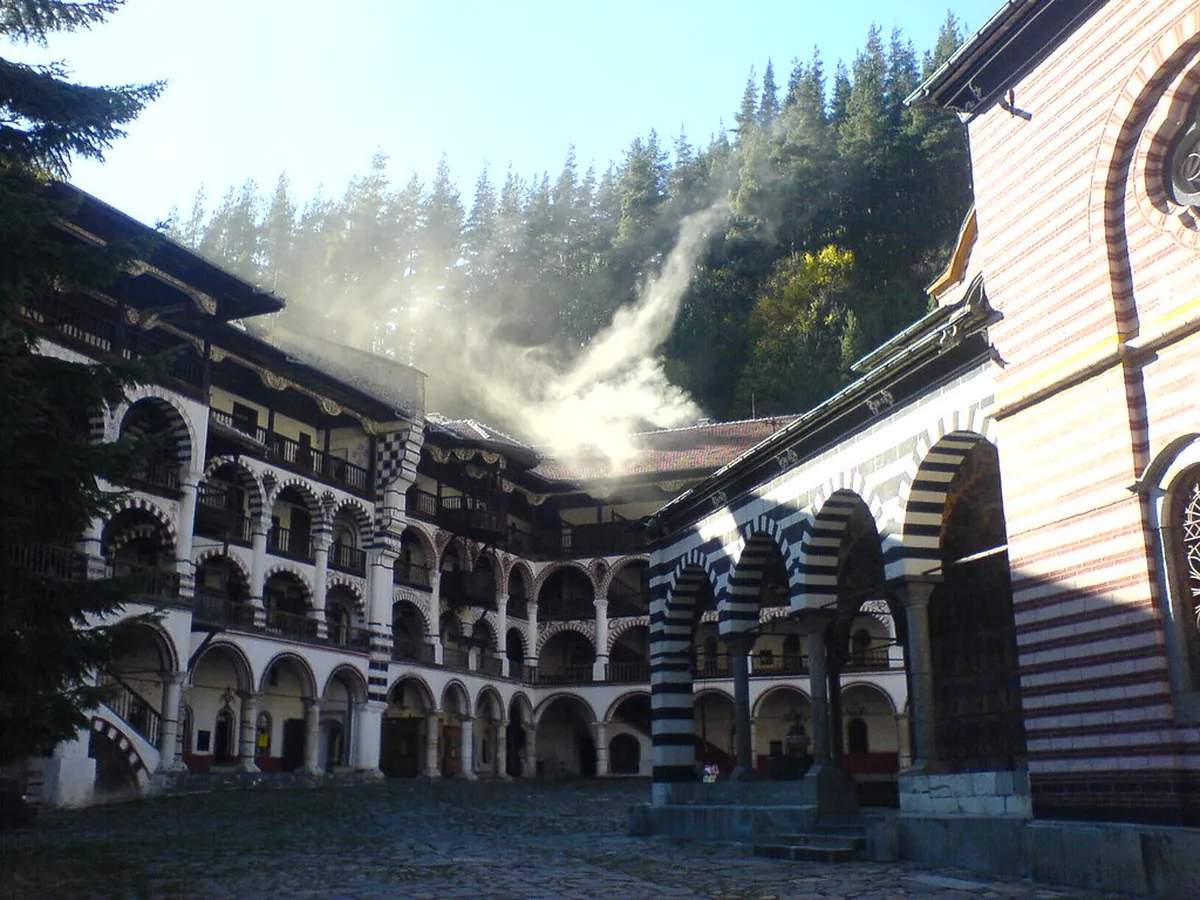
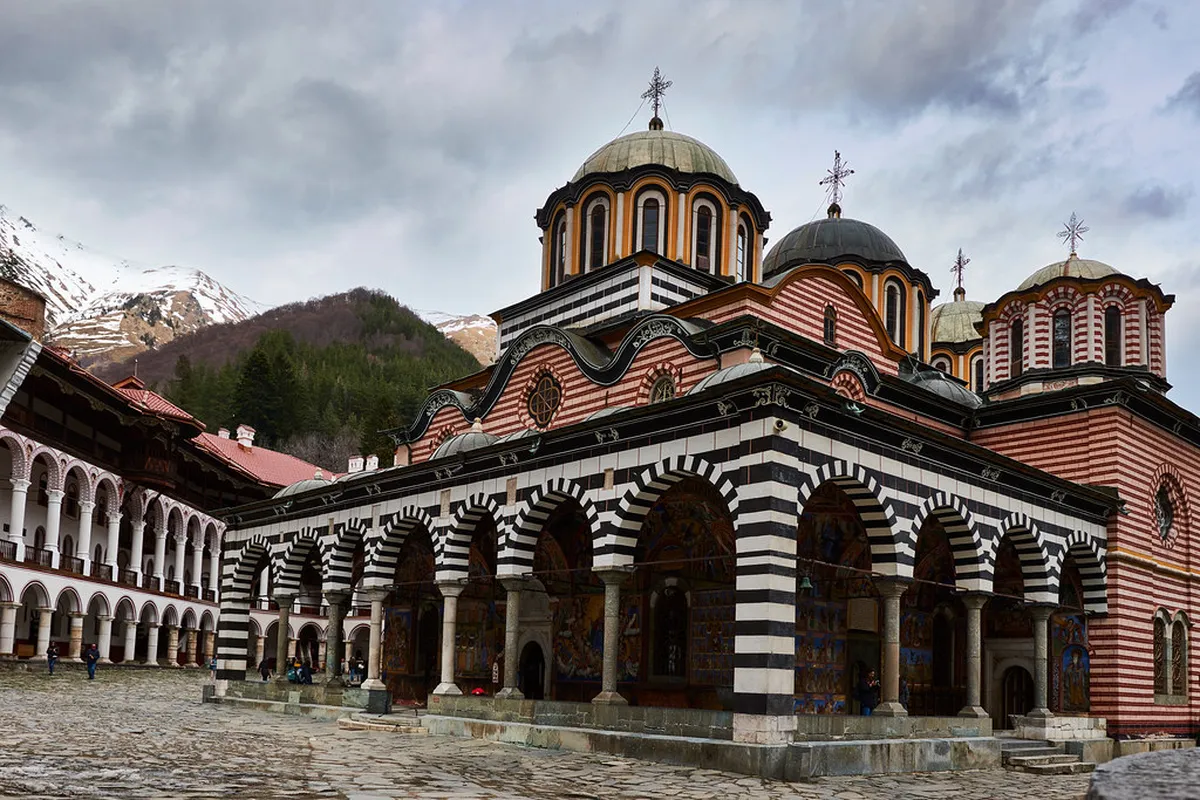
Rila Monastery is the most visited site in Bulgaria and the most important cultural monument in the country. Founded by the hermit Ivan of Rila in the 10th century, the current complex was rebuilt after a fire in 1833 in the Bulgarian National Revival style — striped black-and-white arches wrapping a five-story courtyard of monks' cells. UNESCO inscribed it as a World Heritage Site in 1983. The setting alone justifies the visit: the monastery sits inside a deep Rila gorge at 1,147 metres elevation, surrounded by pine forest. It is easily the most iconic of all the Sofia day trips.
The monastery itself is free to enter and open from 07:00 to 20:00. The Hrelyo Tower (the oldest surviving structure) and the monastery museum cost 8 BGN each. Dress modestly — long trousers or skirts below the knee, no sleeveless tops. The monastery shops sell local honey, herbal teas, and hand-painted icons that make excellent souvenirs. The site gets crowded between 11:00 and 14:00 in summer; arrive early or late afternoon for a calmer experience.
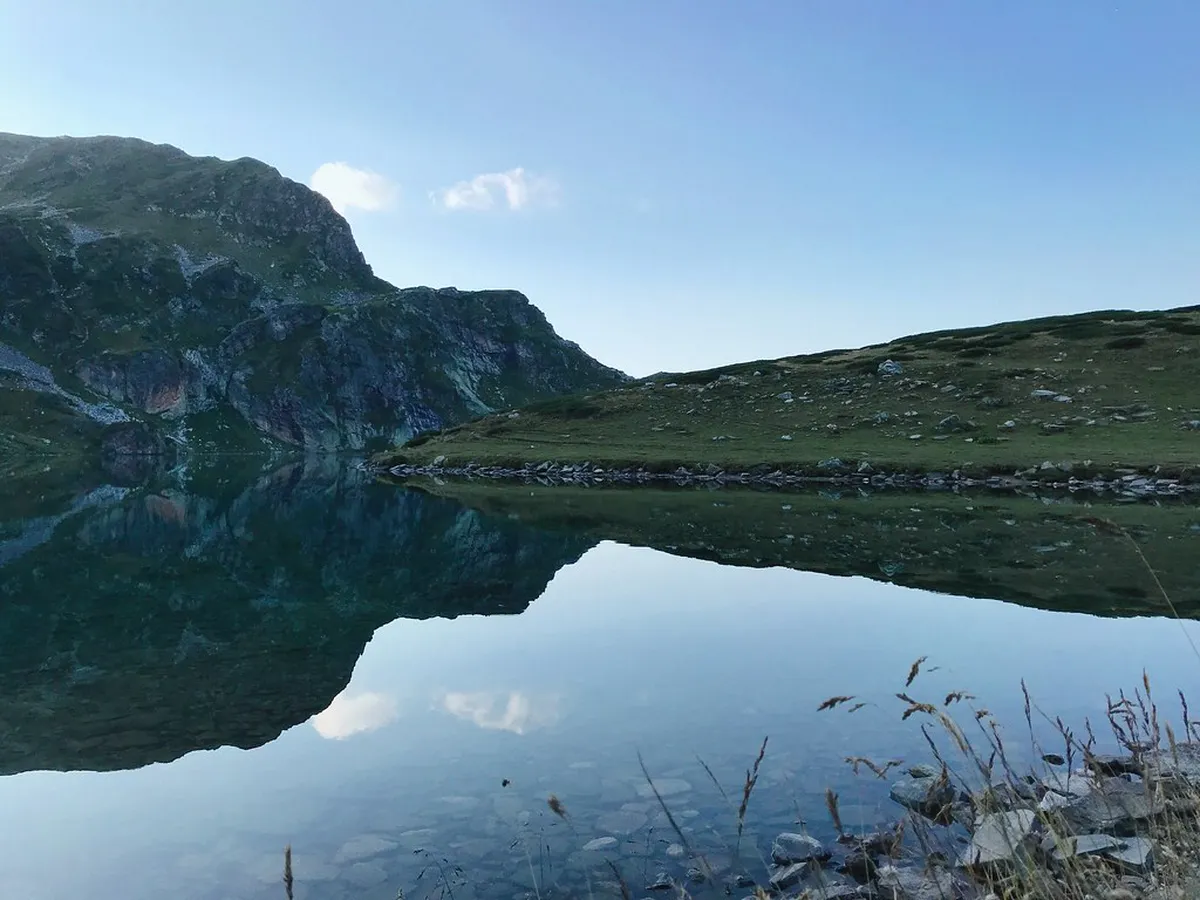
Getting there by rental car takes about 1 hour 45 minutes from Sofia via the E79 south toward Blagoevgrad, then east on a mountain road through Rila town. The drive is straightforward. If you prefer not to drive, the Rila Monastery and Seven Rila Lakes Visitor Guide combination tour from Sofia (via Traventuria) bundles both sites into a single well-organized day — a ski lift at 2,196 metres gives access to the lakes, and you can choose between a 2-hour and a 5-hour hiking circuit. Book 3–5 days ahead in July and August. The Cave of St. Ivan Rilski, a short walk above the monastery, is where the founder lived as a hermit and adds little time but a lot of atmosphere.
Plovdiv: Europe's Oldest Continuously Inhabited City
Plovdiv is thought to have been continuously inhabited for over 6,000 years, making it one of the oldest cities in Europe. What Sofia lacks in old-world charm, Plovdiv delivers in abundance. The city was European Capital of Culture in 2019, and the investment in arts infrastructure is still visible. Two days here is the standard allocation on a 7-day itinerary; three days is better if you want to explore the surrounding Rhodope foothills. Our full Plovdiv City Guide guide covers the city in depth.
The Roman Theatre of Philippopolis (open 09:00–18:00, 5 BGN) is one of the best-preserved Roman amphitheatres in the Balkans, seating 6,000 spectators and still used for opera and concerts in summer. Standing above the theatre on Nebet Tepe Visitor Guide hill at sunset is the classic Plovdiv moment — the view over the Thracian Plain stretches to the Rhodope Mountains. Below, the Old Town's cobblestone streets are lined with National Revival–era mansions, most of which are now house museums (3–6 BGN each).
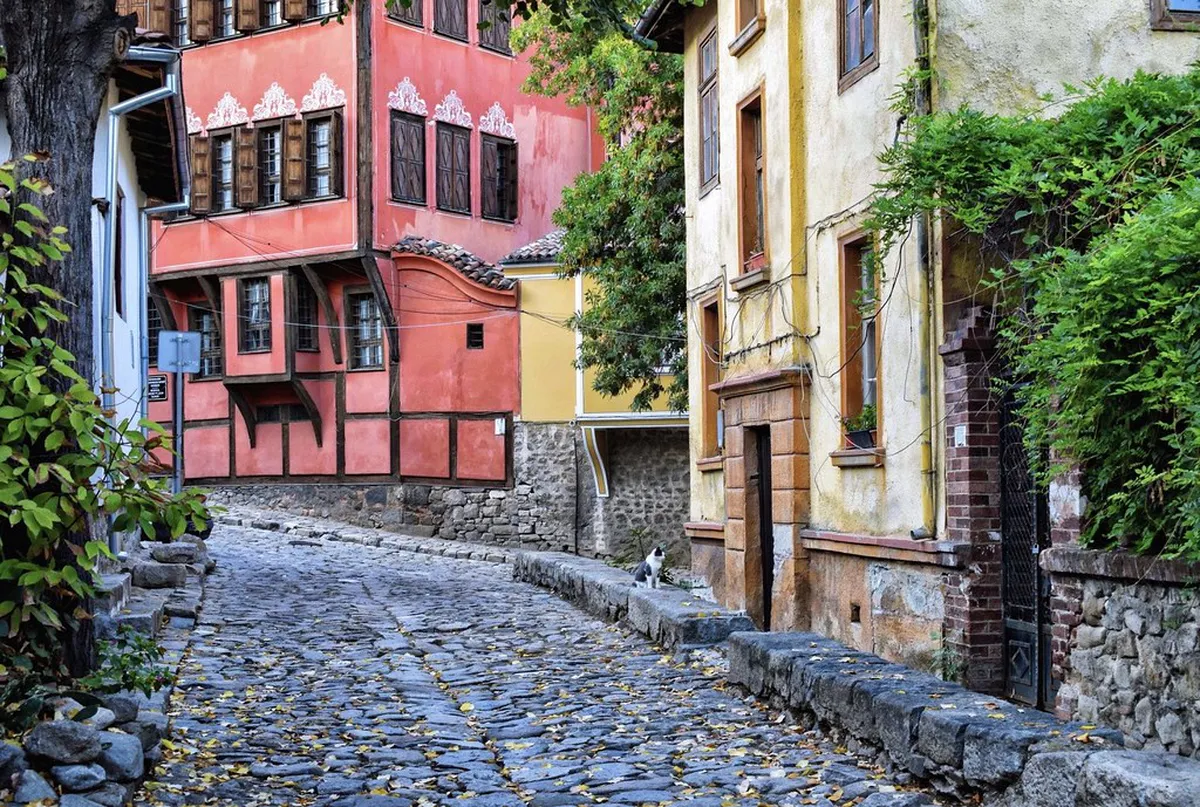
The Kapana Creative District Visitor Guide, tucked into the center of the Old Town, is the beating heart of modern Plovdiv. Its pedestrian-only streets fill with gallery openings, live music, and pop-up food stalls on weekend evenings. This is where to sample local Mavrud and Rubin wine varieties from the Thracian wine region — ask for a glass from a local producer rather than a supermarket label. A local concept that originated here is aylak: the deliberate art of slowing down and enjoying the moment. An afternoon in Kapana embodies it perfectly.
A strong day trip from Plovdiv is the Valley of the Thracian Kings near Kazanlak (about 90 minutes northeast). The Kazanlak Thracian Tomb is a UNESCO World Heritage Site with extraordinary 4th-century BC murals — one of only a handful in the world with paintings intact. The site also sits in the Rose Valley (kazanlak) Visitor Guide, which produces 70% of the world's rose oil. If your dates align with late May or early June, the Kazanlak Rose Festival is one of Bulgaria's most distinctive regional events, with rose-picking demonstrations and a rose queen parade.
Veliko Tarnovo: Capital of the Medieval Bulgarian Empire
Veliko Tarnovo served as the capital of the Second Bulgarian Empire from 1185 to 1393, and the town has never entirely gotten over the grandeur of that era — in the best possible way. The city cascades down a series of steep ridges above the Yantra River, with the Tsarevets Fortress dominating the central hill. It is among the most dramatically situated towns in the Balkans. Plan one full day here, with the option of a second for surrounding villages. See the Veliko Tarnovo City Guide guide for the full picture.
Tsarevets Fortress Visitor Guide is the anchor attraction (10 BGN, open 08:00–19:00 in summer). The hilltop complex contains the ruins of the royal palace, the Patriarchal Cathedral of the Ascension, and Baldwin's Tower — named for the Latin Emperor Baldwin I who was imprisoned here after the Battle of Adrianople in 1205. The climb to the top takes about 20 minutes on a well-maintained path and delivers panoramic views across the city. On selected evenings (check the tourism office schedule, typically Fridays in summer), the fortress hosts a Sound and Light Show — colored floodlights and music tell the story of the Bulgarian Empire. The show costs 15 BGN and is genuinely worth the late night.
The Samovodska Charshiya market street, just below the fortress, is the best place in Bulgaria to watch traditional craftspeople at work. Potters, woodcarvers, and leatherworkers maintain active workshops here — not performance crafts for tourists but functioning small businesses selling directly. Prices are fair and the quality is high. The nearby Arbanasi village, a 10-minute drive uphill, is a collection of fortress-like Bulgarian Revival houses with some of the finest interior frescoes in the country, particularly in the Church of the Nativity. Combine it with a morning in Tsarevets for an efficient final day before driving back to Sofia.
For visitors with more time, the Ivanovo Rock-hewn Churches (50 km northeast, UNESCO-listed) are carved directly into the cliffs above the Roussenski Lom river. The 13th and 14th-century frescoes inside rival those of Boyana and see far fewer visitors. This makes a good addition on a 10-day trip or as a stop en route to the Danube city of Ruse. Our Ruse City Guide guide covers that city's Art Nouveau architecture and riverfront if you want to extend northward.
The Black Sea Coast: Varna, Nessebar, and Burgas
The Black Sea coast is a natural extension of any itinerary lasting 10 days or more. The drive from Sofia to Varna takes about 4.5 hours on the A2 motorway — manageable as a single travel day after Veliko Tarnovo. The coast offers two very different experiences: the UNESCO-listed medieval history of Nessebar and Sozopol Bulgaria, and the resort-heavy energy of Sunny Beach and Golden Sands. Knowing which one you want saves disappointment.
Varna is the best base. Bulgaria's sea capital has an excellent Archaeological Museum (6 BGN, open 10:00–17:00) holding the world's oldest gold treasure, dated to around 4,600 BC — a genuinely extraordinary collection that almost no international visitor knows exists. The Sea Garden is a 7-kilometre linear park running along the waterfront with free access; it contains the Aquarium, the Naval Museum, and plenty of cafes. Varna's Beaches are wide and sandy; the city beach is free. For nightlife, Varna operates at a level several notches above the rest of Bulgaria from June to September. Our Varna City Guide guide has the full breakdown.
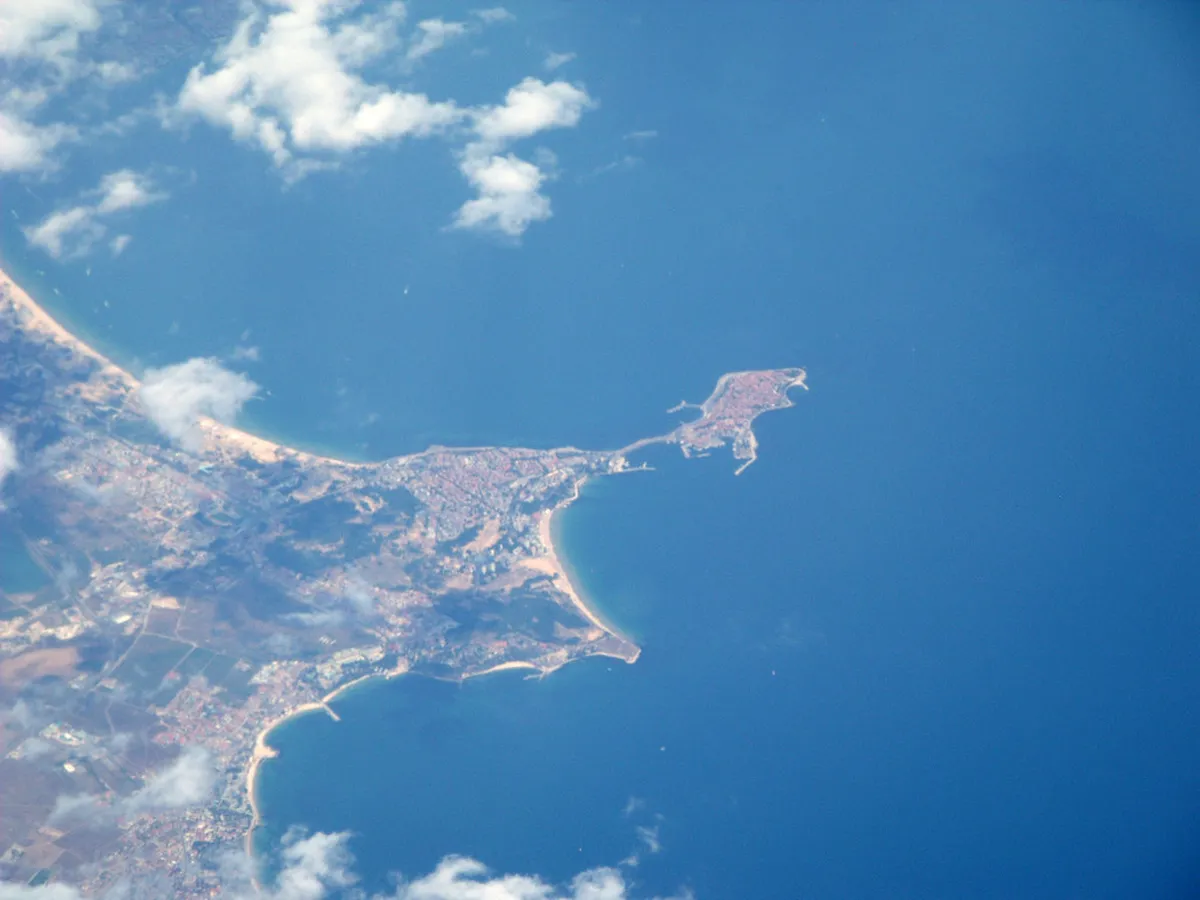
Nessebar (the UNESCO old town) — 40 minutes south of Varna by car — is the one coastal stop that belongs on every itinerary. The old town occupies a small peninsula connected to the mainland by a narrow causeway, and it is UNESCO-listed for the density of medieval churches packed into a very small space — roughly 40 churches in an area you can walk across in 15 minutes. The best time to visit is early morning (before 09:00) or late afternoon, when the tour buses have thinned. The town across the causeway, New Nessebar, is a standard Bulgarian resort; stay in Varna or Burgas and day-trip to the old peninsula. If you want to understand why Nessebar and the mass-market Sunny Beach next door represent completely different Bulgarias, our Burgas City Guide guide explains the Burgas region as a quieter coastal alternative.
Buzludzha, Koprivshtitsa, and the Off-the-Beaten-Path Layer
The Buzludzha Monument Visitor Guide sits on the Balkan mountain ridge at 1,441 metres, visible for kilometers in every direction. Shaped like a flying saucer, the brutalist concrete structure was built in 1981 as a monument to the Bulgarian Communist Party and abandoned after the fall of the regime in 1989. It is one of the most photographed buildings in the Balkans. The exterior is accessible year-round on a mountain road from Kazanlak or Shipka; the interior has been sealed for structural safety since around 2011, though renovation discussions are ongoing as of 2026. The structure itself and the panoramic ridge views justify the detour even without interior access. Combine it with Shipka Pass and the Russian-built Shipka Memorial Church (nativity Memorial Temple) Visitor Guide at the base of the pass — the church's gold domes and onion-shaped towers are incongruously beautiful in the mountain setting.
Koprivshtitsa is the most complete example of Bulgarian National Revival architecture in a single settlement. The town played a central role in the April Uprising of 1876, the rebellion against Ottoman rule, and six house museums tell that story through the homes of its leaders. The architecture — brightly painted two-story houses with projecting upper floors, carved wooden ceilings, and walled courtyards — is the aesthetic template that influenced Bulgarian urban design for generations. It sits about 110 km east of Sofia on the road toward Plovdiv, making it a natural stop between the two cities on a 7-day or longer itinerary. There is little to do here beyond walking the streets and visiting a museum or two, which is exactly the point — the pace is entirely different from the cities.
Belogradchik in the northwest is the furthest off the standard circuit but arguably the most visually striking site in Bulgaria. An Ottoman-era fortress is built directly into and around massive natural sandstone rock pillars — the walls are integrated with the geology in a way that has no parallel elsewhere in Europe. The drive from Sofia takes about 3 hours via the Iskar Gorge road, which is scenic enough to justify the journey. Few international visitors make it here, which means the site is always quiet.
What to Eat in Bulgaria: A Regional Food Checklist
Bulgarian food is one of the strongest arguments for spending more time in the country. Portions are large, prices are low, and the cuisine draws on Ottoman, Greek, and Slavic influences without being a copy of any of them. These are the dishes worth tracking down, with the best cities to find each one.

- Banitsa — Flaky pastry filled with white brine cheese and egg, baked in a coil. The definitive Bulgarian breakfast. Buy it fresh from a bakery before 09:00 in any city; the quality drops as the morning wears on. Pair it with boza (fermented wheat drink) or ayran (cold yogurt drink) as the locals do.
- Shopska salad — Tomato, cucumber, roasted pepper, and onion topped with grated white cheese (sirene). The national salad and an unavoidable first course at every traditional restaurant. Best in summer when the tomatoes are actually tomatoes.
- Kavarma — Slow-cooked pork or chicken with vegetables and spices in a clay pot. A winter staple but available year-round. Order it in any mehana (traditional tavern) and it will arrive bubbling from the oven.
- Kebapche and kyufte — Grilled minced pork rolls and patties, seasoned with cumin. The Bulgarian answer to fast food, available at street kiosks for 1–2 BGN each. Best eaten immediately with mustard and white bread.
- Tarator — Cold cucumber and yogurt soup with garlic, dill, and walnuts. The essential summer starter, particularly good in Plovdiv's Old Town restaurants in July and August.
- Rakia — Bulgaria's national spirit, distilled from grapes, plums, or other fruit. Always offered as a greeting drink in traditional settings. The correct response is to accept, clink glasses, say "Nazdrave!" (to health), and drink the shot in one go. Refusing is considered rude at family-run mehanas.
For a full sit-down meal, Manastirska Magernitsa in Sofia (near the National Theatre) serves monastery recipes collected from around the country and represents traditional Bulgarian cuisine at its most complete. In Plovdiv, the mehanas in the Old Town are generally reliable; in Veliko Tarnovo, the restaurants on Stefan Stambolov Street overlooking the gorge combine the view with the food for an unforgettable meal.
Private Guide vs. Rental Car: Which Makes Sense for Your Trip
Most Bulgaria itinerary guides advocate for rental cars without qualification. The honest answer is that it depends on your group size, comfort with mountain driving, and how much spontaneous exploration you want to do. Here is how the two options actually compare for the most common scenarios.
A private guide (like those offered by privateguidebulgaria.com or through licensed local operators) makes most sense on a 5-day trip where you want maximum site coverage without any logistics overhead. The guide handles all transport, knows which monastery monks to speak to for an unscripted tour, and can adapt the day if a site is unexpectedly closed. The cost for a private car with a licensed English-speaking guide runs 200–350 BGN per day (split across your group). For a couple, that is higher than a rental car. For a group of four, it is often comparable and considerably less stressful.
A rental car is the better choice for itineraries of 7 days or more, particularly if the route includes the Black Sea coast, Belogradchik, or multiple mountain stops where flexibility on timing matters. The vignette costs 15 BGN for a week. Fuel prices in Bulgaria run roughly 2.60–2.80 BGN per litre (below the EU average). Parking in Plovdiv's Old Town is limited; use the paid car park on Tsar Simeon Street and walk the last ten minutes. In Veliko Tarnovo, parking near the fortress is free but spaces fill by 10:00 in summer — arrive early.
The best hybrid approach on a 7-day self-drive trip: do the Rila Monastery day as a guided tour from Sofia (book through Traventuria or a similar operator), handle everything else independently by car. This removes the Rila logistics headache while keeping full flexibility for the rest of the route.
Bulgaria Travel Budget and Practical Advice
Bulgaria remains the most affordable EU country for travel by a significant margin. A comfortable mid-range daily budget runs 100–130 BGN ($55–70), covering a two-star or three-star hotel, two full restaurant meals, entry fees, and transport within a city. Budget travelers using dorms and street food can manage on 60–70 BGN per day. The Hostelworld Bulgaria page lists dorms from €6 per night in Sofia and Plovdiv. Boutique hotels in Plovdiv's Old Town run 80–150 BGN per night double and are good value by any European standard.
The currency is the Bulgarian Lev (BGN), pegged to the Euro at a fixed rate of 1 EUR = 1.96 BGN. Card payments are standard in city restaurants and hotels but cash is expected in village mehanas, small monasteries, and rural petrol stations. Carry 50–100 BGN in cash at all times. ATMs in city centers charge no fees if you use machines attached to major banks (DSK, UniCredit, Raiffeisen); standalone ATMs in tourist zones add a 5–8 BGN surcharge. Tipping is standard at 10% in restaurants if service was attentive — round up to the nearest 5 BGN for simplicity.
Practical entry-fee summary for common sites in 2026: Boyana Church 12 BGN, National Museum of History 20 BGN, Rila Monastery museum 8 BGN, Plovdiv Roman Theatre 5 BGN, Tsarevets Fortress 10 BGN, Varna Archaeological Museum 6 BGN. Most sites are closed on Mondays. The Alexander Nevsky Cathedral main nave is free; check local calendars for Sunday service times if you want to attend an Orthodox liturgy — it is one of the more moving experiences available in Sofia.
Sofia's international airport (SOF) has flights from most European capitals. Ryanair, Wizz Air, Bulgaria Air, and easyJet all serve the airport, with typical fares of €50–100 return from Western Europe. Alternatively, fly into Plovdiv (PDV) or Varna (VAR) if your itinerary starts in those cities and you want to avoid backtracking. The train and bus station in Sofia is adjacent to Serdika metro station, making airport-to-station transfers straightforward.
Explore more: Bulgaria Itinerary 2026: Plan the Perfect Trip (5, 7, 10 & 14 Days)
Use these focused guides to plan the details, compare options, and build an itinerary that fits your trip.
Frequently Asked Questions
Which Bulgaria itinerary options fit first-time visitors?
A 7-day loop covering Sofia, Rila Monastery, Plovdiv, and Veliko Tarnovo is best for first-timers. This route balances major historical sites with manageable travel times. It provides a perfect introduction to the country's diverse culture.
How much time should you plan for a Bulgaria itinerary?
Plan for at least 7 to 10 days to see the main highlights properly. This allows for a mix of city exploration and mountain day trips. If you want the Black Sea, extend your stay to 14 days.
Is Rila Monastery worth including on a short itinerary?
Yes, Rila Monastery is the most iconic site in the country and a must-see. It is easily reachable as a day trip from Sofia. The stunning frescoes and mountain setting are truly world-class.
Bulgaria is a destination that rewards those who step off the beaten path. From the Roman ruins of Plovdiv to the peaks of the Rila mountains, the variety is enormous. Whether you have five days or two weeks, the key is choosing a duration that matches your pace rather than trying to compress everything into a single loop. Pick your itinerary length above, lock in Boyana Church and the Rila day trip early, and let the rest of the country reveal itself at its own tempo.
For city-by-city depth, see our guides to Sofia, Plovdiv, Varna, and Veliko Tarnovo. Don't forget to try the rakia and enjoy the legendary Bulgarian hospitality.
Explore More Bulgaria Travel Guides
Use this hub to plan every part of your trip — choose an itinerary length, sort out the practicalities, then dive into the individual cities.
Bulgaria Itineraries by Length
- Bulgaria 5-Day Itinerary
- Bulgaria 7-Day Itinerary
- Bulgaria 10-Day Itinerary
- Bulgaria 2-Week Itinerary
- Bulgaria Road Trip Route
Plan Your Bulgaria Trip
- How Many Days in Bulgaria: 10 Essential Planning Tips
- Bulgaria's Top Destinations
- Top Bulgaria Attractions
- Bulgaria Transport Options
- Bulgaria Car Hire Tips
- Is Bulgaria Worth Visiting?