10 Best Wine Tours in Bulgaria: Regions, Wineries & Planning Guide (2026)
After three visits to Bulgaria over five years, I can confidently say that its wine scene is one of Europe's best-kept secrets. This Balkan nation, with its ancient winemaking traditions, is rapidly gaining international recognition for its unique varietals and exceptional quality. Updated in February 2026 after my recent winter return visit, this guide helps you navigate the diverse world of Bulgarian wine tours. Whether you're a seasoned oenophile or a curious traveler, prepare to be charmed by its rich flavors and warm hospitality.
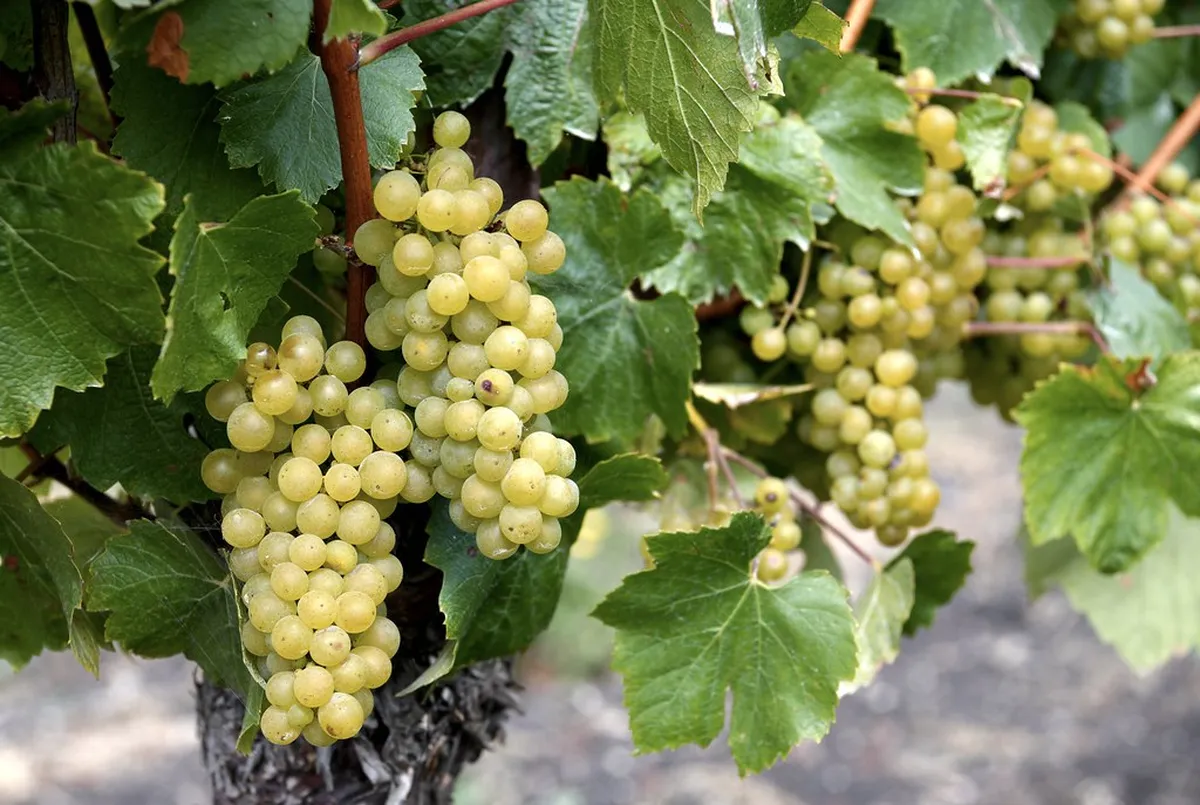
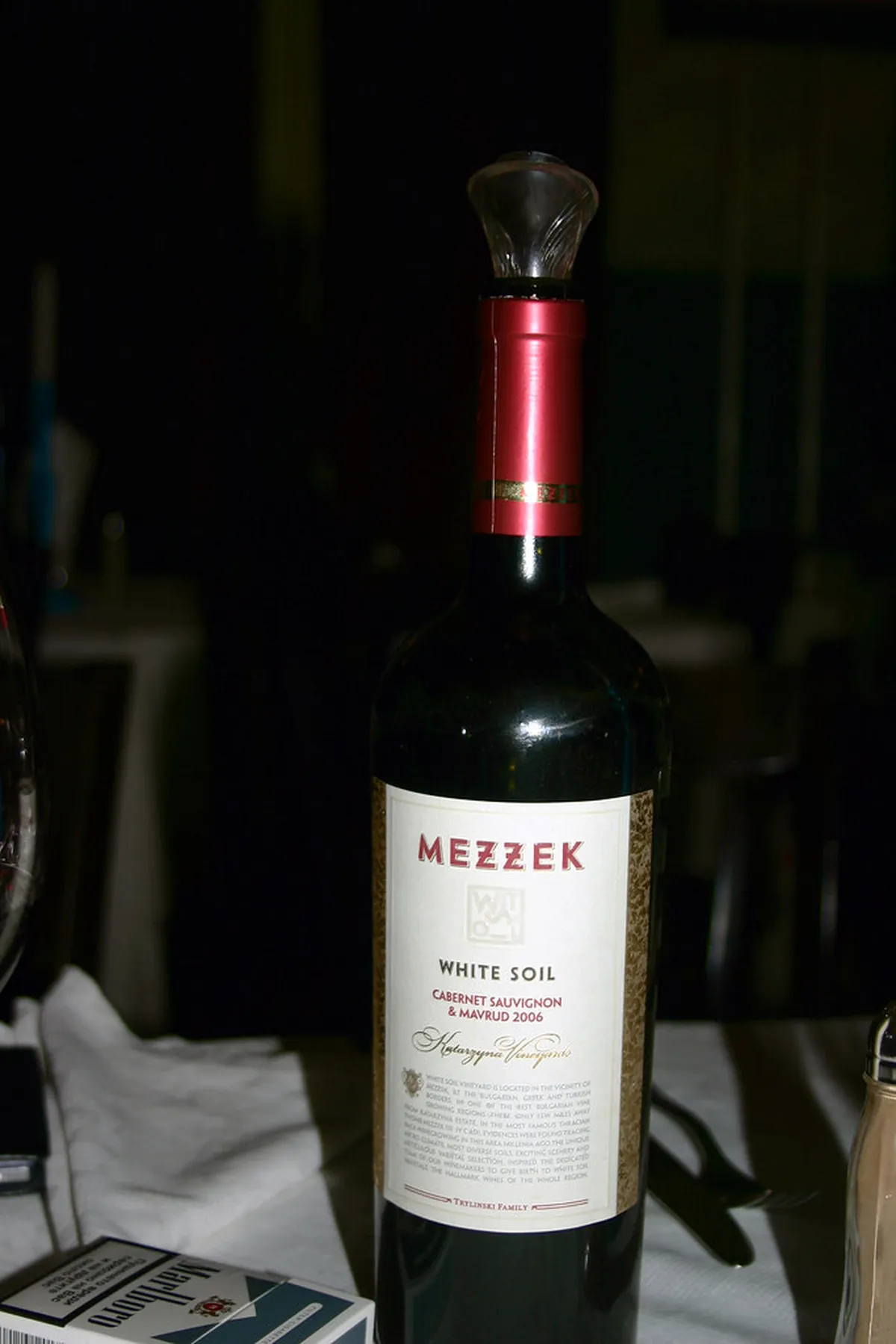
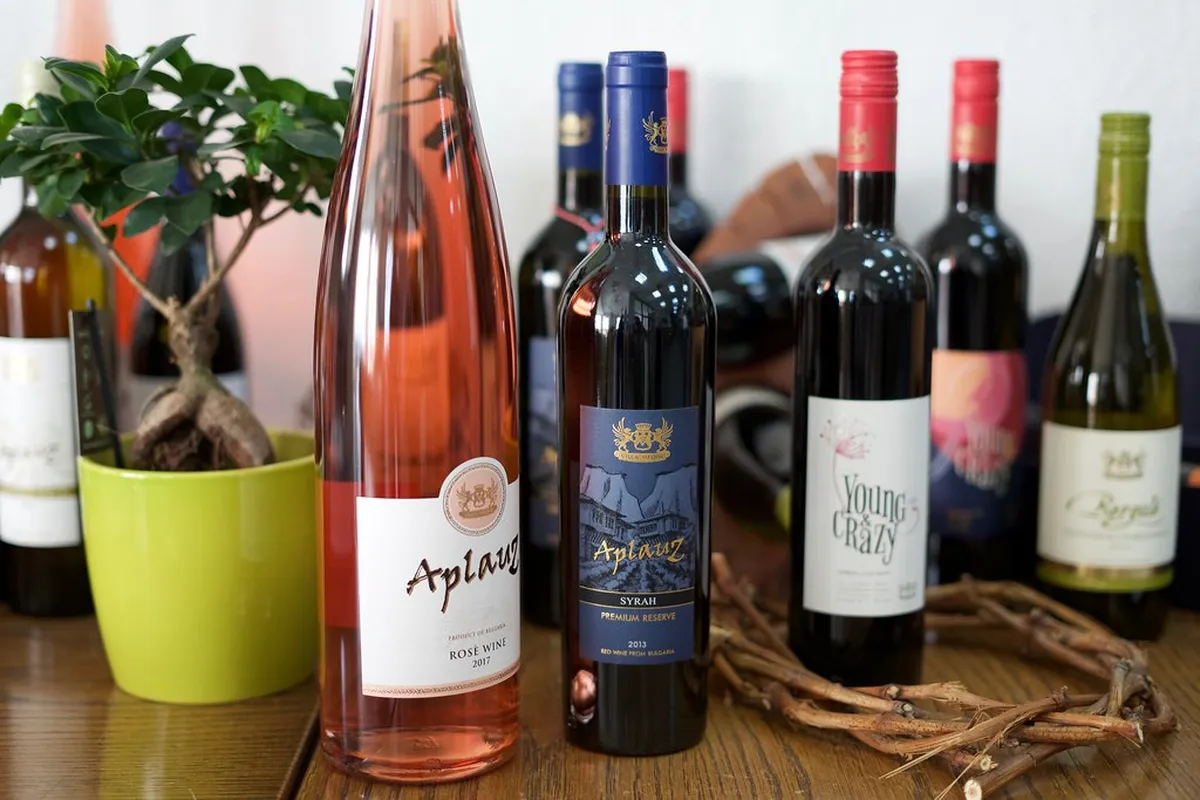
Here's a visual introduction to what a Bulgarian winery experience looks like:
Bulgaria offers an authentic and often budget-friendly alternative to more established wine destinations. From the robust reds of the Thracian Valley to the aromatic whites of the Black Sea coast, there is a wine for every palate. Planning a trip can feel overwhelming with so many options, but this guide simplifies your choices. We'll cover the top regions, must-visit wineries, and essential planning tips for an unforgettable experience.
Why Choose Bulgaria for Your Next Wine Tour?
Bulgaria, often overlooked, is quickly emerging as a premier destination for wine enthusiasts. Its winemaking history stretches back thousands of years to the ancient Thracians, making it one of the world's oldest wine-producing regions. Today, a new generation of winemakers blends this rich heritage with modern techniques, crafting award-winning wines that captivate critics globally.
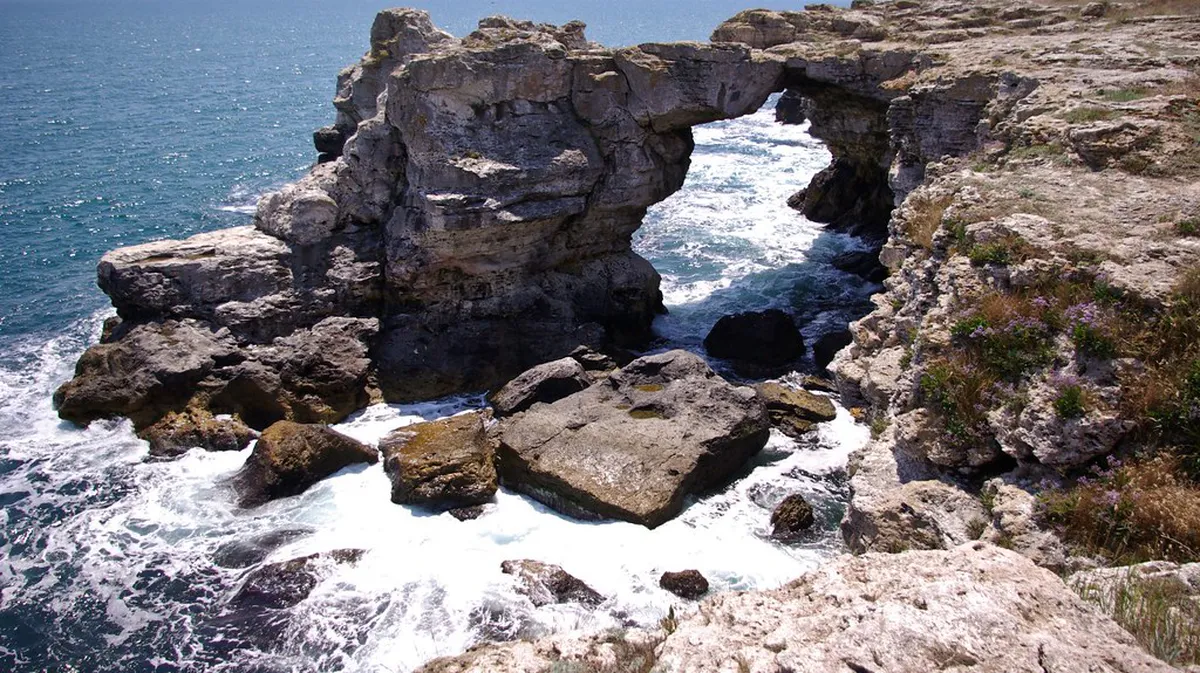
The country's diverse terroir, influenced by mountains, rivers, and the Black Sea, creates ideal conditions for a wide array of grape varieties. You'll discover unique indigenous grapes like Mavrud and Rubin, alongside international favorites. Furthermore, Bulgaria offers exceptional value compared to Western European wine destinations. You can enjoy high-quality tastings and tours while keeping costs manageable.
Plovdiv's designation as the European wine capital for 2025 further cements Bulgaria's rising status. This recognition highlights the country's commitment to wine tourism and its growing presence on the global stage. Visiting now allows you to experience this exciting evolution firsthand, often with more intimate and personalized experiences. It's an opportune moment to explore before it becomes a mainstream destination.
A Brief History of Bulgarian Wine
The roots of Bulgarian winemaking run deep, tracing back to the Thracian tribes who inhabited these lands over 6,000 years ago. These ancient people revered wine, using it in religious rituals and daily life. Evidence of their advanced viticulture can still be seen in archaeological finds across the country. This long lineage provides a fascinating backdrop to every sip you take.
Over centuries, winemaking endured through Roman, Byzantine, and Ottoman rule, though often suppressed or limited. During the communist era, the focus shifted to mass production and quantity over quality, primarily for Eastern Bloc markets. Vineyards were consolidated, and many unique traditions were lost. This period is a stark contrast to today's vibrant scene.
Following the fall of communism in 1989, Bulgarian winemaking underwent a dramatic renaissance. Private wineries emerged, investing in modern equipment and rediscovering indigenous varietals. The emphasis returned to crafting high-quality wines that reflect Bulgaria's unique terroir. Today, the country proudly produces wines that compete on the international stage, earning accolades and respect.
Bulgaria's Top 5 Wine Regions to Explore
Bulgaria is geographically divided into five distinct wine regions, each offering unique landscapes and grape varieties. Understanding these regions is key to planning your ideal wine tour. From the sun-drenched south to the cooler north, diverse microclimates shape the character of the wines. This variety ensures a rich and varied tasting experience.
The Thracian Lowlands, encompassing the region around Plovdiv, is arguably the most famous. It's renowned for its robust red wines, particularly Mavrud, and boasts a high concentration of modern wineries. The Struma Valley in the southwest is home to the unique Shiroka Melnishka Loza grape and picturesque Melnik. This area provides a more intimate, traditional experience. You can learn more about Melnik wine and the Struma Valley here.
Further north, the Danube Plain produces excellent white wines, sparkling varieties, and elegant reds. The Black Sea Region benefits from maritime influences, ideal for aromatic whites like Dimyat. Finally, the Rose Valley, while famous for its roses, also offers intriguing white and rosé wines. Each region presents a different facet of Bulgaria's rich wine tapestry. Explore more about Bulgaria's wine regions and tours.
10 Must-Visit Wineries for an Unforgettable Experience (2026)
Bulgaria's wine scene is brimming with incredible wineries, from historic estates to modern, architectural marvels. Choosing which ones to visit can be daunting, so we've curated a list of ten outstanding options. These wineries offer exceptional wines, engaging tours, and memorable experiences. They represent the best of what Bulgarian wine tours have to offer.
Each selection provides a unique insight into the country's winemaking prowess. Many require advance booking, especially for English-guided tours or during peak season (May-October). Always check their official websites for the most current operating hours and pricing. Some smaller, family-run establishments might have less structured hours.
When planning, consider grouping wineries by region to minimize travel time. Many offer food pairings, which can elevate your tasting experience significantly. Don't hesitate to ask about their indigenous grape varieties, as these often tell the most compelling stories. Allow at least 1.5 to 2 hours per visit to fully enjoy the tour and tasting.
- Villa Melnik (Struma Valley)
- This family-owned winery is a pioneer in the Struma Valley, celebrated for its unique local grapes like Shiroka Melnishka Loza.
- Expect a warm welcome and a passionate explanation of their sustainable practices, often from the owners themselves.
- Located near Melnik, tours cost around 25-40 BGN ($14-$22) per person, including tasting, and run daily 10am-6pm; booking ahead is essential.
- Tip: Try their Orange Wine, a rare find, and take a stroll through their picturesque vineyards for stunning views.
- Katarzyna Estate (Thracian Lowlands)
- Known for its modern architecture and high-quality red wines, Katarzyna Estate is a standout in the western Thracian Lowlands.
- The winery produces award-winning Cabernet Sauvignon and Merlot, alongside intriguing blends.
- Tours and tastings range from 30-60 BGN ($17-$33) per person, available by appointment Tuesday-Saturday, 10am-5pm.
- Tip: Their restaurant offers exquisite food pairings; plan for lunch to complete the experience.
- Edoardo Miroglio Wine Cellar (Thracian Lowlands)
- An Italian-owned gem near Nova Zagora, Edoardo Miroglio combines Bulgarian terroir with Italian winemaking finesse.
- They specialize in Pinot Noir, Chardonnay, and a fantastic sparkling wine, a rarity in Bulgaria.
- Tours and tastings typically cost 25-50 BGN ($14-$28), available daily from 10am-5pm, with advance booking recommended.
- Tip: The winery also features a luxurious hotel and spa, making it perfect for an overnight stay.
- Starosel Wine & Spa Complex (Thracian Lowlands)
- Starosel offers a unique blend of wine, history, and wellness, built atop an ancient Thracian temple.
- They focus on Mavrud and other local varietals, celebrating the region's heritage.
- Wine tours are about 20-35 BGN ($11-$19), operating daily 10am-6pm; spa services and hotel stays are separate.
- Tip: Explore the Thracian cult complex on-site before your tasting for a deeper historical connection.
- Bratanov Winery (Thracian Lowlands)
- A boutique, family-run winery near Harmanli, Bratanov is celebrated for its commitment to indigenous grapes like Rubin.
- Their wines consistently receive high praise for their intensity and character.
- Tastings are intimate and personalized, typically 25-45 BGN ($14-$25) by appointment only, usually Monday-Friday.
- Tip: This is an excellent place to purchase some unique, small-batch wines directly from the producer.
- Angelus Estate (Thracian Lowlands)
- Angelus Estate near Stara Zagora is known for its elegant, full-bodied red wines and a commitment to quality.
- Their state-of-the-art facility and picturesque vineyards offer a sophisticated tasting experience.
- Expect to pay 35-60 BGN ($19-$33) for a tasting, available by appointment Tuesday-Saturday.
- Tip: Their flagship Cabernet Sauvignon is a must-try for red wine lovers.
- Chateau Copsa (Rose Valley)
- Nestled in the beautiful Rose Valley, Chateau Copsa combines a medieval-style castle with modern winemaking.
- They produce excellent whites, rosés, and reds, benefiting from the region's unique climate.
- Tours and tastings are around 25-45 BGN ($14-$25), operating daily 10am-6pm; a hotel and restaurant are also on-site.
- Tip: Visit during the rose blooming season (May-June) for an added sensory delight.
- Borovitza Winery (Danube Plain)
- Borovitza is a small, artisanal winery in the northwest, focusing on natural winemaking and rare varietals.
- They produce exceptional white wines and unique blends that reflect the Danube Plain's terroir.
- Visits are highly personalized and by appointment only, with prices varying based on the tasting selection (expect 30-50 BGN/$17-$28).
- Tip: This is a perfect stop for those seeking experimental and truly unique Bulgarian wines.
- Midalidare Estate (Thracian Lowlands)
- Midalidare is a large, impressive estate known for its high-quality Bordeaux-style blends and stunning grounds.
- They offer comprehensive tours of their vineyards and production facilities.
- Tastings typically cost 30-55 BGN ($17-$30), available daily 10am-5pm, with booking recommended.
- Tip: Their annual wine festival in summer is a fantastic event, featuring live music and local food.
- Villa Yustina (Thracian Lowlands)
- Located near Plovdiv, Villa Yustina is celebrated for its modern approach and focus on indigenous varieties like Rubin and Mavrud.
- Their wines consistently win international awards, showcasing the potential of Bulgarian grapes.
- Tours and tastings are typically 25-45 BGN ($14-$25), operating daily 10am-6pm; easy to reach from Plovdiv.
- Tip: Combine a visit here with exploring the nearby historical sites around Plovdiv for a full day out.
Unique Indigenous Grapes to Taste in Bulgaria
While international varietals thrive in Bulgaria, the true heart of its wine culture lies in its unique indigenous grapes. These ancient vines offer flavor profiles you won't find anywhere else, telling a story of millennia of cultivation. Exploring these varietals is a highlight of any authentic Bulgarian wine tour. They provide a distinct taste of the local terroir.
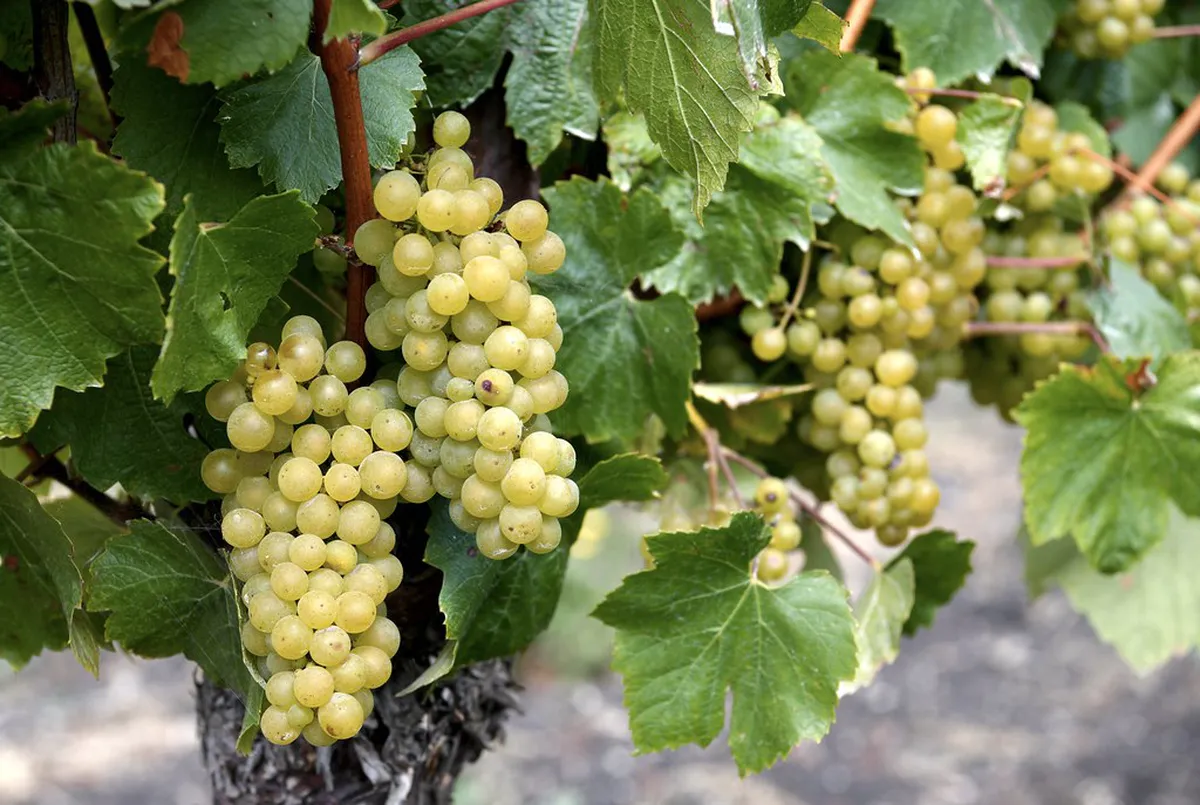
Mavrud is perhaps the most famous, a robust red grape primarily grown in the Thracian Valley. It produces full-bodied wines with notes of blackberry, spice, and often a hint of leather, aging beautifully. Pair Mavrud with hearty meat dishes or aged cheeses for an authentic experience. Discover more about Mavrud, Bulgaria's signature wine.
Rubin, a cross between Nebbiolo and Syrah, offers intense aromas of red berries, violets, and pepper. It's a versatile red, growing in popularity for its aromatic complexity. Dimyat is a prominent white grape, especially in the Black Sea region, yielding fresh, aromatic wines with hints of apricot and almond. It's perfect for seafood or light salads. Other notable indigenous grapes include Pamid and Shiroka Melnishka Loza, each offering their own charm.
Planning Your Bulgarian Wine Tour: Essential Tips
Effective planning ensures a smooth and enjoyable Bulgarian wine tour. Consider the time of year, transportation, and how you'll book your experiences. A little preparation goes a long way in maximizing your enjoyment. This section covers key logistical considerations.
The best time to visit for wine tours is typically spring (April-June) or autumn (September-October). During these periods, the weather is pleasant, and vineyards are either blooming or vibrant with harvest activity. Summers can be hot, while winters offer a quieter, more intimate experience, though some smaller wineries may have reduced hours. Always check seasonal availability when planning.
For transportation, renting a car offers the most flexibility, allowing you to explore at your own pace. Alternatively, consider hiring a private driver or joining an organized tour, especially if you plan on heavy tasting. Many reputable companies, such as Bulgarian Wine Tours, offer customizable private tours year-round. Booking tastings and tours in advance is highly recommended, particularly for popular wineries or during peak season.
Many wineries now have English-speaking staff and offer tours in English. However, it's always wise to confirm this when booking. Consider staying in wine-region guesthouses or hotels for an immersive experience. Plovdiv serves as an excellent base for exploring the Thracian Lowlands. Find out more about the best Bulgarian wineries to visit.
Beyond the Vineyards: Cultural Stops Near Wine Regions
A Bulgarian wine tour doesn't have to be solely about wine; the country is rich in history and natural beauty. Integrating cultural stops can enhance your trip, offering a broader understanding of Bulgaria. These nearby attractions provide a welcome break from tastings and add depth to your itinerary. You can combine cultural exploration with your wine adventures.
The magnificent Rila Monastery Visitor Guide, a UNESCO World Heritage site, is a spiritual and architectural marvel. It's easily accessible from Sofia and can be combined with a visit to the Struma Valley wine region. Allow a full day for the monastery, perhaps adding a quick stop at a nearby winery on your return. The stunning frescoes and mountain setting are memorable.
Plovdiv, one of Europe's oldest continuously inhabited cities, is a must-visit. Its ancient Roman theatre, charming Old Town, and vibrant Kapana district offer endless exploration. Many Thracian Valley wineries are just a short drive from Plovdiv, making it an ideal base. You can explore Plovdiv wine tasting options from here.
For a unique historical detour, consider the Panagyurishte Treasure. This incredible collection of Thracian gold artifacts is often exhibited in museums. While the original site might not be directly on a wine route, its cultural significance is immense. Checking current exhibition locations can reveal opportunities to see this stunning ancient artistry.
Cost of Bulgarian Wine Tours: What to Expect
Bulgaria offers excellent value for money, making wine tours accessible to various budgets. Understanding the typical costs can help you plan your finances effectively. Prices are generally lower than in Western Europe, allowing for more experiences. This section breaks down common expenses.
Individual winery tastings typically range from 20-50 BGN ($11-$28) per person, often including 3-5 wines. More extensive tours with food pairings or premium wines might cost 40-70 BGN ($22-$38). A full-day guided wine tour, including transportation, tastings at 2-3 wineries, and sometimes lunch, can cost 150-300 BGN ($80-$165) per person. These prices vary based on the tour operator and itinerary.
A good quality bottle of Bulgarian wine purchased directly from a winery usually ranges from 15-40 BGN ($8-$22). Supermarket prices can be even lower, often 10-25 BGN ($5-$14). Accommodation in wine regions is also affordable, with guesthouses starting around 60-100 BGN ($33-$55) per night. Even luxury wine resorts offer competitive rates compared to other European destinations.
What to Skip: Overrated Wine Experiences in Bulgaria
While Bulgaria's wine scene is fantastic, some experiences might not live up to expectations, especially for seasoned travelers. It's important to differentiate between authentic experiences and those catering purely to mass tourism. Knowing what to avoid can save you time and money, directing you to more rewarding options. My personal experience has shown that not all tours are created equal.

I'd suggest being wary of generic 'wine and rakia tasting' tours offered in city centers like Sofia. These often lack the depth and authenticity of a true winery visit, featuring generic wines and spirits. While convenient, they don't provide the same connection to the winemaking process or the terroir. Instead, prioritize visits directly to the vineyards. You can explore Bulgarian red wines in more detail at a dedicated winery.
Also, some larger, older cooperatives might lack the personalized touch of boutique wineries. Their tours can feel less engaging, focusing on industrial production rather than the craft. While they offer historical insight, for a truly 'unforgettable experience,' seek out the smaller, family-run estates. These often provide a more intimate and educational journey into Bulgarian wine.
Frequently Asked Questions About Bulgarian Wine Tours
Continue planning: Use Bulgaria Wine Regions: A Comprehensive Guide to History & Grapes and 10 Best Wineries in Bulgaria: Ultimate Travel Guide & Map to connect this guide with the rest of your Bulgaria itinerary.
Frequently Asked Questions
How much time should you plan for wine tours in Bulgaria?
For a comprehensive experience, plan at least 3-5 days to explore one or two major wine regions thoroughly. This allows for visits to multiple wineries, cultural stops, and relaxed travel. A single day trip is possible for a taste, but won't capture the full diversity.
What are the best wine regions in Bulgaria for first-time visitors?
The Thracian Lowlands, particularly around Plovdiv, are ideal for first-time visitors due to the concentration of excellent wineries and easy accessibility. The Struma Valley, with its unique Melnik wines and picturesque scenery, is another fantastic choice. Both offer a great introduction to Bulgarian wine. You can find more details on Thracian Valley wines options.
Can you do self-guided wine tours in Bulgaria?
Yes, self-guided tours are certainly possible, especially if you rent a car. Many wineries are accustomed to international visitors and offer English tours. However, booking appointments in advance is crucial, particularly for smaller estates. A designated driver is essential for safety.
What is the best time of year for wine tours in Bulgaria?
Spring (April-June) and autumn (September-October) are generally the best times. Spring offers pleasant weather and blooming vineyards, while autumn provides the excitement of harvest season. Summers can be quite hot, and some smaller wineries may have limited hours in winter.
Bulgaria's wine scene is a captivating blend of ancient tradition and modern innovation, offering an enriching experience for any traveler. From the robust Mavrud to the aromatic Dimyat, its indigenous grapes tell a story of unique terroir and passionate winemaking. The warmth of its people and the affordability of its offerings make it an increasingly attractive destination. I encourage you to embark on your own journey through Bulgaria's vineyards and discover its liquid treasures.
Whether you choose a guided tour or a self-planned adventure, remember to savor each moment and each sip. Beyond the wine, immerse yourself in the rich history and vibrant culture that define this remarkable country. Bulgaria is ready to surprise and delight you with its exceptional wines and unforgettable hospitality. Nazdrave, and happy travels!