Bulgaria 2 Week Itinerary: The Ultimate 14-Day Travel Guide
Two weeks is the sweet spot for Bulgaria. It is enough time to see Sofia, Plovdiv, the Rhodope Mountains, the medieval fortress at Veliko Tarnovo, and the Black Sea coast without feeling rushed. You can also squeeze in Rila Monastery Visitor Guide and the communist relic at Buzludzha. This guide lays out a complete day-by-day plan for 2026, with practical logistics so you actually execute the trip rather than just dream about it.
For a visual walkthrough of Bulgaria's highlights and how they connect, this 10-day itinerary covers the essential stops:
Bulgaria is one of Europe's most affordable countries. Budget roughly 60 to 90 EUR per day for accommodation, meals, and admissions if you travel independently. The food is excellent, the wine is cheap, and the history runs deep — Thracian tombs, Roman theaters, Ottoman mosques, and Soviet-era monuments all within driving distance of each other. For a broader view of what to expect, the Bulgaria Trip Planner pillar covers all durations and route options.
Best Time to Visit Bulgaria
May, June, and September are the best months for a 14-day trip. Temperatures are warm but not brutal, the Black Sea resorts are open, and mountain roads are clear. Crowds in Plovdiv and Nessebar are manageable outside of July and August.
July and August are the peak season. Sofia and Plovdiv can hit 35°C or above, and Sunny Beach becomes genuinely overcrowded. Accommodation prices spike along the coast during this window. If your dates are fixed in summer, start your itinerary inland and save the coast for the final days when the heat has less impact on city sightseeing.
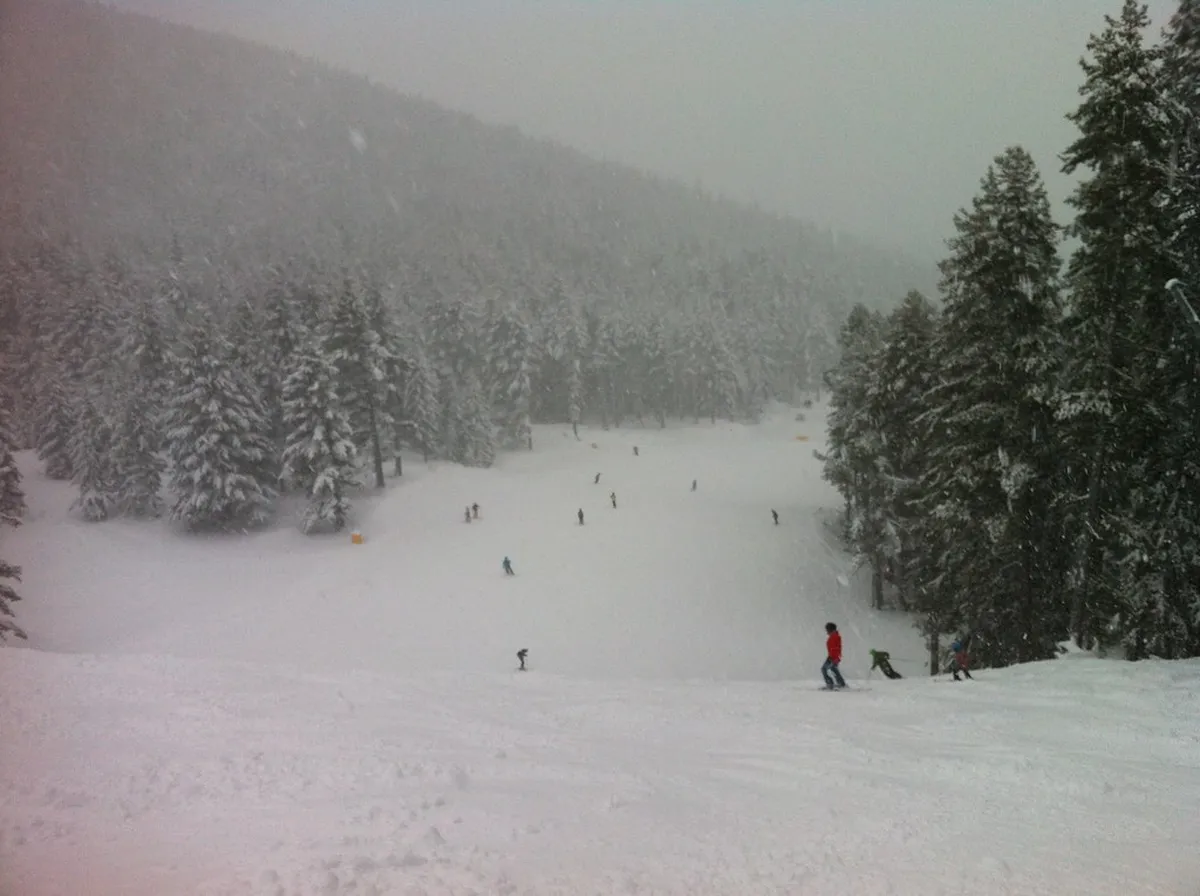
April and October are underrated. Rila Monastery is stunning with spring flowers or autumn color, and you share it with far fewer visitors. Mountain trails are passable by late April. November through March is mostly for skiers — Bansko is Bulgaria's premier ski resort — but most coastal towns close their restaurants and hotels entirely.
Which 2-Week Route Is Right for You?
Two distinct loops exist for a 14-day Bulgaria trip, and choosing the wrong one is the most common planning mistake. The Classic Cultural Loop (Sofia → Rila → Plovdiv → Buzludzha → Veliko Tarnovo → Black Sea → Sofia) hits the UNESCO sites, the big cities, and the coast. The Mountains and Monasteries Loop (Sofia → Seven Rila Lakes Visitor Guide → Melnik → Rhodope villages → Plovdiv → Kazanlak/Rose Valley → Shipka Pass → Veliko Tarnovo → Sofia) skips the beach entirely and goes deep into rural Bulgaria.
History buffs and first-timers do better on the Classic Cultural Loop. It covers the most famous landmarks and keeps driving distances manageable. Hikers, outdoor travelers, and repeat visitors who already know Sofia and Plovdiv will find the Mountains Loop far more rewarding — Melnik's sand pyramids and wine cellars, the Rhodope village homestays, and the Seven Rila Lakes are experiences the Classic Loop entirely skips.
Families with young children fit most naturally on the Classic Cultural Loop, since accommodation options in coastal Varna and Nessebar are plentiful and the beach days function as built-in recovery time. Solo travelers and couples who want something more offbeat are the natural audience for the Mountains Loop. The day-by-day breakdown below follows the Classic Cultural Loop. See the alternative route section later in this guide if the Mountains Loop sounds more like your trip.
Getting Around: Rental Car vs. Public Transport
A rental car is the right choice for this itinerary. The Buzludzha Monument, Bachkovo Monastery Visitor Guide, Asen's Fortress, and Cape Kaliakra are all unreachable by public transit in any practical sense. Budget around 25 to 40 EUR per day for a compact car including insurance. Book before you fly — airport pickup cars at Sofia cost 30 to 50 percent more when reserved last minute.
The vignette is mandatory. Before you drive a single kilometer on a Bulgarian highway, you must purchase a digital vignette at BGTOLL's official site. A weekly vignette costs 15 EUR, a monthly one costs 30 EUR. Cameras across the country scan number plates continuously. The fine for missing a vignette is 300 EUR. Buy it online before you land or at the border, and keep the confirmation email on your phone. Rental companies sometimes include it — always verify before leaving the lot.
Purchase the vignette online at BGTOLL before your trip and keep the confirmation email on your phone. Many rental companies include it, but confirm before you leave the lot — a missing vignette carries a 300 EUR fine.
If you prefer not to drive, trains and buses connect Sofia, Plovdiv, Varna, and Veliko Tarnovo. The Sofia–Plovdiv bus runs every 30 minutes and costs around 10 EUR. The Plovdiv–Varna route takes about 4 hours by bus. The trade-off is that you lose access to anything off the main corridors, which means missing some of the most memorable spots on this itinerary. For a dedicated road trip angle, the Bulgaria Road Trip Route covers driving logistics in full detail.
14-Day Bulgaria Itinerary at a Glance
This Classic Cultural Loop starts and ends in Sofia. It covers all three major regions — the mountains, the central Balkan heartland, and the Black Sea coast — with an efficient routing that avoids backtracking. Total driving across the 14 days is roughly 1,200 km.
- Days 1–3: Sofia — cathedral, Roman ruins, Vitosha mountain, rooftop bars
- Day 4: Day trip to Rila Monastery (UNESCO World Heritage Site)
- Days 5–7: Plovdiv Old Town Visitor Guide, Kapana district, Bachkovo Monastery, Asen's Fortress
- Day 8: Shipka Pass, Buzludzha Monument, arrive Veliko Tarnovo
- Days 9–10: Varna and Nessebar — archaeology museum, Old Town, beach
- Days 11–12: Sunny Beach, Cape Kaliakra, Balchik Palace gardens
- Day 13: Tsarevets Fortress Visitor Guide and the Sound and Light show in Veliko Tarnovo
- Day 14: Drive back to Sofia
If you have 10 days rather than 14, the Bulgaria 10-day itinerary cuts the northern Black Sea coast and the Buzludzha detour while keeping the core stops. Two weeks gives you the flexibility to linger in Plovdiv and not feel like you are racing between checkpoints.
Days 1–3: Sofia, Capital of Bulgaria
Most international flights land at Sofia Airport, and three days here is the right allocation. Sofia is not the most photogenic European capital but it has genuine energy, excellent food, and a concentration of history within easy walking distance. Start at Alexander Nevsky Cathedral Visitor Guide at 09:00 before tour groups arrive — the exterior golden domes are the most photographed sight in Bulgaria, and the interior silence at that hour is striking. Entry is free.
The surrounding streets hold a remarkable density of history. The Serdica ancient complex sits just a few minutes' walk away — admission costs 3 EUR and the preserved Roman street archaeology is underrated. Around the corner you find the Banya Bashi Mosque (one of the oldest operating mosques in the Balkans) and Sofia Synagogue (one of the largest in Europe) within 200 meters of each other. This is the layered religious coexistence that makes Bulgarian cities different from anywhere else in Europe.
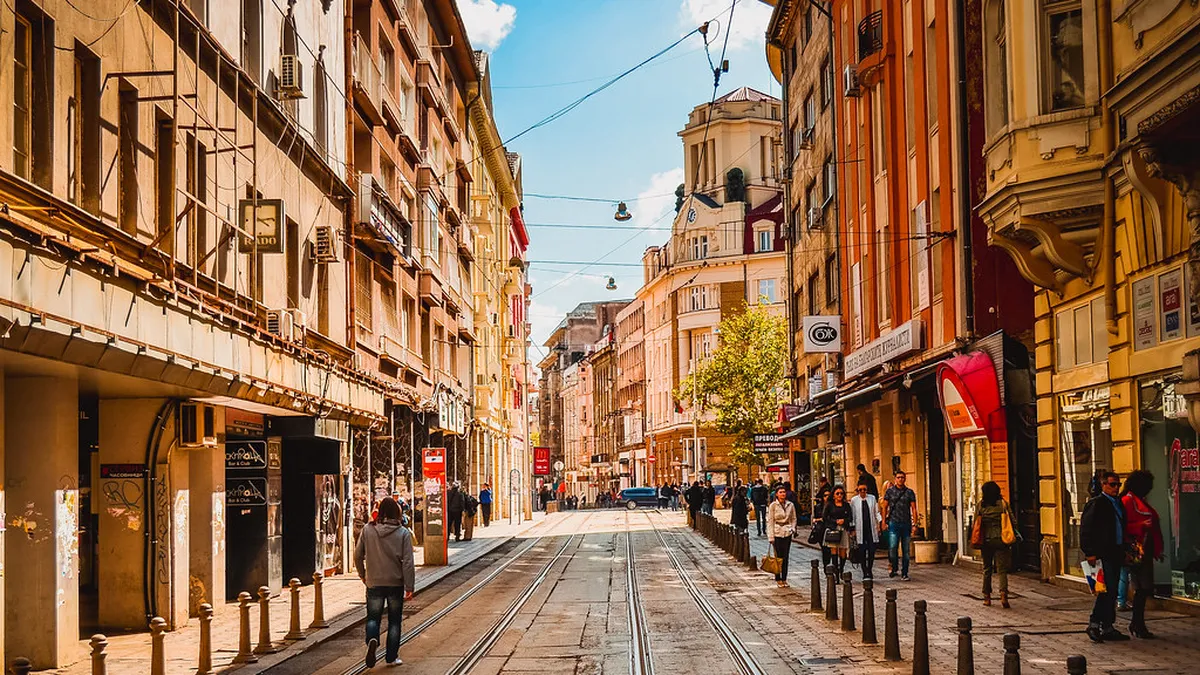
Book the Free Sofia Tour for Day 1. It runs daily at 11:00, starts at the Palace of Justice, and takes 2.5 to 3 hours. The guides are knowledgeable local students and the historical context they provide makes all subsequent sightseeing make more sense. Tip generously — the tours are free but guides depend on tips entirely.
For evenings, Rakija Bar on Shishman Street is the best introduction to Bulgarian drinking culture. The menu lists dozens of rakija varieties by fruit — grape, plum, quince, apricot. Start with grape and work your way toward the barrel-aged versions. Shtastlivetsa in the city center does excellent traditional Bulgarian food in a setting that feels festive without being touristy. On Day 3, take a taxi to Boyana Church Visitor Guide (6 EUR entry, only 8 people allowed inside at a time — book ahead) and hike the lower trails of Vitosha Mountain above the city before ending the evening at the Sense Rooftop bar for Alexander Nevsky views over wine.
Day 4: Day Trip to Rila Monastery
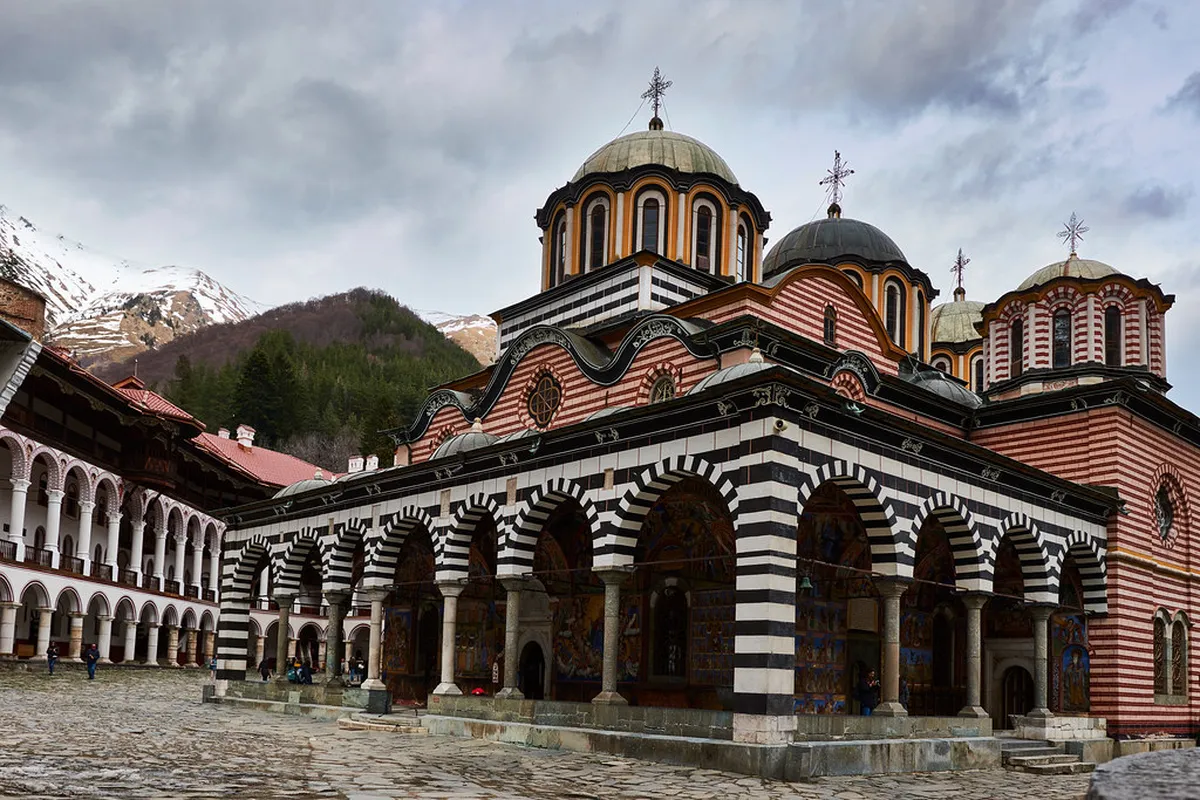
Rila Monastery is the single most important cultural site in Bulgaria and a UNESCO World Heritage Site since 1983. Leave Sofia by 08:00 to arrive before the tour buses. The drive takes about 2 hours into the Rila Mountains. The monastery complex is enormous — it feels more like a fortified town than a church, with brightly striped arcaded galleries surrounding the central Nativity of the Virgin Mary church whose interior frescoes cover every surface.
Museum entry costs 5 EUR. Allow at least two hours inside the complex. Dress code is enforced: long trousers or skirts below the knee, and covered shoulders. There is a small café and several souvenir stalls in the courtyard. If you have a full day rather than a half-day, the hike to the cave hermitage of St. Ivan of Rila adds 2 to 3 hours of mountain trail walking above the monastery — the views are exceptional.
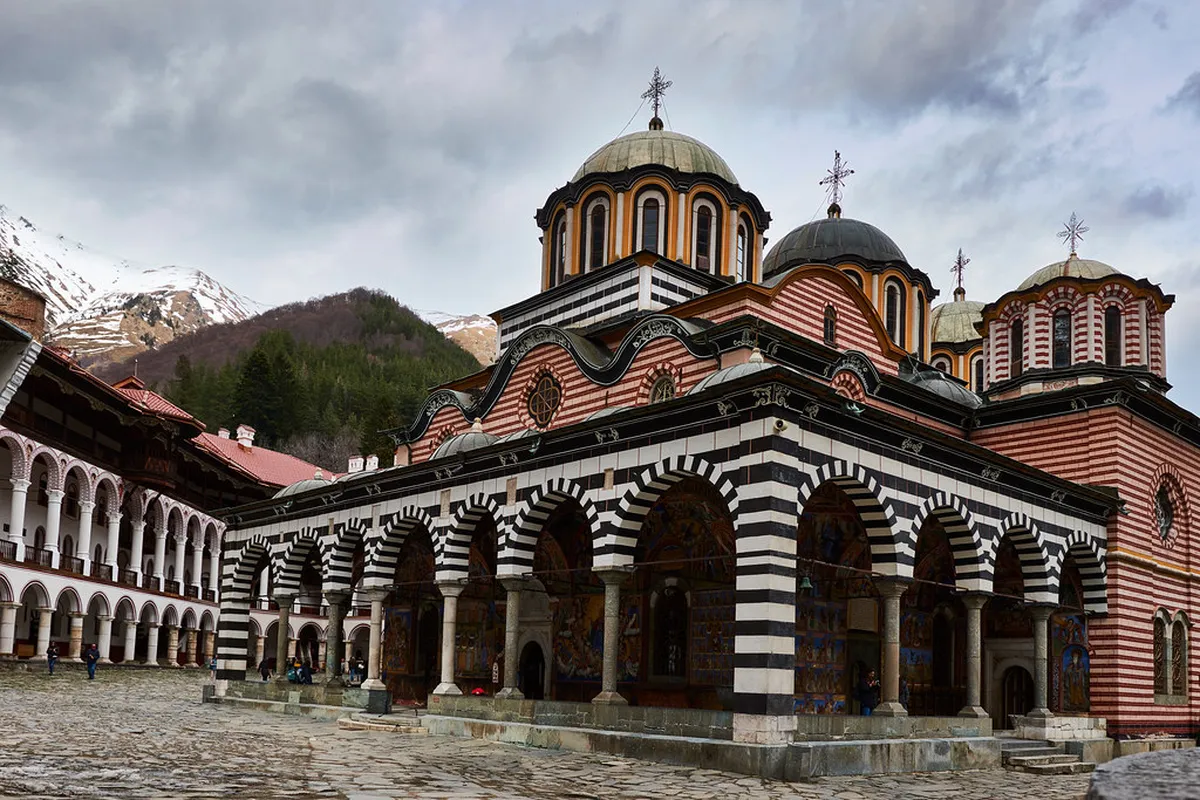
Return to Sofia by 19:00 for a final dinner before driving to Plovdiv the next morning. Alternatively, overnight in the Rila area and approach Plovdiv from the southwest via the Struma Valley, passing through Melnik on the way — a strong option if you are following the Mountains Loop described later in this guide.
Days 5–7: Plovdiv and the Rhodope Mountains
Plovdiv is the best city in Bulgaria for first-time visitors. It is thought to be the oldest continuously inhabited city in Europe — over 6,000 years of settlement — and the Old Town reflects that layered history through Roman theaters, Ottoman mosques, Bulgarian Revival mansions, and contemporary galleries within a compact walkable area. Three days here is not excessive.
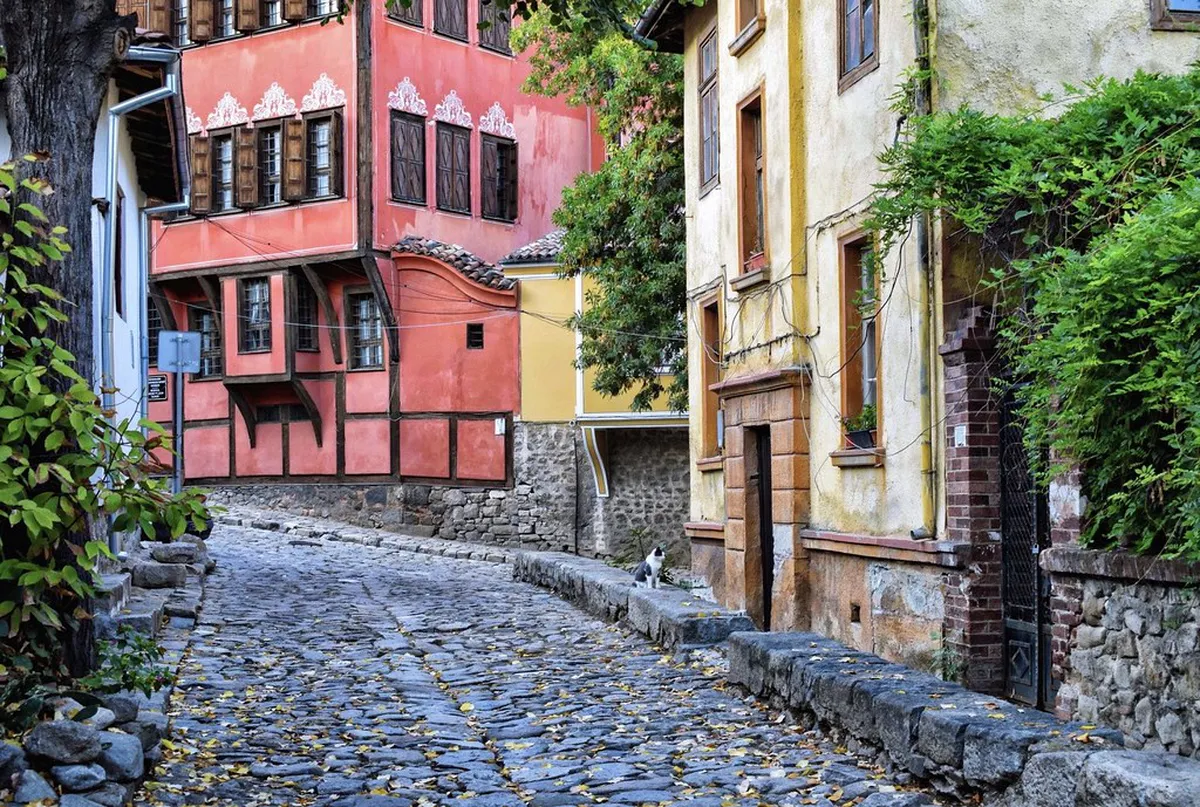
Day 5 should go straight to the Roman Theater on the hill above the Old Town (3 EUR entry). It seats 7,000 and still hosts live performances today. From there, walk downhill through the cobblestone Old Town streets to Kapana — "The Trap" in Bulgarian — a pedestrian-only neighborhood packed with cafes, independent bars, and art studios. This is where you actually spend your evenings in Plovdiv. Pavaj restaurant in Kapana has the best Shopska salad in the city. The free walking tour of Plovdiv runs daily at 11:00 and is as good as the Sofia version.
Day 6 is for the Ethnographic Museum (4 EUR) and the hilltop ruins at Nebet Tepe Visitor Guide, where Plovdiv was originally settled. On Day 7, drive south into the Rhodope Mountains for a double stop: Bachkovo Monastery (Bulgaria's second largest monastery, free entry) and Asen's Fortress, a ruined medieval castle above the Asenitsa River gorge. The hike up to Asen's Fortress takes about 40 minutes and the views of the gorge below are worth every step. Return to Plovdiv for a final evening in Kapana before the next drive north.
Day 8: Buzludzha Monument and Shipka Pass
This is the strangest and most memorable day of the trip. Drive north from Plovdiv toward the Balkan Mountains. The Shipka Memorial Church (nativity Memorial Temple) Visitor Guide sits at the base of the pass — gold domes visible from the road, free to enter, and worth 30 minutes. Then continue up to Shipka Pass itself (elevation 1,330 m), where a major battle of the 1877–1878 Russo-Turkish War was fought. The views across the Balkan range are excellent on a clear day.
The Buzludzha Monument: How to Visit in 2026 sits on the adjacent peak at 1,441 m. It is a Soviet-era communist monument built in 1981 that looks, undeniably, like a crashed flying saucer. The exterior sickle-and-hammer relief, the crumbling brutalist tower, and the mountain location make it one of the most photographed buildings in the Balkans. As of 2026, the site is fenced and guarded — you cannot enter the building. You can walk up to the fence and photograph the structure from outside. The access road is unpaved for the last 2 km and requires a high-clearance or AWD vehicle in wet conditions. Visit in the morning before cloud cover typically rolls in by early afternoon. Budget 1.5 to 2 hours here including the drive up.
The final 2 km of road to Buzludzha Monument is unpaved and muddy after rain. Bring an AWD or high-clearance vehicle and check the weather forecast the day before. Clouds roll in by afternoon, so visit early morning for clear photos.
Continue northeast to Veliko Tarnovo and check in by early evening. The drive from Buzludzha to Veliko Tarnovo takes about 1.5 hours. This position — Tarnovo as your base — is ideal for the medieval fortress the following morning.
Days 9–12: The Black Sea Coast — Varna and Nessebar
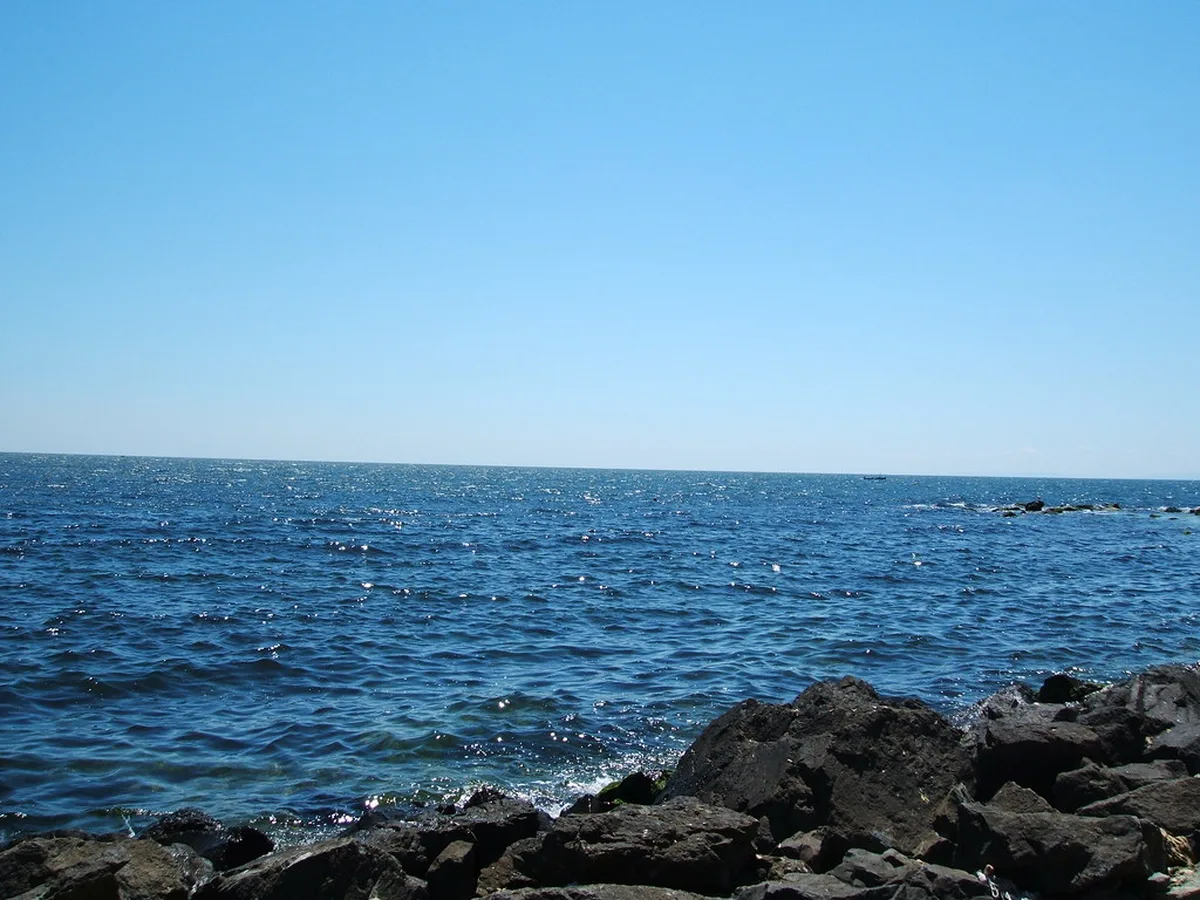
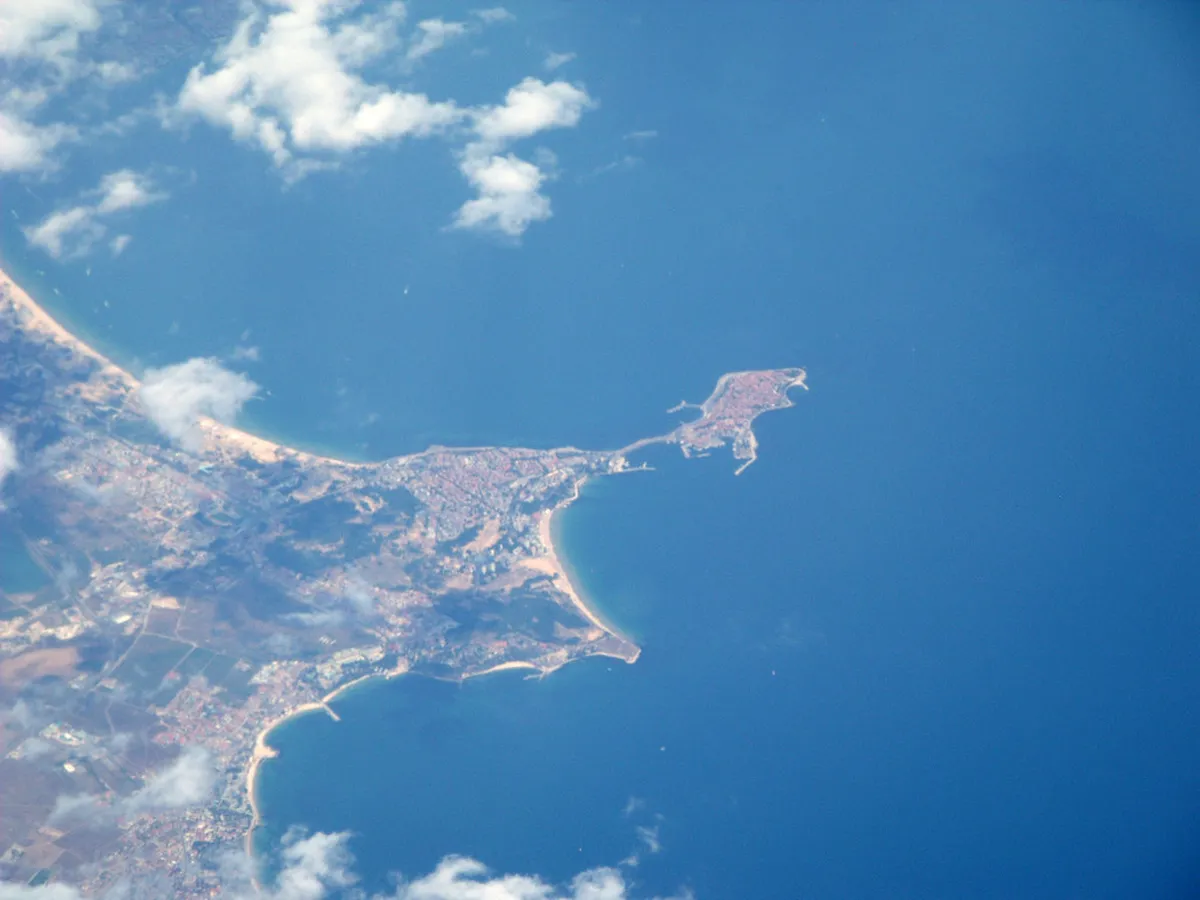
Drive from Veliko Tarnovo to the coast — about 3 hours to Varna via the A2 motorway. Your first stop should be Nessebar, the UNESCO Old Town built on a narrow peninsula connected to the mainland by a 400-meter isthmus. The ancient churches, Byzantine walls, and timber-framed houses make it one of the most distinctive towns in Bulgaria. Arrive by noon, walk the peninsula, eat seafood at the waterfront, and continue to your accommodation in or near Varna.
Varna is Bulgaria's Black Sea capital and a genuinely good city to spend two nights. The Archaeological Museum (5 EUR) holds the world's oldest gold treasure — 6,000-year-old Thracian artifacts that most visitors have never heard of. The Sea Garden park runs for 8 km along the waterfront and connects to the Roman Baths ruins (3 EUR entry). Dalboka Mussel Farm, a short drive north of Varna, is worth a lunch stop if you like shellfish — it is directly on the water and serves mussels by the kilogram.
Days 11 and 12 cover the northern coast. Cape Kaliakra Visitor Guide is a dramatic limestone headland extending into the Black Sea, with ruined fortress walls and nesting seabird colonies. Entry costs about 3 EUR. Combine it with a morning at the botanical gardens and palace of Balchik (7 EUR combined ticket for palace and gardens) — one of the most unexpectedly beautiful spots on the Bulgarian coast, built by the Romanian Queen Marie in the 1920s. The combination makes a strong day trip from Varna. Sunny Beach works for one afternoon of genuine beach time if you want it, though the resort itself is large and commercial.
Day 13: Veliko Tarnovo, the Medieval Capital
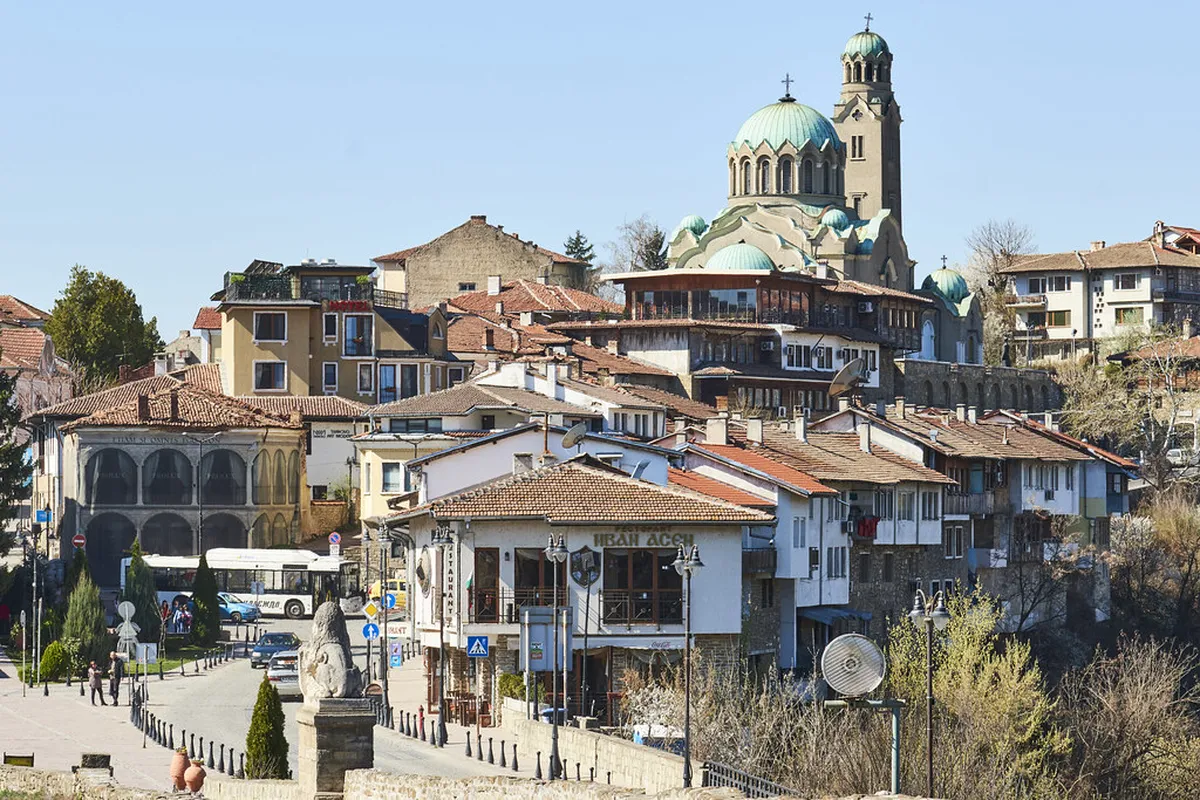
Drive back inland from the coast to Veliko Tarnovo — 3 hours from Varna. This sequencing (coast first, then Tarnovo) works better than the reverse because it means you arrive at the fortress well-rested and in the afternoon, perfectly timed for the evening Sound and Light show. Tsarevets Fortress (6 EUR entry) was the capital of the Second Bulgarian Empire from the 12th to 14th centuries. The hilltop complex overlooks a dramatic river bend and the restored walls, towers, and church are extensive enough to fill a full morning.
The Sound and Light show runs on select evenings from spring through autumn — check the schedule in advance at the Tarnovo tourism office, as it does not run every night and depends on group bookings. When it does run, colored lights illuminate the entire fortress after dark while narration tells the story of the Bulgarian Empire. It is genuinely impressive and worth staying an extra hour in the city to catch it.
The Samovodska Charshiya craft market street in Tarnovo's lower town is the place for final souvenir shopping — woodcarving, pottery, and hand-embroidered textiles from local artisans rather than factory imports. The village of Arbanasi, 4 km outside the city, has five preserved 17th-century churches with original frescoes and a handful of traditional house-museums worth visiting if you have extra time. Our guide to planning an Arbanasi day trip from Veliko Tarnovo covers the most efficient way to squeeze the village into your itinerary if time is tight.
Day 14: Return to Sofia
The drive from Veliko Tarnovo to Sofia takes 2.5 to 3 hours via the Hemus motorway. Arrive by midday if your flight is in the afternoon or evening. The Central Market Hall near Lion's Bridge is the best last stop for packaged food souvenirs — Bulgarian rose oil products, dried herbs, local honey, and bottled wine travel well. Bitaka Flea Market operates on weekends if you want a more eclectic browsing experience.
Return the rental car with a full tank — fuel stations near the airport are on Tsarigradsko Shose. Allow 3 hours before your flight for car return and check-in. If your flight is not until the next day, use the extra evening for a final Bulgarian wine dinner. The wine regions of Thrace and Melnik produce excellent reds — Mavrud and Rubin grapes are indigenous to Bulgaria and worth trying before you leave.
Alternative Route: The Mountains and Monasteries Loop
If you have already seen Sofia and Plovdiv, or if beaches hold no interest, the Mountains and Monasteries Loop gives you a very different Bulgaria. The route runs: Sofia → Seven Rila Lakes → Rila Monastery → Melnik → Rhodope Mountains (Kovachevitsa, Shiroka Laka) → Plovdiv → the Rose Valley and Kazanlak Rose Festival → Shipka Pass → Veliko Tarnovo → Sofia.
Melnik is the differentiator on this route. It is the smallest town in Bulgaria — fewer than 300 residents — built into eroded sand pyramid formations that make it look unlike anywhere else in the country. The Melnik wine cellars produce Broad-leaved Melnik wine, an indigenous variety grown nowhere else in the world with a naturally high tannin structure and deep cherry flavor. Most cellars offer tastings for 5 to 10 EUR. Overnight here rather than passing through — the town completely changes character after the day-trippers leave and the narrow canyon streets go quiet.
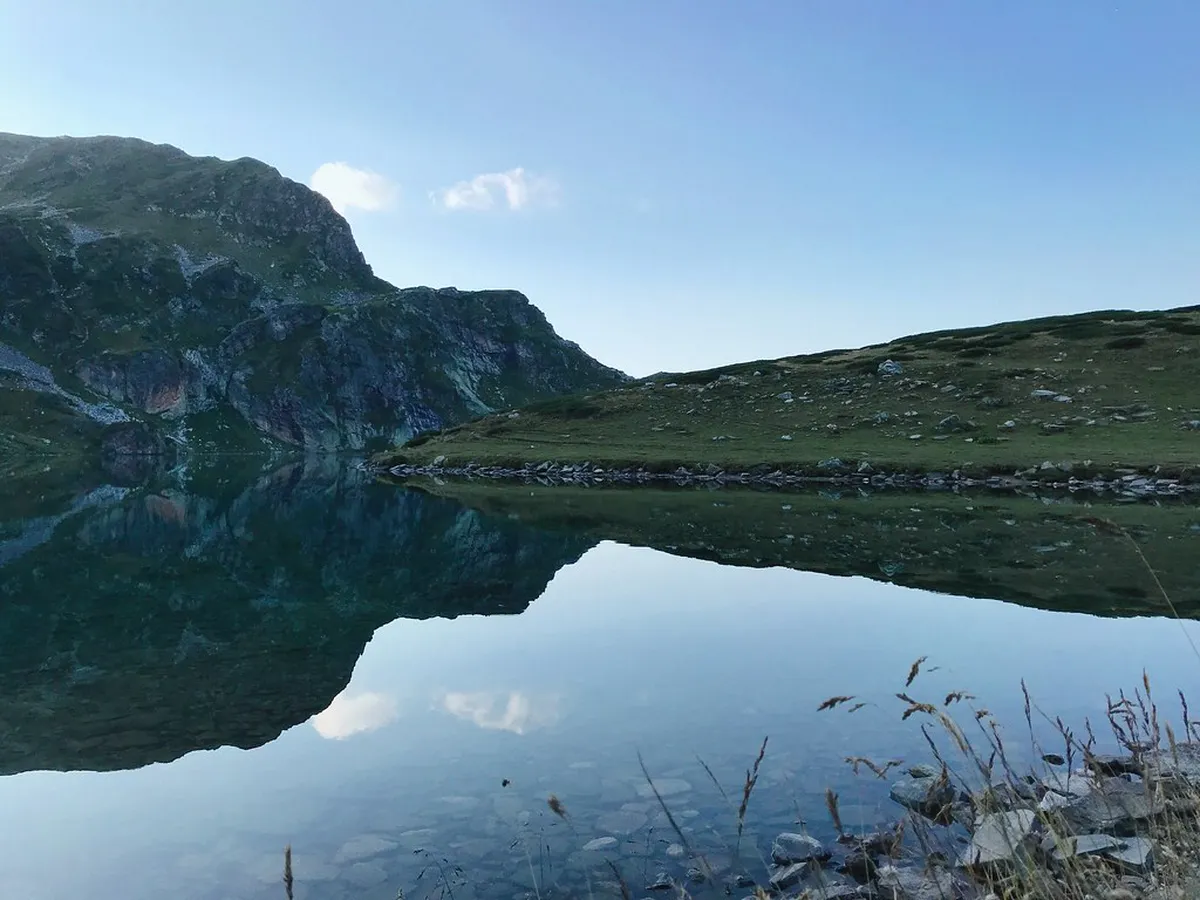
The Seven Rila Lakes sit at 2,100 to 2,500 m altitude on Rila Mountain and are reached either by chairlift from Panichishte (7 EUR each way) or by a 3-hour hike. The circuit walk around all seven lakes takes 3 to 4 hours and is one of the best hikes in Bulgaria. This route skips the Black Sea coast entirely — if that sounds like the right trade-off for your interests, it very likely is.
Essential Travel Tips for a Smooth Bulgaria Trip
Bulgaria uses the Lev (BGN), not the Euro. The exchange rate is fixed: 1 EUR = 1.96 BGN. ATMs are widely available in cities and accept international cards without problems. Many smaller restaurants and mountain cafes are cash-only — carry at least 50 BGN in small notes at all times. Card acceptance is standard at hotels and major attractions.
Boyana Church strictly limits visitors: 8 people maximum inside for 15 minutes per group. Book timed entry online before your trip or arrive at opening time and hope for a slot. Tsarevets Sound and Light show requires advance scheduling — contact the Veliko Tarnovo tourism office at least a week ahead. For Rila Monastery in summer, arrive before 10:00 or after 16:00 to avoid tour bus crowds that make the courtyard extremely congested between those hours.
Bulgaria joined the Schengen Area in 2024. As of 2026, most EU and Western passport holders enter visa-free for up to 90 days within a 180-day period. Non-EU travelers should verify requirements with their embassy before booking. Bulgaria is not in the Eurozone — do not exchange Euros for use as local currency, as only BGN is accepted in shops and restaurants outside airport duty-free areas.
- Pack layers for mountain days — Rila and Rhodope elevations can be 10 to 15°C cooler than Sofia even in summer
- Download Google Maps offline for the mountain regions — mobile data can be patchy on the Shipka Pass road
- Carry a small amount of cash in EUR only for the border vignette purchase if crossing overland
- Restaurant etiquette: tipping 10% is standard and appreciated; service charges are not added automatically
- The Buzludzha access road requires an AWD or high-clearance vehicle after rain — check weather forecast the day before
Frequently Asked Questions
What is the best time to visit Bulgaria?
The best time to visit is between May and September. June and September offer mild weather and fewer crowds than the peak summer months. Winter is great for skiing but many coastal attractions close.
Is it safe to drive in Bulgaria?
Yes, driving is generally safe for experienced travelers. Main highways are well-maintained, but mountain roads can be narrow. Always stay alert for occasional potholes and local driving habits in the city.
Do I need a visa for Bulgaria?
Bulgaria is part of the Schengen Area as of 2024. Most Western travelers can enter visa-free for up to 90 days. Check your local embassy for the most current entry requirements before you fly.
Bulgaria rewards two weeks more than almost any country its size. The variety — Roman ruins, Ottoman mosques, communist relics, medieval fortresses, monasteries, and Black Sea beaches — means every day delivers something genuinely different. This 14-day Bulgaria itinerary gives you a complete circuit without requiring you to rush any single stop.
Start planning early: book Boyana Church and Tsarevets Sound and Light months in advance, sort the vignette before you land, and leave one afternoon deliberately unscheduled — unexpected finds in Bulgarian towns are often the best parts of any trip here.