Bulgaria vs Serbia: A Traveler's Comparison Guide
Bulgaria vs Serbia is one of the most common matchups for a first Balkan trip. Both countries share a border, a turbulent shared history, and budget-friendly prices. This guide was last updated in July 2026 for current prices and routes.
Watch this side-by-side comparison to see the key differences:
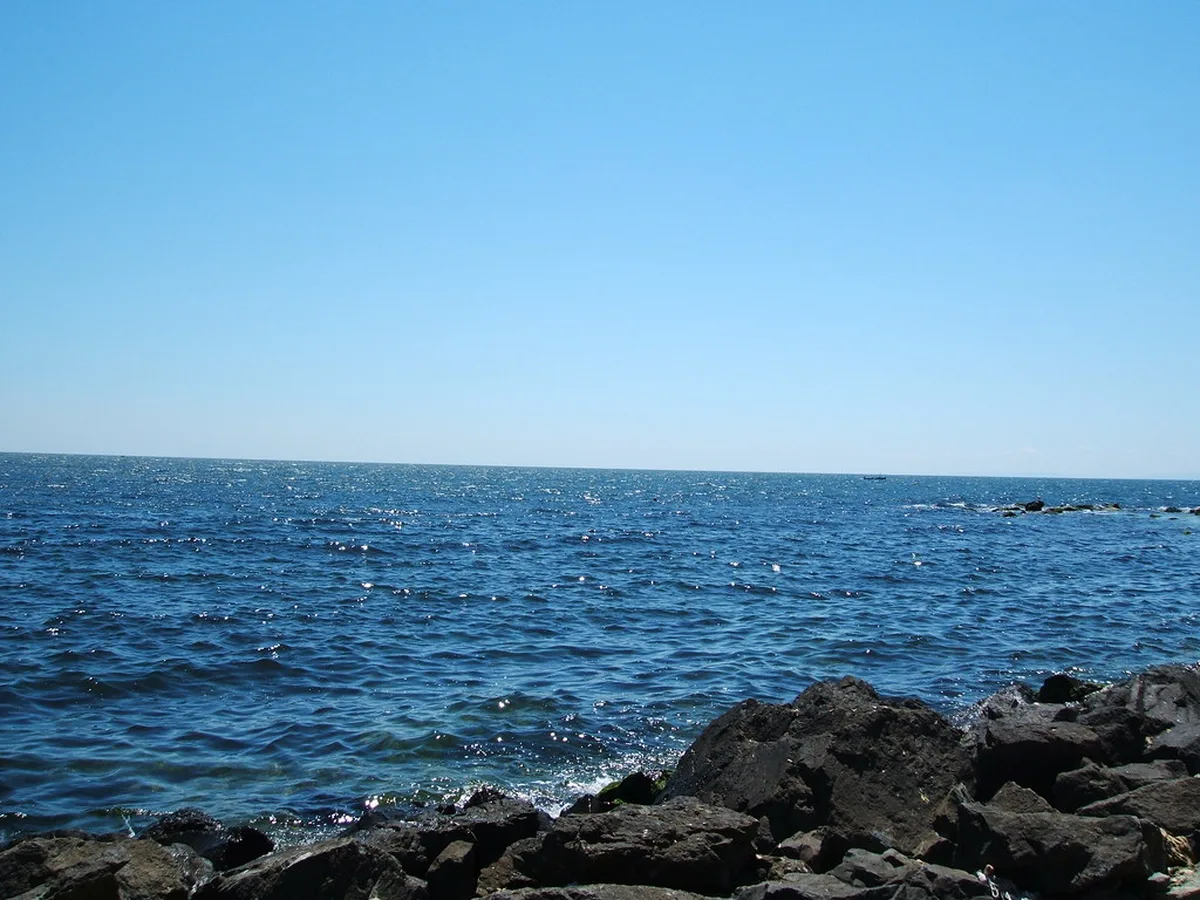
Bulgaria pairs a Black Sea coastline with the Balkan and Rila mountain ranges. Serbia leans inland, built around Belgrade's fast-paced river-city energy. Sofia tends to feel calmer and slower-paced than central Belgrade, based on recent traveler reports.
This guide breaks down costs, top regions, food, and nightlife for both countries. A quick-decision list below helps you narrow the choice in under a minute. If you are short on time, pick Bulgaria for coastal variety and lower average costs.
Bulgaria vs Serbia: Quick Decision Guide
Choosing between Bulgaria vs Serbia often comes down to three factors. Coastline access, nightlife style, and typical daily budget top that list. Both nations use their own currency, so exchange rates affect the final price.
Neither Bulgaria nor Serbia requires Schengen visas for most Western passport holders in 2026. Bulgaria uses the lev; Serbia uses the Serbian dinar, not the euro. Exchange rates affect your final trip cost, so verify current rates before booking.
Bulgaria offers a coastal-and-mountain mix, roughly a week for a full loop. Serbia centers on Belgrade and Novi Sad, workable in four to five days. Neither country requires a Schengen visa for most Western passport holders in 2026.
Daily budgets in both countries typically run $30 to $60 per person. Sofia and Belgrade hostels average $15 to $25 a night in 2026. Bulgaria's coast raises summer costs, while Serbia stays flatter through most of the year.
- Quick decision picks for your Balkan trip
- Pick Bulgaria if you want beaches
- Pick Serbia if you want nightlife
- Pick Bulgaria for lower average trip costs
- Pick Serbia for vibrant riverside city life
How Do Bulgaria and Serbia Compare Overall?
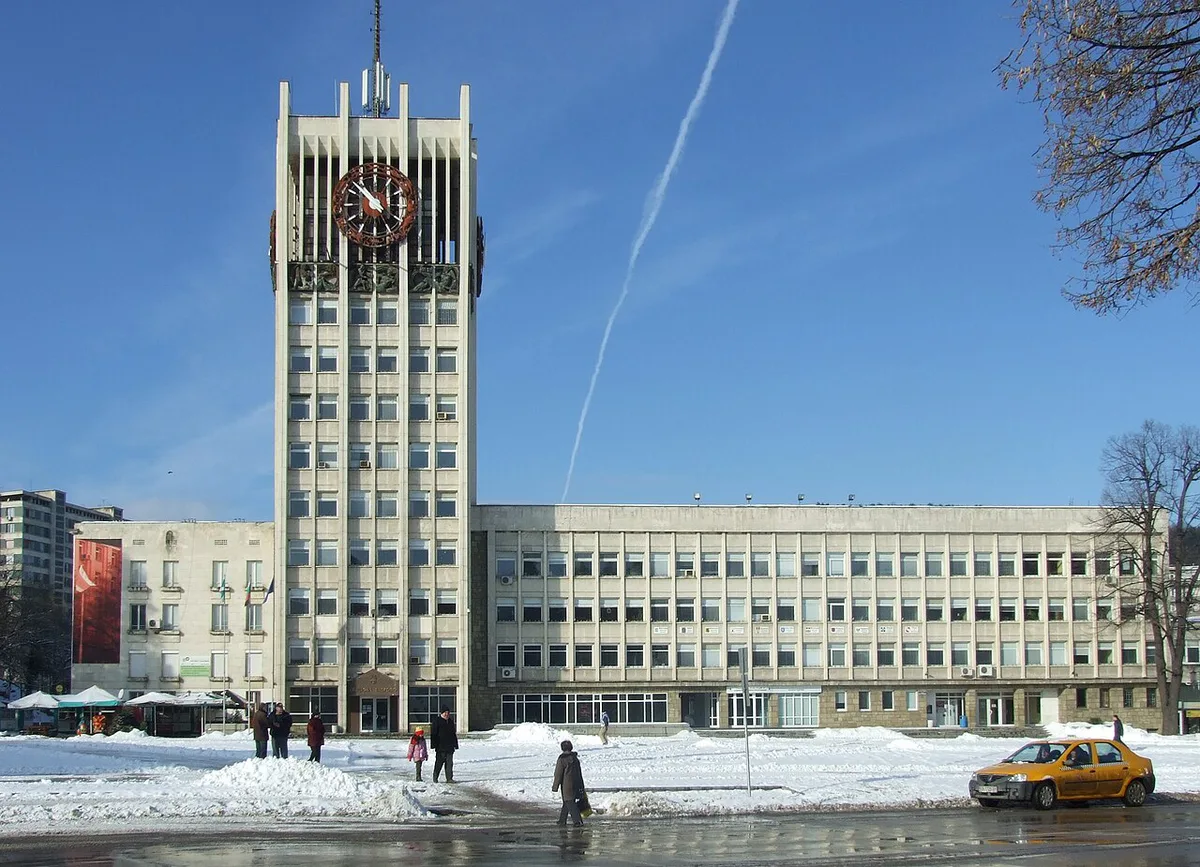
Bulgaria and Serbia score similarly on many quality-of-life measures. A country comparison dataset tracks population, income, and infrastructure gaps between the two. Bulgaria is an EU member and uses the lev, while Serbia is not.
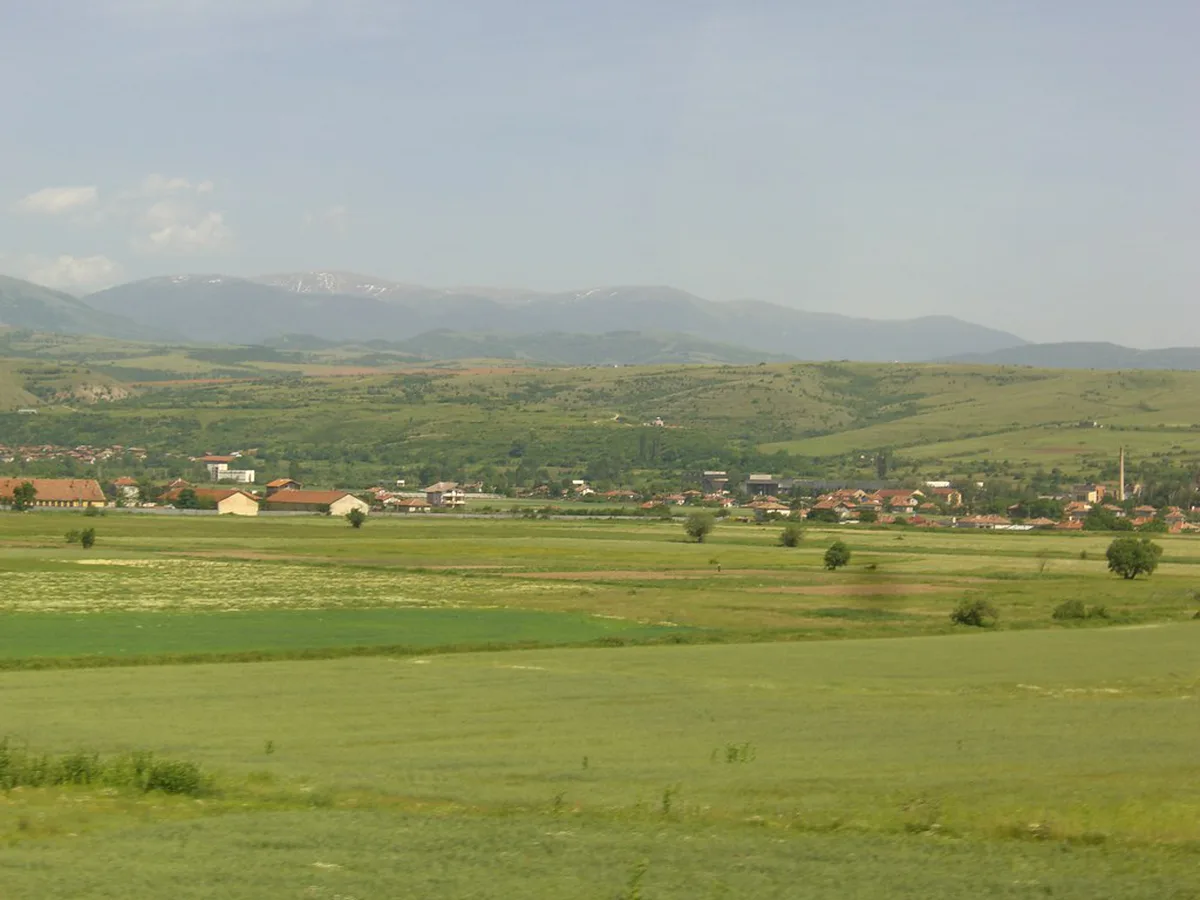
Geography sets the two countries apart more than any single statistic. Bulgaria borders the Black Sea, giving it beach towns Serbia cannot match. Serbia sits landlocked, but the Danube River shapes much of its charm.
History still shades how each nation is marketed to travelers today. The Serbo-Bulgarian War is a 19th-century footnote most visitors never notice today. Modern relations between the two neighbors stay cooperative and largely low-key.
| Option | Best for | Cost range | Time needed | Pros | Cons | Pick if |
|---|---|---|---|---|---|---|
| Bulgaria | Beaches, mountains, budget trips | $30-$55/day | Bulgaria: 6-8 days | Coastline, hiking, lower prices | Rural transport can be slow | You want coastal variety |
| Serbia | Nightlife, river cities, culture | $35-$60/day | Serbia: 4-5 days | Belgrade nightlife, easy trains | Landlocked, fewer beach options | You want vibrant city life |
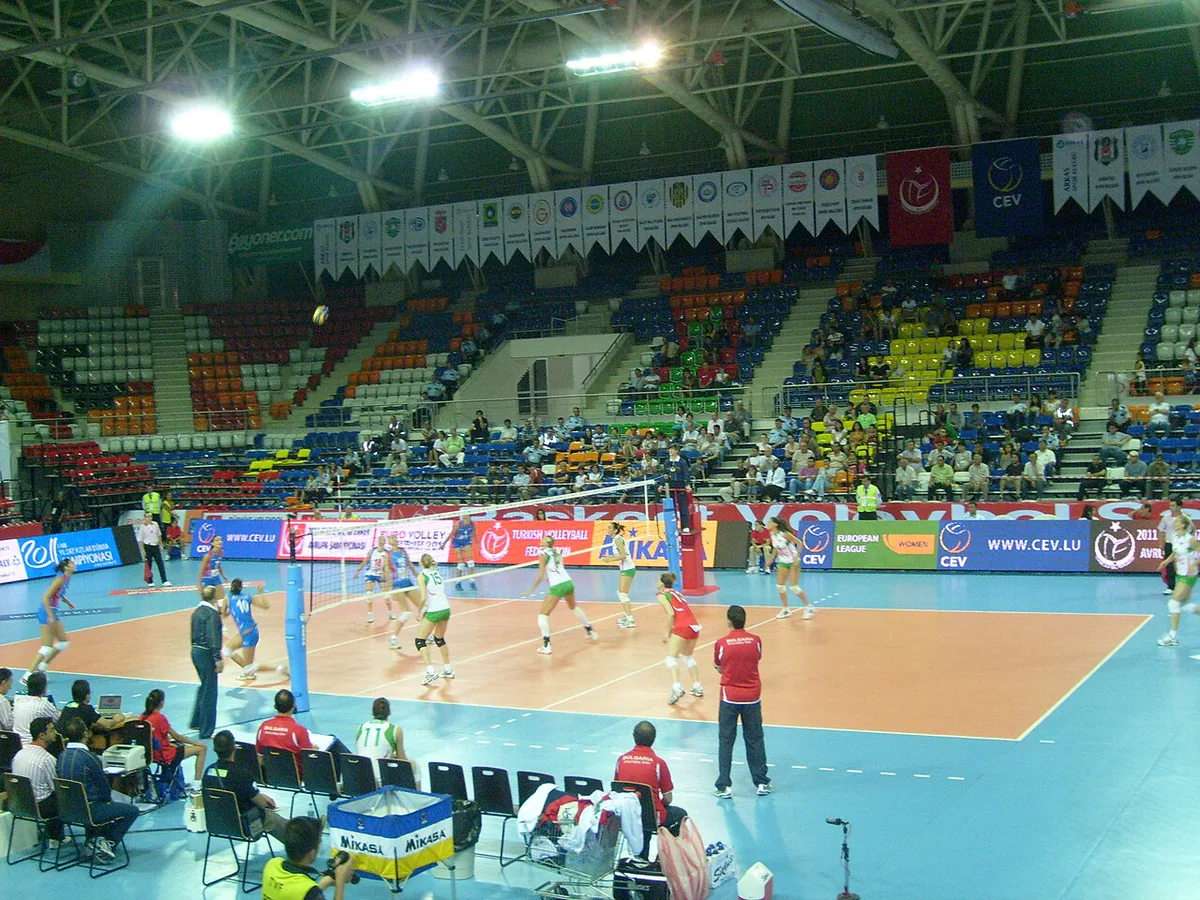
Pick Bulgaria If You Match These Traits
Bulgaria suits travelers who want beaches and mountains in one trip. Sofia serves as an easy, walkable base with a compact city center. Plovdiv adds a well-preserved old town with a Roman theater still in use.
Daily costs favor Bulgaria over Western Europe or coastal Croatia in most seasons. A three-course dinner in Sofia often runs $10 to $18 in 2026. Public transport passes in Sofia cost roughly $1 to $1.50 per ride.
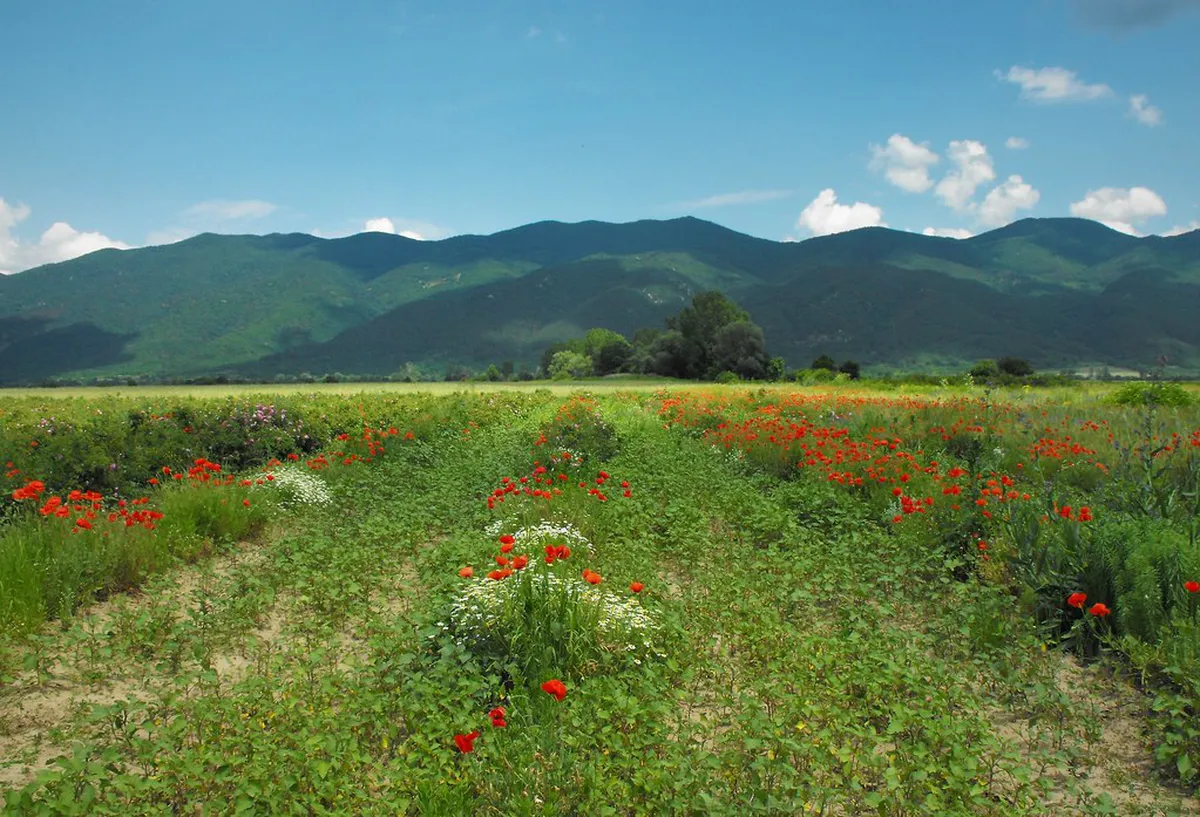
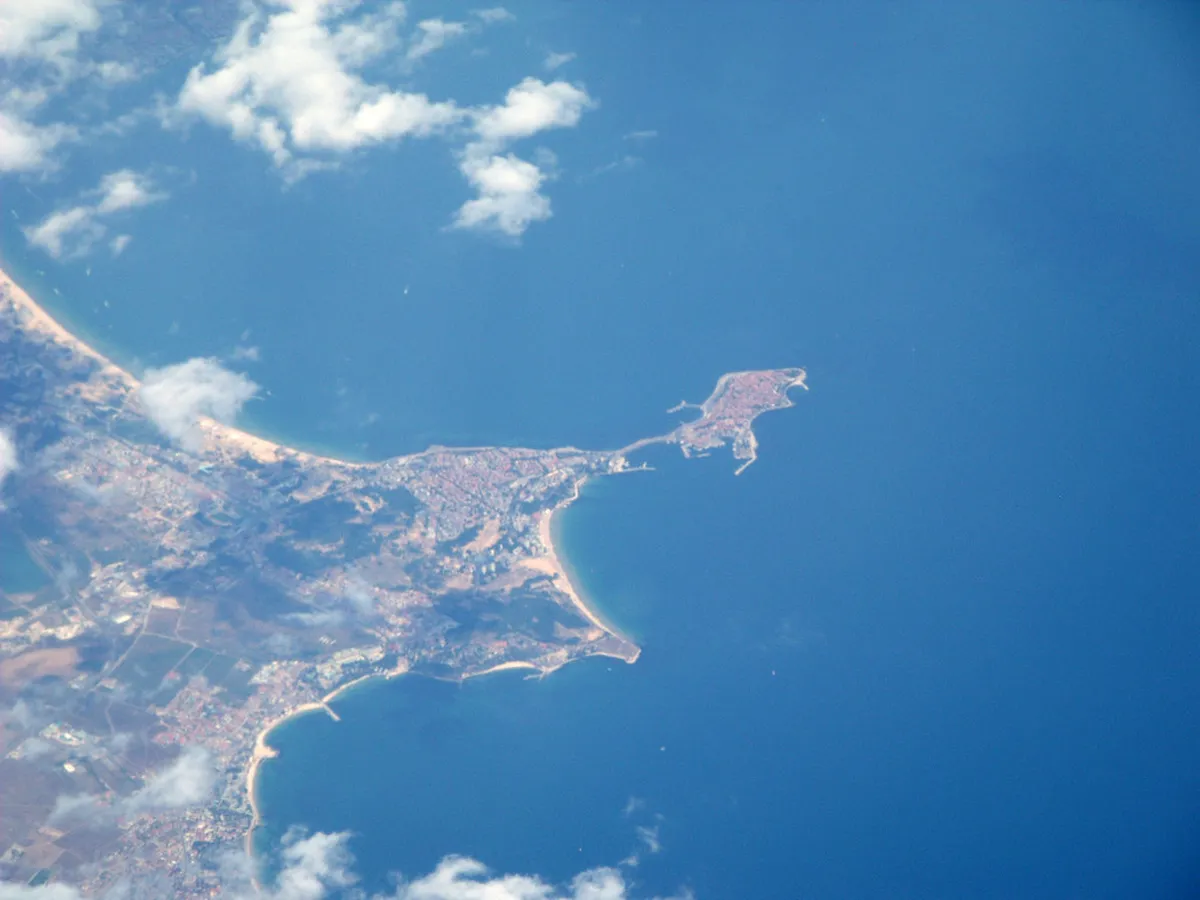
Coastal towns like Sozopol and Burgas draw summer crowds from June to September. Inland, Melnik and the Rila mountains offer quieter hiking and wine routes. The Bulgaria travel blog covers seasonal routes for both the coast and the mountains.
- Choose Bulgaria if these apply to you
- You want Black Sea beach towns
- You prefer lower daily travel costs
- You enjoy mountain hiking and wine regions
- You want a compact, walkable capital
Pick Serbia If You Match These Traits
Serbia suits travelers chasing nightlife, river views, and a bigger-city feel. Belgrade's Skadarlija district mixes live music with traditional Serbian taverns. Novi Sad adds a laid-back riverside pace, an easy day trip from Belgrade.
Prices climb a little higher than Bulgaria in Belgrade's central districts. Expect $12 to $20 for a sit-down dinner in central Belgrade in 2026. Local buses and trams cost around $0.50 to $1 per single ride.
Belgrade's clubbing scene runs later than most Balkan capitals, often past 4 a.m. River barges along the Sava and Danube double as summer nightclubs and bars. For a similar city-break comparison, see Sofia vs Bucharest: 2026 Travel Comparison Guide before booking flights.
- Choose Serbia if these apply to you
- You want late-night clubbing and bars
- You prefer big-city energy over beaches
- You like river cities and barge bars
- You want an easy Belgrade-Novi Sad loop
Which Has Better Food, Nature, and Nightlife?
Bulgarian food leans on yogurt, grilled meats, and shopska salad staples. Serbian food centers on grilled meats too, especially cevapi and pljeskavica. Portion sizes in Serbia often run larger, per repeat visitor comments online.
Mountain scenery separates the two countries almost as much as their food does. Bulgaria's Rila Mountains and Seven Rila Lakes suit a full day of hiking. Serbia's Tara National Park offers dense forest and Drina River canyon views.
Quality-of-life rankings place both countries close together on most global indexes. Recent traveler threads on an AskBalkans discussion describe Sofia as calmer than central Belgrade. Belgrade's traffic and noise test patience more than Sofia's smaller center does.
Families traveling with kids find both countries stroller-friendly in city centers. Bulgaria's coastal resorts add water parks and all-inclusive family hotels each summer. For another budget-focused matchup, check Bulgaria vs Bosnia: Which Balkan Trip Wins in 2026? for nearby alternatives.
The Bottom Line: Bulgaria vs Serbia
For most first-time visitors, Bulgaria wins as the easier overall pick. Its mix of coastline, mountains, and lower prices suits a wider range of travelers. Serbia still wins outright for anyone chasing nightlife and river-city energy.
Sofia and Belgrade connect via direct bus or train in six to seven hours. Combining both countries works best with ten days or more. This single loop covers Bulgaria's beaches and mountains plus Serbia's nightlife scene efficiently.
Travelers with two weeks can combine both countries in a single loop. Sofia to Belgrade takes roughly six to seven hours by direct bus or train. See the full Bulgaria Travel Comparisons: Which Trip Wins? hub for more regional matchups.
Museums, Art, and Culture: Bulgaria vs Serbia
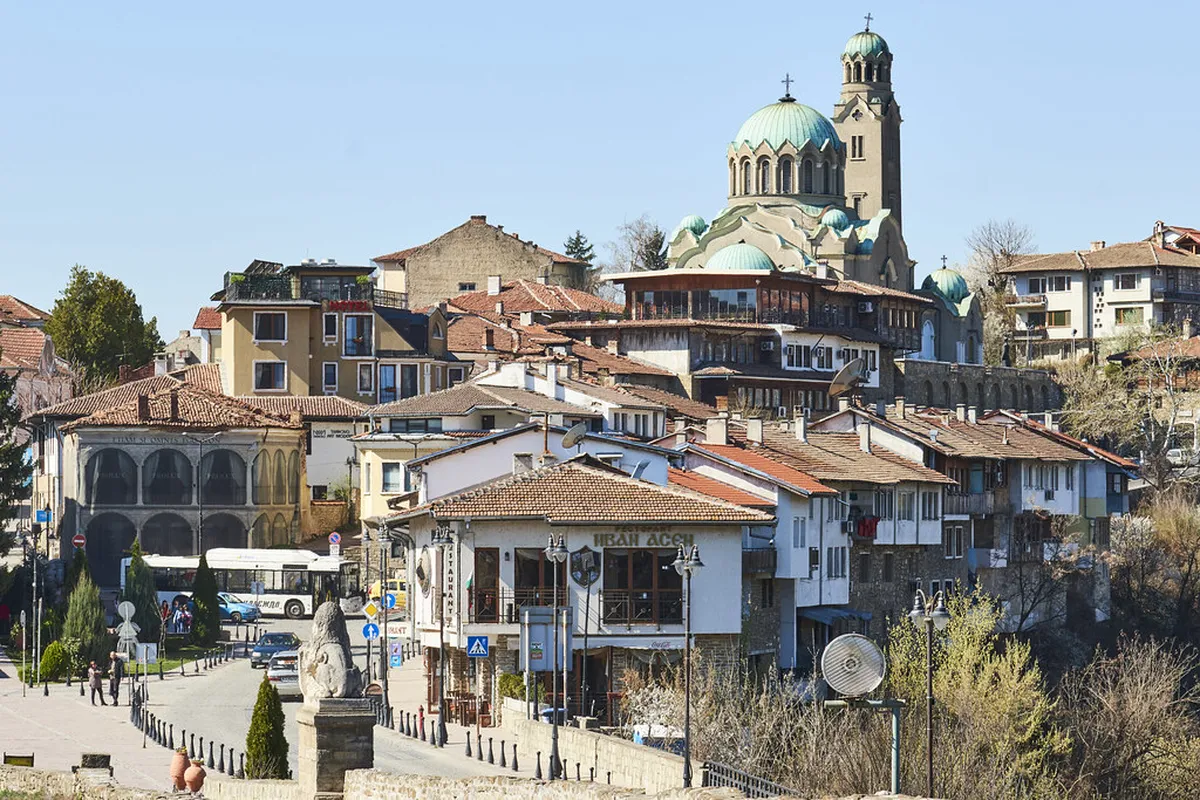
Culture is a useful tiebreaker if beaches and nightlife are not your main priority. Bulgaria is stronger for ancient and medieval history in compact stops: Sofia has the National Archaeological Museum, Boyana Church, and the Serdica Roman ruins, while Plovdiv adds the Ancient Theatre, Kapana Creative District Visitor Guide, and Revival-era houses in the Old Town. Veliko Tarnovo works well as an overnight stop for Tsarevets Fortress Visitor Guide and hilltop views.
Serbia feels more urban and contemporary. Belgrade pairs Kalemegdan Fortress with the Nikola Tesla Museum, the Museum of Yugoslavia, street art around Savamala, and live music in Skadarlija. Novi Sad adds Petrovaradin Fortress and a calmer cafe-and-gallery scene. Choose Bulgaria if you want archaeological sites and old towns woven into a wider nature route; choose Serbia if you prefer museums, nightlife, and a capital-city cultural base with fewer transfers.
Continue planning: Use Bulgaria Travel Comparisons: Which Trip Wins? and Bulgaria vs Albania: 2026 Travel Comparison to connect this guide with the rest of your Bulgaria itinerary.
Frequently Asked Questions
How does Bulgaria compare to Serbia for a first-time visitor?
Bulgaria generally costs less per day and has a longer Black Sea coastline for beach time. Serbia offers stronger nightlife, faster city energy, and a well-connected capital in Belgrade. For a third neighboring option, compare Bulgaria vs Romania: Which Wins Your 2026 Trip? before booking your trip.
How much time should you plan for a Bulgaria vs Serbia trip?
Plan six to eight days for Bulgaria to cover the coast and mountains. Serbia needs four to five days to see Belgrade and Novi Sad well. Combining both comfortably takes about two weeks, including a six-hour bus transfer between capitals.
What should travelers avoid when planning a Bulgaria vs Serbia trip?
Avoid visiting Bulgaria's Black Sea coast in peak August without booking accommodation weeks early. Avoid assuming Serbia uses the euro, since it still uses the Serbian dinar. Also confirm visa rules early each year, since entry requirements occasionally change without notice.
Is a Bulgaria vs Serbia trip worth combining on one itinerary?
Yes, combining both works well for travelers with ten days or more free. Direct buses and trains connect Sofia and Belgrade in roughly six to seven hours. This route lets you cover beaches, mountains, and Belgrade's nightlife in one single loop.
Which is cheaper, Bulgaria or Serbia?
Bulgaria is usually slightly cheaper for food, transport, and budget accommodation overall. Expect to spend $30 to $55 per day in Bulgaria in 2026. Serbia runs a little higher, closer to $35 to $60 per day, mostly in Belgrade.
Bulgaria and Serbia both reward a first Balkan trip, just for different reasons. Bulgaria fits travelers chasing beaches, mountains, and a lower daily budget. Serbia fits travelers who want nightlife, river cities, and a bigger urban pulse.
Use the comparison table and quick-decision list above to match your travel style. If time allows, pairing both countries into one loop covers the best of each. Check the Bulgaria vs Albania: 2026 Travel Comparison guide next if you're still exploring Balkan options.