The 10 Best Wineries in Bulgaria: Your Ultimate Travel Guide (2026)
After three visits to Bulgaria, I can confidently say its wine scene is rapidly evolving into a world-class destination. Long overshadowed by its Western European counterparts, Bulgaria is now producing exceptional wines that deserve international recognition. This guide, last refreshed in November 2025 after my autumn return visit, highlights the very best wineries to explore. Prepare to discover lesser-known places and award-winning estates, complete with practical tips for your journey.
To see what a Plovdiv wine tour experience looks like in action, watch this video:
Bulgaria's winemaking tradition stretches back thousands of years, rooted in ancient Thracian rituals. Today, modern investments and passionate vintners are blending this rich history with innovative techniques. Whether you're a seasoned oenophile or a curious traveler, the country offers diverse experiences. From boutique family-run operations to grand estates, the best wineries in Bulgaria await your visit.
10 Best Wineries in Bulgaria: Your Ultimate Guide (2026)
Bulgaria's wine regions offer a remarkable diversity, from the northern Danube Plain to the southern Struma Valley. This curated list focuses on wineries that consistently deliver outstanding wines and memorable visitor experiences. We've selected these based on critical acclaim, unique offerings, and accessibility for travelers. Each one provides a distinct flavor of Bulgarian viticulture.
Planning a wine tour in Bulgaria means choosing between grand estates and intimate, family-run cellars. Consider what kind of experience you're seeking: a luxurious weekend getaway or a deep dive into indigenous varietals. Many offer guided tours and tastings, often paired with local cuisine. Always check their official websites for the most current operating hours and booking requirements.
- Todoroff Winery: A Classic Experience
- Located in the Thracian Valley, Todoroff Winery is celebrated for its elegant red wines, especially Mavrud.
- It offers a luxurious experience with a boutique hotel and a restaurant, perfect for a full sensory immersion.
- Tastings typically range from 25–50 BGN (approx. $14–$28 USD) per person, available daily from 10 am–6 pm.
- Book ahead, especially for weekends, and consider staying overnight to fully enjoy the tranquility and fine dining.
- Chateau Copsa: History and Modernity
- Nestled in the Rose Valley, Chateau Copsa combines a medieval castle aesthetic with modern winemaking.
- They are renowned for their high-quality Cabernet Sauvignon and Merlot, alongside local varietals.
- Wine tours with tasting cost around 30–60 BGN ($17–$34 USD), operating daily from 9 am–7 pm.
- Explore the impressive castle architecture before your tasting; it adds a unique historical dimension to the visit.
- Zlaten Rozhen Winery: Southern Charm
- Situated near Melnik in the Struma Valley, Zlaten Rozhen excels with the local Broadleaf Melnik grape.
- This winery boasts stunning views of the Melnik Pyramids and a cozy, traditional atmosphere.
- Tastings are typically 20–40 BGN ($11–$22 USD), open daily from 9:30 am–6:30 pm.
- Pair your tasting with a platter of local cheeses and cured meats for an authentic regional experience.
- Midalidare Estate: Boutique Excellence
- Found in the Thracian Valley, Midalidare Estate is known for its modern facilities and exceptional Cabernet Franc.
- The estate offers a premium experience, including a hotel, restaurant, and extensive vineyard tours.
- Expect tasting prices from 40–80 BGN ($22–$45 USD), with tours available by appointment, generally 10 am–5 pm.
- Their sparkling wine is a delightful surprise; ask for a taste during your visit.
- Edoardo Miroglio Winery: Italian Flair in Bulgaria
- This Thracian Valley winery, founded by an Italian textile magnate, blends Bulgarian terroir with Italian winemaking.
- They specialize in fine Pinot Noir and unique blends, all crafted with meticulous attention to detail.
- Tastings range from 30–60 BGN ($17–$34 USD), open Monday to Saturday, 9 am–5 pm.
- Don't miss their beautiful cellar and the chance to try some of their award-winning sparkling wines.
- Rasin Boutique Winery: lesser-known place
- A smaller, family-run operation in the Thracian Valley, Rasin offers an intimate and personal tasting experience.
- They focus on handcrafted wines, often experimenting with lesser-known local varietals and natural winemaking.
- Tastings are typically 20–35 BGN ($11–$20 USD), but require advance booking due to their small scale.
- This is the place to discover truly unique, small-batch Bulgarian wines and hear personal stories from the vintners.
- Wine & Spa Complex Starosel: Indulgence & Relaxation
- Combining a winery with a luxurious spa, Starosel is located near a Thracian cult complex in the Thracian Valley.
- They are known for their modern interpretations of local grapes and their unique wine therapy treatments.
- Wine tours and tastings are 25–50 BGN ($14–$28 USD), with the complex open daily from 9 am–9 pm.
- Allocate extra time to enjoy the spa facilities; a wine bath is a surprisingly relaxing experience.
- Villa Yustina: Award-Winning Wines
- Found in the Rhodope foothills of the Thracian Valley, Villa Yustina is a leader in producing high-quality wines.
- They frequently win international awards for their Mavrud, Rubin, and Cabernet Sauvignon.
- Tastings typically cost 25–45 BGN ($14–$25 USD), available Monday to Saturday, 10 am–5 pm.
- Their 'Monogram' series represents their top-tier wines and is definitely worth sampling during your visit.
- Seven Generations Winery: Danube River Views
- Located in the Danube Plain, this winery offers stunning views of the Danube River and focuses on classic varietals.
- They produce excellent Chardonnay, Sauvignon Blanc, and Cabernet Sauvignon with a distinct northern terroir.
- Tastings are 20–40 BGN ($11–$22 USD), open daily from 10 am–6 pm, often with a restaurant on-site.
- For a truly unique Danube Plain experience, pair your visit with the nearby Magura Cave Visitor Guide and its prehistoric bat-guano formations.
- Villa Melnik: Indigenous Grape Focus
- A prominent winery in the Struma Valley, Villa Melnik champions the unique Broadleaf Melnik grape.
- They offer extensive educational tours about indigenous varietals and organic viticulture.
- Tastings are priced at 25–50 BGN ($14–$28 USD), open daily from 10 am–6 pm.
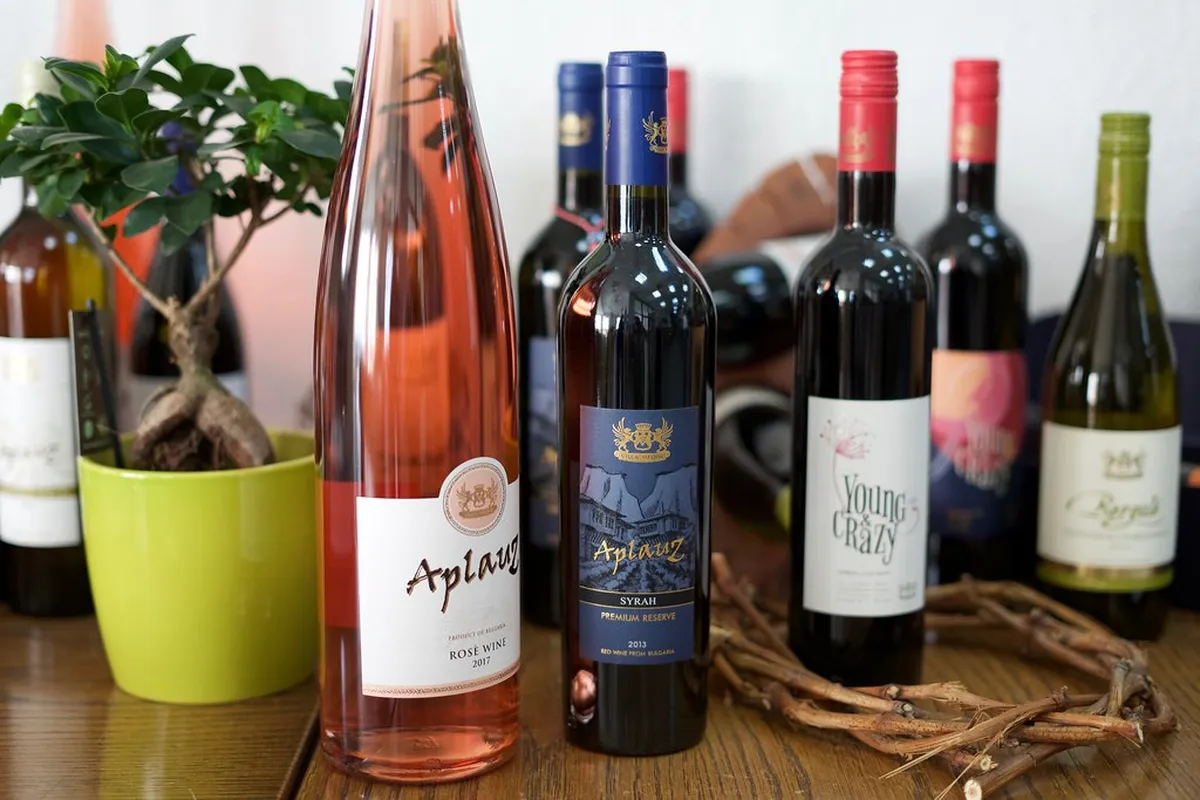
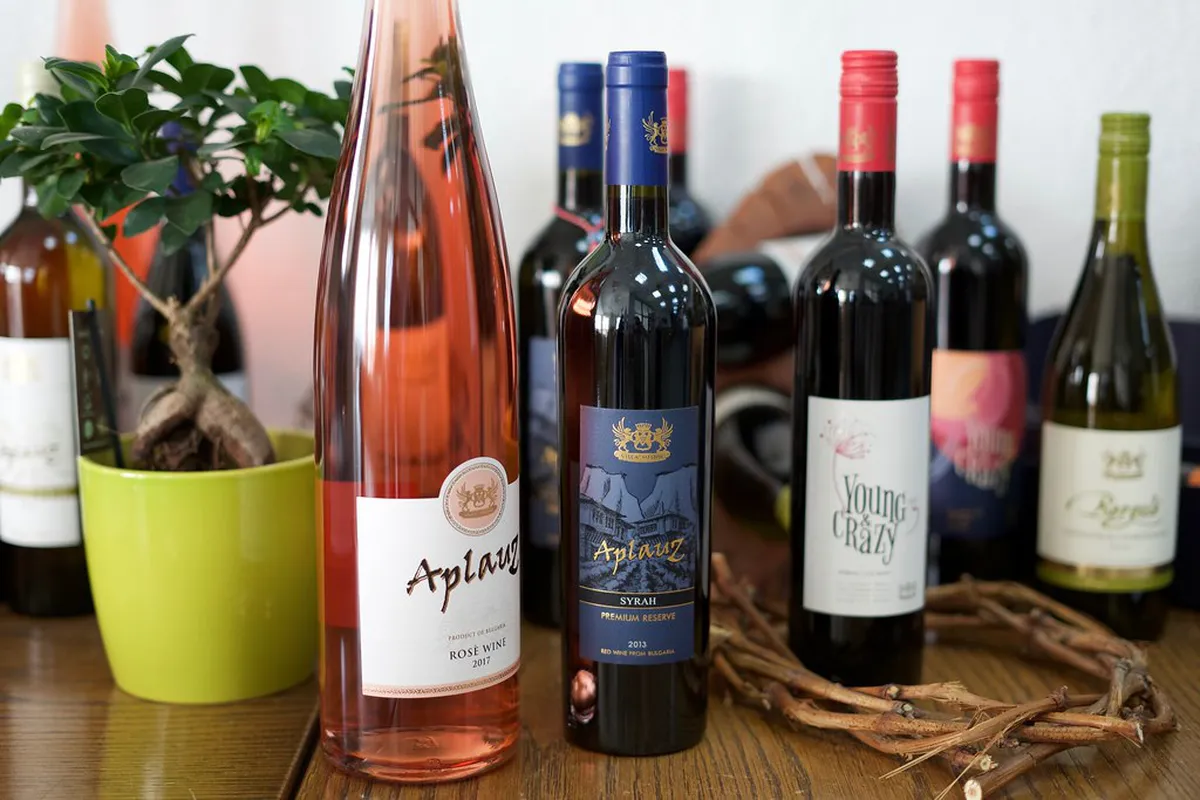
- Try their 'Aplauz' series for a taste of their premium, single-varietal indigenous wines.
Bulgaria's Five Wine Regions: A Deeper Dive
Bulgaria's diverse geography lends itself to five distinct wine regions, each with unique climates and soil types. Understanding these regions helps in appreciating the variety of Bulgarian wines available. The Thracian Valley, often considered the heartland, is known for robust reds like Mavrud and Merlot. It's easily accessible from Plovdiv, offering numerous wineries for day trips.
The Rose Valley (kazanlak) Visitor Guide, bordering the Thracian Valley, produces aromatic white and rosé wines, often alongside its famous rose oil. The Danube Plain in the north is cooler, favoring crisp whites and elegant reds like Cabernet Sauvignon. The Black Sea Coast region benefits from maritime influence, yielding fresh white wines like Dimyat. Finally, the Struma Valley in the southwest is famous for its unique Broadleaf Melnik grape, thriving in its Mediterranean climate.
When planning your visit, consider the accessibility and the types of experiences you prefer. The Thracian Valley offers a mix of large estates and boutique wineries, often with accommodation and dining. The Struma Valley provides a more rustic, traditional experience, ideal for those seeking indigenous grapes. For more details on specific regions, explore our guide to Bulgaria's wine regions and tours.
The Rich History of Bulgarian Winemaking
Bulgaria's winemaking history is among the oldest in the world, dating back to the Thracians, who inhabited these lands thousands of years ago. They revered wine as a sacred drink, integral to their rituals and daily life. Evidence of ancient Thracian vineyards and wine vessels can still be found across the country. This deep heritage forms the foundation of modern Bulgarian viticulture.
Through Roman, Byzantine, and Ottoman rule, winemaking persisted, often adapting to new influences and restrictions. During the communist era, Bulgarian wine production focused on quantity, often for export to the Soviet bloc. Post-1989, a new generation of winemakers emerged, dedicated to quality, indigenous grapes, and modern techniques. This blend of ancient tradition and contemporary innovation makes Bulgarian wine so compelling today.
Visiting wineries like Starosel, built near Thracian cult complexes, offers a tangible connection to this past. Many winemakers are keen to share their region's history, often integrating it into their tasting experiences. This historical narrative adds a profound layer to every sip of Bulgarian wine. It highlights a journey from ancient rituals to a burgeoning global presence.
Unique Indigenous Bulgarian Grape Varieties to Try
While international varietals thrive in Bulgaria, its indigenous grapes truly offer a taste of local terroir. These unique varieties are often the most exciting discoveries for wine enthusiasts. Mavrud, a robust red grape primarily grown in the Thracian Valley, produces full-bodied wines with notes of dark fruit and spice. It pairs beautifully with hearty meat dishes and aged cheeses, showcasing its bold character.
Rubin, a cross between Nebbiolo and Syrah, offers rich, complex reds with blackberry and chocolate notes, often found in the Thracian Valley. Dimyat, a white grape from the Black Sea Coast, yields light, aromatic wines with hints of apricot and almond, perfect for seafood. The Broadleaf Melnik (Shiroka Melnishka Loza) from the Struma Valley produces distinctive, tannic reds that age gracefully. These wines often feature notes of cherry, tobacco, and dried leaves.
Seeking out these indigenous grapes provides a genuine insight into Bulgarian winemaking heritage. Many wineries, like Villa Melnik, specialize in showcasing these unique varietals. Don't hesitate to ask your guide for recommendations on local food pairings. You can learn more about Mavrud, Bulgaria's signature grape, in our dedicated guide.
Why Bulgarian Wine is Earning Global Acclaim
In recent years, Bulgarian wine has moved from relative obscurity to a respected position on the international stage. This rise is due to significant investments in modern technology and a renewed focus on quality. Winemakers are embracing sustainable practices and highlighting their unique terroir. The country's diverse microclimates and ancient soils provide ideal conditions for a wide range of grapes.

Bulgarian wines consistently win awards at prestigious international competitions, drawing attention from critics and consumers alike. The commitment to indigenous grape varieties also sets Bulgarian wine apart, offering something truly distinctive. Plovdiv, named a European wine capital for 2025, further cements Bulgaria's growing reputation. This recognition is a testament to the dedication and passion of Bulgarian vintners.
For travelers, this means an opportunity to discover high-quality, often more affordable wines before they become widely known. The value proposition for Bulgarian wine tourism is exceptional. You get world-class experiences without the premium price tag of more established regions. It's an exciting time to explore the best wineries in Bulgaria.
Essential Bulgarian Wine Festivals to Experience
Bulgaria's vibrant wine culture is best experienced through its lively festivals, which celebrate both tradition and new harvests. These events offer a fantastic way to sample numerous wines, meet winemakers, and immerse yourself in local customs. The Young Wine Festival in Plovdiv, held annually in November, is a highlight. It showcases the first wines of the new vintage in the charming Old Town of Plovdiv.
The Rose Wine Expo in Kazanlak, typically in May or June, coincides with the Rose Valley and Kazanlak Rose Festival. This event combines the aromatic beauty of roses with delightful rosé wines from the Rose Valley. For a broader international selection, the Sofia Balkan Wine Festival, usually in May, brings together wines from across the Balkan region. It's a great opportunity to compare Bulgarian wines with those from neighboring countries.
Attending these festivals requires planning, especially for accommodation, as popular events book up quickly. Check specific dates well in advance on official tourism sites or winery calendars. Many offer tasting tickets that allow you to sample a wide array of wines. Don't miss the chance to say 'Nazdrave!' with the locals.
Planning Your Bulgarian Wine Tour: Practical Tips
Embarking on a Bulgarian wine tour is an enriching experience, but a little planning goes a long way. The best time to visit is during spring (April-June) or autumn (September-October) when the weather is pleasant and vineyards are active. Summer can be hot, while winter brings a quiet charm, though some wineries may have reduced hours. For seamless travel, consider booking a guided tour, especially if you plan to visit multiple regions.
Many wineries are located in rural areas, so renting a car is often the most flexible option. However, if you plan to taste extensively, hiring a driver or joining a tour from cities like Sofia or Plovdiv is advisable. Typical wine tasting costs vary from 20–80 BGN ($11–$45 USD) per person, depending on the winery and the number of wines. Always call ahead or check online for current operating hours and to make reservations, particularly for smaller wineries.
Most wineries offer English-speaking guides, but learning a few basic Bulgarian phrases, like 'Nazdrave' (Cheers!), is always appreciated. Consider combining your wine tour with cultural sites or natural attractions nearby. The Thracian Valley, for instance, is rich in ancient history. Check out wine tours from Sofia for convenient options.
What Travelers Say About Bulgarian Wineries
Feedback from travelers consistently highlights the warmth of Bulgarian hospitality and the surprising quality of the wines. Many visitors are impressed by the passion of the winemakers and the intimate, personal experiences offered. The affordability compared to other European wine regions is another frequently praised aspect. You often get exceptional value for money on tours and bottle purchases.
Some travelers note that transportation to more remote wineries can be a challenge without a rental car or dedicated driver. English proficiency, while common at major wineries, can be limited in very small, local establishments. However, this often adds to the authentic charm and encourages a more immersive experience. Overall, the consensus is overwhelmingly positive, with many vowing to return.
One traveler recounted a spontaneous visit to a small winery where the owner, despite limited English, used an app to translate. This made for a memorable, heartfelt tasting of homemade wines. It's these personal touches that often make Bulgarian wine tours truly special. Be open to unexpected encounters and you'll be richly rewarded.
What to Skip: The Overrated Wine Stop
While many lists include the 'Wine Museum' in Pleven, it often falls short of expectations for serious wine enthusiasts. Despite its historical significance, the museum primarily focuses on historical artifacts rather than a modern, immersive tasting experience. Its location can also be out of the way for travelers focusing on the main wine regions like the Thracian or Struma Valleys. The tasting options there are limited compared to dedicated wineries.

If your primary goal is to taste contemporary Bulgarian wines and engage with active winemakers, prioritize actual working wineries. Instead of the Pleven Wine Museum, consider visiting a smaller, family-run cellar in one of the key regions. These offer a more authentic and educational experience about current winemaking practices. Focus your precious travel time on direct winery visits for the best insights.
Continue planning: Use Bulgaria Wine Regions: A Comprehensive Guide to History & Grapes and 10 Best Wine Tours in Bulgaria: Regions, Wineries & Planning Guide to connect this guide with the rest of your Bulgaria itinerary.
Frequently Asked Questions
Which best wineries in Bulgaria options fit first-time visitors?
First-time visitors should consider wineries in the Thracian Valley, easily accessible from Plovdiv, such as Todoroff Winery or Villa Yustina. These offer well-organized tours, English-speaking staff, and a good introduction to Bulgarian wines. They also often provide accommodation and dining options for a complete experience.
How much time should you plan for a Bulgarian wine tour?
For a focused wine tour hitting a few key wineries in one region, plan at least 2-3 full days. If you wish to explore multiple regions or include cultural sightseeing, a 5-7 day itinerary is more appropriate. Day trips from Sofia or Plovdiv are also possible for a taste of the wine scene.
What are Bulgaria's main wine regions?
Bulgaria has five main wine regions: the Thracian Valley, the Rose Valley, the Danube Plain, the Black Sea Coast, and the Struma Valley. Each region boasts distinct climates and soil types, leading to a diverse range of grape varieties and wine styles. The Thracian Valley and Struma Valley are particularly famous for their red wines.
What are some unique indigenous Bulgarian grape varieties?
Key indigenous Bulgarian grape varieties include Mavrud, known for its robust red wines, and Rubin, a cross producing rich, complex reds. Dimyat is a white grape offering light, aromatic wines. The Broadleaf Melnik (Shiroka Melnishka Loza) from the Struma Valley yields distinctive, age-worthy red wines.
How much does a wine tasting in Bulgaria cost?
A typical wine tasting in Bulgaria ranges from 20–80 BGN (approximately $11–$45 USD) per person. Prices vary depending on the winery's size, the number of wines sampled, and whether food pairings or a full tour are included. Premium estates or exclusive tastings will be at the higher end of this range.
Bulgaria's wine scene is a captivating blend of ancient tradition and modern innovation, offering an unforgettable experience for any traveler. From the robust reds of the Thracian Valley to the unique indigenous grapes of the Struma Valley, there's a discovery awaiting every palate. The country's warm hospitality, stunning landscapes, and exceptional value make it an increasingly popular wine tourism destination. We hope this guide inspires your journey to the best wineries in Bulgaria.
So, whether you're planning a luxurious escape or an adventurous road trip, don't miss the chance to explore these incredible vineyards. Raise your glass, say 'Nazdrave!', and savor the rich, complex flavors that define Bulgarian wine. It's a journey that promises both education and pure enjoyment. Here's to many memorable sips in central the Balkans!