The Most Famous Bulgarian Churches to Visit in 2026
Last updated July 2026, this guide rounds up the most famous Bulgarian churches, from Sofia's Alexander Nevsky Cathedral to the UNESCO-listed frescoes at Rila Monastery and Boyana Church. It also covers Shipka Memorial Church, the churches of Nessebar's Old Town, and the rock-hewn churches of Ivanovo for travelers who want sites beyond the capital. Expect practical notes on dress codes, photography rules, entry fees, and realistic travel times for planning a 2026 visit.
Bulgaria's Orthodox Heritage, Explained
The Bulgarian Orthodox Church is the oldest Slavic Orthodox church, tracing its roots back to the ninth century. Boris I of Bulgaria adopted Christianity for the state in 864, a shift covered in more depth in Bulgaria's early history. That conversion followed centuries of earlier Bulgar and Slavic tradition, including the transition away from older symbols discussed alongside the Madara Rider. Bulgarian church architecture blends three main influences. Byzantine domes and mosaics define the oldest churches. Bulgarian National Revival woodwork and icon screens define many 18th- and 19th-century parish churches. Russian-influenced gold domes appear on newer landmark buildings, including Alexander Nevsky Cathedral.
The Most Famous Bulgarian Churches to Visit
These sites appear on nearly every Bulgaria itinerary that includes Sofia, Plovdiv, or the Black Sea coast. Each one sits within a realistic day-trip radius of a major city or town, with distance and entry details covered in the sections below.
- Alexander Nevsky Cathedral (Sofia): a neo-Byzantine cathedral in the city center, with a crypt icon museum.
- Rila Monastery (Rila Mountains): a UNESCO World Heritage monastery founded by Saint Ivan of Rila, known for its frescoed courtyard.
- Boyana Church (Sofia): UNESCO-listed 13th-century frescoes, viewed in short, time-limited groups.
- St. Sophia Church (Sofia): an ancient basilica standing above a centuries-old necropolis.
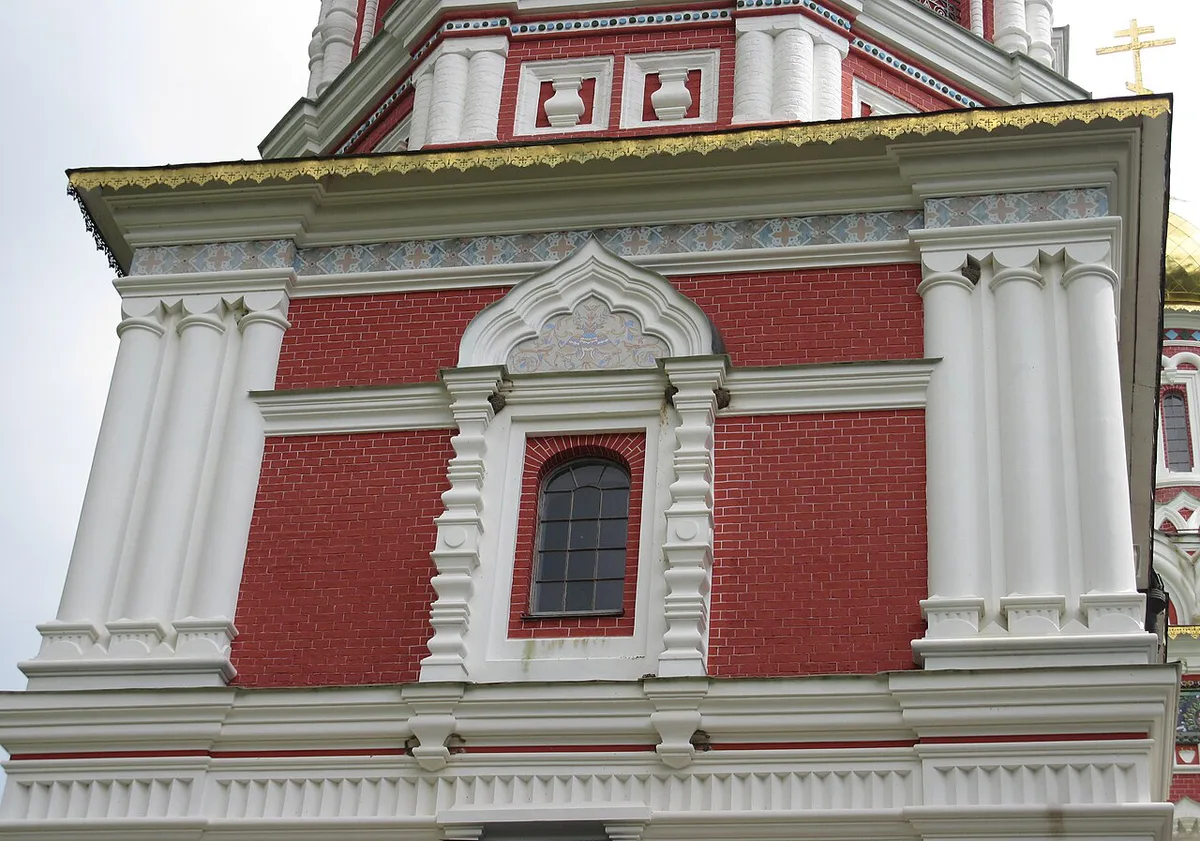
- Shipka Memorial Church (Balkan Mountains): a pink-stone church with gold domes, built to commemorate Russo-Turkish War dead.
- Nessebar's Old Town churches (Black Sea coast): a cluster of medieval churches inside a UNESCO-listed old town.
- Rock-hewn churches of Ivanovo: churches and monastic cells cut into cliffside rock, also UNESCO-listed.
Alexander Nevsky Cathedral: Sofia's Neo-Byzantine Icon
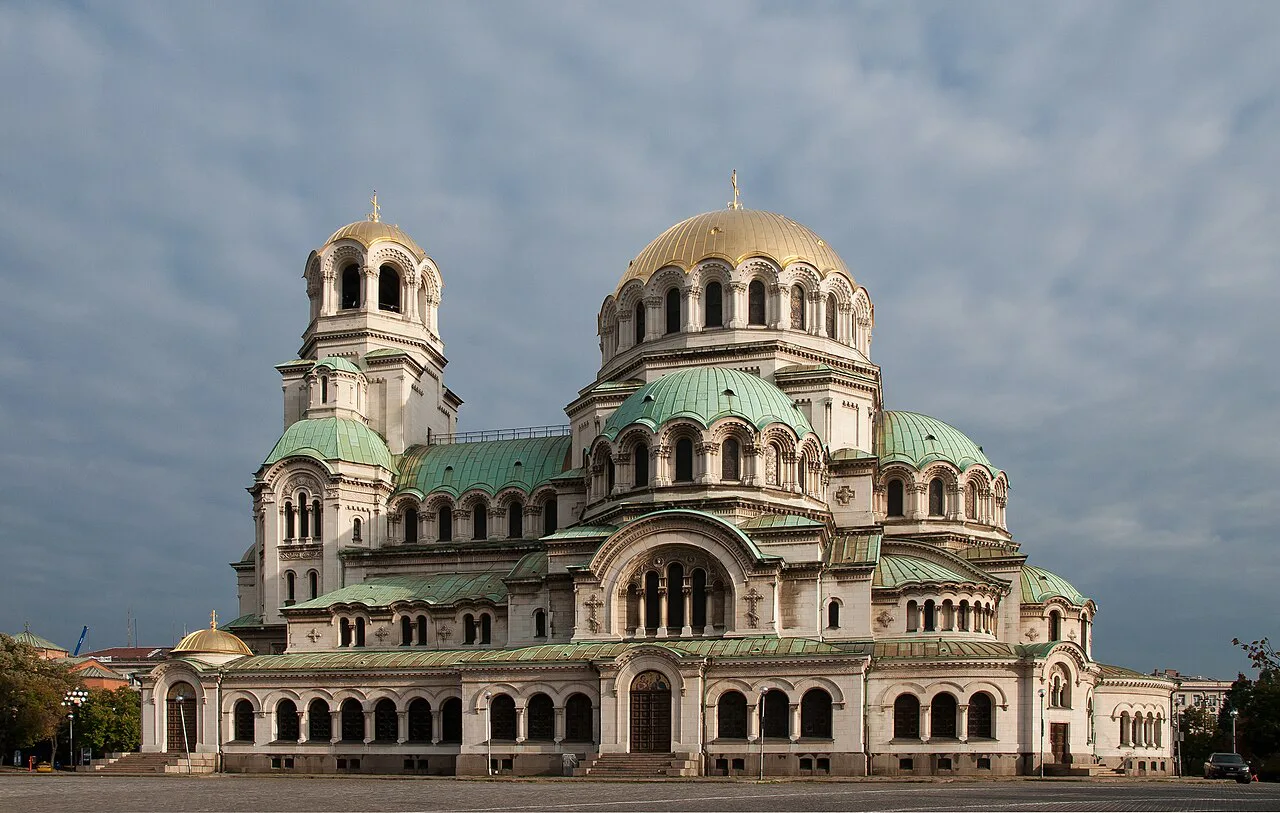
Alexander Nevsky Cathedral sits in Sofia's city center, with no long drive required to reach it. Its gold and green domes date to the early 20th century, built in a Russian-influenced Byzantine style. The main worship hall is free to enter during opening hours. A separate crypt space holds an icon museum, which charges its own ticket. Check the museum's official page for current 2026 hours and ticket prices before visiting.
Rila Monastery: Bulgaria's UNESCO Spiritual Center
Rila Monastery sits roughly a two-hour drive from Sofia, deep in the Rila mountains. That drive time makes it more of a half-day-plus trip than a quick add-on. Saint Ivan of Rila founded the original hermitage here in the 10th century. The monastery courtyard and church walls carry frescoes painted in reds and golds. A separate history museum inside the complex holds older manuscripts and treasures, and charges its own entry ticket. The courtyard and main church stay free to enter. Confirm the current 2026 museum ticket price on the monastery's official site before you go.
Boyana Church: A Quick UNESCO Stop Near Sofia
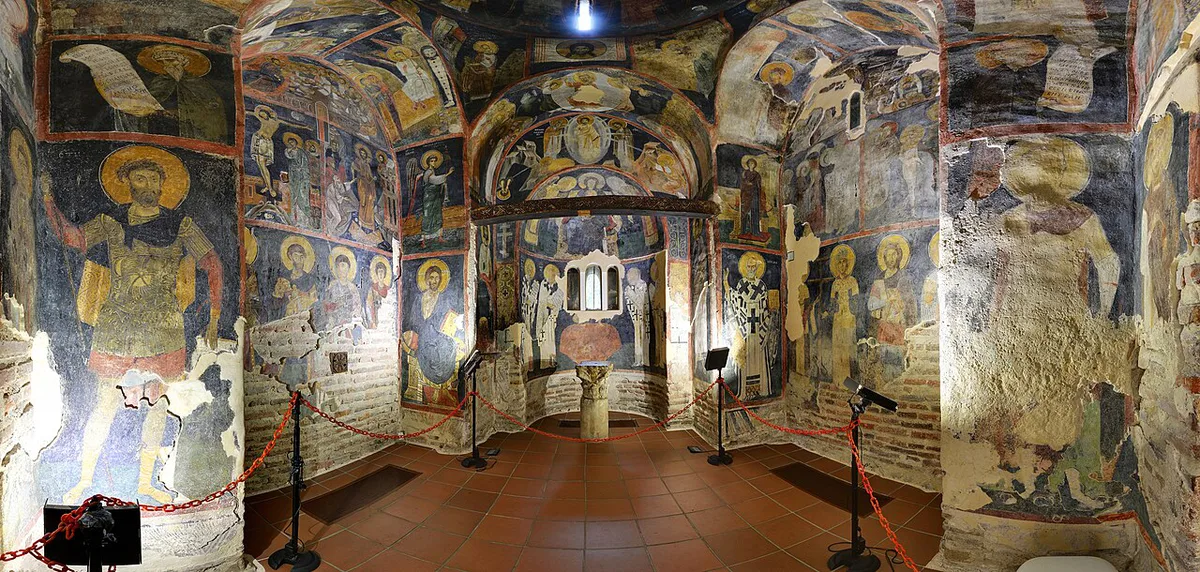
Boyana Church sits within Sofia, closer to the city than Rila Monastery. Its draw is the 13th-century frescoes inside, recognized by UNESCO for their early realism. Visits run in small groups with a strict time limit, commonly cited as 10 to 15 minutes per group. That limit makes Boyana a quick stop rather than a half-day excursion. Arrive early or book ahead, since groups can fill during peak season. Entry requires a paid ticket, separate from Alexander Nevsky or Rila.
More Historic Churches Worth the Detour
St. Sophia Church, also in central Sofia, sits above an ancient necropolis. Excavated graves beneath the church span multiple centuries of continuous burial. Shipka Memorial Church stands in the Balkan Mountains. Its pink stone facade and gold domes commemorate soldiers from the Russo-Turkish War. Nessebar's Old Town, on the Black Sea coast, holds a cluster of medieval churches inside a UNESCO-listed old town. Many of these Nessebar churches function as viewable historic sites rather than active parishes. The rock-hewn churches of Ivanovo, cut into cliffside rock, add a very different kind of history. Compare that layout with Bulgaria's ancient Thracian sites, which predate the country's church architecture by centuries. Some fortress complexes doubled as religious centers too. Tsarevets in Veliko Tarnovo housed the medieval Bulgarian Patriarchate's church. Read more about it among historic fortresses like Tsarevets.
Comparing Bulgaria's Top Churches at a Glance
Use this table to weigh distance against payoff before building a route.
| Church | Distance from Sofia | UNESCO Status | Primary Draw |
|---|---|---|---|
| Alexander Nevsky Cathedral | Sofia city center | Not UNESCO-listed | Neo-Byzantine architecture, crypt icon museum |
| Rila Monastery | About a 2-hour drive | UNESCO World Heritage Site | Frescoes, monastic history |
| Boyana Church | Within Sofia | UNESCO World Heritage Site | 13th-century frescoes, short visit window |
| St. Sophia Church | Sofia city center | Not UNESCO-listed | Ancient necropolis beneath the church |
| Rock-hewn Churches of Ivanovo | Longer trip outside Sofia | UNESCO World Heritage Site | Cliffside rock-cut churches |
Getting Between Sofia and the Countryside Sites
Sofia works as a base for most of the churches on this list. Alexander Nevsky Cathedral and St. Sophia Church both sit in the city center. Boyana Church sits within Sofia too, reachable by public transit or a short taxi ride. Rila Monastery sits further out, about a two-hour drive into the Rila mountains. Most visitors reach it by rental car, private transfer, or a guided day tour from Sofia. Shipka Memorial Church sits in the Balkan Mountains, outside the capital. The rock-hewn churches of Ivanovo sit even farther afield. Treat both as stops on a multi-day route through Bulgaria rather than a single Sofia day trip. Nessebar's churches sit on the Black Sea coast. Pair them with a coastal stay rather than a Sofia base.
Best Time to Visit Bulgaria's Churches
Summer brings the heaviest visitor numbers to Rila Monastery and Boyana Church, both popular stops on Sofia day tours. Spring and fall bring thinner crowds and milder temperatures for the mountain drive to Rila. Winter can bring snow to the Rila and Balkan mountain roads. Check road conditions before a self-drive trip to Rila Monastery or Shipka Memorial Church in colder months. Coastal Nessebar sees its heaviest crowds in peak summer, then quiets down through the off-season.
Rila Monastery and Boyana Church experience peak summer crowds, yet combining them in one day is already time-constrained: Rila requires a two-hour drive each way from Sofia. Spring and fall offer fewer crowds and milder conditions for the mountain drive.
Visitor Logistics: Entry Fees, Photography, and Opening Hours
Budgeting for church visits in Bulgaria comes down to a short list of paid stops.
Boyana Church and Rila Monastery draw visitors specifically for their frescoes and painted walls, recognized by UNESCO for their artistic value, yet neither permits photography inside church interiors. Travelers attracted by these artworks cannot photograph them on-site.
- Most active parish churches are free to enter.
- UNESCO sites like Boyana Church and the Rila Monastery museum charge a separate entry ticket.
- Alexander Nevsky's crypt icon museum also charges its own ticket, apart from the free main hall.
- Confirm the current 2026 ticket price on each site's official page before visiting; these tickets typically cost less than a full museum-day pass in central Sofia.
- Typical opening hours run about 7:00 a.m. to 7:00 p.m. for major churches, though hours vary by season.
- Small village churches may be locked outside of services; ask locally for the key-keeper who holds access.
- Photography is generally not allowed inside church interiors; look for a posted photo policy or ask staff before raising a camera.
Church Etiquette: What Not to Do in a Bulgarian Church
Bulgarian Orthodox churches expect more formality than casual sightseeing elsewhere in Europe.
- Cover both shoulders and knees, regardless of gender, before entering.
- A headscarf is not generally required for tourists, though wearing one is read as a sign of respect.
- Do not cross your legs while seated inside; keep both feet on the floor.
- Keep your voice low, especially if a service is underway.
- Never photograph a priest or an active service without asking permission first.
- Light a candle on the top tier for someone living, and the bottom tier for someone deceased.
The Bulgarian Orthodox Church's Independent Status
The Bulgarian Orthodox Church is autocephalous, meaning it governs itself rather than answering to another patriarchate. That self-governing status, called autocephaly, was first recognized in 870 and later elevated to a patriarchate. Ottoman rule interrupted that independent structure for centuries. The Bulgarian Exarchate re-established self-governance in 1870, ahead of full political independence. The Bulgarian Patriarchate was formally restored in 1953. Patriarch Daniil has led the church since his election in 2024. Bell-ringing during services follows a distinct Bulgarian tradition, covered in fun facts about Bulgaria.
Bulgarian Churches Beyond Bulgaria's Borders
Bulgarian Orthodox communities extend well beyond Bulgaria. Abroad, they're organized under the Bulgarian Eastern Orthodox Diocese of the USA, Canada, and Australia. Washington, D.C.-area worshippers gather at St. John of Rila, with Sunday services listed for 1:30 p.m. inside St. Luke Serbian Orthodox Church in McLean, Virginia. New York City's Bulgarian community centers on Sts. Kyril and Methody Bulgarian Cathedral on West 50th Street. Chicago has its own Bulgarian parish, also named St. John of Rila, on the city's northwest side. Smaller Bulgarian parishes also operate in cities including Los Angeles, Phoenix, and San Diego. Check each parish's own website for current 2026 service times before planning a visit, since schedules can shift.
Further reading: Bulgaria on Wikivoyage · Bulgaria on Wikipedia
Continue planning: Use History of Bulgaria: 8 Key Eras from Antiquity to Modern Day and Bulgaria Castles: A Practical Guide to the Country's Best Fortresses and Ruins to connect this guide with the rest of your Bulgaria itinerary.
Frequently Asked Questions
Do you need to pay to enter Bulgarian churches?
Most active parish churches are free. UNESCO sites like Boyana Church and the Rila Monastery museum, along with the Alexander Nevsky crypt museum, charge a separate ticket. Check each site's official page for the current 2026 price before visiting.
What should you wear to visit a church in Bulgaria?
Cover both shoulders and knees, regardless of gender. A headscarf is not generally required for tourists, but wearing one shows respect. Avoid shorts, tank tops, and swimwear.
Can you visit Rila Monastery and Boyana Church in one day from Sofia?
It is possible but tight. Rila Monastery alone takes about a two-hour drive each way, so pairing it with Boyana Church the same day leaves limited time at either site. Many visitors split them across two separate trips instead.
Are you allowed to take photos inside Bulgarian churches?
Photography is generally not allowed inside church interiors, especially of frescoes, icons, and priests. Some sites restrict cameras entirely or post their own photo policy. Ask staff before taking any photo inside.
Where can you find a Bulgarian Orthodox church in the United States?
Bulgarian Orthodox communities in the U.S. gather in cities including Washington, D.C. (with services held in McLean, Virginia), New York City, Chicago, Los Angeles, and Phoenix. Check the Bulgarian Eastern Orthodox Diocese of the USA, Canada, and Australia for a current parish directory.
How do you light a candle correctly in a Bulgarian church?
Bulgarian churches typically use a two-tier candle stand. Light a candle on the top tier for someone living and on the bottom tier for someone deceased.