Bansko Ski Season: 9 Essential Insights for Your Trip
Late January is a reliable sweet spot for Bansko. For most travelers, the best time for a Bulgaria in Winter: Complete Travel Guide trip is mid-January to mid-March. This window offers the most reliable snow and stable mountain weather.
Bansko has transformed into a world-class winter destination in the Pirin Mountains. The resort combines modern lift systems with a charming, historic old town. Planning your visit requires understanding the nuances of the local climate and crowds. This guide covers everything from opening dates to specific packing needs.
The official Bansko ski season typically runs from mid-December until mid-April. Snow conditions vary significantly between the early season and the spring melt, so timing can make or break a mountain trip. The following sections explain what to expect in each winter month.
Understanding the Bulgarian Ski Scene
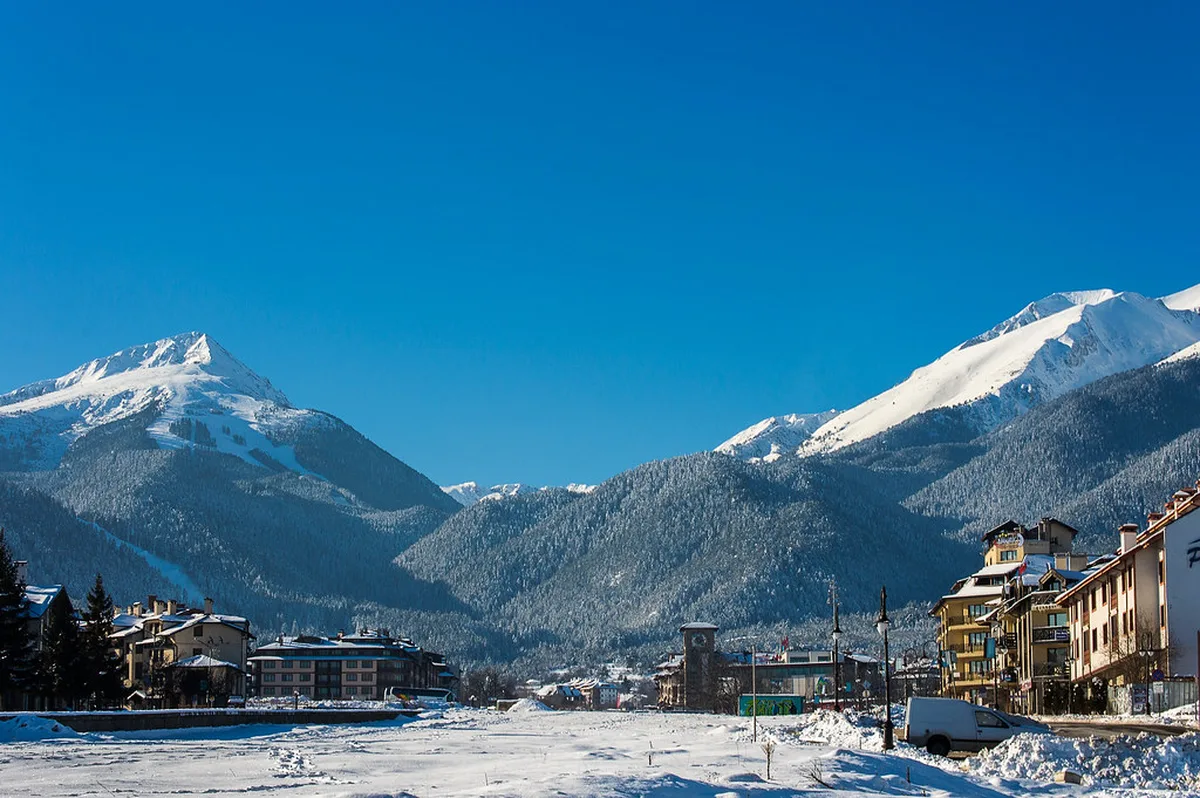
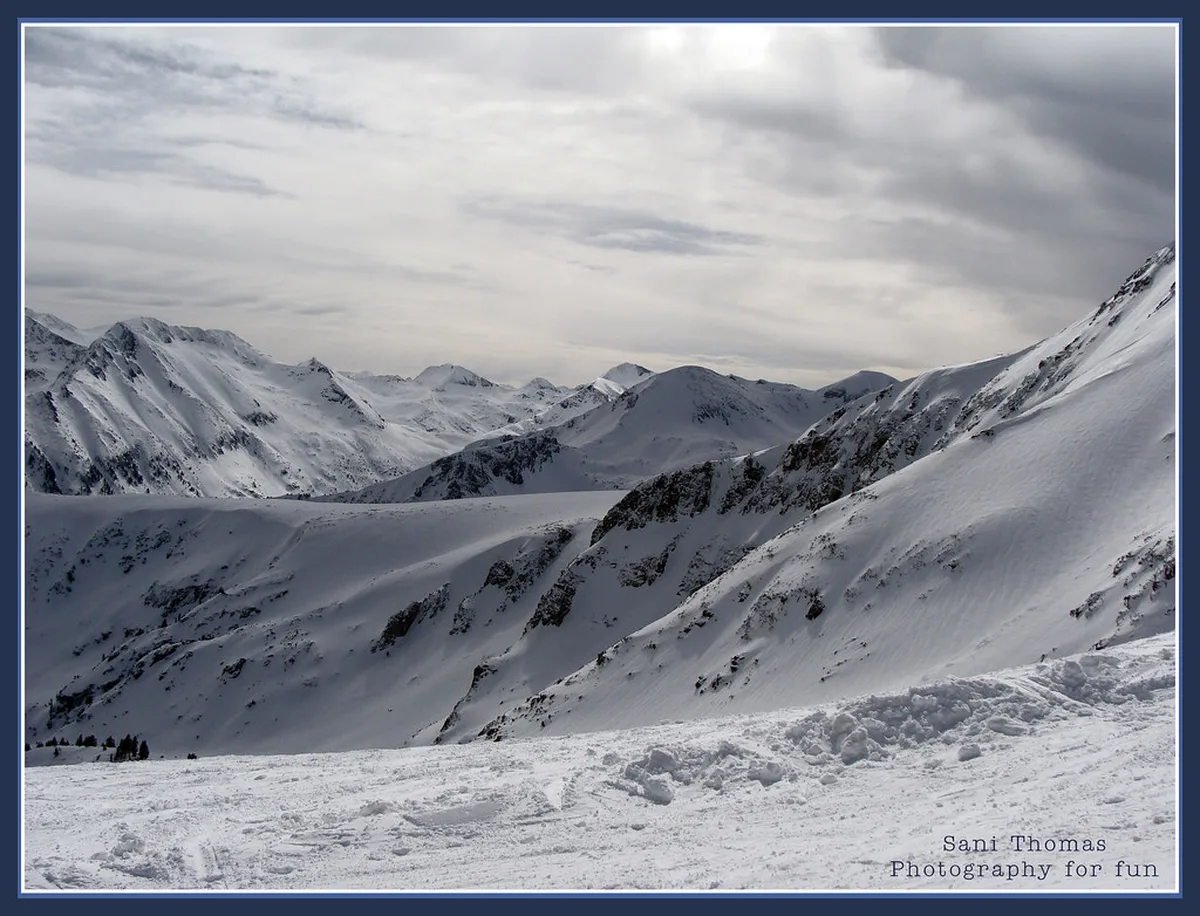
Bansko sits at the foot of Pirin National Park in southwestern Bulgaria. The resort features over 75 kilometers of diverse ski runs for all levels. Most slopes face north, which helps preserve the snow cover during sunny days. You will find a unique mix of Balkan culture and alpine sports here.
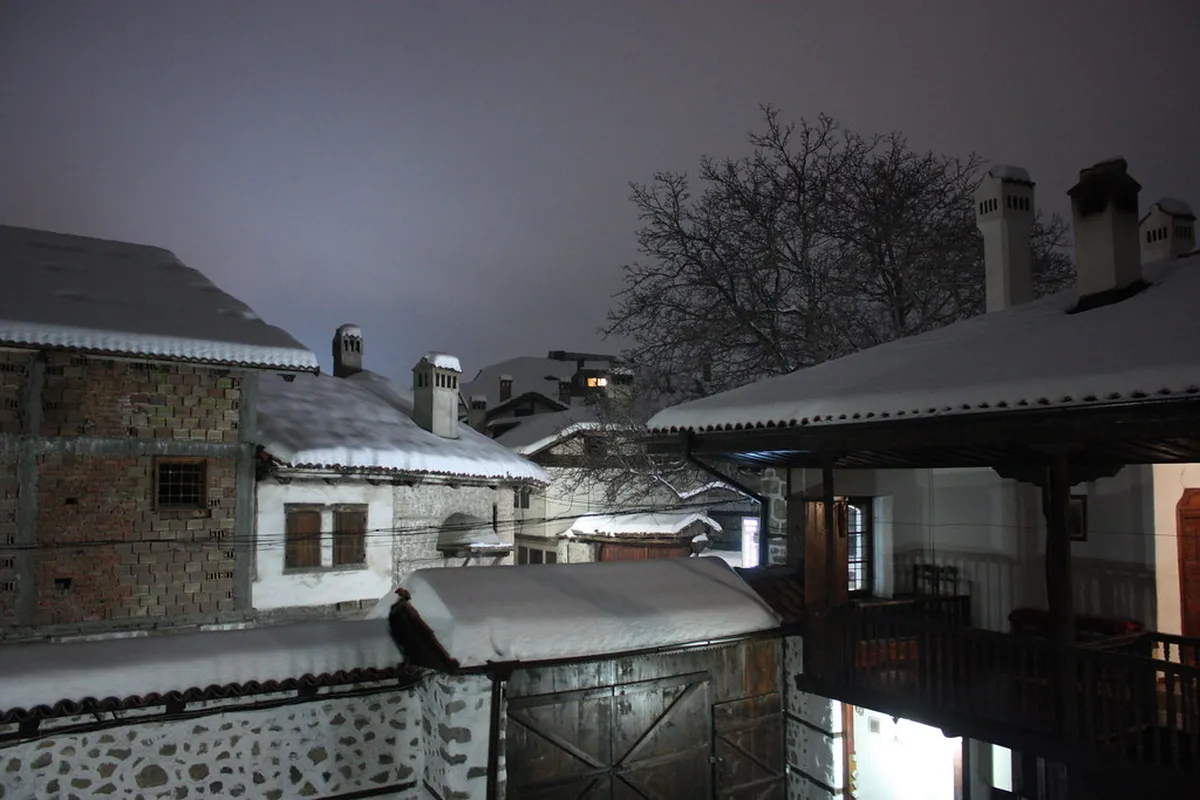
The town of Bansko itself is a UNESCO World Heritage site with cobblestone streets. Traditional taverns, known as Mehanas, offer hearty local cuisine after a day skiing. Prices remain more affordable than in the French or Swiss Alps. This value makes it a top choice for international budget travelers, as Bulgaria's official tourism board Bulgaria Travel highlights for its winter resorts.
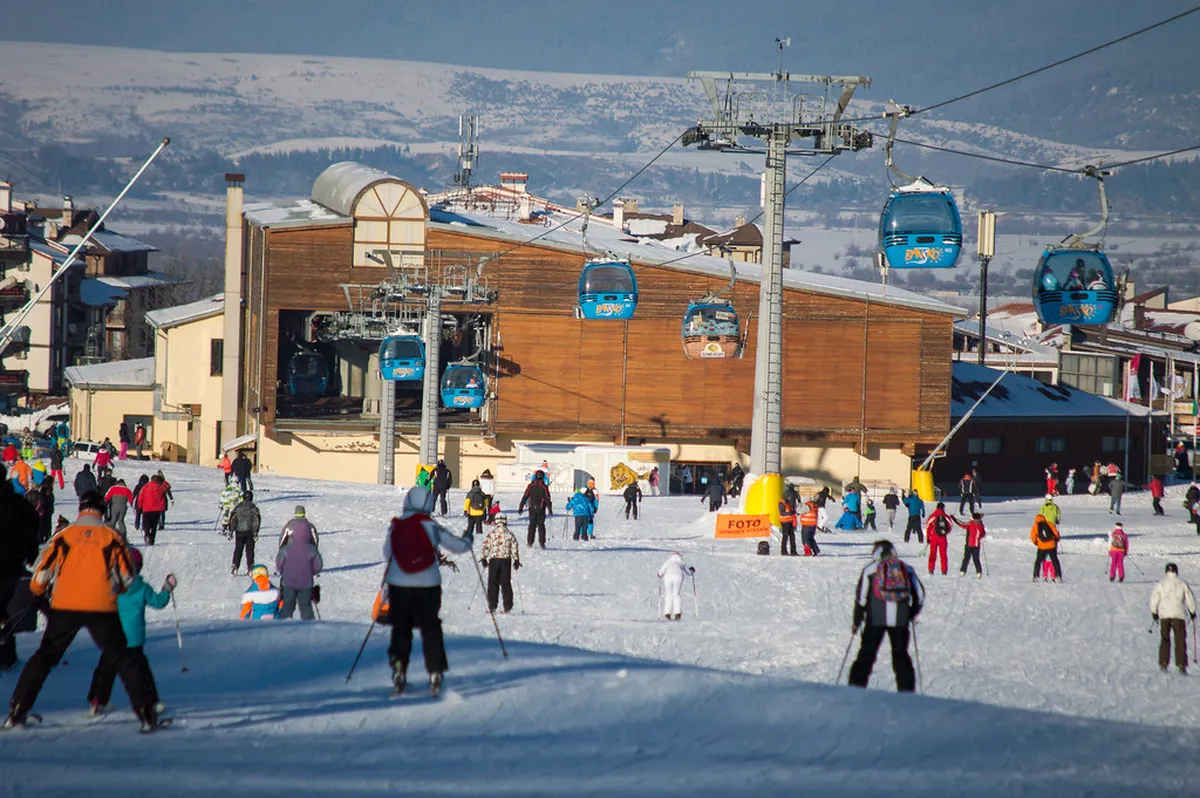
The Best Time To Visit Bulgaria: Seasonal Weather & Travel Guide for skiing is often January. The Pirin Mountains provide a dramatic backdrop for your winter adventures. Modern gondolas and high-speed chairlifts ensure efficient access to the peaks. Todorka Peak reaches an impressive altitude of 2,746 meters above sea level.
Season Comparison: Month-by-Month Guide
Weather patterns in the Pirin Mountains dictate the quality of the slopes. Temperatures can drop sharply when Siberian air masses move across the Balkans. Average winter temperatures usually range from -7 to 3°C / 19 to 37°F. Check the Bulgaria Weather By Month: A Complete Seasonal Travel Guide for specific historical data.
December often relies on heavy snow-making to prepare the main runs. January brings the most natural snowfall and the crispest mountain air. February is the busiest month due to European school holidays and events. March offers longer days and the chance for sunny spring skiing.
| Month Range | Weather (Avg) | Crowds | Prices | Best For |
|---|---|---|---|---|
| Mid-Dec to Late Dec | -3 to 4°C / 27 to 39°F | Moderate | Medium | Festive vibes |
| Early Jan to Late Jan | -7 to 1°C / 19 to 34°F | Moderate | Medium | Powder snow |
| Early Feb to Late Feb | -5 to 3°C / 23 to 37°F | Very High | High | Families |
| Early Mar to Late Mar | -2 to 7°C / 28 to 45°F | Moderate | Medium | Sunny skiing |
| Early Apr to Mid-Apr | 2 to 12°C / 36 to 54°F | Low | Low | Bargain hunters |
December: Opening and Early Conditions
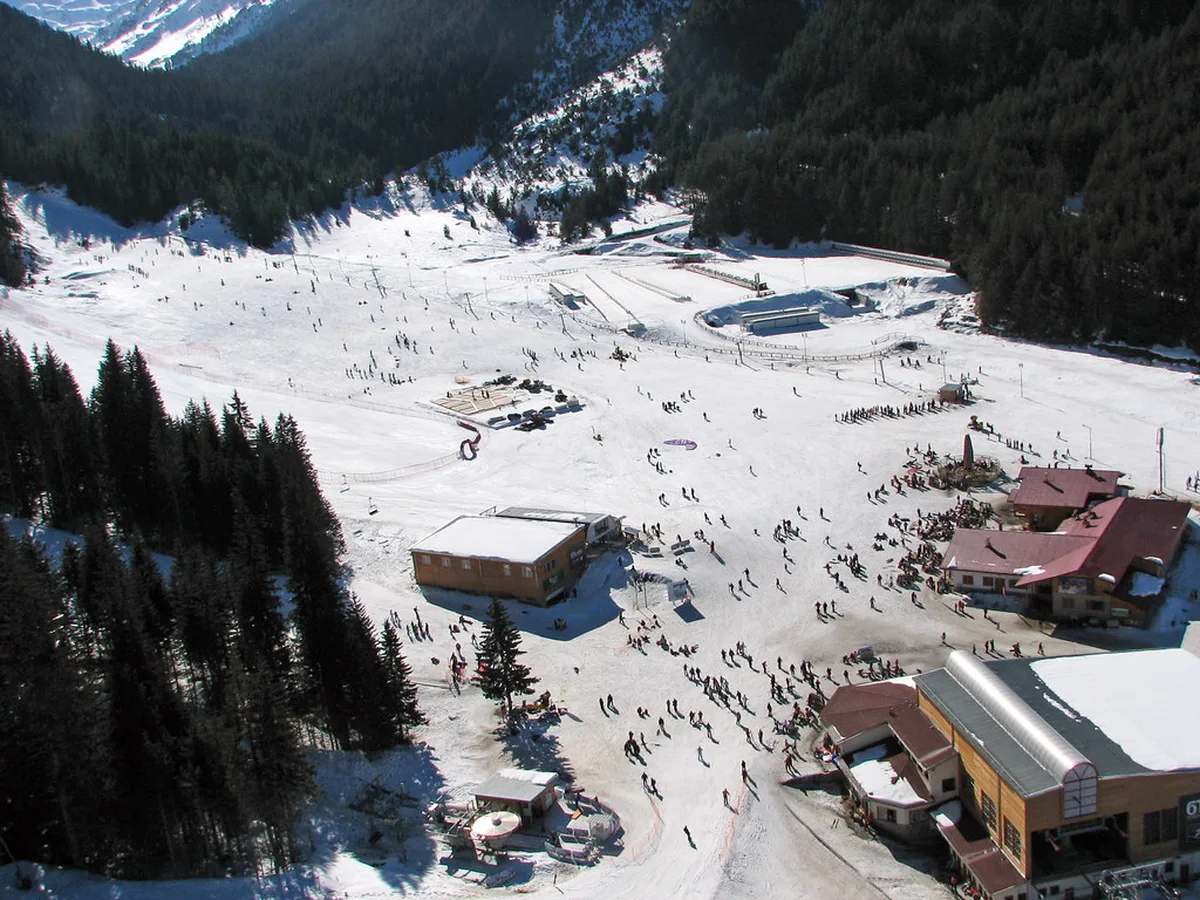
The official season opening usually occurs around December 15th each year. Celebrations often include races and live music at Banderishka Poliana. Early season snow can be thin on the lower ski road. The resort uses over 400 snow cannons to ensure early coverage.
Christmas and New Year bring a festive rush to the old town. Booking accommodation early is essential for this peak holiday period. Holiday lights and traditional music give the old town a festive atmosphere. If you want a city break to pair with the slopes, Plovdiv in winter makes an easy festive add-on within driving distance. Check the 10 Best Bulgaria Festivals for specific event dates.
January: The Sweet Spot for Snow
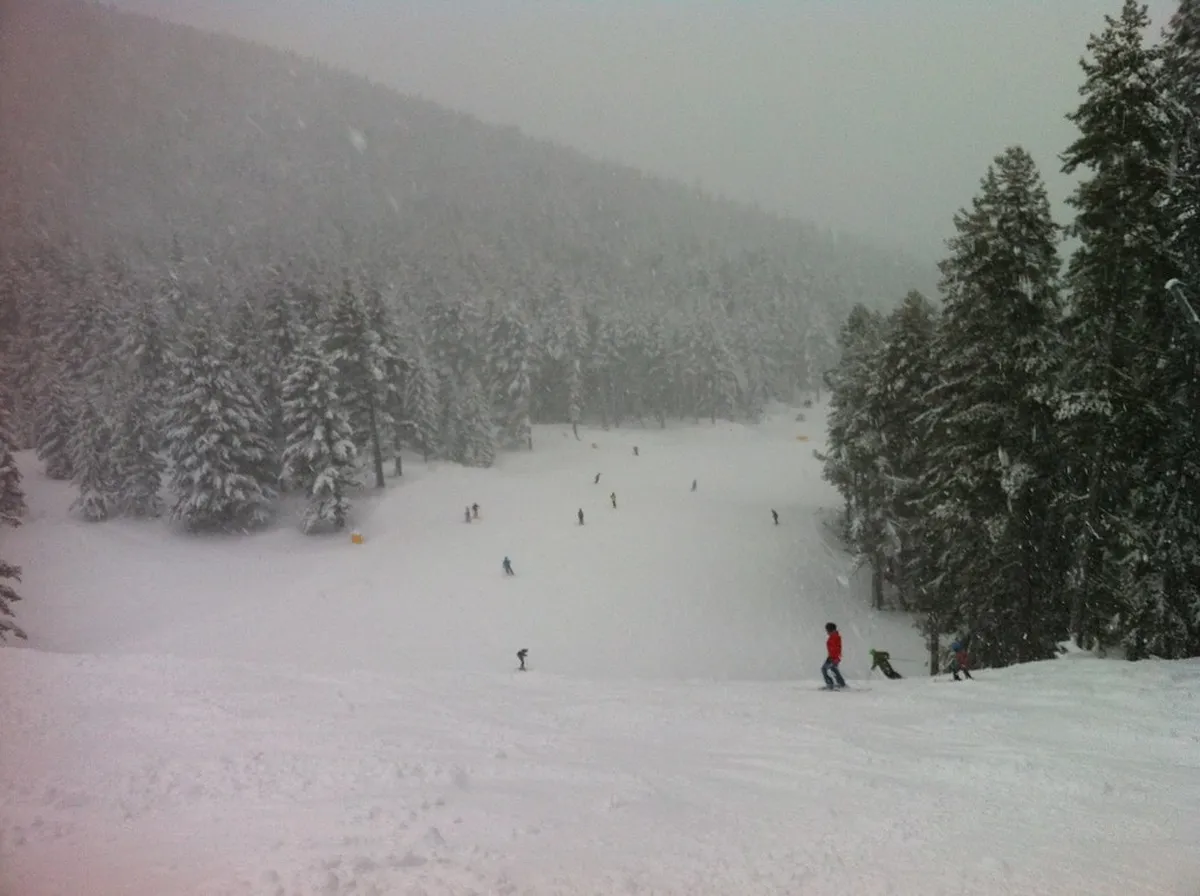
January is widely considered the best month for serious skiers in Bansko. The snow pack is usually deep and well-established by mid-month. Cold temperatures keep the snow light and dry for better carving, and late January can bring deep powder.
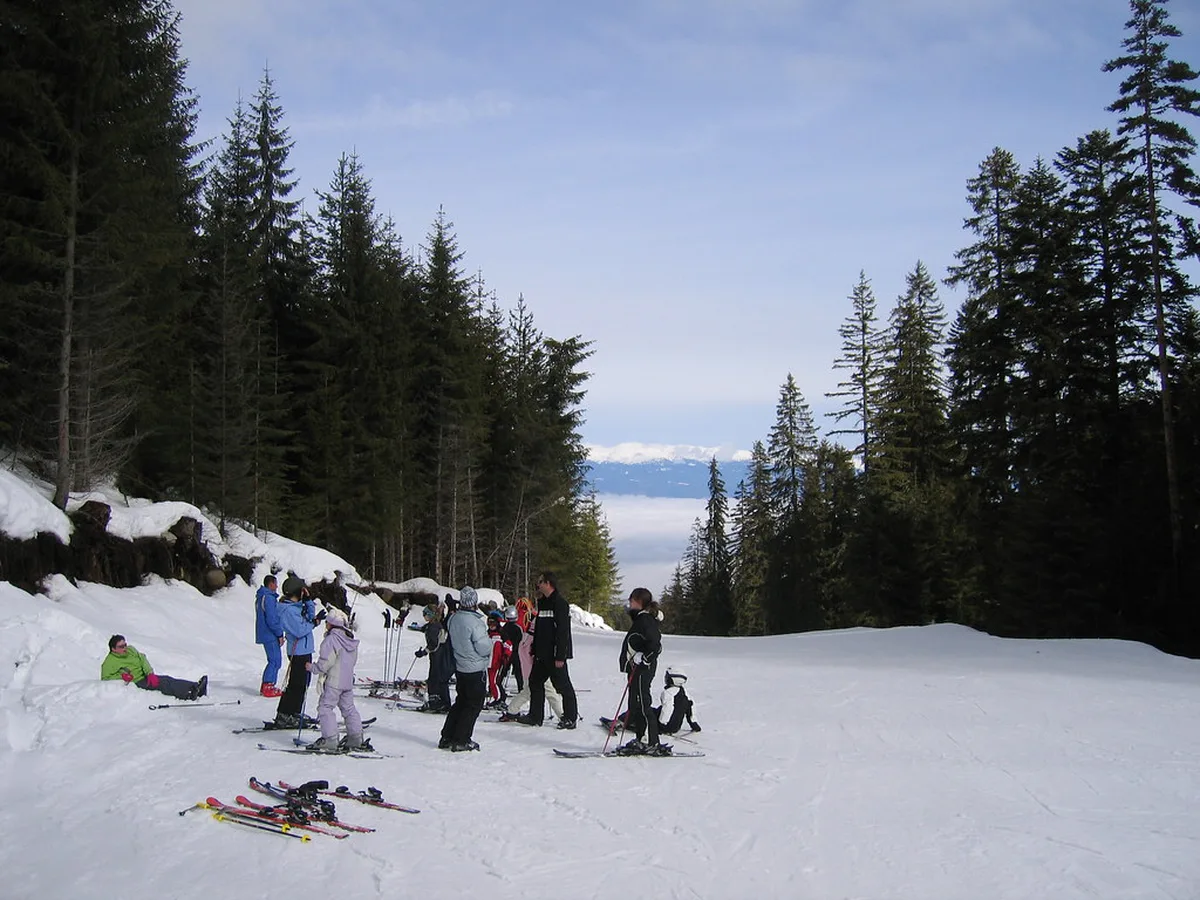
💡 Good to know: Snow above 2,000 m on the Pirin slopes is reliable from mid-January, but the connecting ski road back to town can run thin — keep your skis on the upper runs and ride the gondola down rather than skiing the lower track in early-season conditions.
One regional quirk is the sudden Siberian blast that hits the mountains. These cold snaps can bring temperatures down to -15°C / 5°F. The 'Bura' wind occasionally causes the upper lifts to close briefly. Always check the morning wind report before heading to the gondola.
Crowds are thinner in the weeks following the New Year rush. You will find shorter wait times at the chairlifts like Banderitsa. Ski schools are less busy, allowing for more personalized instruction. Consult Banskoski.com for live mountain webcams and snow depth.
February: High Season and Half-Term Rush
February is the busiest time of the Bansko ski season. British and Bulgarian school holidays often overlap during this month. The gondola queue can exceed one hour during the morning peak. I recommend arriving at the base station before 8:15 AM.
The atmosphere in the town is incredibly lively and energetic. Après-ski bars like Happy End are packed with international visitors. Many major ski competitions and events take place during this window. The slopes are well-groomed to handle the high volume of skiers.
What's Closed in Low Season
As the season winds down in April, some services begin to close. The Plato and Shiligarnik lifts often stop running by mid-April. Many mountain tea houses shut their doors as skier numbers drop. Lower runs become slushy and may close due to lack of snow.
Rental shops near the gondola often reduce their operating hours. The free shuttle bus service typically ends when the slopes close. If you visit during 7 Best Reasons and Things to Do in Bulgaria in Spring, focus on the higher altitudes. Some smaller Mehanas in the old town close for a short break.
Ski schools like Sankiyski Ski School may have limited instructor availability. The night skiing sessions on the ski road usually end in March. Always verify lift status during the final two weeks of the season. The mountain transition to summer hiking trails begins shortly after.
Pick X If: Choosing Your Travel Window
Choosing the right time depends on your priorities and budget. Families might prefer the milder weather of late February or March. Expert skiers should aim for the cold, snowy days of January. Budget travelers can find great deals in early December or April. Once you have locked in your dates, understanding the best time to visit overall requires balancing snow conditions against your schedule.
Bansko offers something unique for every type of winter enthusiast. The resort caters well to both beginners and seasoned mountain pros. Consider your tolerance for cold and crowds before booking your flights. Most visitors fly into Sofia, the gateway airport about two hours away, so it is easy to add a day or two of Things To Do in Sofia in Winter guide on either side of your ski trip. Read more on the toursbulgaria.com blog for local travel tips.
- Pick mid-January if you want
- Best powder and cold days
- Pick late February if you want
- Lively après-ski and festivals
- Pick early March if you want
- Sunny terraces and soft snow
- Pick late December if you want
- Festive lights and holiday spirit
What to Pack for the Pirin Mountains
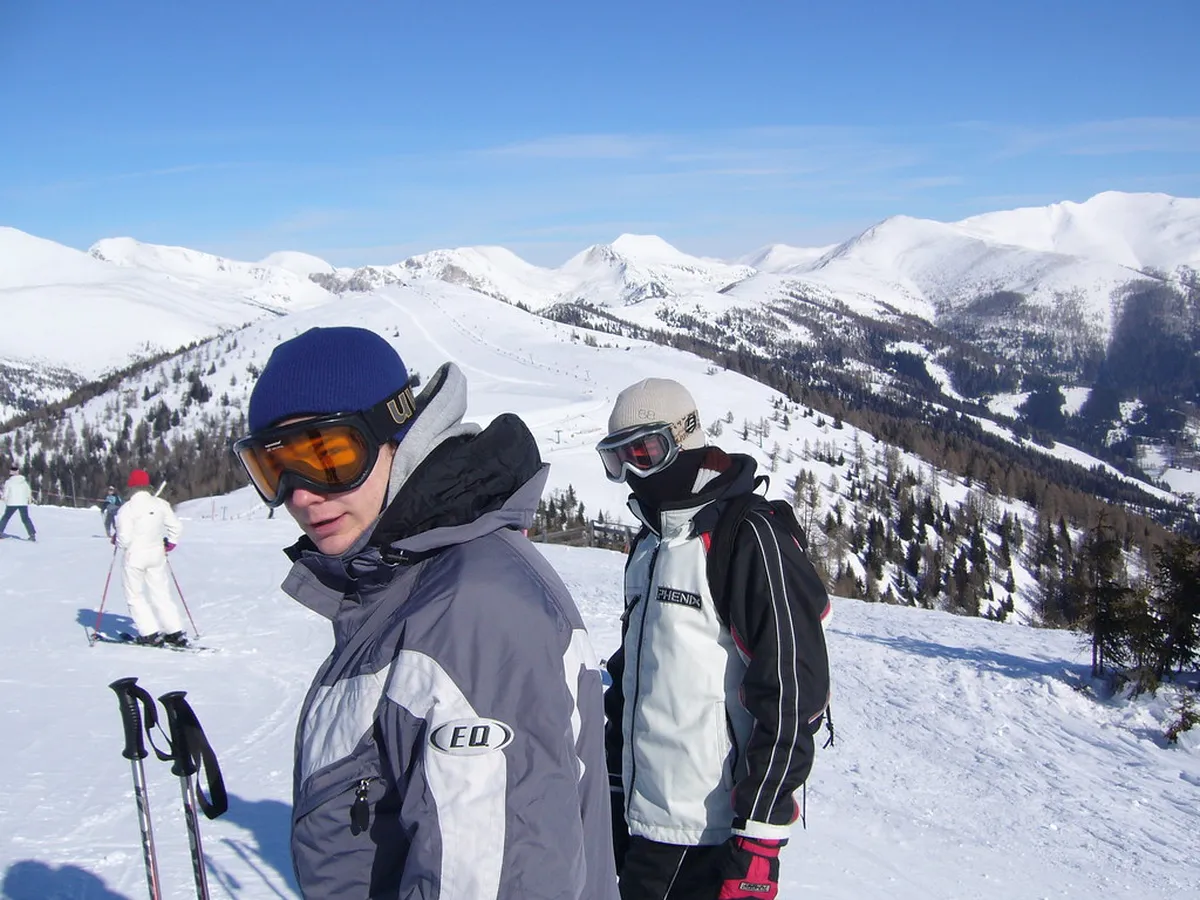
Packing correctly is vital for comfort in the high Pirin peaks. Temperatures at the top can be much lower than in the town. Wind-chill factors often make -5°C feel like -15°C. I suggest a three-layer system to manage your body heat.
💡 Good to know: Pack a balaclava or neck gaiter and chemical hand warmers for January — when the 'Bura' wind kicks up on the upper lifts, exposed skin can hit frostbite risk within minutes despite a town-level reading of just -5°C.
The cobblestone streets of Bansko can be very slippery in winter. Sturdy boots with good grip are necessary for walking to dinner. Don't forget high-altitude sunblock even on cloudy winter days. The sun is surprisingly strong at the 2,600-meter mark.
- Thermal base layers
- Moisture-wicking fabric for cold days
- High-quality ski goggles
- Lenses for both sun and fog
- Waterproof ski jacket
- High wind-resistance for peak conditions
- Insulated snow boots
- Essential for the icy old town
Bansko Lift Passes and Mountain Logistics
The resort operator, Ulen AD, sets the lift pass prices annually. You can buy passes at the gondola station or selected hotels. Multi-day passes offer better value for longer winter stays. Keep your pass in a left-arm pocket for easy scanning.
Most lifts operate from 8:30 AM until 4:30 PM daily. The Banderitsa chairlift is a key connection to the higher slopes. The Plato lift offers broad views of Pirin. Check the official site for any mid-season price updates.
Is Bansko Cheap for Skiing? Real 2026 Costs
Bansko is widely rated the cheapest major ski resort in Europe, and the numbers back it up. A six-day adult lift pass for the 2025-2026 season runs roughly €230–€250, compared with €330–€380 for a comparable pass in the French Alps. Ski and boot rental sits around €12–€18 per day from shops near the gondola, while group lessons cost about €30–€40 per half-day session.
Off the slopes is where Bansko really pulls ahead. A hearty Mehana dinner with a drink costs €12–€18 per person, and a local draft beer in an après-ski bar is often under €3. Mid-range hotels with a spa run €50–€90 per night outside the February peak. Add a return flight to Sofia plus the two-hour transfer, and a week in Bansko typically lands at 40–50% below an equivalent Alpine trip — the main reason it draws so many returning budget skiers each winter.
Continue planning: Use Best Time To Visit Bulgaria: Seasonal Weather & Travel Guide and 10 Best Bulgaria Festivals: A Guide to Traditions & Events to connect this guide with the rest of your Bulgaria itinerary.
Frequently Asked Questions
When does the ski season start in Bansko?
The season usually starts in mid-December. The official opening date depends on snow conditions. Most years, the resort opens around December 15th with celebrations.
What is the best month to ski in Bansko for snow?
January is the best month for snow quality. Temperatures are coldest during this time. You will find the most reliable powder and deep snow cover.
When does the Bansko ski season usually end?
The season typically ends in mid-April. Higher slopes stay open longer than the lower ski road. Closures depend on the spring temperatures each year.
Bansko offers a fantastic winter experience for every type of traveler. Timing your visit to the Bansko ski season is key to your enjoyment. Whether you want powder or sun, the Pirin Mountains will not disappoint. I hope this guide helps you plan your perfect Bulgarian ski trip.
Remember to book your accommodation and passes in advance for February. Explore the old town and enjoy the local hospitality after skiing. Safe travels and enjoy the beautiful slopes of Bansko this winter.
Continue planning
Start with our Bansko activity guide and compare the practical details with our Bansko skiing resort overview.
For connected planning, compare Bansko activity guide with Bansko skiing resort overview before finalizing your route.
Continue planning
Start with our Bulgaria ski resort comparison and compare the practical details with our winter travel in Bulgaria.
For connected planning, compare Bulgaria ski resort comparison with winter travel in Bulgaria before finalizing your route.