15 Best Bulgarian Monasteries to Visit in 2026: From UNESCO Icons to Hidden Rock-Hewn Gems
Bulgarian monasteries are the true soul of this nation. These spiritual fortresses preserved the Bulgarian language, art, and identity through five centuries of Ottoman rule, serving as clandestine schools, revolutionary hideouts, and centers of calligraphy and icon painting. The best of them sit in dramatic mountain gorges, carved into limestone cliffs, or tucked at the end of pine-forest trails where the silence is total.
For an overview of Bulgaria's monastic architecture and traditions before your visit, this documentary showcases the distinctive character of the nation's spiritual heritage:
This guide covers the 15 most significant sites for visitors in 2026, from the UNESCO-listed giants to remote rock-hewn hermitages that most tour groups never find. Whether you are planning a Rila Monastery day trip or a multi-day circuit through the Rhodopes and the north, this list gives you the facts to plan a focused, rewarding itinerary. Entry prices are in Bulgarian Lev (BGN); at current rates, 2 BGN is roughly 1 EUR.
Key Takeaways
- Best Overall: Rila Monastery: Ultimate Visitor's Guide & Travel Tips — UNESCO-listed, the largest in Bulgaria, with world-class 19th-century frescoes.
- Best Rock-Hewn Site on the Black Sea: 10 Essential Tips for Your Aladzha Monastery Visitor Guide, 14 km north of Varna, with evening light shows in summer.
- Best for History: Chirpan Monastery, claimed to be the oldest continuously active monastery in Europe, founded in 344 AD.
- Best Underrated Stop Near Plovdiv: Bachkovo Monastery, second-largest in Bulgaria, 27 km south of the city.
- Quick Tip: Bring a scarf or wrap skirt. Orthodox dress code is enforced strictly at the entrance of most sites.
Why Bulgarian Monasteries Are Worth Your Time
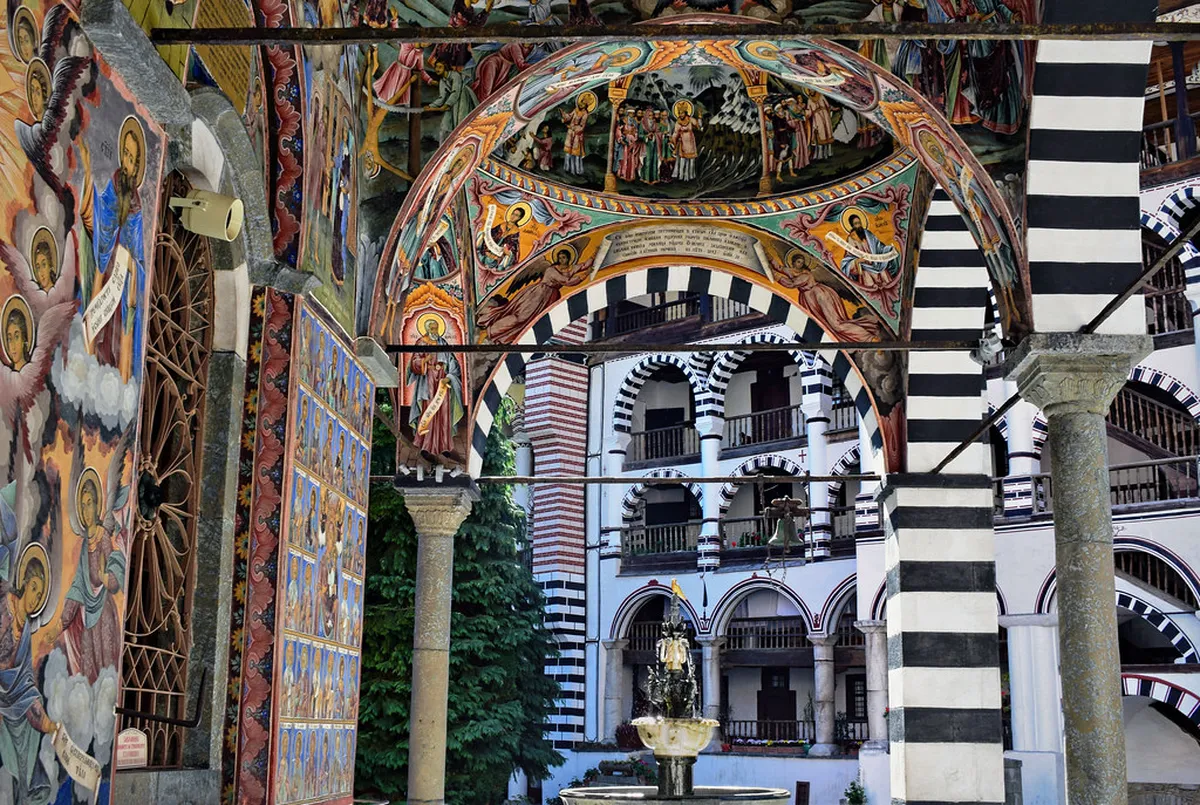
Stepping into a Bulgarian monastery is stepping into a living archive. The interior walls are typically covered from floor to ceiling in frescoes depicting biblical scenes, local saints, and — uniquely in the Bulgarian tradition — everyday village life and merchants from the National Revival period. These paintings were not merely decorative; they were designed to educate a mostly illiterate population during the Ottoman centuries when Bulgarian-language schooling was suppressed.
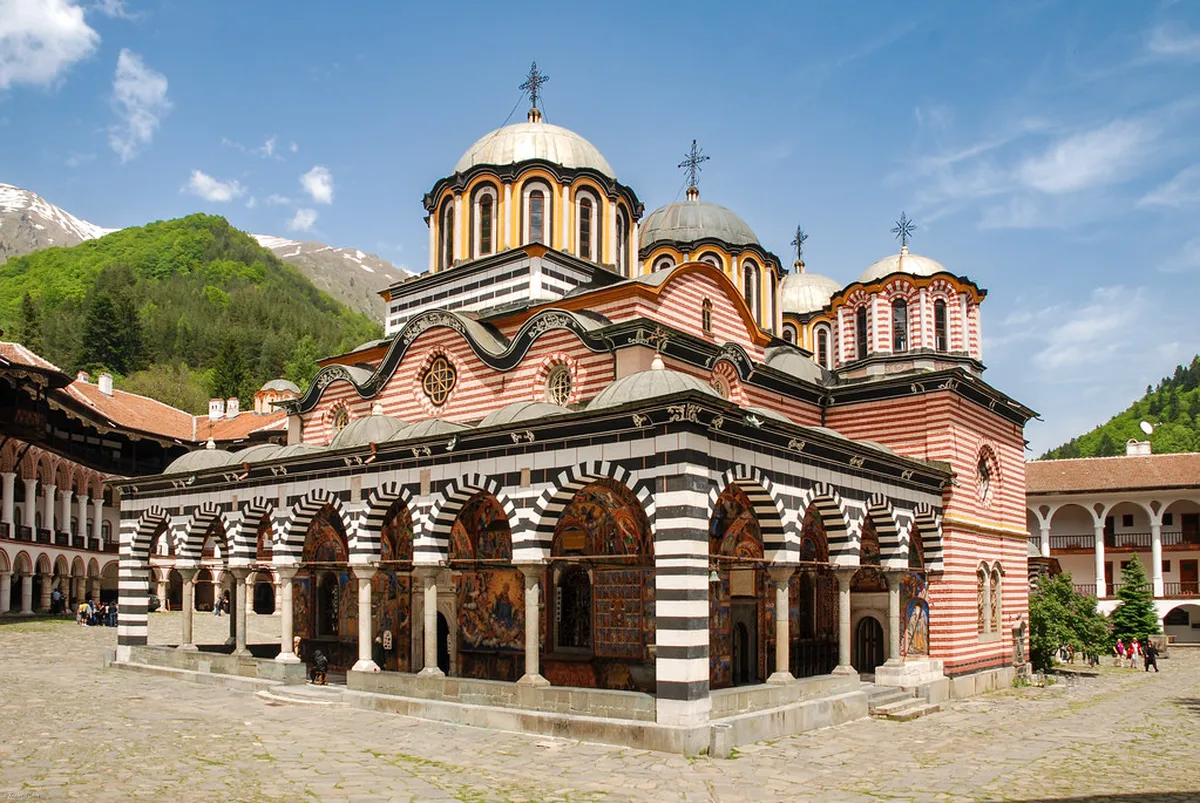
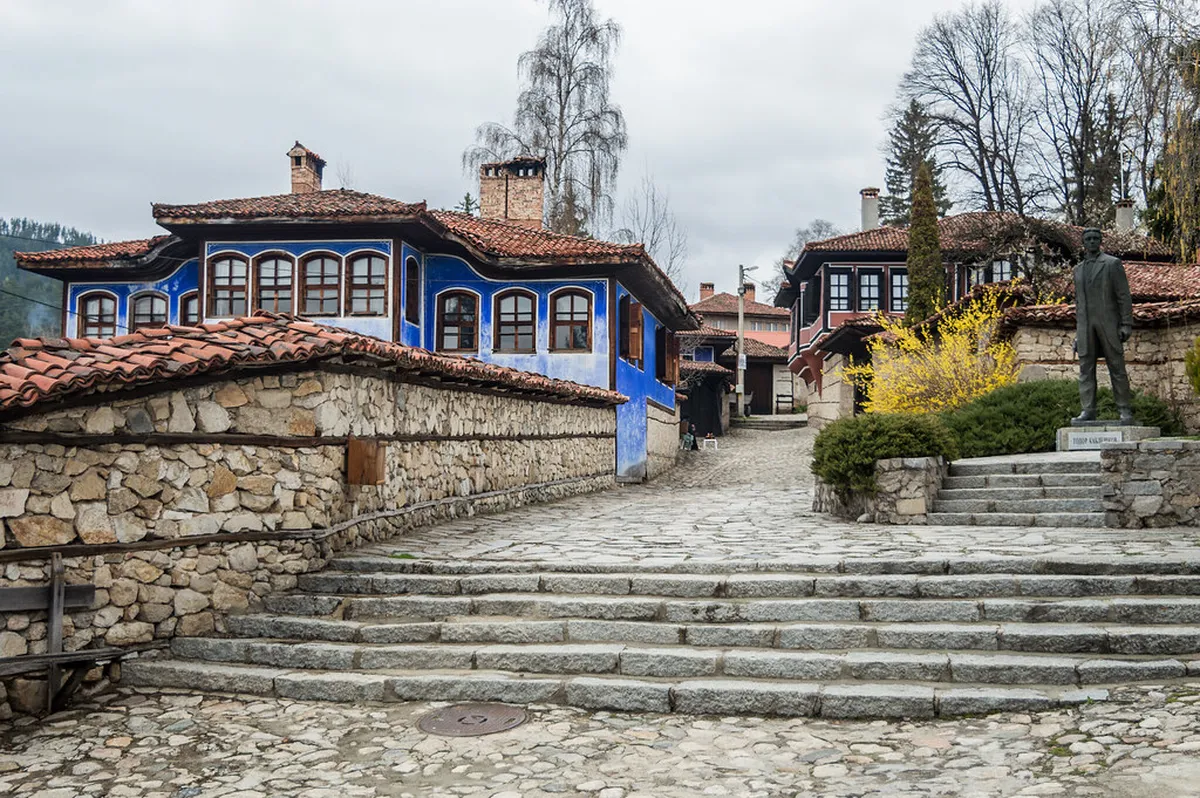
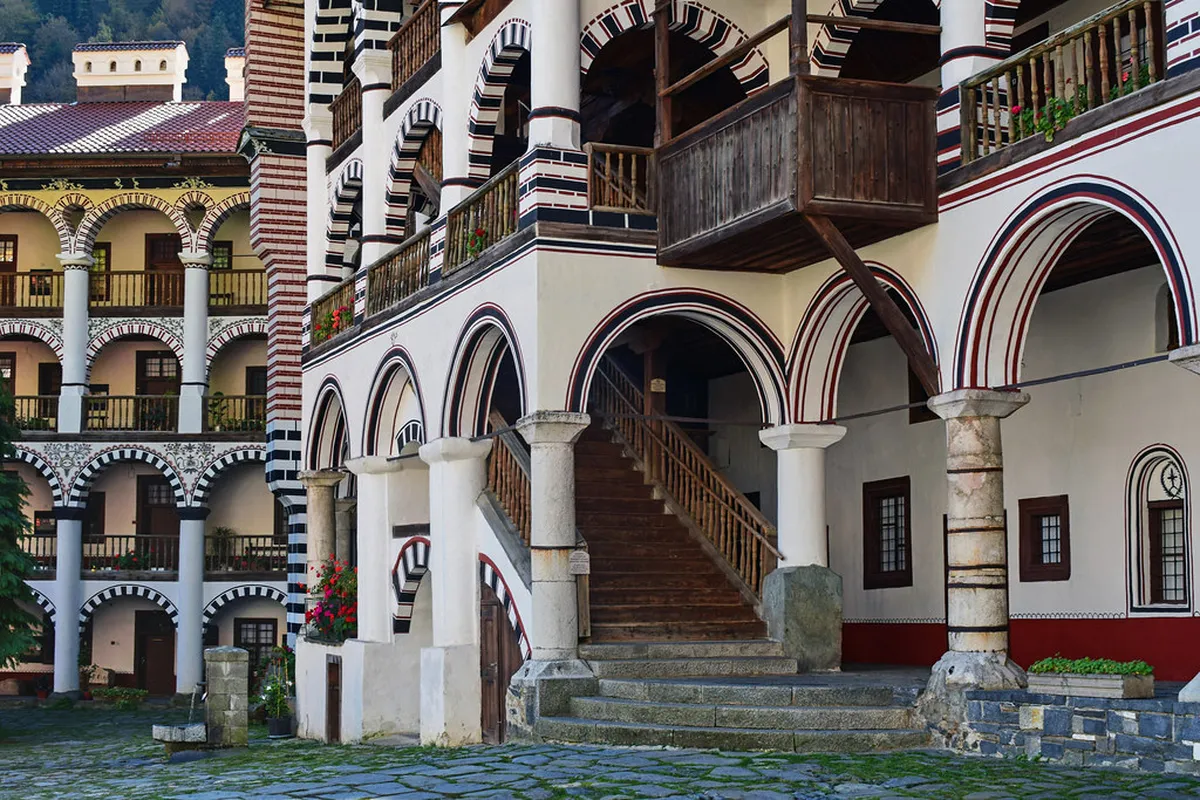
The architecture is equally distinctive. The "National Revival" style, which flourished in the 18th and 19th centuries, features bold striped facades, wooden balconies with carved railings, and large cobbled courtyards. Many of these complexes were essentially small fortresses, with high external walls and a single defended gateway. They survive today because they were genuinely hard to destroy. The Bulgarian Orthodox Church continues to maintain most of these sites as active monastic communities.
Religious tourism in Bulgaria is not only for the devout. The monasteries sit in some of the most beautiful landscapes in the Balkans — gorges, mountain ridges, and river valleys that reward the journey regardless of your faith. Several are close enough to major cities for a half-day excursion, while others require a dedicated trip. The atmosphere in the smaller sites remains deeply quiet, with the scent of beeswax candles and the distant sound of bells the only background.
Planning Your Monastery Route: Distances and Regions
Bulgaria's monasteries are spread across four broad geographic zones. Knowing which zone you will be in helps you group sites efficiently without backtracking on slow mountain roads. The table below shows approximate driving distance from Sofia for each of the 15 sites, so you can build a logical circuit.
- Central Balkan Mountains (Sofia as base): Cheripish / Sokolski / Troyan — 90–215 km, best combined on a 2-day loop through Gabrovo.
- Rhodope Mountains (Plovdiv as base): Bachkovo (27 km from Plovdiv) and Rozhen (187 km from Sofia, near Melnik) — pair with Melnik wine tasting.
- Rila and Pirin (Sofia as base): Rila (117 km), Rozhen (187 km) — a natural 2-day south loop.
- North and Northeast (Ruse / Veliko Tarnovo as base): Basarbovo (10 km from Ruse), Ivanovo (20 km from Ruse), Transfiguration and Patriarchal (both near Veliko Tarnovo at 228–238 km from Sofia).
- Remote outliers: Razboishte (69 km from Sofia, near Dragoman), Golyamo Bukovo (384 km, Strandzha Mountains — best combined with a Black Sea stay).
| Monastery | Region | Km from Sofia | Best For | Entry Fee |
|---|---|---|---|---|
| Rila | Rila Mountains | 117 | Frescoes, UNESCO | Museum 10 BGN, church free |
| Bachkovo | Rhodope Mountains | 27 from Plovdiv | Icons, ossuary | Museum 5 BGN, church free |
| Troyan | Balkan Mountains | 159 | Levski history, Zograf frescoes | Museum 4–6 BGN, grounds free |
| Rozhen | Pirin Mountains | 187 | Medieval fabric, Melnik trail | Free |
| Basarbovo | Northeast Bulgaria | ~10 from Ruse | Active rock monastery | 3–4 BGN |
| Aladzha | Black Sea Coast | ~350 | Rock-hewn, light show | 5 BGN |
| Ivanovo | Northeast Bulgaria | 20 from Ruse | UNESCO frescoes, Tarnovo School | 6 BGN |
| Razboishte | Central Bulgaria | 69 | Remote cave-hermit tradition | Free |
| Sokolski | Balkan Mountains | 215 | Ficheto fountain, panoramic views | Free |
| Cheripish | Iskar Gorge | 91 | Literary history, Ivan Vazov | Free |
| Transfiguration | Veliko Tarnovo | 228 | Wheel of Life fresco | Small fee |
| Patriarchal Holy Trinity | Veliko Tarnovo | 238 | Tarnovo Literary School | Free |
| Lyaskovets | Veliko Tarnovo region | ~225 | Defensive architecture, views | Free |
| Glozhene | Central Balkans | 99 | Vasil Levski link | Free |
| Chirpan | Maritsa plain | 201 | Oldest in Europe (344 AD) | Free |
Mountain roads in Bulgaria are slower than they appear on a map. A 150 km drive through the Rhodopes or the Iskar Gorge typically takes 2.5 to 3 hours, not 90 minutes. Budget generously. If you are using Sofia as your only base, a realistic 3-day itinerary covers Rila on day one, Troyan and Sokolski on day two, and either Cheripish or Razboishte on day three. For the north, Ruse makes the ideal overnight stop for the rock-hewn cluster at Basarbovo and Ivanovo.
Some higher-altitude sites — particularly Troyan and Sokolski in the central Balkans — can be difficult to reach after heavy snowfall between December and March. The road to Golyamo Bukovo in the Strandzha is unpaved and poorly maintained; a high-clearance vehicle is strongly recommended outside of dry summer months. For a dedicated Bachkovo Monastery visit, the road from Plovdiv via Asenovgrad is paved and open year-round, making it the safest winter monastery excursion in the south.
Dress Code and Etiquette at Orthodox Monasteries
Orthodox monasteries in Bulgaria enforce a strict dress code, and the rules are applied at the entrance gate, not suggested politely at the door. Men must not wear shorts or sleeveless tops. Women must cover their shoulders, have their arms below the elbow covered, and wear skirts or trousers that reach below the knee. At larger sites like Rila, wrap-around skirts are available to borrow at the entrance, but they run out during peak hours. Bring your own to avoid queuing.
Photography is forbidden inside all church interiors to protect the ancient frescoes from flash damage. You may photograph freely in the courtyards and on the exterior walls. If you want to light a candle — a meaningful gesture even for non-religious visitors — purchase them from the stand near the church entrance for a few Lev and place them in the sand tray provided. Do not leave lit candles unattended in holders not designed for them.
Silence is expected inside the walls, especially during morning and evening liturgy (typically 08:00 and 17:00). Turn your phone to silent mode before entering any gate. If a monk or nun is walking across the courtyard, step aside rather than cutting across their path. These are active religious communities, not open-air museums, and monks you encounter are not staff — they live and work here. A respectful nod is appropriate; stopping them for directions or questions should be brief.
Bring your own wrap skirt to avoid long queues at Rila during peak hours, and plan to arrive before 09:30 to see the morning light on the colonnades before the tour buses arrive.
The 15 Best Bulgarian Monasteries
This list moves from the most essential sites to increasingly specialist destinations. The first five are the sites every visitor to Bulgaria should try to see at least once. The remaining ten reward those who want to go deeper into the rock-hewn tradition, the revolutionary era, or the remote Strandzha and Rhodope landscapes.
1. Rila Monastery
Rila is the largest monastery in Bulgaria and one of the most important cultural monuments in the Orthodox world. Founded in the 10th century by Saint Ivan of Rila, Bulgaria's most revered hermit saint, it was rebuilt into its current monumental form between 1816 and 1847. The complex covers 8,800 m² and includes the main Church of the Nativity of the Virgin, crowned with five domes, with two side aisles and three altars. UNESCO listed it as a World Heritage Site in 1983.
The frescoes inside the church and the surrounding colonnades are the main reason to visit. Painted by masters of the Samokov and Bansko schools, they are vivid, dense, and technically extraordinary — over 1,200 scenes covering every surface from floor level to the highest dome. The monastery museum holds the Cross of Raphael, an 18th-century carved wooden cross with 104 biblical scenes visible only under magnification, and one of Bulgaria's most revered icons, the Hodegetria.
Rila sits 117 km south of Sofia in the Rila Mountains. It is open daily from 08:00 to 20:00. Museum entry costs approximately 10 BGN. The monastery church and courtyard are free. Arrive before 09:30 to see the morning light on the colonnades before the tour buses arrive from Sofia. The monastery also offers basic overnight accommodation for pilgrims at around 30–40 BGN per person; book by calling the monastery directly.
2. Bachkovo Monastery
The second-largest monastery in Bulgaria, Bachkovo was founded in 1083 by the Georgian Byzantine commander Gregory Pakourianos. It sits in the Rhodope Mountains, 27 km south of Plovdiv near the village of Bachkovo, and retains a visible Georgian architectural influence in its oldest sections. The current Church of the Assumption of the Virgin was built in 1604 on the foundations of the original Pakourianos church.
The key object inside is a miraculous icon of the Holy Virgin, believed by the faithful to grant healing and protection. The 17th-century "Panorama" fresco in the refectory is one of the most celebrated examples of Bulgarian fresco painting. Outside the main complex, the ossuary contains some of the oldest surviving frescoes in the Balkans — request access from the monk on duty.
Bachkovo is open daily from 08:00 to 19:00 and is straightforward to reach on the Bachkovo Monastery route from Plovdiv by car or taxi along the Asenovgrad road. See our dedicated guide for detailed directions and what to see on the walk between the monastery and Asen's Fortress upstream.
3. Troyan Monastery
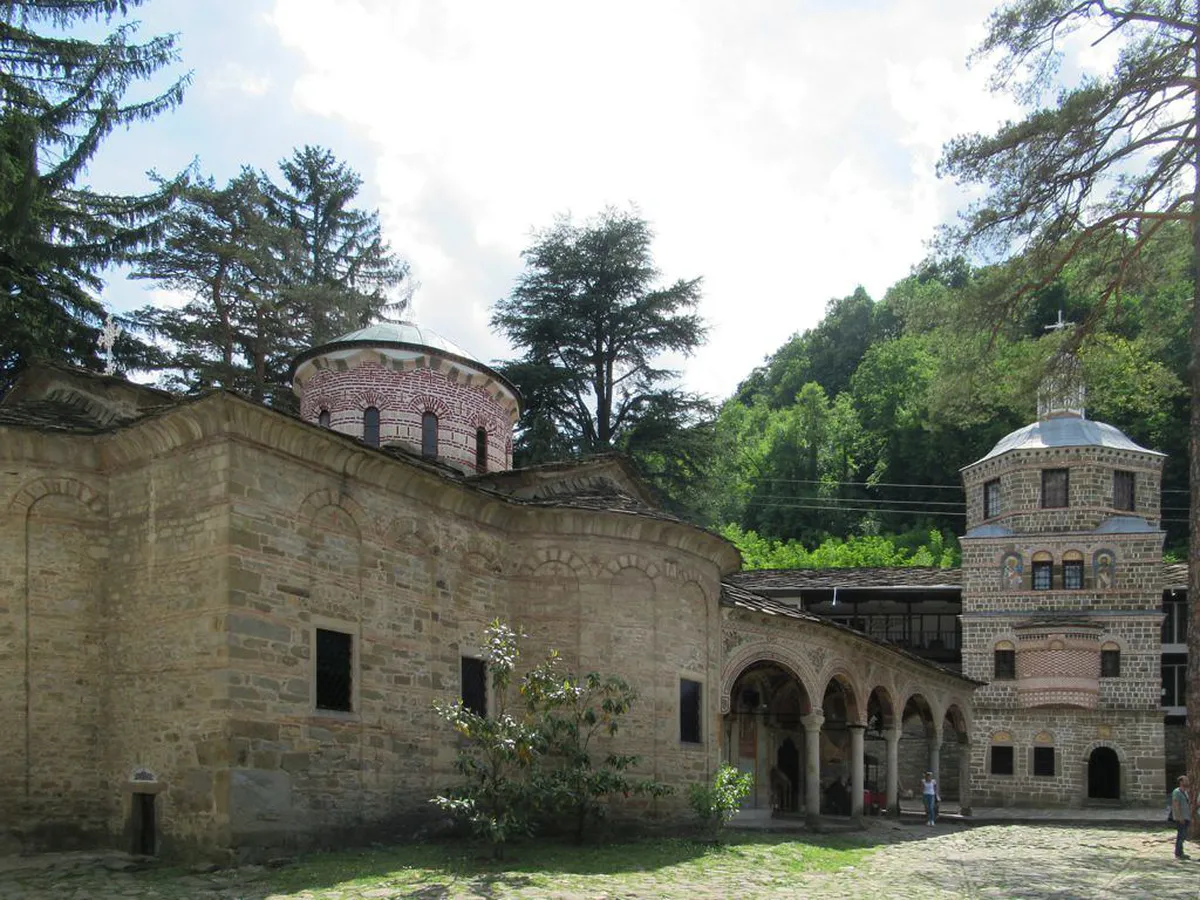
Troyan is the third-largest monastery in Bulgaria and the largest in the Stara Planina (Balkan) mountain range. It stands on the banks of the Cherni Osam River near the village of Oreshak, about 159 km from Sofia. Founded in the early 17th century by an unknown hermit monk, it was burned and looted several times during the Ottoman period and rebuilt progressively through the 19th century.
The primary draw is the miraculous icon of the Three-Handed Virgin (Troeruchitsa), brought from Mount Athos, which gives the monastery its distinctive identity. The main Church of the Assumption is decorated with exceptional frescoes by Zahari Zograf, the most prolific Bulgarian master of the National Revival era. The wood-carved iconostasis inside is particularly detailed. Museum entry is a small fee; the church itself is free. The village of Oreshak, a 5-minute walk away, is one of Bulgaria's main centers of traditional pottery.
Troyan is open daily to approximately 19:00. The mountain road from Troyan town to the monastery is paved and well-maintained but can ice over in January and February. An overnight stay is possible; the monastery guesthouse offers simple rooms at modest rates.
4. Rozhen Monastery
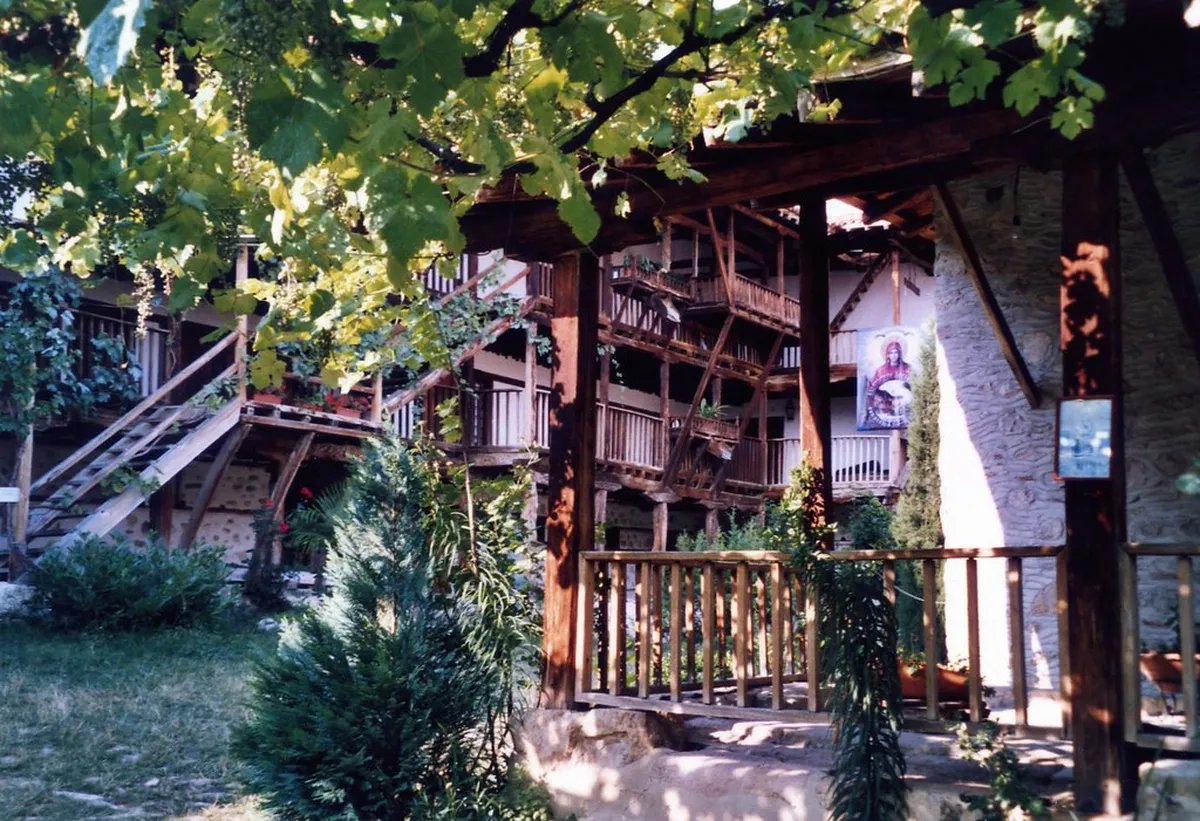
Rozhen is one of the few medieval monasteries in Bulgaria to survive essentially intact, retaining its original wooden galleries, vine-covered stone walls, and medieval proportions. It stands 6 km from the town of Melnik in the southwestern Pirin Mountains, at about 187 km from Sofia. The monastery holds the miraculous icon of the Virgin Portaitissa and the tomb of Yane Sandanski, the revolutionary leader whose army fought against the Ottomans during the Balkan War.
The monastery's calligraphic school, active since the 14th century, produced one of the rarest Bulgarian manuscripts: a unique copy of the "Interpretation of the Book of Job." This is a detail that sets Rozhen apart from most other Bulgarian monasteries — it was a literary and scholarly center, not only a place of prayer. Open daily from 08:00 to 18:00, with free entry to the grounds.
The best approach is the eco-trail between Melnik and Rozhen through the sand pyramids — a 3–4 km walk through extraordinary sandstone formations with panoramic views of the Pirin Mountains at the end. See our full Rozhen Monastery for the trail map and wine-tasting options in Melnik.
5. Basarbovo Rock Monastery
Basarbovo is the only active rock monastery in Bulgaria — a status that makes it genuinely unique. Monks still live in cells carved into the limestone cliffs of the Rusenski Lom valley, about 10 km south of Ruse. The monastery became famous in the 17th century after the death of Saint Dimitar Basarbovski, a local shepherd who lived as a hermit in these rocks and was canonized after his death in 1685. His relics are kept here.
The site is compact and easily visited in under an hour, but the cliff setting is dramatic — the church is accessed by steep stone stairs cut directly into the rock face, and the cells are visible in the cliffside above. Entry is approximately 3–4 BGN. Open daily from 08:00 to 19:00. Combine it with Ivanovo as part of the best Ruse day trips for maximum efficiency.
6. Aladzha Monastery
Aladzha is the most visited rock monastery on the Black Sea coast, carved into a 40-meter limestone cliff 14 km north of Varna, near the Golden Sands resort. The name comes from the Turkish for "colorful," a reference to the vivid medieval murals that once covered its cave walls. The monastery was inhabited by Hesychast monks during the Second Bulgarian Empire — hermits practicing silent prayer who found the isolated cliff face ideal for contemplation.
Today the complex is uninhabited and operated as a site museum, with rooms on three or four levels connected by stairs and narrow paths cut into the rock. A small museum at the base explains the monastery's history. The catacombs, about 600 m from the main complex, are worth the short detour. In summer evenings, the cliff face hosts an audio-visual show — "Legends of Aladzha Monastery" — which projects the monastery's history onto the rock using light and sound. See our Aladzha Monastery for show times and seasonal ticket prices.
7. Ivanovo Rock Monastery
Ivanovo is a UNESCO World Heritage Site in its own right, separate from Rila, recognized for the 14th-century frescoes inside its main church, the Church of the Blessed Virgin Mary. These paintings represent a peak of the Tarnovo School — refined, naturalistic figures in pastel colors that were unprecedented for the era. The church is carved 36 meters above sea level into the cliffs of the Rusenski Lom Nature Park Visitor Guide, 20 km from Ruse.
The complex once included 300 monastic cells, 20 churches, and numerous chapels, though today only five churches retain authentic fresco fragments. The site is open from 09:00 to 18:00, with an entry fee of approximately 6 BGN. Comfortable shoes are essential — the stone staircase to the main church is long and can be slippery after rain. There are no facilities at the top; bring water.
8. Razboishte Monastery
Razboishte is one of Bulgaria's most unusual sacred sites — a tiny white church built directly inside a natural cave above the Nishava River gorge, about 69 km from Sofia near the village of Razboishte and the town of Dragoman. In the Middle Ages, hermit monks inhabited the caves of this gorge, and the site may have functioned as a rock monastery complex as early as the First or Second Bulgarian Kingdom.
The approach from the village takes about 20 minutes on foot along a riverside path. The gorge is genuine wilderness — narrow, heavily forested, and cut through with the sound of the river below. The resident nun may not always be present, but the church itself is usually accessible during daylight hours. This site rewards adventurous travelers who want to see the rock-hermit tradition in its most basic, unrestored form.
9. Sokolski Monastery
Sokolski monastery sits near the city of Gabrovo at 215 km from Sofia, on a cliff edge in the central Balkan Mountains. It was constructed primarily in the National Revival style during the 19th century. The most famous feature is the eight-spouted stone fountain in the courtyard, built by master Kolyu Ficheto — the same architect responsible for the bridge at Byala and the Episcopal Church in Plovdiv. Icons inside the church were painted by Zahari Zograf, the other great name of the Bulgarian Revival.
The terrace above the courtyard offers panoramic views across the Balkan range, especially striking in October when the beech forests turn gold. Admission to the grounds is free. Open daily from 08:00 to 20:00. The cave referenced in the local name "Sokolska Cave" is visible just above the monastery complex.
10. Cheripish Monastery
Cheripish sits in the dramatic Iskar Gorge, 91 km from Sofia, on the banks of the Iskar River beneath limestone cliffs. Despite being one of the smaller monasteries in Bulgaria, it carries an outsized literary and revolutionary history. The Bulgarian national writer Ivan Vazov and his contemporary Aleko Konstantinov both retreated here to write. The 17th-century writer and translator Sofroniy Vrachanski hid here twice during the Ottoman period. The 1612 Cherepish Gospel, with its gilded cover, was produced at the monastery's scriptorium.
The name of the monastery, according to one tradition, derives from a battle near this site where Tsar Ivan Shishman defeated Ottoman forces — "cherepish" relating to the bleaching bones left on the field. Open daily from 08:00 to 18:00. Easily reached by train through the Iskar Gorge or by car on the road toward Vratsa. Look for the small museum room dedicated to Ivan Vazov's time here.
11. Monastery of the Holy Transfiguration of God
This monastery near Veliko Tarnovo, built into the cliffs above the Yantra River, is famous for the "Wheel of Life" fresco — a circular composition depicting the stages of human existence from birth through death, which is one of the most photographed images in Bulgarian ecclesiastical art. The monastery was founded in the 11th century and rebuilt extensively during the Bulgarian Revival by the same masters who worked at Rila and Troyan.
A dramatic feature of the site is the enormous boulders that fell during a rockslide in the 1990s and stopped just short of the main church. The monks regard this as miraculous; the boulders remain where they fell. Open daily from 09:00 to 18:00 with a modest entry fee. The view of the cliffs and the Yantra valley from the monastery terrace is one of the best in central Bulgaria.
12. Patriarchal Monastery of the Holy Trinity
Founded in the 14th century near Veliko Tarnovo, this monastery was a major intellectual center of the Tarnovo Literary School — the school of scribes and theologians that produced some of the most important Bulgarian-language manuscripts of the medieval period. It sits on the opposite bank of the Yantra River from the Transfiguration Monastery, at the foot of the steep Arbanash plateau, 6 km north of the city.
The interior contains frescoes by masters of the Tarnovo School. The hike from the city to the monastery is steep but short and passes through terrain that gives an excellent view of the dramatic geography of the medieval Bulgarian capital. Open daily; verify hours locally as they can vary seasonally.
13. Lyaskovets Monastery
Lyaskovets sits atop a high rock plateau near the town of Lyaskovets, another of the cluster of medieval monasteries in the Veliko Tarnovo region. The complex looks more like a fortified tower than a typical monastery from the exterior, with high stone walls that once gave it genuine defensive capability. The 360-degree view from the monastery yard encompasses Lyaskovets, Gorna Oryahovitsa, and the surrounding Danube plain.
Open daily from 09:00 to 18:00. The narrow winding road up the cliff requires careful driving — yield to descending vehicles at the wider passing points. It is a popular local venue for outdoor weddings in summer months, so call ahead if you want to visit on a weekend in June or July.
14. Glozhene Monastery
Glozhene is one of Bulgaria's oldest monasteries, founded during the reign of Tsar Ivan Asen II in the 13th century, about 99 km from Sofia near the town of Teteven. It is perched high on a cliff face above the Iskar River, and the view from its terrace is exceptional. During the Ottoman period, it maintained a church school and provided shelter to Bulgarian freedom fighters, most famously Vasil Levski — the revolutionary national hero known as the Apostle of Freedom — who used it as a refuge and organizational base during his clandestine network-building in the 1860s and 1870s.
This connection to Levski is genuine and documented; the monastery is one of several in Bulgaria that can claim a direct link to the liberation movement. This makes it especially compelling for visitors interested in Bulgarian history beyond the strictly ecclesiastical. The road from Teteven climbs steeply to the site, approximately 16 km. Combine with the Cheripish or Klisurski monastery on a central Balkans circuit.
15. Chirpan Monastery
Chirpan claims the distinction of being the oldest continuously active monastery in Europe. Founded in 344 AD by Saint Athanasius of Alexandria — then the patriarch of the Alexandrian church — the monastery has been in continuous use for over 1,600 years. Located near the village of Zlatna Livada close to the Maritsa motorway, approximately 201 km from Sofia, it is a straightforward detour on the Sofia–Burgas or Sofia–Edirne corridor.
The site is modest in scale compared to Rila or Bachkovo, but the historical claim is remarkable. The small cave where Saint Athanasius lived as a hermit is a short walk from the main church and is the most atmospheric part of the visit. Entry is free. Open daily from 08:00 to 18:00. Visit on a weekday morning to have the cave to yourself — it sees very few foreign tourists.
How to Plan a Bulgarian Monastery Road Trip in 2026
Bulgaria's monasteries are spread widely enough that a single day trip from Sofia can realistically cover only one or two major sites. A 3-day self-drive circuit, however, lets you reach the most important clusters without backtracking on mountain roads. The distances and regional groupings in the planning table above make this easier to structure than it looks.
A practical 3-day route links the four most significant sites while keeping driving time manageable:
- Day 1 — Sofia south to Rila: Rila Monastery (117 km from Sofia) is the natural starting point — the largest, most frescoed, and the UNESCO anchor of any Bulgarian monastery itinerary. Allow a full morning and return to Sofia or continue south toward Plovdiv for the night.
- Day 2 — Plovdiv and the Rhodopes to Ruse: Begin in Plovdiv and drive 27 km south to Bachkovo Monastery, then head north toward Ruse. The drive from Plovdiv to Ruse via the Maritsa motorway takes roughly 2.5 hours. A short detour to Chirpan (near the motorway, 201 km from Sofia) adds the oldest-in-Europe claimant without significant time cost. Entry at Chirpan is free.
- Day 3 — The northeast rock-hewn cluster from Ruse: Ruse is the ideal base for the two UNESCO-linked rock sites. Basarbovo Rock Monastery is 10 km from the city center — Bulgaria's only active rock monastery, entry approximately 3–4 BGN, accessible in under an hour. Ivanovo Rock Monastery is 20 km further, entry 6 BGN, and requires comfortable footwear for the stone staircase to the UNESCO-listed fresco church. Both can be combined in a single half-day before the return drive to Sofia (240 km, roughly 3 hours).
Total driving for the 3-day circuit is approximately 700 km on predominantly paved roads. Budget 30–50 BGN per person for entry fees across the four paid sites combined (Rila museum, Bachkovo museum, Basarbovo, Ivanovo), with Chirpan, Rila church, and Bachkovo church all free. Overnight options near each cluster include the monastery guesthouses at Rila and Troyan (book ahead in summer) or standard hotels in Plovdiv and Ruse for those who prefer more amenities.
Staying Overnight in a Bulgarian Monastery
Several major sites offer basic pilgrim accommodations for a modest fee. Rila, Troyan, and Bachkovo all have guesthouse rooms within the monastery walls — simple, with shared bathrooms, but clean and extremely quiet. Rates typically run between 30 and 50 BGN per person per night in 2026. The experience is unlike any hotel: you share the courtyard with monks at dawn, hear the bells for morning liturgy, and eat simple meals in a refectory that has barely changed in two centuries.
Book by contacting the monasteries directly; Rila in particular fills up on summer weekends and major Orthodox feast days (especially 19 October, the feast of Saint Ivan of Rila). Troyan is popular on 15 August (Assumption of the Virgin), the feast day shared by several Bulgarian monasteries. If you are traveling in July or August and want an overnight stay, call at least two weeks in advance. For logistics on the southern circuit, the Bachkovo Monastery transport tips options make a half-day excursion straightforward without needing a car.
The most peaceful overnight monasteries are Rila, Troyan, and Bachkovo, all offering simple pilgrim rooms at 30–50 BGN per person per night. These remote locations provide the quietest experience and the deepest immersion in monastic life.
Explore more: Best Bulgarian Monasteries: UNESCO & lesser-known places
Use these focused guides to plan the details, compare options, and build an itinerary that fits your trip.
Frequently Asked Questions
What is the best time of year to visit Bulgarian monasteries?
Late spring and early autumn offer the best weather for mountain travel and hiking. May and June provide lush green landscapes, while September offers pleasant temperatures and fewer crowds than the peak summer months.
Is there an entrance fee for Bulgarian monasteries?
Most monastery courtyards and main churches are free to enter for visitors. However, on-site museums and specialized historical buildings typically charge a small fee, usually between $3 and $8 per adult.
Can I stay overnight in a Bulgarian monastery?
Several major sites, including Rila and Troyan, offer basic pilgrim accommodations for a modest fee. These rooms are usually simple with shared facilities, providing a unique and quiet overnight experience in the mountains.
Bulgarian monasteries are far more than religious buildings. They are the keepers of a nation's language, art, and resilience — archives that survived fires, looting, and five centuries of foreign occupation to arrive in 2026 still functioning, still beautiful, and still deeply quiet. From the fortress walls of Rila to the hermit cave at Chirpan and the cliff-carved cells at Basarbovo, each site holds a different chapter of the same extraordinary story.
Use the regional groupings and distance notes in this guide to plan a realistic circuit. Respect the dress code, arrive early at the headline sites, and take time at the smaller ones where the crowds never come. Bulgaria's heritage rewards the unhurried visitor above all.
Explore Bulgaria's Monasteries
Region-by-region guides to the most rewarding monasteries to visit in 2026.
- Bachkovo Monastery — Bulgaria's second-largest, near Plovdiv
- Aladzha Monastery — cliff-carved cave complex near Varna
- Rozhen Monastery — the Pirin highlands above Melnik
- Troyan Monastery — Zahari Zograf murals in the Balkan range
- Basarbovo Rock Monastery — Bulgaria's only active rock-hewn monastery
- Rila Monastery day trip — the UNESCO flagship
Related planning guides
Use these focused guides to continue planning: