10 Best Things to Do in Sozopol Old Town (2026)
Sozopol Old Town, perched on a rocky peninsula along Bulgaria's Black Sea coast, offers a captivating journey through time. Its charm lies in a unique blend of ancient history, preserved Revival architecture, and a laid-back seaside atmosphere. This guide, updated for 2026, covers the very best experiences — from exploring ancient ruins and vampire skeletons in the Archaeological Museum to savoring fresh Black Sea fish and local fig wine in the narrow lanes of the Old Town.
To familiarize yourself with the Old Town's layout and atmosphere, this walking tour showcases the narrow lanes and fortress walls:
What Makes Sozopol Old Town Special?
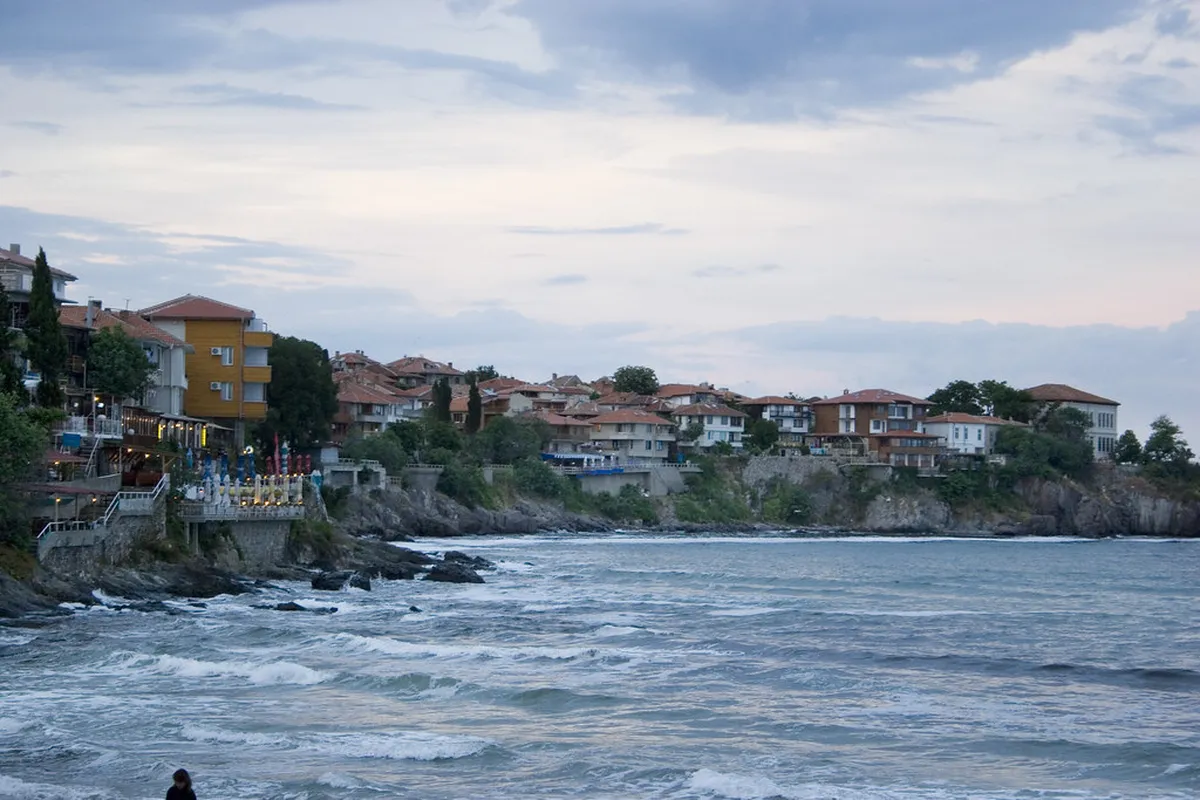
Sozopol Old Town stands as one of the oldest continuously inhabited places on the Bulgarian Black Sea coast, with over 7,000 years of settlement history. Its origins stretch from Thracian tribes through a major Greek colony named Apollonia Pontica, founded in the 7th century BC, through Roman rule and Ottoman occupation. That layered past is still visibly embedded in the peninsula's architecture, streets, and museum collections. Many visitors are surprised to find it is not a reconstructed heritage district — people still live here, and cats sleep on the doorsteps of houses built two centuries ago.
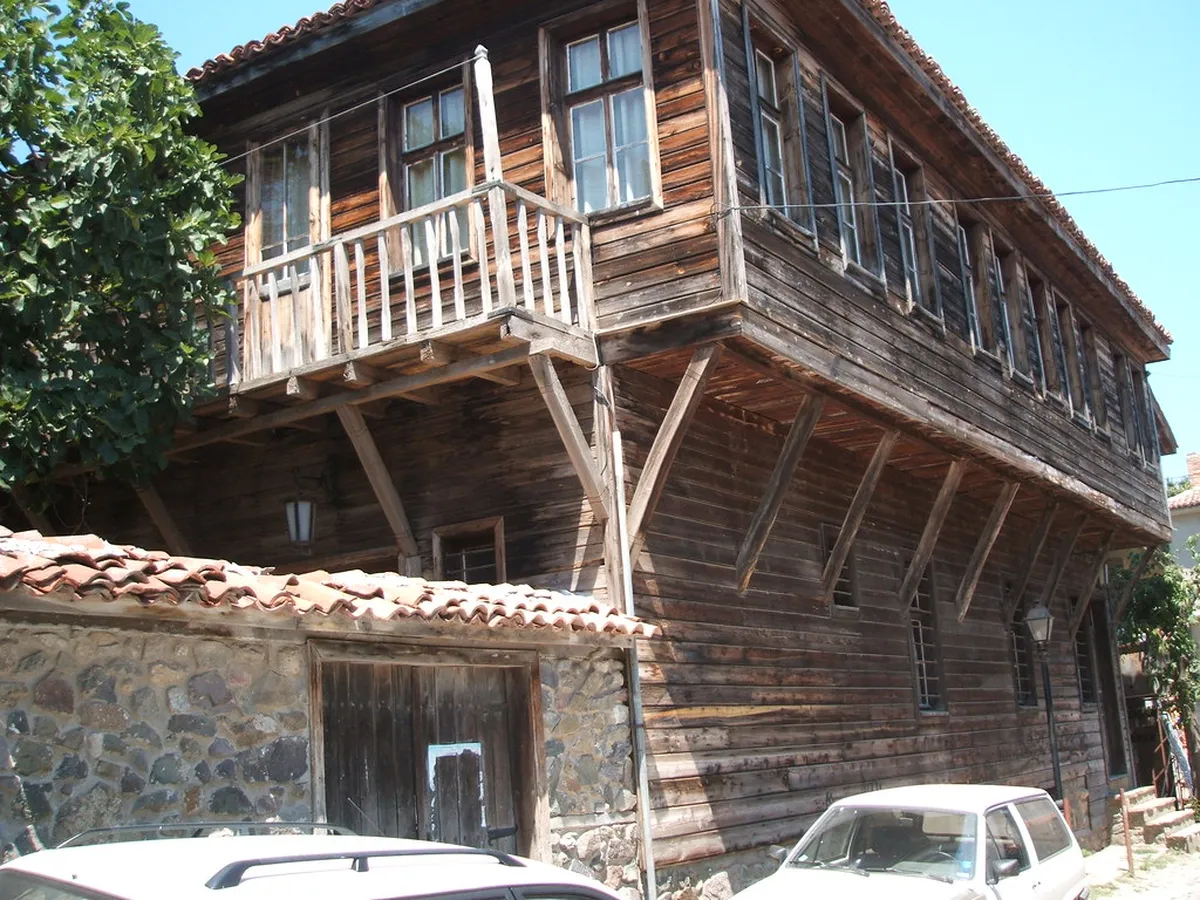
The Old Town is particularly known for its Bulgarian National Revival period architecture. Narrow, winding cobblestone streets are lined with wooden houses featuring stone ground floors and overhanging upper levels supported on timber brackets. More than 180 of these structures survive from the 18th and 19th centuries. Many now serve as guesthouses, galleries, or restaurants, but their exteriors remain remarkably intact.
What sets Sozopol apart from other Black Sea resorts is the depth of its history beneath the surface. The underwater ruins of Apollonia Pontica — ancient anchors, amphorae, and fragments of the Greek colonial settlement — sit on the seabed just offshore. Several diving operators run trips to explore them each summer, making Sozopol one of the few places in Bulgaria where you can literally swim through the ruins of antiquity. No other Bulgarian seaside town offers this combination of above-ground heritage and accessible underwater archaeology.
Beyond its historical depth, Sozopol offers a vibrant seasonal experience. The famous Apollonia Art Festival transforms the town at the end of August and early September, filling its open-air amphitheatre with Bulgarian and international artists. Visiting in the quieter off-season reveals a more tranquil, authentic character — the locals who have been coming here their whole lives from Burgas, Plovdiv and Sofia often prefer May, June or September precisely for this reason.
Getting to Sozopol Old Town: Your Travel Options
Sozopol is approximately 35 kilometres south of Burgas, Bulgaria's fourth-largest city and its closest airport hub. The easiest way to arrive is by bus from Burgas Station South Terminal (Avtogara Yug). Look for bus stop #5 at the back of the terminal. Buses — labelled either "Burgas Bus" or "Sozopol Bus" — run every 30–60 minutes from approximately 06:30 to 21:30 during the summer season. The journey takes about 40 minutes and costs 5 BGN, paid on the bus in cash. You can check current schedules on the Burgas Bus website before you travel.
If you are flying into Bulgaria, Burgas Airport (BOJ) is the closest international gateway, roughly 20 minutes from the city centre by taxi. From the airport, take a taxi to Burgas Station South Terminal and connect to the Sozopol bus. Pre-booking an airport transfer can save time, especially for late arrivals when buses may be less frequent.
Driving gives you flexibility and the coastal road is scenic. However, parking within the Old Town peninsula is effectively impossible during July and August. Use the paid car parks just outside the peninsula entrance and walk in from there. Plan for serious traffic congestion on the approach roads during peak weekends. For day-trippers from Sozopol itself, the entire Old Town is best navigated on foot — the cobblestone streets are car-free and walking them slowly is the point.
To return to Burgas, walk to the Sozopol bus stop near the main square and catch the bus back. The last bus departs around 21:30. Double-check the timetable online before your visit, especially if you plan to stay for an evening meal or a sunset walk along the fortress walls.
1. Explore the Ancient Fortress Walls and Towers
The fortress walls of Sozopol run mostly along the peninsula's southern coast and are one of the defining features of the Old Town's landscape. What you see today are later fortified walls built over older foundations, but they retain a genuine sense of scale. Along the circuit you can pick out the Ancient Gate of Sozopol (now reconstructed), two towers called bastions, a granary, and an ancient well. You can descend a flight of stairs to reach the base of the wall at sea level, where the stonework and the water meet in a way that is genuinely dramatic.
The Southern Fortress Wall and Tower Visitor Guide is the most-visited section and the easiest to find via a small stairway inside the Old Town. It offers panoramic views of the southern coast that are especially good in the late afternoon light. Most of the accessible sections are free and open around the clock. Walking the full length of the walls takes about 30–45 minutes at a relaxed pace and is one of the best free activities in the Old Town.
At the northeastern tip of the peninsula is Cape Skamni, where the Medieval Monastery of St Apostles stands among ancient ruins. Excavations between 2011 and 2015 uncovered figurines and ceramics from the Sanctuary of Demeter and Persephone dating to the 6th century BC. At the north end of the peninsula, fragments of another fortress wall with an archway survive from the late 6th century, near a 14th-century necropolis and the sites of ancient ceramic kilns. Neither spot is heavily developed, which means you can wander the rocky coastline without queues or entrance fees.
2. Wander the Cobblestone Streets and Revival Architecture
Walking the Old Town's streets is free, takes no planning, and is arguably the best thing you can do here. More than 180 Revival-era houses survive, built from the 18th and 19th centuries with two or three floors, exterior wood panelling, stone ground floors, and small courtyards visible through open gates. The streets run in no particular grid — they follow the contours of the peninsula — and getting briefly lost among them is both easy and enjoyable.
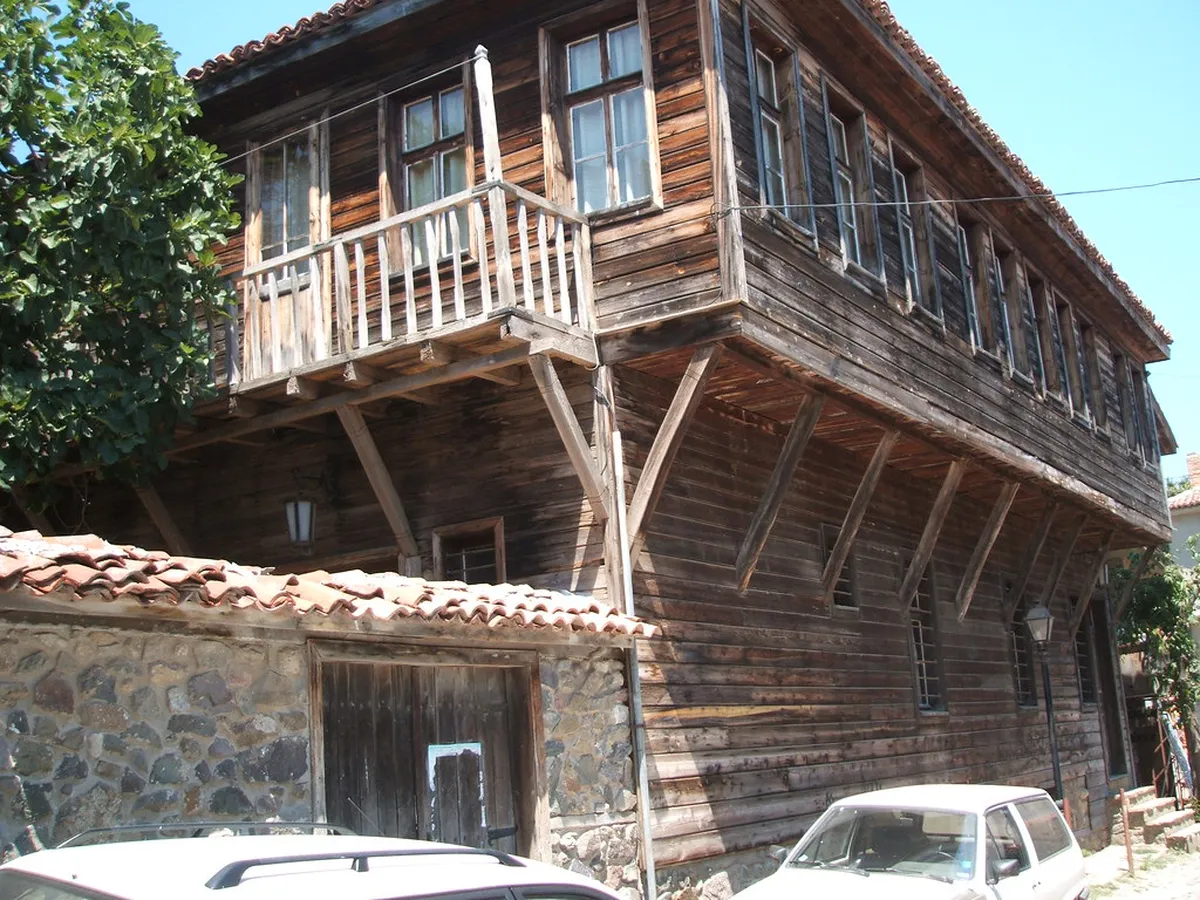
Look for intricate wood carvings on the upper-floor balconies and flower boxes fixed beneath first-floor windows. Many of the ground-floor spaces have been converted into art galleries and artisan shops selling handmade jewellery, local ceramics, and original paintings. Prices in the lanes off the main square are generally better than at the harbour-front stalls. Early mornings before 09:00 are the quietest time to photograph the streets — by 10:00 in peak season the lanes fill with day-trippers arriving on the Burgas buses.
The main square is where the bus drops you and where the largest concentration of cafes, restaurants and an open-air theatre cluster. Use it as your starting point rather than your destination. From there, head south into the residential lanes where fewer tourists go and the houses look more genuinely lived-in. This is the direction where you will find the fig trees — Sozopol's entire Old Town is threaded with them, and in late summer the fallen figs on the cobblestones give the streets a distinctive smell that regular visitors find immediately recognisable.
3. Visit the Sozopol Archaeological Museum
The Archaeological Museum holds one of the most genuinely surprising collections on the Bulgarian Black Sea coast. Its artifacts span from the 6th century BC to the 17th century AD — ancient ceramics, vases, terracotta statues, medieval amphorae, and Christian art that reflect the successive Greek, Roman, and Byzantine occupation of the peninsula. Plan at least 90 minutes to see it properly.
The exhibit that stops most visitors is the display of the "Sozopol vampires." In 2012, archaeologists discovered two medieval skeletons with iron stakes driven through their chests — a burial practice used when communities feared a corpse might rise and cause harm. The skeletons are approximately 700 years old. They are now displayed in the museum and are the most-discussed single exhibit in the building. It is genuinely unusual and worth seeing on its own terms, not just as a curiosity.
A separate case holds relics associated with Saint John the Baptist, retrieved from the nearby island of Sveti Ivan. The relics — small bone fragments in a 4th-century marble box — generated significant international media coverage when first discovered in 2010, and DNA analysis suggested they were consistent with a Middle Eastern male from the 1st century AD. Whether or not you attach religious significance to the find, the archaeological story behind their discovery is well presented here.
Opening hours are 09:00–18:00 from 1 June to 15 October. Between 16 October and 31 May, the museum opens 08:00–12:45 and 13:30–17:15, and closes at weekends. Admission is 7 BGN (approximately €3.50) for adults.
4. Discover the Ethnographic Museum
The Ethnographic Museum occupies a restored 19th-century Revival-era wooden house — a good example of the architecture itself, with its overhanging upper floor and stone base visible from the street before you enter. Inside, the collection covers traditional Bulgarian life along the Black Sea coast: local costumes, agricultural and fishing tools, weaving equipment, winemaking implements, and household objects that show how families in this area lived before mass tourism arrived.
The exhibits are smaller in scale than the Archaeological Museum and take about 45 minutes to move through comfortably. The displays on local fishing traditions are the most distinctive, covering the specific gear and techniques used for Black Sea species — a reminder that before Sozopol was a tourist town, it was a working fishing port. Admission is 4 BGN (approximately €2). Summer hours are 09:00–18:00. In winter the museum opens 08:30–12:45 and 13:30–17:15, closing on Mondays and Sundays.
5. See the Churches and Monasteries of the Old Town
Sozopol contains over 20 Orthodox churches and 5 monasteries within a very small area — more religious buildings per square kilometre than almost anywhere else in Bulgaria. You do not need to visit all of them. A focused selection covers the most historically significant and architecturally distinct.
St Zosim Church (open 17:00–21:00, closed Saturdays and Sundays) was built in 1857 and named after St Zosim Sozopolski, the patron saint of the town. His embossed image appears above the entrance door. St Cyril and Methodius Church (09:00–14:00 and 16:00–21:00), built in 1889, has colourfully frescoed ceilings and Bulgarian icon paintings by Ivan Dimitrov. The Holy Virgin Church is a late medieval structure built during the Ottoman period — unusually, the wooden interior was constructed half-buried in the ground, a workaround for Ottoman restrictions on the height of Christian buildings. These details are not obvious from the outside and worth looking up before you visit so you know what you are seeing.
The Church of St George the Victory-Bearer (09:00–13:00 and 14:00–18:00) houses valuable religious icons in the centre of the Old Town. The Medieval Church near the Archaeological Museum is built over residential ruins from the 2nd century BC and was later damaged by fire in the 19th century — its partially reconstructed state makes the layered history more legible than at fully intact sites. Dress modestly when entering any of the churches: shoulders and knees covered.
6. Relax at Sozopol's Three Beaches
Sozopol has three beaches, each with a distinct character, and choosing the right one for your visit makes a real difference to your day.
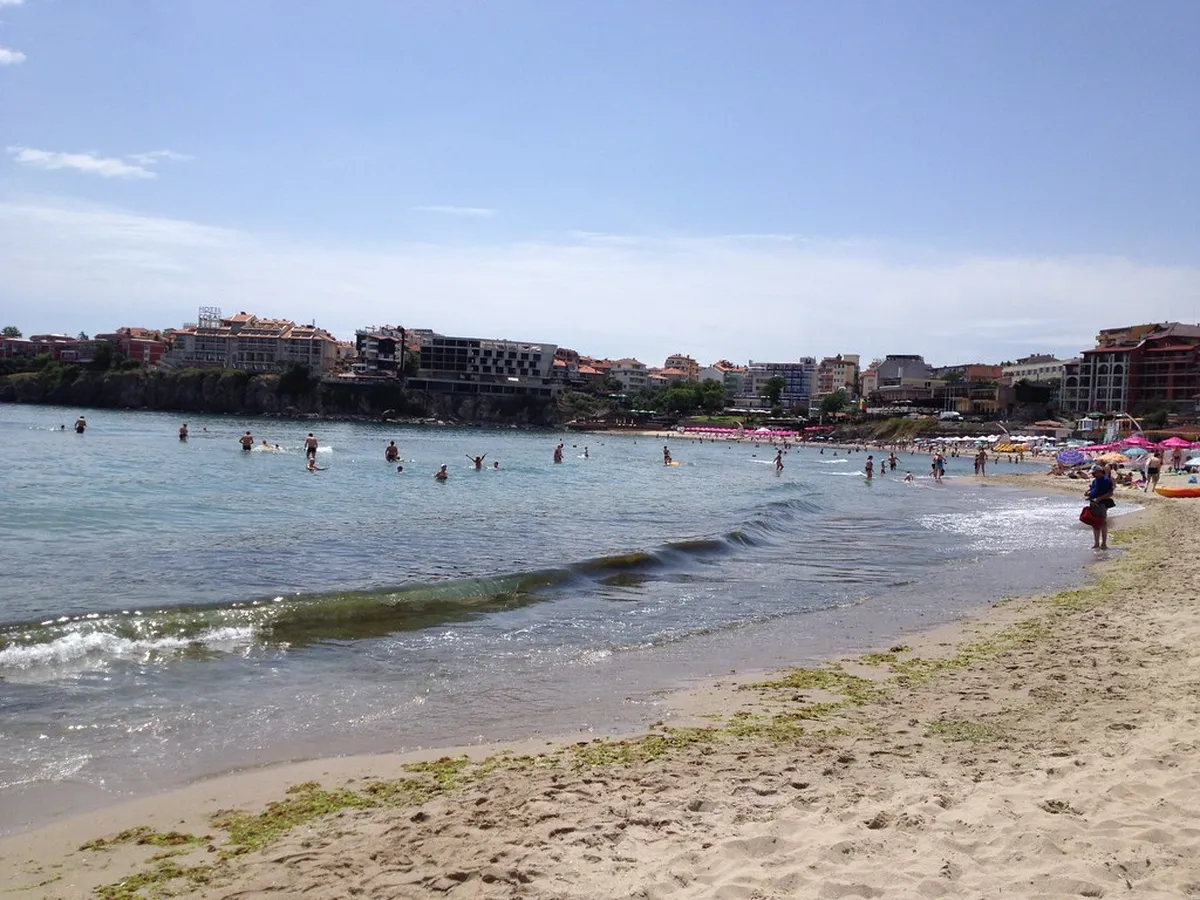
Central Beach sits directly beside the new town and is the most accessible from the Old Town peninsula. It is the liveliest in July and August, when Bulgarian families take their main summer holidays. If you want energy and easy access to restaurants and bars, Central Beach is the default choice. Sunbed and umbrella rentals typically cost 10–15 BGN (€5–€7.50) per item, though during quieter late afternoons — as one traveller visiting in late season found — staff sometimes do not appear to collect payment at all.
Harmanite Beach is a longer stretch of sand about 10 minutes' walk south of Central Beach. It has more space, slightly fewer people for its size, and better facilities for families who want to settle for a full day. Note that the southern section of Harmanite is a nudist area, which surprises some visitors.
Kavatsite Beach is the one locals consistently recommend. It sits below rocky cliffs south of the town, surrounded by natural landscape rather than hotel buildings. The water here is especially clear. It requires a short drive or a longer walk to reach, but the extra effort is worth it for the scenery and relative quiet. This is also where several campgrounds operate nearby — Kavatsi Beach Campsite, Gradina Campsite, and Smokinya Campsite — for visitors who want a more outdoor stay.
7. Experience the Apollonia Art Festival
The Apollonia Art Festival runs for approximately 10 days at the end of August and into early September. It is one of the most atmospheric cultural events on the Bulgarian Black Sea coast and takes place primarily in the open-air amphitheatre by the sea, with daytime workshops and open-air exhibitions spread through the Old Town.
The festival brings together Bulgarian and international artists for theatre shows, concerts, dance performances, and visual art exhibitions. Many daytime events are free to attend. Evening performances at the amphitheatre require tickets, which typically range from 10 to 50 BGN (€5–€25) depending on the act. The schedule is published several weeks in advance, so check it early if you are planning around specific performances.
Book accommodation well in advance if visiting during the festival — the Old Town fills completely, and prices rise sharply in the final week of August. Arriving on weekdays rather than weekends gives you slightly more room and shorter queues at restaurants. The combination of the festival atmosphere, the warm September sea, and the Old Town at its most animated is genuinely special and worth planning around if your dates allow it.
8. Take a Boat Trip to Sveti Ivan Island
St. Ivan Island (sveti Ivan) Visitor Guide — Saint John's Island — is Bulgaria's largest island and sits just off the northern coast of the Sozopol peninsula, approximately 2 kilometres away. Boat trips depart from the Sozopol marina throughout the day in summer, generally from 10:00 to 17:00. The round trip takes one to two hours and costs approximately 20–30 BGN (€10–€15) per person.
The island holds the ruins of the medieval Monastery of St John the Forerunner. This is where, in 2010, excavations uncovered a small reliquary box containing bone fragments associated with Saint John the Baptist — the same relics now displayed in the Archaeological Museum. Walking the island gives you a different perspective on the Sozopol peninsula from the sea, and the natural landscape of the island itself is undeveloped and quiet. Bring water, a hat, and sturdy footwear as there is little shade and the ground is uneven among the ruins.
What to Eat in Sozopol
Sozopol's food is coastal Bulgarian cooking at its most straightforward. The fish that arrives each morning at the harbour stalls is the same fish served at lunch and dinner in the restaurants a few metres away. Ask at any restaurant what came in that day — tsatsa (whitebait), skumriya (mackerel), kalkan (Black Sea turbot), and chernomorska kalkan are the species to look for. Black Sea mussels, often served in a white wine sauce, are a local staple. Calamari and shrimp are widely available, though the wild-caught local fish is where the quality advantage over other restaurants is most obvious.
Beyond seafood, the Bulgarian classics hold up well here. Shopska salata — tomatoes, cucumbers, peppers, and grated sirene white cheese — is the default starter at every table. Sarmi (stuffed vine leaves with rice and minced meat, served with cold yoghurt) work as a main or a side. Banitsa, the flaky pastry filled with cheese and spinach, is available from early morning at bakeries near the main square and makes a good breakfast before the museums open.
For drinks, the Thracian lowlands just inland from Burgas produce some genuinely good red wines. A bottle of Mavrud or Rubin with an evening meal by the water is the local way to end a day here. The Boutique Wine Shop (10:30–14:30 and 18:00–22:30) in the Old Town carries local and regional bottles and is worth a visit. One truly local product no competitor guide covers in any depth: Sozopol is covered in fig trees, and the green fig jam produced here is sold from small stands in the Old Town lanes. It is a genuinely distinctive product — slightly tangy, amber-coloured, made from unripe figs picked before they soften — and a jar or two makes one of the better souvenirs you can leave with.
For specific restaurants: Tangra on the north side of the peninsula (11:30–23:00) does traditional Black Sea cuisine well. Restaurant Neptune (12:00–23:30) has tables by the water and a broad seafood menu. Mehana Sozopol (10:00–00:00) is reliable for traditional Bulgarian food and usually has live music in the evenings. The touristy restaurants immediately on the main promenade tend to charge slightly more for the same quality — walking two or three lanes back into the Old Town usually gets you better value and a quieter table.
Staying in Sozopol Old Town
If you can, stay inside the Old Town peninsula rather than in the new town or an outside hotel complex. Waking up on the cobblestones before anyone else is moving, walking out for coffee with a sea view before the day-trippers arrive — this is what makes the Sozopol experience different from a standard Black Sea resort stay. The atmosphere inside the peninsula is genuinely calmer than what you get in Sunny Beach or the larger coastal resort areas.
Most accommodation inside the Old Town consists of guesthouses and boutique hotels in renovated Revival-era buildings. Many are family-run. Rooms with wooden beams, sea-facing windows, and stone walls are common at mid-range prices. Summer rates typically run 80–200 BGN (€40–€100) per night for a double room, rising sharply during the Apollonia Festival window. Book at least six to eight weeks ahead for July and August.
Practical notes: most Old Town guesthouses have no lift, and you may need to carry luggage 200–400 metres from the nearest car park. The narrow streets are not stressful to navigate with a bag once you know the layout, but worth being aware of before you arrive. For visitors who prefer pools and more modern amenities, larger hotels in the new town are a 10–15 minute walk from the Old Town entrance. For outdoor-focused visitors, the campgrounds near Kavatsite Beach are a practical alternative further south.
Practical Tips for Visiting Sozopol Old Town in 2026
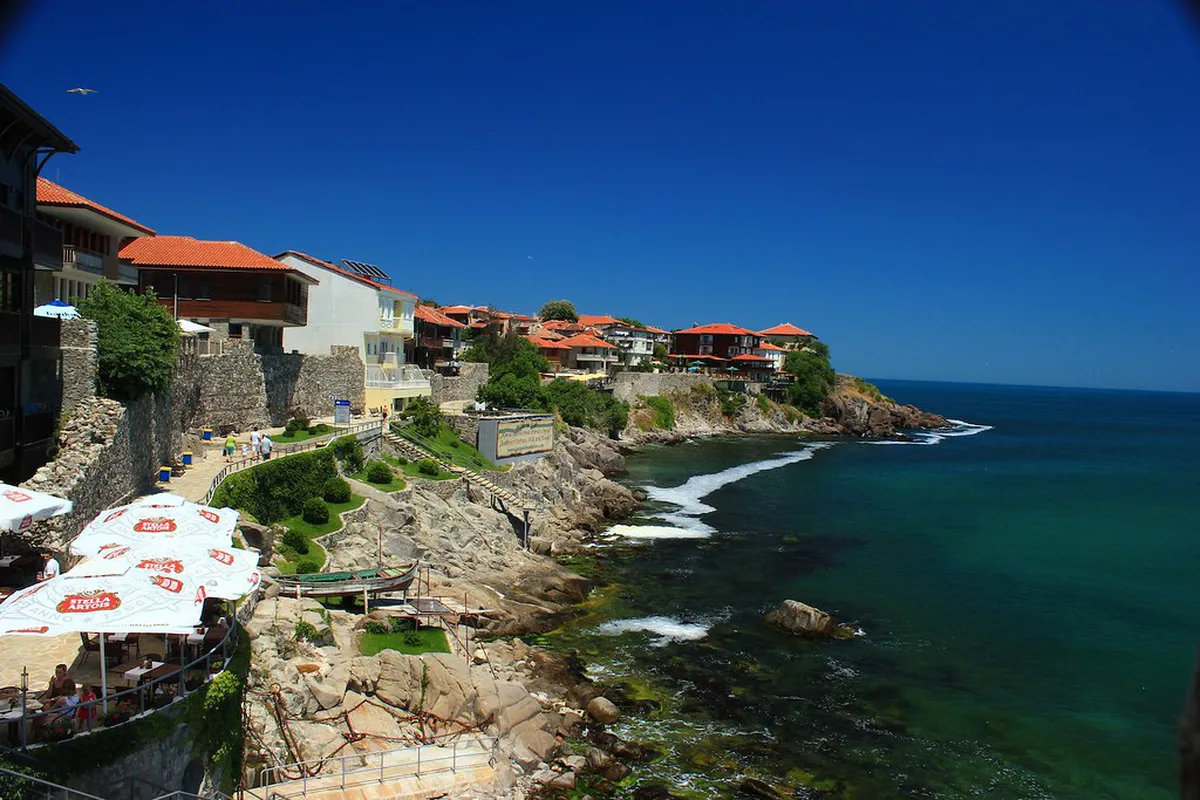
The best window for most visitors is mid-June to mid-September. June and early September give you warm water, open businesses, and significantly fewer people than July–August peak. May and October are quieter still — most restaurants and many shops close, but the Old Town itself is beautiful in the off-season light and the accommodation prices drop considerably. Winter visits are possible and peaceful, but expect limited options for food and activities.
For a one-day itinerary, arrive by 09:00. Spend the morning in the Archaeological Museum (allow 90 minutes), then walk the fortress walls and the residential lanes of the Old Town. Have lunch at one of the inland tavernas. In the afternoon, visit a church or two and walk down to Central Beach. If time allows, a late-afternoon boat trip to Sveti Ivan Island rounds out a full day well. For the best Sozopol beach experience, Kavatsite rewards an extra hour of travel and is worth it if you have the time.
Practical logistics: Bulgarian Lev (BGN) is the currency. Many restaurants and museums in 2026 now accept cards, but carry some cash for smaller shops, bus fares, and the beach sunbed rentals. ATMs are available in both the Old and New Towns. Cobblestone streets are uneven — wear flat-soled shoes with some grip. Sunscreen and a hat are essential from May through September. Dress modestly for church visits (shoulders and knees covered). A few words of Bulgarian go a long way with local shopkeepers, though English is widely understood in the Old Town during the summer season.
Check the full Sozopol restaurant guide for specific recommendations across different budgets and neighbourhoods. If Sozopol is part of a wider Black Sea trip, the 10 Best Day Trips from Sozopol: Explore Bulgaria's Black Sea Coast page covers Nessebar, Ravadinovo Castle, and Strandzha Nature Park, all reachable within an hour.
Continue planning: Use 25 Best Things to Do in Sozopol, Bulgaria and Apollonia Festival Sozopol Travel Guide to connect this guide with the rest of your Bulgaria itinerary.
Frequently Asked Questions
Is Sozopol Old Town worth visiting?
Yes, Sozopol Old Town is definitely worth visiting for its rich history, unique Revival-era architecture, and stunning Black Sea views. It offers a charming blend of ancient ruins, cultural sites, and a relaxed seaside atmosphere. Many visitors consider it one of Bulgaria's most picturesque coastal towns.
What is Sozopol famous for?
Sozopol is famous for being one of the oldest towns on the Bulgarian Black Sea coast, with a history spanning over 7,000 years. It is particularly known for its well-preserved wooden houses from the National Revival period, its ancient fortress walls, and its significant archaeological discoveries, including relics of Saint John the Baptist. The Apollonia Art Festival also brings cultural renown.
How do you get to Sozopol Old Town?
The most common way to get to Sozopol Old Town is by bus from Burgas, which is approximately 35 kilometers away. Buses run frequently from Burgas Central Bus Station, taking about 45 minutes to an hour. If driving, parking is available just outside the peninsula, as the Old Town itself is pedestrian-only.
When is the best time to visit Sozopol?
The best time to visit Sozopol is during the shoulder seasons, from May to June or September to October. During these months, the weather is pleasant, and the crowds are smaller than in the peak summer months of July and August. This allows for a more relaxed experience while still enjoying most attractions and open businesses.
Sozopol Old Town offers a captivating blend of history, culture, and natural beauty. From its ancient fortress walls and vampire skeleton exhibits to its charming Revival-era houses, local fig jam, and accessible underwater ruins, every corner of this peninsula tells a story. The guide above should give you everything you need to plan a full and well-paced visit to one of Bulgaria's most beloved seaside destinations in 2026.