How to Tip in Bulgaria: Your Essential Guide for Travelers
Bulgaria has its own set of customs that can catch first-time visitors off guard — from how people nod their heads to how you greet a host, tip a waiter, or dress for a monastery. Getting these right makes the difference between a warm welcome and an unintentional faux pas. This guide covers tipping norms and the everyday etiquette rules that Bulgarians actually live by.
To see these customs in action and understand how mistakes land with locals, this video demonstrates the essential things to avoid:
On tipping: it's expected but not mandatory. On etiquette: a few simple habits go a long way. Read through once before your trip and you'll navigate both with confidence.
The Head Gesture That Trips Everyone Up
Bulgaria is one of a small number of countries where the head gestures for yes and no are reversed compared to most of the world. In Bulgaria, a nod (moving the head up and down) traditionally means NO. A shake (moving the head side to side) traditionally means YES. If you ask a waiter whether a dish is available and they nod at you, they are telling you it is not.
In practice, many Bulgarians who interact regularly with tourists have adapted and will use the international convention. But in rural areas, smaller towns, and among older Bulgarians, the traditional gesture is still common. The safest approach is to always pair a gesture with a spoken word. Listen for "da" (yes) and "ne" (no) to confirm what the gesture means. If in doubt, ask verbally and watch for the verbal answer, not just the head movement. For more on this unique Bulgarian head shake phenomenon, cultural historians have documented it extensively.
This is genuinely the most disorienting moment for most visitors. A shopkeeper shakes their head at you and you think they are saying no — but they are actually agreeing with you. A taxi driver nods and you think they confirmed the address — but they are declining. Being aware of it upfront saves real confusion. Learn "da" and "ne" before you arrive, and use them yourself when answering questions.
In Bulgaria, a head nod traditionally means NO and a head shake means YES — the opposite of most other countries. Always verify important confirmations with spoken words ("da" for yes, "ne" for no) to avoid misunderstandings.
Understanding Bulgarian Tipping Culture: Is Tipping Expected?
Tipping in Bulgaria is not compulsory, but it is expected for good service in tourist-facing industries. Service workers often earn modest base salaries — waiters in Sofia have been known to earn as little as €10 a day in base pay, making tips a meaningful part of their income. A 10% tip on your dinner bill may seem small to you but can cover a worker's taxi home after a late shift.
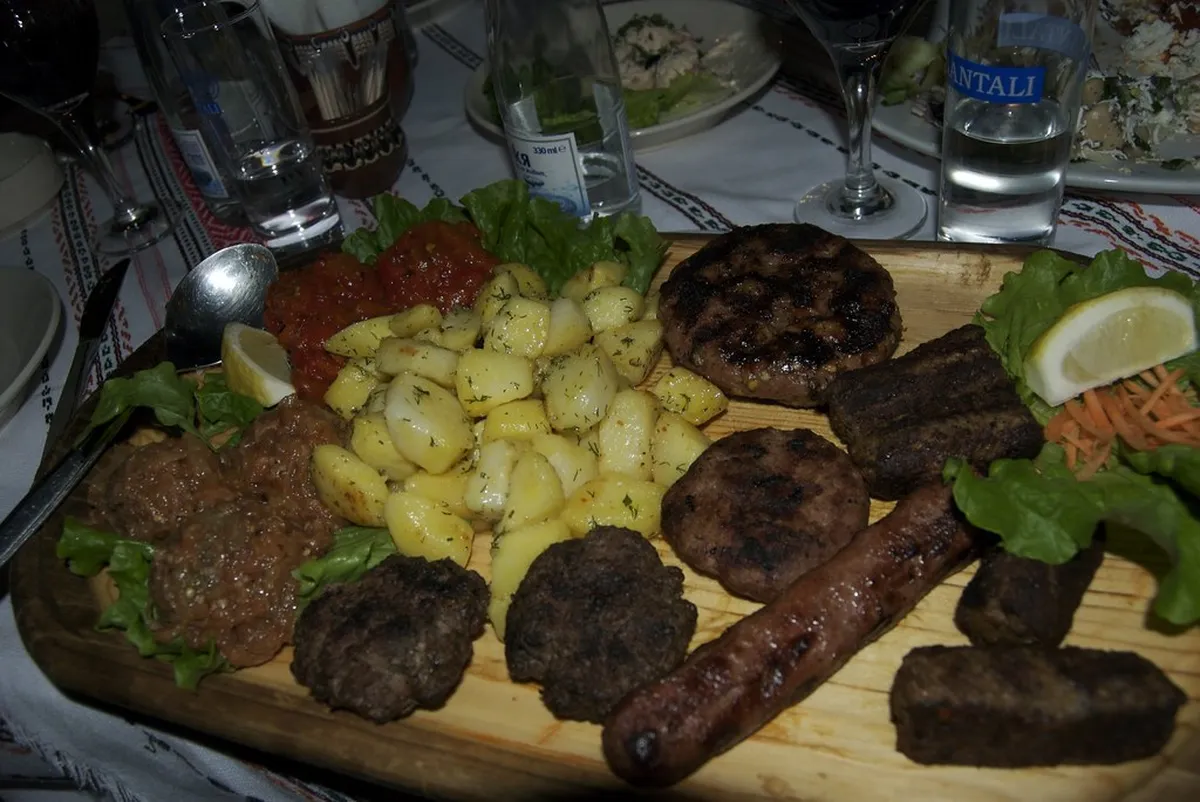
The culture around tipping is more understated than in North America. Bulgarians typically round up or leave a modest percentage rather than a large fixed amount. Flashy gestures are not the norm. A quiet thank-you and a few coins or a small note left on the table is the right register.
If service was genuinely poor, you are not obligated to tip. But rather than leaving nothing without explanation, a reduced tip of around 5% combined with polite feedback to management is more in line with local expectations. Leaving zero without a word can read as forgetting rather than a deliberate signal.
Tip approximately 10% in restaurants and always carry small euro notes (€1, €2, €5) — cash is strongly preferred and Bulgaria adopted the euro in January 2026, replacing the Bulgarian lev.
Tipping by Service Type: Restaurants, Taxis, Tours, and Hotels
At sit-down restaurants and cafes, 10% of the bill is the accepted standard for good service. For exceptional service, 15% is appreciated but not expected. At counter-service coffee bars, rounding up to the nearest whole amount or dropping small change in the tip jar is sufficient. Many free walking tours — including the well-regarded Free Sofia Tour in Sofia — operate entirely on tips, so bring at least €5–€10 per person for those.
For taxis, the easiest approach is to round up to the nearest whole lev or euro. For a fare of 8.70, paying 9 or 10 is standard. For longer rides or airport transfers, adding an extra €1–€2 on top of rounding up is appropriate, especially if the driver assists with luggage. Always confirm the fare before you set off to avoid misunderstandings.
Tour guides deserve more than people often give. A half-day guided tour warrants around €3–€5 per person; a full-day tour, €5–€10 per person. If you have both a driver and a guide on a day trip, they typically share the tip. Hotel porters: €0.50–€1 per bag. Housekeeping: €1–€3 per night, left on the pillow with a small note so it's clear the money is a tip rather than forgotten change. Concierge staff who go beyond the basics: €3–€5 for substantive help.
| Service | Customary tip |
|---|---|
| Restaurant (sit-down) | 10% of bill |
| Café / coffee bar | Round up to nearest euro |
| Taxi | Round up to nearest euro; add €1–€2 for airport transfer |
| Hotel housekeeping | €1–€3 per night |
| Tour guide (half-day) | €3–€5 per person |
| Tour guide (full-day) | €5–€10 per person |
Cash vs. Card and Currency in 2026
Bulgaria adopted the euro in January 2026, replacing the Bulgarian lev (BGN). The fixed exchange rate was 1.95583 BGN to 1 EUR, matching the lev's long-standing peg. Prices at most establishments have been converted to euros. If you arrive with lev, you can exchange them at banks through the official conversion period — check current Bank of Bulgaria guidelines for the deadline.
Cash is still strongly preferred for tipping. Many smaller restaurants and cafes do not have point-of-sale systems that allow adding a tip to a card payment. Even where the terminal supports it, the tip may go to the till rather than directly to your server. Carry a supply of small euro notes — €1, €2, and €5 — to handle tips comfortably without needing change.
If you only have a card, ask discreetly whether cash-back is possible, but be aware this is not always available and can be inconvenient for the establishment. The cleanest solution is to withdraw some cash at an ATM on arrival and keep small denominations in a separate pocket so you are always ready. For a full overview of money and ATMs, see our Bulgaria Currency: Lev, Euro Adoption, & Exchange Guide.
Checking for Service Charges: Avoid Double Tipping
Service charges are rarely added to bills in Bulgaria, but it is worth scanning your receipt before leaving a tip. Look for the word "обслужване" (obsluzhvane) on your bill — that is the Bulgarian term for service charge. If you see it, you are not obligated to add more, though a small extra cash tip for excellent service is still welcome.
Do not confuse the VAT line (ДДС, or DDS) with a service charge. VAT is standard and does not go to staff. If you are unsure what a line item on your bill means, ask your waiter to clarify — this is a common and entirely acceptable thing to do. Most Bulgarian restaurants do not include a service charge, so assuming it is absent and tipping 10% is usually the right call.
Dining and Social Etiquette
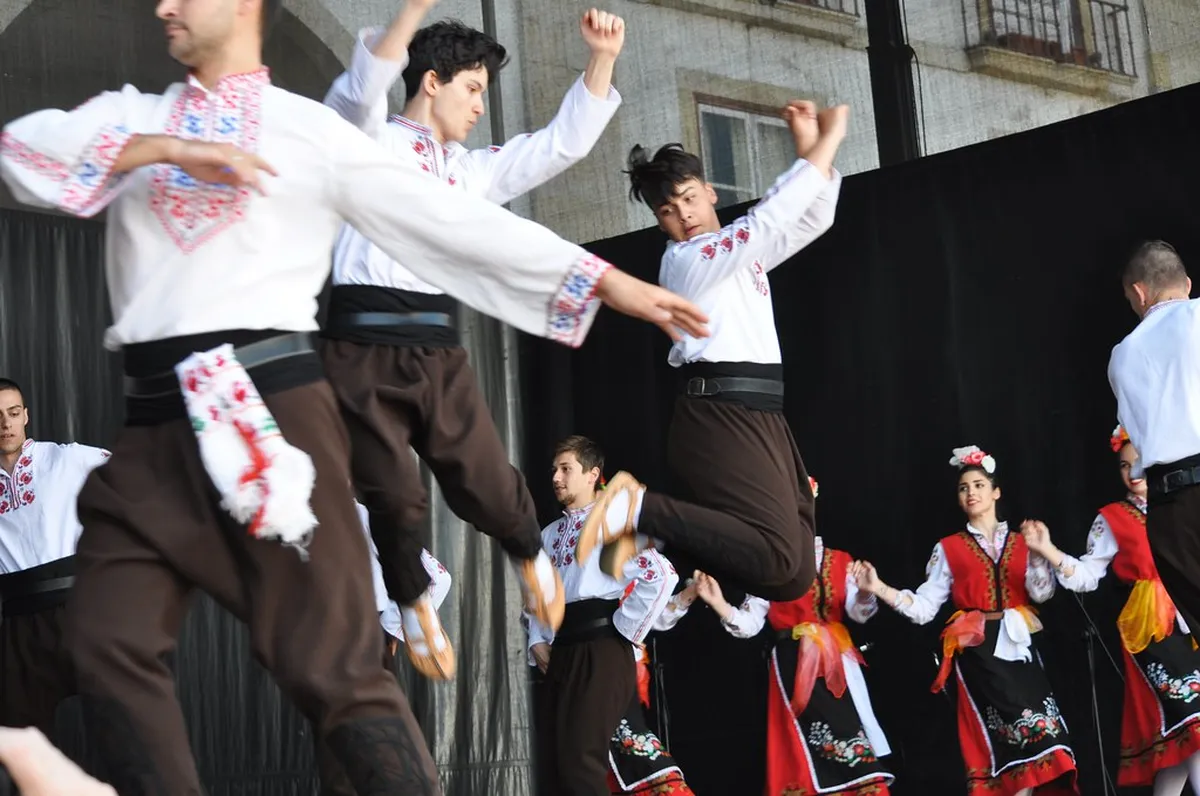
Bulgarians take hospitality seriously. If you are invited to a Bulgarian home for a meal, it is customary to bring a gift — a bottle of wine, a box of chocolates, or flowers (in odd numbers; even numbers are for funerals). Remove your shoes at the door unless the host explicitly tells you not to. Many Bulgarian households have a collection of indoor slippers near the entrance for guests. These customs reflect Bulgaria's rich cultural traditions shaped by centuries of history.
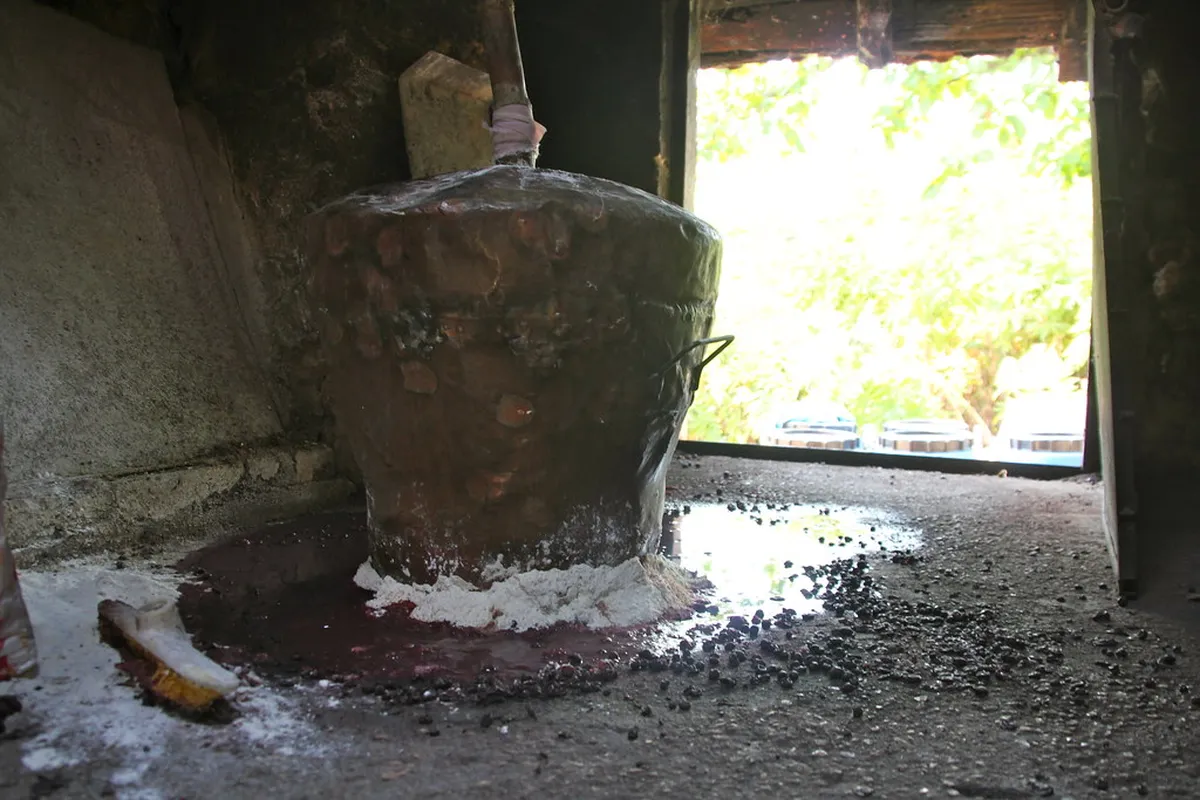
At the table, wait for the host to invite you to start eating. The toast word is "Наздраве" (nazdrave), meaning roughly "to your health." Eye contact during a toast matters — looking away while clinking glasses is considered bad manners. Rakia, Bulgaria's grape or plum brandy, is the traditional drink of choice for a toast. You do not have to drink it, but accepting a small glass and participating in the gesture is polite.
Bulgarian meals are unhurried. Servers do not typically rush you out, and bringing the bill without being asked is not the custom here. When you are ready to pay, catch your waiter's eye or make a small writing gesture. Splitting a bill is straightforward — just ask, and most establishments handle it without difficulty.
Dress Codes for Churches and Monasteries
Bulgaria has hundreds of active Orthodox churches and monasteries, including the iconic Rila Monastery Visitor Guide — one of the most visited sites in the country. Entry requires covered shoulders and knees for both men and women. Many monasteries provide wraps or sarongs at the entrance for visitors who arrive unprepared, but having your own is more practical and respectful.
Inside a church or monastery, keep your voice low and your phone pocketed unless photography is explicitly permitted. Some churches allow photography; others display signs prohibiting it. When in doubt, ask a monk or staff member rather than assuming. Lighting a candle is a common gesture of respect and is open to all visitors, not just Orthodox Christians.
At the Rila Monastery specifically, the monastery complex is open to visitors year-round, but accommodation in the monastic cells (which can be booked directly through the monastery) requires respectful behaviour around prayer times, typically 08:00 and 17:00 daily. Dress appropriately even in the courtyard — the standards apply to the whole complex, not just the church itself.
Name Days and Other Cultural Customs
Name days (imeni dni) are celebrated more widely in Bulgaria than birthdays. Most Bulgarian names correspond to a saint's day in the Orthodox calendar, and on that day, the person with that name is expected to host — bringing sweets or drinks to work, or hosting friends and family in the evening. If you are in Bulgaria and a local invites you to their name-day gathering, accept if you can. It is a genuine sign of warmth.
The correct phrase when greeting someone on their name day is "Chestit Imennik!" (Честит Именник!) — roughly "Happy Name Day." You do not need a gift for a casual name-day greeting, but if you are attending a dinner, bring something small. Flowers, wine, or a quality sweet are all appropriate.
One practical note for visitors: greetings in Bulgaria tend to be more reserved than in Southern Europe. Bulgarians typically shake hands when meeting for the first time. Among close friends, a kiss on one cheek is common. Do not read a reserved initial greeting as unfriendliness — once Bulgarians warm to you, the hospitality is genuine and generous. For more context on language and social norms, read our What Language Do They Speak in Bulgaria? A Comprehensive Guide.
Essential Tips for First-Time Visitors
Carry cash at all times. Smaller restaurants, village guesthouses, and market stalls often do not accept cards. Keep a mix of small euro notes for everyday purchases and tips. ATMs are widely available in Sofia, Plovdiv, Varna, and other major towns.
Learn three words before you arrive: "da" (yes), "ne" (no), and "blagodarya" (thank you). Even a minimal effort with the local language is warmly received. The Cyrillic alphabet can look daunting but is phonetically consistent — learning it takes a few hours and makes reading menus, street signs, and transport timetables much easier.
Be aware that service pace is different from Western Europe or North America. Waiters are present when you need them but will not hover. This is not indifference — it is the standard. If you need something, make eye contact or raise your hand briefly. Rushing or showing visible impatience will not improve things and may work against you. Budget some extra time for meals and enjoy the pace.
- Tip 10% at restaurants; round up for taxis and coffee bars.
- Always tip in cash — card tipping is not reliably passed to staff.
- Cover shoulders and knees at Orthodox churches and monasteries.
- Remove shoes when entering a Bulgarian home unless told otherwise.
- Remember: nod = NO, shake = YES — verify with spoken words when it matters.
- Say "nazdrave" and make eye contact when toasting.
- Check bills for "обслужване" before adding a tip.
For the complete picture before you go, see our Bulgaria travel tips guide.
Continue planning: Use Bulgaria Travel Tips: Your Essential Guide to Planning a Trip and Backpacking Bulgaria: A Complete 2026 Budget Travel Guide to connect this guide with the rest of your Bulgaria itinerary.
Frequently Asked Questions
Is tipping customary in Bulgaria?
Yes, tipping is customary in Bulgaria, especially for good service in restaurants, cafes, and taxis. While not mandatory, it is a significant part of service workers' income and is greatly appreciated.
How much should you tip in a restaurant in Bulgaria?
In Bulgarian restaurants, a tip of around 10% of the total bill is generally expected for good service. It is best to leave this tip in cash directly on the table after paying the bill.
Should you tip in Euros or Bulgarian Leva?
You should always tip in Bulgarian Leva (BGN), the local currency. Euros are not the official currency and can be inconvenient for service staff to exchange, making them less preferred for tips.
Bulgaria rewards travelers who take a few minutes to learn its customs. Tip in cash, carry small notes, and say blagodarya. Remember that a nod means no and a shake means yes — and confirm anything important with a spoken word. Cover up for monasteries, take your shoes off at the door, and raise a glass of rakia when invited. These are small gestures but they open doors that a purely transactional approach to travel never does.