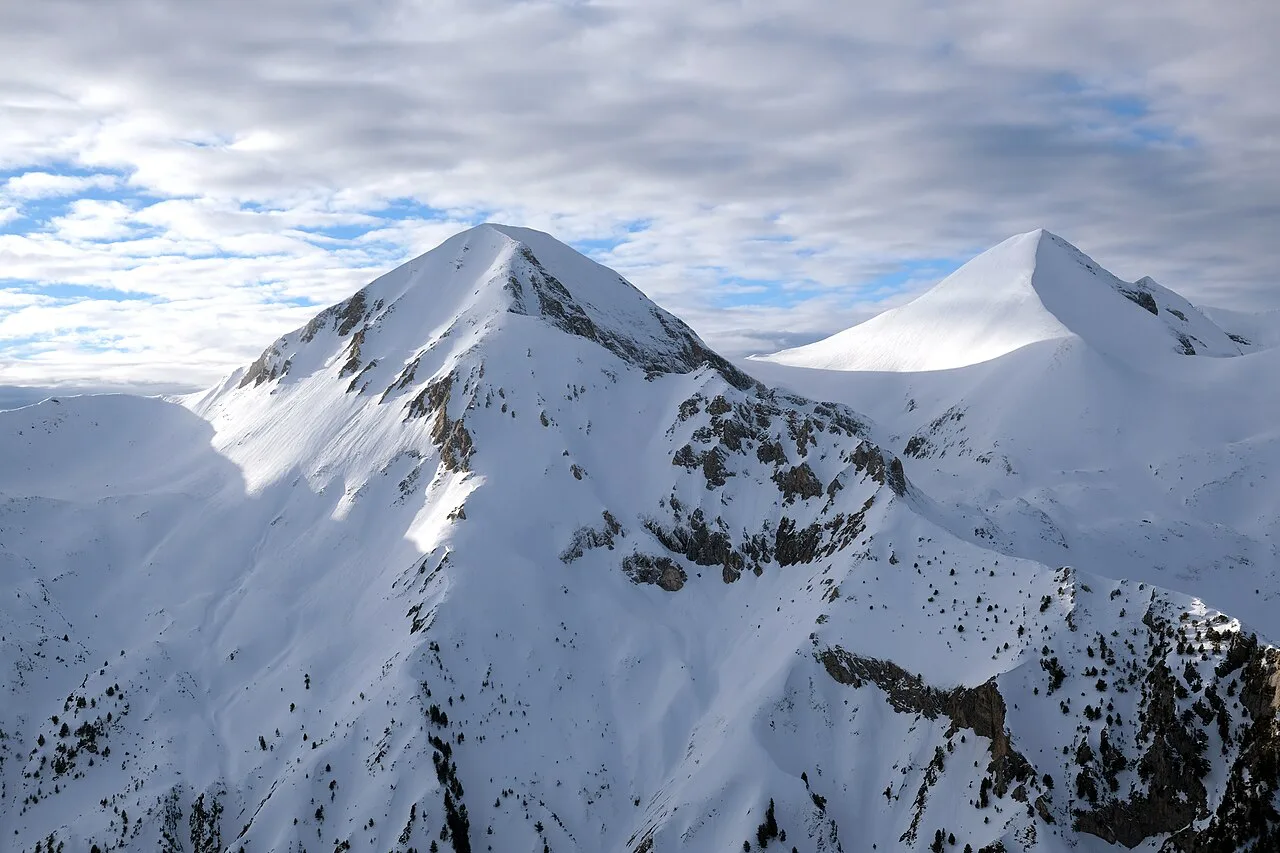
Bulgaria Budget Travel: The Ultimate 2026 Guide
Last updated July 2026, Bulgaria budget travel remains one of Europe's best-value propositions, with shoestring travelers covering food, dorm beds, and regional trains for $30-$40 a day even as neighboring Eurozone destinations climb higher. Sofia's free walking tours, Plovdiv's bakery-priced breakfasts, and off-peak stays near Bansko keep costs low without forcing a trade-off on culture or scenery. This guide breaks down daily budget tiers, transport trade-offs, and the seasonal price swings between the Black Sea coast and the Rila Mountains so you can plan a realistic 2026 itinerary.
Is Bulgaria Still Cheap? The Short Answer for 2026
Yes — Bulgaria remains one of the cheapest countries to travel in the European Union heading into 2026, and Bulgaria budget travel is realistic even without a large financial cushion. Expect a shoestring day covering a hostel dorm, self-catered meals, and regional trains to land around $30-$40, while a comfortable flashpacker pace with a private guesthouse room and one restaurant meal runs $50-$70 per day. Prices climb fastest in two places: the Sunny Beach strip in July and August, and any transaction routed through a Euronet ATM. Outside those traps, you'll find Sofia, Plovdiv, and Veliko Tarnovo dramatically cheaper than Western Europe.
Bulgaria Budget Travel Costs: Daily Suggested Budgets
Budget planning in Bulgaria comes down to three clear tiers, shaped by where you sleep, how you eat, and which transport you choose. The gap between tiers has less to do with attractions — most museum entries and monasteries charge only a few euros — and more to do with accommodation type and how often you eat inside a sit-down mehana instead of a bakery counter.
| Tier | Daily Budget (USD) | Accommodation | Food | Transport & Extras |
|---|---|---|---|---|
| Shoestring | $30–$40 | Hostel dorm bed | Self-catered from Billa/Lidl, free walking tours | Regional BDZ trains |
| Budget / Flashpacker | $50–$70 | Private guesthouse room | One mehana meal per day plus bakery breakfasts | Intercity buses, paid museum entries |
| Comfort Budget | $90+ | Boutique stay | Restaurant dining most nights | Car rental, guided mountain treks |
Where to Save Money in Bulgaria
Small daily choices save the most money over a multi-week trip. Start with breakfast: a banitsa or other pastry from a local Pekarna bakery costs a fraction of a café sit-down meal. Join the free walking tours running daily in Sofia, Plovdiv, and Veliko Tarnovo (tip-based, budget roughly $5-$10 per person), and self-cater lunches from Billa, Lidl, or Kaufland rather than eating out three times a day. Since Bulgaria switched to the euro in January 2026, there is no lev left to exchange — skip the currency booths near tourist squares entirely (the Bulgarian Lev to USD guide explains the changeover), and withdraw euros from bank ATMs rather than blue-and-yellow Euronet machines. For the tightest possible budget, skip lodging entirely on parts of the route — the Camping in Bulgaria: Best Sites & Wild Camping Laws guide covers wild-camping-friendly regions in the Rila and Balkan mountains. At mealtime, look for a handwritten Dneven Menu (daily set lunch) sign outside a mehana — it signals a locals' spot rather than a tourist-priced kitchen.
- Breakfast at a Pekarna bakery for roughly $1-$2 instead of a hotel buffet
- Free walking tours in Sofia, Plovdiv, and Veliko Tarnovo — tip what you can
- Self-cater lunches and snacks from Billa, Lidl, or Kaufland
- Withdraw euros at bank ATMs — the Bulgarian Lev to USD guide explains the 2026 euro changeover
- Sleep for free on parts of a Camping in Bulgaria: Best Sites & Wild Camping Laws route through the Rila and Balkan mountains
- Order from the Dneven Menu at a mehana for an authentic, locally priced lunch
Transport Tips: Navigating Bulgaria on a Budget
Getting around is where the real trade-offs happen. BDZ trains connect Sofia, Plovdiv, and Veliko Tarnovo for noticeably less than coaches, but expect journeys to run roughly twice as long and often without air conditioning in summer. Private intercity coaches cost more but save hours — just be ready for the 'Cyrillic tax': many station ticket kiosks post routes and departure boards only in Cyrillic script. Inside Sofia, a single Sofia Metro ticket or a Sofia City Card covers the capital's buses, trams, and metro lines cheaply. Once you leave Sofia or Plovdiv for the Rila Mountains or smaller villages, English signage mostly disappears, so download offline maps and a translation app before heading out. When mapping a longer backpacking Bulgaria route, build the itinerary around train timetables first and treat coaches as a time-saving backup.
- BDZ trains: cheapest option, but slower and often without AC in summer
- Private coaches: faster, pricier, and typically booked at Cyrillic-only station kiosks
- Sofia Metro or Sofia City Card for cheap capital-wide public transport
- Offline maps and a translation app for the Rila Mountains and smaller villages
- Anchor a backpacking Bulgaria route around train timetables, not bus schedules
Budget Itinerary Ideas: Sofia to Veliko Tarnovo in 7–10 Days
A 7-10 day loop covers Bulgaria's budget highlights without much backtracking: Sofia, a Rila Monastery Visitor Guide day trip, Plovdiv, and Veliko Tarnovo, with an optional extension toward the Black Sea or the Balkan Mountains.
- Days 1-2: Sofia — free walking tour, Alexander Nevski Cathedral (completed in 1912, room for roughly 10,000 people), Sofia Metro
- Day 3: Day trip to Rila Monastery, roughly a two-hour drive from Sofia by public bus or guided minibus
- Days 4-5: Plovdiv — Old Town cobblestone streets, Roman Amphitheatre, self-catered evenings from a local Kaufland
- Days 6-7: Veliko Tarnovo — former capital of the Bulgarian Empire, Sky Walk viewpoint, historic castle ruins
- Days 8-10 (optional): Extend to the Black Sea coast or the Balkan Mountains for hiking toward Botev Peak (2,376m)
Regional Price Differences: The Coast vs. The Mountains
Where you go changes your daily budget more than almost anything else. The Black Sea coast runs 402 kilometers (250 miles), with roughly a third of it sandy beach and water temperatures between 22-26°C from June through September — but Sunny Beach's dense resort strip pushes room rates and restaurant prices sharply higher during July and August. Quieter coastal alternatives like Pomorie Beach or Sinemorets Veleka Beach hold far closer to shoestring pricing. In the mountains, Bansko flips the pattern: rates spike during peak ski season but drop substantially in the shoulder months before and after winter, making late spring or early autumn the cheapest time to base yourself there for hiking.
Sunny Beach's July-August surge drives prices well above budget levels. Alternative coastal towns like Pomorie Beach or Sinemorets Veleka Beach maintain shoestring pricing during the same season.
| Season | Black Sea Coast (Sunny Beach area) | Mountains (Bansko area) |
|---|---|---|
| Peak summer (Jul-Aug) | Highest prices, dense crowds | Moderate, good for hiking |
| Winter (Dec-Mar) | Mostly closed, cheapest lodging | Peak ski season, highest prices |
| Shoulder (May-Jun, Sep) | Best value, water still 22-26°C | Best value, mild hiking weather |
What's Worth the Splurge in Bulgaria
Some experiences justify spending above the shoestring tier. Rila Monastery, founded in the 10th century by Saint John of Rila and now a UNESCO World Heritage Site, sits roughly a two-hour drive from Sofia; a public bus covers the budget-traveler route, but a direct shuttle or small-group tour saves enough time on a single day trip to be worth the extra euros. Nearby, the Seven Rila Lakes chairlift trims a multi-hour climb down to a short ride, freeing up enough time to combine the lakes and the monastery in one day instead of choosing between them. In Plovdiv, the Roman Amphitheatre in central the Old Town costs more to visit during a live summer performance than during a standard daytime walk-through, but the atmosphere of a show inside a structure this old is difficult to replicate elsewhere. For scale, the Rila range is the highest in the Balkans, topped by Mount Musala at 2,925 meters.
- Rila Monastery: direct shuttle or small-group tour over the public bus, if the day trip is tight on time
- Seven Rila Lakes Visitor Guide chairlift: converts a multi-hour climb into a short ride, worth it to combine the lakes with the monastery
- Plovdiv Roman Amphitheatre: a live summer performance costs more than a daytime walk-through but delivers a rare atmosphere
Bulgaria Travel Starter Kit: Essential Logistics
A handful of logistics decisions protect the rest of the budget. Buy a prepaid SIM card on arrival in Sofia for affordable nationwide data coverage. Withdraw cash from bank-branded ATMs — Fibank, DSK, and UniCredit are common — instead of blue-and-yellow Euronet machines, which apply inflated conversion fees. Carry small euro notes and coins, since bakeries, bus ticket kiosks, and rural mehana frequently run cash-only. Before departure, review the full essential Bulgaria travel tips pillar guide for visa, safety, and seasonal packing guidance that applies across every region covered here.
Use bank-branded ATMs from Fibank, DSK, or UniCredit for fair rates. Euronet's blue-and-yellow machines apply inflated dynamic currency conversion fees that travelers should decline or avoid entirely.
- Buy a prepaid SIM card at the airport or a Sofia city-center kiosk
- Use bank ATMs (Fibank, DSK, UniCredit) instead of Euronet machines
- Carry small euro notes for bakeries, bus kiosks, and rural mehana
- Read the full essential Bulgaria travel tips guide before departure
Typical Costs to Sense-Check Your Bulgaria Budget
Before locking in a daily budget, compare a few local benchmarks rather than relying only on hostel averages. In Sofia and Plovdiv, a bakery breakfast such as banitsa, kifla, or mekitsa should feel noticeably cheaper than a cafe breakfast near Vitosha Boulevard or Kapana. For lunch, a mehana with a Dneven Menu is usually better value than an English-only menu beside a landmark; look for dishes such as tarator, kavarma, kebapche, Shopska salad, and bean soup.
For accommodation, compare Sofia hostel dorms against private guesthouses in Plovdiv, Veliko Tarnovo, or Bansko, where a private room can sometimes be the better deal outside peak weekends. For transport, check BDZ train fares against bus-company windows at Sofia Central Bus Station before choosing speed over savings. A local lager such as Kamenitza or Zagorka and a basic espresso are useful quick tests: if they look Western European, you are probably in a tourist-priced zone.
For trip-planning details, see Bulgaria - Wikivoyage and Bulgaria - Wikipedia.
Continue planning: Use Bulgaria Travel Tips: Your Essential Guide to Planning a Trip and Backpacking Bulgaria: A Complete 2026 Budget Travel Guide to connect this guide with the rest of your Bulgaria itinerary.
Frequently Asked Questions
How much does a week in Bulgaria cost on a shoestring budget?
A shoestring week runs roughly $210-$280 for one traveler, based on the $30-$40 daily tier covering a hostel dorm, self-catered meals from Billa or Lidl, free walking tours, and regional BDZ trains between cities.
Is Bulgaria cheaper than other European destinations?
Bulgaria remains one of the least expensive countries in the European Union, and even priced in euros since January 2026, food, transport, and lodging in Sofia and Plovdiv typically undercut other Eurozone destinations, though Sunny Beach prices spike well above the norm during July and August.
What is the cheapest way to get between Bulgarian cities?
BDZ trains are consistently the cheapest option and connect Sofia, Plovdiv, and Veliko Tarnovo, though they run slower and often lack air conditioning; intercity coaches cost more but save meaningful time on longer routes.
Are ATMs safe to use in Bulgaria?
Bank-branded ATMs from Fibank, DSK, and UniCredit are safe and offer fair conversion rates. The main risk is Euronet's blue-and-yellow machines, which apply inflated dynamic currency conversion fees that travelers should decline or avoid entirely.
When is the best time to visit Bulgaria on a budget?
Shoulder season (May-June and September) offers the best value: Black Sea water temperatures still reach 22-26°C without Sunny Beach's peak-season rate surge, and mountain towns like Bansko are cheapest just before and after the winter ski season.