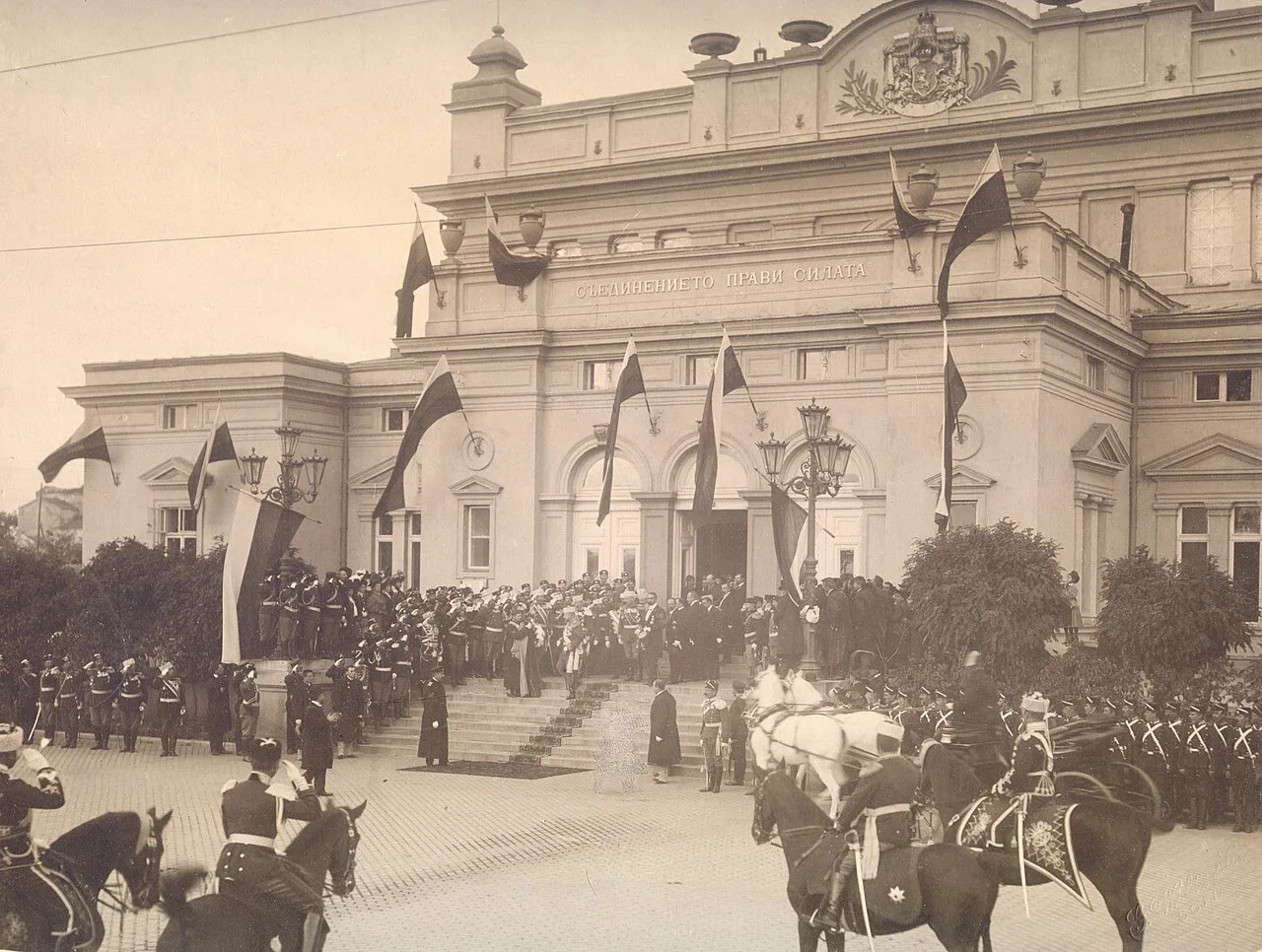
Is Bulgaria Part of the EU? What Travelers Need to Know
Last updated July 2026: if you're asking is Bulgaria part of the EU before finalizing a Balkan itinerary, the short answer is yes, Bulgaria has been a full member state since January 1, 2007. That membership now comes with real 2026 changes for travelers, including full Schengen access at land borders and a new official currency, the euro. This guide breaks down what those shifts mean for border crossings, money, visas, and trip planning.
Is Bulgaria Part of the EU? The Fast Answer
Yes. Bulgaria has been a full member state of the European Union since January 1, 2007, when it joined alongside Romania in one of the bloc's largest enlargement rounds. Sitting in Southeast Europe on the Balkan Peninsula, Bulgaria borders Romania to the north, Serbia and North Macedonia to the west, Greece and Turkey to the south, and the Black Sea to the east. As one of 27 EU member states, Bulgaria participates in the EU's single market, follows EU consumer and safety regulations, and sends elected representatives to the European Parliament. Membership also means Bulgarian law incorporates EU rules on everything from food safety to airline passenger rights, protections travelers benefit from without necessarily noticing. For anyone planning a 2026 trip, the quick-facts box below sums up the status that matters most on the ground.
| Category | 2026 Status |
|---|---|
| EU Membership | Yes, since January 1, 2007 |
| Schengen Area | Yes, full member since January 1, 2025 |
| Currency | Euro (EUR), since January 1, 2026; formerly Bulgarian Lev |
| Electrical Voltage | 230V, EU-standard Type C/F plugs |
Bulgaria and the Schengen Area: From Partial to Full Membership
Schengen membership is a separate agreement from EU membership, and Bulgaria's path there happened in two stages. On March 31, 2024, Bulgaria joined the Schengen area for air and sea travel only, meaning flights landing in Sofia, Varna, or Burgas and ferries arriving by sea skipped the passport-control queues that used to slow arrivals. Land borders were the exception through the rest of 2024: drivers crossing at posts like Kulata-Promachonas on the Greek border or Ruse-Giurgiu on the Romanian border still faced full passport checks and, at times, multi-hour queues during peak summer traffic. That gap closed on January 1, 2025, when Bulgaria's land borders joined the Schengen area too, completing full Schengen membership. Road-trippers driving in from Greece, Romania, Serbia, or North Macedonia in 2026 can generally expect routine ID checks rather than the older full-search stops, though carrying a valid passport or EU ID card is still required at every crossing. For route-specific advice on crossing points and timing, the Bulgaria trip-planning guide covers seasonal border traffic.
Bulgaria joined Schengen in two stages: air and sea borders on March 31, 2024, then land borders on January 1, 2025. Road-trippers can expect routine ID checks rather than full passport searches at border crossings.

Money in Bulgaria: Euro Replaces the Lev in 2026
For nearly two decades, Bulgaria's official currency was the Bulgarian Lev (BGN), pegged tightly to the euro at a fixed rate of 1.95583 Lev per Euro, which kept prices stable long before the country joined the currency bloc. That changed on January 1, 2026, when Bulgaria formally adopted the euro as its official currency, becoming a full euro area member. Travelers visiting in 2026 should expect prices in shops, hotels, and restaurants to be marked in euros, with ATMs dispensing euro notes and card terminals processing euro payments by default. Because of the long-standing peg, the shift shouldn't cause price shocks, but it's still worth carrying a mix of cash and cards, especially outside Sofia, Plovdiv, and the main Black Sea resorts. Shoppers picking up ceramics, rose-oil cosmetics, or embroidered textiles can browse the Bulgarian souvenir shopping guide for typical price ranges now quoted in euros.
Travel Rights and Visas for EU vs Non-EU Citizens
EU and EEA citizens can enter Bulgaria with just a national ID card or passport and no time limit on how long they can stay, thanks to freedom-of-movement rights that come with EU membership. Non-EU visitors, including travelers from the United States, United Kingdom, and Canada, fall under the Schengen-wide 90-days-within-any-180-day rule now that Bulgaria's land, air, and sea borders are fully integrated into the Schengen area. That clock is shared across all Schengen states, so days spent in Bulgaria count toward the same allowance as days spent in France or Italy. The long-delayed ETIAS travel authorization, once live, will add a short online pre-screening step for visa-exempt nationalities visiting Bulgaria and the rest of Schengen. Bulgaria's EU and Schengen status is also part of why it has become a popular base for remote workers, pairing low living costs with EU-standard infrastructure, a combination covered in the digital nomad visa guide, while longer-term movers can compare retirement options in Bulgaria.
The Schengen 90-days-within-180-day limit is shared across all member states. Days spent in Bulgaria count toward the same allowance as days in France, Italy, or any Schengen country for non-EU visitors.
Practical EU Membership Benefits for Travelers
EU membership brings several concrete perks that travelers notice quickly. EU-registered mobile plans apply Roam Like at Home rules in Bulgaria, so EU-based travelers typically use their home data, call, and text allowances without extra roaming charges, avoiding the need to buy a local SIM purely for coverage. EU citizens carrying a European Health Insurance Card (EHIC) can access state-provided medical care in Bulgaria on the same terms as Bulgarian nationals, which matters for anyone dealing with a minor injury or illness mid-trip. EU consumer protection rules also apply to flights, package holidays, and online purchases made in Bulgaria, covering things like compensation for long delays or cancellations on flights departing Bulgarian airports. None of these protections extend automatically to non-EU citizens, so travelers from outside the bloc should still carry private travel insurance.
Planning Your Trip: Borders, Coasts, and Logistics
With Schengen fully in place, most 2026 itineraries flow easily whether visitors arrive by air into Sofia, Varna, or Burgas, by ferry along the Black Sea, or overland from a neighboring country. Coastal travelers heading to Golden Sands, Sunny Beach, or other Black Sea resort towns can browse Black Sea all-inclusive stays, since those arrivals move through the same streamlined air and sea entry points that opened in March 2024. Anyone road-tripping in from Greece, Romania, Serbia, or Turkey should still budget extra time at peak summer weekends, when crossings like Kulata-Promachonas see heavier holiday traffic even without full searches or stamped passports.
Bulgaria vs Non-EU Balkan Neighbors: Quick Comparison
Travelers weighing a wider Balkan route often want to know how Bulgaria's EU and Schengen status compares with neighbors that haven't joined either bloc. The table below lines up Bulgaria against Serbia and North Macedonia, two popular non-EU stops on the same regional circuit, across the factors that most affect entry, money, and connectivity.
| Factor | Bulgaria | Serbia | North Macedonia |
|---|---|---|---|
| EU Member | Yes (2007) | No | No (candidate) |
| Schengen Area | Yes, full (since Jan 2025) | No | No |
| Currency | Euro (since Jan 2026) | Serbian Dinar (RSD) | Macedonian Denar (MKD) |
| Entry for US/UK/Canada citizens | Visa-free, Schengen 90/180-day rule | Visa-free, separate national 90-day rule | Visa-free, separate national 90-day rule |
| EU Roaming / EHIC Coverage | Yes | No | No |
The Future: What's Left for Full EU Integration
With Schengen land borders opened in January 2025 and the euro adopted in January 2026, Bulgaria has now cleared the two biggest milestones travelers typically track. What remains is largely administrative rather than something visitors will feel directly: continued alignment with EU-wide digital border systems and the rollout of the EU's ETIAS travel authorization for visa-exempt visitors, expected to affect trip planning for non-EU nationals once it goes live across the whole Schengen area, Bulgaria included. For the practical traveler, the takeaway is that Bulgaria's EU journey, which started in 2007, is now essentially complete on the ground: one currency, one open border area, and the same consumer and health protections as its neighbors.
Continue planning: Use Bulgaria Travel Tips: Your Essential Guide to Planning a Trip and Backpacking Bulgaria: A Complete 2026 Budget Travel Guide to connect this guide with the rest of your Bulgaria itinerary.
Frequently Asked Questions
Can I travel to Bulgaria with a Schengen visa?
Yes. A valid Schengen visa covers Bulgaria the same way it covers other Schengen states, since Bulgaria's air, sea, and land borders are all fully part of the Schengen area as of January 2025.
Do I need a passport to go from Greece to Bulgaria by car?
Carrying a passport or EU national ID card is still required at every Bulgarian border crossing, including land posts like Kulata-Promachonas. Since Bulgaria's land borders joined Schengen on January 1, 2025, routine full passport-control stops have eased, but travelers should still keep documents on hand for spot checks.
Can I pay with Euros in Sofia?
Yes. Since January 1, 2026, the euro is Bulgaria's official currency, so shops, hotels, and restaurants in Sofia and across the country price and accept payments in euros rather than the former Bulgarian Lev.
How long can US citizens stay in Bulgaria?
US citizens can stay in Bulgaria, as in the rest of the Schengen area, for up to 90 days within any 180-day period without a visa, a limit shared across all Schengen member states rather than counted separately per country.
Is Bulgaria's EU membership the same as its Schengen membership?
No, they're separate agreements. Bulgaria has been an EU member since January 1, 2007, but only became a full Schengen member in stages, gaining air and sea access in March 2024 and completing land-border integration on January 1, 2025.
For connected planning, compare practical Bulgaria travel guide with Bulgaria transport planner before finalizing your route.
Continue planning
Start with our practical Bulgaria travel guide and compare the practical details with our retiring in Bulgaria guide.
For connected planning, compare practical Bulgaria travel guide with retiring in Bulgaria guide before finalizing your route.