What To Pack For Bulgaria: Your Essential Packing List
Bulgaria packs an unusual amount of variety into one country. Within a single trip you might spend a day at a Black Sea beach in Varna, a night in Sofia's bar district, and a morning hiking towards Rila Monastery Visitor Guide — all of which demand different clothes. Getting your packing list right means fewer last-minute purchases and a lighter bag from start to finish.
This guide covers Bulgaria's weather season by season, what locals actually wear, the electrical adapter situation that trips up many visitors, and a practical checklist for summer, winter, and city travel. It was refreshed for 2026 based on current conditions at popular destinations.
For a visual walkthrough of packing essentials, this video covers practical tips for your Bulgaria trip:
Bulgaria's Climate: What to Expect Season by Season
Bulgaria has four genuine seasons, and the weather varies meaningfully by region. The country divides into a northern continental zone and a southern Mediterranean-influenced zone, so Sofia and the mountains can feel quite different from the Black Sea coast or the southern wine country around Melnik.
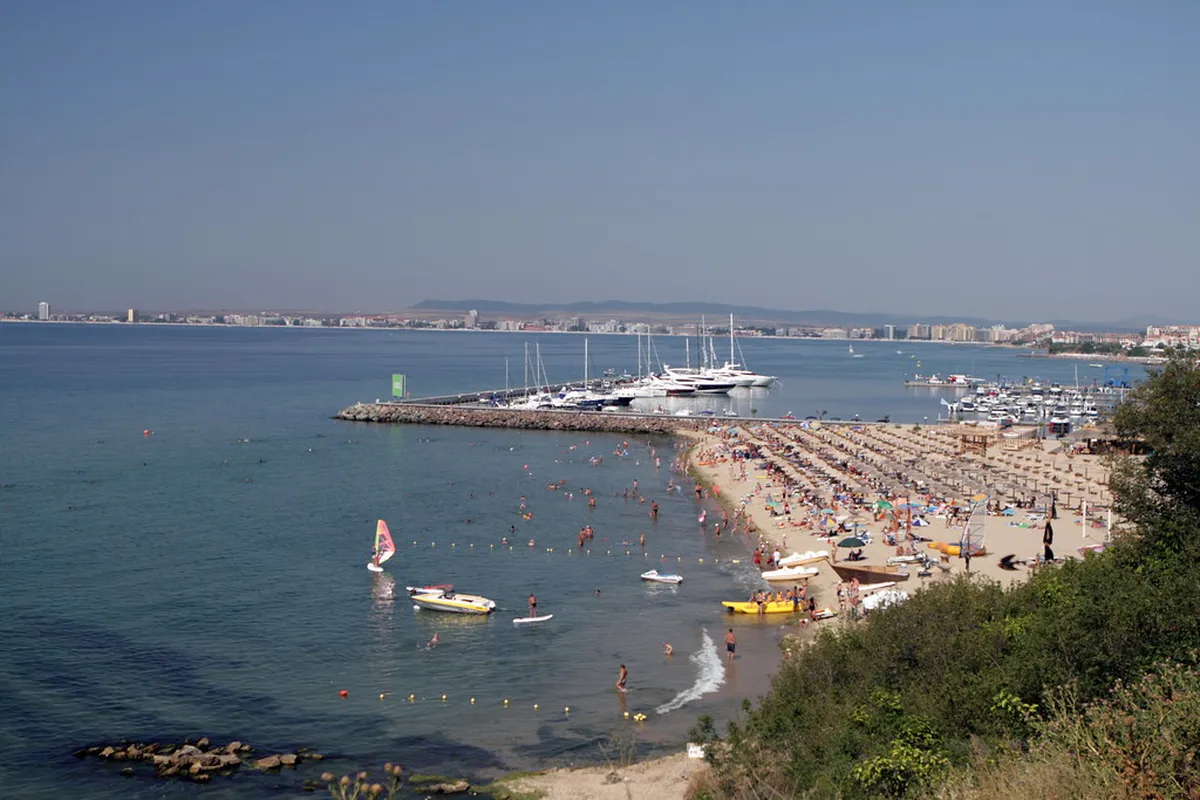
Summer (June–August) is hot and dry. Coastal towns like Sunny Beach, Varna, and Burgas regularly hit 32–35°C, while Sofia and Plovdiv sit slightly cooler at 28–32°C. Mountain areas such as the Rila and Pirin ranges stay 5–8°C cooler than the lowlands at the same time of year. August is the peak heat month.
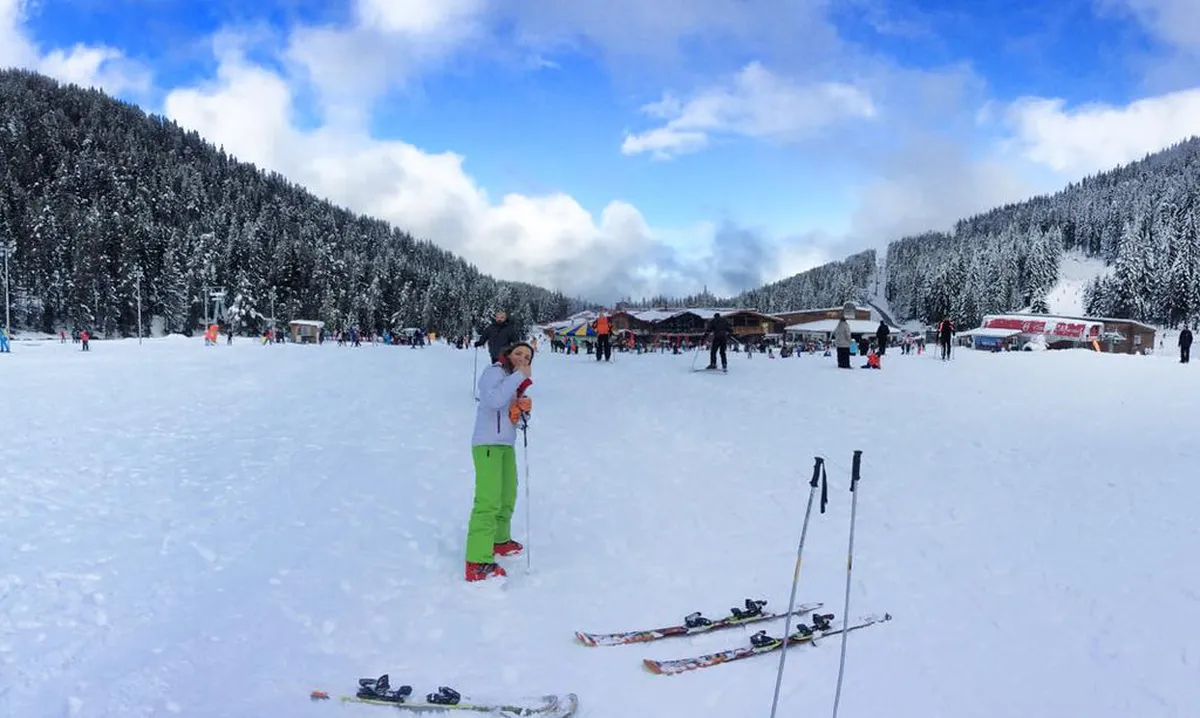
Winter (December–February) is cold and snowy, especially in the mountains where ski resorts like Bansko and Borovets operate. Sofia averages around 1–3°C in January and can drop below -5°C during cold snaps. Coastal towns are milder but still cold, often 5–8°C. Snowfall in the capital is common.
Spring and autumn are transitional and unpredictable. April and October are pleasant for city sightseeing, with daytime highs of 15–22°C, but evenings cool quickly and rain showers arrive without warning. These shoulder seasons require the most versatile packing. Check the forecast for your specific destinations a few days before departure.
| Season | Weather | Pack |
|---|---|---|
| Summer (Jun–Aug) | Hot and dry; 28–35°C coast and lowlands, 5–8°C cooler in mountains | Lightweight cotton/linen tops, shorts, swimwear (2 sets), sandals, beach cover-up, wide-brimmed hat, sunscreen 50+, waterproof jacket for rain |
| Winter (Dec–Feb) | Cold and snowy; Sofia 1–3°C, coast 5–8°C; ski resorts reliable snow | Heavy insulated coat, thermal base layers, warm hat/gloves/scarf, waterproof boots with grip, thick wool socks, umbrella, moisturising lip balm |
| Spring/Autumn (Apr, Oct) | Mild daytime 15–22°C, unpredictable rain, cool evenings | Versatile layers (merino top, fleece, cardigan), waterproof jacket, long-sleeved shirt, cross-body bag, comfortable walking shoes |
Bulgaria Clothing Style: Dressing to Fit In
Bulgarian cities are modern and fashion-conscious. Young people in Sofia and Plovdiv dress with attention to detail — coordinated shoes, bags, and accessories — but the overall vibe is smart-casual rather than formal. Think well-fitted jeans, neat tops, and clean leather sneakers or ankle boots rather than hiking trousers or branded outdoor gear in the city centre.
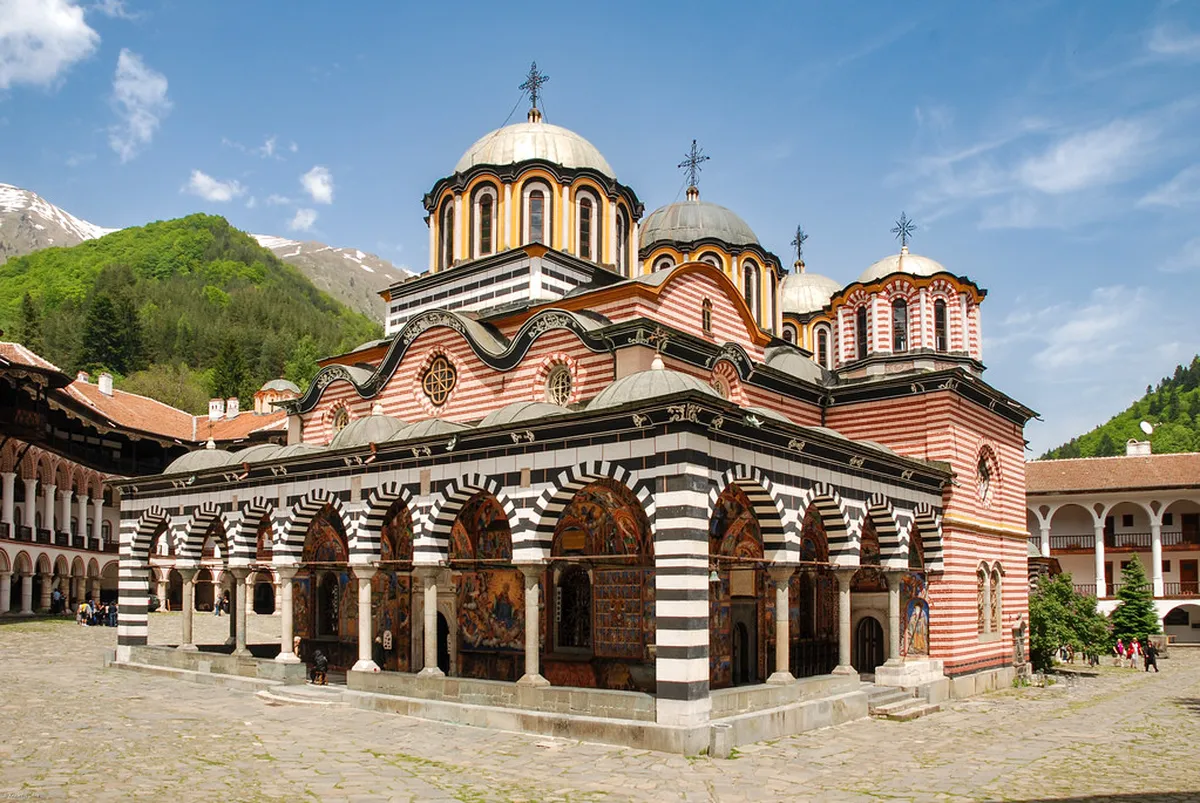
When visiting Orthodox churches and monasteries, including the famous Rila Monastery, modest dress is required and genuinely enforced at the gate. Shoulders and knees must be covered for both men and women. A lightweight scarf or a long cardigan does the job in summer. At Rila specifically, note that the monastery sits at 1,147 metres elevation, so even on a hot July day temperatures inside the courtyard are noticeably cooler than in Sofia.
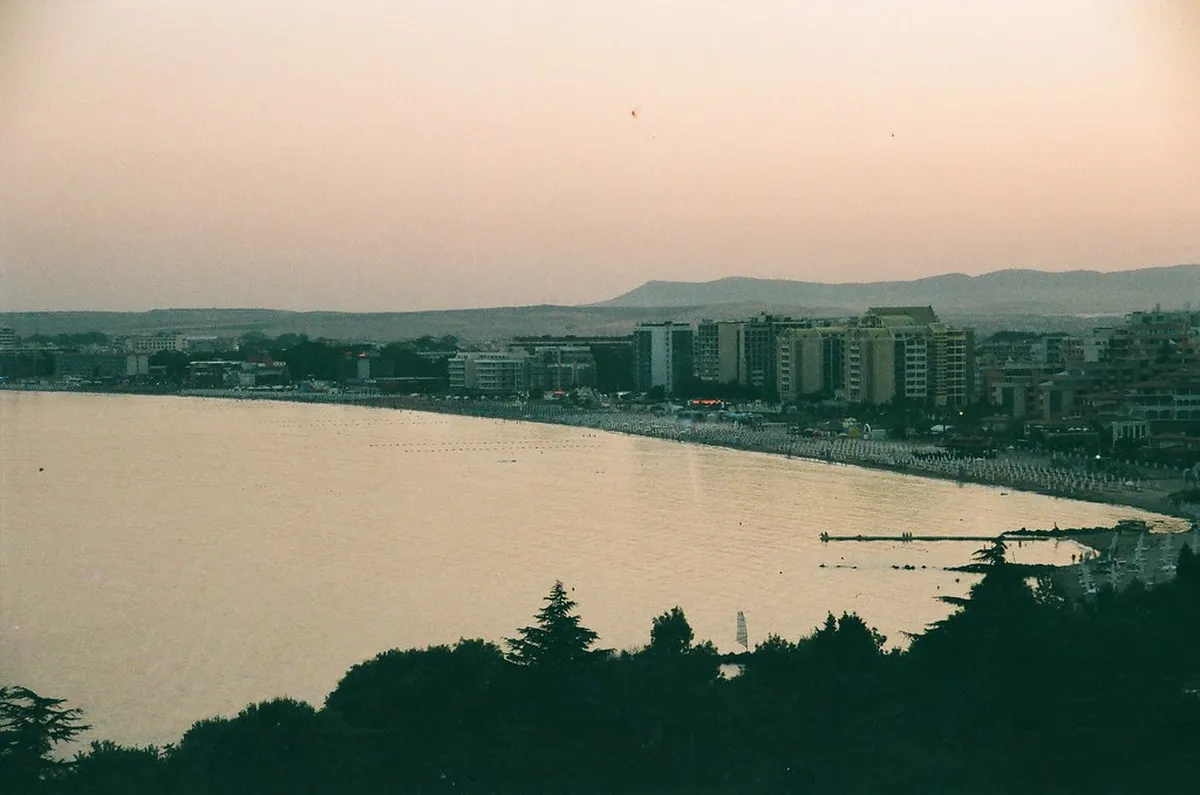
For the Black Sea coast, beach resorts like Sunny Beach are casual — swimwear, flip-flops, and cover-ups are the standard. The beach towns operate on an entirely different dress code from the cities, so there is no conflict in packing both sets of clothing for a combined trip.
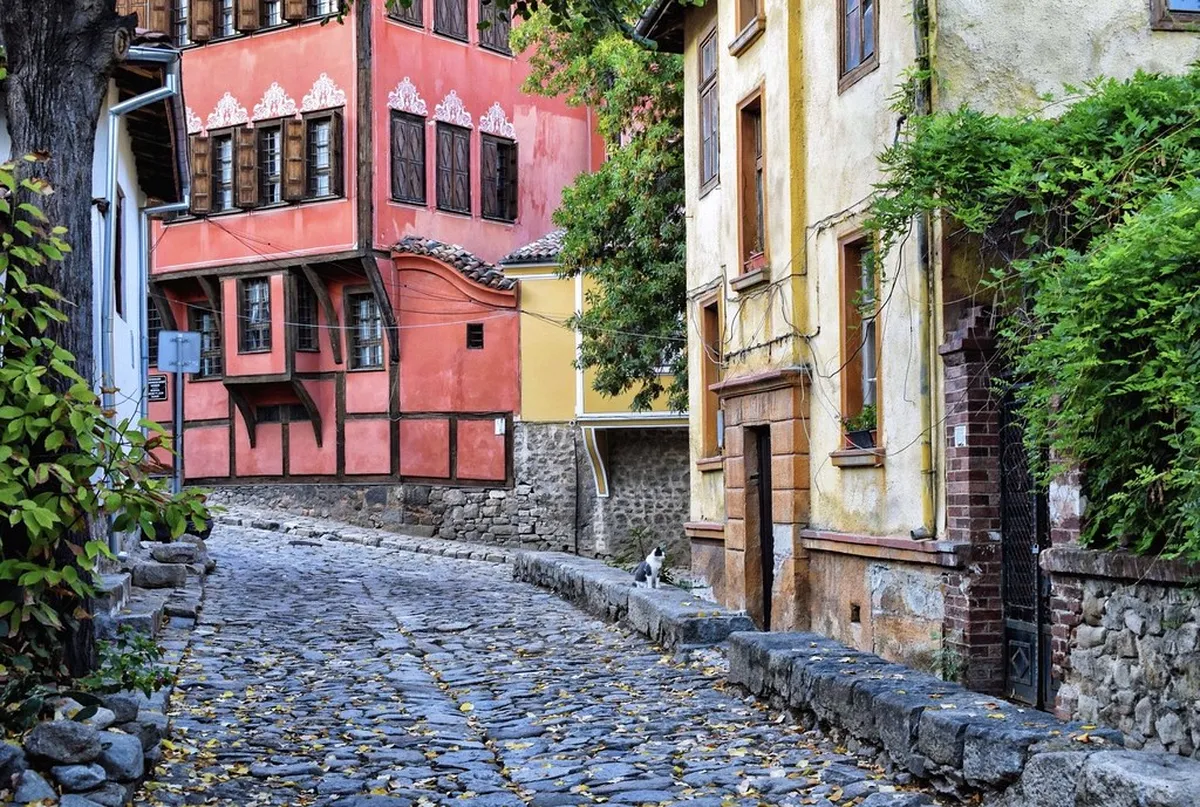
Cobblestone streets are a consistent feature of historic centres in Plovdiv, Veliko Tarnovo, and Nessebar. High heels are impractical on these surfaces and you will regret them after the first hour. Flat shoes with decent grip are a better call even for an evening out. See our full Bulgaria Travel Tips: Your Essential Guide to Planning a Trip for other logistics worth knowing before you go.
Bulgaria uses Type C and Type F plugs (230V, 50Hz). UK travellers need only a physical plug adapter since most modern UK devices are dual-voltage. US and Canadian travellers need both an adapter and a voltage converter — standard US hair dryers rated 120V-only will burn out instantly at 230V. Always check your device labels for "100–240V" before packing any appliance.
When visiting Orthodox monasteries like Rila, pack modest shoulder and knee cover — it is genuinely enforced at the gate. A lightweight scarf or long cardigan works for summer visits. Comfortable flat shoes are essential for cobblestone streets in Plovdiv, Veliko Tarnovo, and historic town centres; high heels will be uncomfortable after the first hour.
What to Pack for Summer and Shoulder Seasons in Bulgaria
Bulgaria's dry summer runs from late May to mid-September, making it ideal for beach trips and outdoor sightseeing. The heat in August along the coast is intense, so breathable fabrics matter. Pack light cotton or linen rather than synthetics, which trap heat uncomfortably in 33°C weather.
- Lightweight cotton or linen T-shirts and tops (4–5)
- Shorts and a versatile skirt that pairs with different tops
- A casual dress or two for evenings and restaurant meals
- Swimwear (2 sets so one can dry overnight)
- Beach cover-up or sarong — doubles as a monastery scarf
- A light open-front sweater or denim jacket for air-conditioned restaurants and cooler coastal evenings
- Comfortable walking sandals and a pair of flat shoes for cobblestone old towns
- Wide-brimmed hat and UV sunglasses
- High-SPF sunscreen (50+) — beach prices are inflated in resort towns
- Insect repellent for evenings near rivers or forested areas
For shoulder season travel (April–May or September–October), add a waterproof jacket and pack one warm layer such as a merino wool top or a compact fleece. Mornings and evenings in Sofia or the mountains can drop to 8–12°C even when midday feels warm. A cross-body bag that closes securely is practical for city days and busy bus stations.
If you are heading to the best beaches in Bulgaria, check our Best Time To Visit Bulgaria: Seasonal Weather & Travel Guide guide for exact peak season dates and a breakdown of the coast versus the mountains.
Travel Essentials for Winter in Bulgaria
Winter in Bulgaria splits into two very different experiences: skiing in the Rhodope and Rila mountains, and city breaks in Sofia or Plovdiv. The ski resorts at Bansko and Borovets receive reliable snowfall from late December through March. Sofia city breaks are perfectly enjoyable in winter — Christmas markets run through December and the museums are crowd-free.
- Heavy insulated coat or ski jacket (essential for mountains; useful in Sofia)
- Thermal base layers — top and bottom — wear under everything
- Warm hat, gloves, and a fleece-lined scarf
- Waterproof boots with a non-slip sole — hard rubber soles become dangerously slippery on icy cobblestones; choose shoes with a textured grip
- Anti-slip shoe covers (available cheaply online) if you are wearing city shoes
- Thick wool or merino socks
- A lightweight packable umbrella — winter rainfall can be sudden
- Moisturising lip balm and hand cream — central heating and cold air dry the skin fast
For skiing at Bansko or Borovets, ski rental is widely available on the slopes at reasonable prices (around 30–45 BGN per day for boots, skis, and poles), so you do not need to travel with your own unless you have strong preferences. A mid-layer fleece or down vest under your ski jacket adds warmth without bulk on very cold days. Pack goggles and helmet if you own them — rental helmets at budget-end shops vary in fit.
City travellers in Sofia in January will find the underground metro warm and efficient, so you will not need extreme cold-weather gear just for a Sofia city break — a good coat and warm layers are enough.
Packing for City Explorations: Sofia, Plovdiv and Beyond
Sofia rewards those who pack for walking. The city's main attractions — Alexander Nevsky Cathedral Visitor Guide, Vitosha Boulevard Visitor Guide, the Roman Serdica ruins — are spread across a walkable centre, but the streets mix smooth paving with uneven older surfaces. A pair of leather or leather-look sneakers strikes the right balance between smart and practical for a full day of sightseeing.
Plovdiv's Old Town is built on hills with steep cobblestone lanes. Ballet flats and loafers work well in spring and autumn; in summer, sandals with a back strap rather than open slides give better grip on the slopes. For a day trip from Sofia to Plovdiv (about 2 hours by train, departing from Central Station), pack your day bag light — a small cross-body or a compact backpack is better than lugging a full tote up the old town's stairs.
For Rila Monastery, if you are doing the day trip from Sofia by car or organised tour, include a long-sleeved layer even in summer. The drive goes to altitude and the monastery complex can feel significantly cooler. If you plan to hike any of the Rila trails nearby (e.g., the Seven Rila Lakes Visitor Guide circuit, which sits above 2,000 metres), proper hiking boots are non-negotiable — trail surfaces are rocky and can be wet even in July.
Electrical Adapter and Voltage Guide for Bulgaria
Bulgaria uses Type C and Type F plugs — the standard two-round-pin European sockets found across most of continental Europe. The mains voltage is 230V at 50Hz. This is one area where UK and US travellers have different needs, and getting it wrong can damage your devices.
UK travellers need a Type G to Type C/F adapter. Your devices themselves will almost certainly be fine: most modern UK-sold electronics (phone chargers, laptop power bricks, hair dryers) are rated 100–240V and will handle Bulgarian current without any issue. Check the small print on your charger or adaptor brick — if it says "100–240V, 50/60Hz" you only need the physical plug adaptor, not a voltage converter.
US and Canadian travellers need both an adapter and potentially a voltage converter. Standard US voltage is 120V, and Bulgaria runs at 230V — double the voltage. Modern electronics (phones, laptops, cameras) are almost always dual-voltage (100–240V) and need only the plug adapter. But older or cheaper hair dryers, electric shavers, and travel irons sold in North America are often 120V-only and will burn out instantly at 230V. Check your appliance label before packing it. A compact 230V-compatible travel hair dryer is often worth buying in advance rather than risking a 120V-only one.
The safest approach for any traveller: pack a universal adapter that covers Type C/F (most universal travel adapters do), and before you pack any appliance, verify that its power brick or label says "100–240V". A single quality universal adapter costing €10–15 covers Bulgaria and every other continental European destination.
The Essential Bulgaria Packing List
This covers the core items every visitor needs regardless of season. Adapt quantities based on your trip length and activities — a beach week demands more swimwear; a mountain hike demands less.
- Passport valid for at least six months beyond your return date
- Copies of passport, insurance, and booking confirmations (digital and one paper copy)
- Credit and debit cards plus some Bulgarian Lev (BGN) cash — smaller towns and village restaurants rarely accept cards. Bulgaria Currency: Lev, Euro Adoption, & Exchange Guide
- Travel insurance covering medical and emergency evacuation — check Travel Insurance for Bulgaria: Requirements, Coverage & Best Plans for options
- Type C/F universal travel adapter (see electrical section above)
- Portable power bank — useful on long travel days and coach trips between cities
- Bulgarian SIM or eSIM for data — local SIMs are inexpensive at Sofia Airport or town-centre phone shops. Check Bulgaria eSIM options before you go
- Comfortable walking shoes with grip suitable for cobblestones
- At least one modest outfit (covered shoulders and knees) for monasteries and churches
- Lightweight waterproof jacket year-round — shoulder seasons and mountain days bring sudden rain
- Sunscreen 50+ and sunglasses for summer or mountain days
- Reusable water bottle — tap water is safe to drink throughout Bulgaria
- Small day backpack for excursions (5–15L)
- Basic first-aid kit and any prescription medications with documentation
Bulgaria uses the Lev (BGN), not the Euro. ATMs are widely available in cities and larger towns, but carry a small amount of cash when heading to rural areas or the smaller Black Sea resorts. Exchange rates at airport bureaux are poor — use a bank ATM on arrival.
Choosing the Right Luggage for Bulgaria
The right luggage depends on your itinerary more than your personal preference. A wheeled suitcase works well if you are staying in one or two cities and moving by train or taxi between them. Sofia's Central Train Station and major bus terminals have smooth-floor concourses, so rolling luggage is manageable.
A travel backpack (40–50L) is the better choice if you plan to move frequently between cities, stay in hostels, or do any hiking. Sofia's older neighbourhoods and Plovdiv's Old Town have uneven ground and occasional stairs — rolling a large suitcase over cobblestones is genuinely tiring and wears down wheels fast. A backpack also fits into overhead lockers on Bulgarian intercity buses, where luggage-hold access is not always guaranteed.
For a mixed itinerary — a few nights in Sofia, a beach stint on the coast, a mountain day trip — a medium-sized carry-on-compliant bag (around 40L) avoids checked-luggage fees on Ryanair and Wizz Air routes (both serve Sofia and Varna) and keeps you flexible. Leave room for souvenirs: Bulgarian rose products, local wine, and ceramics are all worth bringing home.
For more detail on moving between cities, see our guide on Getting Around Bulgaria: The Ultimate Transportation Guide.
Continue planning: Use Bulgaria Travel Tips: Your Essential Guide to Planning a Trip and Backpacking Bulgaria: A Complete 2026 Budget Travel Guide to connect this guide with the rest of your Bulgaria itinerary.
Frequently Asked Questions
What kind of luggage should I bring for Bulgaria?
A wheeled suitcase is fine for city trips with easy transfers. For varied itineraries, consider a backpack or a hybrid travel pack. Check airline size limits for carry-ons. Getting Around Bulgaria: The Ultimate Transportation Guide offers insights into local transport.
What are the absolute must-haves for a Bulgaria packing list?
A universal power adapter, comfortable walking shoes, versatile layers, and copies of important documents are essential. Don't forget a portable charger for your phone. These items ensure comfort and preparedness for diverse activities.
How does Bulgaria's weather influence what I should pack?
Bulgaria has hot summers, cold winters, and mild shoulder seasons. Pack light clothing and swimwear for summer. Bring thermal layers, a waterproof jacket, and warm boots for winter. Always include layers for spring and autumn. Check Best Time To Visit Bulgaria: Seasonal Weather & Travel Guide for seasonal details.
Bulgaria rewards travellers who pack for its variety rather than for a single type of trip. A beach holiday on the Black Sea, a ski week in Bansko, and a city break in Sofia all pull in different directions — but the core list of comfortable walking shoes, versatile layers, a solid waterproof jacket, and the right power adapter covers all three. Get those right and you can adapt everything else on arrival.
For broader trip planning, browse our Bulgaria Travel Tips: Your Essential Guide to Planning a Trip for entry requirements, transport, and money. Safe travels.