Is Bulgaria Expensive? Your Ultimate Budget Travel Guide
Bulgaria is one of Europe's most affordable travel destinations in 2026, and the numbers back it up. A budget traveler can get by on €36–40 per day. A comfortable mid-range visitor spends roughly €55–90 per day. Compare that to similar trips in Spain, Italy, or Greece, and you'll quickly see why Bulgaria attracts cost-conscious travelers from across the continent.
This video walks through Bulgaria's best places and demonstrates practical budget strategies across the country's main regions:
One important change for 2026: Bulgaria officially adopted the Euro on 1 January 2026. All prices in shops, restaurants, hotels, and transport are now displayed and charged in EUR. This guide uses EUR throughout, with BGN noted only where relevant for context. If you visited Bulgaria before 2026, expect the same purchasing power but now priced directly in Euro without any conversion step.
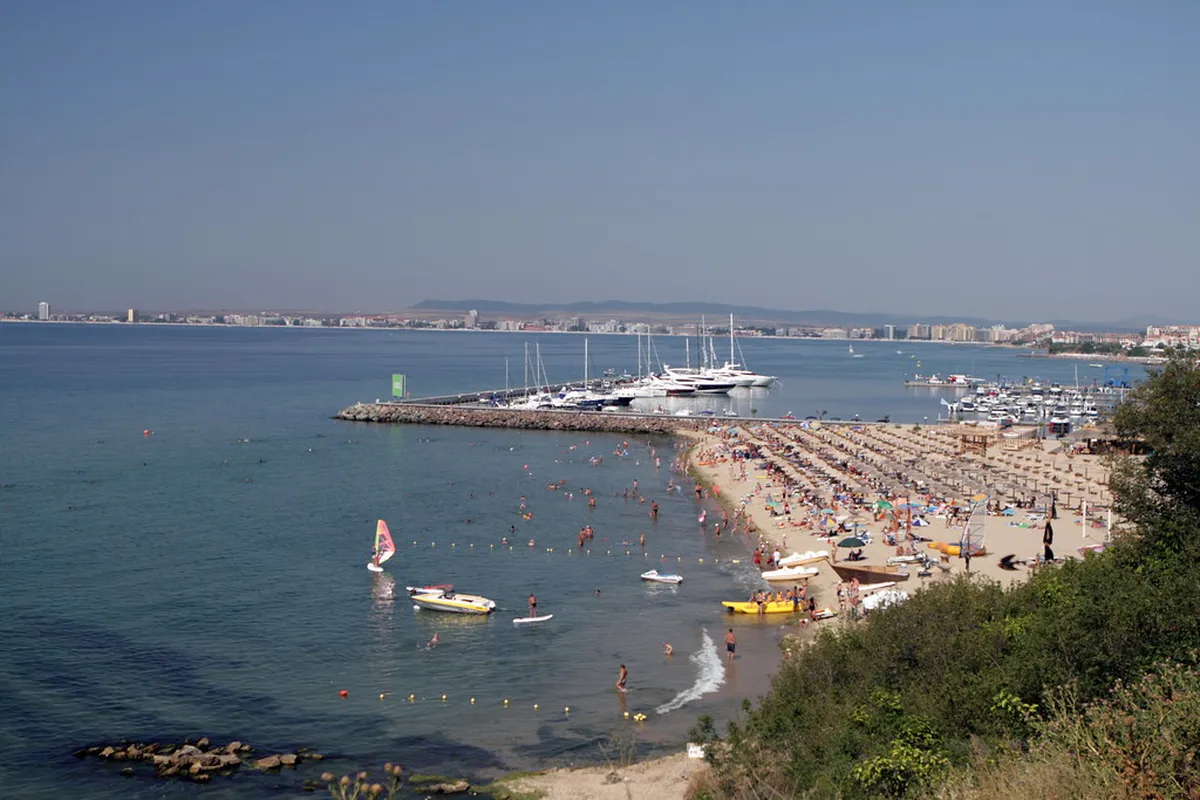
Since January 2026, Bulgaria prices are in euros—no more lev conversion needed. However, expect higher rates in seasonal hotspots like Sunny Beach (July–August) and ski resorts (December–March), where accommodation can double from off-peak rates; inland and shoulder seasons offer far better value.
Is Bulgaria Expensive? An Overview of Travel & Living Costs
Bulgaria sits firmly in the bottom quarter of European travel costs. According to Numbeo, consumer prices in Bulgaria run approximately 48% lower than in the UK and around 40% below the EU average. That gap is felt immediately: a sit-down lunch that would cost €18–22 in Western Europe costs €7–10 in Sofia. A hostel dorm that would be €35 in Prague or Krakow is €12–15 in Plovdiv.
Bulgaria remains one of the cheapest EU countries for travel, even after the 2026 euro adoption. Cash is still handy for local markets, rural villages, and bus stations—while major Sofia and Plovdiv restaurants accept cards, smaller establishments and street vendors prefer euros in hand.
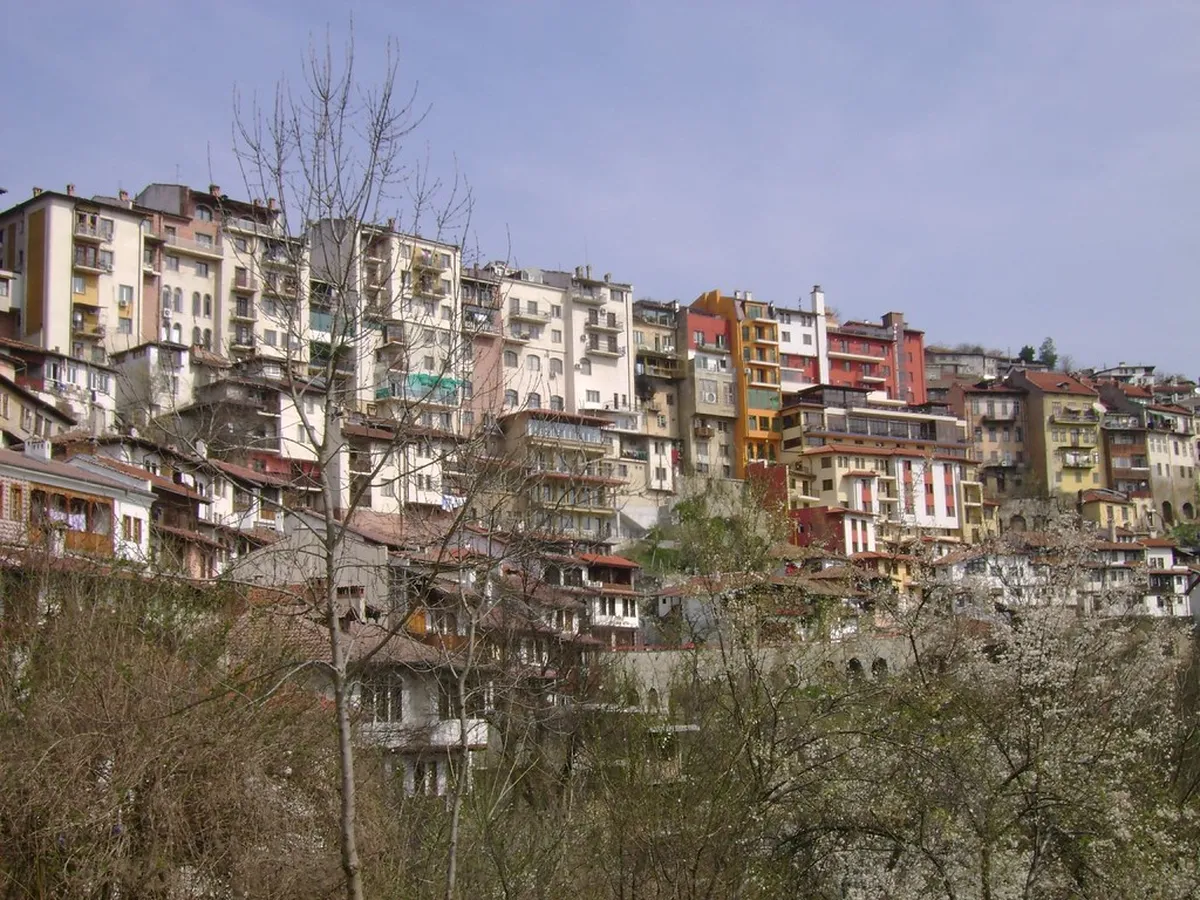
The capital Sofia is the priciest city, but even there the cost gap with Western Europe is stark. Coastal resort towns like Sunny Beach spike in July and August for accommodation, but food and transport remain cheap year-round. Ski resorts like Bansko and Borovets are expensive by Bulgarian standards in winter but undercut equivalent Austrian or French Alps resorts by 60–70%. Rural and inland towns — Veliko Tarnovo, Ruse, Melnik — are the cheapest destinations of all.
Several factors shape your total spend: the season you visit, whether you stay in tourist-heavy zones, and how much you rely on organized tours versus independent travel. Booking accommodation two to three months ahead in peak season cuts costs noticeably. For more tips on planning your visit, see our Bulgaria travel tips guide.
Bulgaria Travel Cost Breakdown: Daily & Weekly Estimates
The figures below are per person per day in EUR and assume independent travel (no pre-packaged tours). They cover accommodation, food, local transport, and basic sightseeing. International flights are excluded.
| Budget tier | Accommodation | Food | Transport | Attractions | Daily total |
|---|---|---|---|---|---|
| Backpacker (hostel dorm, street food, public transport) | €8–15 | €12–18 | €2–4 | €0–5 | €22–42 |
| Mid-range (3-star hotel, local restaurants, some taxis) | €30–55 | €20–35 | €5–10 | €8–15 | €63–115 |
| Comfort/Luxury (boutique hotel, nicer restaurants, taxis) | €60–130 | €35–65 | €10–25 | €15–35 | €120–255 |
A standard one-week solo trip at mid-range works out to roughly €440–800 excluding flights. Budget travelers can cover a week for €155–295. For a 7-day trip for two people at mid-range, plan on €900–1,600 total in-country spending — a fraction of what the same trip would cost in Western Europe.
A typical budget day in Sofia: free walking tour (tip €3–5), lunch at a local mehana €7, afternoon at Alexander Nevsky Cathedral Visitor Guide (free), metro ticket €0.90, dinner with a beer €14, hostel dorm €12. Total: roughly €38. That is a complete, enjoyable day for under €40.
Accommodation Costs in Bulgaria: Hotels, Rentals & Cities
Accommodation is the biggest variable in your Bulgaria budget. In Sofia, a hostel dorm bed runs €8–18 per night. A private room in a guesthouse is €20–40. A mid-range 3-star hotel costs €40–80. Boutique and 4-star hotels start at €80 and can reach €180 for a superior room in the city center.
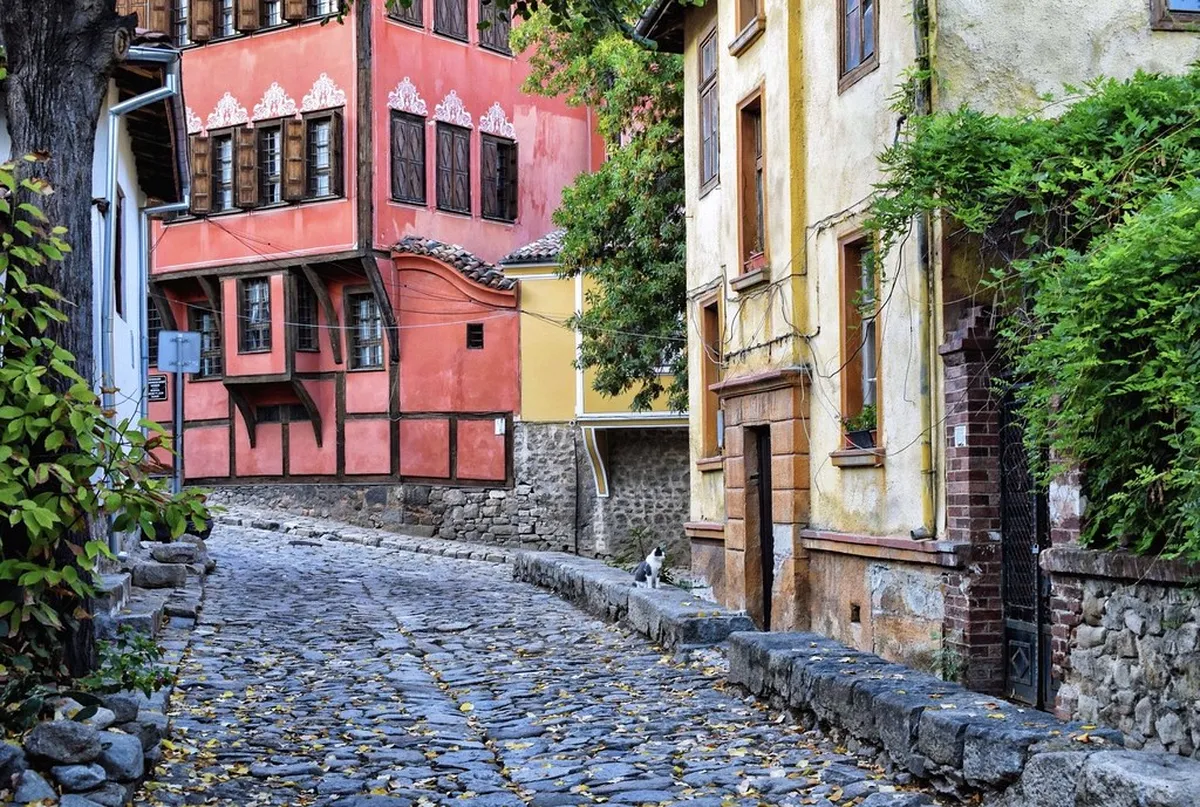
Plovdiv undercuts Sofia by 15–25% on accommodation. A mid-range double room in the Old Town area sits at €35–60. Varna and Burgas are cheap outside summer but surge to €70–150 for a basic double in July–August when demand from domestic and Romanian tourists peaks. Bansko in ski season (December–March) sees hotel rates of €60–120 per night for a standard double, with luxury spa resorts exceeding €200.
For longer stays, a furnished apartment in Sofia costs €450–700 per month for a one-bedroom in a central neighborhood, and €300–450 in Plovdiv or Varna outside summer. Airbnb and Booking.com both carry strong inventory in Bulgaria. Booking 6–8 weeks ahead in peak months saves 20–30% versus last-minute rates. For more on planning your stay, our Bulgaria Travel Tips: Your Essential Guide to Planning a Trip page covers key booking strategies.
Food & Dining Costs in Bulgaria: Groceries, Restaurants & Local Dishes
Food in Bulgaria is genuinely cheap. A sit-down lunch at a local mehana (tavern) — typically soup, a main course like kavarma (meat and vegetable stew) or grilled kebapche, and bread — costs €6–10 including a soft drink. The same meal at a mid-range restaurant with wine runs €12–18. Upscale dining in Sofia's center reaches €25–45 per person with wine.
Specific price anchors to plan around: a Shopska salad is €3–4, a tarator cold yogurt soup €2–3, a banitsa cheese pastry from a bakery €0.80–1.50, a glass of local wine at a bar €2–4, and an espresso €1–2. A 500ml domestic beer (Zagorka, Kamenitza, Shumensko) in a bar costs €1.50–2.50. Street kebab sandwiches with kyufte or kebapche are €2–3.50.
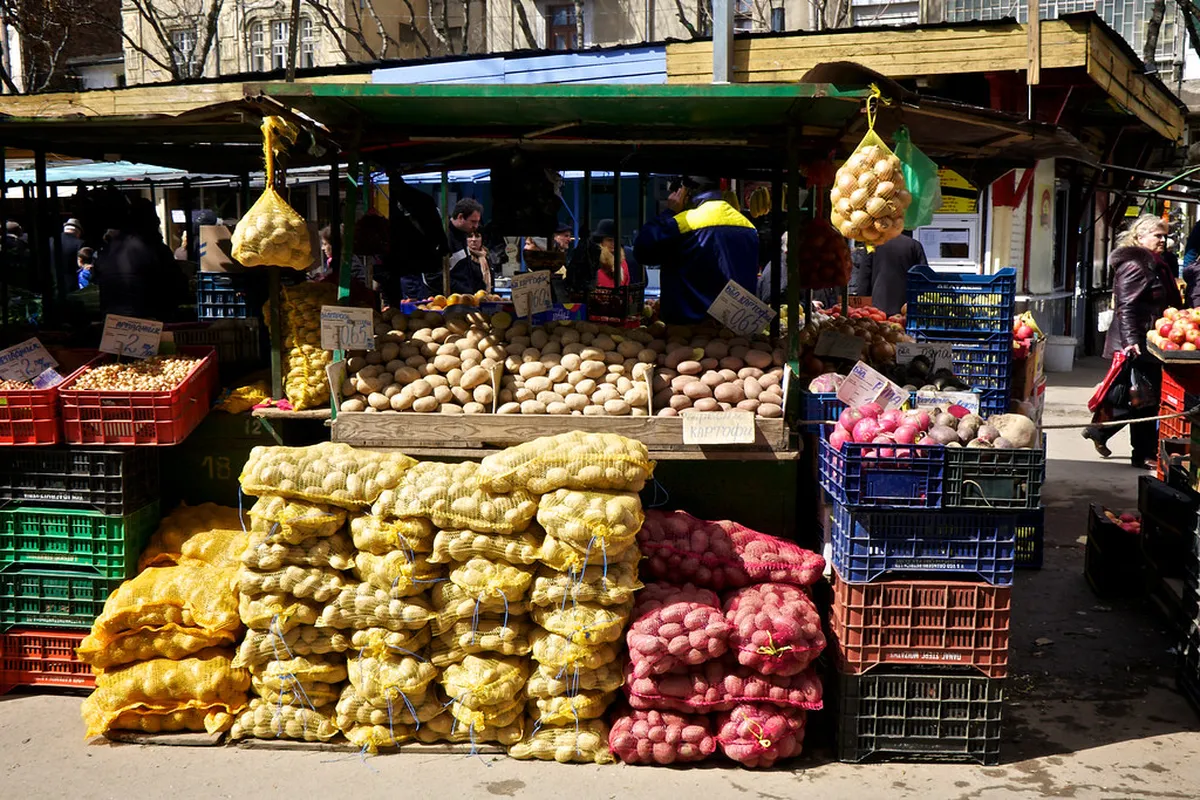
Weekly groceries at a supermarket (Lidl, Kaufland, Billa) for one person run €25–40. Local market produce — tomatoes, peppers, cucumbers, cherries — is even cheaper and noticeably fresher in summer. If your accommodation has a kitchen, preparing even half your meals cuts your daily food spend to €8–12.
Transportation Costs in Bulgaria: Public Transit, Car Rental & Inter-City Travel
Urban transport in Sofia is very cheap. A single metro or bus ticket costs €0.90. A 24-hour pass is €2. A monthly pass is €28. The Sofia metro connects the airport directly to the center (Serdika station) in about 30 minutes for €0.90 — one of the cheapest airport-to-city connections in Europe. Taxis from Sofia Airport to the center run €8–12 with a metered official cab; always use the metered queue, not touting drivers outside arrivals.
Inter-city buses are the best value for longer distances. Sofia to Plovdiv (1.5 hours) costs €6–9. Sofia to Varna (7 hours) is €18–25. Sofia to Bansko (2 hours) is €10–14. Tickets are bought at bus station counters or via the bus operator apps; no advance booking surcharge applies. Train travel is marginally cheaper but slower and less frequent — the Sofia–Plovdiv train takes 2–2.5 hours versus 1.5 hours by bus.
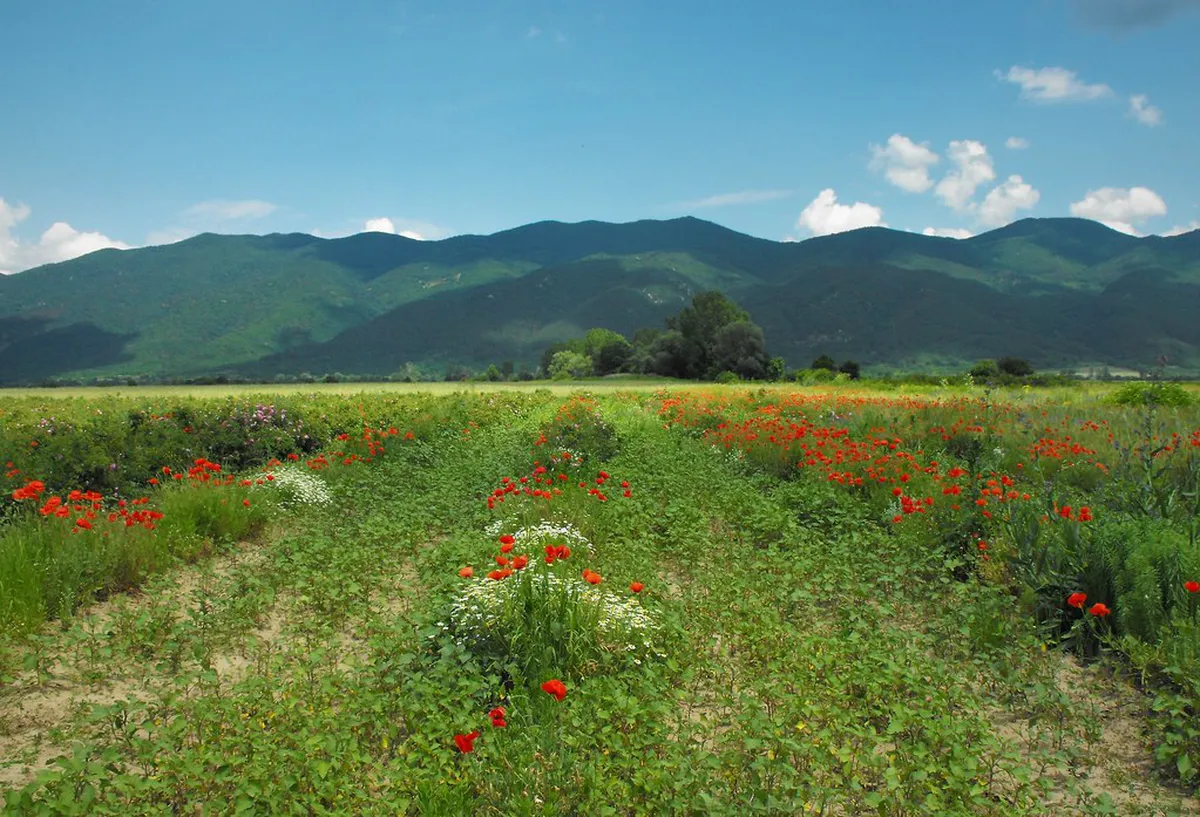
Car rental starts at €18–35 per day for a compact car from Sofia Airport with a major operator (Europcar, Hertz, Sixt). Fuel costs roughly €1.60–1.80 per liter for unleaded 95. Renting a car is worth it for trips to Rila Monastery Visitor Guide, the Valley of Roses, or the Rhodopes, where public transport connections are infrequent. For a full rundown, see our Bulgaria transport guide.
Flight Costs to Bulgaria: Sofia, Varna & Burgas Airports
Sofia Airport (SOF) is the main year-round gateway. Ryanair, Wizz Air, and easyJet serve Sofia from London, Amsterdam, Brussels, Rome, and other major European cities. One-way fares from London Luton or Stansted to Sofia start at €25–60 booked 6–8 weeks ahead, rising to €80–150 in peak summer. Round-trip economy from the US (via a European hub) runs €420–650 booked 3+ months out.
Varna Airport (VAR) and Burgas Airport (BOJ) serve the Black Sea coast primarily in summer (May–October). Charter and scheduled flights from the UK, Germany, and Scandinavia flood into Burgas from late June; booking early matters here. Off-peak, Varna and Burgas have limited scheduled service, making Sofia the default entry point the rest of the year.
Flying into a major hub like Vienna, Budapest, or Bucharest and connecting via a budget carrier can shave €50–100 off the total fare, though it adds complexity. Mid-week departures (Tuesday, Wednesday) are consistently cheaper than Friday–Sunday. Clearing cookies or using incognito mode when searching does not reliably change prices, but comparing across Google Flights, Kayak, and directly on Wizz Air and Ryanair does find meaningful differences.
Healthcare Costs & Visa Requirements for Bulgaria
Bulgaria is part of the Schengen Area from 2025, meaning EU and EEA citizens enter without passport control. Citizens of the US, UK, Canada, and Australia get a 90-day visa-free stay within any 180-day window under Schengen rules. No visa fee applies. Your passport must be valid for at least 3 months beyond your planned departure date. Check current entry requirements at the Bulgarian Ministry of Foreign Affairs if you hold a non-standard passport.
Travel insurance is not optional in practice. A basic single-trip policy covering medical evacuation for a two-week trip from the UK costs €20–45. Without insurance, a private clinic consultation in Sofia runs €40–80, and a hospital emergency admission can reach €500–2,000 before any major procedures. Public hospitals are free for EU citizens with a valid EHIC card but expect long waits and limited English. Private clinics — Tokuda, Acibadem City Clinic in Sofia — are fast, English-speaking, and moderately priced by Western standards. Full guidance on healthcare in Bulgaria is available from Gov.uk.
The Euro in Bulgaria: What Changed on 1 January 2026
Bulgaria adopted the Euro on 1 January 2026, replacing the Bulgarian Lev (BGN). The conversion rate was fixed at 1.95583 BGN to 1 EUR — the same rate that had been in place since the currency board was established in 1997. For travelers, the practical impact is significant: every price you see in shops, restaurants, hotels, and transport terminals is now in EUR. You no longer need to mentally convert from BGN.
Old BGN banknotes and coins remained legal tender in shops until 28 February 2026. After that date, they can only be exchanged at the Bulgarian National Bank (BNB) at the fixed rate — indefinitely, with no expiry. If you have leftover BGN from a previous trip, take it to a BNB branch in Sofia, Plovdiv, Varna, or any regional city. Do not attempt to exchange old BGN at private exchange offices or hotels, as many will refuse or offer poor rates.
A common mistake first-time visitors now make is buying BGN at a currency exchange abroad before departure, because older travel guides still list BGN as Bulgaria's currency. You only need EUR. Do not exchange money at airport kiosks on arrival — the rates are 3–5% worse than the mid-market rate. The best approach is to arrive with EUR cash from your home bank or withdraw from an ATM inside Bulgaria using a fee-free travel card (Wise, Revolut). ATMs in Sofia Airport and city centers dispense EUR. Card terminals across all major chains and most restaurants accept Visa and Mastercard with no surcharge.
For reference, common pre-euro prices that locals still quote in BGN: a coffee was 3–4 BGN (now €1.50–2), a bus ticket was 1.60 BGN (now €0.90), a restaurant lunch was 12–18 BGN (now €6–9). The purchasing power is unchanged; only the denomination has shifted. Our Bulgaria Currency: Lev, Euro Adoption, & Exchange Guide covers payment methods and ATM tips in detail.
How Much Cash Should You Take to Bulgaria?
Card acceptance has improved significantly since the Euro adoption, but cash is still useful in Bulgaria. Major supermarkets, hotels, and most restaurants in Sofia and Plovdiv accept contactless card payment without issue. Markets, village shops, small cafes, and intercity bus stations typically prefer cash. Taxis are a mixed picture: metered cabs usually accept cards, but many drivers prefer cash.
A reasonable daily cash float is €30–50 for a budget traveler and €50–80 for mid-range. Withdraw from ATMs inside banks (UniCredit Bulbank, DSK, Postbank) rather than standalone kiosks — bank ATMs have lower fees and better reliability. Avoid dynamic currency conversion (DCC) prompts at ATMs: always choose to be charged in EUR, not your home currency. Your card issuer's rate will be better than the ATM operator's conversion.
Carry some €5 and €10 notes for small transactions. Smaller notes avoid the change-shortage problem common in local cafes and markets. Avoid carrying large sums at once; use your accommodation safe for reserves. For safety advice, see our guide on Is Bulgaria Safe? Your Essential Travel Safety Guide.
Tipping, Shopping & Souvenir Costs in Bulgaria
Tipping in Bulgaria is customary but not compulsory. The standard for restaurants is 10% of the bill when service is good. Round up taxi fares. Hotel porters expect €1–2 per bag. Check your bill before tipping — some tourist-area restaurants in Sofia and Sunny Beach automatically add a service charge (listed as "service" or a percentage); if they do, an extra tip is not expected. It is considered impolite to leave small coin change as a tip; rounding up to the nearest euro or leaving a clean note is more appropriate.
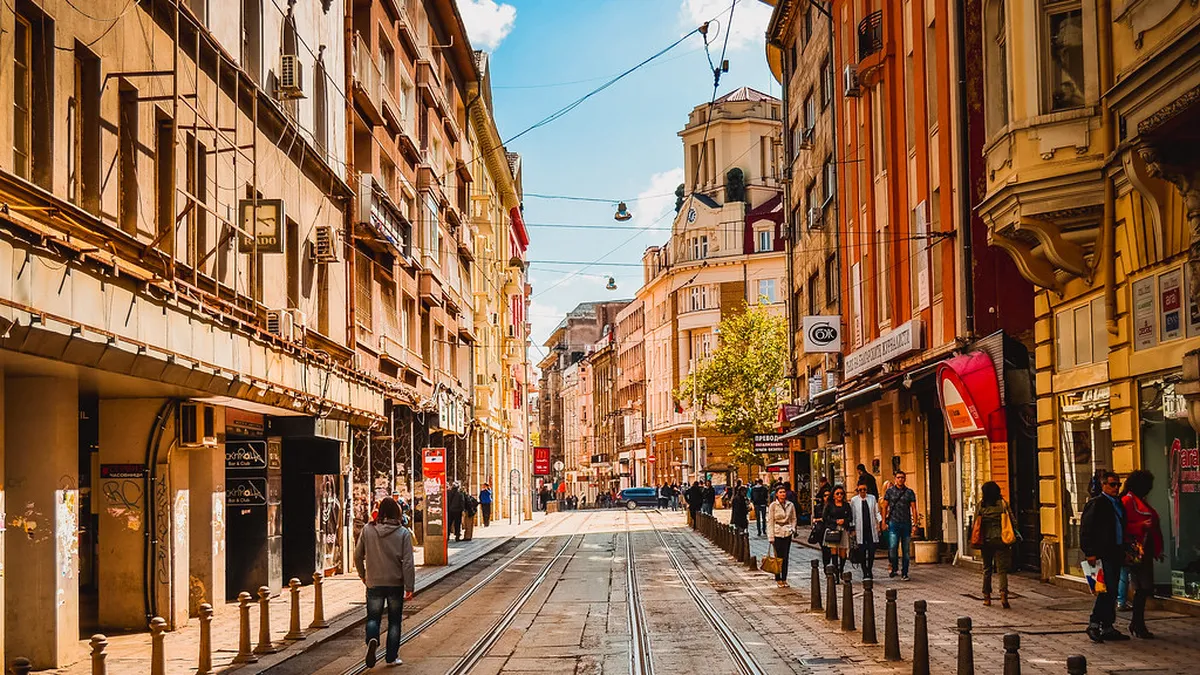
Souvenirs in Bulgaria are excellent value. Rose oil and rose-water products from the Valley of Roses (Kazanlak area) are the signature buy — a 5ml vial of genuine rose attar costs €15–35 in a specialty shop, significantly less than the same product sold in airport duty-free. Hand-painted pottery from Troyan costs €8–25 per piece. Embroidered linens, wooden carvings, and icon reproductions are widely available in Plovdiv's Old Town and Sofia's Women's Market (Zhenski Pazar). Buy from small artisan shops rather than tourist kiosks near major sights; the quality is higher and prices are 20–40% lower.
Leisure & Entertainment Costs in Bulgaria: Sightseeing, Nightlife & Activities
Most of Bulgaria's headline attractions are free or very cheap. The Alexander Nevsky Cathedral in Sofia has no entrance fee for the main nave. The Church of St. George Rotunda Visitor Guide (4th century, behind the Sheraton Sofia) is free. Plovdiv's Ancient Theatre charges €4 for entry. The National Historical Museum in Sofia costs €5. Rila Monastery itself is free; the monastery museum is €3. These are among the most significant historic sites in the Balkans, and together they cost less than a single museum ticket in London or Paris.
Nightlife is cheap by European standards. A domestic beer in a Sofia bar runs €1.50–2.50. Cocktails at a mid-range bar cost €5–8. Club entry on Vitosha Boulevard Visitor Guide or in the Lozenets/Student Town areas ranges from free to €8, often including a drink. Varna and Sunny Beach offer beach clubs and open-air venues in summer; premium beachfront spots charge €4–6 for a cocktail, which is still half the price of equivalent venues in Ibiza or Mykonos.
Outdoor activities are largely free. Hiking the Seven Rila Lakes Visitor Guide trail costs nothing (there is a small parking fee if you drive to the trailhead: €3). Day ski passes at Bansko run €35–50 depending on the season window. Organized day tours from Sofia — Rila Monastery, Plovdiv, Seven Rila Lakes — average €25–45 per person including transport and a guide.
Internet & Call Plan Prices in Bulgaria: Staying Connected
Bulgaria has excellent mobile coverage and fast 4G/5G networks from three main operators: A1, Vivacom, and Yettel. A prepaid tourist SIM with 15–20 GB of data costs €8–15 at operator shops in the airport or city centers. This typically includes local calls and EU roaming. EU citizens traveling from another EU country can use their home plan under EU roaming rules without extra charge.
An eSIM is the most convenient option for most international visitors. You can activate it before departure and have data the moment you land. Providers like Airalo, Holafly, and Nomad offer Bulgaria eSIMs starting from €4–8 for 1 GB and €12–20 for 10 GB. Learn more about local connectivity options in our Bulgaria eSIM and SIM card guide.
Wi-Fi is free and fast in virtually all hotels, hostels, cafes, and restaurants. For a short city-focused trip, relying on venue Wi-Fi supplemented by a small eSIM data package is entirely practical. For road trips or rural hiking, a local SIM or larger eSIM plan is worth the small cost.
Study Costs in Bulgaria: Tuition & Student Living Expenses
Bulgaria attracts international students primarily for its low tuition relative to Western Europe. Medical and dental degrees — consistently the most popular programs for foreign students — cost €7,000–9,000 per year. Engineering, business, and humanities degrees run €2,000–5,000 annually. These figures are for non-EU students; EU citizens pay the same rates as Bulgarian nationals, which are substantially lower. More detail is available from Europe Study.
Monthly living costs for students in Sofia or Plovdiv: university dorm accommodation €80–150, shared apartment €180–300, food €150–250, transport €28 (monthly pass), leisure and miscellaneous €80–150. Total monthly student budget: €520–900. That is competitive with any other EU study destination and far below costs in Germany, the Netherlands, or the Nordic countries.
Cost of Living in Bulgaria Compared to the UK
For longer stays or relocation, the cost advantage over the UK is substantial. According to Numbeo, consumer prices in Bulgaria run roughly 48% lower than in the UK, and rent is about 77% lower. A one-bedroom apartment in central Sofia rents for €450–700 per month. A comparable apartment in central London costs £2,000–3,500 (approximately €2,300–4,000). The gap is even wider on daily expenses: a restaurant lunch in Sofia is €7–10 versus £14–20 in Manchester or Edinburgh.
Utilities (electricity, gas, water, internet) for a typical one-bedroom Sofia apartment run €80–130 per month. A monthly transport pass in Sofia is €28; the equivalent in London is approximately £165 (€190). Remote workers and retirees have been increasingly drawn to Sofia and Plovdiv for precisely this cost gap, while maintaining income in EUR or GBP. City-specific data from Numbeo Plovdiv and Numbeo London let you run direct comparisons.
Cost Variations Across Major Bulgarian Cities
Sofia is the most expensive city for both accommodation and dining, typically 15–25% above Plovdiv and 20–30% above Veliko Tarnovo or Ruse. The table below gives reference prices for a standard mid-range day (hotel, two meals, local transport) across four cities in 2026.
| City | Mid-range hotel (double) | Sit-down lunch | Dinner + drink | Daily transport |
|---|---|---|---|---|
| Sofia | €45–75 | €8–12 | €16–22 | €2–4 |
| Plovdiv | €35–60 | €7–10 | €13–18 | €1.50–3 |
| Varna (off-peak) | €30–55 | €7–10 | €12–18 | €1.50–3 |
| Bansko (off-ski) | €28–50 | €6–9 | €12–16 | €0–2 |
Varna and Burgas in July–August are the exception: accommodation doubles or triples due to Black Sea beach demand, with budget guesthouses charging €45–80 for rooms that cost €20–30 in April. Sunny Beach specifically has a reputation for tourist-trap pricing at beach-facing bars and restaurants — costs there can approach Western European levels in peak summer, while a ten-minute taxi ride inland brings prices back to standard Bulgarian levels.
For the lowest overall cost, inland and historic towns — Koprivshtitsa, Melnik, Lovech — offer authentic Bulgarian experiences at significantly lower prices than the major cities. A guesthouse room in Koprivshtitsa is €20–35. A home-cooked mehana meal with wine rarely exceeds €12. These towns are also far less visited by international tourists, which keeps prices honest.
Bulgaria Travel Costs: Peak Season vs. Low Season
Coastal Bulgaria peaks June–August, with accommodation prices 50–100% above off-peak rates at the Black Sea. Ski resorts peak December–March, with Bansko and Borovets hotels charging 40–80% more than their summer rates. Both peaks overlap with higher flight fares into Bulgarian airports. During these windows, a "budget" Black Sea holiday can easily cost as much as a mid-range city break, since hostel and guesthouse owners raise rates to meet demand.
Shoulder seasons — April–May and September–October — offer the best overall value. Sofia and Plovdiv are pleasant in both periods. Temperatures in May and September hover at 18–24°C, the main sites are open, and accommodation costs 20–35% less than peak. Fewer tourists also means restaurant staff are more attentive and you rarely need to queue at major attractions.
Low season (November to mid-December, January outside ski resorts) sees accommodation fall by 30–50% and flights drop substantially. The trade-off: some coastal towns close entirely, Nessebar's restaurants are largely shuttered, and the weather is cold and grey. If you're traveling just for Sofia or Plovdiv's cultural offering and are comfortable with winter conditions, low season is a genuine bargain. Our guide on the Best Time To Visit Bulgaria: Seasonal Weather & Travel Guide covers each season in full.
How to Save Money in Bulgaria: Practical Traveller Tips
Eat where locals eat, not where signs are in English. The daily fixed-price lunch (set menu: soup, main, sometimes dessert) at a local mehana costs €6–10 and is consistently one of the best-value meals in Europe. Restaurants on Vitosha Boulevard in Sofia or the main square in Nessebar charge two to three times this for the same quality. Walking one or two streets back from the main tourist drag reliably halves your food bill.
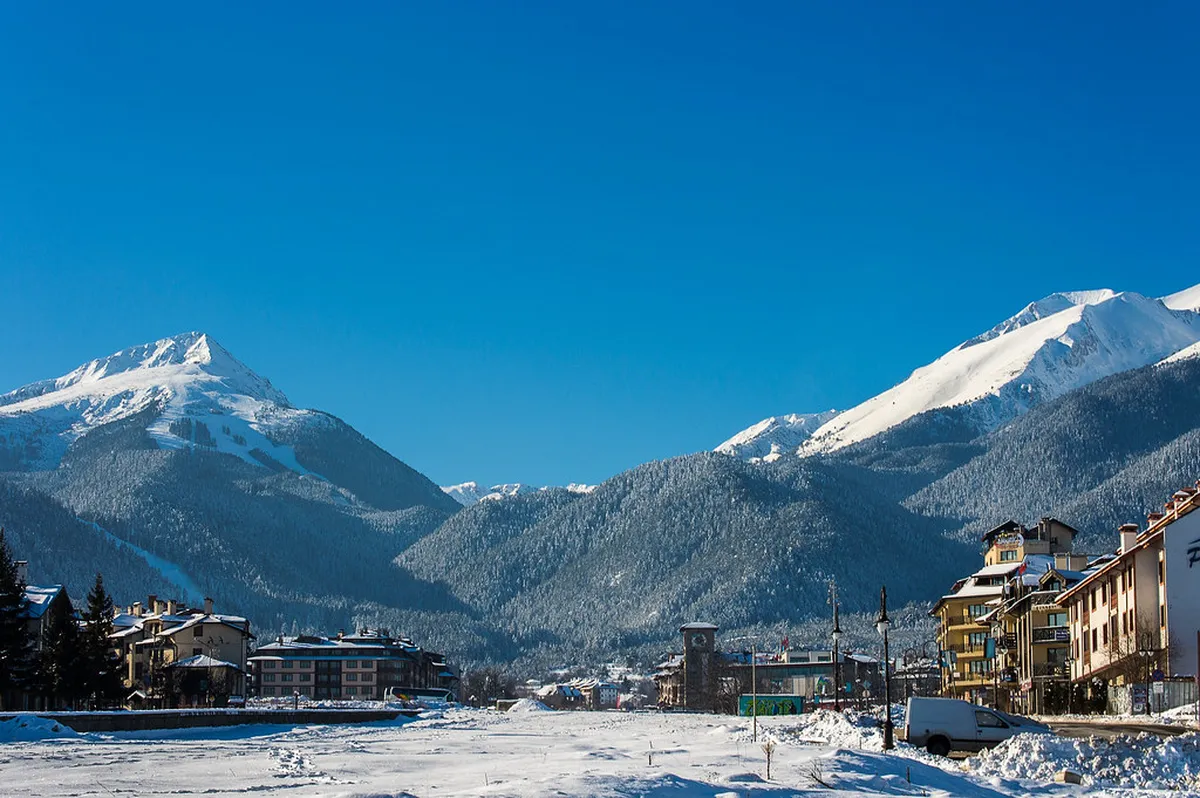
Use public transport in Sofia rather than taxis. The metro is fast, clean, and costs €0.90 per trip. A taxi from the airport to the center costs €8–12 by metered cab — ask for the meter, do not accept flat rates quoted by drivers in arrivals. For intercity travel, buses consistently beat trains on speed and price on most routes.
- Free or very low-cost things to do:
- Sofia free walking tour (tip-based, typical tip €3–5)
- Alexander Nevsky Cathedral interior (free)
- Boyana Church Visitor Guide exterior walk and neighborhood (church entry is €10, but the village walk is free)
- South Park and Borisova Gradina Visitor Guide in Sofia (free)
- Plovdiv Old Town walk (free, all day)
- Rila Monastery grounds (free; museum €3)
- Vitosha Mountain hiking from Dragalevtsi (free; gondola €5 if you prefer)
- Black Sea beach access (free everywhere)
Book accommodation at least 4–6 weeks ahead for summer coastal stays or ski season in Bansko. Last-minute bookings in these windows cost 30–60% more. For shoulder or low season in Sofia, same-day deals often exist. Use Booking.com's flexible cancellation filter — rates with free cancellation are rarely more than 5–10% more than non-refundable rates in Bulgaria and give you significant flexibility.
Continue planning: Use Bulgaria Travel Tips: Your Essential Guide to Planning a Trip and Backpacking Bulgaria: A Complete 2026 Budget Travel Guide to connect this guide with the rest of your Bulgaria itinerary.
Frequently Asked Questions
How much money do I need to travel to Bulgaria?
For a budget trip, plan on 75-135 BGN / $41-74 per day. A mid-range budget requires 145-260 BGN / $79-143 daily. These estimates cover lodging, food, transport, and basic attractions.
What are the average accommodation prices in Bulgaria?
Hostel dorms cost 40-60 BGN / $22-33 per night. Mid-range 3-star hotels are 70-120 BGN / $38-66. Comfort options start from 130 BGN / $71, varying by city and season.
Why should you use an eSIM card for travel connectivity in Bulgaria?
An eSIM offers instant mobile data activation upon arrival. It avoids the need to find local SIM card stores. This provides seamless connectivity for navigation and communication throughout your trip.
Bulgaria is not expensive — not even close by European standards. A budget traveler spends €22–42 per day. A mid-range visitor spends €63–115. The food is cheap, the cultural attractions are largely free or very low cost, and the transport is among the most affordable in the EU. Since adopting the Euro in January 2026, there is not even a currency conversion step: bring EUR, spend EUR, and enjoy one of the continent's best-value destinations.
The main cost levers are season and location. Avoid peak season on the coast or in ski resorts unless you book accommodation well ahead. In shoulder season, Bulgaria is outstanding value at every budget tier. Whether you have a week or a month, the money goes further here than almost anywhere else in Europe.