Bulgaria Currency: Your Essential Guide to Lev & Euro Adoption
Bulgaria adopted the Euro on 1 January 2026, ending the era of the Bulgarian Lev (BGN) as the sole legal tender. If you are travelling to Bulgaria in 2026, you are visiting during a historic transition: lev banknotes and coins are still circulating alongside euros, but all prices are now quoted in EUR. This guide explains what that means in practice — where to pay, how to convert, and what to do with any lev you already have. For a broader look at money and costs, see our Bulgaria Travel Tips: Your Essential Guide to Planning a Trip and Bulgaria travel costs guide.
For a quick overview of Bulgaria's currency situation and practical money tips before your trip, watch this guide:
What is the Official Currency of Bulgaria Now?
Since 1 January 2026, the official currency of Bulgaria is the Euro (EUR). Bulgaria became the 21st eurozone member on that date. All prices in shops, restaurants, hotels, and public transport are now displayed in euros. Contactless payment terminals and ATMs were switched to EUR on or shortly after 1 January.
The Bulgarian Lev (BGN) remains in limited circulation during a dual-circulation period that runs through mid-2026. If a vendor hands you change in lev, that is legal — the exchange rate is fixed permanently at 1 EUR = 1.95583 BGN, so there is no rounding ambiguity. The lev is divided into 100 stotinki; coins in circulation include 1, 2, 5, 10, 20, and 50 stotinki, plus a 1 lev coin. Banknotes are in denominations of 5, 10, 20, 50, and 100 leva.
After the dual-circulation window closes, lev banknotes can be exchanged for euros indefinitely at the Bulgarian National Bank and at commercial bank branches. Coins can be exchanged for a defined period — check the Bulgarian National Bank's official timeline for the precise deadlines.
As of 1 January 2026, Bulgaria uses the euro. If you have leftover lev banknotes from a previous trip, exchange them at the Bulgarian National Bank (BNB) branch in Sofia or other major cities — most street exchangers and UK banks no longer accept BGN. The exchange rate is permanently fixed at 1 EUR = 1.95583 BGN, so there is zero financial loss.
Bulgaria's Euro Adoption: What Travellers Need to Know in 2026
The transition happened at the permanently fixed rate of 1 EUR = 1.95583 BGN — a peg that had been in force since 1999. That fixed rate means that any price you see quoted in lev converts to euros without rounding surprises: 10 BGN is exactly 5.11 EUR, 20 BGN is 10.23 EUR, 100 BGN is 51.13 EUR.
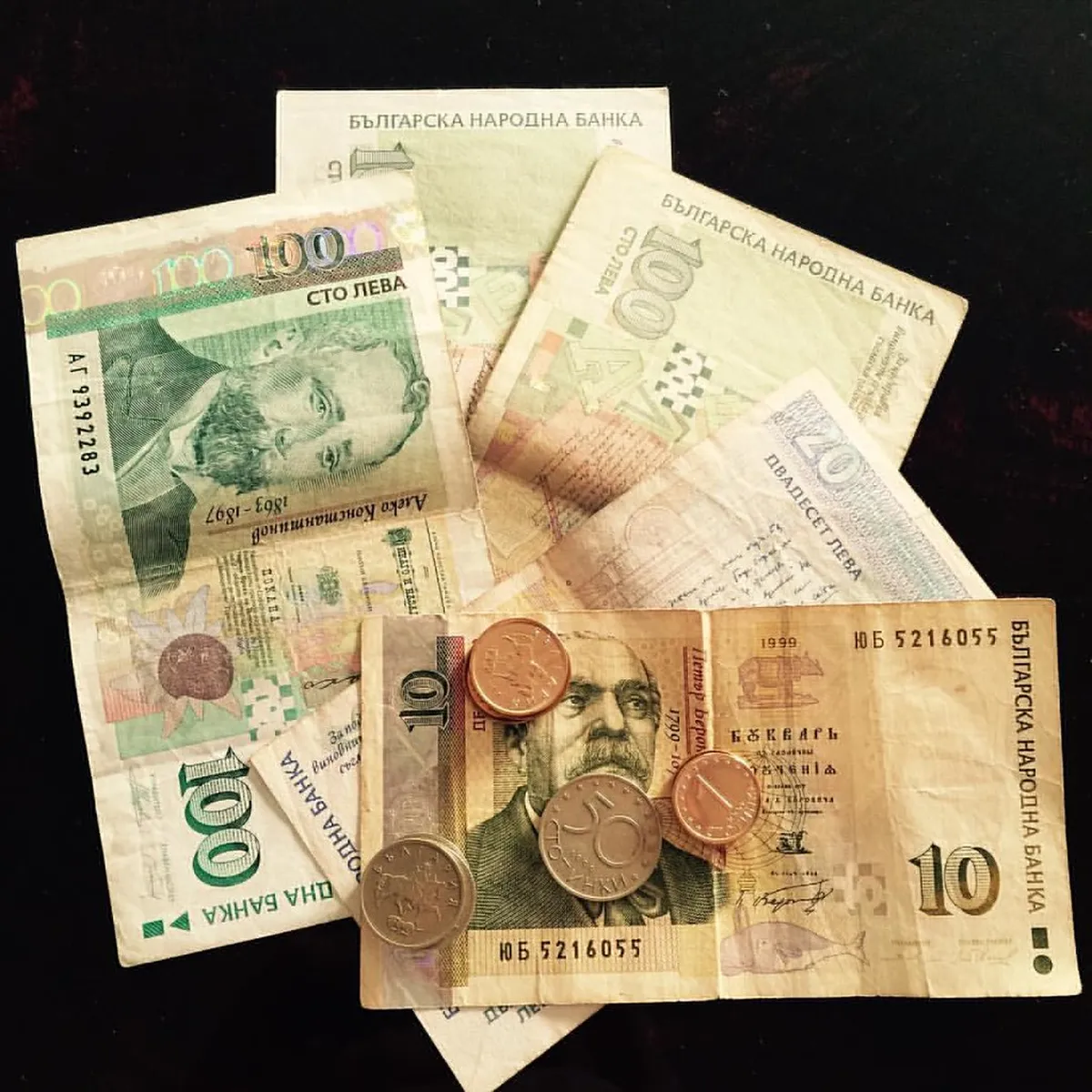
| Old Lev Banknote | EUR Equivalent (at 1.95583) | Status in 2026 |
|---|---|---|
| 5 BGN | €2.56 | Still circulating (exchangeable at BNB) |
| 10 BGN | €5.11 | Still circulating (exchangeable at BNB) |
| 20 BGN | €10.23 | Still circulating (exchangeable at BNB) |
| 50 BGN | €25.57 | Still circulating (exchangeable at BNB) |
| 100 BGN | €51.13 | Still circulating (exchangeable at BNB) |
During the dual-circulation period, vendors are legally required to accept both lev and euros but must give change in euros only. In practice, this means arriving travellers who bring euros from home face zero friction. If you somehow arrive with lev — perhaps leftover from a previous trip — every shop, ATM, and bank will accept them until the dual-circulation period ends.
Outside Sofia and major tourist towns, some smaller vendors, market stalls, and rural guesthouses were slower to update their point-of-sale systems. Carrying a small amount of euro cash (20–30 EUR in coins and small notes) is useful for these situations. Card payments are accepted everywhere that was card-friendly before the transition — the currency simply changed on the terminal.
Travellers who arrive after the dual-circulation window closes will find Bulgaria functioning as a standard eurozone country. At that point there is nothing unusual about managing money in Bulgaria compared to Spain or France.
Bulgaria Currency to GBP: A Guide for UK Travellers
For UK visitors, the relevant conversion is now GBP to EUR — the lev no longer applies. As of mid-2026, the indicative rate is roughly 1 GBP = 1.17–1.19 EUR, meaning a £100 budget gives you approximately 117–119 EUR in Bulgaria. Because Bulgaria is a newly admitted eurozone member, you get the same euro you would use in Rome or Paris, but you are spending it in one of Europe's most affordable countries.
UK travellers have three main options for accessing euros in Bulgaria. First, withdraw EUR directly from Bulgarian ATMs — Unicredit Bulbank, DSK Bank, and Raiffeisenbank ATMs are common in cities and tourist areas, and withdrawal fees typically run 3–5 BGN equivalent (now 1.50–2.60 EUR) per transaction. Second, use a no-fee travel card such as Wise or Revolut — load GBP, set the spending currency to EUR, and the card applies the mid-market GBP/EUR rate. Third, exchange at a licensed bureau de change before you fly; this is least efficient but useful for those who prefer carrying cash.
One practical note: if your Wise or Revolut account still shows a BGN balance from a previous trip, convert it to EUR inside the app before travelling — BGN is no longer a live trading currency on most platforms as of 2026, and attempting to spend a BGN balance abroad may result in the app applying an unfavourable legacy rate or simply blocking the transaction.
Airport bureaux at Sofia Airport (Terminal 2) and Varna Airport post rates that are typically 3–5% worse than mid-market. Exchange only what you need for the taxi on arrival, then use an ATM or card for the rest of your trip. Keep the receipt from any bureau transaction in case of disputes.
A Brief History of the Bulgarian Lev
The Bulgarian Lev was first introduced in 1881 after Bulgaria regained independence. The name means 'lion' in old Bulgarian. Over the following century it survived several re-denominations driven by inflation and economic disruption, including a severe crisis in 1996–1997 that saw the lev lose most of its value within months.
Stability returned with a currency board arrangement introduced in July 1997, which pegged the lev first to the German Mark and then, from 1999, to the Euro at the rate of 1.95583. That peg was maintained without deviation for 27 years, making the lev one of the most stable currencies in Eastern Europe. The long peg was effectively a practice run for full euro membership, and it made the 2026 conversion technically straightforward.
The lev's final chapter is an orderly one. Unlike countries that abandoned currencies in crisis, Bulgaria's lev exit was planned, ratified by the European Commission, and executed on schedule. Numismatists and collectors have already shown strong interest in lev coins and banknotes as keepsakes — a small souvenir market has sprung up around the final lev series.
Exchanging Currency in Bulgaria: Best Practices
Since Bulgaria now uses the euro, "exchanging currency" for most visitors means converting their home currency to EUR before or during the trip. Licensed banks and exchange bureaux in Sofia, Plovdiv, Varna, and Burgas offer competitive rates. Look for clearly posted buy and sell rates without hidden commissions; a reputable bureau will show both rates on a board outside. Always ask for a receipt and count your money at the counter.
Street money changers still operate in some tourist areas despite being illegal. Their offers are uniformly worse than official bureaux or ATMs. Never hand money to a person approaching you on the street or in a market. The scam typically involves sleight of hand with banknotes — you receive less than agreed, in smaller denominations, or in old invalid currency.
Banks offer the most transparent rates but charge a small fixed commission (typically 2–4 EUR). Exchange bureaux in city centres usually beat bank rates but vary in quality. Avoid bureaux inside airports and large tourist hotels where the spread is highest. If you need lev specifically — for example, to exchange a small amount you kept from a previous trip — any Bulgarian bank branch will handle the conversion at the fixed 1.95583 rate at no cost.
Managing Money: Cash, Cards, and ATMs in Bulgaria
A combination of card and cash remains the practical approach for Bulgaria in 2026. Major hotels, restaurants, supermarkets, and most shops in cities accept Visa and Mastercard. American Express is less widely accepted. Contactless is the norm at updated terminals. Cash is still expected in smaller towns, local markets, village guesthouses, and some minibus services.
ATMs are plentiful in urban areas and near tourist attractions. Use ATMs attached to bank branches rather than standalone machines in tourist zones, which sometimes carry higher fees or dynamic currency conversion (DCC). If an ATM offers to convert your transaction to GBP or USD "for your convenience," always decline — choose to pay in EUR and let your home bank do the conversion. DCC rates are typically 3–7% worse than the mid-market rate.
Cards are widely accepted in Sofia, Plovdiv, and other cities — but always avoid airport and hotel exchange desks (rates are 3–5% worse than mid-market). Instead, withdraw euros from bank ATMs or load a travel card like Wise or Revolut and pay directly. Both options avoid the markups that airport bureaux and dynamic currency conversion charge.
Before you travel, notify your bank and confirm there are no international transaction fees on your card. Consider a dedicated travel card (Wise, Revolut, or Starling for UK travellers) that uses the real exchange rate with no markup. These cards work seamlessly in Bulgaria now that it is a eurozone country — your EUR balance is accepted everywhere. Efficiently managing your cash also matters for Getting Around Bulgaria: The Ultimate Transportation Guide, where rural buses and some taxis still prefer physical notes.
What to Do With Leftover Bulgarian Lev
If you have lev from a trip taken before January 2026, you have several options. During the dual-circulation window (through approximately mid-2026), lev are accepted as payment across Bulgaria at the fixed 1.95583 rate, so the simplest approach is to spend them while visiting. Shops must accept them; you will receive euro change.
After the dual-circulation window closes, lev banknotes can be exchanged at any branch of the Bulgarian National Bank (BNB) indefinitely — there is no expiry on note exchange. The BNB also runs exchange desks at Sofia's main post office and at other major city locations. Lev coins can be exchanged for a defined transitional period; check the BNB website for the exact deadline, as it differs from the banknote window.
In the UK, most high street banks and bureau de change will not accept lev post-transition, since BGN is no longer a freely traded currency. If you are back home with lev and past the dual-circulation phase, your best option is to contact the BNB directly or visit Bulgaria on your next trip and exchange there. The permanently fixed rate means no financial loss from holding lev — 1.95583 BGN will always equal exactly 1 EUR at the BNB, forever.
Budgeting for Your Trip to Bulgaria in 2026
Bulgaria remains one of Europe's most affordable destinations even after adopting the euro. Prices have not jumped overnight — the fixed conversion rate means that a meal that cost 10 BGN now costs 5.11 EUR, and local vendors have not universally raised prices. Budget travellers can expect to spend 25–40 EUR per day covering a hostel bed, street food, and public transport. Mid-range travellers should budget 50–90 EUR per day for a comfortable hotel room, sit-down restaurant meals, and paid attractions.
Common benchmarks in 2026: a flat white in a Sofia café costs roughly 2.50–3.50 EUR; a tram ride in Sofia is 1.60 EUR; a budget lunch (soup, main, drink) at a local mehana runs 7–10 EUR; a night in a well-rated three-star hotel in Plovdiv or Varna is 40–65 EUR. Fine dining and boutique hotels in Sofia's centre push 100–150 EUR per night. These prices make Bulgaria significantly cheaper than Western Europe even at euro denominations.
For UK visitors, the pound's current strength against the euro (around 1 GBP = 1.17–1.19 EUR in mid-2026) gives Bulgaria an extra affordability edge. Our full breakdown of prices and costs is in the Bulgaria travel costs guide.
Practical Tips: Before You Go and While You're There
Notify your bank before travelling and ask specifically about EUR transaction fees — not BGN, which no longer applies. If your bank charges a fee per foreign transaction, a travel card loaded in EUR will save you money across a week-long trip. Aim to arrive with 30–50 EUR in cash for the taxi from the airport plus any immediate purchases before you find a city-centre ATM.
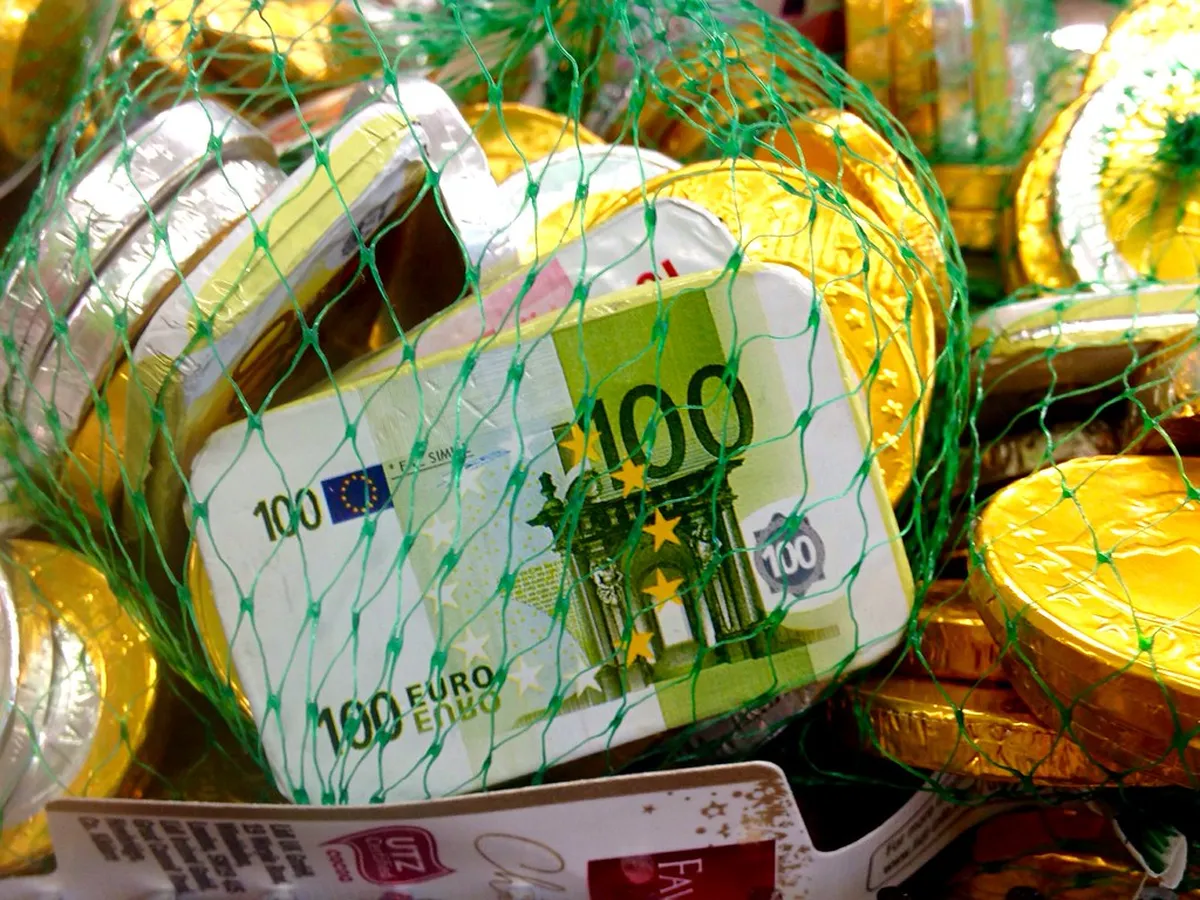
While in Bulgaria, use smaller denomination euro notes (5 and 10 EUR) for market stalls, village shops, and minibuses. Paying with a 50 EUR note for a 3 EUR coffee at a local café is considered poor form and may result in a vendor simply being unable to make change. Withdraw cash in reasonable amounts — 100–200 EUR — rather than large sums to minimise ATM fees per trip.
If you are travelling near mountain resorts (Bansko, Borovets, Pamporovo) or rural areas, ensure you have enough euro cash. Card infrastructure in ski rental shops and mountain huts varies. Insurance is worth considering regardless — our Bulgaria travel insurance guide covers what policies work best for Bulgarian activities.
Continue planning: Use Bulgaria Travel Tips: Your Essential Guide to Planning a Trip and Backpacking Bulgaria: A Complete 2026 Budget Travel Guide to connect this guide with the rest of your Bulgaria itinerary.
Frequently Asked Questions
What is the currency of Bulgaria?
The currency of Bulgaria is the Bulgarian Lev, abbreviated as BGN. It is divided into 100 stotinki. The Lev has a fixed exchange rate to the Euro, meaning 1 EUR always equals 1.95583 BGN. This makes conversions straightforward for travelers.
When will Bulgaria adopt the Euro?
Bulgaria is targeting January 1, 2026, for Euro adoption. However, this date is still tentative and depends on meeting specific economic criteria. Travelers should check official sources closer to their travel date for the latest information.
Where can I exchange currency in Bulgaria?
You can exchange currency at reputable banks and licensed exchange bureaus in major cities. Avoid street exchangers due to fraud risks. Airports and hotels usually offer less favorable rates, so use them only for small amounts. Always ask for a receipt and confirm the total.
Can I use Euros in Bulgaria?
Currently, the Euro is not the official currency in Bulgaria. While some larger hotels or tourist shops in major cities might accept Euros, it's not guaranteed. You will generally receive change in Bulgarian Leva. It is always best to use the local currency.
Are credit cards widely accepted in Bulgaria?
Credit and debit cards are widely accepted in urban areas, hotels, larger restaurants, and supermarkets. However, cash is essential for smaller shops, local markets, and some public transport. Always carry some cash, especially outside major cities.
Bulgaria's currency story in 2026 is straightforward for visitors: bring euros, use your card where possible, and carry 30–50 EUR in cash for rural and market situations. The fixed conversion rate of 1 EUR = 1.95583 BGN means any lev you encounter changes hands at a completely predictable value. The country is still affordable, the infrastructure is card-friendly in cities, and the euro makes cross-border budgeting simpler than ever.
UK travellers benefit from a strong pound against the euro and a country where 50 GBP goes meaningfully further than in Western Europe. Whether you are handling leftover lev, using Wise on your phone, or pulling euros from an ATM in Plovdiv, the practical steps are simple once you understand the transition timeline. For safety and wider travel preparation, see our Bulgaria safety guide.