Travel Insurance for Bulgaria: Your Complete Guide
Bulgaria joined the Schengen Area in March 2024, which changed the insurance rules for many visitors. Whether you need a visa or not, the right travel insurance protects you from medical bills, cancellations, and lost luggage — costs that can escalate fast in an unfamiliar country. This guide covers what cover you actually need, what the GHIC/EHIC really does (and doesn't) cover for EU and UK travellers, and how to pick a policy that fits your trip.
Here's a video overview of travel insurance essentials for Bulgaria:
Do You Need Travel Insurance for Bulgaria?
Travel insurance is not legally required for entry into Bulgaria if you are an EU citizen or a national of a country that doesn't need a Schengen visa. However, it is strongly recommended for every visitor regardless of nationality. Bulgaria's public healthcare system is state-funded and functional in cities, but private hospitals — where English-speaking staff are most reliably found — bill at international rates. A single night in a private Sofia clinic can cost €300–€600 before treatment fees.
Trip cancellation, delayed luggage, and flight disruptions are the other everyday risks. Airlines operating to Sofia (SOF) and Varna (VAR) have thin schedules on some routes, meaning a missed connection often means an overnight stay. A policy that covers accommodation and rebooking costs pays for itself quickly in those situations.
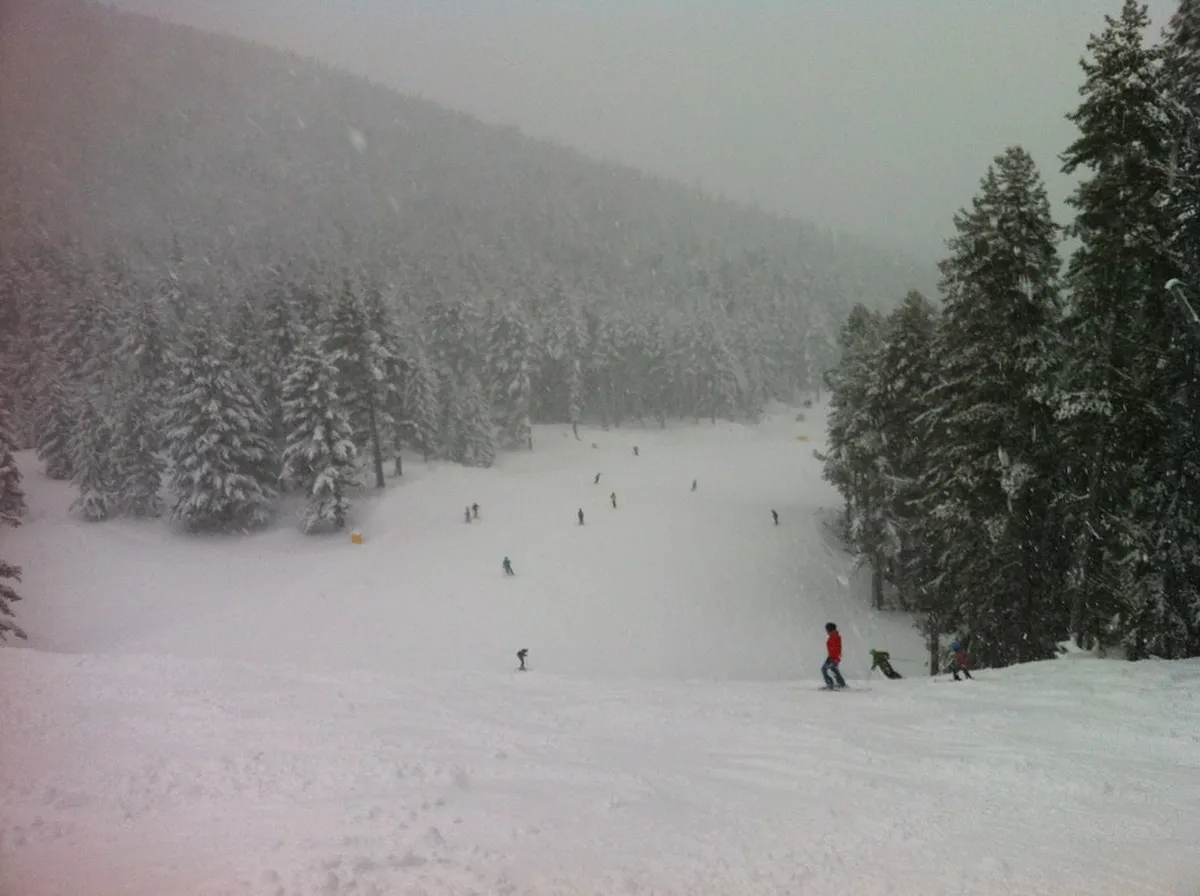
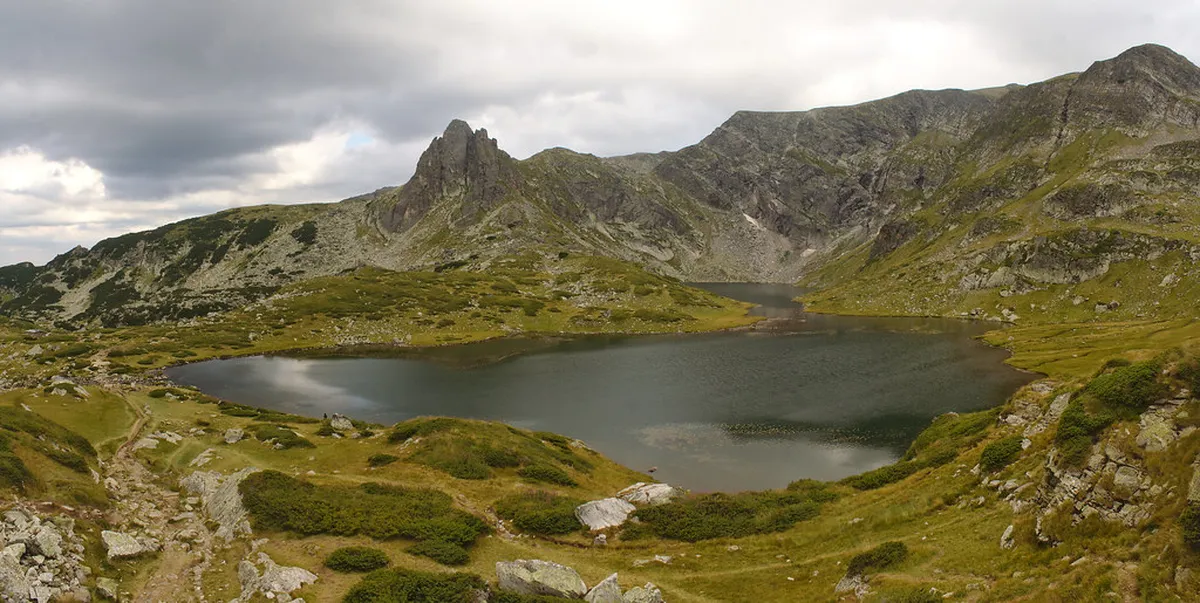
For adventure travellers heading to the Rhodope Mountains, Vitosha, or the Black Sea coast, medical evacuation is the bigger concern. Helicopter rescue from a remote trail or mountain ski slope is not covered by basic state healthcare — it costs several thousand euros out of pocket. Explore our Bulgaria Travel Tips: Your Essential Guide to Planning a Trip for a broader picture of what to plan for before you go.
Bulgaria's Schengen Status and Visa Insurance Requirements
Bulgaria officially joined the Schengen Area for air and sea travel on 31 March 2024, with land border controls removed later in 2025. This means anyone who requires a Schengen visa to visit Europe now uses that same visa for Bulgaria — and must show compliant travel insurance when applying. The UK government's Bulgaria travel advice provides current entry and insurance guidance for British nationals.
Schengen visa insurance must meet three minimum criteria: at least €30,000 in medical coverage, cover for emergency medical evacuation, and repatriation of remains. The policy must be valid for the full duration of your stay and must cover all Schengen member states, not just Bulgaria. Consulates check for a policy confirmation letter at the time of application — download one after purchase and include it with your documents.
A Schengen visa also lets you travel to other member states during the same trip without additional paperwork. If your itinerary includes a side trip to Greece or a connecting flight via Frankfurt, your insurance needs to reflect the full travel period across all countries. Always verify the latest Schengen visa requirements before applying, as processing rules can update. For more on entry rules, see Bulgaria's visa and entry requirements.
GHIC and EHIC: What They Cover (and What They Don't)
UK travellers carry a Global Health Insurance Card (GHIC), and EU nationals carry an EHIC. Because Bulgaria is an EU member, both cards entitle you to emergency treatment at Bulgarian state hospitals under the same terms as Bulgarian residents — meaning little or no charge for acute emergency care. This is a genuine benefit and worth carrying.
The critical point: a GHIC or EHIC is not travel insurance and does not replace it. Neither card covers repatriation back to the UK or your home country if you fall seriously ill. Neither covers private medical clinics, which are often the practical choice in smaller Bulgarian towns where the nearest state hospital is under-resourced. Neither covers trip cancellation, lost luggage, flight delays, or personal liability. And if you need a helicopter rescue from a ski slope at Bansko or a hiking trail in the Pirin Mountains, the bill lands entirely on you.
EU citizens who also purchase a standalone travel policy should check whether their insurer requires the EHIC to be used first for any state-hospital treatment — some policies include this as a cost-sharing condition. UK travellers should always buy a full travel insurance policy in addition to carrying their GHIC. Treat the card as a useful safety net for minor emergencies in state facilities, not as your primary coverage.
GHIC/EHIC covers state hospital emergency care only — it does NOT cover repatriation back to your home country, private medical clinics, or mountain rescue on ski slopes or hiking trails. You still need dedicated travel insurance for these critical gaps.
Essential Coverage: What Your Bulgaria Travel Insurance Should Include
Medical expenses and emergency evacuation are the non-negotiable baseline. Look for at least €30,000 in medical cover to meet Schengen requirements; most serious incidents — a road accident, a cardiac event, a ski injury — will exhaust that figure quickly, so comprehensive policies with €100,000 or more give better real-world protection. Repatriation to your home country for ongoing treatment is equally important and often bundled with the evacuation benefit.
Trip cancellation and interruption cover protects the money you have already spent. This becomes particularly relevant for Bulgaria given that some resort bookings (especially ski packages at Bansko and Borovets) require non-refundable deposits months in advance. Check whether your policy covers cancellation for illness, family bereavement, and airline insolvency — the latter is worth having given the thin route networks on some low-cost carriers into Sofia.
Baggage and personal effects cover should include theft, not just loss. Sofia's central bus and rail stations and busy Black Sea resort towns see petty theft during summer. Personal liability cover — protecting you if you accidentally injure someone or damage property — is often included in comprehensive policies and is worth confirming.
Many policies now include COVID-19 cover as standard, meaning medical treatment if you test positive abroad and, on some plans, cancellation if you cannot travel due to a positive result before departure. Confirm the exact COVID clause with your provider, as coverage scope varies.
| Cover | GHIC/EHIC | Travel insurance |
|---|---|---|
| Emergency state care | ✓ | ✓ |
| Private clinic | ✗ | ✓ |
| Repatriation | ✗ | ✓ |
| Mountain rescue | ✗ | ✓ |
| Trip cancellation | ✗ | ✓ |
| Theft | ✗ | ✓ |
Winter Sports and Adventure Activities
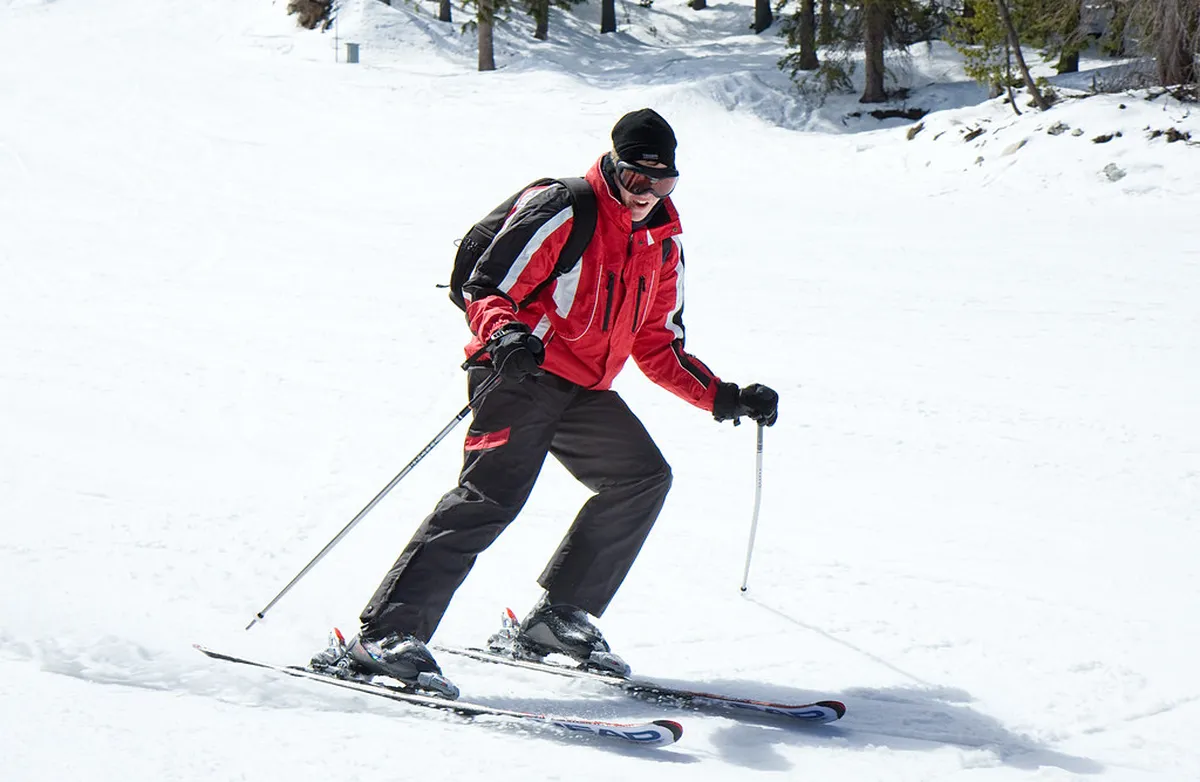
Bulgaria is one of Europe's most affordable ski destinations. Bansko, in the Pirin Mountains, and Borovets, on the slopes of Rila, draw thousands of skiers and snowboarders every winter. Standard travel insurance policies explicitly exclude winter sports — skiing, snowboarding, and off-piste routes all fall under this exclusion. If you're heading to the slopes, you need a policy that includes a winter sports add-on or a dedicated ski insurance plan.
The key coverages to look for in a ski policy are: piste closure compensation (paid out if the resort shuts due to lack of snow), ski equipment cover (theft or damage to hired or owned gear), and on-mountain rescue. Rescue costs at Bansko are not publicly subsidised for foreign visitors; the ski patrol can reach you, but helicopter evacuation to a hospital in Blagoevgrad or Sofia is billed separately. Budget around €20–€40 extra per person for a one-week winter sports add-on on top of a standard policy.
If you're heading to Bansko, Borovets, or any mountain ski resort in Bulgaria, add a winter sports cover upgrade to your policy. Standard travel insurance excludes skiing and snowboarding, so the add-on is essential — and it's relatively cheap at €20–€40 per week.
Summer adventure activities — white-water rafting on the Arda river, hiking in the Rhodopes, paragliding near Sopot — also fall outside basic cover. Check the activity exclusion list in your policy wording before you book. Most insurers offer adventure sports upgrades, and some specialist providers include a broader activity list as standard. Always read the definition of "hazardous activities" carefully, as definitions differ between insurers.
How Much Does Travel Insurance for Bulgaria Cost?
For a single trip of one to two weeks, a basic policy from a UK or EU insurer typically costs £15–£35 (around €18–€42). Standard cover with higher medical limits, cancellation, and baggage protection runs £30–£65. Comprehensive plans, including winter sports or adventure activities, range from £50 to £120 for the same trip duration. These figures are broad benchmarks for a healthy adult under 50 — premiums rise significantly for travellers over 65 or those with declared pre-existing conditions.
US travellers will pay broadly similar amounts in dollars. American providers like World Nomads, Allianz, or Travel Guard quote roughly $40–$90 for a one-week standard policy covering Bulgaria. Annual multi-trip policies work out cheaper per trip if you travel more than twice a year — annual plans start around £60–£100 for Europe-wide cover.
Pre-existing conditions add cost but rarely make insurance unattainable. Declaring a managed condition like controlled hypertension or asthma typically adds 20–50% to the premium. Undisclosed pre-existing conditions can invalidate a claim entirely, so transparency at the point of purchase is essential. Reviewing Bulgaria travel costs alongside your insurance budget helps you plan the full trip spend.
Choosing the Right Policy: Key Factors
Match the policy to your actual itinerary. A city break to Sofia or a beach holiday at Sunny Beach needs different cover than a ski week at Bansko or a trekking route through the Balkan Mountains. List your planned activities before comparing quotes, then filter out any policy that explicitly excludes what you're doing.
Check the excess (deductible) carefully. A policy with a £100 excess on medical claims costs less upfront but leaves you out of pocket on smaller incidents. Some policies offer a zero-excess upgrade for an additional fee — worth considering if you are travelling with children, where minor injury claims are more frequent. A single-trip policy suits most holidays; if you visit Bulgaria or elsewhere in Europe more than twice a year, an annual multi-trip plan cuts the total cost.
Read the emergency contact instructions before you travel, not when you need them. Most policies require you to call an assistance line before seeking non-emergency private treatment, and some require pre-authorisation for hospital admission. Knowing this in advance prevents claim rejection on a technicality. Write the emergency number in your phone contacts and on a card in your wallet alongside your policy number.
How to Buy and What to Do When You Need to Claim
Buy your policy as soon as you book your trip, not on the morning of departure. Trip cancellation cover only applies from the date of purchase, so waiting until the last day means you lose that benefit entirely. Most major comparison platforms — MoneySuperMarket, GoCompare (UK), InsureMyTrip (US), or Omio (EU) — let you compare multiple providers side by side within minutes. Input your destination, travel dates, and number of travellers, then filter by activities.

For Schengen visa applicants, confirm that your chosen policy issues an instant confirmation letter. Most online providers email this within minutes of purchase. The letter must show your name, policy dates, coverage amount (at least €30,000 medical), and the insurer's contact details. Submit this letter with your visa application.
If you need to claim while in Bulgaria: contact the assistance line first for medical emergencies. Keep all receipts — hospital invoices, pharmacy receipts, police reports for theft, and airline documentation for delays. Photograph damage to luggage at the airport before leaving the arrivals hall. Submit claims promptly; most policies have a 28- or 31-day post-trip filing deadline. Delays in reporting are one of the most common reasons insurers reduce or reject claims. For tips on staying safe, safety in Bulgaria has practical guidance on the low-risk destinations and the areas that warrant more caution.
Continue planning: Use Bulgaria Travel Tips: Your Essential Guide to Planning a Trip and Backpacking Bulgaria: A Complete 2026 Budget Travel Guide to connect this guide with the rest of your Bulgaria itinerary.
Frequently Asked Questions
Is travel insurance mandatory for Bulgaria?
Travel insurance is mandatory for Bulgaria if you require a Schengen visa for entry. Even if not mandatory, it is highly recommended for all travelers. It protects against unexpected medical emergencies and trip disruptions.
What is the minimum coverage for Bulgaria travel insurance?
For Schengen visa purposes, the minimum medical coverage required is €30,000. This must cover emergency medical treatment, hospitalization, and repatriation. The policy must be valid throughout your entire stay in the Schengen Area.
Does travel insurance for Bulgaria cover COVID-19?
Many travel insurance policies for Bulgaria now offer COVID-19 coverage. This may include medical expenses, quarantine costs, or trip cancellation due to the virus. Always confirm the specific terms and exclusions with your chosen provider before purchasing.
Can I get travel insurance for Bulgaria if I have pre-existing conditions?
Yes, it is possible to get travel insurance with pre-existing conditions. You must declare all conditions to your insurer during the application process. Some providers offer specialized policies or waivers for an additional premium. Failure to disclose may invalidate future claims.
How much does travel insurance for Bulgaria cost?
The cost of travel insurance for Bulgaria varies based on several factors. These include your age, trip duration, chosen coverage level, and any pre-existing conditions. Basic policies can start from around $20-$50 for a short trip. Comprehensive plans will naturally cost more.
Travel insurance for Bulgaria in 2026 is straightforward to buy and relatively affordable. The core requirements are clear: meet the €30,000 Schengen minimum if you need a visa, add winter sports cover if you're skiing, and carry a GHIC or EHIC as a supplement rather than a substitute. Buy early, declare pre-existing conditions, and keep the claims line number in your phone. With the right policy, Bulgaria's mountains, coast, and cities are yours to explore without the financial exposure that comes with going uninsured.