The Ultimate Guide to Camping in Bulgaria
Last updated July 2026, camping in Bulgaria remains one of the most affordable ways to experience the country's mix of Black Sea beaches, alpine lakes, and forested hill villages. This guide breaks down where you can legally pitch a tent, what official campsites actually offer in terms of facilities, and how the Black Sea coast compares with the Rila, Pirin, and Rhodope mountains for a 2026 trip. Expect practical guidance on wild camping rules, typical costs in euros, and the gear you need before heading into Bulgaria's more remote terrain.
Camping in Bulgaria: Is It Right for You?
Camping in Bulgaria works well if you're comfortable trading five-star amenities for direct access to some of the Balkans' least crowded coastline and highest peaks. The country pairs a genuinely low cost of living with terrain that ranges from flat, sandy Black Sea pitches to alpine bowls above 2,000 metres in Rila and Pirin, so the right setup depends heavily on which kind of trip you're planning. If you want a straightforward, sociable holiday with showers, a beach bar nearby, and minimal logistics, the developed campsites along the coast are the easier entry point. If you're after solitude, long ridge walks, and nights under genuinely dark skies, the mountains reward more planning around gear, water sources, and weather, since conditions can shift fast above the tree line even in July. Consider also how comfortable you are without reliable mobile signal: coastal towns generally hold a strong 4G or 5G connection, while remote valleys in the Rhodope and higher Rila routes regularly drop to patchy or no coverage. Neither region is objectively harder to camp in, but they ask for different kits and different tolerances for uncertainty. Reading both regional breakdowns below before booking transport or gear rental will save you from packing for a beach trip when you're actually headed into the mountains, or vice versa.
Understanding the Law: Wild Camping vs Official Campsites
Bulgaria does not offer a blanket right-to-roam the way Scandinavian countries do, and that distinction matters if you're planning to pitch a tent outside a registered site. Official campsites, licensed and typically fenced or marked, are unambiguously legal and are the default recommendation for a first Bulgarian camping trip. Wild or dispersed camping, meaning an unmarked tent pitched outside any registered site, sits in a legal grey area: it is broadly tolerated for a single night in ordinary countryside and forest land away from settlements, but it is explicitly restricted or banned inside protected zones, including the core areas of Rila National Park, Pirin National Park Visitor Guide, and Central Balkan National Park. Lighting open fires is a separate and more strictly enforced issue, particularly in dry summer months when forest-fire risk is high across the Balkan Mountains. Because enforcement and exact boundaries vary by park and by ranger district, check the current camping and fire rules published on the official Rila, Pirin, and Central Balkan National Park websites before you pitch inside or near any protected boundary, rather than relying on general guidance. Outside protected areas, the safest approach is still to camp discreetly, arrive late, leave early, pack out all waste, and avoid pitching on private agricultural land without asking, since rural landowners are generally accommodating when asked directly but not when a tent simply appears overnight.
Wild camping is broadly tolerated for a single night in ordinary countryside, but explicitly restricted inside Rila, Pirin, and Central Balkan National Parks' protected core zones. Park rules vary by location and should be verified before pitching.
Top Camping Regions: Black Sea Coast to the Mountains
Bulgaria's camping scene splits cleanly into two experiences: a developed, sociable coastline and a rugged, self-sufficient mountain interior. Where you choose shapes almost every other decision, from what vehicle you need to how much water you carry. The three regions below cover the bulk of organized and informal camping in the country.
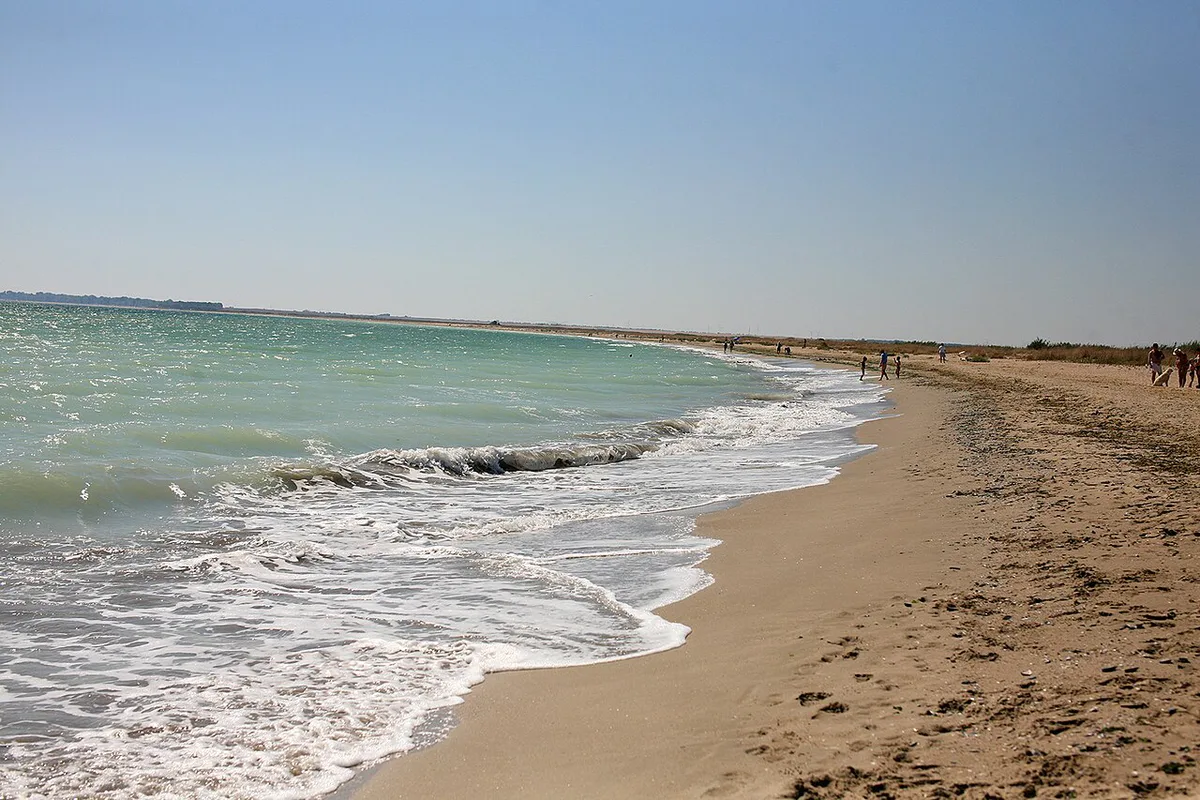
- The Black Sea Coast: running from Varna down to Sozopol and Sinemorets, this stretch holds Bulgaria's highest concentration of licensed campsites, many with direct beachfront pitches, on-site showers, and small shops. It's the easiest region for a first-time camper or anyone travelling with a campervan, and the busiest, with July and August pitches filling fast around the main resort towns.
- The Rila and Pirin Mountains: home to Bulgaria's highest peaks, including Musala at 2,925 metres, these two national parks offer high-altitude trekking routes dotted with mountain huts and designated tent areas near glacial lakes such as the Seven Rila Lakes. Camping here suits trekkers with proper alpine gear rather than casual weekenders, and routes into the core zones require checking current park rules before you go. For multi-day trekking-and-camping combinations, see this guide to backpacking through Bulgaria.
- The Rhodope Mountains: a gentler, forested range along the border with Greece, the Rhodopes trade alpine drama for traditional villages, lower elevations, and a more relaxed pace. Camping options mix small official sites near villages with informal forest pitches, making the region a reasonable middle ground for travellers who want quiet and greenery without the logistical demands of Rila or Pirin's high routes.
Coastal vs Mountain Camping at a Glance
The trade-offs between Bulgaria's two main camping regions come down to accessibility, climate, and how much infrastructure you want between you and the outdoors. Use the comparison below to match the region to your trip before booking transport or gear.
| Factor | Black Sea Coast | Rila / Pirin / Rhodope Mountains |
|---|---|---|
| Accessibility | Easy; sealed roads and regular bus links to resort towns | Moderate to hard; trailheads often need a car, then walking |
| Typical summer temperature | Around 28-30°C by day, warm nights | Around 15-22°C by day, cold nights above 1,500 metres |
| Crowds | Busy July-August near Sunny Beach and Sozopol | Light to moderate; heavier only on popular Rila lake trails |
| Facilities | Showers, toilets, shops, electricity common | Basic or none past the last village campsite |
| Best fit | First-time campers, campervans, families | Trekkers with alpine gear and camping experience |
Logistics: Costs, Facilities, and Best Time to Visit
Costs vary by region and by how developed the site is, but Bulgarian campsites remain inexpensive compared with Western European equivalents. A pitch for a two-person tent at a licensed coastal campsite typically runs somewhere in the range of €10-20 per night, while a spot for a campervan or caravan with an electricity hookup generally costs more, often in the €20-35 range depending on season and proximity to the beach. Facilities at coastal sites are usually the most complete: cold or hot showers, flush toilets, small shops, and increasingly coin-operated laundry. In the mountains, official huts and designated tent areas near lakes or refuges tend to charge modest per-person fees and offer far more basic sanitation, sometimes just a pit toilet and a stream for water. Prices fluctuate season to season, so treat these as planning ranges rather than fixed rates, and budget with a buffer using the wider guide on budgeting for a Bulgaria trip. Since Bulgaria adopted the euro in January 2026, prices are now quoted in euros; if you come across older rates listed in lev, see converting Bulgarian lev to dollars for context. On timing, the practical camping season runs roughly from May through September on the coast and shortens to June through early September in the high mountains, where snow can linger on north-facing routes into early summer and returns from October. July and August bring the warmest weather everywhere but also the biggest coastal crowds, so late May, June, or September offer a reasonable trade-off between mild weather and open facilities.
How to Get Around: Campervan Rental vs Public Transport
Bulgaria's camping regions are reachable independently, but how easily depends on whether you're driving. Campervan and motorhome rental is available from agencies based mainly in Sofia and Varna, with typical daily rates often falling somewhere around €35-60 depending on vehicle size, season, and rental length, generally cheaper the longer the booking. A vehicle is close to essential for reaching most mountain trailheads and for coastal camping outside the main resort towns, since site-to-site public transport along the coast, while workable between major towns, does not reach many of the smaller beachfront pitches directly. If you're not driving, intercity buses connect Sofia to Black Sea hubs like Varna and Burgas multiple times a day, and regional buses run less frequently, often just a handful of departures daily, out to smaller coastal towns and mountain gateway villages leading into Rila and the Rhodopes. Trekkers heading into Rila or Pirin without a car typically combine a bus or minibus to the nearest gateway town with a taxi or local transfer to the trailhead itself. For general orientation on getting around the country beyond camping logistics, the wider Bulgaria travel advice covers transport and etiquette basics worth reading before a longer trip.
Essential Gear and Preparation for the Bulgarian Wilderness
Gear needs differ sharply between the two main regions, so pack for the trip you're actually taking rather than a generic camping kit.
Pack specifically for the intended trip type. Mountain camping requires a three-season tent, sleeping bag rated below freezing, and water filter. Coastal camping needs insect repellent, a lightweight tarp, and less cold-weather gear.
- A three-season tent rated for wind and rain if you're heading into Rila, Pirin, or the Rhodopes, where afternoon storms are common even in summer
- A sleeping bag rated to at least a few degrees below freezing for mountain nights above 1,500 metres, even in July and August
- A lightweight water filter or purification tablets for mountain streams, since bottled water is not always available near remote lakes and huts
- A power bank or solar charger for the Rhodopes and higher Rila routes, where mobile signal and charging points are unreliable
- A basic first-aid kit and a physical trail map, since digital maps can fail without signal on longer mountain routes
- Insect repellent and a lightweight tarp or fly sheet for coastal pitches, where mosquitoes are more of a nuisance than in the mountains
- A dry bag or roof box if you're renting a vehicle, since gravel access roads to some coastal and forest pitches can be rough
- Euro cash for smaller rural campsites and mountain huts, many of which do not take cards
Wildlife Safety: Bears, Wolves, and the Bulgarian Mountains
Brown bears and wolves are both present in Bulgaria's forested mountain regions, particularly across the Rhodopes and the more remote parts of Rila and the Balkan Mountains, and it's worth taking basic precautions rather than treating the risk as negligible or as a reason to avoid camping altogether. Encounters with campers are uncommon because both species are naturally wary of humans and mainly active at dawn, dusk, and overnight, but you should still store food and anything scented away from your tent, ideally in a vehicle or hung well away from the sleeping area, and avoid setting up camp directly on obvious game trails near water sources. Making some noise while hiking through dense forest, especially near berry season in late summer, reduces the chance of a surprise close-range encounter, since most incidents happen when an animal is startled rather than sought out. If you're trekking in a group, staying together and keeping a properly stored food bag are the two most effective and low-effort precautions. Local rangers and mountain hut wardens in Rila and Pirin are generally a reliable source of current, area-specific advice on recent sightings, and it's worth asking them directly rather than relying solely on general guidance before heading into more remote sections of trail.
Common Mistakes to Avoid When Camping in Bulgaria
A handful of avoidable mistakes account for most bad camping experiences in Bulgaria, and most come down to under-preparing for how different the coast and the mountains actually are.
- Assuming wild camping is blanket-legal, then pitching inside a national park core zone where it's explicitly restricted
- Arriving on the coast in peak July or August without a reservation and finding the closest licensed sites full
- Packing only summer-weight gear for a Rila or Pirin trip and underestimating how cold nights get above 1,500 metres
- Relying entirely on a phone for maps and navigation in areas with patchy or no mountain signal
- Lighting open fires during dry, high fire-risk periods in forested areas where it's restricted
- Assuming English will be widely spoken at small rural campsites and mountain huts, where a few basic Bulgarian phrases or a translation app go a long way
- Skipping a cash withdrawal before heading to rural or mountain sites that don't accept cards
Black Sea Campsites Worth Shortlisting
If you want a coastal base rather than a vague “near the beach” plan, start by shortlisting the established camping strips south of Burgas. Gradina and Smokinya, between Chernomorets, Sozopol, and Kavatsi, are classic choices for beach access, restaurants, and a social summer atmosphere. They suit tents, vans, and travellers who want facilities close by, but they are also the places where booking ahead matters most in July and August.
Farther south, look at Arapya near Tsarevo, Kiten-area sites, and Silistar between Sinemorets and Rezovo if you want a quieter coastline and easier access to Strandzha Nature Park. These southern sites feel less resort-like, but access roads, shade, and sanitary facilities can vary more, so check recent reviews, whether electricity is available at your pitch, and whether the site accepts campervans before driving down. Silistar sits in a protected coastal area, so use marked camping areas only and be especially strict about waste, fires, and dunes.
Continue planning: Use Bulgaria Travel Tips: Your Essential Guide to Planning a Trip and Backpacking Bulgaria: A Complete 2026 Budget Travel Guide to connect this guide with the rest of your Bulgaria itinerary.
Frequently Asked Questions
Is wild camping legal in Bulgaria?
Not universally. Camping outside a registered site is broadly tolerated for a single discreet night in ordinary countryside, but it is explicitly restricted inside protected zones such as the core areas of Rila National Park, Pirin National Park, and Central Balkan National Park, so check the current rules for the specific park before pitching there.
What are the best campsites on the Bulgarian Black Sea coast?
The stretch from Varna down through Sozopol and Sinemorets holds the country's highest concentration of licensed, beachfront-adjacent campsites with showers, toilets, and small shops on site, making it the most straightforward region for a first Bulgarian camping trip, though the busiest sites near the main resort towns fill quickly in July and August.
How much does it cost to stay at a campsite in Bulgaria?
Expect roughly €10-20 a night for a two-person tent pitch at a licensed coastal site, and often €20-35 for a campervan pitch with electricity, though rates shift with season and location. Mountain huts and designated tent areas typically charge smaller per-person fees for far more basic facilities.
Do you need to book Bulgarian campsites in advance?
It's worth booking ahead for licensed coastal sites in July and August, when the most popular pitches near resort towns fill quickly, but outside peak season and in the mountains, where designated tent areas are less regulated, advance booking is generally less critical.
Is it safe to camp in the Bulgarian mountains because of wildlife like bears and wolves?
Generally yes, with basic precautions. Brown bears and wolves live in the Rhodopes and remote parts of Rila and the Balkan Mountains, but encounters with campers are uncommon; storing food away from your tent, making noise on forest trails, and checking with local rangers or hut wardens for recent sightings cover most of the practical risk.