Bulgaria Entry Requirements: Visa, Passport, and COVID-19 Rules
Bulgaria is an EU member state and, as of 1 January 2025, a full member of the Schengen Area — meaning its land, air, and sea borders now operate under the same rules as Germany, France, or Spain. That single fact changes how travellers from the UK, the US, and many other countries need to count their permitted days. This guide covers the current Bulgaria entry requirements for 2026, including passport rules, visa exemptions, visa types, and what ETIAS means for your next trip.
For a quick walkthrough of Bulgaria's visa requirements and entry procedures, watch this video:
General Entry Requirements for Bulgaria
Every visitor needs a valid passport to enter Bulgaria. An ID card is sufficient only for EU/EEA citizens and Swiss nationals travelling within the Schengen Area. If you are arriving from outside the EU, your passport must meet the validity rules described below, and you must be able to show a return or onward ticket and, if asked, proof of sufficient funds for your stay.
Border guards may also ask for proof of accommodation — a hotel booking or a letter from a host. Travel insurance covering medical costs is officially recommended; some border officers can request evidence of it, particularly at land crossings. Carry digital and physical copies of all your documents. The Bulgarian emergency number is 112 for police, fire, and ambulance.
Bulgaria maintains no COVID-19 entry restrictions as of 2026. No proof of vaccination, negative PCR test, or recovery certificate is required from any nationality. The pandemic-era rules described on older embassy pages are no longer in force.
Passport Validity and Document Requirements
For most non-EU visitors, your passport must be valid for at least three months beyond your planned departure date from Bulgaria. Some nationalities are held to a stricter standard — the UK Foreign Office advises British passport holders that their passport should be valid for the entire duration of the trip (i.e. it must not expire during your stay). Check the specific rule that applies to your passport-issuing country before you travel.
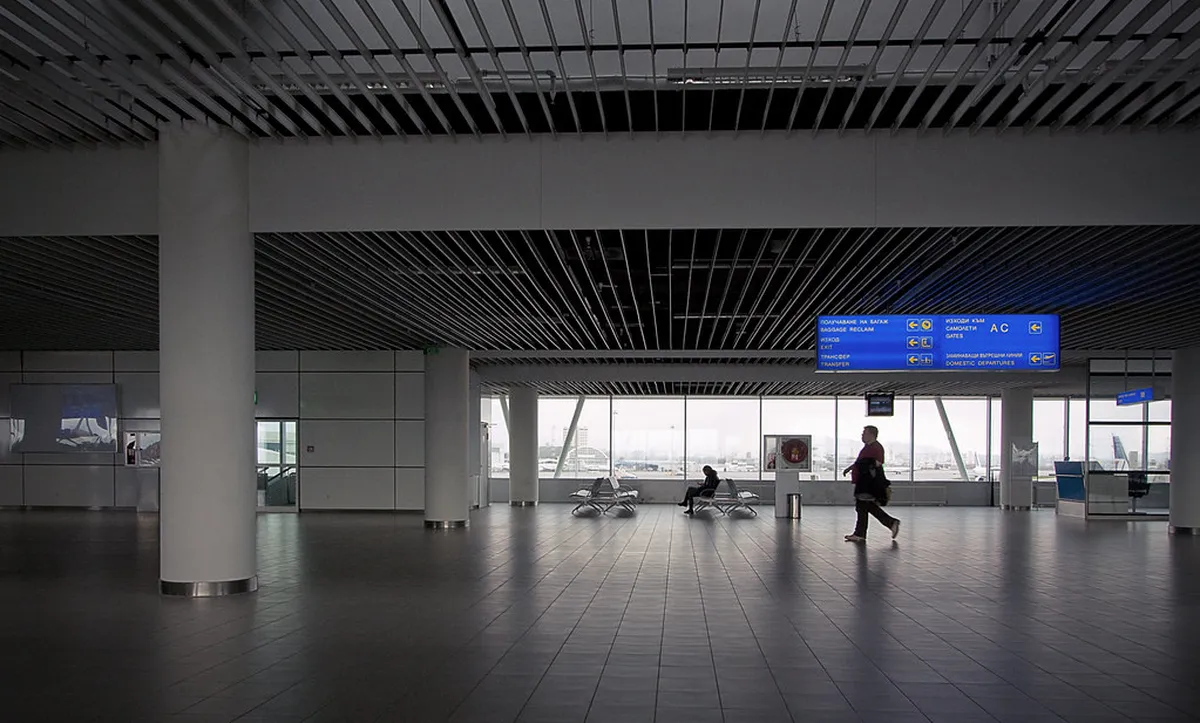
Your passport must have been issued within the last ten years. This rule catches a lot of UK travellers who renewed passports early in previous years — if your passport was issued more than ten years ago, it will be refused at the border regardless of the expiry date printed inside. Ensure at least two blank pages are available for entry and exit stamps.
US passport holders have a slightly different rule: the US State Department states that your passport must be valid for at least three months from the expected departure date from Bulgaria. US passport cards are not accepted for international air travel to Bulgaria — a full booklet passport is required. Carry your passport on your person at all times while in Bulgaria; the authorities can ask to see it.
Visa Requirements: EU vs. Non-EU Citizens
EU, EEA, and Swiss nationals do not need a visa to enter Bulgaria. They can enter with a valid national identity card or passport and stay indefinitely under EU freedom of movement rules, subject to registering with local authorities if staying beyond 90 days.
Citizens of many non-EU countries are also visa-exempt for short stays. The following nationalities can enter without a visa for up to 90 days in any 180-day period: United States, United Kingdom, Canada, Australia, New Zealand, Japan, South Korea, Israel, and most Latin American countries. The full list is published by the Bulgarian Ministry of Foreign Affairs at Mfa.bg.
Citizens of countries not on the visa-exempt list must obtain a Bulgarian visa before travel. This includes nationals of most African, South Asian, and Central Asian countries, as well as citizens of China, India, and Russia, among others. If you are unsure, check with the nearest Bulgarian embassy or consulate well in advance of your trip.
| Traveller Type | Visa Required? | Max Stay | Notes |
|---|---|---|---|
| EU / EEA / Swiss | No | Unlimited* | Valid ID card or passport; register with authorities if staying beyond 90 days |
| US, UK, Canada, Australia, New Zealand, Japan, South Korea, Israel | No | 90 days in any 180 days | Visa-exempt under Schengen; ETIAS expected late 2026 for some nationalities |
| China, India, Russia, most African & South Asian countries | Yes | Varies by visa type | Apply at Bulgarian Embassy; Visa C for tourism (90 days), Visa D for long-stay |
ETIAS (EU Travel Information & Authorisation System) is expected to launch in late 2026 for visa-exempt travellers including UK and US citizens. Registration will cost approximately €7 and be valid for three years. Additionally, ensure your passport is valid for at least three months beyond your planned departure — UK travellers should carry passports valid for their entire stay.
Types of Bulgarian Visas (A, B, C, D)
Bulgaria issues four categories of visa. Choosing the correct one before you apply matters — submitting the wrong category will result in rejection and lost processing time.
Visa A is an airport transit visa. It permits you to pass through the international transit zone of a Bulgarian airport without entering the country. You cannot leave the airside area on a Visa A. This visa is required by certain nationalities even when simply changing planes.
Visa B is a transit visa for overland travel. It allows up to five days in Bulgaria while travelling between two non-Schengen destinations. It is used less frequently now that Bulgaria has joined Schengen, since travellers transiting through Schengen countries no longer need separate Bulgarian permission.
Visa C is the standard short-stay visa for tourism, business, culture, or private visits. It permits up to 90 days within any 180-day period. Most travellers who require a visa will apply for a Type C. Visa D is a long-stay visa for stays exceeding 90 days — for work, study, family reunification, or other long-term purposes. A Visa D is also the prerequisite for obtaining a Bulgarian residence permit. Apply through the Bulgarian Embassy in your country of residence.
UK Citizens: The Schengen 90/180 Rule and ETIAS
Since Brexit, British passport holders are treated as third-country nationals across the Schengen Area. Bulgaria's full Schengen accession on 1 January 2025 means that days spent in Bulgaria now count toward your Schengen total — alongside days in France, Spain, Greece, Germany, and every other Schengen member. The 90-day limit is a zone-wide cap, not a per-country cap.
In practical terms: if you spent 45 days in Spain in January 2026, you have only 45 days left in the entire Schengen Area — including Bulgaria — within that same 180-day window. The old approach of resetting your Bulgarian clock by briefly crossing into Turkey or North Macedonia and coming back no longer applies, because re-entering Bulgaria re-enters the Schengen zone, and your Schengen day count does not reset. Use an official Schengen calculator to track your remaining days before booking a trip to Bulgaria.
ETIAS — the EU Travel Information and Authorisation System — is expected to launch for UK and other visa-exempt third-country nationals in late 2026. Once active, UK travellers will need to register online (fee approximately €7, valid three years) before entering any Schengen country including Bulgaria. ETIAS is not yet required at the time of publication; watch the official EU ETIAS site for the confirmed launch date. Read our Bulgaria Travel Tips: Your Essential Guide to Planning a Trip for broader planning advice once you have your entry sorted.
Bulgaria's full Schengen membership since 1 January 2025 means your 90 days are now counted against the entire Schengen zone — not Bulgaria alone. The old practice of resetting your stay by briefly crossing into Turkey or North Macedonia no longer works. Days spent in any Schengen country (France, Spain, Germany, etc.) count toward your 90-day limit.
Duration of Stay and Overstay Penalties
Visa-exempt visitors and holders of a Visa C can stay in Bulgaria for a maximum of 90 days within any rolling 180-day period. Because Bulgaria is now fully in Schengen, that 90-day allowance covers your cumulative time across the entire Schengen Area — not just the days spent inside Bulgaria. This is a common misunderstanding that catches travellers who have already spent weeks in other European countries before arriving in Sofia.
Overstaying is a serious offence. Penalties include a monetary fine, possible deportation, and a ban on re-entering Bulgaria or any Schengen country for up to five years. Overstay records can also result in future visa applications being refused. If you anticipate a genuine emergency that forces you to stay beyond your permitted time, contact the Bulgarian Migration Directorate before your authorised stay expires — proactive contact is treated more leniently than a border detection on departure.
Holders of a Visa D or a Bulgarian residence permit are not subject to the 90/180 rule. If you plan to stay for more than 90 days for any purpose — work, study, or long-term travel — apply for the appropriate long-stay visa or residence permit before your short-stay allowance runs out. Refer to our Bulgaria safety guide for what to know once you are in the country.
Travelling with Minors to Bulgaria
Bulgaria strictly enforces rules for children travelling internationally with only one parent or a non-parent adult. If a child holds Bulgarian citizenship — including dual nationals — Bulgarian regulations apply regardless of which passport they enter on. A child travelling with only one parent must carry a notarised letter of consent from the absent parent. Without this, border officers can refuse entry or exit.
The consent letter should state the child's full name, the destination country, travel dates, and the consenting parent's full contact details. It should be translated into Bulgarian and notarised. For children who are not Bulgarian citizens, requirements depend on nationality, but carrying a consent letter is strongly advisable in all cases. Contact the Bulgarian Embassy in your country for the exact template before you travel.
Important Contacts and Official Resources
The Bulgarian Ministry of Foreign Affairs maintains the authoritative visa and entry requirements page at Mfa.bg. This is the definitive source for the visa-exempt country list and current visa application procedures. Always cross-check with the Bulgarian Embassy website in your home country, as processing times and required documents can vary by post.
UK travellers can find Bulgaria-specific advice from the Foreign, Commonwealth and Development Office (FCDO) at Gov.uk. US citizens should consult the State Department at travel.state.gov. Both sites publish real-time travel advisories that can flag changes faster than general travel guides.
In Sofia, the US Embassy is located at 16 Kozyak Street, Sofia 1408 (telephone: +359 2 937-5100). The Bulgarian emergency number is 112. If you are visiting for an extended period, consider purchasing a local SIM card or an eSIM for Bulgaria so you have reliable connectivity for navigation and emergency calls.
Continue planning: Use Bulgaria Travel Tips: Your Essential Guide to Planning a Trip and Backpacking Bulgaria: A Complete 2026 Budget Travel Guide to connect this guide with the rest of your Bulgaria itinerary.
Frequently Asked Questions
What are the current entry requirements for Bulgaria?
Travelers need a valid passport, and a visa if applicable to their nationality. Most COVID-19 entry restrictions have been lifted. Always check official embassy websites for the latest rules.
Do I need a visa to enter Bulgaria?
EU citizens do not need a visa, only a valid ID. Non-EU citizens from countries like the US, UK, and Canada are generally visa-exempt for short stays (up to 90 days). Other nationalities may require a visa.
What passport validity is required for Bulgaria?
Your passport must be valid for at least six months beyond your intended departure date from Bulgaria. Ensure it has at least two blank pages for stamps. This is a common international travel rule.
Are there any COVID-19 restrictions for entering Bulgaria?
Currently, Bulgaria has removed most COVID-19 related entry rules. This means no proof of vaccination, testing, or recovery is typically required. Confirm the latest updates before your trip.
How long can I stay in Bulgaria without a visa?
Visa-exempt travelers can stay in Bulgaria for up to 90 days within any 180-day period. This limit applies to the entire Schengen Area, including Bulgaria. Monitor your stay carefully.
Bulgaria's entry rules in 2026 are cleaner than they have been for years: no COVID restrictions, full Schengen membership, and a straightforward 90/180-day framework for most visitors. The main pitfalls are passport validity details, the zone-wide Schengen day count for UK and other non-EU travellers, and the consent letter rules for minors. Check official sources — the Bulgarian Ministry of Foreign Affairs and your own government's travel advisory — before every trip, since rules can change with short notice.
For more on planning your time in Bulgaria once you have cleared the border, see our guides on Bulgarian currency and Bulgaria travel costs.