Bulgaria 7 Day Itinerary
This Bulgaria 7 day itinerary is built for first-time visitors who want a balanced week without feeling rushed. One week is enough to cover the cultural heartland: Sofia, the Rila Mountains, Plovdiv, and Veliko Tarnovo. You will miss the Black Sea coast, but you will leave with a deep read of Bulgaria's history, food, and mountain scenery. That trade-off is worth it on a short trip.
The route keeps logistics manageable. Sofia anchors the first three nights, Plovdiv the middle two, and Veliko Tarnovo closes the week before a return drive south. If you want a longer loop that adds the coast, see our Ten Days in Bulgaria. For those with less time, a focused Five Days in Bulgaria skips Veliko Tarnovo and keeps everything within an hour or two of Sofia.
To get a visual preview of this route, here's a travel vlog that walks through Sofia and covers each leg of the seven-day itinerary:
Bulgaria in 1 Week: At a Glance
The core structure of a one-week Bulgaria itinerary is a two-base trip, with Sofia in the west and Plovdiv in the south linked by a mountain day at Rila, then a final push northeast to Veliko Tarnovo. Sofia and Plovdiv are just under three hours apart by bus or car, but they feel completely different from one another. Sofia is a modern capital with communist-era monuments and a surprising creative scene. Plovdiv is older, quieter, and saturated with Roman, Byzantine, and Ottoman layers.
Most travelers find that Bulgaria Transport Options is easiest by bus for city-to-city legs and by rental car for the Rila day trip. If you rent a car, note that Bulgaria requires a digital road vignette for highway driving — buy it online before you go to avoid a €300 fine (see the logistics section below). Public buses between Sofia, Plovdiv, and Veliko Tarnovo run frequently and cost under €10 per leg.
Keep in mind that many state museums close on Mondays. The Boyana Church Visitor Guide near Sofia limits visitors to eight people per slot and books out quickly, so reserve it at least 48 hours in advance. Below is the week at a glance, then full day-by-day detail follows.
- Day 1–2: Sofia — Alexander Nevsky Cathedral Visitor Guide, free walking tour, Vitosha Boulevard, Boyana Church Visitor Guide
- Day 3: Rila Monastery Visitor Guide day trip — UNESCO monastery, optional Seven Rila Lakes Visitor Guide hike
- Day 4–5: Plovdiv — Roman Theatre, Old Town, Kapana district, hill viewpoints
- Day 6: Veliko Tarnovo — Tsarevets Fortress Visitor Guide, Sound and Light show
- Day 7: Arbanasi Visitor Guide, return drive to Sofia
Bulgaria 7 Day Itinerary: Day By Day
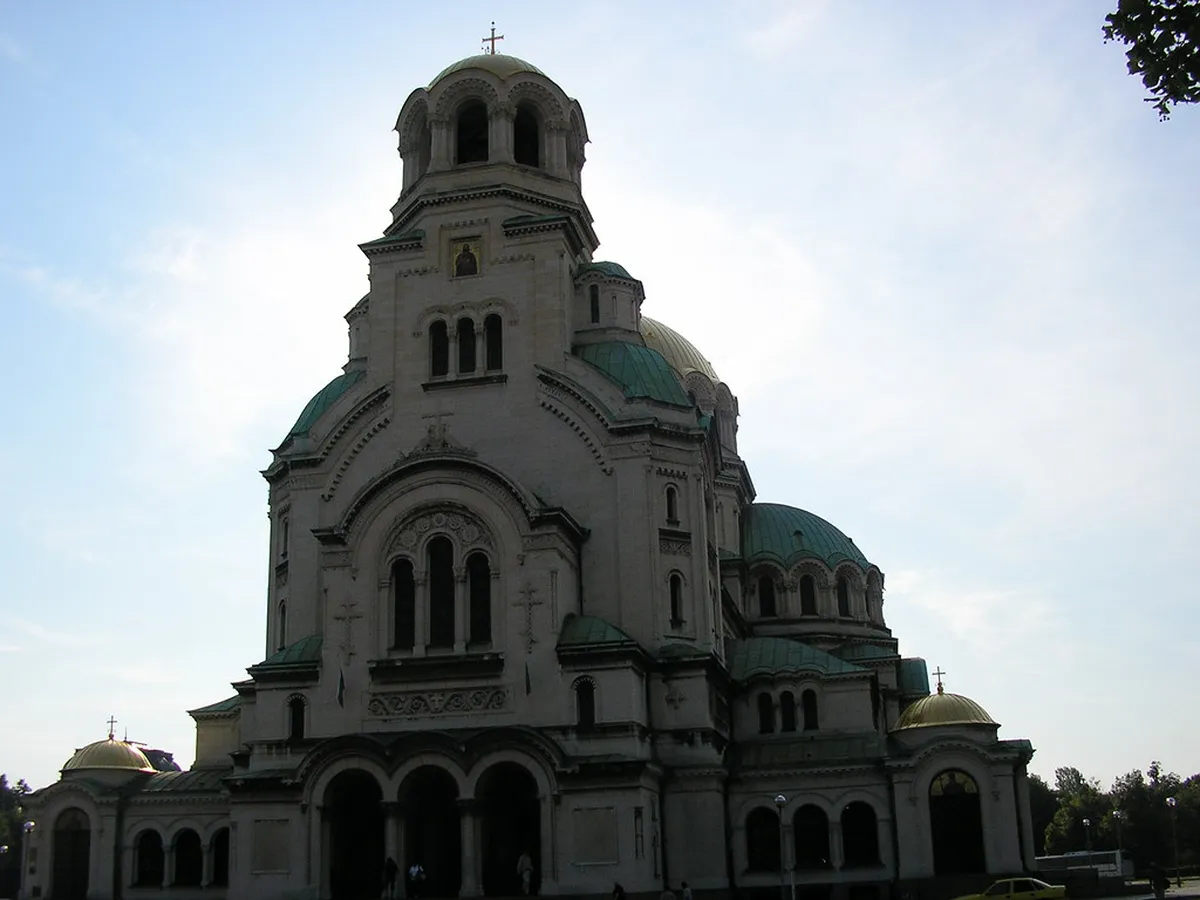
Days 1 and 2 belong entirely to Sofia. Start the first morning with the free walking tour of Sofia — it meets daily at 11:00 at the Palace of Justice and lasts about 2.5 hours. The tour covers Alexander Nevsky Cathedral, the Banya Bashi Mosque, the Sofia Synagogue, and the Roman Serdica ruins beneath the central metro station. These four landmarks stand within a few blocks of each other and together make the case for Bulgaria as a genuine crossroads of civilizations. The afternoon is best spent on Vitosha Boulevard, the main pedestrian shopping street, then dinner at a mehana (traditional tavern) where you should try kebapche and shopska salad.
Use Day 2 to go deeper. Boyana Church in the Boyana suburb is a tiny 10th-century UNESCO site with some of the finest medieval frescoes in Eastern Europe. Entry is timed and strictly limited, so book in advance at the official site (around 10 BGN / €5 per person). Combine it with the National History Museum a short taxi ride away. In the evening, explore the Art District near the Generator hostel for street art, independent cafes, and craft beer bars.
Day 3 is the Rila day trip — covered in its own section below. Days 4 and 5 belong to Plovdiv. Day 6 is Veliko Tarnovo. Day 7 includes a morning in Arbanasi village before the drive back to Sofia for a final dinner. A more detailed breakdown of each stop, with timing and logistics, is in the sections that follow.
- Day 1 — Sofia essentials: Free walking tour (11:00–13:30), lunch near the Central Market, Alexander Nevsky Cathedral, Vitosha Boulevard walk, mehana dinner
- Day 2 — Sofia culture: Boyana Church (timed entry, book ahead), National History Museum, Art District, craft beer evening
- Day 3 — Rila day trip: Depart Sofia by 08:00, Rila Monastery by 10:00, Seven Rila Lakes hike (optional), back in Sofia by 20:00
- Day 4 — Drive to Plovdiv via Koprivshtitsa: Depart Sofia mid-morning, stop at Koprivshtitsa village (1 hour), arrive Plovdiv by 14:00, Roman Theatre and Kapana evening
- Day 5 — Plovdiv in depth: Old Town wandering, Ethnographic Museum, Nebet Tepe Visitor Guide hill, sunset from Alyosha Monument Visitor Guide
- Day 6 — Veliko Tarnovo: Drive 3 hours from Plovdiv, Tsarevets Fortress, Samovodska Charshiya artisan street, Sound and Light show at 21:30 in summer
- Day 7 — Arbanasi and return: Morning at Arbanasi village (20 minutes from Tarnovo), optional stop at Dryanovo Monastery, drive 3 hours back to Sofia, farewell dinner
Rila Monastery: What to Know Before You Go
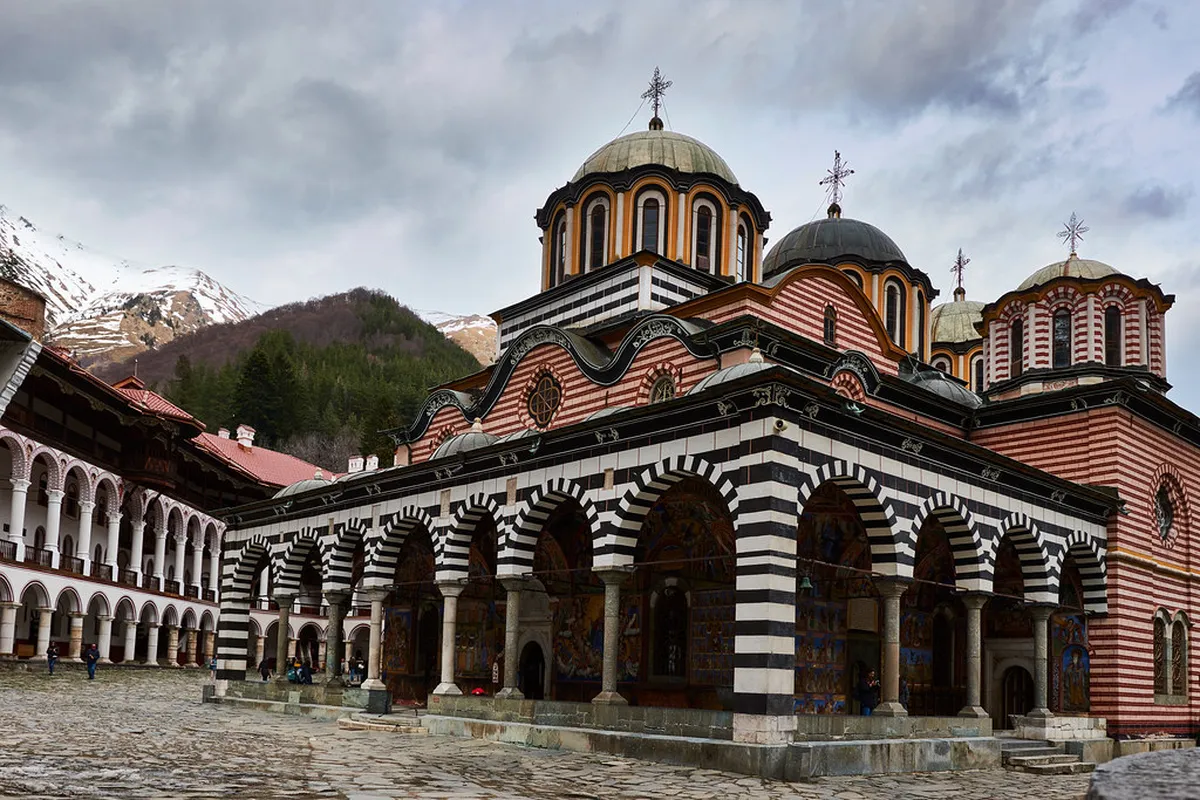
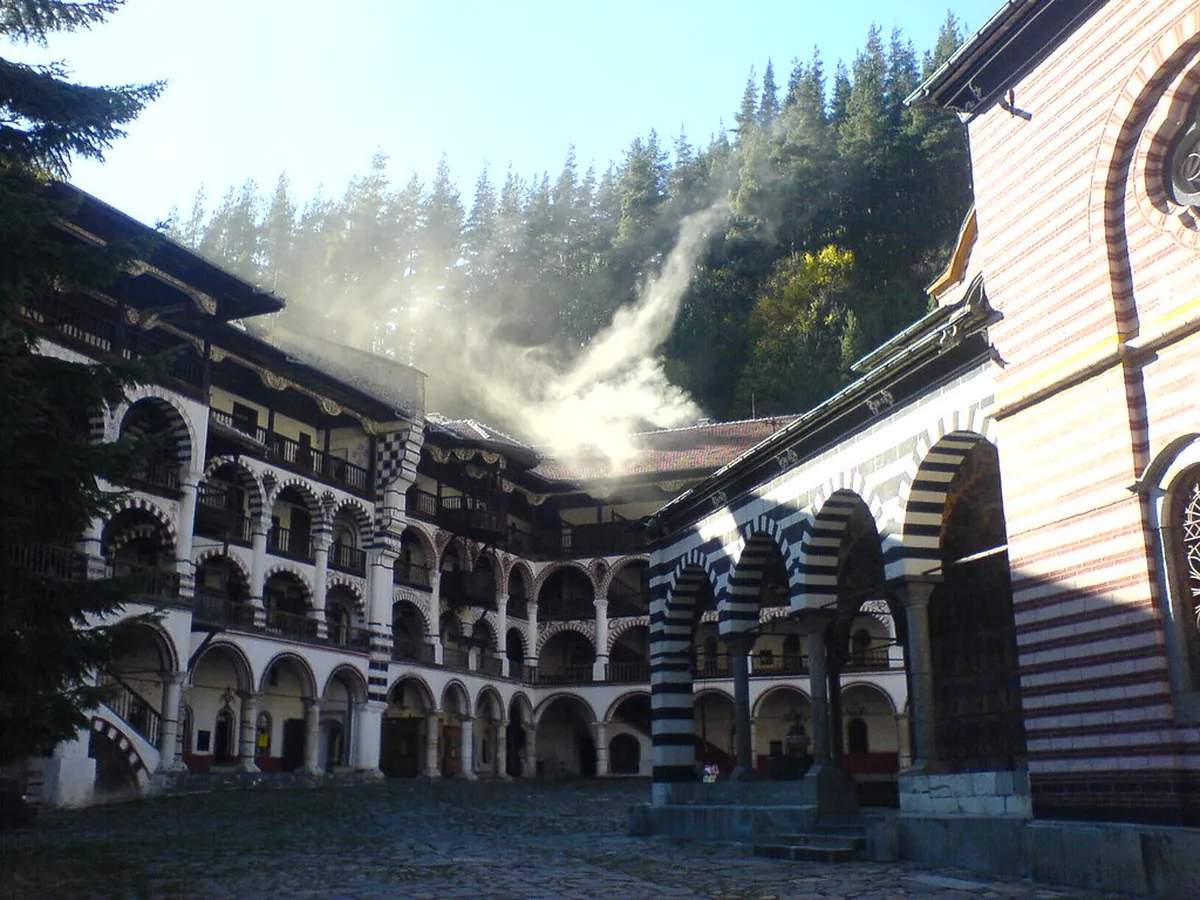
Rila Monastery is the single most visited site in Bulgaria and a genuine highlight of any 7-day itinerary. It sits 117 km south of Sofia in a forested valley of the Rila Mountains, founded in the 10th century by the hermit monk Ivan of Rila. UNESCO inscribed it in 1983. The striped black-and-white arches of the main church and the five-story residential tower are immediately recognizable from every Bulgaria travel photo you have ever seen, but they are far more impressive in person.
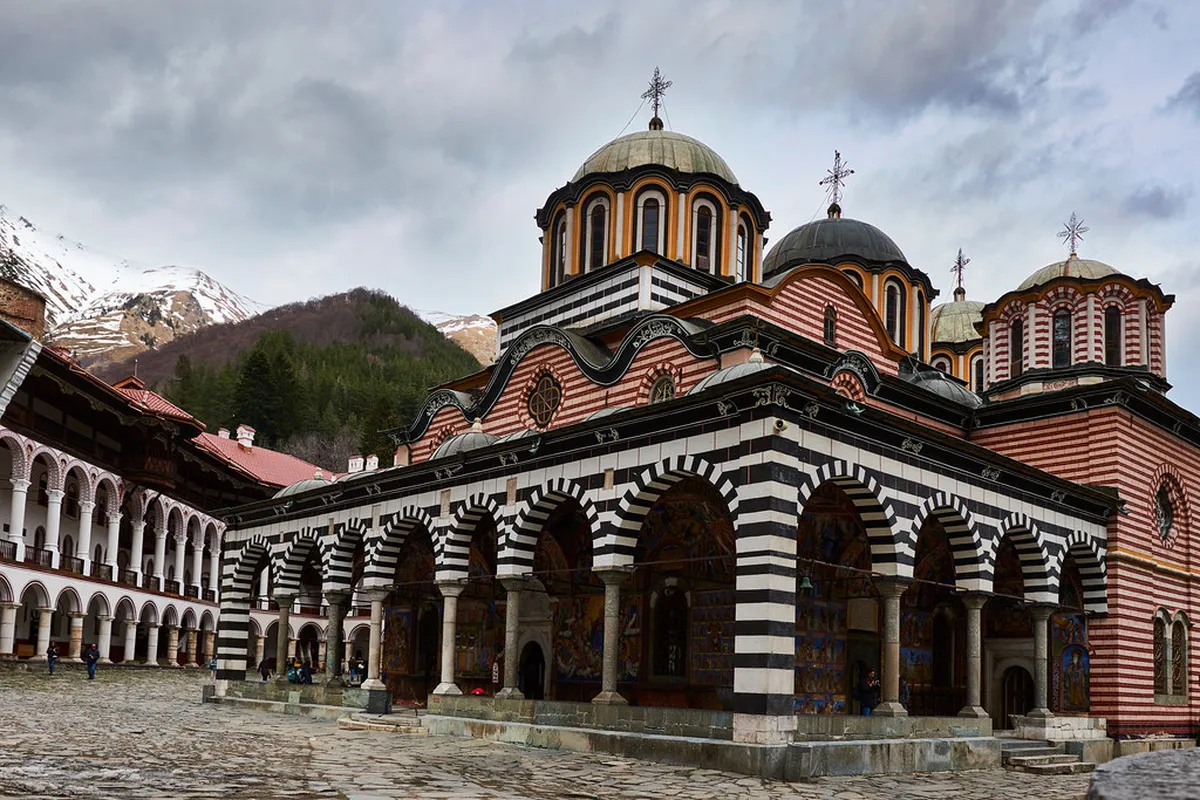
The drive from Sofia takes about two hours. Departing by 08:00 means you arrive before the large tour-bus crowds that roll in from 11:00 onward. There is no entry fee for the monastery grounds or the main church, though the museum wing charges around 8 BGN (€4). Dress code is enforced: long trousers or skirts below the knee, shoulders covered. There is a scarf loan point at the entrance for visitors who forgot.
Book Boyana Church at least 48 hours in advance — slots fill quickly and only 8 visitors are allowed per time slot. Reserve online or call ahead to avoid disappointment on your Day 2 visit.
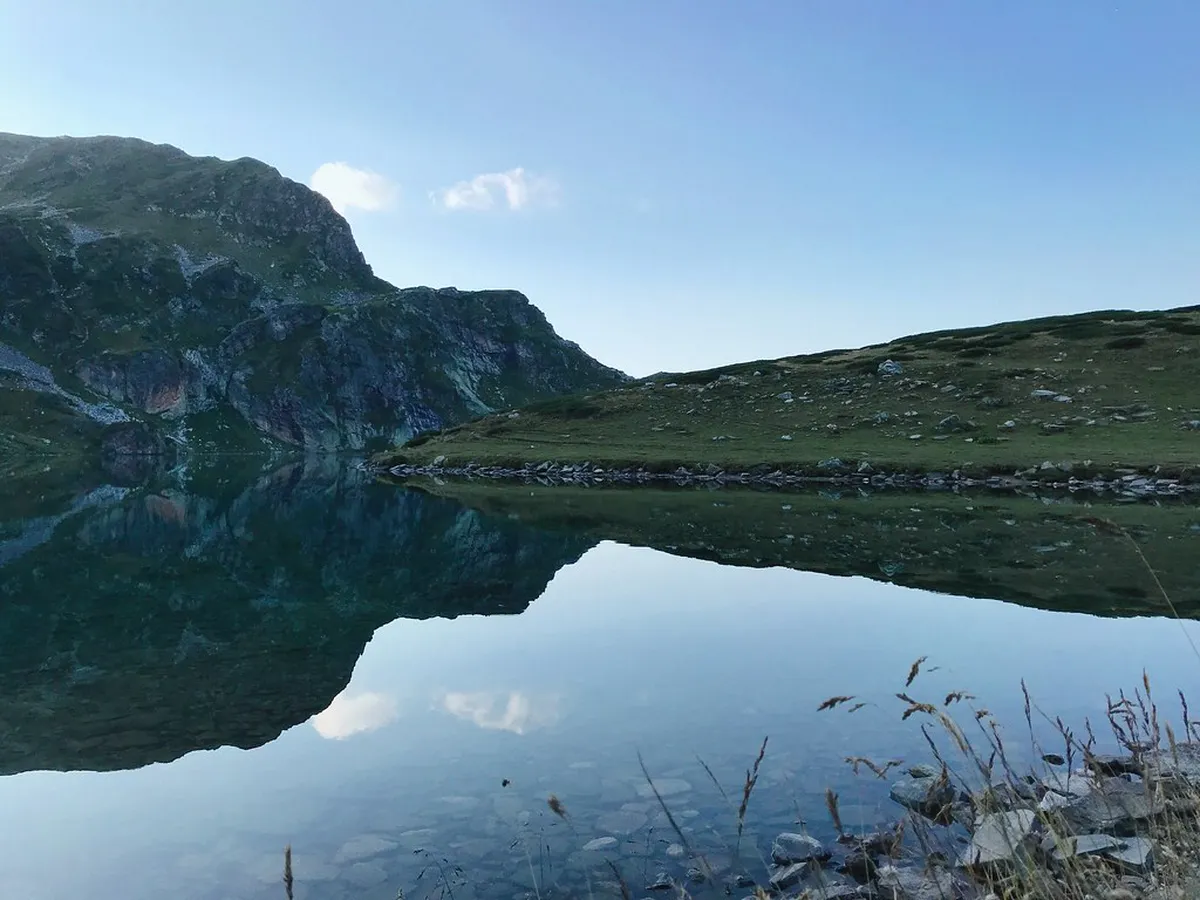
If you have the fitness for it, combine Rila Monastery with the Seven Rila Lakes hike on the same day. After the monastery, drive an additional 30 km to Panichishte village and take the ski lift up to 2,196 m (lift operates 09:00–16:30, costs around 18 BGN / €9 return). The full lake circuit takes 4–5 hours; a shorter loop to the first three lakes takes about 90 minutes. The lakes are only snow-free from July to early October. If hiking is not your plan, the Rila Monastery and Boyana Church guided tour from Sofia is a solid alternative that combines both UNESCO sites in one efficient day.
Plovdiv: Two Days in Bulgaria's Oldest City
Plovdiv is thought to be the oldest continuously inhabited city in Europe, with evidence of settlement dating back over 6,000 years. It was shaped by the Thracians, expanded by Philip II of Macedon, built over by Rome, then layered again by Byzantium and the Ottomans. That layered history is legible in the streetscape in a way that few European cities match. In 2019 it served as a European Capital of Culture, and the investment from that designation is still visible in the Kapana Creative District Visitor Guide.
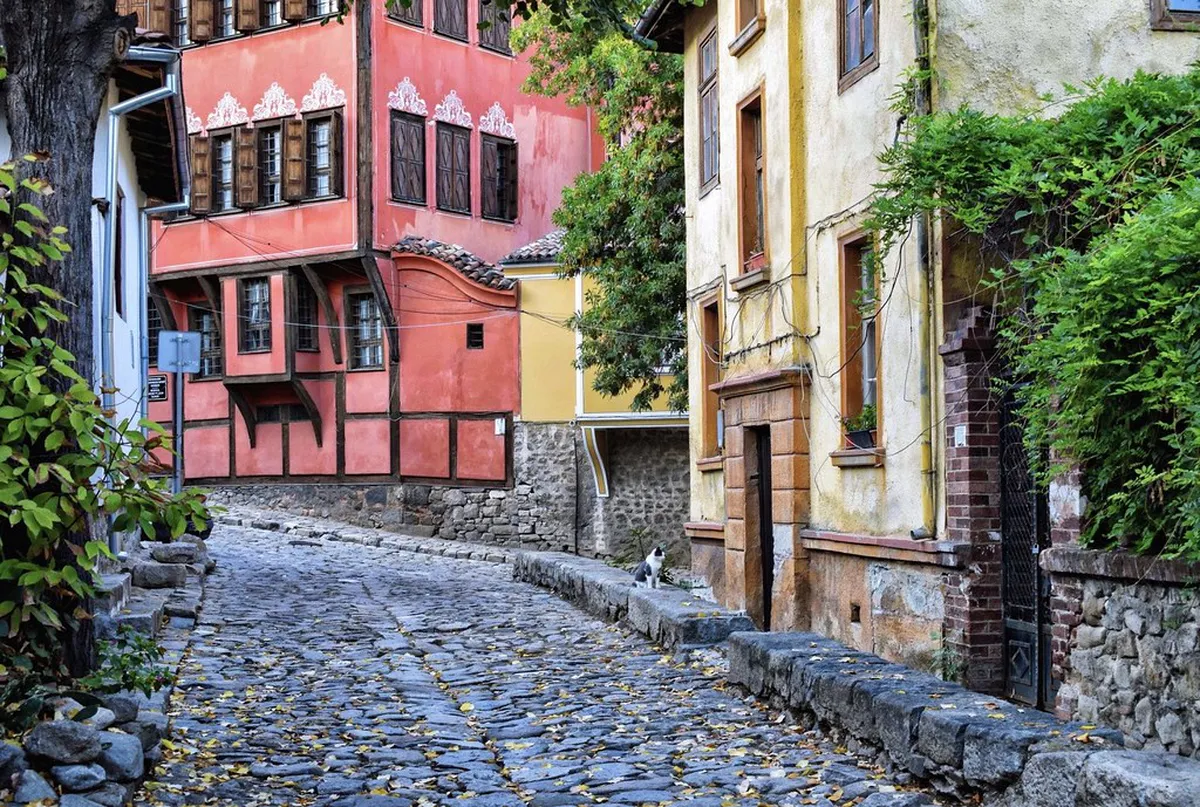
The layout of Plovdiv has two distinct zones that visitors often miss distinguishing. The Old Town (Staria Grad) sits on a hill with cobblestone streets, Ottoman timber-frame houses, and a dozen small museums. The Roman Theatre of Philippopolis anchors the southern edge of the hill — one of the best-preserved ancient theatres in the world, still used for concerts and performances, free to view from the street or around 5 BGN (€2.50) to enter the seating area. Below the hill, the Central District and Kapana neighborhood is where daily life happens: bars open onto the street, restaurants have outdoor terraces lit with fairy lights, and the energy runs late.
On Day 4, focus on the Roman monuments and the Old Town. On Day 5, climb one of Plovdiv's hills for perspective — the Alyosha Soviet monument on Bunarzhik Hill gives the best panoramic view of the city and is a short but steep 20-minute walk. Also budget an hour for the Ethnographic Museum in a beautifully restored Revival-era mansion. The concept of "aylak" — a Plovdiv word meaning the art of relaxed enjoyment — is the best lens for your second afternoon: sit in Kapana with a coffee or a Kamenitza beer and simply watch the city pass by.
The Koprivshtitsa Detour: A Stop No Competitor Tells You About
If you drive rather than bus between Sofia and Plovdiv, the village of Koprivshtitsa sits directly along the route (about 100 km east of Sofia, 2 hours before Plovdiv). It is the most intact example of Bulgarian National Revival architecture in the country — 383 restored 19th-century houses in vivid colors with carved wooden ceilings and overhanging bay windows. The village is compact: you can walk its entire historic core in 90 minutes. Stop for lunch at a traditional tavern on the main square; a meal with rakia will cost you around 25 BGN (€13) per person.
Koprivshtitsa was also the site of the 1876 April Uprising against Ottoman rule, and its six house-museums explain that story well. Admission to all six museums on a combination ticket costs 6 BGN (€3). Almost no Western travelers make this stop because it is not on the bus route from Sofia to Plovdiv, but drivers pass within 15 km of it on the main E80/A6 highway. If you add it to your Day 4 drive, you will arrive in Plovdiv by early afternoon — enough time to see the Roman Theatre before dinner in Kapana. This detour adds zero extra driving time to the Plovdiv journey.
Getting Around Bulgaria: Transport and the Vignette Rule
For this 7-day route, the practical choice is a mix of public bus for the city-to-city legs and a rental car for the Rila day trip. Buses between Sofia, Plovdiv, and Veliko Tarnovo are comfortable, punctual, and cheap — tickets cost €5–10 per leg and journeys range from 2 to 3 hours. The official Bulgaria tourism site lists current schedules and the main Sofia bus terminal (Central Bus Station, next to the Serdika metro) has frequent departures to both cities throughout the day.
If you rent a car for flexibility, do so from Day 3 onward — you do not need one in Sofia itself, and you save 2–3 days of rental fees. One critical detail that catches many foreign visitors off guard: Bulgaria requires a digital road vignette for driving on national roads and highways. A 7-day e-vignette costs around €15 and must be purchased at www.bgtoll.bg before or immediately upon arrival. The vignette is linked to your licence plate electronically, and cameras across the road network check automatically. Fines for non-compliance are €300. Cash is not accepted at most vignette checkpoints near borders.
Failing to buy a road vignette for Bulgaria highways will cost you a €300 fine. Purchase it online before you arrive at www.bgtoll.bg — the process takes 5 minutes and links your licence plate to the payment electronically.
Road conditions on the main E-roads (Sofia–Plovdiv via the Trakia Motorway, Sofia–Tarnovo via the Hemus Motorway) are excellent. Mountain roads to Rila Monastery are paved but narrow and slow in places. Budget 2 hours from Sofia to Rila and 3 hours from Plovdiv to Veliko Tarnovo. Parking in Plovdiv's Old Town is tight; stay in the Central District and walk uphill to the historic quarter.
Best Time to Visit Bulgaria
Late spring (May–June) and early autumn (September–October) are the strongest windows for this 7-day route. In May the Rila Mountains are lush, city temperatures sit in the comfortable 18–24°C range, and crowds at Rila Monastery are manageable. September keeps the weather warm for outdoor sightseeing in Plovdiv and Tarnovo while the summer rush has eased. If you visit in June, the Valley of the Roses near Kazanlak is in full bloom — the Rose Festival runs in the first two weeks of June and is worth building around if your schedule allows.
Summer (July–August) brings heat above 35°C in the cities and the largest crowds at Rila. The Seven Rila Lakes are reliably snow-free only from July through September, so if the lakes hike is a priority, July to September is your window. Winter is viable for Sofia and Plovdiv but mountain roads to Rila can be icy or closed. The Sound and Light show at Tsarevets Fortress in Veliko Tarnovo typically runs April through October; confirm the schedule before booking your Day 6.
Is 7 Days in Bulgaria Enough?
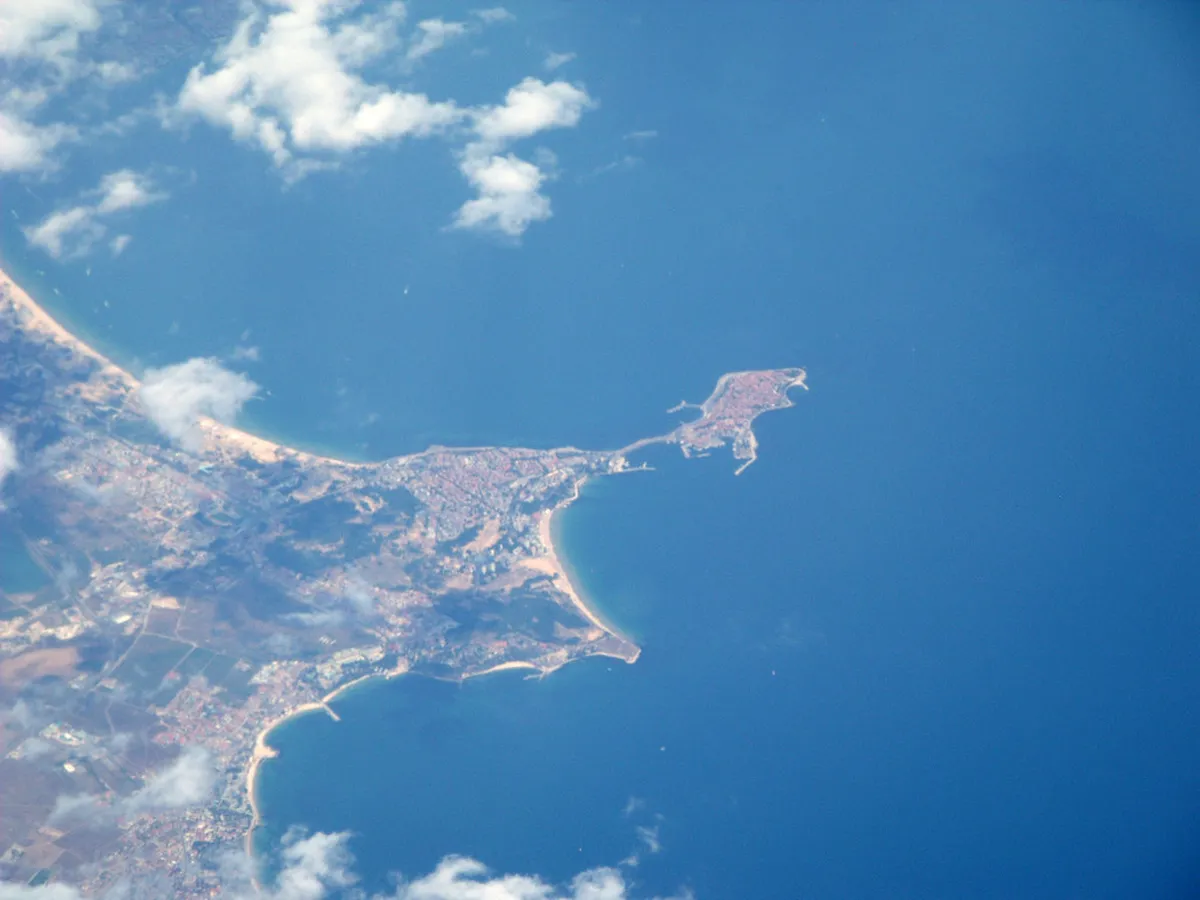
Seven days is the right length for a first visit focused on culture and mountains. You will cover Sofia, Rila, Plovdiv, and Veliko Tarnovo without feeling rushed. What you will not have time for is the Black Sea coast. Varna is Bulgaria's most interesting coastal city — Roman history, good architecture, and nearby beaches — but it adds a 4-hour drive from Tarnovo and at least two nights. Including it on a 7-day trip means cutting either Plovdiv or Tarnovo short, which most travelers regret.
If the Black Sea is a priority, extend to 10 or 12 days. See our full Bulgaria Trip Planner guide for options at different durations. For visitors who want to be thorough about the coast, read our Ten Days in Bulgaria, which adds Varna and Sozopol Bulgaria while keeping the inland cultural circuit intact. A week in Bulgaria leaves most people wanting to return — the country rewards repeat visits because each region has its own distinct character.
Bulgaria's History: Context That Makes the Trip Make Sense
Bulgaria's layered history explains why every city on this route looks so different from the next. The Thracians inhabited the Balkans for millennia before Greeks and Romans absorbed the peninsula. Roman Serdica — the ruins visible in Sofia's Serdika metro station — was one of Emperor Constantine's preferred cities. After Rome, the First and Second Bulgarian Empires left Tsarevets Fortress in Veliko Tarnovo as their capital. Five hundred years of Ottoman rule followed, ending only in 1878 when Russian forces pushed the Ottomans south in the Russo-Turkish War — a fact commemorated by the Alexander Nevsky Cathedral in Sofia, built in honor of the Russian soldiers who died in that campaign.
The 20th century added another layer. Bulgaria spent 45 years under communist rule within the Eastern Bloc after World War II, which explains the brutalist Soviet-era architecture in Sofia's center, the Buzludzha Monument on its lonely Balkan peak, and the Alyosha Soviet monument in Plovdiv. That Cold War era also explains why Bulgarian cuisine, yogurt, and wine were essentially unknown in Western Europe until 1989 — the country simply could not export. The food you eat on this trip is a direct product of that isolation: honest, local, and completely unfussed by tourist expectations.
Optional Extension: Buzludzha and the Central Balkans
If you have a flexible eighth day or want to add a detour between Plovdiv and Veliko Tarnovo, the Buzludzha Monument: How to Visit in 2026 is the most striking addition. This abandoned Soviet-era congress hall sits at 1,441 m on a remote Balkan peak near Shipka Pass. Its flying saucer shape and dramatic mountain setting make it one of the most photographed structures in Eastern Europe. Entry inside the building is currently prohibited for safety reasons, but the exterior and the surrounding ridge are extraordinary at any time of day. The drive from Plovdiv to Tarnovo via Shipka Pass and Buzludzha adds about 90 minutes to the journey but passes through beautiful mountain terrain.
The Stara Zagora region near Buzludzha also has the Valley of the Thracian Kings — a series of Thracian burial mounds, some with painted interiors, concentrated around Kazanlak. The UNESCO-listed Kazanlak Thracian Tomb is the most important; the replica tomb next to it is always open while the original needs advance booking. If this kind of ancient archaeology interests you, a 10- or 12-day trip gives you breathing room to include it properly. For a pure 7-day trip, treat Buzludzha as a scenic stopping point on the drive from Plovdiv to Tarnovo rather than a standalone day trip.
Frequently Asked Questions
How Cheap is Sofia, Bulgaria?
Sofia is very affordable for travelers. You can expect to pay $10–$15 for a mid-range meal and $1.50 for a beer. Public transit costs less than $1 per trip.
What is the Buzludzha monument?
Buzludzha is a former communist headquarters shaped like a saucer. It sits atop a mountain and serves as a popular photography spot. Entry is currently prohibited for safety.
Is 7 days enough for a Bulgaria road trip?
Yes, seven days allows for a great road trip covering Sofia, Rila, and Plovdiv. You will see the main cultural highlights without feeling too rushed. It is a perfect first-timer route.
This Bulgaria 7 day itinerary delivers the country's cultural core: Roman theatre ruins, medieval monasteries, Ottoman-era old towns, and mountain landscapes that most European travelers have never seen. The route from Sofia through Rila, Plovdiv, and Veliko Tarnovo is logical, affordable, and endlessly varied. Bulgaria rewards visitors who pay attention to history, and this week gives you enough context to understand what you are looking at.
For a bigger adventure, explore our full Bulgaria Trip Planner hub for routes ranging from 5 days to two weeks. There is always a reason to return.