How Many Days in Bulgaria: A 7-Day First-Timer Itinerary
Deciding how many days in Bulgaria to spend can feel overwhelming for first-time visitors to the Balkans. Bulgaria packs five distinct landscapes — mountains, plains, gorges, ancient towns, and a Black Sea coast — into a country smaller than most American states. This guide gives you a clear framework for every trip length, from a rushed 5-day highlights run to a full 14-day road trip.
Here's a detailed walkthrough of a 5-day Bulgaria road trip covering Plovdiv and Burgas
Most travelers find that one week is the minimum for a satisfying cross-country experience. You can see the golden domes of Sofia, the Roman theaters of Plovdiv, and at least one mountain monastery without feeling rushed. Anything shorter and you start cutting meaningful stops; anything longer and you unlock the lesser-known places that make Bulgaria genuinely surprising.
How Many Days in Bulgaria? The Short Answer
Five days covers Sofia and Plovdiv with one day trip. Seven days adds Rila Monastery, the 7 Rila Lakes, and Veliko Tarnovo. Ten days brings in the Black Sea coast and Buzludzha. Two weeks lets you complete a full circuit including the Belogradchik Rocks in the northwest and the wine villages near the Greek border. Choose based on how you travel, not just how much time you have — a car unlocks remote sites that public transport simply cannot reach.
The table below shows what each duration realistically includes and what you will have to leave behind.
| Trip length | What you can cover | What you'll miss |
|---|---|---|
| 5 days | Sofia (2 nights), Rila Monastery day trip, Plovdiv (2 nights) | Coast, Veliko Tarnovo, Buzludzha |
| 7 days | Add Veliko Tarnovo (1 night) and the 7 Rila Lakes hike | Coast, Buzludzha, Belogradchik |
| 10 days | Add Varna and Nessebar (2 nights) plus a Buzludzha detour | Belogradchik, Melnik |
| 14 days | Full loop: all of the above plus Belogradchik, Melnik wine country, and Koprivshtitsa | None — complete circuit |
For detailed day-by-day plans matched to each duration, see the Bulgaria itinerary hub which maps out routes for every trip length.
Essential Things to Know Before You Travel to Bulgaria
Bulgaria uses the Bulgarian Lev (BGN), not the Euro — even though it is an EU member. As of 2026, 1 EUR equals roughly 1.96 BGN. Most restaurants and shops in cities accept cards, but rural guesthouses, monastery entry booths, and mountain hut cafes are cash only. Withdraw Lev at an ATM in Sofia or Plovdiv before heading into the mountains.
Cards work in cities, but remote areas (monasteries, mountain huts, rural accommodations) are cash only. Withdraw Bulgarian Lev at an ATM in Sofia or Plovdiv before venturing to mountain regions or small villages — ATMs become rare outside major towns.
The official language is Bulgarian, written in Cyrillic. Outside Sofia and Plovdiv, English fluency drops sharply, especially at road-side stops and smaller monasteries. Download the Bulgarian keyboard and camera translation in Google Translate before arrival — road signs to major sites like the 7 Rila Lakes are often in Bulgarian only. One etiquette detail that catches almost every first-timer: nodding your head up and down means "no" in Bulgaria, while shaking it side to side means "yes." It is the reverse of what most Western travelers expect, and it will cause confusion in shops and restaurants until you adjust.
In Bulgaria, head gestures are reversed: nodding up and down means "no," while shaking side to side means "yes" — the opposite of most Western countries. This will catch you off guard when ordering food or confirming directions. Be aware and adjust your gestures, or clarify with verbal confirmation.
Petty crime is low by European standards. Sofia and Plovdiv are safe to walk at night. Standard precautions apply in crowded summer spots like Sunny Beach and busy bus stations. If you use a taxi in Sofia, stick to the Yellow or O.K. taxi companies — they use meters and are reliable. Avoid unmarked cabs near the airport.
The 5-Day Highlights Itinerary: Sofia and Rila
Five days is enough for a high-quality introduction if you stay focused. Base yourself in Sofia for the first two nights. On day one, take the Free Sofia Walking Tour (meets daily at 11:00 at the Palace of Justice) to get your bearings — it covers Alexander Nevsky Cathedral Visitor Guide, the Serdica Roman complex, and the Banya Bashi Mosque in about 2.5 hours. Spend the afternoon on Vitosha Boulevard Visitor Guide and eat dinner somewhere in the Lozenets neighborhood, where prices are half what tourists pay on the main drag.
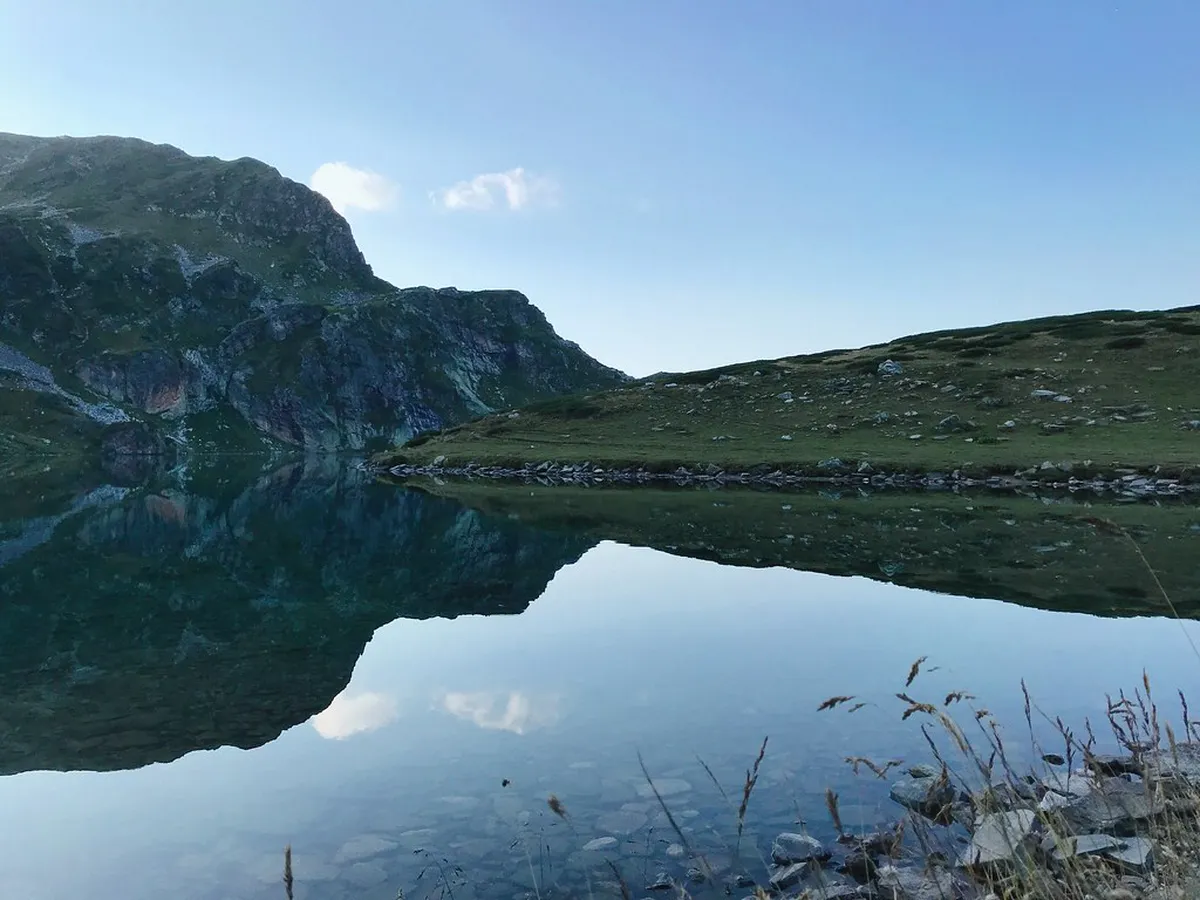
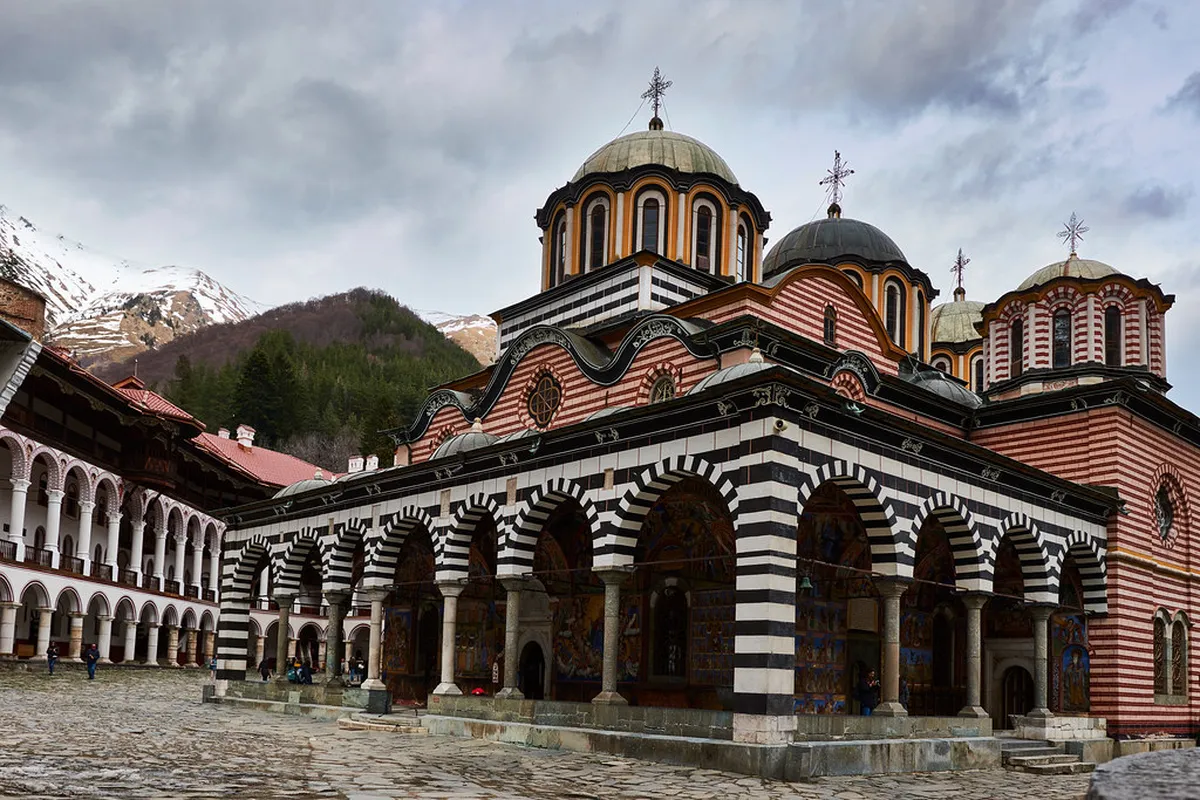
Day two is your Rila day. Leave Sofia by 08:00 to reach Rila Monastery before the tour buses arrive around 10:30. Entry to the monastery complex is free; the museum costs 8 BGN. Dress code applies: covered shoulders, no shorts above the knee. The Rila Monastery UNESCO Site is the most visited attraction in Bulgaria and its Byzantine frescoes covering the portico are among the finest in the Balkans. If you want to combine it with the 7 Rila Lakes hike, that is a very long day by car — the chairlift at the lakes costs 25 BGN and the full circuit takes 3–4 hours. Most visitors do these on separate days.
On day three, take a bus or train from Sofia to Plovdiv (about 2 hours, 15–20 BGN). Days three and four belong to Plovdiv — the Old Town, the Roman Theater (5 BGN, open 09:00–18:00), and the Kapana Creative District Visitor Guide. Day five is departure from Plovdiv or a return to Sofia for your flight. This tight five-day route is covered in full on the Bulgaria 5-day itinerary page.
The 1-Week Culture and Nature Itinerary: Plovdiv and the Mountains
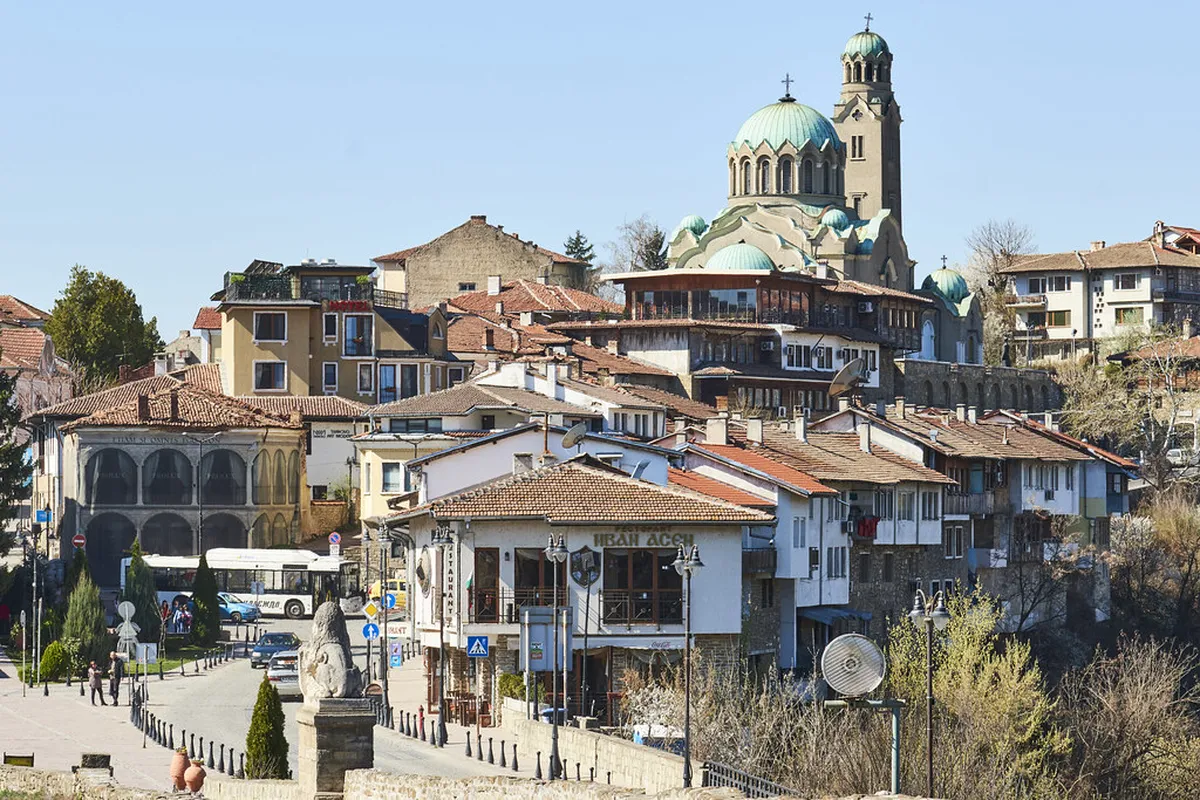
Seven days is the most popular trip length for first-timers and the format most competitors agree on. Keep the 5-day core above and add two more stops. After Plovdiv, head north to Veliko Tarnovo — allow 1.5 hours by bus or car. Stay two nights. Tsarevets Fortress Visitor Guide towers above the city on a rocky bluff and requires about two hours to explore; tickets cost 10 BGN and the gates close to new visitors at 18:00. The Sound and Light show runs on specific evenings (check the schedule before booking your accommodation around it — it fills the town on show nights). The view of the fortress from the Asenova quarter across the river is one of Bulgaria's best photographs.
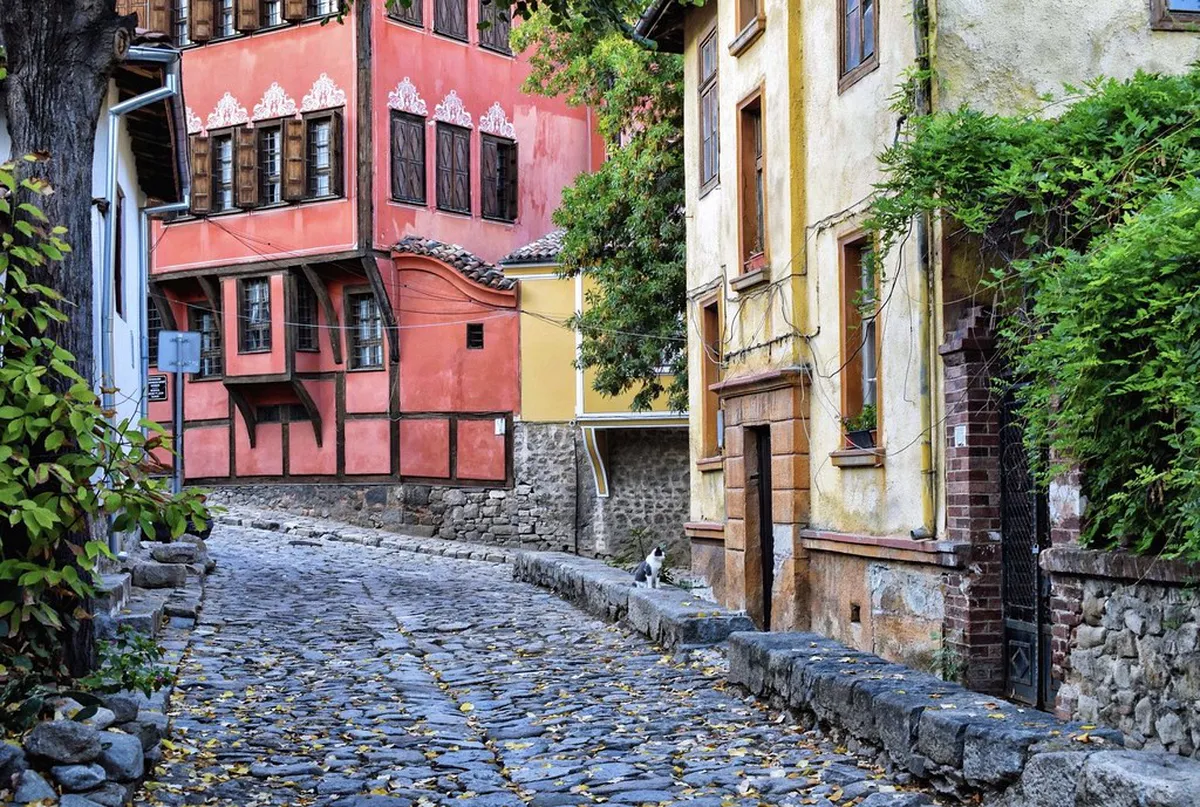
If you add a seventh day, use it for one of two purposes: the 7 Rila Lakes hike (if you skipped it on the Rila day) or a drive through Koprivshtitsa on your way between Sofia and Plovdiv. Koprivshtitsa is a living museum of 19th-century Bulgarian Revival architecture — 383 restored buildings, most of them houses painted in vivid colors. It played a central role in the 1876 April Uprising against the Ottoman Empire. Most house museums here open from 09:30 to 17:30 for 5 BGN each, or you can buy a combination ticket. The full week is mapped out in the Bulgaria 7-day itinerary.
The 14-Day Grand Road Trip: The Black Sea and Beyond
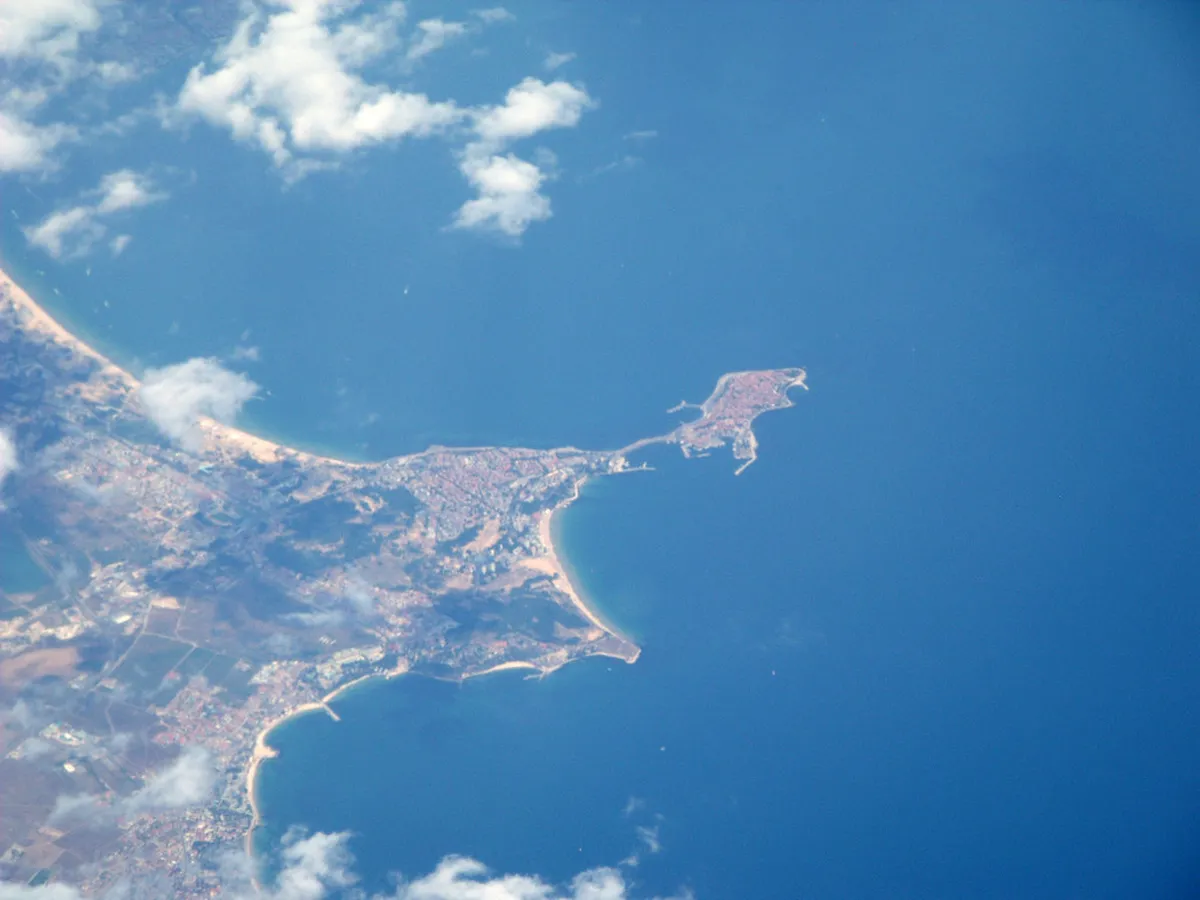
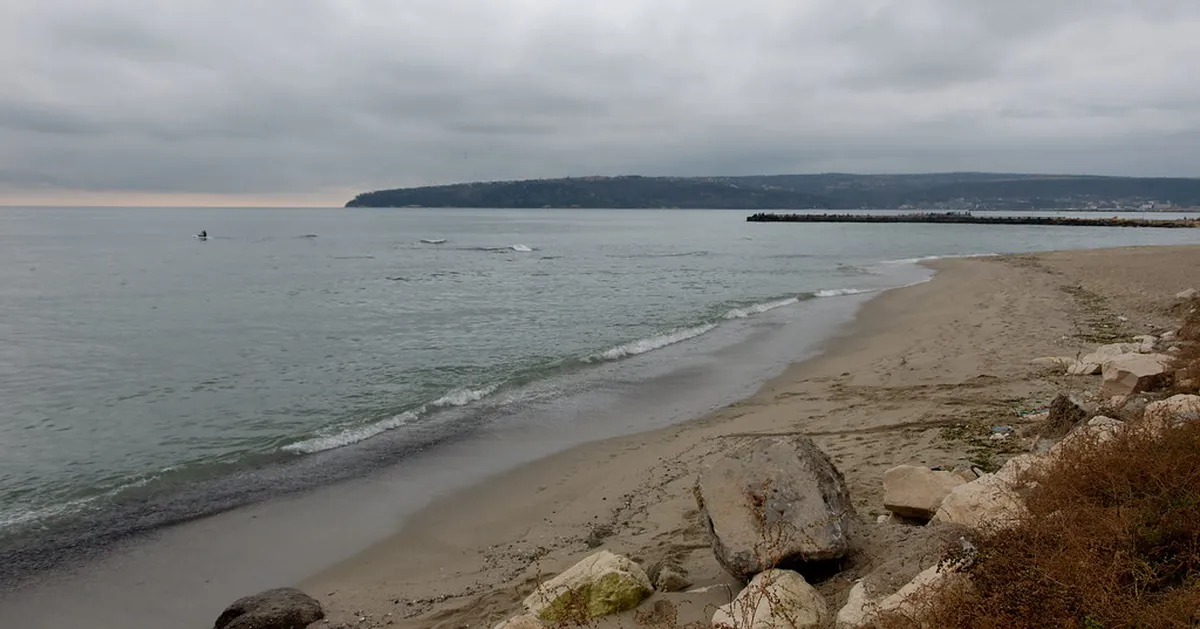
Ten to fourteen days lets you complete a proper circuit of the country. After the Sofia–Plovdiv–Veliko Tarnovo spine, head east to the Black Sea. Varna is the best base: it has the finest architecture of any coastal city, the Archaeological Museum (home to the world's oldest gold treasure, dating to 4600 BC), and the Sea Garden — a vast park running along the waterfront. A seafood dinner at one of the restaurants near the Old Quarter costs about 25–40 BGN per person. From Varna, the UNESCO-listed Old Town of Nessebar is a 30-minute drive south and worth half a day.
The Buzludzha Monument Visitor Guide is the unmissable add-on for this length of trip. This Soviet-era structure, perched at 1,441 meters above sea level in the Balkan Mountains, looks like a crashed flying saucer. It was built in 1981 as a monument to the Bulgarian Communist Party and is now abandoned. Public transport does not serve it — you need a car or a private guide booked in advance. The access road from the Shipka Pass side takes about 30 minutes from Kazanlak. Pair it with the Shipka Memorial Church en route from Plovdiv to Veliko Tarnovo. The full two-week route is detailed in the Bulgaria 2-week itinerary.
Day 12 should go to Belogradchik in the northwest. These red sandstone rock formations — some reaching 200 meters — were used as a natural fortress by the Romans and Ottomans, and the fortress walls are still visible between the pillars. The Belogradchik Fortress (Kaleto) Visitor Guide opens at 09:00 and closes at 18:00; entry is 6 BGN. Arrive early — the light at sunrise through the rocks is spectacular. Day 13 and 14 return to Sofia via Koprivshtitsa. The Bulgaria 10-day itinerary covers the mid-length version of this route.
Best Time to Visit Bulgaria for Your Trip
May, June, and September are the optimal months. Temperatures are mild (18–26°C), crowds are lighter than July–August, and mountain roads are fully open. The 7 Rila Lakes trail is accessible from June through October — snow covers the upper paths until late May. If your priority is the Black Sea coast, July and August deliver the warmest water and the liveliest beach scene, but Nessebar and Sunny Beach become very crowded and hotel prices peak.
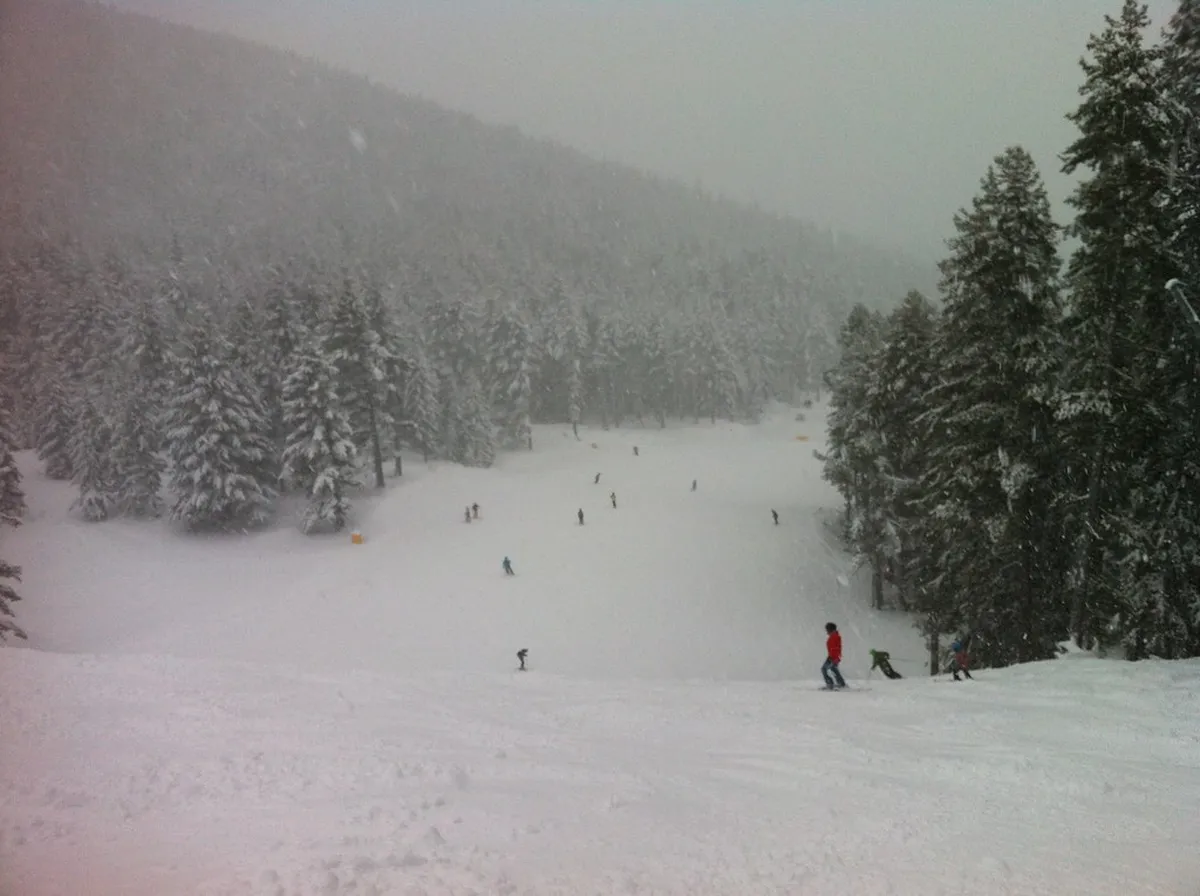
Winter has a specific niche: skiing. Bansko is the most developed ski resort in the Balkans, with 75 km of pistes and gondola access into Pirin National Park. The season runs December through March, with lift passes around 100 BGN per day in 2026. Bansko has also become Bulgaria's largest digital nomad hub, which means reliable coworking spaces and English-spoken cafes operate year-round. It is two hours from Sofia by car. If you are combining a city break with outdoor activity, a Bansko add-on (2–3 nights) is the move that competitors rarely suggest but that fundamentally changes the character of a winter or shoulder-season trip.
The Rose Festival in the Kazanlak region runs in the first week of June. Rose picking starts at dawn (about 05:00), before the heat evaporates the essential oils. Bulgaria produces around 70% of the world's rose oil, and a visit to the Valley of the Roses during harvest is a genuinely unique experience that requires zero hiking ability and fits any pace of travel.
How to Get Around: Road Tripping vs. Public Transport
Choosing the right way of Bulgaria Transport Options determines how much of the country you actually see. Renting a car offers the most flexibility for reaching remote monasteries, Buzludzha, and mountain trailheads. The drive from Sofia to Plovdiv takes about two hours via the Trakia motorway. Sofia to Varna on the Black Sea takes four hours. Car rentals in Bulgaria are genuinely cheap — expect 30–50 EUR per day for a compact in 2026 — and fuel prices are below the EU average.
If you drive, you must purchase an electronic vignette for using the national road network. Buy it exclusively on the Official Bulgarian Vignette Site to avoid third-party scams. A weekend vignette costs 10 BGN, a weekly pass is 13 BGN, and an annual vignette runs 97 BGN. The enforcement system uses automatic plate cameras across the country — the fine for non-compliance is 300 EUR. If you cross from Greece or North Macedonia, you can also buy it at the border for 15 EUR in cash, but the online option accepts cards.
Buses are the backbone of intercity travel and connect all major cities several times daily. Tickets run 15–30 BGN for a four-hour journey. Trains are slower and use older rolling stock, but the Sofia–Plovdiv line offers comfortable seating and scenery through the Rose Valley. I suggest Bulgaria Car Hire Tips for any trip that includes the Black Sea coast or the mountain regions — public transport simply does not reach Buzludzha, Belogradchik, or the 7 Rila Lakes trailhead reliably.
Top Destinations: From Sofia to the Black Sea
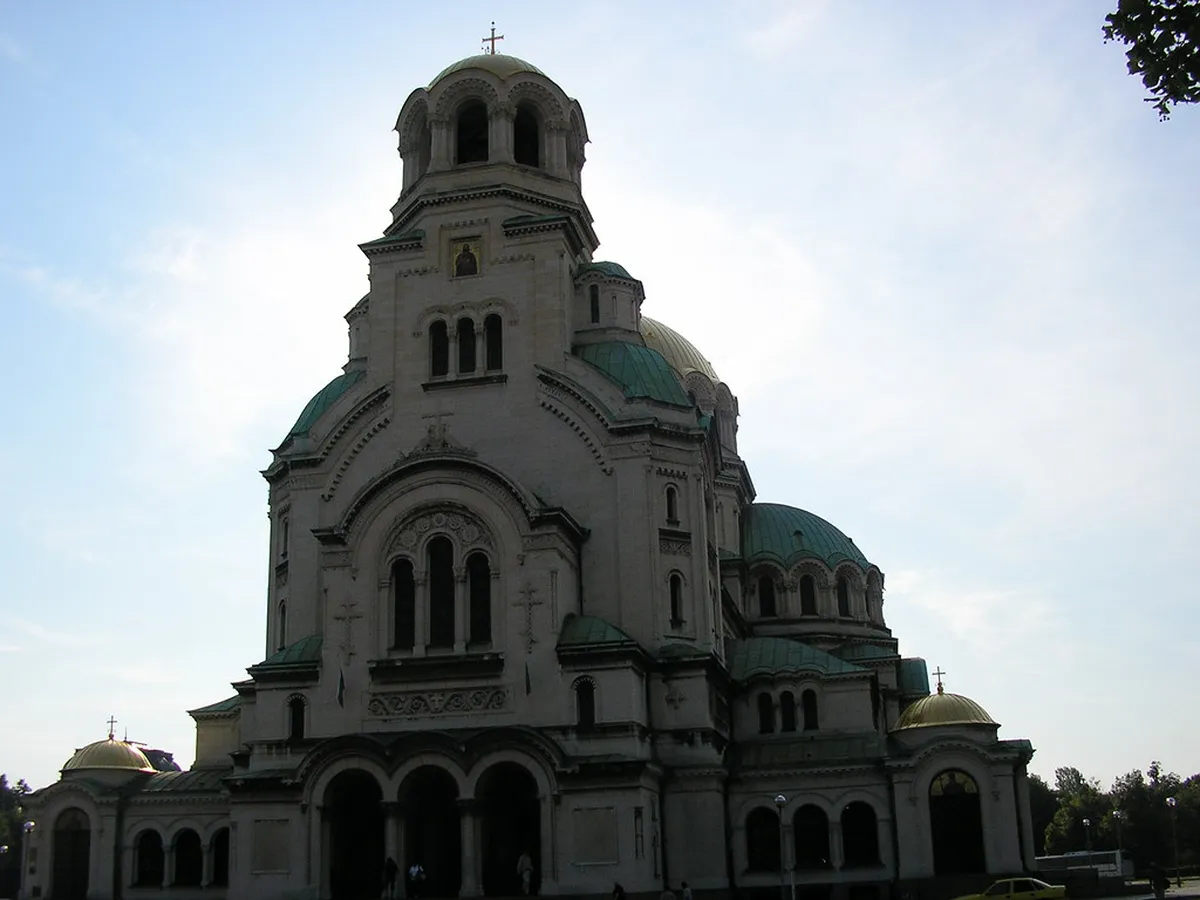
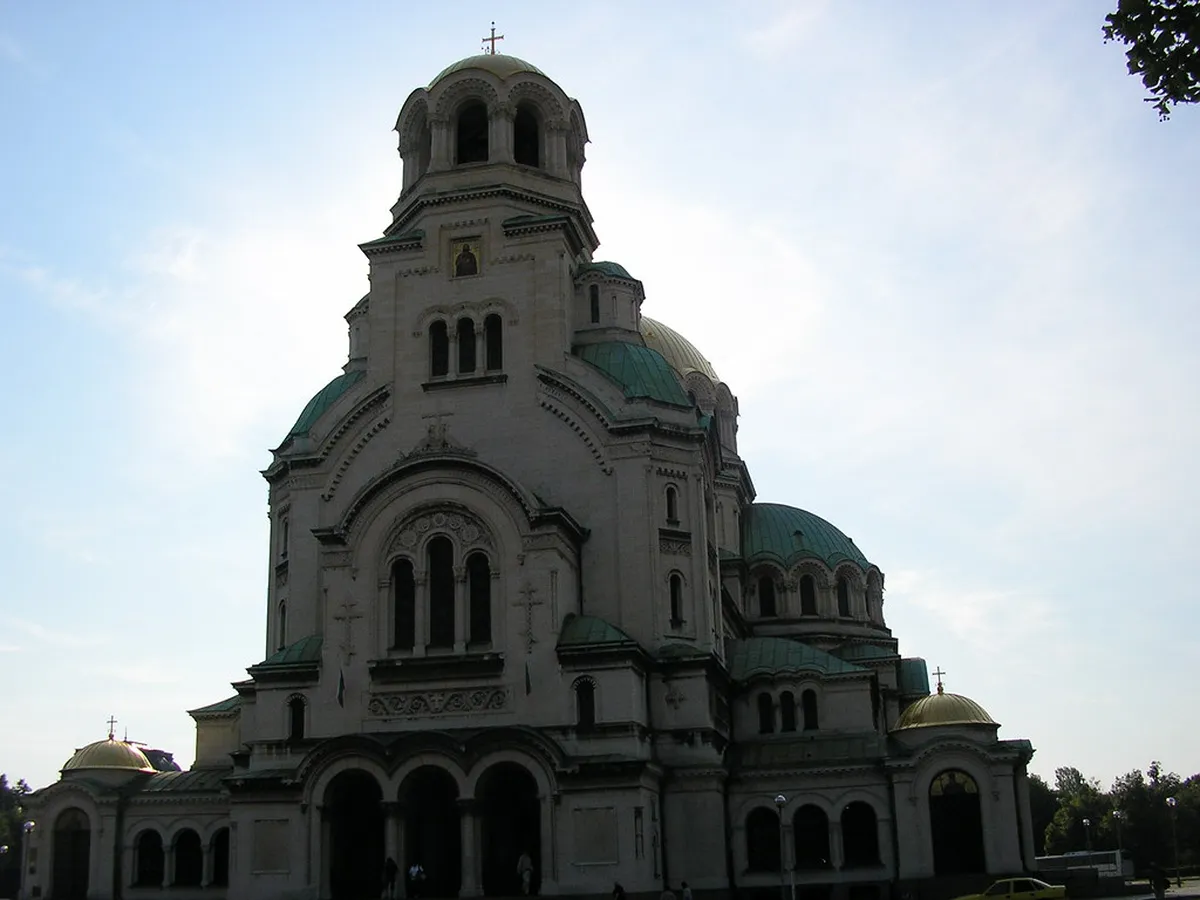
Sofia rewards a slow first morning. Alexander Nevsky Cathedral — free to enter, open daily from 07:00 — is the most photographed building in the country, and its green-and-gold domes are best seen from the square at 09:00 before the souvenir sellers arrive. The Serdica archaeological complex beneath the streets nearby shows the Roman city that gave Sofia its name. Rakija Bar Restaurant on Rakovski Street serves the national spirit in dozens of varieties alongside traditional kebapche (grilled minced meat rolls) and kyufte (meat patties) — order both and share.
Plovdiv's Old Town is walkable in under 30 minutes end to end, which makes it deceptively easy to underestimate. The city has been continuously inhabited for over 6,000 years, and evidence of every occupying culture — Thracian, Greek, Roman, Byzantine, Ottoman — survives within a 10-minute walk of the main square. The Ancient Theatre of Philippopolis still hosts live performances in summer. The Kapana Creative District, a pedestrian neighborhood west of the Old Town, is where locals actually spend their evenings: narrow streets, good cocktail bars, and restaurant menus that run to Bulgarian and international food at prices well below anything in Western Europe.
Melnik, near the Greek border, deserves mention for travelers doing 10+ days. It is the smallest town in Bulgaria — about 200 residents — set inside sand pyramids of eroded clay and sandstone. It produces the Shiroka Melnishka Loza grape, which yields a full-bodied red wine available almost nowhere else in the world. Small family wineries (Kordopulov House is the most famous, set inside a 1754 mansion with a cave cellar) offer tastings for 10–20 BGN without reservations on most days. The drive from Sandanski takes 25 minutes; add it to a 10+ day itinerary on the way south from Sofia toward Plovdiv.
Why Bulgaria Belongs on Your Travel Bucket List
Bulgaria is the last genuinely underrated destination in the Balkans. Croatia and Greece have absorbed the mass-market tourism that once made them interesting. Bulgaria has not. Outside of July and August on the Black Sea, you rarely feel crowds at any site — not at Rila Monastery, not at Tsarevets Fortress, not even at Buzludzha. That will change. The infrastructure is improving, flight connections from Western Europe are multiplying, and in 2026 Bulgaria is on track to adopt the Euro, which will make budgeting even simpler for visitors from the eurozone.
The value proposition remains extraordinary. A sit-down dinner with wine in Plovdiv or Sofia costs 20–35 BGN per person (roughly 10–18 EUR). A night in a clean, central hotel in Sofia runs 60–120 BGN for a double room. Museum entry rarely exceeds 10 BGN. The food — grilled meats, Shopska salad, banitsa pastry, tarator cold soup, and the best yogurt in Europe (a national obsession backed by the Lactobacillus bulgaricus strain indigenous to the region) — is excellent at every price point.
The landscape diversity is the final argument. In a single week you can stand in a Roman amphitheater, hike an alpine trail above 2,000 meters, walk through a Byzantine monastery, and eat dinner on a Black Sea terrace. No other Balkan country fits that range into seven days. That is the honest case for Bulgaria: not that it is perfect, but that it surprises you consistently and costs less than almost anywhere else in Europe while doing it.
Book in Advance: Securing Your Bulgarian Trip
While Bulgaria is generally easy to navigate, some attractions require planning several weeks ahead. The Rila Monastery shuttle tours from Sofia often sell out during the busy summer months. Book at least two weeks before your arrival to secure a seat.
The Tsarevets Sound and Light show in Veliko Tarnovo only runs on specific nights. Check the official schedule a month in advance to align your visit with a performance. Private guides for Buzludzha should also be contacted early — the monument sits on restricted state land and access rules shift from season to season.
If you are traveling during July or August, hotel availability in Nessebar can be very limited. Use Booking.com Bulgaria Hotels to reserve your coastal stay early. Most popular guesthouses in the Plovdiv Old Town require a 30-day lead time for weekends in peak season.
Frequently Asked Questions
Is 5 days enough for Bulgaria?
Five days is enough for a quick highlights tour of Sofia and Plovdiv. You will miss the Black Sea coast and the northern fortresses. I recommend at least one week for a balanced experience in this diverse country. Most travelers find this timeframe perfect for seeing the major cultural sites.
What is the best way to get around Bulgaria?
Renting a car is the most efficient way to see the country. It allows you to visit remote sites like Rila and Buzludzha easily. Buses are a reliable and cheap alternative for city-to-city travel. Trains are slower but offer beautiful views of the Balkan Mountains during the day.
Is Bulgaria safe for solo travelers?
Bulgaria is generally very safe for solo travelers, including women. Standard precautions should be taken in crowded tourist areas like Sunny Beach. Violent crime is rare, and locals are usually helpful to visitors. I felt very comfortable walking through the major cities alone at night.
Determining how many days in Bulgaria you need depends on your desire for adventure or relaxation. A seven-day trip provides a fantastic introduction to the history and hospitality of the Balkans. I hope this itinerary helps you plan a memorable journey through this beautiful and affordable country.