Bulgaria 5-Day Itinerary: 10 Best Routes and Planning Tips
Bulgaria packs more variety into a five-day trip than almost any other country in Eastern Europe. You can split your days between Sofia's golden-domed cathedrals and mountain monasteries, or swap the interior for the ancient Black Sea coastline — five days is enough for one focused route done properly. This guide lays out five distinct routes so you can choose the one that fits your travel style before you book anything. Every timing detail, driving distance, and entry fee below reflects 2026 conditions.
For a visual preview of Bulgaria's classic itinerary, this video covers the main stops and travel flow:
If you are still deciding whether the country is worth the effort, read our take on Why Bulgaria Is Worth Visiting first. For a broader overview of Bulgarian destinations, the Bulgaria Trip Planner pillar covers every trip length from three days to two weeks. Come back here once you have confirmed five days is your window.
Is a 5-Day Bulgaria Itinerary Right for You?
Five days is enough time to go deep on one part of Bulgaria but not enough to cover the whole country. The interior (Sofia, Rila, Plovdiv, Veliko Tarnovo) and the Black Sea coast are both excellent — they are just over 300 km apart, and combining them in five days means spending two full days driving instead of exploring. Most first-timers pick one or the other and come away satisfied.
This timeframe works well for travelers who want structured days with a clear itinerary, some flexibility for day trips, and a mix of cities and nature. It is less suited to slow travelers who prefer to linger in one place for several days, or to beach-focused visitors who want more than two days on the sand. If you have more time, the One Week in Bulgaria adds the coast or Bansko without the rush.
Many travelers ask How Long to Spend in Bulgaria are ideal. The honest answer is that five days rewards decisive planning over trying to cover everything. Pick your route from the five options below, then commit to it.
Essential Things to Know Before You Travel to Bulgaria
Bulgaria uses the Bulgarian Lev (BGN), not the Euro, even though the country is an EU member. The Lev is pegged to the Euro at a fixed rate of 1.95583 BGN per EUR, so 10 BGN is roughly 5.11 EUR. Always pay in Lev — merchants who quote Euro prices typically apply a worse rate. ATMs are widely available in Sofia and Plovdiv but scarce in mountain villages, so carry cash before leaving the city.
Download Google Translate's Bulgarian offline pack and enable the camera feature before leaving home — it translates Cyrillic road signs in real time and is invaluable on mountain drives where data signal is unreliable.
English is spoken in most hotels, restaurants, and tourist offices in the major cities, but less so in rural areas and at mountain attractions. Road signs in Bulgaria — including at tourist hotspots like the Seven Rila Lakes Visitor Guide access road — are in Cyrillic only. Download Google Translate's Bulgarian offline pack before you leave home and enable the camera feature, which can read Cyrillic script in real time. Offline maps via Maps.me or Google Maps saved areas are essential on mountain drives where mobile signal drops.
One cultural note worth knowing: in Bulgaria, shaking your head side-to-side means yes, and nodding up and down means no — the opposite of most European countries. This causes genuine confusion at petrol stations, restaurants, and ticket offices. Once you know it, adjust by watching for verbal confirmation. Safety is generally good throughout the country; the main risks are the same petty-theft issues found in any European city, plus uneven road surfaces on rural mountain routes.
Bulgarian road signs and directions to mountain attractions like the Seven Rila Lakes chairlift are in Cyrillic only. Rental cars may not have GPS with Cyrillic labels — set your navigation to the English place name (e.g., "Panichishte") at the motorway exit before signal drops, and keep the GPS running throughout the drive.
Route 1: The Classic Cultural Loop (Sofia, Rila, Plovdiv, Veliko Tarnovo)
This is the route that most five-day itinerary guides recommend, and for good reason. It connects Bulgaria's four signature cultural sites in a logical driving loop that starts and ends in Sofia. Best season is May–June or September–October when temperatures are mild and the sites are not at peak summer capacity. Driving intensity is moderate — most legs are under three hours on good-quality motorways.
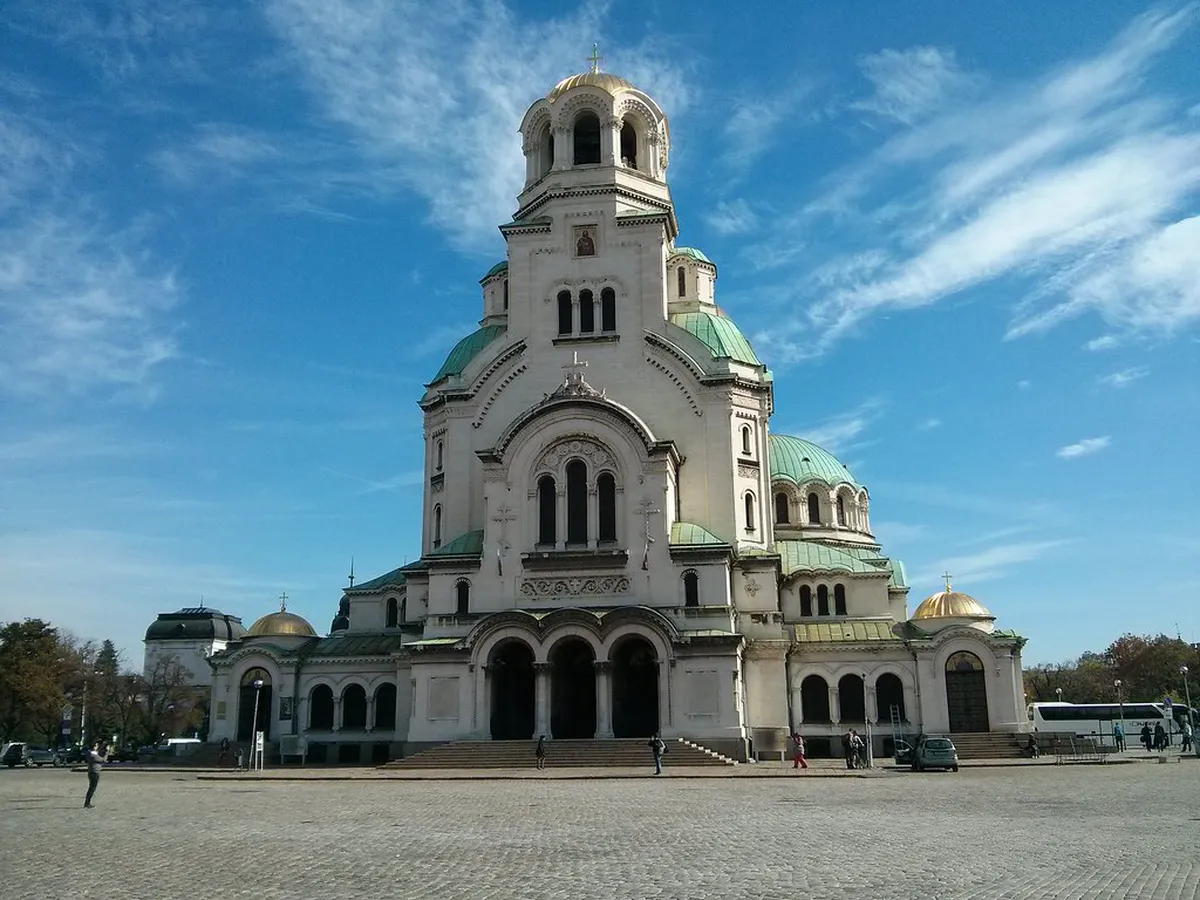
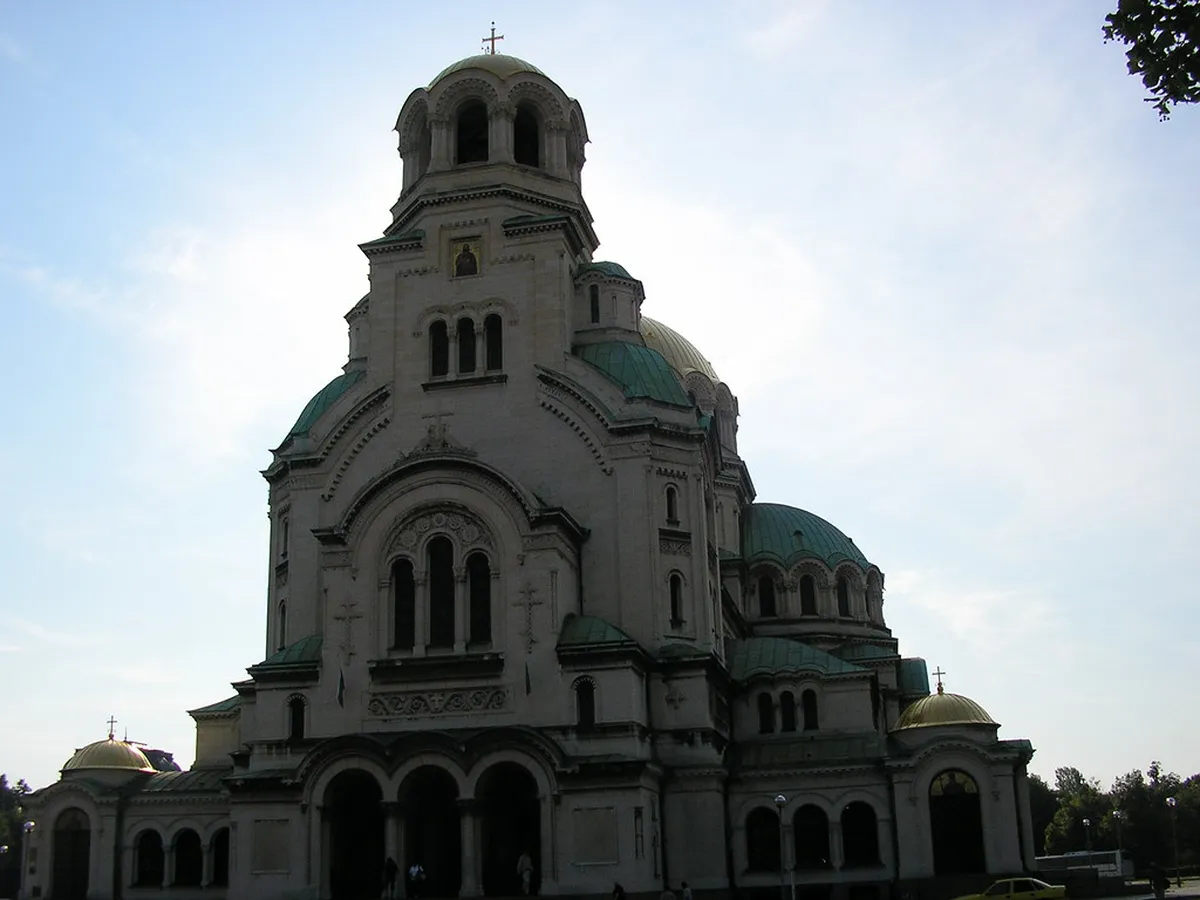
Day 1 is Sofia: start at 09:00 at the Alexander Nevsky Cathedral Visitor Guide (free entry, interior open daily), then walk south on Vitosha Boulevard Visitor Guide for coffee and people-watching. Afternoon is the underground Serdica Roman ruins visible through the metro station at Serdika — free to view from the platform. End the evening at a mehana (Bulgarian tavern) in the city center for banitsa pastry, shopska salad, and grilled meats. Budget around 40–60 BGN per person for a full dinner with wine.
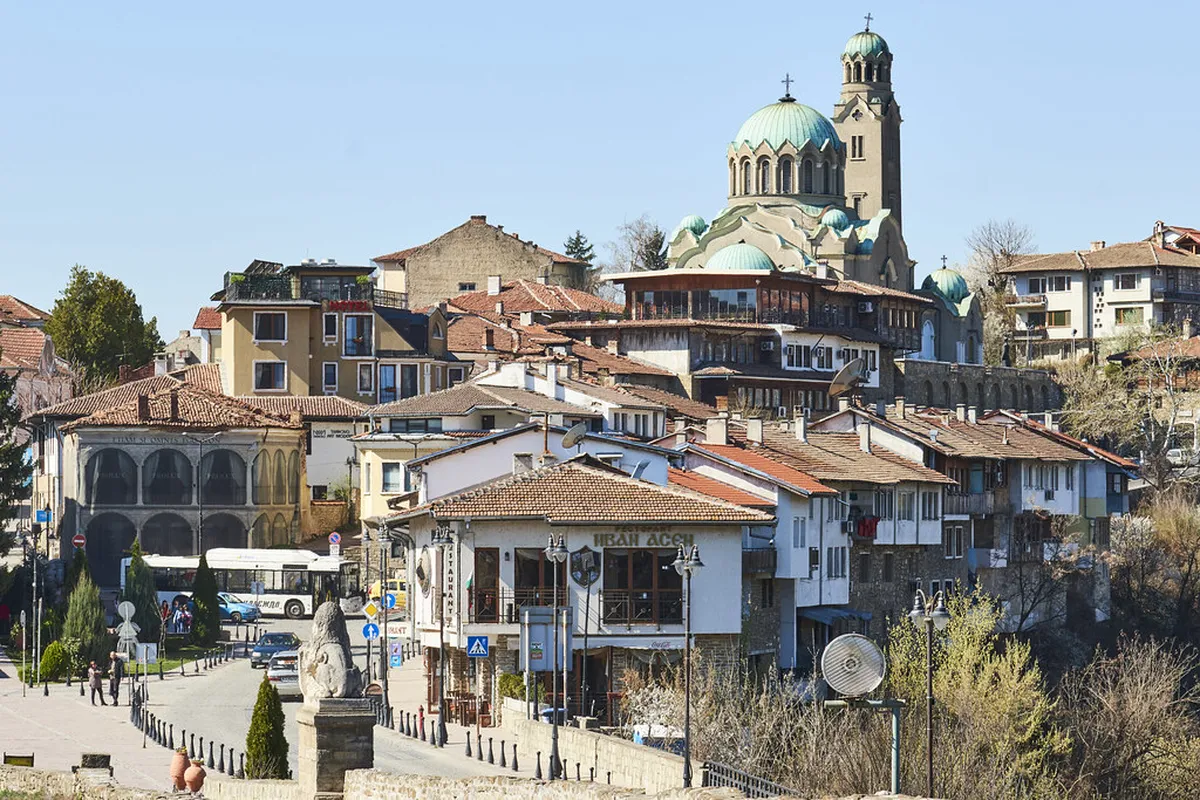
Day 2 covers Rila Monastery as a day trip from Sofia (roughly 2–2.5 hours each way on the E79 motorway south, then mountain road). Arrive by 09:30 to beat the tour buses. Entry to the monastery complex is free; the museum costs 10 BGN. Return via Boyana Church on the southern outskirts of Sofia — entry is 10 BGN and the 13th-century frescoes are UNESCO-listed and remarkable. Day 3 transfers to Plovdiv (2 hours from Sofia on the A1 Trakia motorway). Spend the afternoon in Kapana Creative District Visitor Guide and the Roman Amphitheatre (entry 5 BGN, open 09:00–18:00). Day 4 drives north to Veliko Tarnovo (3 hours from Plovdiv), where Tsarevets Fortress Visitor Guide (entry 6 BGN) dominates the skyline above the Yantra river gorge. Day 5 returns to Sofia with a morning stop at the Samovodska Charshiya craft street in Tarnovo before the 3-hour drive back.
Route 2: The Black Sea Coastal Escape (Varna, Nessebar, Sozopol)
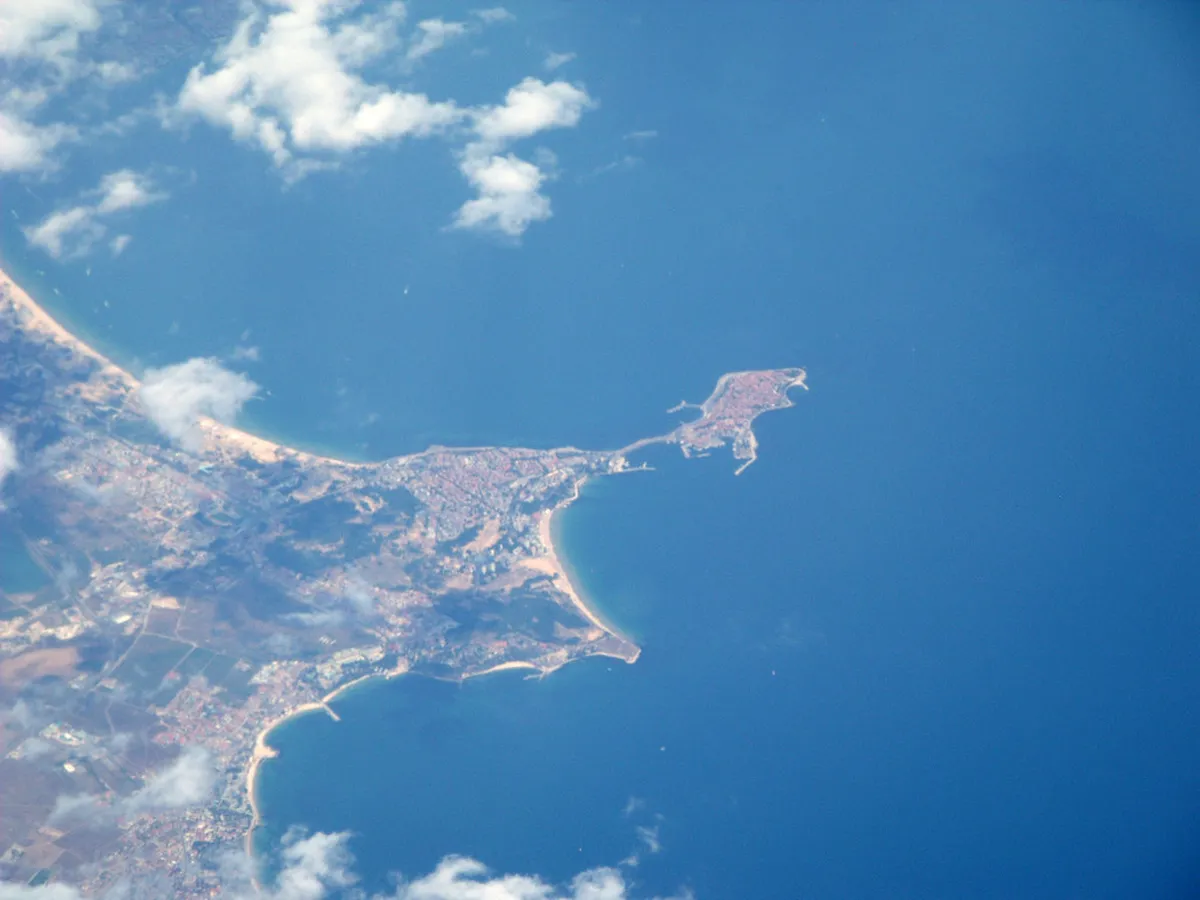
The Bulgarian Black Sea coast is one of the best-value beach destinations in Europe in summer. Varna is the main city — it has Roman Thermae ruins, a large sea garden park, and a genuinely charming pedestrian center. Nessebar, 90 km south of Varna, is a UNESCO-listed old town built on a peninsula with over forty medieval churches; it pairs history with beach access. Sozopol, another 35 km south, has a compact old town of wooden houses and cleaner, less crowded beaches than the Sunny Beach resort strip. Best season for this route is June–August. Flying into Varna airport rather than Sofia saves the 5-hour drive from the capital and works well if your airline serves it.
Sunny Beach sits between Nessebar and Sozopol and is Bulgaria's largest resort — it is geared toward package holidays, nightlife, and all-inclusive hotels, not independent sightseeing. If you want history and atmosphere alongside the beach, stay in Nessebar old town or Sozopol and visit Sunny Beach for an evening if nightlife interests you. The two options are genuinely different: Nessebar rewards slow walking and cathedral-spotting; Sunny Beach rewards beach bars and party nights. Knowing that before you book accommodation saves a frustrating surprise on arrival.
A practical day split: Day 1–2 base in Varna (Roman Thermae, sea garden, Cathedral of the Assumption); Day 3 drive south to Nessebar for a half-day in the old town, then check in to Sozopol; Day 4 beach and old town in Sozopol; Day 5 drive to Plovdiv (2.5 hours inland) for a final afternoon at the Roman Amphitheatre before an evening flight or overnight before a next-day flight from Sofia.
Route 3: The Bansko Winter Break (Skiing and Thermal Springs)
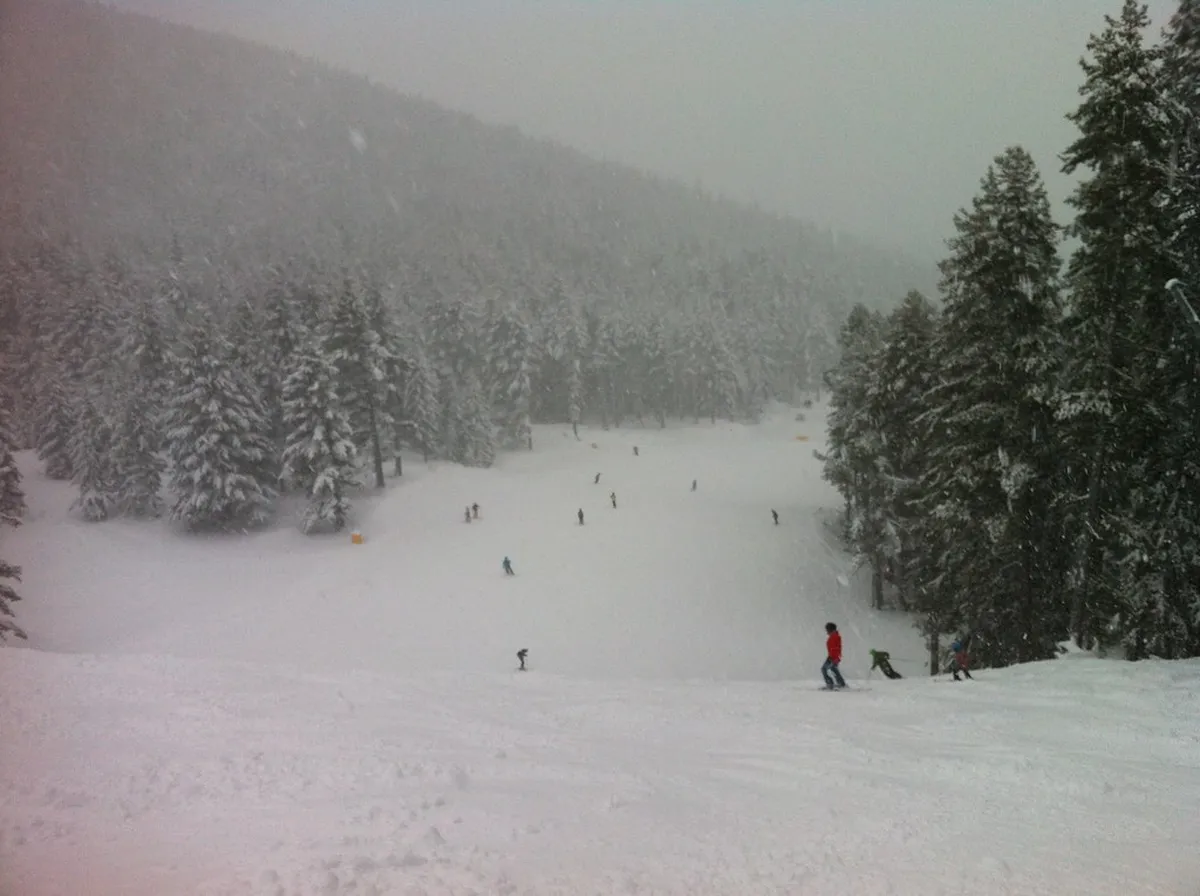
Bansko is Bulgaria's main ski resort and sits about 1.5 hours south of Sofia in the Pirin Mountains. A five-day winter trip works well with two days in Sofia at the start, then three nights based in Bansko. The ski area serves all levels — beginners use the Banderishka Polyana zone at the base; intermediate and advanced skiers take the gondola up to 2,560 m and access the longer runs above the tree line. A six-day ski pass costs around 360 BGN (approximately 184 EUR) in 2026 high season, making it significantly cheaper than comparable Alpine resorts.
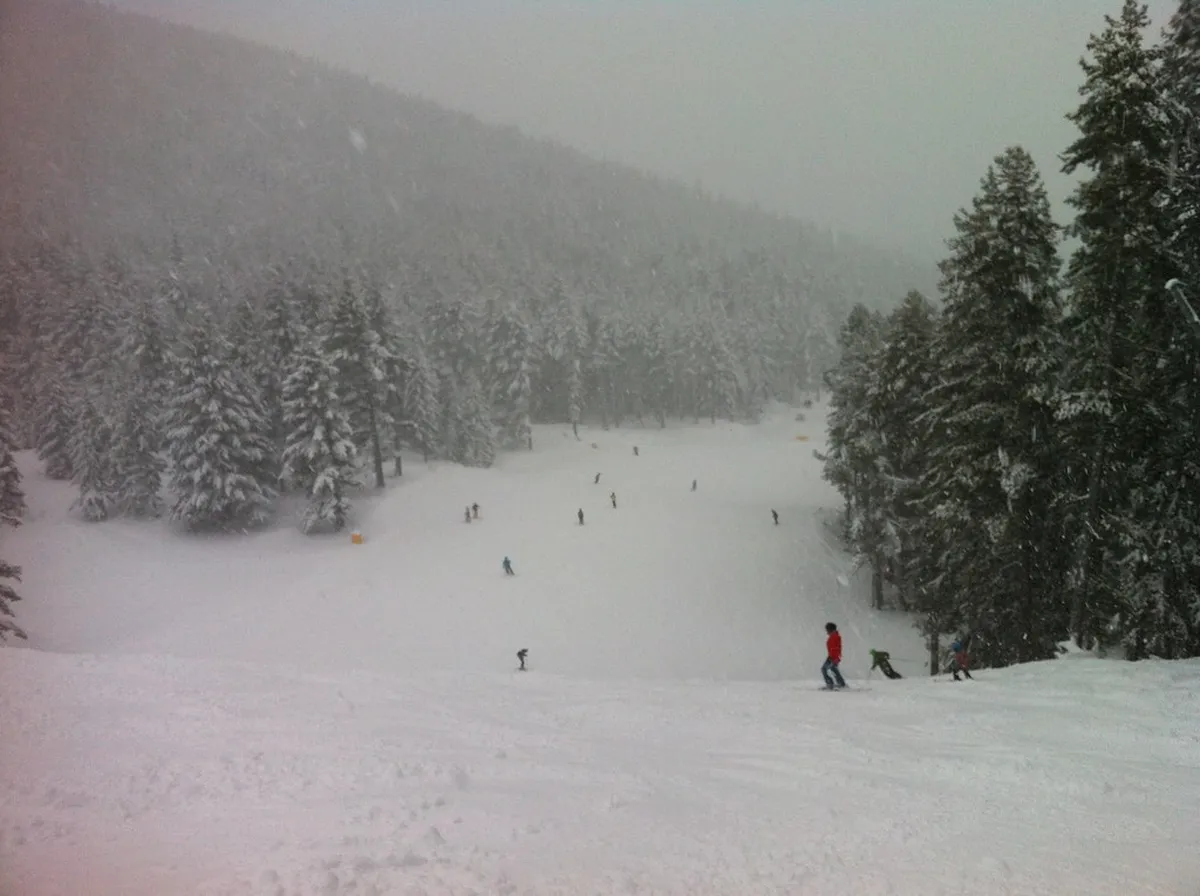
Non-skiers are well served. The mineral spa complex in the town of Banya, 15 minutes from Bansko, has outdoor thermal pools open year-round. The old town in Bansko itself has preserved 19th-century stone houses, an 18th-century church with notable icons, and dozens of mehanas serving hearty winter food. Bansko is also rapidly becoming a digital nomad hub, so the town has better co-working and coffee options than you might expect from a mountain village. Best season is December–March; avoid January if you want guaranteed snow without the school-holiday crowds, which peak in February.
Route 4: Bulgarian Culinary and Wine Tour (Melnik and Local Flavors)
Bulgaria has been producing wine since at least the Thracian period and is a genuinely underrated wine destination. The Struma Valley around Melnik in southwestern Bulgaria is the warmest wine region in the country and produces the signature Broad-Leafed Melnik Vine — a variety found almost nowhere else in the world. Melnik town is also the smallest town in Bulgaria by population and sits among sandstone pyramids that make it visually unlike anywhere else in the country. It is about 2.5 hours from Sofia by car (or 3 hours by bus via Sandanski).
A culinary loop can combine Days 1–2 in Sofia (food market at the Central Market Hall, rakija tasting, shopska salad and kavarma at a traditional mehana), Day 3 in Melnik for winery visits and the Kordopulov House museum (entry 3 BGN), and Days 4–5 in Plovdiv to explore the restaurant and bar scene in the Kapana district. Bulgarian food staples worth trying on this route: tarator (cold cucumber-yoghurt soup), banitsa (cheese pastry), and gyuvech (clay-pot stew). Several wineries in Melnik offer cellar tours for 10–15 BGN including a tasting of four to five wines.
The culinary angle also integrates well with Route 1: adding Melnik as a detour on Day 2 (on the way back from Rila Monastery, which is also in the southwest) adds only about 90 minutes of driving and gives you the winery stop without a dedicated separate route.
Route 5: Ancient Treasures (Veliko Tarnovo and the Thracian Tombs)
Bulgaria contains thousands of Thracian burial mounds, and the Kazanlak region in the Rose Valley (kazanlak) Visitor Guide has two of the most significant: the UNESCO-listed Kazanlak Tomb (dating to the 3rd–4th century BC, entry to the replica 3 BGN) and the nearby Golyama Kosmatka mound where the Thracian King Seuthes III's golden mask was discovered. The Rose Valley also hosts the Kazanlak Rose Festival in the first week of June — a genuine local celebration with rose-picking rituals and distillery visits, not a tourist stage set.
A five-day history-focused route works as follows: Days 1–2 in Sofia and Plovdiv (Plovdiv has Roman, Byzantine, and Ottoman layers all visible within walking distance of each other); Day 3 drive to Kazanlak (3 hours from Plovdiv) for the tombs and a rose distillery visit; Day 4 push north to Veliko Tarnovo (1.5 hours from Kazanlak) for Tsarevets Fortress and the Samovodska Charshiya; Day 5 return to Sofia via the Shipka Pass and Shipka Memorial Church (nativity Memorial Temple) Visitor Guide (free entry), which sit at 1,326 m altitude and offer sweeping Balkan mountain views. The Shipka Pass road is scenic but slow — allow 3.5 hours total for the drive back to Sofia with the stop.
One honest note on the Kazanlak detour for non-history buffs: the Kazanlak Tomb itself takes about 30–45 minutes to visit. You are entering a replica, not the original sealed chamber, so the visual impact is modest. The value is in the context — the gold artifacts are displayed in the National Historical Museum in Sofia, not on site. If Thracian history is not a personal priority, skip Kazanlak and use that day to linger longer in Plovdiv or add the Etar ethnographic complex near Gabrovo instead.
Must-See Landmarks: Rila Monastery and the Seven Rila Lakes
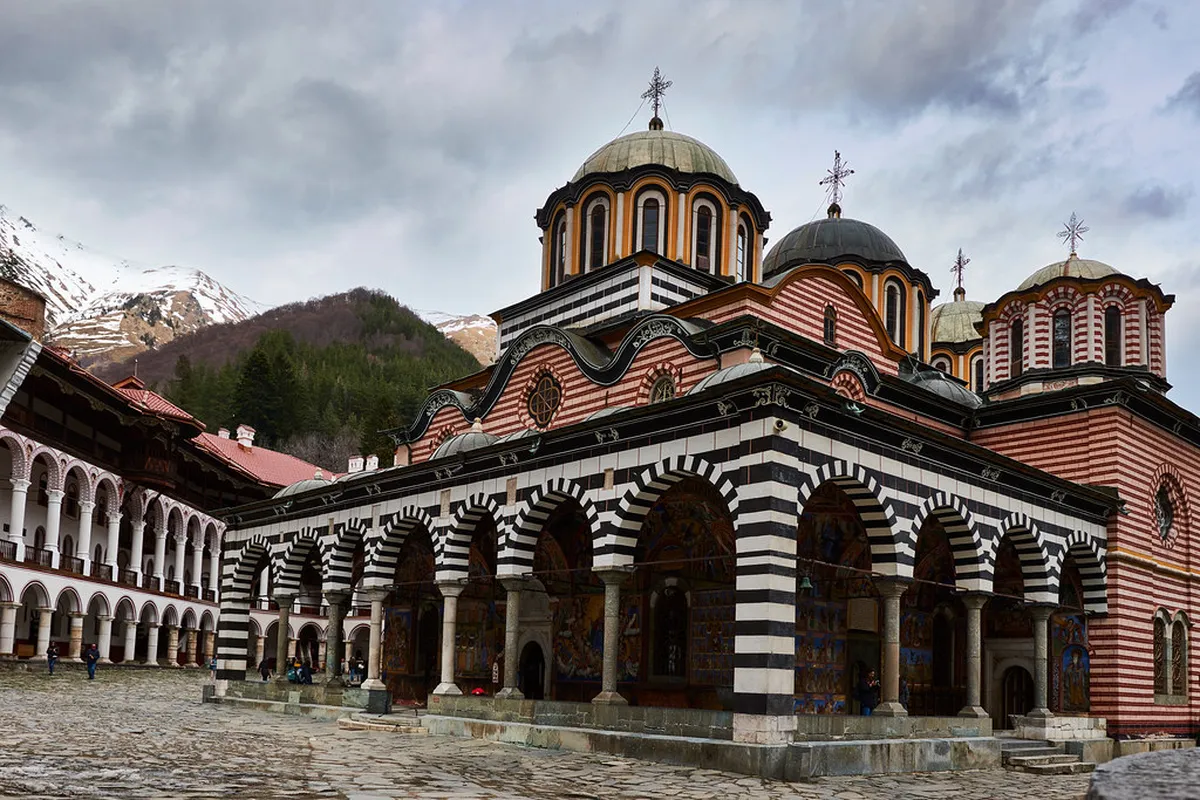
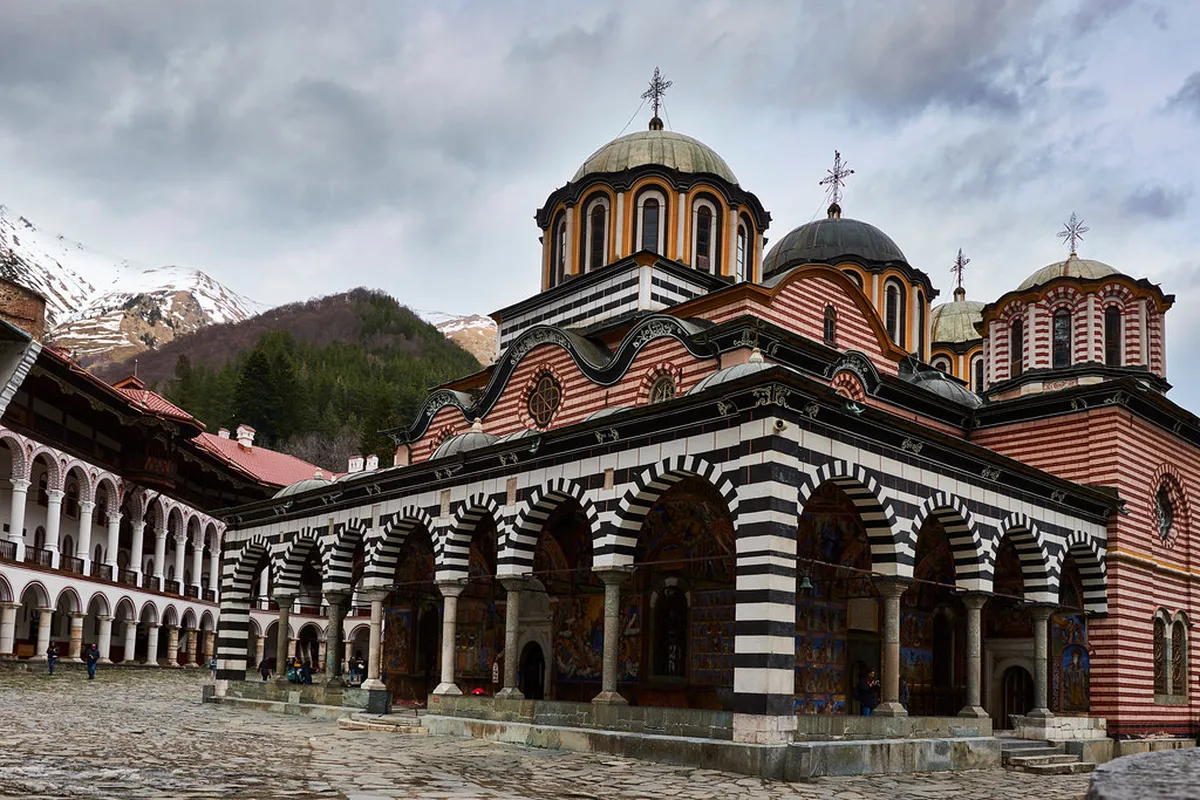
Rila Monastery is the largest and most important monastery in Bulgaria, founded in the 10th century and rebuilt after a fire in the 19th century. The courtyard is a dramatic striped arcade of arches painted in red, black, and white; the church interior is covered floor-to-ceiling in vivid frescoes. The monastery is active, so dress modestly — shoulders and knees covered for entry. For more historical context, read the Rila Monastery Wikipedia guide. It is open daily from 07:00 to 20:00 in summer, with shorter hours in winter. Entry to the grounds is free; the museum (10 BGN) displays illuminated manuscripts, wood-carved crosses, and historical weapons.
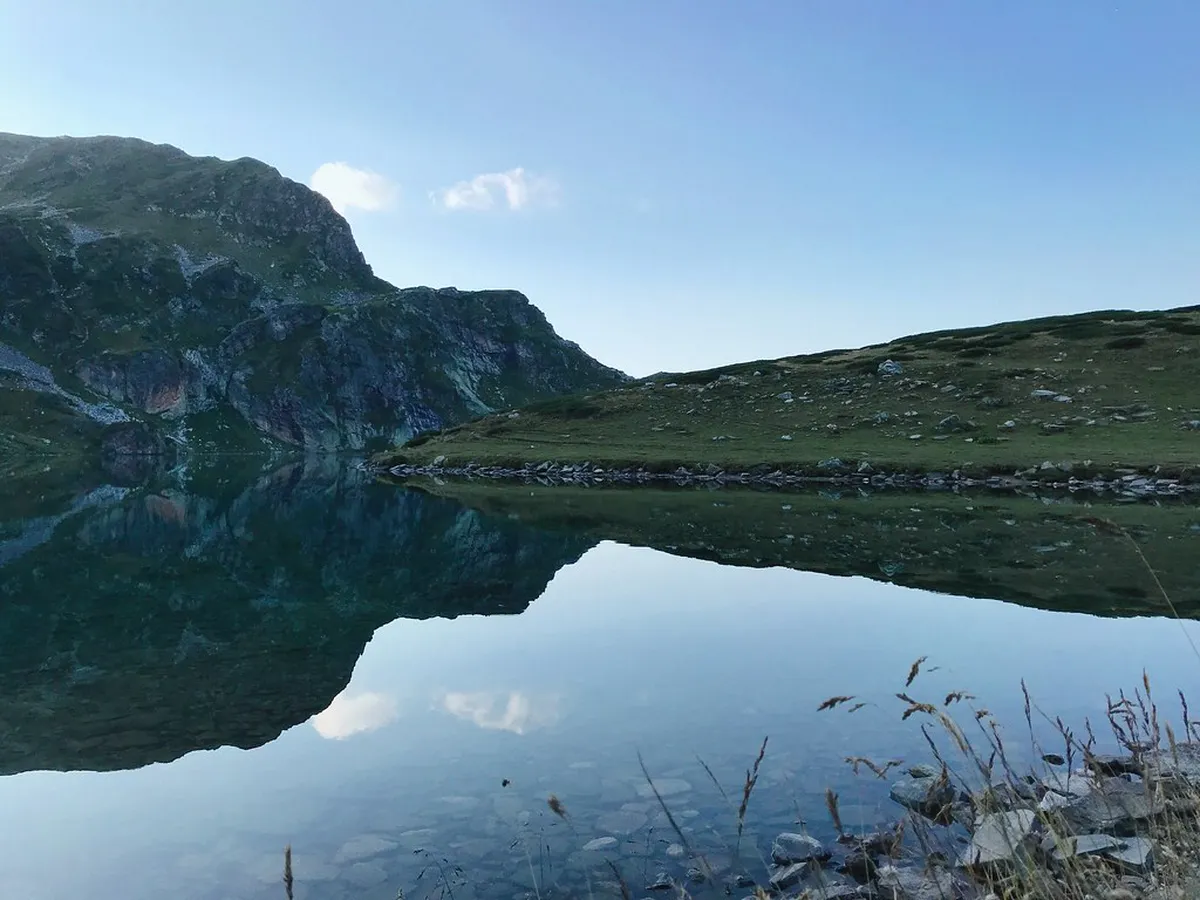
The Seven Rila Lakes are a glacial lake circuit at 2,100–2,500 m altitude in the Rila Mountains, about 20 km from the monastery by road. Each lake has a name based on its appearance or position: The Tear (highest), The Eye (most reflective), The Kidney, The Twin (two adjacent), The Trefoil, The Lower Lake. The chairlift at Panichishte runs daily from approximately 08:30 to 17:00 and costs around 12 BGN (6 EUR) each way in 2026. It takes about 20 minutes to reach 2,196 m. From the top, the full lake circuit on foot takes 4–5 hours; a shorter loop visiting four lakes takes about 2 hours. For detailed route planning, consult the Seven Rila Lakes guide on Wikipedia. The trail is well-marked but in Cyrillic — download the Wikiloc trail for the Seven Rila Lakes before you leave the city, as mobile data is unreliable above the chairlift station.
Always pack a waterproof layer regardless of the morning forecast. Mountain weather above 2,000 m in Bulgaria changes rapidly — afternoon thunderstorms are common from June to August even on cloudless mornings. The chairlift does not operate in strong wind, so have a backup plan if you arrive and find it closed. There is a small chalet at the top with hot drinks and basic food, but prices are high relative to valley standards, so bring lunch.
Logistics: Planning Your 5-Day Bulgaria Road Trip
A rental car is the most flexible option for Routes 1, 3, 4, and 5. Renting in Sofia and returning to Sofia is straightforward; most major companies (Europcar, Hertz, Budget) have desks at Sofia Airport Terminal 2. Expect around 40–60 EUR per day for a compact car with full insurance in 2026. You will need a vignette (digital road tax sticker) to use Bulgarian motorways — it costs 15 BGN for a week and can be purchased at the airport, petrol stations, or online at bgtoll.bg. Driving without a valid vignette carries a fine of 300 BGN.
Mountain roads to Rila Monastery and the Seven Rila Lakes are paved but narrow in sections, with sharp switchbacks. Driving them is not technically difficult but requires attention. The approach road to the Seven Rila Lakes chairlift is signposted from Sapareva Banya and Panichishte — road signs are in Cyrillic only, so set the GPS destination to "Panichishte" before leaving the motorway and keep it running. Rural mountain roads in Bulgaria often lose mobile signal, so download offline maps before the drive.
The Sofia metro (M1 and M2 lines, 1.60 BGN per ride or 4 BGN for a day pass) is the fastest way to cross the capital. Use it for Days 1 and 5 when you are based in Sofia. Most museums in Bulgaria close on Mondays, so schedule museum-heavy days for Tuesday through Sunday. Always carry cash in small denominations — mountain huts, rural petrol stations, and smaller guesthouses do not accept cards. You can find additional transport options in our Bulgaria Transport Options guide.
Where to Stay: The Best Bases for Your Trip
Sofia is the natural base for Routes 1, 3, 4, and 5. Staying near Vitosha Boulevard or in the Lozenets neighborhood puts you within walking distance of the major landmarks and close to the main motorway exits for day trips. Boutique hotels in the center run 80–150 BGN per night; social hostels offer dorm beds from 25 BGN. You can find hotels in Bulgaria from budget to boutique across the main booking platforms, with strong coverage of central Sofia options.
Plovdiv is a better base for Route 2 (if you are coming from the coast) and Route 5. The Central District around Kapana has more atmosphere and better restaurant access than the Old Town hilltop, which is charming but quiet in the evenings. Guesthouses in the Old Town run 60–100 BGN per night. Veliko Tarnovo hotel rooms with Tsarevets Fortress views book quickly in summer — confirm parking when you reserve if you are arriving by car. If you are traveling on a tight budget, check cheap hostels with dorms starting at €6 across all three cities.
For Route 2 (Black Sea coast), base yourself in Nessebar old town or central Sozopol rather than the large resort hotels on the Sunny Beach strip unless nightlife is your priority. Both Nessebar and Sozopol have guesthouses within 200 m of the beach at rates well below the all-inclusive resorts.
At a Glance: 5-Day Bulgaria Route Comparison
Use this summary to match the right route to your travel style before you commit to accommodation bookings. Every route starts and ends in Sofia unless noted.
- Route 1 (Classic Cultural Loop): Best for first-timers. Covers Sofia, Rila Monastery, Plovdiv, Veliko Tarnovo. Best seasons: May–June, September–October. Driving intensity: moderate (longest leg is 3 hours Sofia to Tarnovo via Plovdiv). Approximate budget excluding flights: 600–900 BGN per person for 5 nights mid-range.
- Route 2 (Black Sea Coast): Best for beach and history combined. Covers Varna, Nessebar, Sozopol, optional Plovdiv finish. Best season: June–August. Can fly into Varna to skip the 5-hour Sofia drive. Driving intensity: low to moderate once you are on the coast.
- Route 3 (Bansko Winter Break): Best for skiers and spa visitors. Covers Sofia plus 3 nights in Bansko. Best season: December–March. Driving intensity: low — Sofia to Bansko is 1.5 hours on good roads.
- Route 4 (Culinary and Wine Tour): Best for food and wine travelers. Covers Sofia, Melnik, Plovdiv. Best seasons: May–October (Melnik harvest is October). Driving intensity: moderate — Melnik is 2.5 hours from Sofia via the southwest.
- Route 5 (Ancient Treasures): Best for history-focused travelers. Covers Sofia, Plovdiv, Kazanlak, Veliko Tarnovo, Shipka Pass. Best seasons: May–September (Rose Festival first week of June in Kazanlak). Driving intensity: moderate to high — the full loop is approximately 600 km.
The routes are not rigid. Route 1 and Route 4 integrate naturally — Melnik is on the southwest road toward Rila and adds only 90 minutes. Route 5 can fold into Route 1 by substituting the Kazanlak detour for the Plovdiv day if Thracian history is a priority. What matters is committing to a plan and not trying to combine the coast with the interior in only five days.
Frequently Asked Questions
Is 5 days enough for a Bulgaria itinerary?
Yes, five days is enough for a focused trip. You can see Sofia, Rila, and Plovdiv comfortably. This timeframe allows for a deep dive into the cultural highlights.
Do I need a car for a 5-day trip to Bulgaria?
A car is highly recommended for reaching the Rila Monastery and Veliko Tarnovo. It saves significant time compared to buses. Driving allows you to see more in a short period.
What is the best time to visit Bulgaria?
Late spring and early autumn are the best times for sightseeing. The weather is mild and the crowds are smaller than in summer. May and September offer perfect hiking conditions.
Bulgaria offers a rich combination of history and culture that is easy to explore in five days. From the golden domes of Sofia to the stone walls of Veliko Tarnovo, every stop is memorable. I hope this itinerary helps you plan an unforgettable journey through this beautiful country. Safe travels as you discover the unique treasures of the Balkan peninsula.