8 Things to Consider: Is Bulgaria Worth Visiting?
Yes. Bulgaria is absolutely worth visiting for its mix of budget prices, rich history, and geographic diversity. Romania is the best alternative for travelers seeking a similar Balkan experience without the Cyrillic alphabet. Updated for 2026, this guide assesses Bulgaria's strengths and trade-offs.
Here's a comprehensive guide to help you prepare for your first visit:
In Sofia, Roman ruins sit beneath modern subway tracks. Neighborhood bakeries serve fresh banitsa alongside strong coffee each morning. Most visitors overlook this corner of Europe, which keeps the crowds thin and the prices low. Expect a raw and honest atmosphere that rewards those who venture beyond the main tourist routes.
Is Bulgaria Worth Visiting? An Honest Assessment
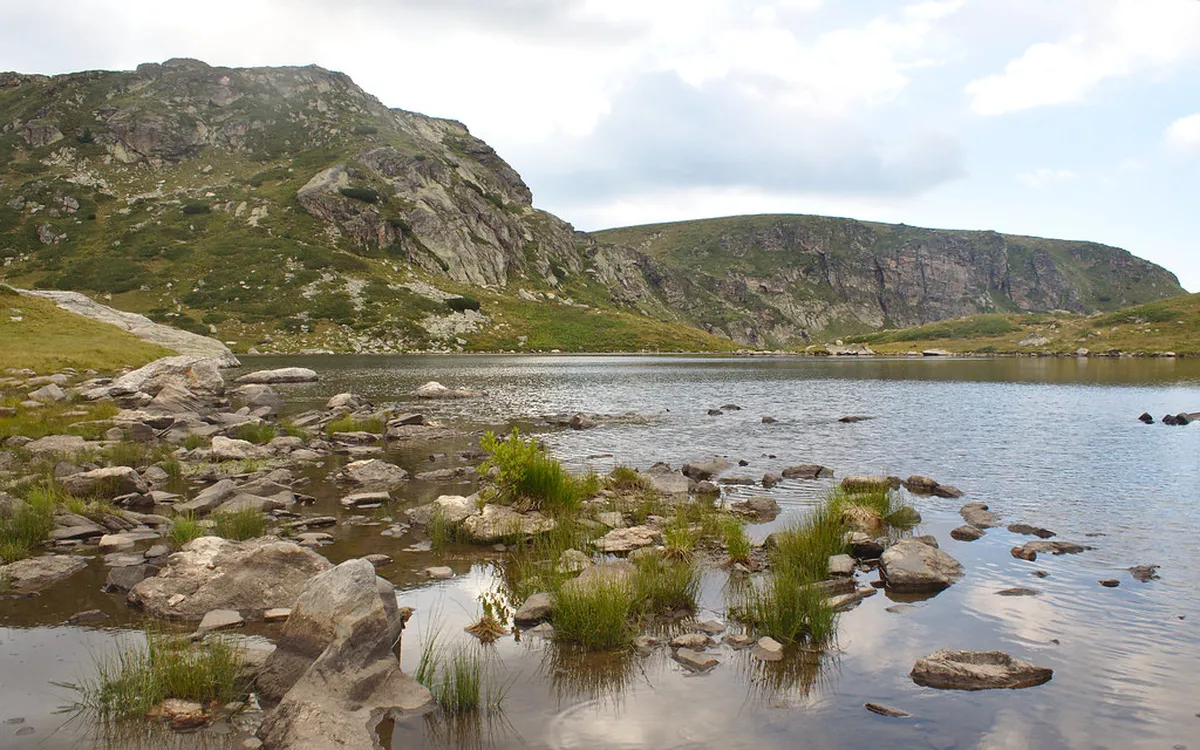
Bulgaria is especially scenic in the Rila Mountains. Around the Seven Rila Lakes Visitor Guide, jagged peaks and glacial waters create an alpine landscape, with quieter trails outside peak periods. Local legends describe these mountains as the spiritual heart of the Balkan Peninsula.
The country feels like a time capsule where Soviet history mixes with ancient Thracian gold. Concrete apartment blocks often stand right next to ornate Orthodox churches. This visual contrast creates a unique atmosphere that some travelers find gritty and others find fascinating. Traveling here requires a bit more patience than visiting France or Italy.
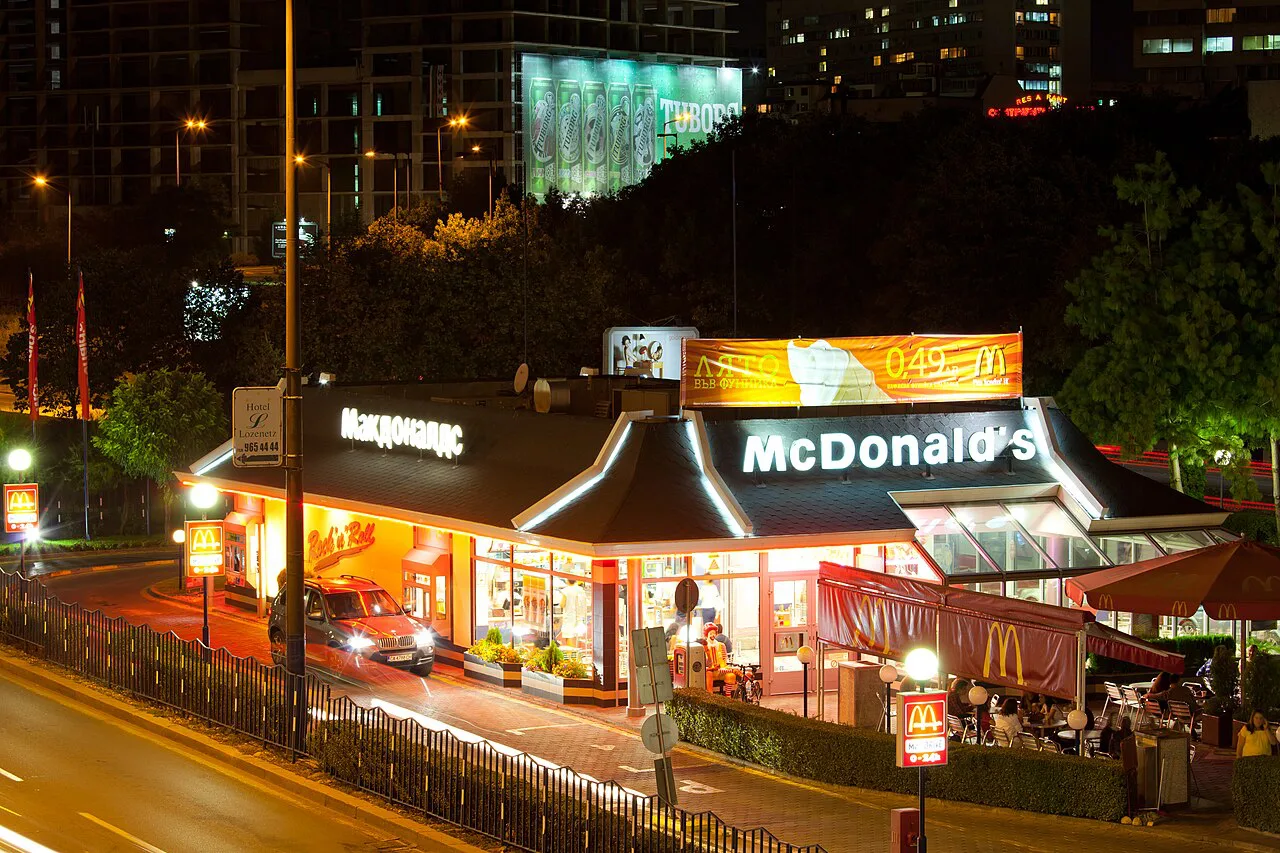
Authenticity is the main reason why Bulgaria is so special. You won't find many global chains outside of the largest city centers. Small family-run guesthouses still offer warm welcomes and substantial traditional meals. Mountain huts can offer homemade rakia and informal hospitality even when language is limited. Before you go, browse the Bulgaria's Top Destinations to build a route that captures as much of this diversity as possible.
Bulgaria's Seven Rila Lakes offer some of Europe's best high-altitude hiking with minimal crowds. Expect glacial waters, jagged peaks, and almost no other tourists on the trail — a stark contrast to Alps trails with the same scenery.
The Pros: Authenticity, History, and Natural Beauty
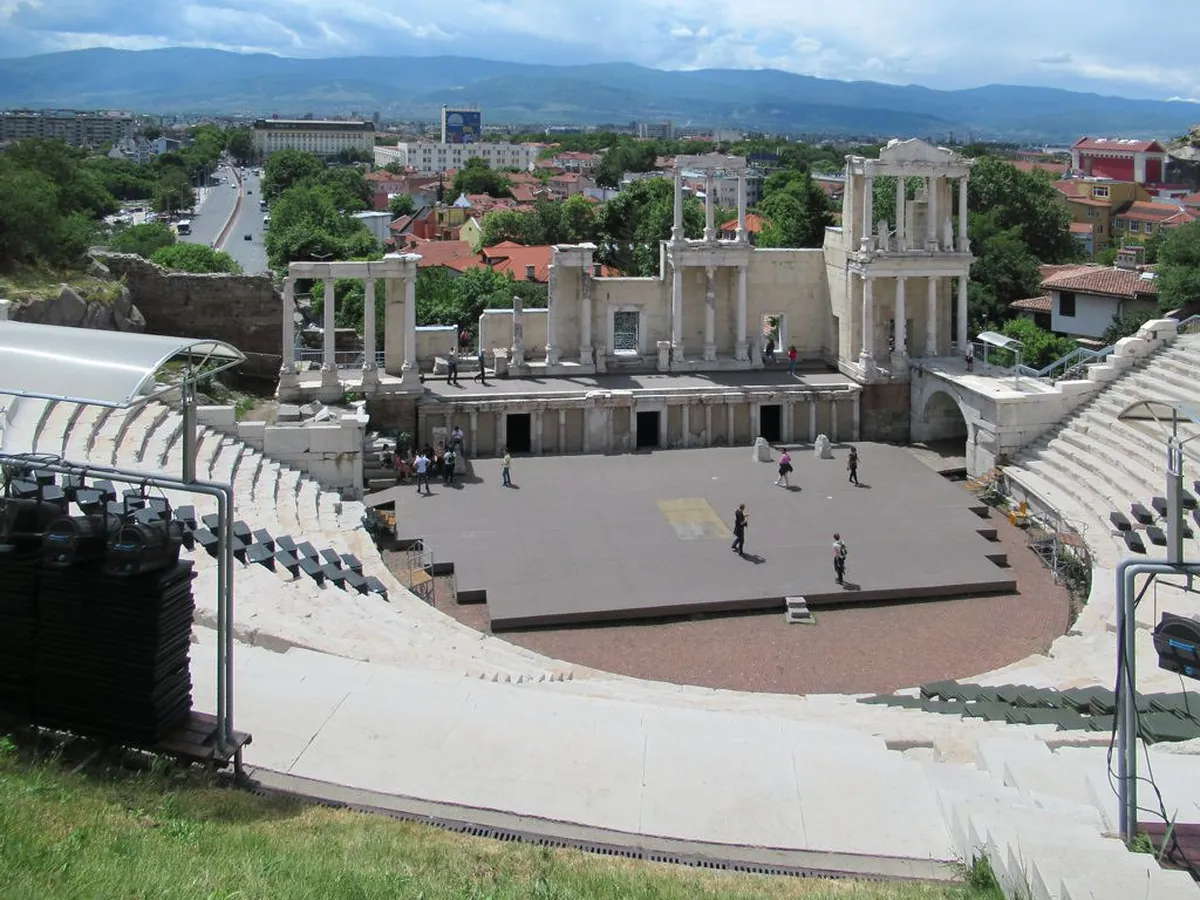
Ancient history mixes with modern atmosphere in every corner of the country. Plovdiv serves as a perfect example, boasting a fully functional Roman theater in its center. The Nebet Tepe Visitor Guide hill is a popular sunset viewpoint over the city's historic layers. Plovdiv is often called the oldest continuously inhabited settlement in Europe, and it held the European Capital of Culture title in 2019.
Nature lovers will find that there is fantastic mountain hiking in Bulgaria throughout the year. Rila and Pirin National Parks offer trails that challenge even the most experienced trekkers. Musala Peak in the Rila range, at 2,925 m, is the highest point in the entire Balkans and is reachable without mountaineering skills. The Black Sea coast provides a different vibe with sandy beaches and historic port towns — Sozopol and Nessebar are highlights for anyone interested in maritime history and fresh seafood.
The food alone is worth the trip. Shopska salad, tarator cold soup, and skara grilled meats are everywhere, cheap, and genuinely delicious. Bulgarian wine is outstanding and costs a fraction of what you'd pay in France. The traditional breakfast of banitsa — a warm cheese-filled pastry — paired with a glass of ayran yogurt drink costs around 2 EUR at any neighborhood bakery and will keep you going until lunch. Local markets pile high with seasonal produce that puts supermarket versions to shame.
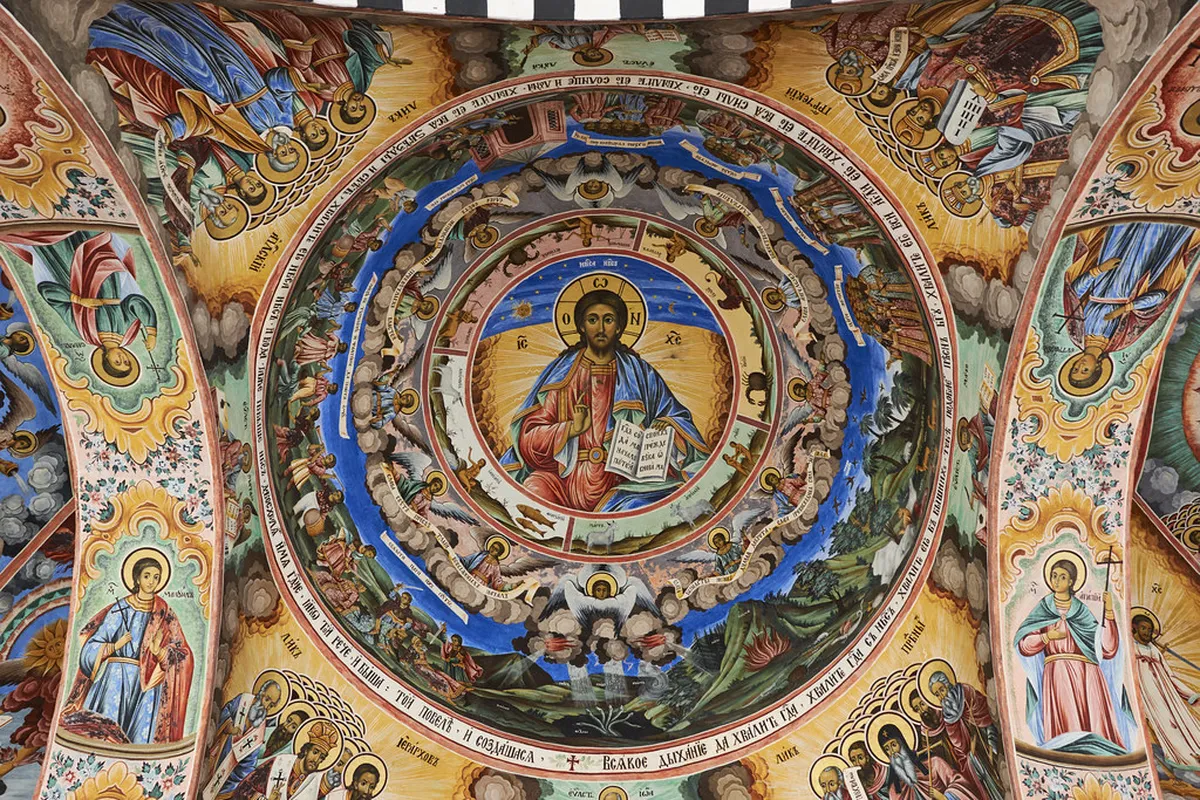
UNESCO has recognized Bulgaria repeatedly for good reason. The old town of Nessebar on the Black Sea, the Rila Monastery Visitor Guide, the Ivanovo rock-hewn churches, and the Srebarna nature reserve all carry world heritage status. You can tick off world-class cultural landmarks at a fraction of the price you'd pay in western Europe.
The Cons: Infrastructure Gaps and Language Barriers
The Cyrillic alphabet is genuinely disorienting at first. Signs in smaller towns are often Bulgarian-only, and older locals may speak no English at all. That said, most young people in cities speak English well enough to help you out, and menus in tourist areas are almost always bilingual. Google Translate with the camera function solves most emergencies — download the offline Bulgarian pack before you leave home.
The rail network is slow and unreliable. A train journey that would take 90 minutes on a modern line can stretch to four or five hours in Bulgaria. Buses are faster and the preferred option for most intercity travel. Secondary roads outside the major corridors can have serious pothole issues, which matters if you rent a car to access monasteries and trailheads.
Service culture can feel blunt to the point of rude if you're not prepared for it. Waiters and shop assistants rarely volunteer a smile. This is a cultural norm rather than hostility — once you strike up a conversation, Bulgarians tend to be warm and curious. One cultural quirk that trips up almost every first-time visitor: shaking your head means yes, and nodding means no. Even if you know this in theory, you will almost certainly get confused the first few times.
Public smoking is still very common in restaurants and bars. Smaller rural villages can have crumbling infrastructure, limited ATMs, and very few English menus. If your standard is five-star spa hotels and airport-style efficiency at every turn, Bulgaria will frustrate you. For everyone else, these rough edges are manageable and often part of the charm.
The Cyrillic alphabet and head-nod reversal (yes = head shake, no = nod) cause real confusion for first-time visitors. Download Google Translate offline and learn 20 basic Cyrillic characters before arrival — it solves 90% of communication friction outside Sofia.
So… Is Sofia Worth Visiting?
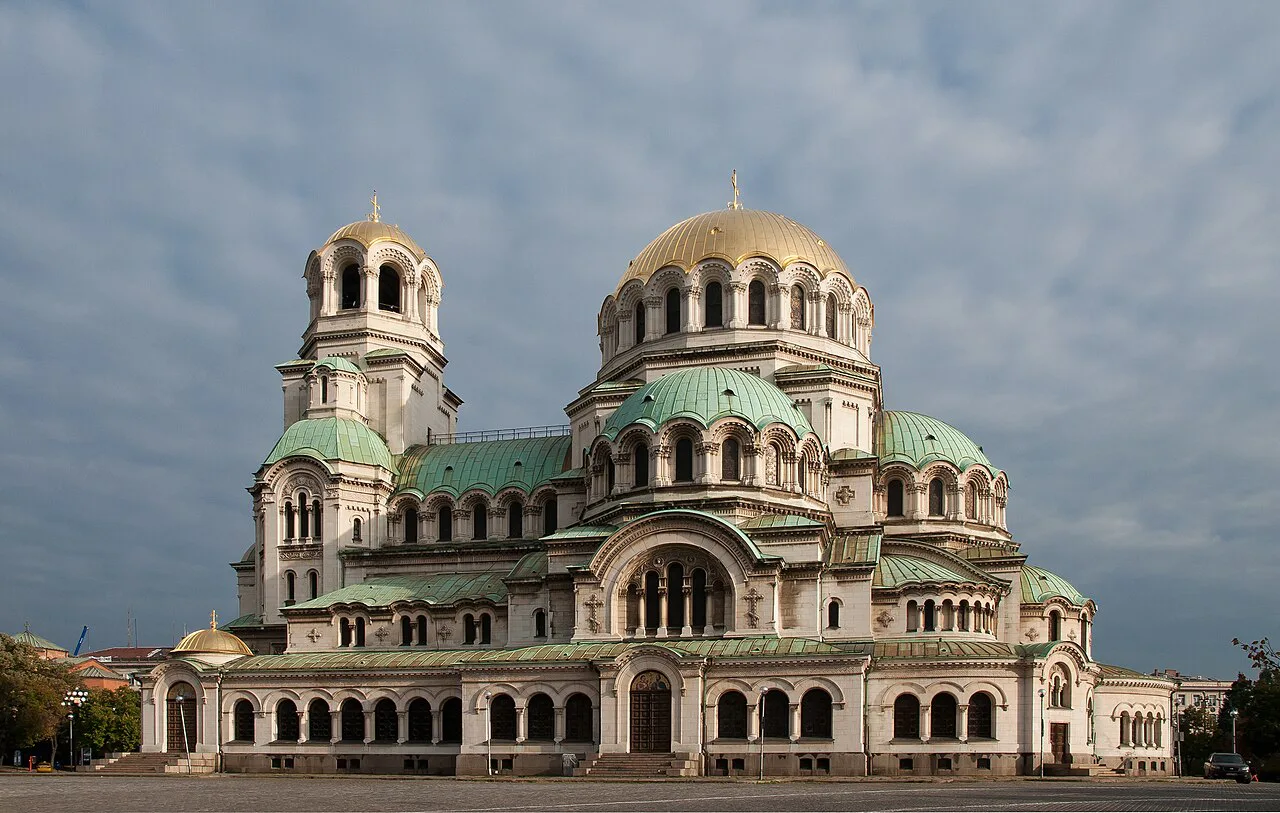
Sofia is worth visiting for at least three days. An honest opinion has to start with the Square of Tolerance, where a mosque, a synagogue, and two Orthodox churches stand within a few hundred meters of each other. This proximity represents the city's layered and largely peaceful history more eloquently than any museum exhibit. I recommend a free walking tour on your first morning to understand the context before you start ticking off sights on your own.
The capital's vibrant green spaces are a major strength. Borisova Gradina Visitor Guide is a massive park where locals gather for coffee, beer, and weekend music. Vitosha Mountain looms directly above the city, offering a quick escape for skiing or hiking without leaving the urban area. Prices are reasonable in Bulgaria's capital compared to almost any other EU hub — a Metro ride costs 1.60 BGN (about 0.80 EUR) and a solid restaurant meal rarely tops 20 EUR per person.
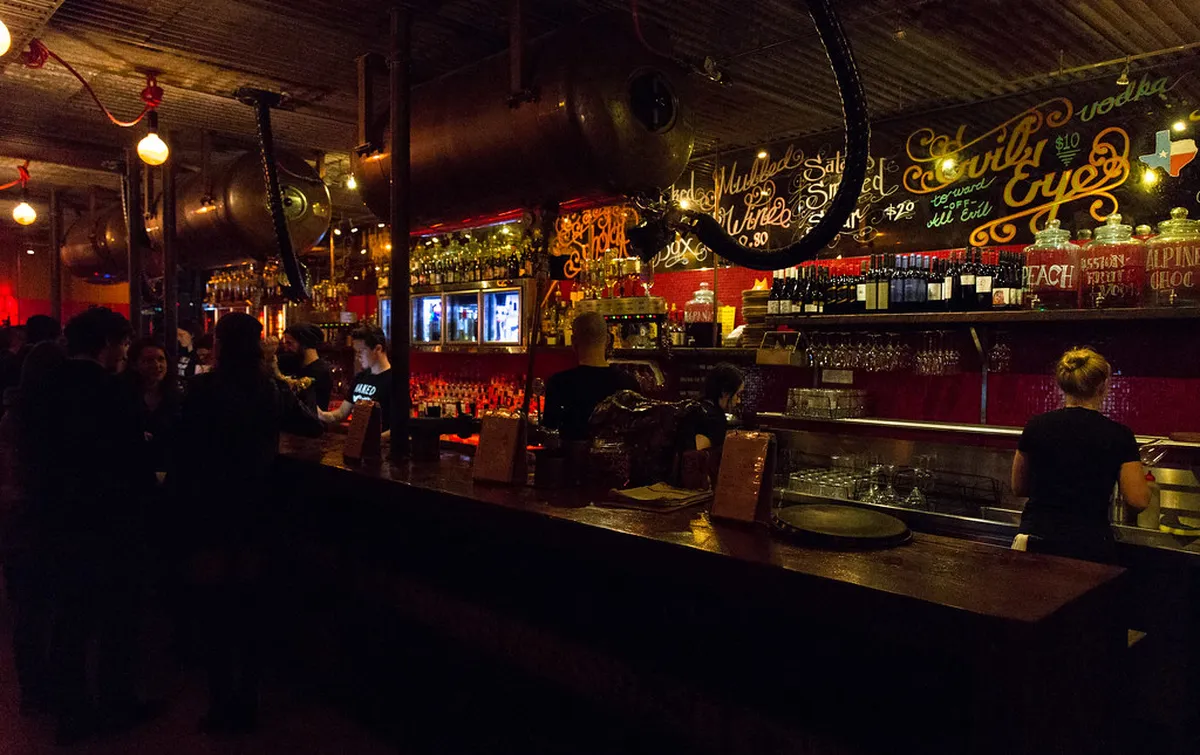
Do not miss the Serdica ruins inside the central metro station, the Red Flat museum documenting communist life, or the street art around the Lozenets and Oborishte neighborhoods. Day trippers often miss the lively evening atmosphere on Vitosha Boulevard, where bars and restaurants spill out onto wide pavements. The nightlife is genuinely diverse, from underground techno venues to traditional folk taverns called mehanas. Take a Viator Sofia walking tour to unlock the city's layers before you explore independently.
Why Bulgaria is Excellent for Digital Nomads
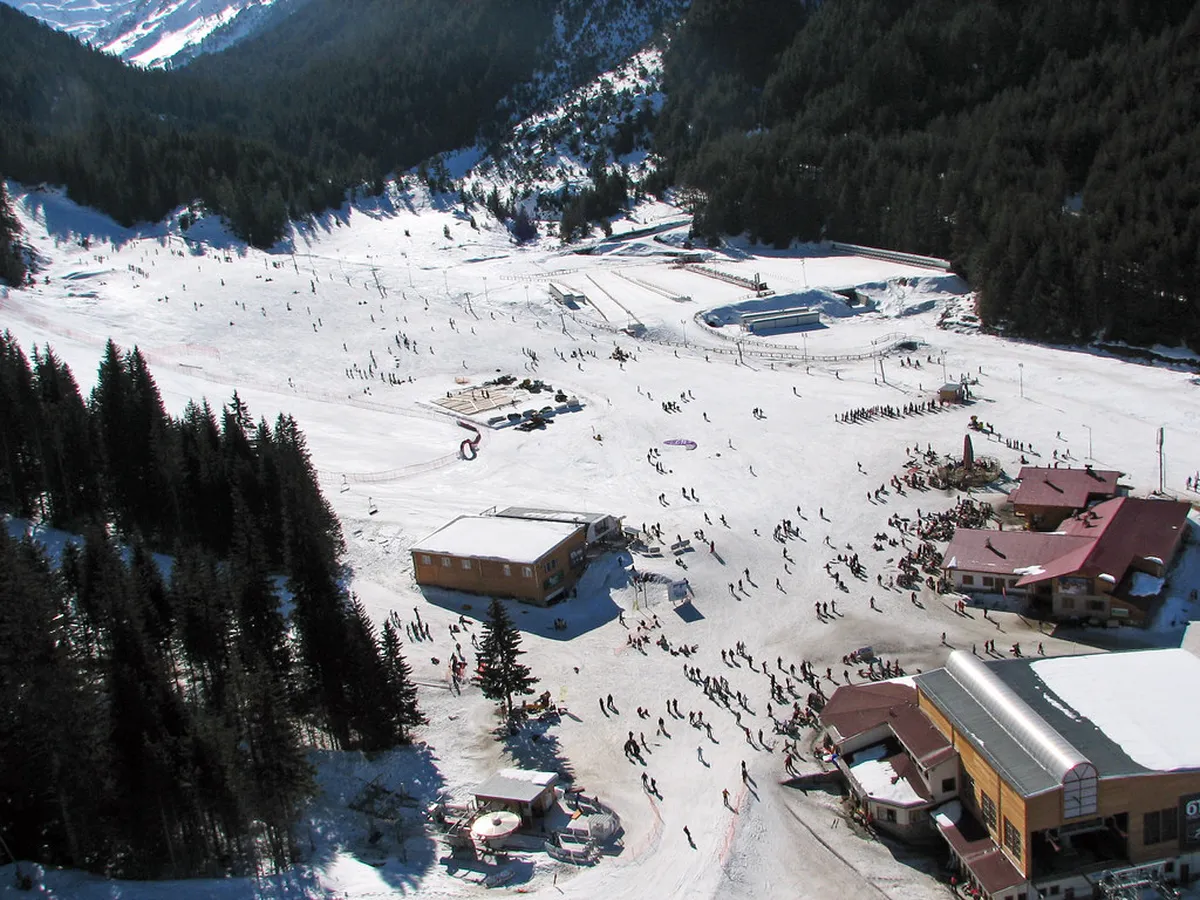
Bulgaria is an outstanding base for remote workers, with a flat 10% income tax, fast fiber internet in the cities, and a cost of living that is among the lowest in the EU. Bansko has transformed from a sleepy ski resort into one of Europe's most established nomad hubs, home to three coworking spaces and a summer digital nomad festival. Long-term apartment rentals in Bansko run 300–500 EUR per month, including utilities. Sofia and Plovdiv both have active nomad communities with regular weekly meetups and organized weekend trips to hot springs or mountain huts.
Internet speeds in Bulgarian cities are among the fastest in Europe — consistent 100–500 Mbps fiber is standard in Sofia apartments, and most cafes offer strong enough Wi-Fi for video calls. The coworking culture is mature enough that you will find dedicated spaces open from 08:00 to 22:00 with private call booths, not just shared cafes.
One practical change nomads must understand: Bulgaria joined the Schengen Zone in January 2024. This means it now counts toward the 90-day Schengen allowance for non-EU passport holders. If you are from the US, Australia, Canada, or another Schengen-exempt country, you can no longer use Bulgaria as a bolt-hole to reset your clock outside the zone. The workaround is Bulgaria's dedicated 1-year digital nomad visa, which grants a full year of residence rights. The Sofia Expats digital nomad visa guide covers the requirements in detail. EU passport holders are unaffected and can stay indefinitely.
Great Public Transportation and Getting Around
Traveling in Bulgaria is relatively easy if you stick to the major city hubs. The Sofia Metro is clean, modern, and cheap — a single ride costs 1.60 BGN and you can pay with any contactless card, no ticket machine required. It connects the airport directly to the city center in about 30 minutes. Three lines cover most tourist-relevant destinations, including the Central Railway Station and the National Palace of Culture.
Regional travel becomes more of a challenge once you head into the countryside. Buses are generally faster and more reliable than the aging national train system. The regional bus network is not listed on global apps like Omio or Google Maps, so book via the Bulgarian platform BusExpress or buy tickets at the station on the day. Train tickets for domestic routes are sold via the BDZ national rail website, but departure times are incomplete on third-party apps — always verify at the station board.
Consider renting a car for the best mountain and monastery access. Many of the most beautiful trailheads and rural monasteries are not served by public transport. Driving is generally safe on main roads, though some secondary roads have significant potholes. Always carry cash for small parking fees in rural tourist areas. The 1 EUR = 2 BGN exchange rate is easy to remember, and Bulgaria has not yet adopted the euro.
Prices and Budget: Is Bulgaria Still Affordable?
Bulgaria is probably the cheapest country in the EU for the average traveler in 2026. A budget of 35–50 EUR per day covers a hostel bed, three meals, and local transport. Mid-range travelers can live very well on 80 EUR per day, including a comfortable hotel. A typical restaurant meal costs around 10 EUR, a half-liter beer costs 1–2 EUR, and a first-class train ticket for a five-hour journey runs about 10 EUR. Check Hostelworld Bulgaria for current hostel prices — dorm beds in Sofia typically start at 10 EUR per night.
Museum entry fees typically range from 5 to 12 EUR for adults. The Rila Monastery is free to enter; the National History Museum, Sofia Visitor Guide in Sofia costs 10 BGN (5 EUR). A fancy dinner for two with wine at a mid-range Sofia restaurant usually costs 40–60 EUR total — roughly half what you would pay in Warsaw or Prague for equivalent quality.
Local markets are the best place to find cheap and high-quality food. A large piece of banitsa costs about 1 EUR, a coffee is 1–1.50 EUR, and fresh seasonal fruit is a fraction of supermarket prices. Bulgaria remains one of Europe's best-value destinations, and the gap with its western neighbors has not closed significantly despite EU membership and inflation.
Final Verdict: Who Should (and Shouldn't) Visit Bulgaria
Bulgaria is ideal for history buffs who want Roman, Byzantine, and Ottoman layers without crowds. It suits budget hikers and trekkers who want serious mountain terrain — the Rila, Pirin, Rhodopes, and Balkan ranges offer everything from casual day hikes to multi-day hut-to-hut routes. It is excellent for digital nomads who qualify for the 1-year visa or hold EU passports, and for anyone who prefers authentic culture over polished tourist infrastructure. If you are comparing options, see our guide to a Bulgaria Trip Planner and the top things to do in Bulgaria to understand the full range of experiences on offer.
Bulgaria is a harder sell for travelers who need five-star hotels everywhere, struggle with language barriers, or require predictable train schedules. The Black Sea resorts like Sunny Beach cater to package-holiday crowds and can be rowdy — if that is your main draw, Croatia or Greece may deliver a more comfortable experience. Rural infrastructure genuinely lags behind western Balkan neighbors like Slovenia, so set your expectations accordingly outside the main cities.
The sweet spot for first-timers is a 10-day itinerary that combines three days in Sofia, two days in Plovdiv, two days in the Rila Mountains (including the Seven Lakes hike), and a couple of nights on the Black Sea coast. That window gives you enough time to appreciate the depth of the country without rushing. Bulgaria is a place that stays with you long after you leave its borders — most travelers who go once start planning a return trip before they land back home.
Continue planning: Use Bulgaria 10 Day Itinerary Travel Guide to connect this guide with the rest of your Bulgaria itinerary.
Frequently Asked Questions
Is Bulgaria safe for solo travelers?
Yes, Bulgaria is very safe for solo travelers. Violent crime is rare, and most locals are helpful if you approach them. Just use standard precautions in crowded tourist areas to avoid pickpockets.
How many days do you need in Bulgaria?
I recommend at least 7 to 10 days to see the highlights. This allows for three days in Sofia, two in Plovdiv, and a few days in the mountains or on the coast. Check out a Ten Days in Bulgaria for more details.
Is Sofia or Plovdiv better to visit?
Both are excellent, but they offer different vibes. Sofia is a bustling capital with great museums and parks. Plovdiv is more relaxed, romantic, and packed with ancient Roman history. I suggest visiting both.
Bulgaria is a lesser-known place that offers incredible value for adventurous travelers. The combination of low prices, deep history, and stunning nature is hard to beat. While the infrastructure can be rough, the authenticity of the experience makes it worth the effort. I highly recommend adding it to your European travel list before it becomes too popular.
Follow a solid Bulgaria Trip Planner to make the most of your time. Don't be afraid of the language barrier or the slightly grittier aesthetic of the cities. The rewards of exploring this Balkan nation are far greater than the minor inconveniences. Bulgaria is a place that stays with you long after you leave its borders.